






Blog
Inspect Delivery: Compare feed levels immediately after delivery across multiple marked locations.
Check Continuity: Ensure the hopper feeds consistently without bridging or channeling blocks.
Match Mechanism: Inspect chain, auger, or traveling hopper components based on specific equipment design.
Verify Alignment: Check trough joints, outlet clearances, gate positions, and sensor functions carefully.
Test Repairs: Monitor repeated feeding cycles and maintain detailed operational records for ongoing efficiency.
Get professional poultry farm construction guidance, equipment selection solutions, and the latest price lists, whatsApp to +8618830120193, +2348111199996, or click to learn more:
Understanding Feed Flow Dynamics In Cage Systems
Uneven feed distribution often stems from mechanical restrictions or improper flow rather than a shortage of feed. A full trough near the hopper paired with an empty section further along points to delivery interruptions, restricted outlets, or trough misalignment. Increasing overall feed volume only deepens overflow without resolving underfeeding issues for distant hens.
Inspecting Delivery And Mechanical Components
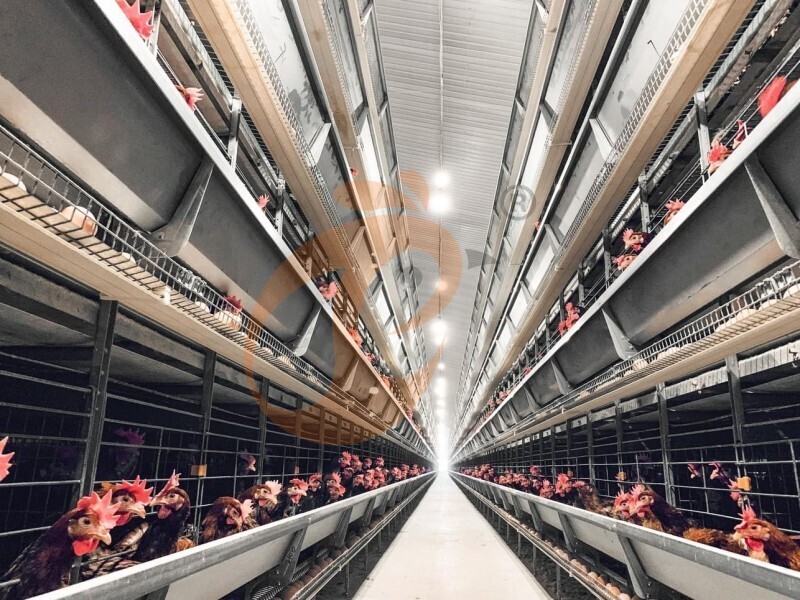
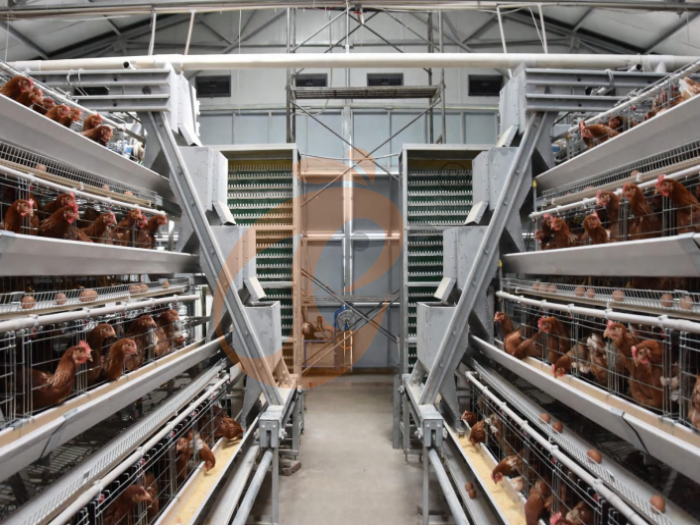
Before altering feed schedules, isolate equipment and inspect discharge points for compacted feed or moisture. Different feeding mechanisms require targeted checks. For instance, chain feeders need tension and wear inspections, while auger systems require flighting checks. For installations such as a Fully Automatic H Type Layer Chicken Cage, establishing the correct configuration prevents improper adjustments.
Adjusting Controls And Trough Alignment
Small alignment errors or sensor faults can cause persistent local shortages. Clean accumulation points and verify gate positions physically rather than relying solely on scale marks. Change one variable at a time, such as speed or cycle duration, and record original settings to track effectiveness accurately.
Verifying Repairs And Feed Consistency
After making adjustments, repeat delivery comparisons across multiple cycles. Check spillage, motor behavior, and actual feed use. If temporary feeding is necessary during repairs, account for it in daily allocations to maintain flock health and consistent nutrition delivery.
Frequently Asked Questions
Why Is The Feed Uneven In My Automatic Battery Cage System?
Uneven feed usually results from mechanical blockages, hopper bridging, worn augers, or trough misalignment rather than an overall lack of feed.
How Often Should I Inspect Trough Alignment And Outlets?
Inspect trough joints, outlet clearances, and feed-leveling plates during routine monthly maintenance to prevent persistent local feed shortages.
Can Sensor Faults Cause Overfilling In Feeding Lines?
Yes. A sensor covered with dust or positioned incorrectly may fail to detect feed properly, leading to overfilling or stopping the feeding cycle prematurely.
Company Strength And Service Support
Direct Factory Supply: As a direct manufacturer, we provide premium automatic battery cage systems designed for durability and optimal feed efficiency.
Custom Solutions: We tailor cage layouts and feeding equipment configurations to fit your specific poultry house dimensions and flock size.
Technical Expertise: Our engineering team offers professional installation guidance and troubleshooting support for all mechanical feeding components.
Global Standards: Our products meet strict international quality standards, ensuring reliable performance and long-term operational value. (Note: All monetary figures in this article use local currency or USD with European standards for reference only, 1 USD = 0.92 EUR).
Dedicated After-Sales Service: We deliver prompt spare parts supply and responsive customer care to keep your poultry farm running smoothly.
Contact Us To Received Your Customized Poultry Farm Plan
Headquarters And Branchs

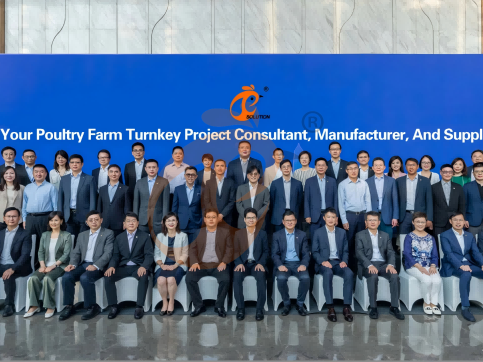
Hong Kong Headquarter Management Team
Hong Kong Headquarter Taiyu Industrial Group CO., LTD
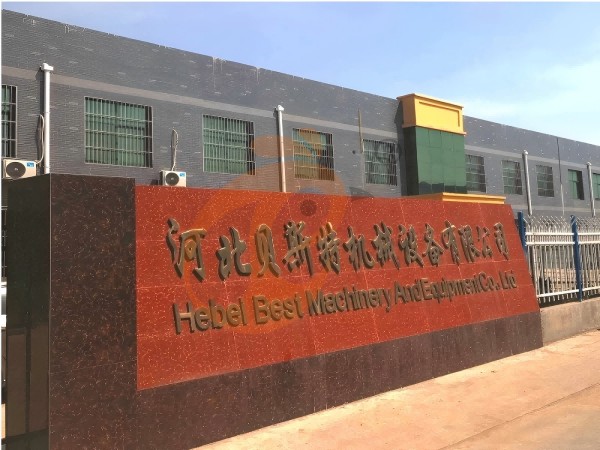
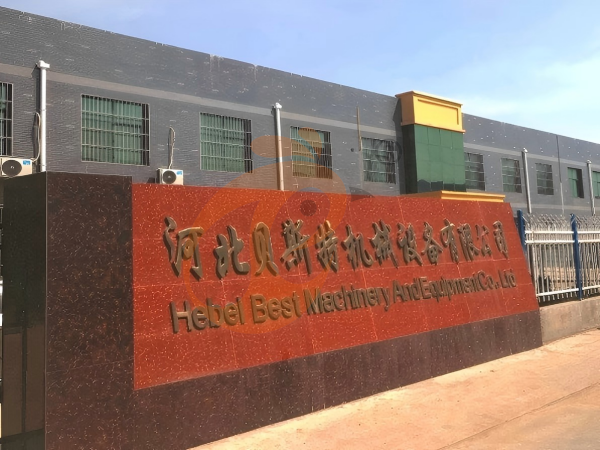
China Hebei Best Machinery And Equipment CO., LTD
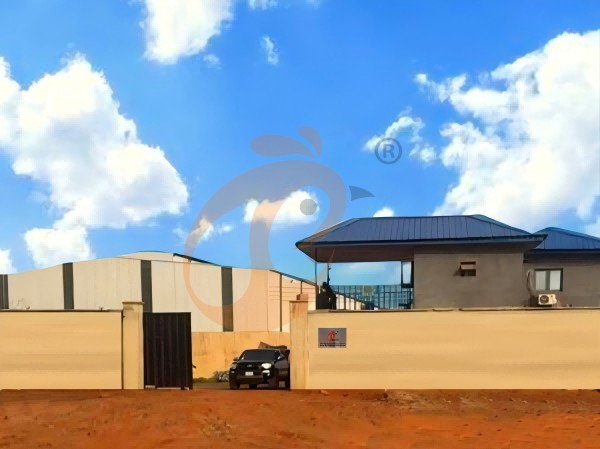
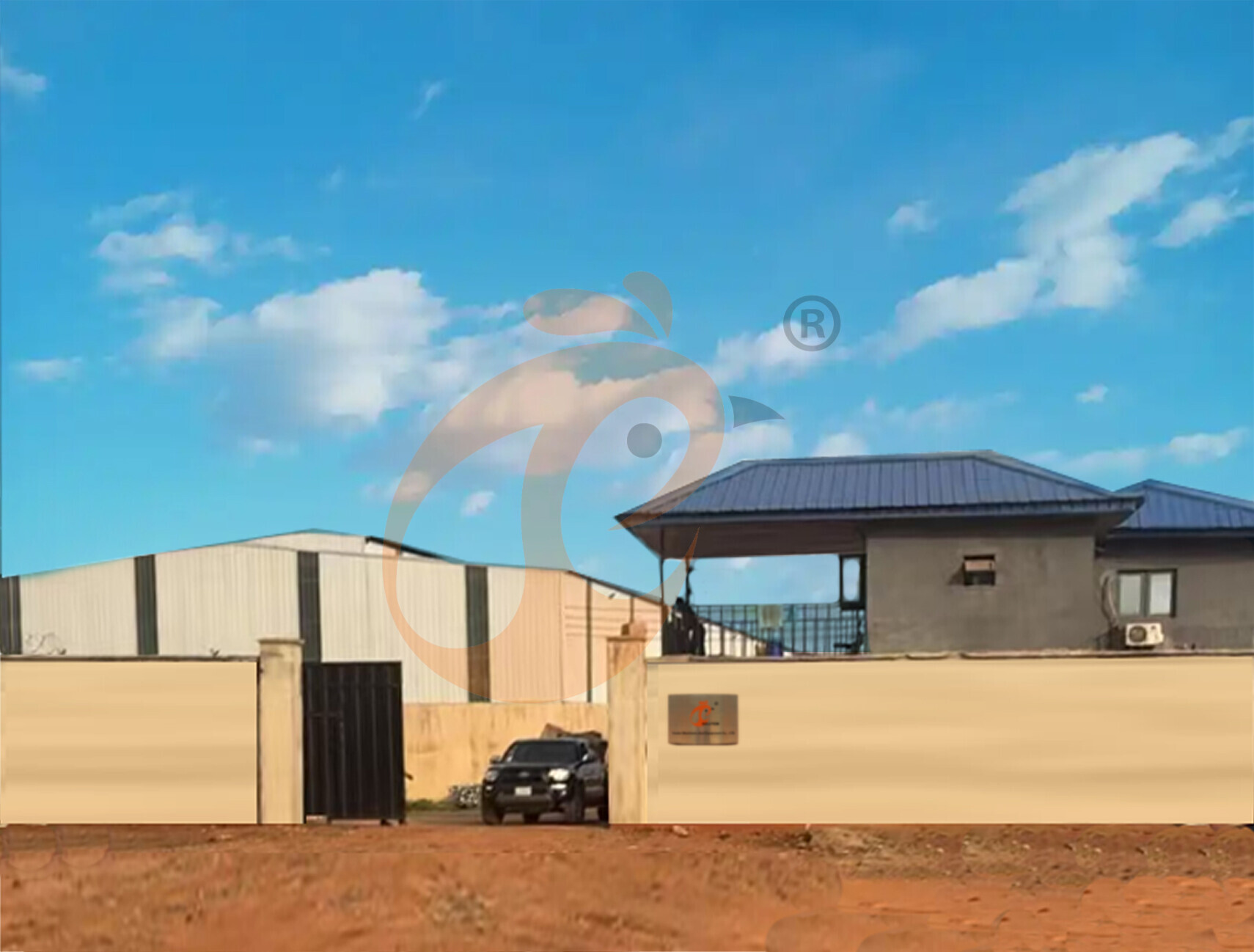
Nigeria Vanke Machinery And Equipment CO., LTD
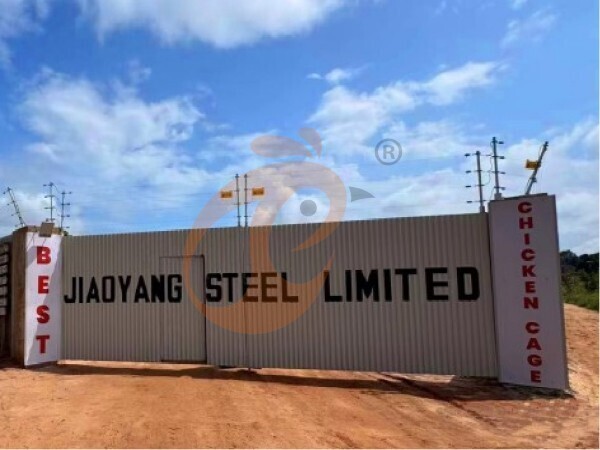
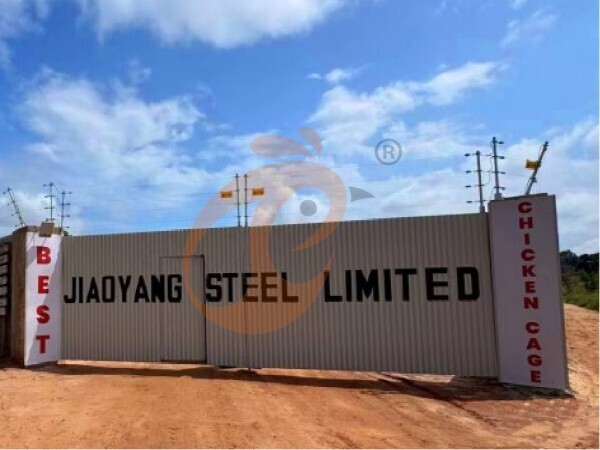
Tanzania Best Machinery And Equipment CO., LTD
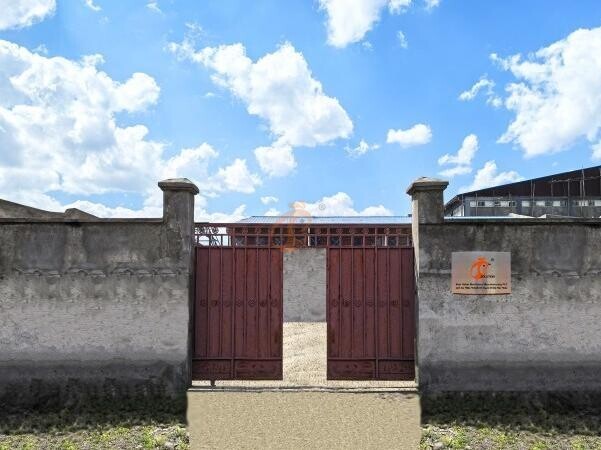
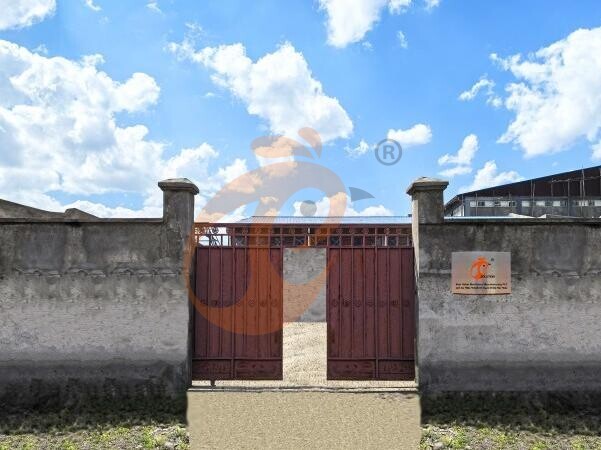
Ethiopia Best Hebei Machinery Manufacturing PLC
Reception /24 WhatsApp NO. : +8618830120193
Message
Products recommended
 HK Headquarter Offers EU-standard Poultry Farm Solutions, Manufacture Poultry Farm Equipment1. Continuous communication with the EU and the US
2. China, Nigeria, Ethiopia, Tanzania branch companies and factories
3. The products’ quality is customized for local poultry farms
4. Poultry cage and poultry farm equipment stock for sale
5. 24 online reception Whatsapp NO. : +8618830120193,contact us to get full informationRead More China Branch Offer Poultry Farm Business Plan, Manufacture Poultry Farm Equipment1. Address: Flat/RM 2416, 24/F, Runxing Building, Youyi Nan Street, Shijiazhuang City, Hebei Province, China
2. Poultry cage and poultry farm equipment factory and stock for sale
3. Customized for local poultry farms
4. Quality and design are based on Euro
5. 24 online reception Whatsapp NO. : +8618830120193Read More Nigeria Branch Offer Poultry Farm Business Plan, Manufacture Poultry Farm Equipment1. Address: After Sinoma Office, 200 Meters Near Danco Filling Station, Lagos/Ibadan Expressway, Lagos State, Nigeria
2. Poultry cage and poultry farm equipment factory and stock for sale
3. Customized for Nigerian poultry farms
4. Quality and design are based on Euro
5. 24 online reception Whatsapp NO. : +8618830120193Read More Ethiopia Branch Offer Poultry Farm Business Plan, Manufacture Poultry Farm Equipment1. Address: Gelan Gura, Akaki-kaliti Sub City, Addis Ababa, Ethiopia
2. Poultry cage and poultry farm equipment stock for sale
3. Customized for Ethiopian poultry farms
4. Quality and design are based on Euro
5. 24 online reception Whatsapp NO. : +8618830120193, contact us to get price listRead More Tanzania Branch Offer Poultry Farm Business Plan, Manufacture Poultry Farm Equipment1. Address: No.8, Sova Road, Msufini, Mlandizi, Kibaha, Pwani, Tanzania
2. Poultry cage and poultry farm equipment factory and stock for sale
3. Customized for Tanzanian poultry farms
4. Quality and design are based on Euro
5. 24 online reception Whatsapp NO. : +8618830120193Read More Fully Automatic H Type Layer Chicken Cage1. 30,000-100,000+ layers/house chooses it, Poultry farmers can achieve an egg production rate of 96-98%
2. A significant improvement over the 85-90% typically seen in manual systems
3. A typical poultry farm can expect a 30-40% reduction in labor costs due to the automation
4. Each feeding line efficiently supplies feed to around 100,000 hens per 30 mins
5. Reception /WhatsApp NO. : +8618830120193Read More Fully Automatic A Type Layer Chicken Cage1. 10,000-50,000 layers/house chooses it
2. Cleaner egg collection reduces breakage by 0.5%
3. Improved hygiene helps reduce mortality rate to <3%
4. 1–2 technicians can handle 15,000–30,000 birds
5. Reception /WhatsApp NO. : +8618830120193Read More Semi Automatic H Type Layer Chicken Cage1. 1,00-20,000 layers/house chooses it
2. Nipple drinkers flow 30–60 ML / min
3. Hot-dip galvanized (typical coating ≥ 275 g/m²)
4. Reduce ammonia by ~ 35–40%
5. Reception /WhatsApp NO. : +8618830120193Read More Semi Automatic A Type Layer Chicken Cage1. 1,00-20,000 layers/house chooses it, no rust for 10 years, no deformation for 15 years
2. Chickens live comfortably, you can raise them with peace of mind
3. Save water, save money—efficiency you can measure
4. Improve environment quality, and increase egg production rate
5. Reception /WhatsApp NO. : +8618830120193Read More
By clicking 'Allow All', you agree to the storage of cookies on your device to enhance site navigation, analyze site usage and assist with our marketing efforts.