






Blog
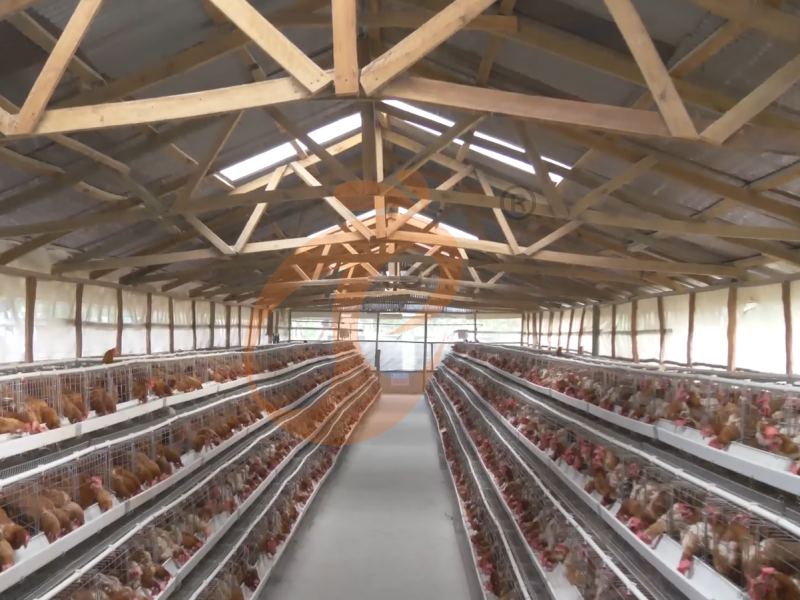
For commercial egg producers, a layer cage system offers stronger control over output, labor use, and flock organization. However, as the poultry industry evolves in 2026, the choice between cage-based and floor rearing depends on your specific business model, target market, and local labor costs. As a manufacturer, we help you compare these production models in practical terms so your final choice supports egg quality and long-term operating stability.
Layer cage systems improve space efficiency by up to 400% compared to floor rearing.
Automated egg collection in cage systems reduces breakage and contamination by 3% to 5%。
Floor rearing offers higher welfare positioning for specific premium egg markets.
Integrated smart IoT controls can stabilize bird comfort in either housing model.
Get professional poultry farm construction guidance, equipment selection solutions, and the latest price lists, whatsApp to +8618830120193, +2348111199996, or click to learn more:
Why This Decision Defines Your Farm Profitability
Choosing between a layer cage system and floor rearing is more than a style preference; it directly influences your collection efficiency and mortality control. In 2026, many commercial farms select the layer cage system because it supports consistent, standardized routines. This is especially valuable in regions with high labor turnover or limited technical supervision. Floor rearing remains an option for niche markets, but it demands higher day-to-day discipline in litter management and bird observation.
Production Performance And Daily Operational Control
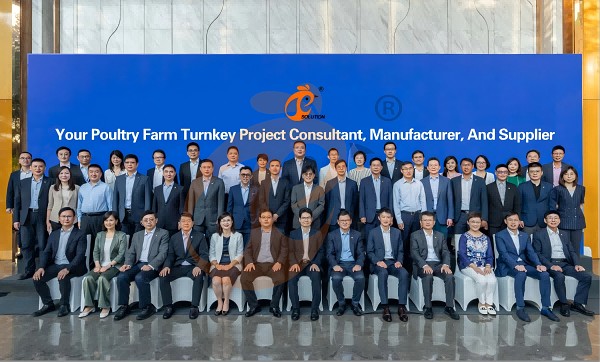
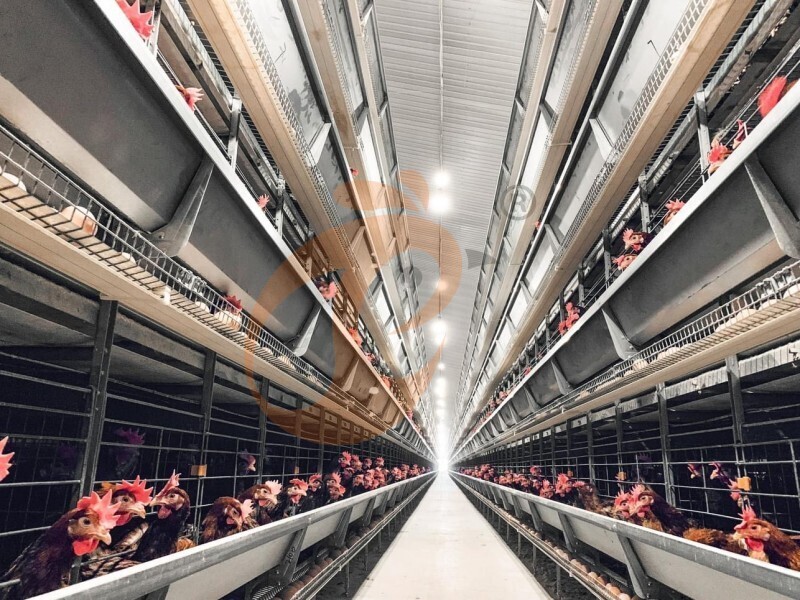
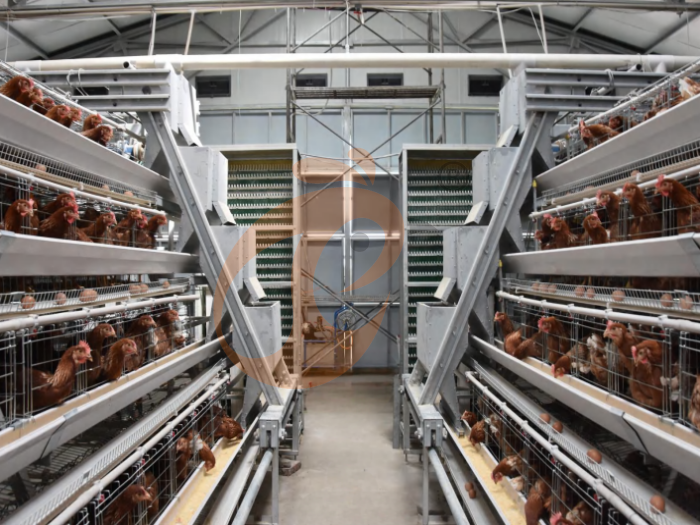
When you ask how a layer cage system changes farm performance, the answer lies in visibility. Birds are grouped in an organized structure, making it easier for your staff to identify feed response or drinking behavior. Furthermore, egg handling is a major practical advantage; eggs are separated from birds immediately, reducing dirt and pecking damage. To further enhance this, many investors now integrate the Poultry House Environmental Control Smart IoT System to manage ventilation and temperature alerts automatically.
Matching Your Local Conditions To The Right Solution
The best system is always the one that fits your local operating reality. For our international customers, we have delivered projects exceeding 5 million bird capacity across diverse climates. For example, our 2010 Dubai project utilized a layer cage system with 30,000 birds per pen, while our 2012 Nigeria project focused on integrated broiler processing. These cases prove that climate variability and labor skill levels must dictate your equipment choice to ensure a faster return on investment.
Making A Confident Purchase Decision For 2026
If your target is commercial efficiency and easy standardization, a layer cage system is the most practical path. For budget reference, medium-scale equipment packages can range from USD 19,000 to USD 98,000 (EU Standard For Reference Only), depending on house configuration and automation scope. As a direct manufacturer, we focus on your expected return period and maintenance ease before recommending a final layout that matches your market and budget.
Frequently Asked Questions About Egg Farm Housing
Is A Layer Cage System Better For New Investors?
For most new investors, yes. The layer cage system makes feeding, egg collection, and manure management more organized, which helps reduce avoidable mistakes while your management team is still building experience.
Does Floor Rearing Always Cost Less To Operate?
Not necessarily. While the initial hardware cost may be lower, the higher labor requirement for egg sorting and litter maintenance can increase your long-term operating expenses significantly.
Can Smart IoT Systems Support Both Models?
Yes. Climate monitoring and automated alarms can support both cage and floor models. In 2026, smart control is essential to stabilize bird comfort regardless of the housing style you choose.
Why Global Farm Owners Trust Taiyu Group
We are a leading manufacturer utilizing advanced German production technology to ensure high durability and precision.
Our team provides professional farm planning support based on your specific market goals and local environmental conditions.
We possess extensive international experience, having completed successful projects in Dubai, Nigeria, Australia, and beyond.
We offer fully integrated solutions that combine housing, automated feeding, ventilation, and after-sales coordination.
Our commitment to quality helps you achieve a more dependable production rhythm and a faster return on your capital investment.
Contact Us To Received Your Customized Poultry Farm Plan
Headquarters And Branchs
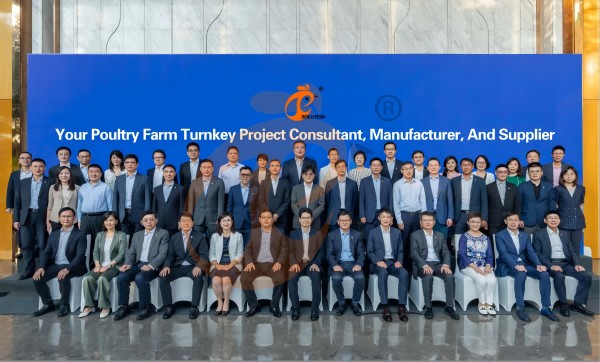
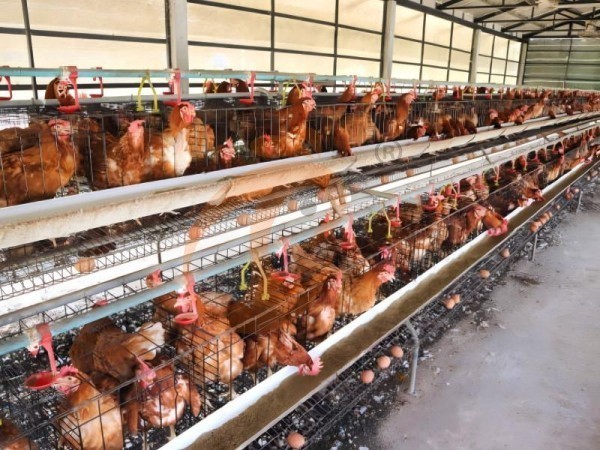
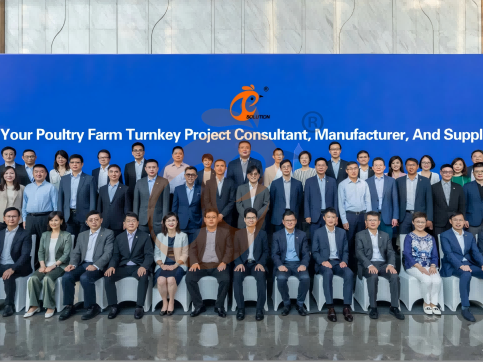
Hong Kong Headquarter Management Team
Hong Kong Headquarter Taiyu Industrial Group CO., LTD
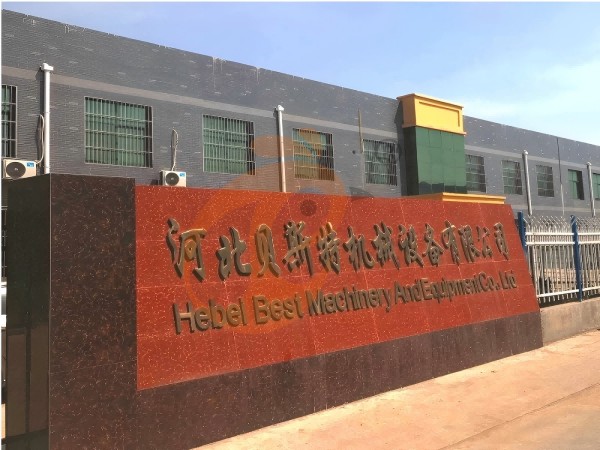
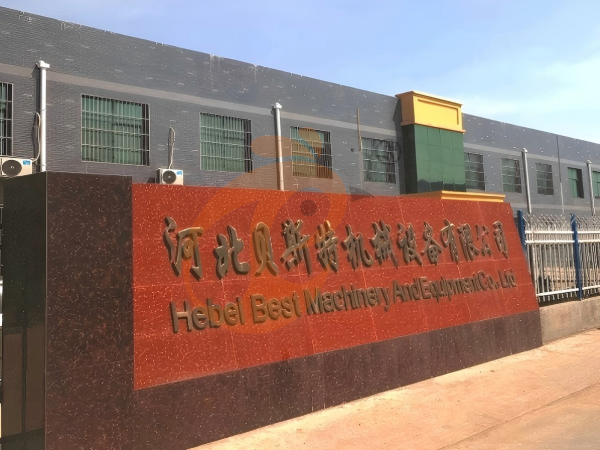
China Hebei Best Machinery And Equipment CO., LTD
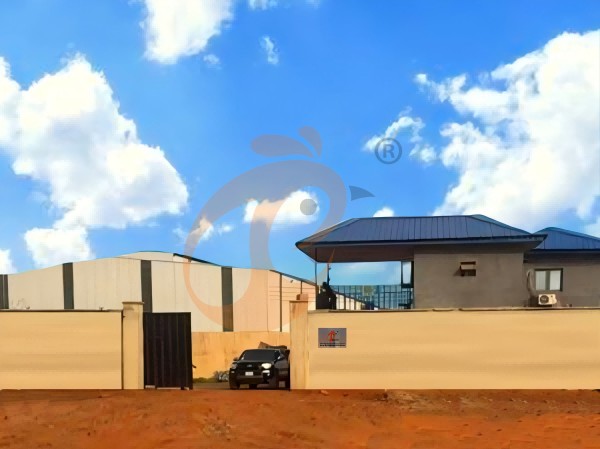
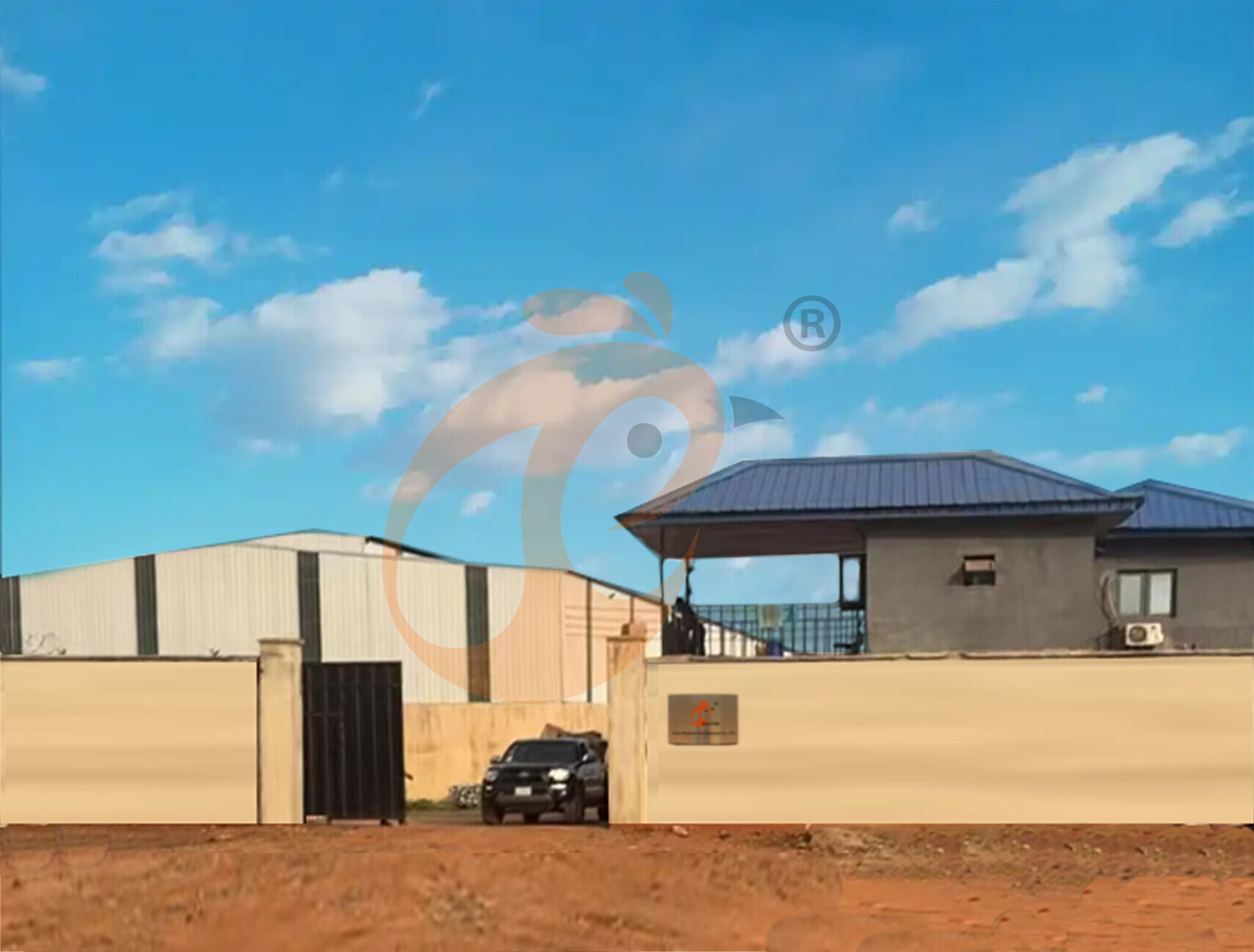
Nigeria Vanke Machinery And Equipment CO., LTD
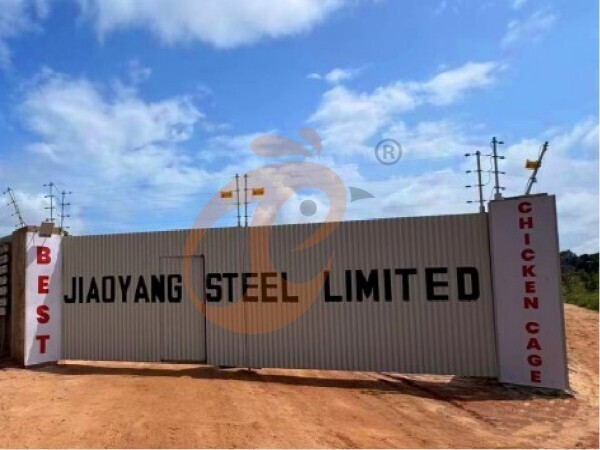
Tanzania Best Machinery And Equipment CO., LTD
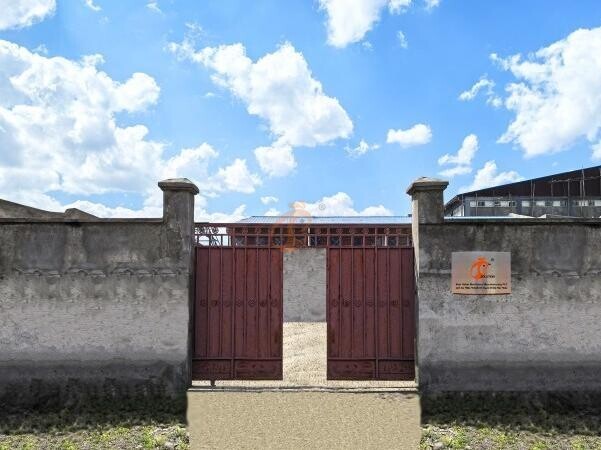
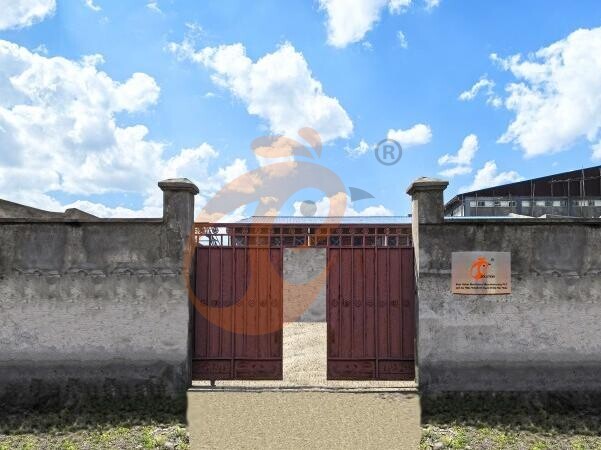
Ethiopia Best Hebei Machinery Manufacturing PLC
Reception /24 WhatsApp NO. : +8618830120193
FAQ
What Is Feeding System Capacity And Feed Distribution Precision In Poultry Chicken Farming?
Feeding line length spans 60 to 120 meters, with motor power 0.75 to 1.5 kw, achieving delivery speed 18 to 28 meters per minute, maintaining feed uniformity deviation below 5%, supporting stable daily gain performance across large scale broiler production units.
Hopper volume ranges 80 to 150 kg, with sensor controlled refill interval 20 to 40 minutes, maintaining continuous supply, avoiding starvation stress, enabling stocking density 16 to 22 birds per square meter under automated feeding regimes, improving production throughput efficiency.
How Does Feeding System Influence Feed Conversion Ratio And Growth Performance In Broiler Chicken Production?
Feed drop interval controlled within 2 to 5 hours, maintaining gut activity, optimizing digestion efficiency, resulting protein utilization rate reaching 62% to 68%, reducing mortality below 3% during full production cycle under precision feeding strategies.
System calibration maintains feed particle size 2 to 4 mm, minimizing segregation, ensuring consistent nutrient intake, supporting slaughter weight 2.2 to 2.8 kg within 35 to 42 days, enhancing production turnover and maximizing economic return per batch cycle.
What Are Technical Parameters Of Automated Feeding System Operation And Energy Consumption In Poultry Farms?
Chain feeding system speed controlled at 0.12 to 0.25 meters per second, ensuring smooth transport, minimizing mechanical wear, extending service life beyond 8 to 10 years under routine maintenance protocols, lowering long term capital replacement costs.
Environmental adaptability supports temperature range minus 10 to 45 degrees celsius, maintaining operational stability, humidity tolerance up to 85%, preventing corrosion and system failure, ensuring consistent feed delivery performance across diverse climatic poultry production regions.
Message
Products recommended
 HK Headquarter Offers EU-standard Poultry Farm Solutions, Manufacture Poultry Farm Equipment1. Continuous communication with the EU and the US
2. China, Nigeria, Ethiopia, Tanzania branch companies and factories
3. The products’ quality is customized for local poultry farms
4. Poultry cage and poultry farm equipment stock for sale
5. 24 online reception Whatsapp NO. : +8618830120193,contact us to get full informationRead More China Branch Offer Poultry Farm Business Plan, Manufacture Poultry Farm Equipment1. Address: Flat/RM 2416, 24/F, Runxing Building, Youyi Nan Street, Shijiazhuang City, Hebei Province, China
2. Poultry cage and poultry farm equipment factory and stock for sale
3. Customized for local poultry farms
4. Quality and design are based on Euro
5. 24 online reception Whatsapp NO. : +8618830120193Read More Nigeria Branch Offer Poultry Farm Business Plan, Manufacture Poultry Farm Equipment1. Address: After Sinoma Office, 200 Meters Near Danco Filling Station, Lagos/Ibadan Expressway, Lagos State, Nigeria
2. Poultry cage and poultry farm equipment factory and stock for sale
3. Customized for Nigerian poultry farms
4. Quality and design are based on Euro
5. 24 online reception Whatsapp NO. : +8618830120193Read More Ethiopia Branch Offer Poultry Farm Business Plan, Manufacture Poultry Farm Equipment1. Address: Gelan Gura, Akaki-kaliti Sub City, Addis Ababa, Ethiopia
2. Poultry cage and poultry farm equipment stock for sale
3. Customized for Ethiopian poultry farms
4. Quality and design are based on Euro
5. 24 online reception Whatsapp NO. : +8618830120193, contact us to get price listRead More Tanzania Branch Offer Poultry Farm Business Plan, Manufacture Poultry Farm Equipment1. Address: No.8, Sova Road, Msufini, Mlandizi, Kibaha, Pwani, Tanzania
2. Poultry cage and poultry farm equipment factory and stock for sale
3. Customized for Tanzanian poultry farms
4. Quality and design are based on Euro
5. 24 online reception Whatsapp NO. : +8618830120193Read More Fully Automatic H Type Layer Chicken Cage1. 30,000-100,000+ layers/house chooses it, Poultry farmers can achieve an egg production rate of 96-98%
2. A significant improvement over the 85-90% typically seen in manual systems
3. A typical poultry farm can expect a 30-40% reduction in labor costs due to the automation
4. Each feeding line efficiently supplies feed to around 100,000 hens per 30 mins
5. Reception /WhatsApp NO. : +8618830120193Read More Fully Automatic A Type Layer Chicken Cage1. 10,000-50,000 layers/house chooses it
2. Cleaner egg collection reduces breakage by 0.5%
3. Improved hygiene helps reduce mortality rate to <3%
4. 1–2 technicians can handle 15,000–30,000 birds
5. Reception /WhatsApp NO. : +8618830120193Read More Semi Automatic H Type Layer Chicken Cage1. 1,00-20,000 layers/house chooses it
2. Nipple drinkers flow 30–60 ML / min
3. Hot-dip galvanized (typical coating ≥ 275 g/m²)
4. Reduce ammonia by ~ 35–40%
5. Reception /WhatsApp NO. : +8618830120193Read More Semi Automatic A Type Layer Chicken Cage1. 1,00-20,000 layers/house chooses it, no rust for 10 years, no deformation for 15 years
2. Chickens live comfortably, you can raise them with peace of mind
3. Save water, save money—efficiency you can measure
4. Improve environment quality, and increase egg production rate
5. Reception /WhatsApp NO. : +8618830120193Read More
By clicking 'Allow All', you agree to the storage of cookies on your device to enhance site navigation, analyze site usage and assist with our marketing efforts.