


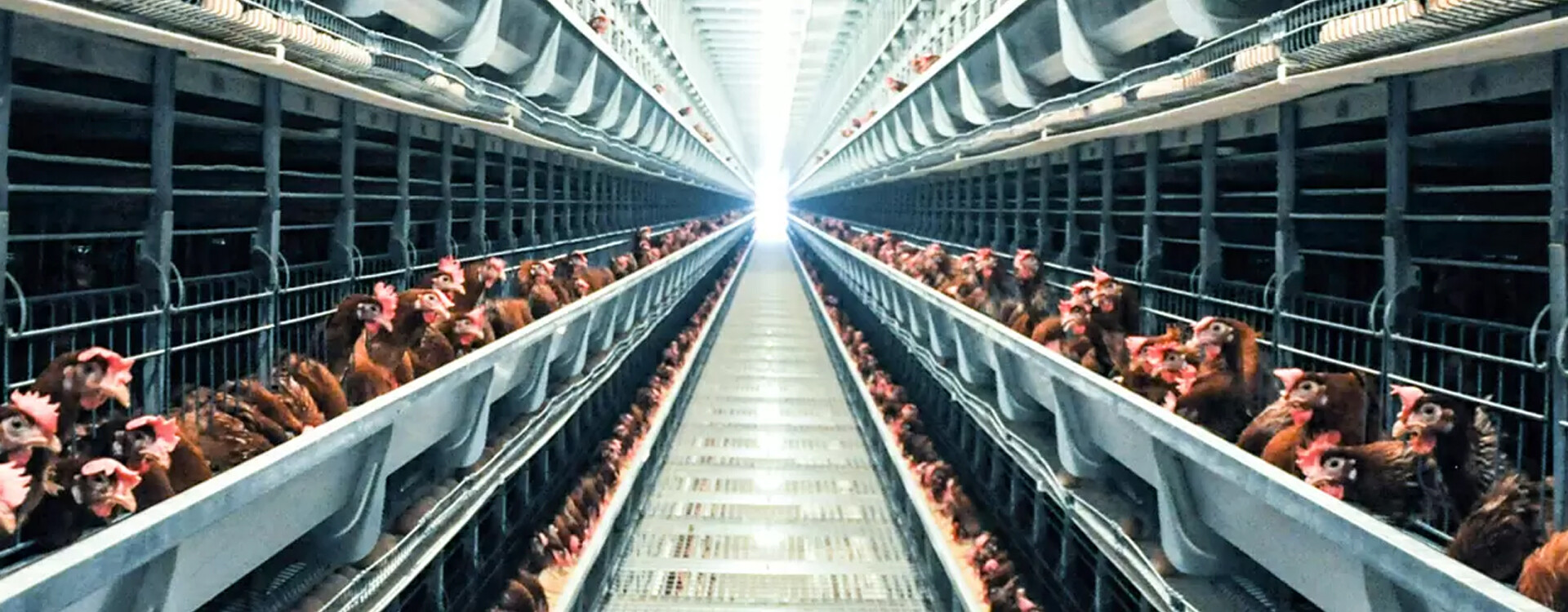
Company project
Ethiopia Poultry Housing And Poultry Equipment Guide: Full List And Cost Breakdown
Ethiopia Poultry Housing And Poultry Equipment Guide: Full List And Cost Breakdown
Comprehensive overview of Ethiopia poultry housing types, from basic deep-litter to automated H‑type cage systems
Full list of Ethiopia poultry equipment, including feeders, drinkers, manure belts, heaters
Detailed cost breakdown in Ethiopian birr (ETB) for various farm scales
Practical farm‑management knowledge woven in — space, ventilation, biosecurity, health
Real-world farm case and smart / IoT control system insight
Choosing The Right Poultry Housing In Ethiopia Poultry Housing
When you think about Ethiopia poultry housing, your first decision is scale and system. Here’s how to think about it:
Decide flock type: broilers or layers. Broilers grow fast but need denser space; layers need calmer, stable housing.
Consider environment: Ethiopia’s climate varies, so ventilation, insulation, and orientation matter. Good housing improves bird welfare.
Plan for expansion: a small deep-litter house can evolve into a cage system as your farm grows.
Farm‑agronomy tip: Allow at least 0.1 m² per broiler in deep-litter to reduce stress and pecking.
Deep‑Litter Poultry House Setup And Costs
Data is for reference only. Swipe horizontally to view full table.
In this configuration, the deep‑litter design supports broiler growth efficiently. With good management (frequent turning of litter, removal of wet spots), you maintain health and reduce ammonia buildup — a basic but powerful farm‑management practice.
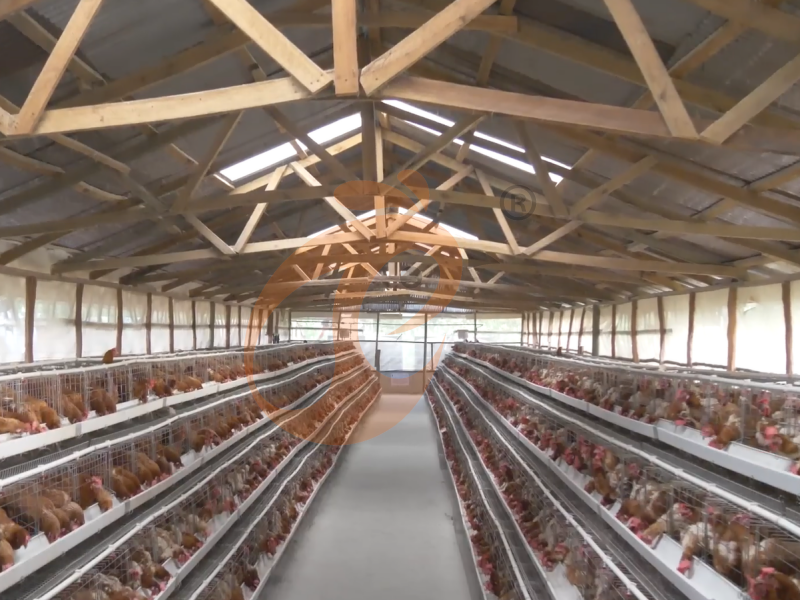
Battery‑Cage Housing For Layers
Data is for reference only. Swipe horizontally to view full table.
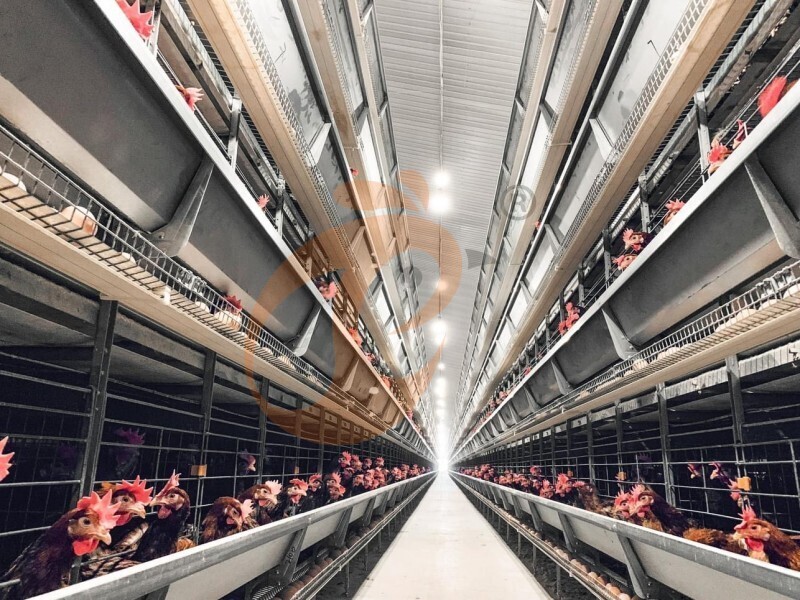
This kind of housing reflects important poultry‑farming knowledge: the more hens you stack in a cage system, the more careful you must be about lighting, ventilation, and egg hygiene. Proper cage design reduces cracked eggs and improves productivity.
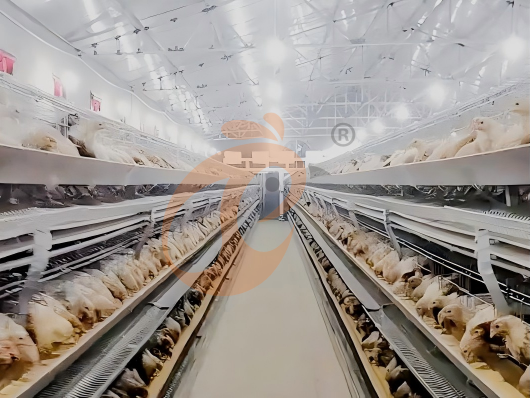
Semi‑Automated H‑Type Cage System
Data is for reference only. Swipe horizontally to view full table.
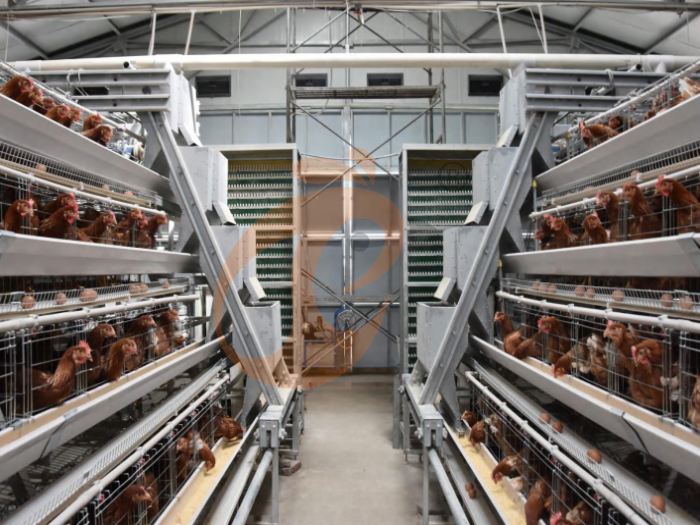
From a farm‑management perspective, semi‑automated H‑type systems make it easier to monitor feed conversion ratio, mortality rate, and overall flock performance, because systems are more standardized.
Fully Automated H‑Type Cage System
Data is for reference only. Swipe horizontally to view full table.
Smart farm‑management practices: with automation, you monitor feed conversion, mortality, and egg output in real time, helping maintain flock health and maximize yield.
Essential Poultry Equipment (Ethiopia Poultry Equipment) And Cost List
Data is for reference only. Swipe horizontally to view full table.
Good farm‑management means matching these tools to the size of your flock so feed waste is minimized and bird growth is optimized.
Operating Costs: Feed, Health, And Utilities
Data is for reference only. Swipe horizontally to view full table.
These costs reflect typical running expenses in Ethiopia. Integrating solid farm knowledge — for example, calculating feed conversion, mortality, and utility usage — helps forecast profitability reliably.
Farm Scale & Recommended Systems
Data is for reference only. Swipe horizontally to view full table.
Here’s an example of how a medium-scale poultry farm in Oromia region applies these designs and equipment:
The farm uses a semi‑automated H‑type cage system to house 5,000 layers (90–160 birds per set).
It installed automatic feeders (8 m conveyor) and nipple drinkers for each cage row.
Their brooder house for day‑old chicks uses heaters in a deep‑litter setup during the first week.
With good environmental control, the farm maintains a <3% mortality rate and a feed conversion ratio (FCR) of 1.8.
They record daily egg production, and the egg‑counting sensor helps them spot drop-offs early.
Farm‑management lessons: consistent monitoring helps them detect behavioral changes (pecking, reduced feed intake), and they adjust ventilation or lighting accordingly. This yields stable egg production and good returns on their Ethiopia poultry equipment investment.
IoT & Smart Control System In An Ethiopian Poultry Farm
Modern Ethiopia poultry farms are increasingly adopting IoT and smart farm control to boost efficiency and bird welfare:
Sensors monitor temperature, humidity, ammonia levels inside houses, enabling automatic climate adjustments.
Real-time data is sent over LoRaWAN or 4G networks, allowing farm managers to view conditions and act remotely.
An AI-powered system tracks egg counts via conveyor belt, enabling alerts if production drops.
Behavior-tracking algorithms monitor bird movement, feeding, and sound to detect early signs of disease.
In practice, farms using this set-up reduce labor cost by about 20–30%, and improve biosecurity.
Farm‑management benefit: by catching disease early, farmers minimize mortality and medication usage. Data-driven decisions about ventilation, feeding, and lighting lead to more consistent production.
Cost Summary By Farm Scale
Data is for reference only. Swipe horizontally to view full table.
Frequently Asked Questions
Q1: What is the best housing type for a small farm just starting in Ethiopia?
A1: For a small farm, a deep‑litter house is cost-effective, simpler to manage, and flexible. It helps build experience in bird health and management before investing in cages.
Q2: Is battery-cage or H-type cage more profitable for egg production?
A2: H-type automated cages give better labor efficiency and production consistency, especially for medium-to-large farms; battery cages may cost less upfront but require more manual work.
Q3: How does smart IoT control improve profitability?
A3: IoT enables real‑time monitoring and adjustment of climate, feeding, and flock behavior. This reduces mortality, improves feed conversion, and saves labor — increasing net returns.
Taiyu Hongkong Group - One Of China Largest Ethiopia Poultry Equipment Supplier
Taiyu Hongkong Group, based in Hong Kong with strong global connections, specializes in providing turnkey Ethiopia poultry housing and equipment solutions. We design, manufacture, and deliver high-quality poultry farm equipment including cages, feeders, drinkers, automated systems, and smart IoT control solutions. Our services cover everything from planning, installation, to after-sales support, helping farms of all scales achieve efficiency and high productivity.
Why Choose Taiyu Hongkong Group
Deep Local Expertise – Understands Ethiopia poultry farming requirements.
Full-Service Solutions – From design to installation and maintenance.
Smart Technology Integration – IoT and automation for modern farms.
Reliable Support – Fast response and spare-part supply.
Contact Us To Received Your Customized Poultry Farm Plan
Headquarters And Branchs

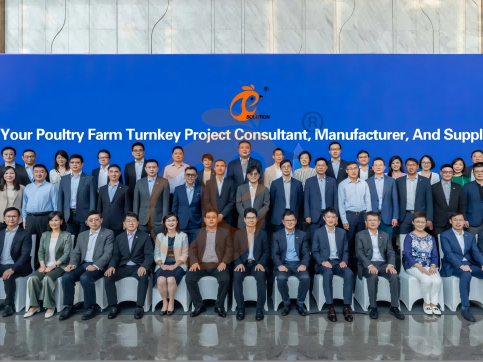
Hong Kong Headquarter Management Team
Hong Kong Headquarter Taiyu Industrial Group CO., LTD
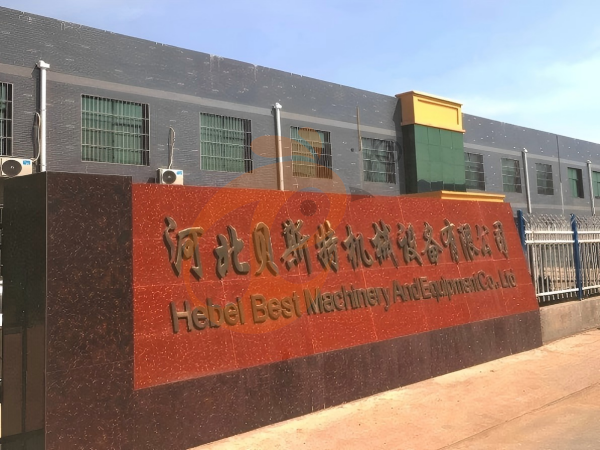
China Hebei Best Machinery And Equipment CO., LTD
Nigeria Vanke Machinery And Equipment CO., LTD
Tanzania Best Machinery And Equipment CO., LTD
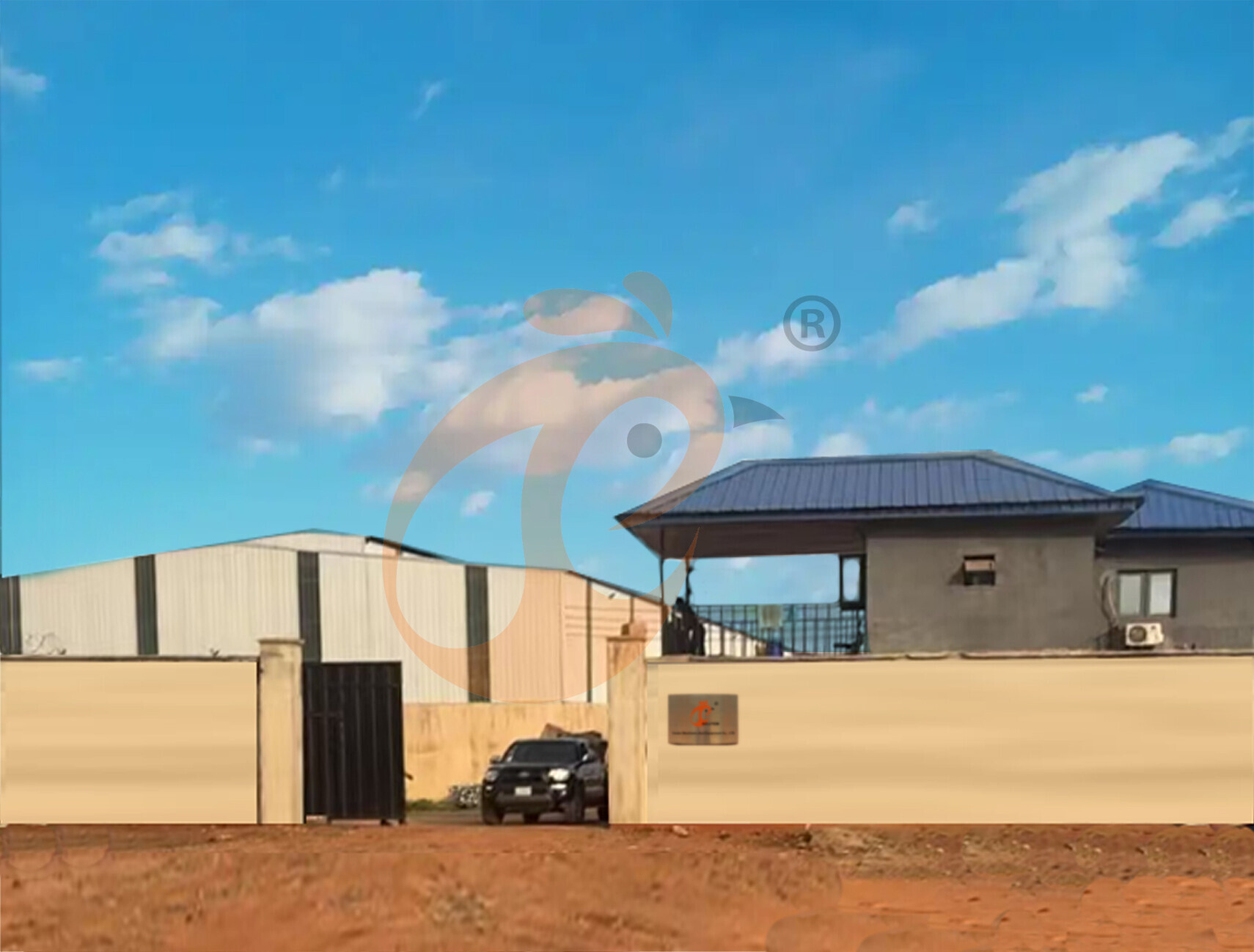
Ethiopia Best Hebei Machinery Manufacturing PLC
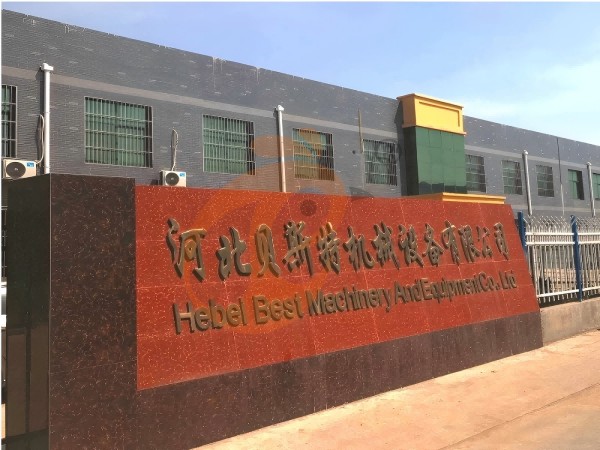 China Branch
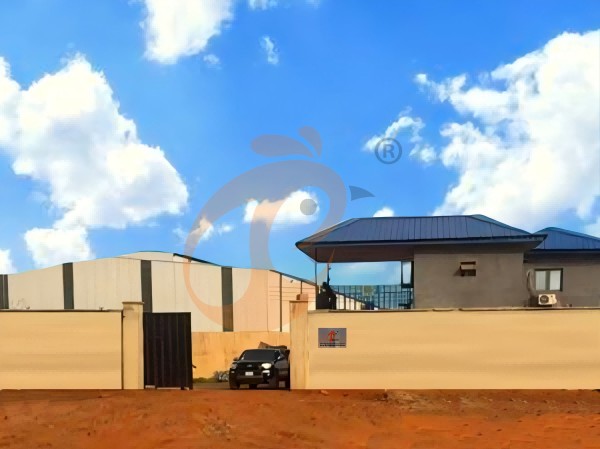 Nigeria Branch
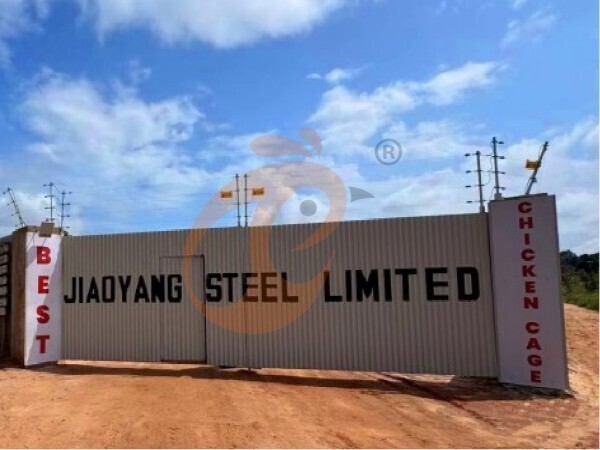 Tanzania Branch
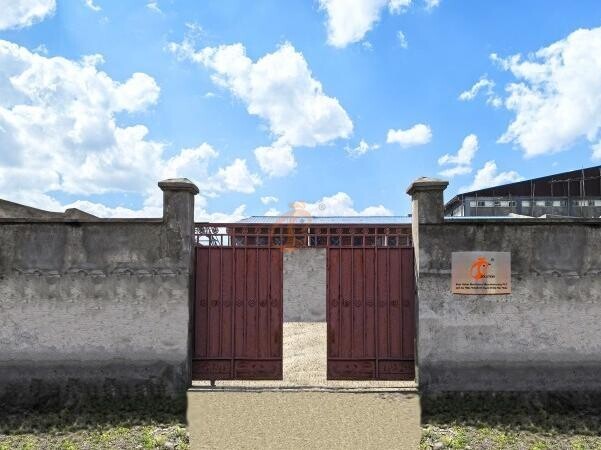 Ethiopia Branch
Reception /24 WhatsApp NO. : +8618830120193
Tag
Message
Products recommended
 HK Headquarter Offers EU-standard Poultry Farm Solutions, Manufacture Poultry Farm Equipment1. Continuous communication with the EU and the US
2. China, Nigeria, Ethiopia, Tanzania branch companies and factories
3. The products’ quality is customized for local poultry farms
4. Poultry cage and poultry farm equipment stock for sale
5. 24 online reception Whatsapp NO. : +8618830120193,contact us to get full informationRead More China Branch Offer Poultry Farm Business Plan, Manufacture Poultry Farm Equipment1. Address: Flat/RM 2416, 24/F, Runxing Building, Youyi Nan Street, Shijiazhuang City, Hebei Province, China
2. Poultry cage and poultry farm equipment factory and stock for sale
3. Customized for local poultry farms
4. Quality and design are based on Euro
5. 24 online reception Whatsapp NO. : +8618830120193Read More Nigeria Branch Offer Poultry Farm Business Plan, Manufacture Poultry Farm Equipment1. Address: After Sinoma Office, 200 Meters Near Danco Filling Station, Lagos/Ibadan Expressway, Lagos State, Nigeria
2. Poultry cage and poultry farm equipment factory and stock for sale
3. Customized for Nigerian poultry farms
4. Quality and design are based on Euro
5. 24 online reception Whatsapp NO. : +8618830120193Read More Ethiopia Branch Offer Poultry Farm Business Plan, Manufacture Poultry Farm Equipment1. Address: Gelan Gura, Akaki-kaliti Sub City, Addis Ababa, Ethiopia
2. Poultry cage and poultry farm equipment stock for sale
3. Customized for Ethiopian poultry farms
4. Quality and design are based on Euro
5. 24 online reception Whatsapp NO. : +8618830120193, contact us to get price listRead More Tanzania Branch Offer Poultry Farm Business Plan, Manufacture Poultry Farm Equipment1. Address: No.8, Sova Road, Msufini, Mlandizi, Kibaha, Pwani, Tanzania
2. Poultry cage and poultry farm equipment factory and stock for sale
3. Customized for Tanzanian poultry farms
4. Quality and design are based on Euro
5. 24 online reception Whatsapp NO. : +8618830120193Read More Fully Automatic H Type Layer Chicken Cage1. 30,000-100,000+ layers/house chooses it, Poultry farmers can achieve an egg production rate of 96-98%
2. A significant improvement over the 85-90% typically seen in manual systems
3. A typical poultry farm can expect a 30-40% reduction in labor costs due to the automation
4. Each feeding line efficiently supplies feed to around 100,000 hens per 30 mins
5. Reception /WhatsApp NO. : +8618830120193Read More Fully Automatic A Type Layer Chicken Cage1. 10,000-50,000 layers/house chooses it
2. Cleaner egg collection reduces breakage by 0.5%
3. Improved hygiene helps reduce mortality rate to <3%
4. 1–2 technicians can handle 15,000–30,000 birds
5. Reception /WhatsApp NO. : +8618830120193Read More Semi Automatic H Type Layer Chicken Cage1. 1,00-20,000 layers/house chooses it
2. Nipple drinkers flow 30–60 ML / min
3. Hot-dip galvanized (typical coating ≥ 275 g/m²)
4. Reduce ammonia by ~ 35–40%
5. Reception /WhatsApp NO. : +8618830120193Read More Semi Automatic A Type Layer Chicken Cage1. 1,00-20,000 layers/house chooses it, no rust for 10 years, no deformation for 15 years
2. Chickens live comfortably, you can raise them with peace of mind
3. Save water, save money—efficiency you can measure
4. Improve environment quality, and increase egg production rate
5. Reception /WhatsApp NO. : +8618830120193Read More
By clicking 'Allow All', you agree to the storage of cookies on your device to enhance site navigation, analyze site usage and assist with our marketing efforts.