


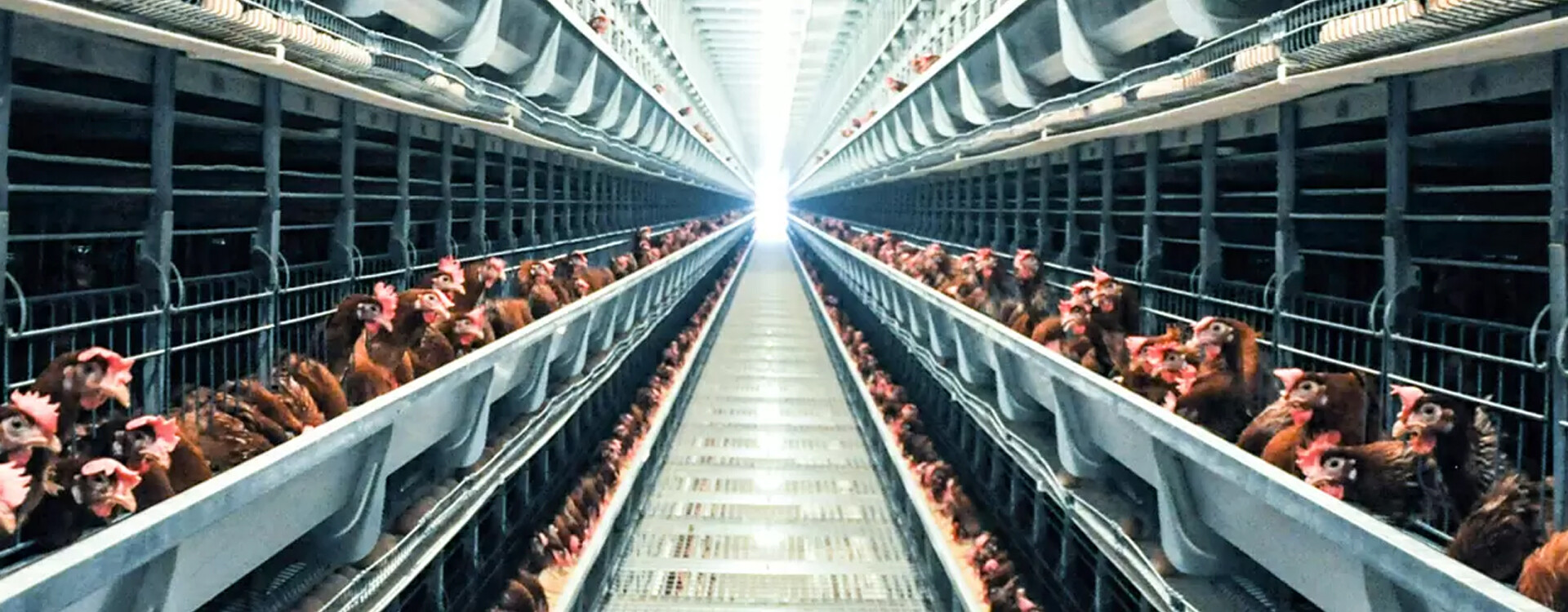
Company project
How To Start A Ethiopia Poultry Farm: Complete Guide From 100 To 100,000 Birds
How To Start A Ethiopia Poultry Farm: Complete Guide From 100 To 100,000 Birds
• Ethiopia poultry farm planning requires a clear roadmap from business setup to daily management, helping new farmers understand construction, equipment, production, and profits.
• Ethiopia poultry farm success depends on land selection, facility layout, local climate considerations, and smart investment sequencing.
• Ethiopia poultry farm setup demands proper biosecurity, health care, and water-feed strategies for stable performance.
• Ethiopia poultry farm must strengthen calculation models, cost control, and production improvement for predictable earnings.
• Ethiopia poultry farm benefits from modern technology such as automation, data monitoring, and smart farm control systems.
Key Background Description
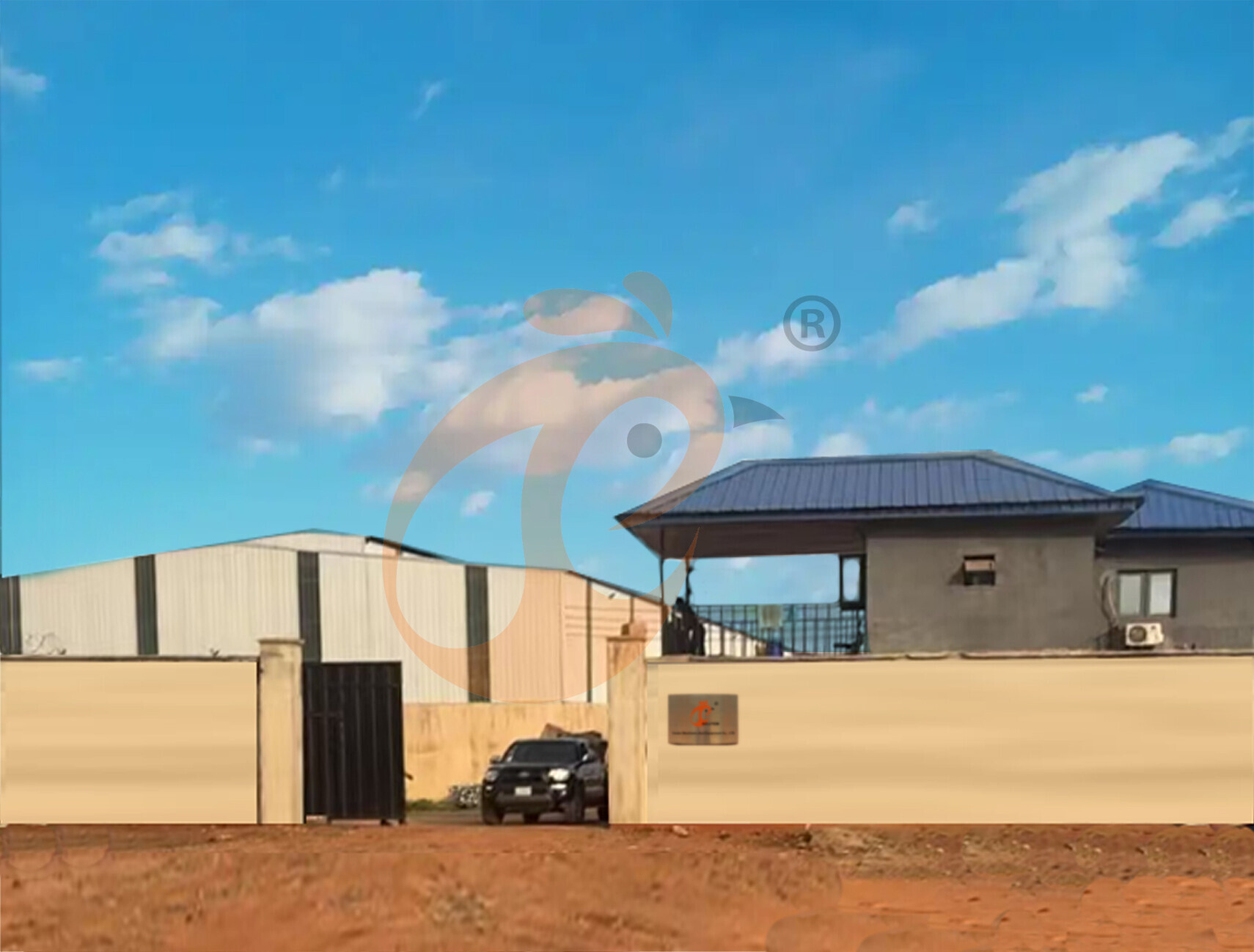
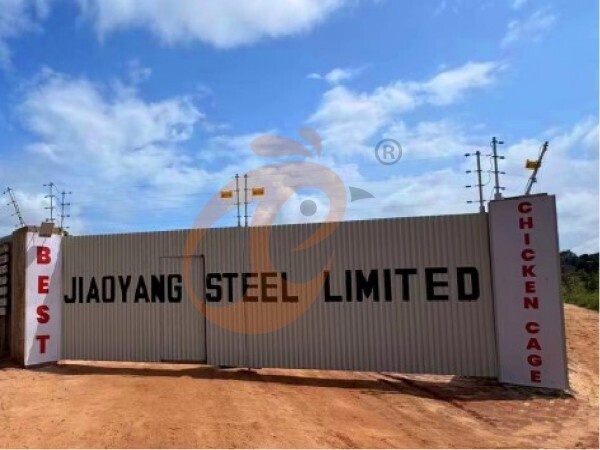
Each section below explains only one topic so readers understand easily. Best Hebei Machinery Manufacturing Plc (China-Ethiopia Branch), located in Addis Ababa (WR93+FQ2), specializes in Ethiopia poultry farm turnkey solution and locally producing, selling, delivering, and installing poultry farm equipment, chicken cages, feeding and watering systems, and smart control systems.
Understanding Market Demand Before Starting
• Ethiopia poultry farm investors must first study local market consumption, retail habits, and pricing differences between urban and rural zones.
• Data planning should consider whether production targets lean toward eggs, meat, or mixed output.
• Farmers can evaluate growth potential by checking how many retailers exist in their trading radius and defining the maximum birds they can manage.
• Local policies may require small registration procedures and simple production licensing in many regions.
• Knowledge point: poultry farming success increases when producers set defined stocking density and prevent early overcrowding.
Farm Scale Options And Land Requirements
Data is for reference only. Swipe horizontally to view full table.
• Ethiopia poultry farm needs to select scale according to long-term planning instead of short-term immediate flock numbers.
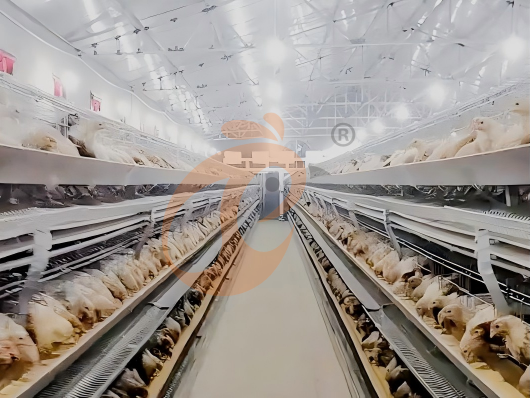
• Larger farms need separate brooding, grow-out, feed storage, caretaker workspace, and manure zones.
• The more accurate the land use planning, the fewer later reconstruction expenses.
• Knowledge point: birds raised with adequate space grow faster and show regulated social behavior.
Housing Construction And Climate Protection
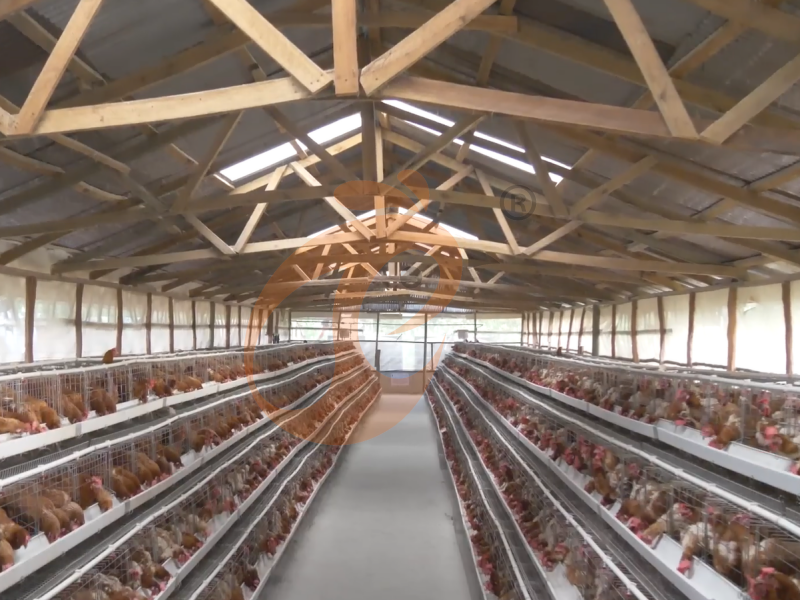
• Ethiopia poultry farm houses should control cold seasonal temperature drops through insulation and correct ventilation layer thickness.
• Orientation should use sunlight direction for natural heating and easier maintenance.
• Soil foundation must remain dry to avoid respiratory stress from ground humidity.
• Temperature, air movement, feed access, and clean bedding all affect growth rhythm.
• Knowledge point: maintaining stable microclimate reduces stress indicators and improves flock comfort.
Essential Equipment And Investment Planning
Data is for reference only. Swipe horizontally to view full table.
• Ethiopia poultry farm should start with reliable feeding, watering, and ventilation devices, expanding automation later.
• Higher quality equipment often reduces labor intensity and reduces mistakes caused by manual processes.
• Mechanical help lowers walking and inspection hours per flock group.
• Knowledge point: mechanized feeding reduces selective eating and stabilizes daily intake.
Production Performance Benchmarking
Data is for reference only. Swipe horizontally to view full table.
• Ethiopia poultry farm evaluates flock progress through consistent weighing, water monitoring, feed calculation, and waste tracking.
• Monitoring performance weekly allows correcting feed quality or adjusting heating if growth slows.
• Balanced growth curve improves sale price and enhances farm reputation.
• Knowledge point: clean water access improves nutrient absorption efficiency and reduces digestive challenge.
Farm Operating Cost Structure
Data is for reference only. Swipe horizontally to view full table.
• Ethiopia poultry farm profits depend on constant cost supervision and accurate purchase planning.
• Stocking for feed and vaccines in advance prevents sudden price fluctuations.
• Worker scheduling helps optimize time usage, particularly for cleaning and bird handling.
• Knowledge point: maintaining consistent input spending reduces emotional management decisions.
Financial Forecast And Return Projection
Data is for reference only. Swipe horizontally to view full table.
• Ethiopia poultry farm returns improve when flock turnover maintains steady yield and low mortality.
• Profit calculation should include eventual equipment depreciation, biosecurity fees, and loan interest.
• Organizing monthly accounting prevents inaccurate reporting.
• Knowledge point: accurate finance management supports strategic upgrading progress.
IoT And Smart Control System Application
• Ethiopia poultry farm using modern IoT sensors can track 4,820 data records per day for decision improvement.
• Sensors monitor humidity, temperature, ammonia, bird movement, and water pressure.
• Collected data helps adjust ventilation or feed flow before birds show discomfort.
• Knowledge point: automation helps managers manage multiple houses without fatigue.
Environmental Protection And Sustainable Features
• Ethiopia poultry farm may include rainwater tanks sized at 6,120 liters to reduce normal water expenses.
• Solar generation capacity of 48 kW supports lighting and heating with reduced grid reliance.
• Ammonia target threshold kept below 37 ppm reduces respiratory irritation.
• Manure compost cycles of 29 days reduce odor and pathogen concentration.
• Knowledge point: clean houses reduce contamination level and raise product reputation.
Farm Management And Daily Behavior Knowledge
• Ethiopia poultry farm performance improves when birds receive fixed feeding interval rhythm reinforcing appetite.
• Farmers benefit from walking through each house quietly to observe feather condition and crop fill.
• Learning basic visual reading habits reduces disease diagnosis delay.
• Knowledge point: birds with comfortable environment show uniform flock spacing and stronger flock balance.
Practical Case Study From Ethiopia
• One Ethiopia poultry farm operating with 8,600 birds shows how automation boosted tracking with consistent routine.
• The farm achieved 423 kg daily sale weight output after adopting structured management.
• Mortality of 1.8% remained lower than manual farms due to early alerts.
• Staff adjusted ventilation up to 5,210 cubic meters per hour to reduce heat load during afternoon peaks.
• Knowledge point: proactive behavior reading prevents waste of feed and flock setbacks.
FAQ
Q1: How large should my first Ethiopia poultry farm be?
A1: Start small with comfortable land space and expand after stable performance rather than building too quickly.
Q2: How can I control production cost in Ethiopia poultry farm?
A2: Track monthly bills, feed input, vaccination planning, and reduce unnecessary manual labor through mechanization.
Q3: Does IoT investment pay off for Ethiopia poultry farm?
A3: Online monitoring lowers mistakes and reduces emergency losses by correcting environmental problems before growth slows.
Taiyu Hongkong Group - One Of China Toppest Ethiopia Poultry Farm Supplier
• Offers complete one-stop solution covering structural design, equipment sourcing, on-site installation, delivery, staff training, and continuous technical follow-up.
• Supports manual, semi-auto, and fully auto farms depending on development schedule.
• Encourages direct communication for layouts, drawings, and quotation support.
• Message now for fast calculation
• Tell flock size and land condition
• Receive detailed layout planning
• Inbox for quotations and timelines
Contact Us To Received Your Customized Poultry Farm Plan
Headquarters And Branchs

Hong Kong Headquarter Management Team
Hong Kong Headquarter Taiyu Industrial Group CO., LTD
China Hebei Best Machinery And Equipment CO., LTD
Nigeria Vanke Machinery And Equipment CO., LTD
Tanzania Best Machinery And Equipment CO., LTD
Ethiopia Best Hebei Machinery Manufacturing PLC
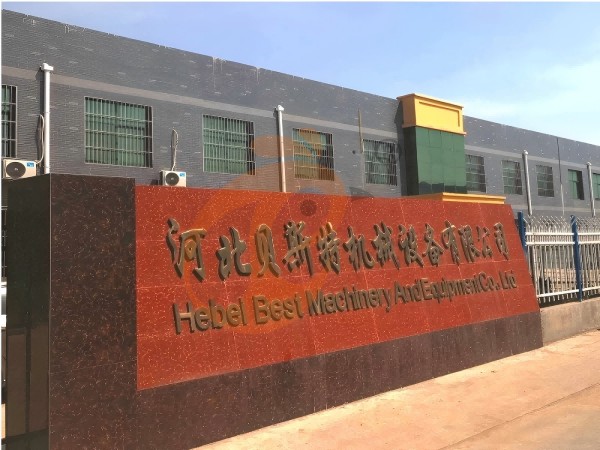 China Branch
 Nigeria Branch
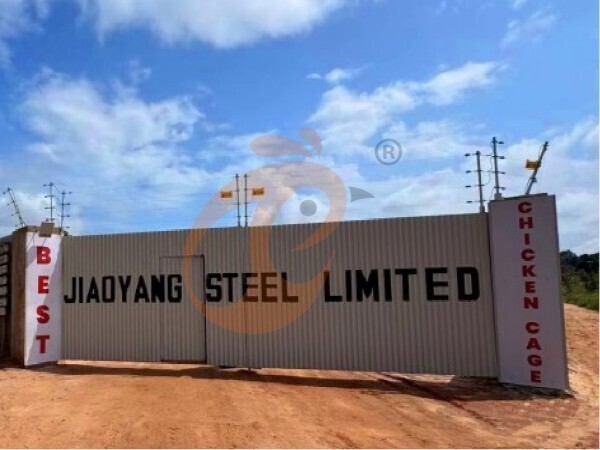 Tanzania Branch
 Ethiopia Branch
Reception /24 WhatsApp NO. : +8618830120193
Tag
Message
Products recommended
 HK Headquarter Offers EU-standard Poultry Farm Solutions, Manufacture Poultry Farm Equipment1. Continuous communication with the EU and the US
2. China, Nigeria, Ethiopia, Tanzania branch companies and factories
3. The products’ quality is customized for local poultry farms
4. Poultry cage and poultry farm equipment stock for sale
5. 24 online reception Whatsapp NO. : +8618830120193,contact us to get full informationRead More China Branch Offer Poultry Farm Business Plan, Manufacture Poultry Farm Equipment1. Address: Flat/RM 2416, 24/F, Runxing Building, Youyi Nan Street, Shijiazhuang City, Hebei Province, China
2. Poultry cage and poultry farm equipment factory and stock for sale
3. Customized for local poultry farms
4. Quality and design are based on Euro
5. 24 online reception Whatsapp NO. : +8618830120193Read More Nigeria Branch Offer Poultry Farm Business Plan, Manufacture Poultry Farm Equipment1. Address: After Sinoma Office, 200 Meters Near Danco Filling Station, Lagos/Ibadan Expressway, Lagos State, Nigeria
2. Poultry cage and poultry farm equipment factory and stock for sale
3. Customized for Nigerian poultry farms
4. Quality and design are based on Euro
5. 24 online reception Whatsapp NO. : +8618830120193Read More Ethiopia Branch Offer Poultry Farm Business Plan, Manufacture Poultry Farm Equipment1. Address: Gelan Gura, Akaki-kaliti Sub City, Addis Ababa, Ethiopia
2. Poultry cage and poultry farm equipment stock for sale
3. Customized for Ethiopian poultry farms
4. Quality and design are based on Euro
5. 24 online reception Whatsapp NO. : +8618830120193, contact us to get price listRead More Tanzania Branch Offer Poultry Farm Business Plan, Manufacture Poultry Farm Equipment1. Address: No.8, Sova Road, Msufini, Mlandizi, Kibaha, Pwani, Tanzania
2. Poultry cage and poultry farm equipment factory and stock for sale
3. Customized for Tanzanian poultry farms
4. Quality and design are based on Euro
5. 24 online reception Whatsapp NO. : +8618830120193Read More Fully Automatic H Type Layer Chicken Cage1. 30,000-100,000+ layers/house chooses it, Poultry farmers can achieve an egg production rate of 96-98%
2. A significant improvement over the 85-90% typically seen in manual systems
3. A typical poultry farm can expect a 30-40% reduction in labor costs due to the automation
4. Each feeding line efficiently supplies feed to around 100,000 hens per 30 mins
5. Reception /WhatsApp NO. : +8618830120193Read More Fully Automatic A Type Layer Chicken Cage1. 10,000-50,000 layers/house chooses it
2. Cleaner egg collection reduces breakage by 0.5%
3. Improved hygiene helps reduce mortality rate to <3%
4. 1–2 technicians can handle 15,000–30,000 birds
5. Reception /WhatsApp NO. : +8618830120193Read More Semi Automatic H Type Layer Chicken Cage1. 1,00-20,000 layers/house chooses it
2. Nipple drinkers flow 30–60 ML / min
3. Hot-dip galvanized (typical coating ≥ 275 g/m²)
4. Reduce ammonia by ~ 35–40%
5. Reception /WhatsApp NO. : +8618830120193Read More Semi Automatic A Type Layer Chicken Cage1. 1,00-20,000 layers/house chooses it, no rust for 10 years, no deformation for 15 years
2. Chickens live comfortably, you can raise them with peace of mind
3. Save water, save money—efficiency you can measure
4. Improve environment quality, and increase egg production rate
5. Reception /WhatsApp NO. : +8618830120193Read More


By clicking 'Allow All', you agree to the storage of cookies on your device to enhance site navigation, analyze site usage and assist with our marketing efforts.