






Blog
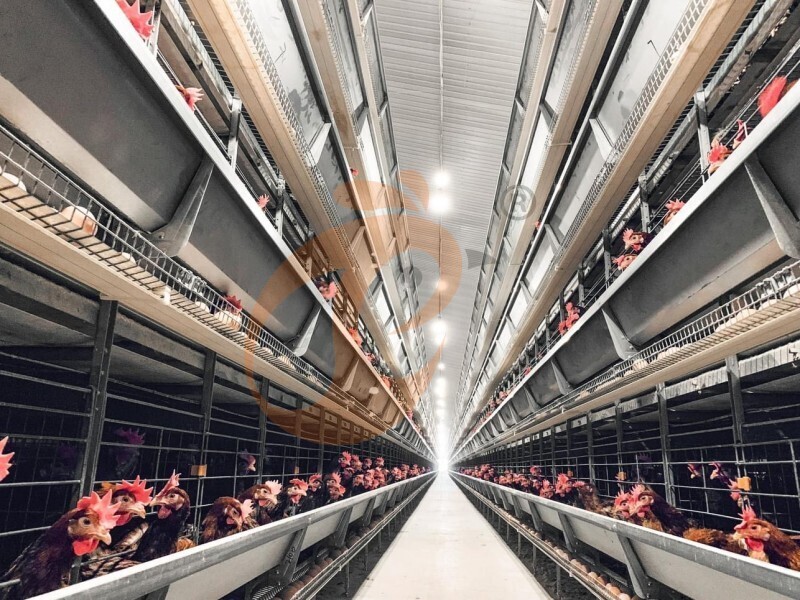
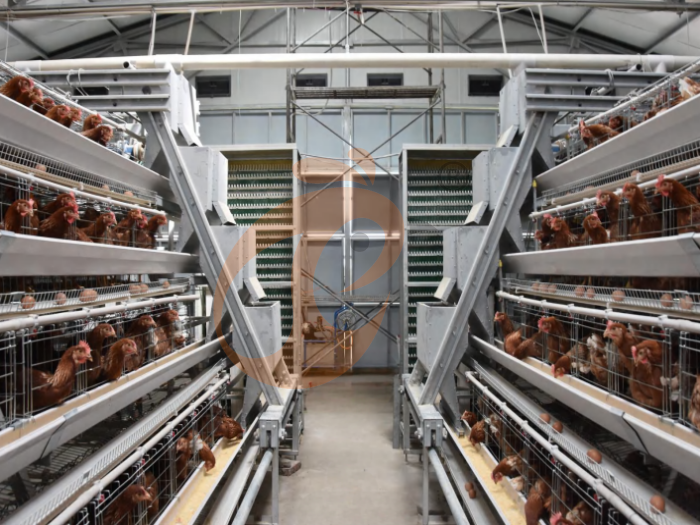
A type poultry cage combines structured housing with layer chicken cage design and integrated poultry cage system planning for commercial layer production, with common configurations using 3-5 tiers and multiple capacity options.
Space utilization, feeding, egg collection, manure handling, and labor workflow create measurable differences between A type poultry cage equipment and floor rearing, with equipment layouts directly influencing daily operation efficiency.
A properly engineered layer chicken cage can connect feeding, drinking, egg collection, and manure removal, while a complete poultry cage system provides coordinated equipment routes for commercial houses.
Technical selection also depends on building dimensions, flock targets, automation requirements, ventilation design, and maintenance access, making A type poultry cage configuration an engineering decision rather than a simple equipment purchase.
- From individual layer chicken cage components to complete poultry cage system projects, integrated equipment planning can support scalable production, clearer workflows, and long-term farm infrastructure investment.
Get professional poultry farm construction guidance, equipment selection solutions, and the latest price lists, whatsApp to +8618830120193, +2348111199996, or click to learn more.
Space Utilization Comparison
Data is for reference only.Swipe horizontally to view full table.
A type poultry cage uses vertical building volume instead of relying entirely on floor area.
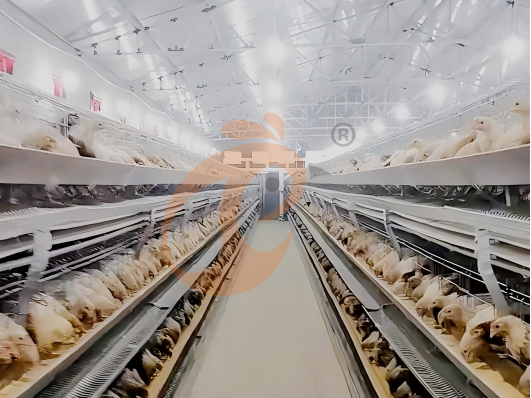
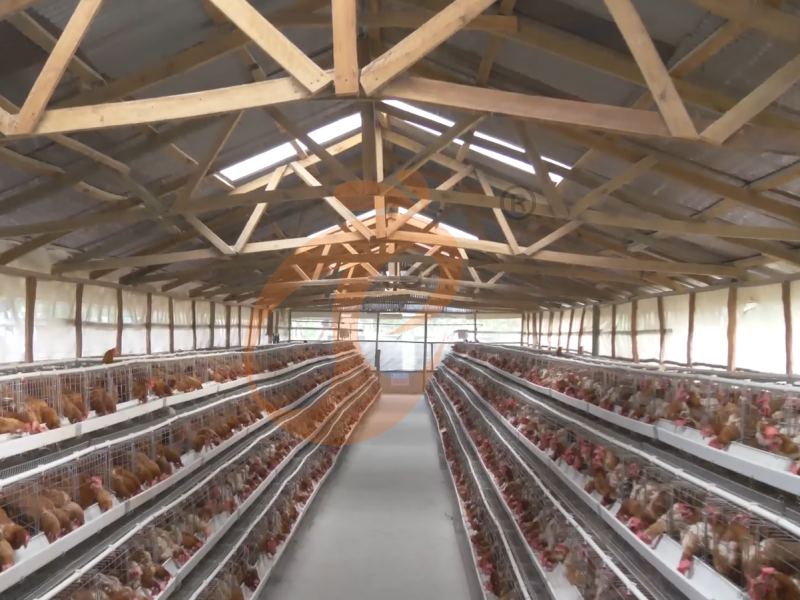
A commercial layer chicken cage layout can concentrate production equipment into defined rows while maintaining service corridors.
Published designs can use a 100 m house length and 11.5 m house width for multi-row poultry cage system configurations.
Engineering Points
For a new poultry house, calculate equipment capacity before construction.
An A type poultry cage project should reserve approximately 1.0-1.2 m for the main working passage and verify roof clearance against the selected cage tier configuration.
This layer chicken cage planning method reduces the possibility of later modifications to feeding, ventilation, or manure equipment.
Feeding And Drinking Performance
Data is for reference only.Swipe horizontally to view full table.
An A type poultry cage places feed and water delivery directly alongside cage rows.
A layer chicken cage system allows equipment suppliers to coordinate trough dimensions, nipple positions, water pressure, and feeding-line installation during the original layout design.
Some commercial poultry cage system configurations use calibrated water tanks or pressure regulators for water management.
Technique Card: Feed-System Setup
- Position the feed trough parallel to every A type poultry cage row.
- Keep the layer chicken cage water line independently accessible for maintenance.
- Install pressure regulators at designated line sections.
- Match motor capacity to the total feeding distance.
- Include inspection points at approximately 20-30 m intervals for long poultry cage system feed lines.
This equipment-centered approach can reduce unnecessary manual movement and makes future automation easier.
Egg Collection Performance
Data is for reference only.Swipe horizontally to view full table.
An A type poultry cage can incorporate egg belts and transfer conveyors directly into the cage structure.
This layer chicken cage arrangement creates a defined route from laying area to collection point and allows the poultry cage system supplier to design collection equipment according to house length.
Commercial A type poultry cage equipment can include dedicated egg-handling platforms and belt systems.
Process Structure
Laying Area → Egg Belt → Transfer Conveyor → Egg Collection Platform → Packing Area
For a house with 50 m of effective production-row length, the A type poultry cage collection route should be planned before installation.
Correct belt alignment and transfer positioning are important because unnecessary direction changes can increase mechanical adjustment requirements.
Manure Management Performance
Data is for reference only.Swipe horizontally to view full table.
An A type poultry cage concentrates manure beneath defined production rows.
A dedicated layer chicken cage manure belt or scraper can move waste toward a designated collection point.
This poultry cage system arrangement supports mechanical waste handling and separates manure movement from the primary bird-rearing area.
Engineering Points
Design the manure route together with the A type poultry cage foundation and service corridor.
A belt installation should maintain consistent alignment over the full row, while the discharge section should provide adequate clearance for downstream handling equipment.
For long buildings, dividing poultry cage system equipment into 40-60 m service sections can simplify inspection and maintenance planning.
Labor And Daily Operation
Data is for reference only.Swipe horizontally to view full table.
The main commercial advantage of an A type poultry cage is the ability to connect several production processes within one equipment layout.
A layer chicken cage can integrate feeding, drinking, egg collection, manure removal, ventilation, and environmental control rather than treating each function separately.
A properly designed poultry cage system can shorten repetitive walking routes, while a 100 m poultry house can use centralized collection and conveying equipment to structure daily workflows.
Initial Investment And Long-Term Equipment Value
Data is for reference only.Swipe horizontally to view full table.
Initial investment should be calculated from the complete A type poultry cage production line rather than the cage body alone.
Published layer chicken cage systems use hot-dip galvanized steel, with some specifications listing zinc coating around 275 g/m² and service-life references of 15-20 years.
Actual poultry cage system durability depends on material quality, coating process, humidity, and maintenance.
Technical Configuration Comparison
Data is for reference only.Swipe horizontally to view full table.
Different manufacturers offer different A type poultry cage dimensions and configurations.
Published layer chicken cage specifications include 430 × 410 × 410 mm cells and capacities from 96 to 160 birds per set, depending on the selected structure.
This makes customized poultry cage system engineering important because cage dimensions, house dimensions, equipment corridors, ventilation, and automation should be calculated together.
Equipment Combination Recommendation
Commercial Layer Farm Package
A Type Poultry Cage
↓
Automatic Feeding System
↓
Nipple Drinking System
↓
Automatic Egg Collection System
↓
Manure Belt / Scraper System
↓
Ventilation & Cooling Equipment
↓
Environmental Controller
For an integrated A type poultry cage project, select equipment according to target bird population and house dimensions.
A typical layer chicken cage design can use 4 cage tiers together with automatic feeding and manure systems, creating a coordinated poultry cage system production line.
The supplier should provide cage layout drawings, equipment lists, installation guidance, and commissioning support before shipment.
Production Environment
Data is for reference only.Swipe horizontally to view full table.
Environmental control remains essential for every A type poultry cage installation.
Temperature, humidity, ventilation rate, lighting, stocking density, and water availability should be managed according to the flock production stage.
When designing a layer chicken cage environment, keep controller sensors away from direct heat sources and water lines.
Sensor placement should be checked at approximately bird-head height so readings better represent the actual poultry cage system production environment.
Installation And Expansion Tips
Technique Card: Plan Before Purchasing
1. Measure The Building
Record length, width, height, columns, doors, and equipment entrances for the A type poultry cage.
2. Confirm Bird Capacity
Select the layer chicken cage configuration according to the target flock size.
3. Reserve Maintenance Corridors
Keep feeding, egg collection, and manure routes accessible throughout the poultry cage system.
4. Match Equipment Specifications
The cage, motor, conveyor, water system, and controller must be compatible.
5. Prepare For Expansion
Use modular A type poultry cage equipment sections where future capacity increases are expected.
Before production, check the complete installation against the approved drawing.
A layer chicken cage system with a 15-20 year equipment-life reference should be treated as long-term infrastructure rather than a short-term purchase.
Which System Fits Your Farm?
Data is for reference only.Swipe horizontally to view full table.
Floor rearing remains a practical option for production models designed around open-floor management.
An A type poultry cage is engineered around defined rows, tiered housing, and integrated equipment.
For commercial layer chicken cage projects, final selection should consider building dimensions, flock target, labor organization, automation requirements, and local production conditions.
A coordinated poultry cage system should be evaluated as a complete production infrastructure rather than by equipment price alone.
Build A More Efficient Poultry Farm With The Right Equipment
Choosing poultry housing means choosing a complete production workflow.
An A type poultry cage can be configured with feeding, drinking, egg collection, manure handling, ventilation, and environmental-control equipment as one coordinated project.
Equipment Selection Checklist
✓ A Type Poultry Cage
✓ Automatic Feeding Equipment
✓ Nipple Drinking System
✓ Egg Collection Equipment
✓ Manure Removal System
✓ Ventilation And Cooling Equipment
✓ Environmental Control System
✓ Farm Layout And Installation Support
For farms planning a new layer chicken cage house or upgrading an existing facility, equipment can be calculated from actual building dimensions and target flock size.
The objective is not simply to purchase an A type poultry cage, but to build an integrated poultry cage system around measurable equipment performance.
Frequently Asked Questions
Q1: What is the main difference between a type poultry cage and floor rearing?
A1: An A type poultry cage uses tiered housing and defined equipment rows, while floor rearing uses a single open production surface.
A layer chicken cage can also integrate dedicated feeding, drinking, egg collection, and manure equipment.
Q2: How many tiers can an a type poultry cage use?
A2: Commercial A type poultry cage configurations commonly use 3-5 tiers, depending on house height, equipment design, and target capacity.
The final layer chicken cage configuration should be calculated from the building structure and service-access requirements.
Q3: Can an A type poultry cage be used with automatic equipment?
A3: Yes.
A poultry cage system can integrate automatic feeding, egg collection, manure removal, ventilation, and environmental control.
A 4-tier configuration is one example used in commercial project planning, subject to engineering calculations.
Taiyu (HK) Group - One Of China Largest A Type Poultry Cage Manufacturer
A type poultry cage provides tiered layer housing with configurations of 3-5 tiers, integrating cage rows with feeding, drinking, egg collection, and manure-handling interfaces.
Global factory-direct supply covers complete poultry equipment, including cages, feeding lines, drinking systems, egg collection, manure removal, ventilation, cooling, and environmental control.
Turn-key engineering follows a project sequence covering building measurement, capacity calculation, layout design, equipment matching, manufacturing, installation, commissioning, and technical handover.
International project delivery supports farm-specific equipment configurations, modular production lines, installation documentation, spare-parts planning, and technical coordination for commercial poultry facilities.
Project-based engineering combines factory manufacturing with poultry equipment integration, allowing equipment specifications to be matched with house dimensions, flock targets, and operational workflows.
Contact Us To Received Your Customized Poultry Farm Plan
Headquarters And Branchs

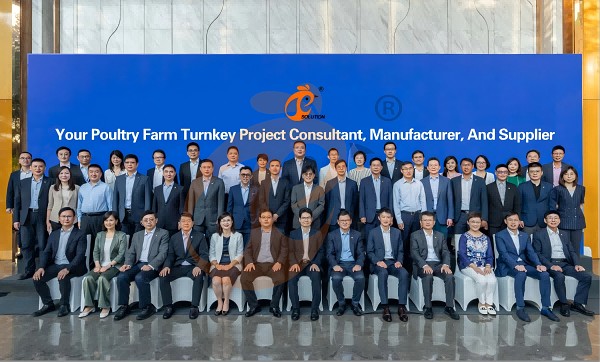
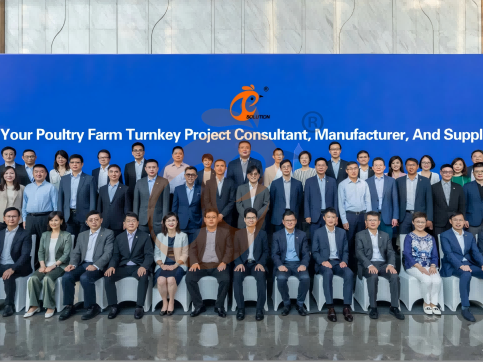
Hong Kong Headquarter Management Team
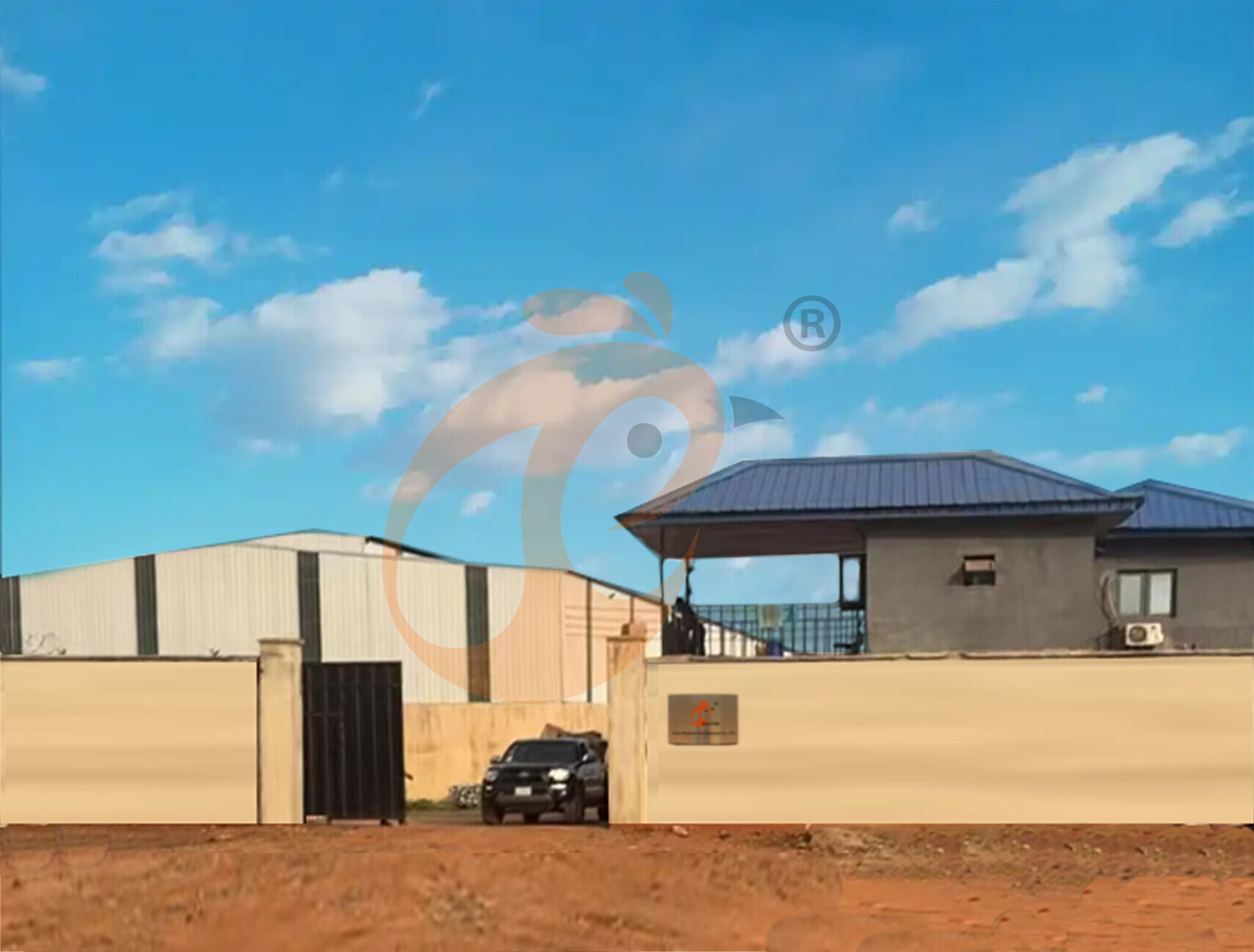
Hong Kong Headquarter Taiyu Industrial Group CO., LTD
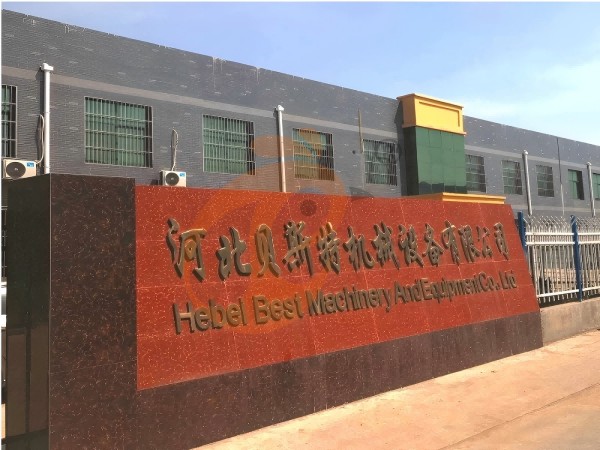
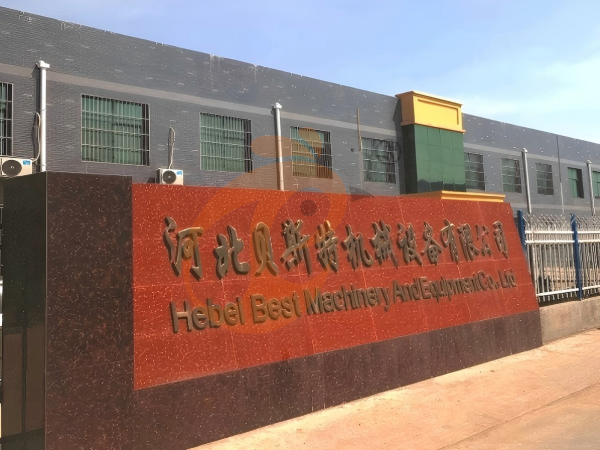
China Hebei Best Machinery And Equipment CO., LTD
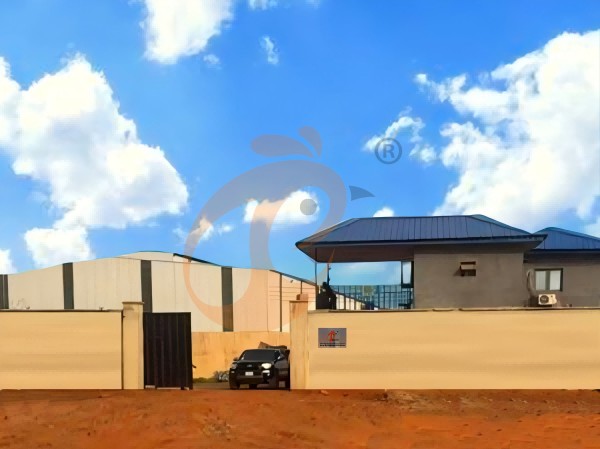
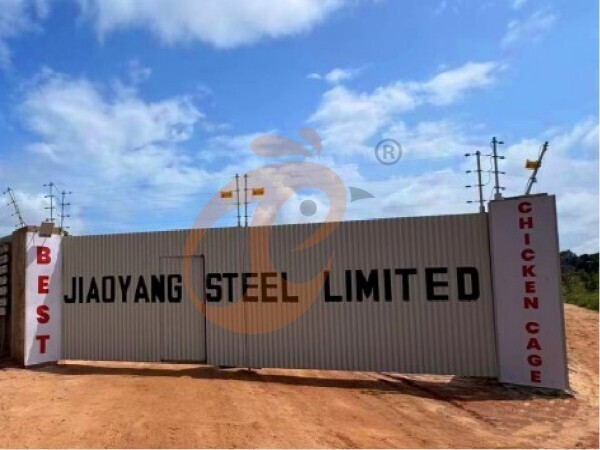
Nigeria Vanke Machinery And Equipment CO., LTD
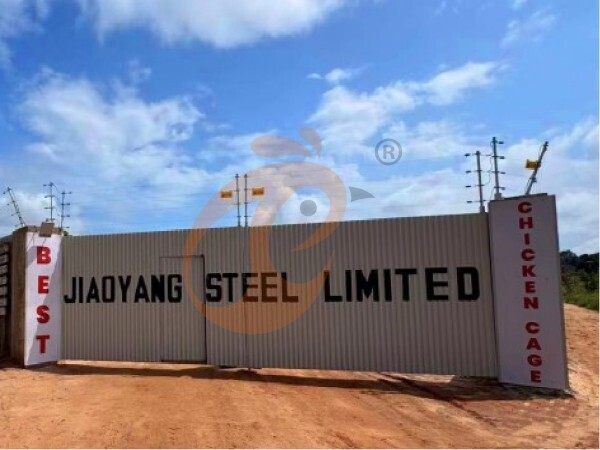
Tanzania Best Machinery And Equipment CO., LTD
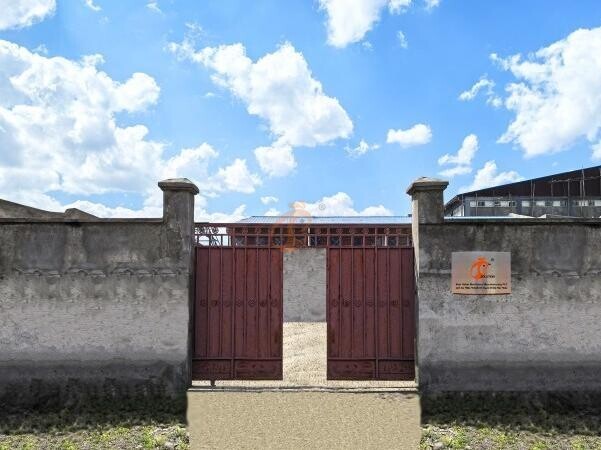
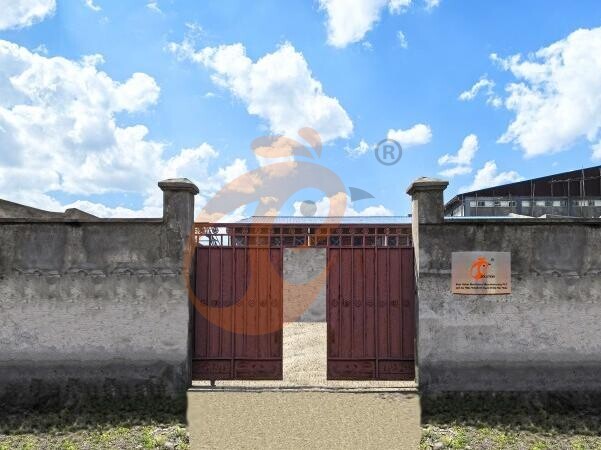
Ethiopia Best Hebei Machinery Manufacturing PLC
Reception /24 WhatsApp NO. : +8618830120193
FAQ
What Are The Most Efficient Feeding Systems For A-Type Layer Cage Farms?
Even feed distribution reduces waste
One worker manages 5,000–10,000 birds
FCR reduced to 1.9–2.2
Egg production rate: 90–96%
How To Select The Best Supplier For A-Type Chicken Cage Systems?
Ensure material quality and anti-corrosion performance
Equipment lifespan: more than 25 years
Egg production rate: 90–96%
Labor savings: 50–70%
How To Integrate Water And Feed Automation In A-Type Layer Cage System?
Automatically control flow and timing
Egg production rate: 90–96%
FCR: 1.9–2.2
Mortality rate: 2–3%
- poultry equipment
- chicken cage
- poultry farm
- feeding equipment
- poultry cage
- poultry farm
- poultry farm construction
- chicken cage design
- chicken cage specifications
- poultry cage manufacturer
- poultry cage equipment
- automatic feeding system
- layer farm
- poultry house
- chicken cage system
- chicken cage project
- poultry cage system
- layer chicken cage
- automatic feeding equipment
- Ethiopia
- Nigeria
Message
Products recommended
 HK Headquarter Offers EU-standard Poultry Farm Solutions, Manufacture Poultry Farm Equipment1. Continuous communication with the EU and the US
2. China, Nigeria, Ethiopia, Tanzania branch companies and factories
3. The products’ quality is customized for local poultry farms
4. Poultry cage and poultry farm equipment stock for sale
5. 24 online reception Whatsapp NO. : +8618830120193,contact us to get full informationRead More China Branch Offer Poultry Farm Business Plan, Manufacture Poultry Farm Equipment1. Address: Flat/RM 2416, 24/F, Runxing Building, Youyi Nan Street, Shijiazhuang City, Hebei Province, China
2. Poultry cage and poultry farm equipment factory and stock for sale
3. Customized for local poultry farms
4. Quality and design are based on Euro
5. 24 online reception Whatsapp NO. : +8618830120193Read More Nigeria Branch Offer Poultry Farm Business Plan, Manufacture Poultry Farm Equipment1. Address: After Sinoma Office, 200 Meters Near Danco Filling Station, Lagos/Ibadan Expressway, Lagos State, Nigeria
2. Poultry cage and poultry farm equipment factory and stock for sale
3. Customized for Nigerian poultry farms
4. Quality and design are based on Euro
5. 24 online reception Whatsapp NO. : +8618830120193Read More Ethiopia Branch Offer Poultry Farm Business Plan, Manufacture Poultry Farm Equipment1. Address: Gelan Gura, Akaki-kaliti Sub City, Addis Ababa, Ethiopia
2. Poultry cage and poultry farm equipment stock for sale
3. Customized for Ethiopian poultry farms
4. Quality and design are based on Euro
5. 24 online reception Whatsapp NO. : +8618830120193, contact us to get price listRead More Tanzania Branch Offer Poultry Farm Business Plan, Manufacture Poultry Farm Equipment1. Address: No.8, Sova Road, Msufini, Mlandizi, Kibaha, Pwani, Tanzania
2. Poultry cage and poultry farm equipment factory and stock for sale
3. Customized for Tanzanian poultry farms
4. Quality and design are based on Euro
5. 24 online reception Whatsapp NO. : +8618830120193Read More Fully Automatic H Type Layer Chicken Cage1. 30,000-100,000+ layers/house chooses it, Poultry farmers can achieve an egg production rate of 96-98%
2. A significant improvement over the 85-90% typically seen in manual systems
3. A typical poultry farm can expect a 30-40% reduction in labor costs due to the automation
4. Each feeding line efficiently supplies feed to around 100,000 hens per 30 mins
5. Reception /WhatsApp NO. : +8618830120193Read More Fully Automatic A Type Layer Chicken Cage1. 10,000-50,000 layers/house chooses it
2. Cleaner egg collection reduces breakage by 0.5%
3. Improved hygiene helps reduce mortality rate to <3%
4. 1–2 technicians can handle 15,000–30,000 birds
5. Reception /WhatsApp NO. : +8618830120193Read More Semi Automatic H Type Layer Chicken Cage1. 1,00-20,000 layers/house chooses it
2. Nipple drinkers flow 30–60 ML / min
3. Hot-dip galvanized (typical coating ≥ 275 g/m²)
4. Reduce ammonia by ~ 35–40%
5. Reception /WhatsApp NO. : +8618830120193Read More Semi Automatic A Type Layer Chicken Cage1. 1,00-20,000 layers/house chooses it, no rust for 10 years, no deformation for 15 years
2. Chickens live comfortably, you can raise them with peace of mind
3. Save water, save money—efficiency you can measure
4. Improve environment quality, and increase egg production rate
5. Reception /WhatsApp NO. : +8618830120193Read More
By clicking 'Allow All', you agree to the storage of cookies on your device to enhance site navigation, analyze site usage and assist with our marketing efforts.