






Blog
- Pralson feeders combine stable conveying, controlled feed delivery, and practical mechanical design for commercial poultry houses operating across different production scales.
Proper installation can reduce vibration sources while supporting automatic poultry feeder performance through balanced components, suitable suspension, and consistent operating procedures.
A chicken feeding system also benefits from correct feed flow, drive maintenance, and component matching, especially across lines reaching 150 m.
Professional poultry feeding equipment should connect feeder pans, augers, motors, sensors, hoppers, and suspension parts into one coordinated engineering package for dependable daily production.
- Practical maintenance, technical inspection, and equipment selection can support quieter operation, longer service intervals, and more predictable feeding performance for modern commercial chicken farms.
Get professional poultry farm construction guidance, equipment selection solutions, and the latest price lists, whatsApp to +8618830120193, +2348111199996, or click to learn more.
Why Feeder Noise Matters In Modern Poultry Houses
Noise from an automatic poultry feeder usually comes from vibration, feed impact, rotating assemblies, and contact between components.
A commercial drive motor can operate around 50 db, while repeated mechanical resonance around 250–500 hz can make otherwise normal operating sounds more noticeable.
For farms using pralson feeders, noise reduction should therefore be treated as part of equipment engineering rather than simply an acoustic issue.
Correct installation, suitable components, and preventive maintenance can create a smoother feeding environment while protecting long-term equipment performance.
Method 1: Check And Adjust The Feeder Line
Engineering Points
The first step is to inspect the complete feeding line for structural movement.
During commissioning, installers should check whether vibration increases after approximately 15 minutes of continuous operation and whether abnormal sound appears during the final 20% of a feeding cycle.
A properly engineered pralson feeders system should maintain stable mechanical contact throughout operation.
Correct alignment also prevents feed tubes, pans, and supports from transmitting unnecessary vibration into the poultry-house structure.
Feeder Line Technical Inspection
Data is for reference only.Swipe horizontally to view full table.
These specifications provide a practical baseline when evaluating automatic poultry feeder components.
A consistent pipe diameter and auger geometry help maintain predictable feed movement, while accurately manufactured pans reduce unnecessary mechanical movement.
Method 2: Control Feed Flow And Mechanical Vibration
Practical Tips Card
Tip 1 — Control feed impact.
Excessive feed movement can increase impact noise, especially when feed enters an empty pan.
During testing, observe the pralson feeders system for 3–5 feeding cycles and compare sound before and after adjustment.
Tip 2 — Inspect component contact.
Check whether pipes, brackets, and pans touch adjacent structures.
Maintaining approximately 10–20 mm of intentional clearance at non-load-bearing contact points can prevent direct vibration transfer.
Tip 3 — Monitor operating consistency.
An intermittent rattling sound often indicates movement rather than normal feed delivery.
Record unusual sounds at 30-second intervals during commissioning to identify repeatable patterns.
Tip 4 — Keep components matched.
Using compatible feeder parts reduces mechanical variation.
A complete chicken feeding system should be evaluated as one system instead of selecting individual parts solely by price.
Feed Flow And Vibration Parameters
Data is for reference only.Swipe horizontally to view full table.
The table illustrates why noise control should be integrated into poultry feeding equipment selection.
Commercial pan systems commonly combine automatic sensors, motor drives, conveying pipes, augers, and suspension assemblies rather than treating the feeder pan as an isolated component.
Method 3: Strengthen Installation And Suspension
Process Structure
Inspect → Align → Secure → Test → Recheck
Inspect identify loose supports, damaged joints, and abnormal movement.
Allow approximately 2 minutes for the pralson feeders system to reach a stable operating condition before evaluating the sound pattern.
Align keep the feeding system geometrically consistent from one end to the other.
During commissioning, a practical alignment check can target a deviation within ±5 mm across a measured section.
Secure tighten structural connections without distorting the pipe or pan assembly.
Test run the automatic poultry feeder under normal feed conditions and listen for repetitive vibration.
Recheck compare the system before and after adjustment.
If noise decreases immediately after a support is corrected, that component should remain on the preventive-maintenance list.
Suspension And Installation Data
Data is for reference only.Swipe horizontally to view full table.
Suspension design has a direct influence on mechanical stability.
Published commercial feeder specifications commonly use suspension points at several-metre intervals and define line-level tolerances to keep the Pralson Feeders system correctly positioned.
Method 4: Maintain The Drive And Motor System
Equipment Combination Recommendation
A low-noise feeding solution should combine the feeder pan, conveying system, drive unit, sensor, and suspension system.
For example, a 0.75 kw drive configuration can be paired with an automatic feed sensor so the pralson feeders motor operates according to feed demand rather than running continuously.
For larger commercial projects, the poultry feeding equipment package should be selected according to house dimensions and feeding requirements.
A complete system may include a 90 kg hopper, galvanized conveying pipe, auger, automatic sensor, and lifting assembly, allowing the equipment supplier to engineer the complete line instead of supplying isolated components.
Drive System Technical Data
Data is for reference only.Swipe horizontally to view full table.
Motor, gearbox, auger, and pipe specifications must be matched as a complete drive package.
Commercial manufacturer data shows configurations ranging from 0.75 kw drive motors to larger systems, depending on line design and required conveying capacity.
Method 5: Build A Preventive Maintenance Routine
Maintenance Card
Daily: Listen for abnormal sounds and inspect visible movement.
Record any change exceeding 3 db from the established operating baseline.
Weekly: Inspect fasteners, feeder pans, suspension components, and drive connections.
Pay particular attention to the first 10 minutes of operation, when developing mechanical problems may become noticeable.
Monthly: Check the complete pralson feeders line, clean accumulated feed, inspect wear points, and verify sensor response.
After each flock clean and inspect accessible components before the next production cycle.
This creates an opportunity to identify small mechanical issues before they develop into costly failures.
A documented maintenance routine also makes poultry feeding equipment performance easier to compare between production cycles.
For commercial farms, consistent inspection records can help identify recurring noise sources and improve equipment-service planning.
Maintenance Schedule And Service Data
Data is for reference only.Swipe horizontally to view full table.
Using documented specifications makes preventive maintenance more objective.
It also allows poultry producers to order replacement parts using exact dimensions instead of relying on visual identification or trial-and-error purchasing.
Why Choose A Complete Poultry Feeding Solution?
Reducing feeder noise requires more than changing one component.
The most effective approach combines correct installation, controlled feed movement, stable suspension, suitable drive equipment, and scheduled maintenance.
A properly configured pralson feeders system can deliver predictable operation across 100–150 m commercial feeding layouts.
The five practical methods are straightforward: adjust the feeder line, control vibration, strengthen suspension, maintain the drive system, and establish preventive maintenance.
When these measures are combined with correctly engineered poultry feeding equipment, farms can improve feeding consistency while creating a more controlled operating environment.
As a poultry equipment supplier, we provide complete feeding solutions covering feeder pans, galvanized feed pipes, augers, drive motors, sensors, hoppers, suspension systems, and related accessories.
Our engineering approach focuses on equipment compatibility, practical installation, serviceability, and stable operation for commercial chicken houses.
For farms planning a new pralson feeders line or upgrading an existing system, send us your house length, house width, bird capacity, and production type.
We can configure the appropriate 0.75–1.50 kw drive range and feeding-line layout according to the project requirements.
Frequently Asked Questions
Q1: What is the first step when pralson feeders become unusually noisy?
A1: Start with mechanical inspection rather than replacing the complete system.
Check suspension points, alignment, component contact, and drive connections before changing operating settings.
A short commissioning check of approximately 15 minutes can help identify whether noise is continuous or cycle-related.
Q2: Can an automatic poultry feeder operate quietly without reducing feeding performance?
A2: Yes, noise control should focus on stable mechanical movement rather than simply reducing motor output.
Correct feed flow, component alignment, and compatible poultry feeding equipment can maintain feeding performance while limiting unnecessary vibration.
Q3: How often should pralson feeders receive preventive maintenance?
A3: Daily visual checks, weekly connection inspections, and monthly component inspections provide a practical maintenance structure.
A complete technical inspection every 90 days can also help identify progressive wear before operating problems become significant.
Taiyu (HK) Group - One Of China Largest Pralson Feeders Manufacturer
Pralson feeders are engineered as integrated poultry feeding equipment, combining feeder pans, conveying components, drive assemblies, sensors, and suspension structures for commercial feeding lines up to 150 m.
Global factory-direct supply covers feeder components, complete chicken feeding system configurations, technical documentation, production coordination, and export packaging for international poultry projects.
Poultry equipment solutions support farm expansion, house modernization, equipment replacement, and new-build projects through coordinated engineering and component matching.
Turn-key engineering can integrate feeding, drinking, ventilation, environmental control, installation planning, commissioning, and project-based equipment coordination for complete poultry-house development.
Factory production supports project customization, specification confirmation, container loading, technical communication, spare-parts planning, and after-sales coordination for overseas poultry operations.
Contact Us To Received Your Customized Poultry Farm Plan
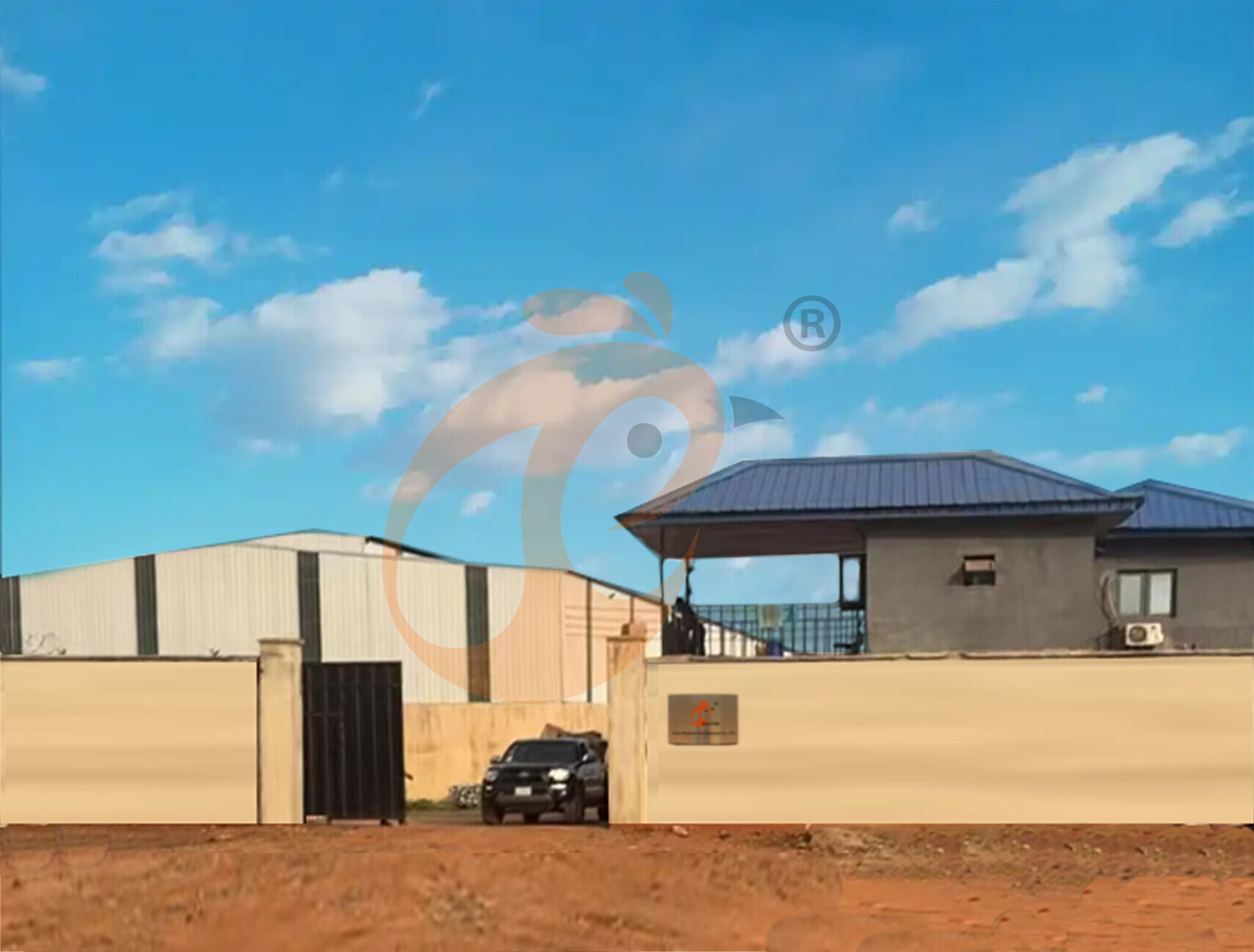
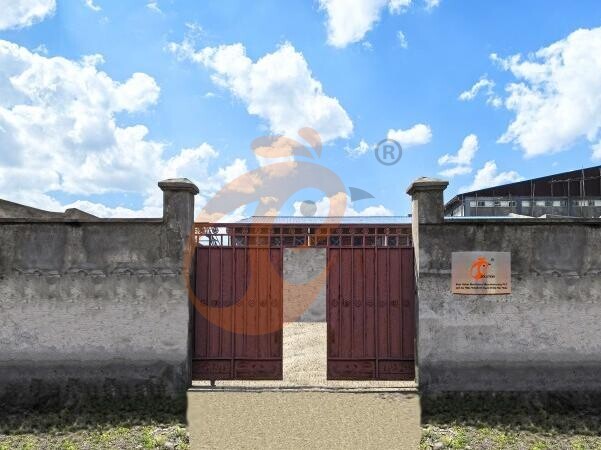
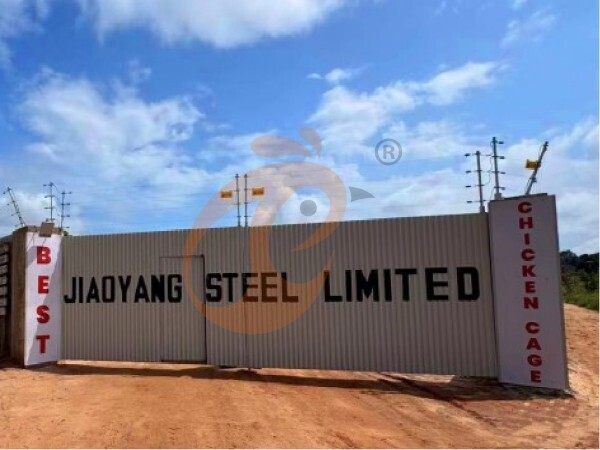
Headquarters And Branchs

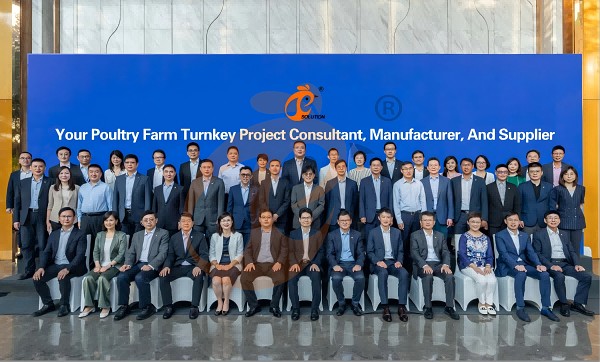
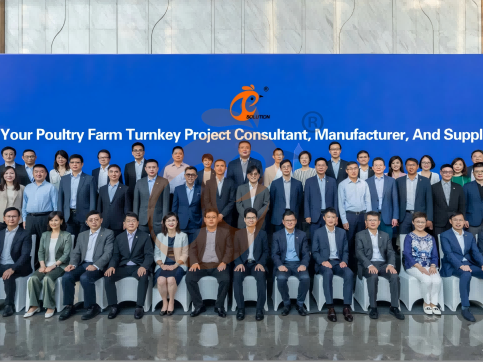
Hong Kong Headquarter Management Team
Hong Kong Headquarter Taiyu Industrial Group CO., LTD
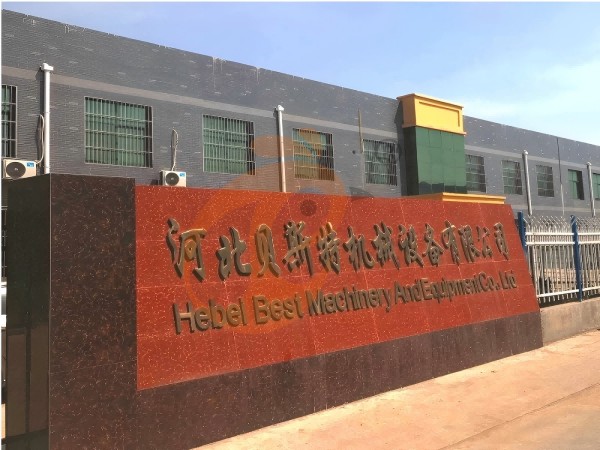
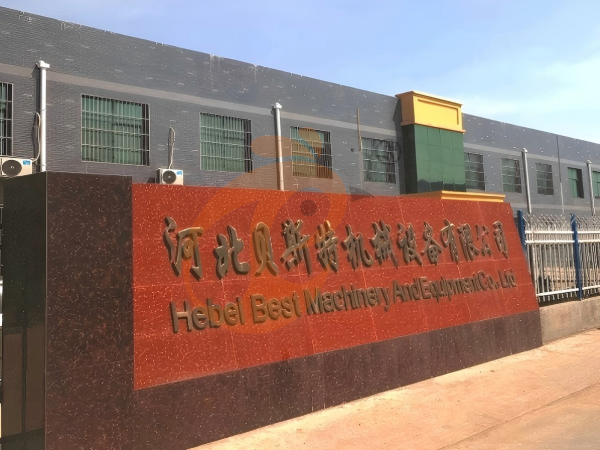
China Hebei Best Machinery And Equipment CO., LTD
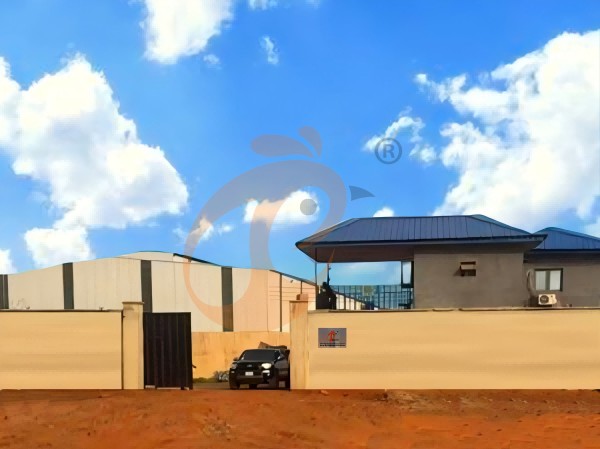
Nigeria Vanke Machinery And Equipment CO., LTD
Tanzania Best Machinery And Equipment CO., LTD
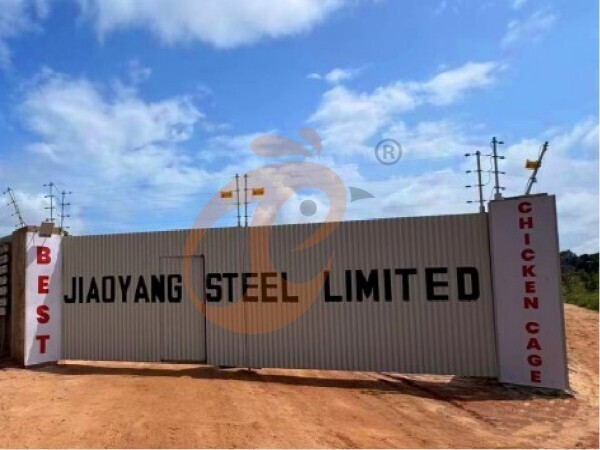
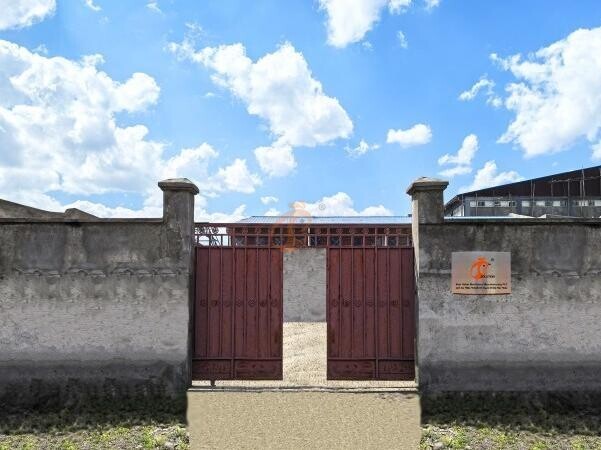
Ethiopia Best Hebei Machinery Manufacturing PLC
Reception /24 WhatsApp NO. : +8618830120193
FAQ
What Performance Advantages Does Plasson Poultry Equipment Provide In Poultry Chicken Farming Efficiency?
Labor requirement decreases by 50%–65% through automated water delivery systems.
Disease transmission risk is reduced by 35%–55% due to closed drinking environment design.
What Are The Installation Standards For Plasson Poultry Equipment In Poultry Chicken Farms?
Pipeline slope is maintained at 0.3%–0.5% for effective drainage and hygiene control.
Spacing between drinkers is configured at 25–35 cm to ensure equal water access distribution.
What Maintenance Requirements Apply To Plasson Poultry Equipment In Poultry Chicken Production Systems?
Seal inspection intervals are set at 20–30 days to prevent leakage and pressure loss.
Cleaning solution concentration is maintained at 0.03%–0.06% for effective system sanitation.
Message
Products recommended
 HK Headquarter Offers EU-standard Poultry Farm Solutions, Manufacture Poultry Farm Equipment1. Continuous communication with the EU and the US
2. China, Nigeria, Ethiopia, Tanzania branch companies and factories
3. The products’ quality is customized for local poultry farms
4. Poultry cage and poultry farm equipment stock for sale
5. 24 online reception Whatsapp NO. : +8618830120193,contact us to get full informationRead More China Branch Offer Poultry Farm Business Plan, Manufacture Poultry Farm Equipment1. Address: Flat/RM 2416, 24/F, Runxing Building, Youyi Nan Street, Shijiazhuang City, Hebei Province, China
2. Poultry cage and poultry farm equipment factory and stock for sale
3. Customized for local poultry farms
4. Quality and design are based on Euro
5. 24 online reception Whatsapp NO. : +8618830120193Read More Nigeria Branch Offer Poultry Farm Business Plan, Manufacture Poultry Farm Equipment1. Address: After Sinoma Office, 200 Meters Near Danco Filling Station, Lagos/Ibadan Expressway, Lagos State, Nigeria
2. Poultry cage and poultry farm equipment factory and stock for sale
3. Customized for Nigerian poultry farms
4. Quality and design are based on Euro
5. 24 online reception Whatsapp NO. : +8618830120193Read More Ethiopia Branch Offer Poultry Farm Business Plan, Manufacture Poultry Farm Equipment1. Address: Gelan Gura, Akaki-kaliti Sub City, Addis Ababa, Ethiopia
2. Poultry cage and poultry farm equipment stock for sale
3. Customized for Ethiopian poultry farms
4. Quality and design are based on Euro
5. 24 online reception Whatsapp NO. : +8618830120193, contact us to get price listRead More Tanzania Branch Offer Poultry Farm Business Plan, Manufacture Poultry Farm Equipment1. Address: No.8, Sova Road, Msufini, Mlandizi, Kibaha, Pwani, Tanzania
2. Poultry cage and poultry farm equipment factory and stock for sale
3. Customized for Tanzanian poultry farms
4. Quality and design are based on Euro
5. 24 online reception Whatsapp NO. : +8618830120193Read More Fully Automatic H Type Layer Chicken Cage1. 30,000-100,000+ layers/house chooses it, Poultry farmers can achieve an egg production rate of 96-98%
2. A significant improvement over the 85-90% typically seen in manual systems
3. A typical poultry farm can expect a 30-40% reduction in labor costs due to the automation
4. Each feeding line efficiently supplies feed to around 100,000 hens per 30 mins
5. Reception /WhatsApp NO. : +8618830120193Read More Fully Automatic A Type Layer Chicken Cage1. 10,000-50,000 layers/house chooses it
2. Cleaner egg collection reduces breakage by 0.5%
3. Improved hygiene helps reduce mortality rate to <3%
4. 1–2 technicians can handle 15,000–30,000 birds
5. Reception /WhatsApp NO. : +8618830120193Read More Semi Automatic H Type Layer Chicken Cage1. 1,00-20,000 layers/house chooses it
2. Nipple drinkers flow 30–60 ML / min
3. Hot-dip galvanized (typical coating ≥ 275 g/m²)
4. Reduce ammonia by ~ 35–40%
5. Reception /WhatsApp NO. : +8618830120193Read More Semi Automatic A Type Layer Chicken Cage1. 1,00-20,000 layers/house chooses it, no rust for 10 years, no deformation for 15 years
2. Chickens live comfortably, you can raise them with peace of mind
3. Save water, save money—efficiency you can measure
4. Improve environment quality, and increase egg production rate
5. Reception /WhatsApp NO. : +8618830120193Read More
By clicking 'Allow All', you agree to the storage of cookies on your device to enhance site navigation, analyze site usage and assist with our marketing efforts.