


Blog
Specifically, our data shows that switching to high-quality cages can lead to 25% more eggs compared to deep litter methods. This article explores the science behind this increase and provides a detailed guide on the dimensions and capacities you need for your poultry farm.
The Science Behind The 25 Percent Increase In Egg Production
To achieve a 25% increase in egg yield, a farmer must address feed waste, disease control, and bird energy conservation. In a traditional floor system, chickens spend a significant amount of energy walking, scratching, and competing for space. When you move birds into a high-quality Layer cage, their movement is limited, which allows them to convert more of their feed into egg production rather than physical activity.
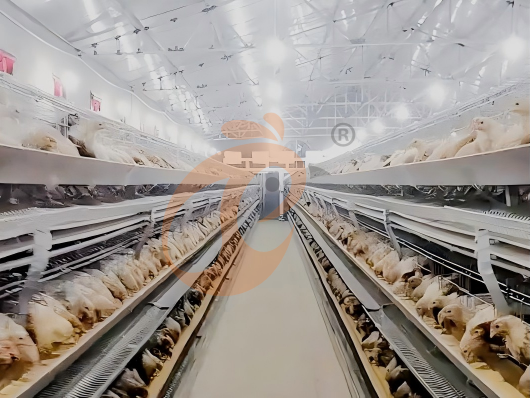
Furthermore, hygiene plays a massive role in bird health in Nigeria. Our hot-dip galvanized Chicken cage designs ensure that manure falls through the wire mesh onto a collection belt or tray. This prevents birds from coming into contact with their waste, drastically reducing the risk of coccidiosis and other intestinal parasites. Healthy birds are productive birds. When a Layer cage environment is clean and stress-free, the hen can maintain a consistent laying cycle, leading to the 25% boost in total farm output that our customers in Nigeria frequently report.
Standard A-Type Layer Cage Dimensions And Capacity
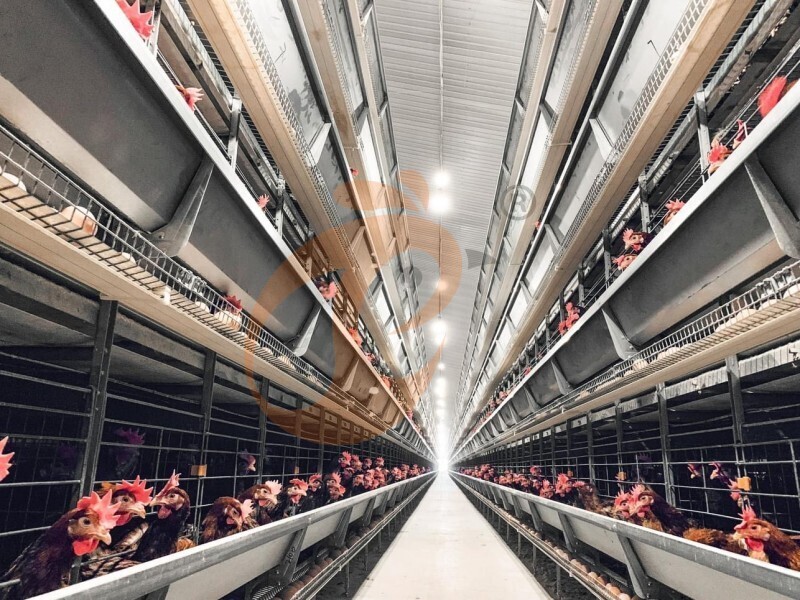
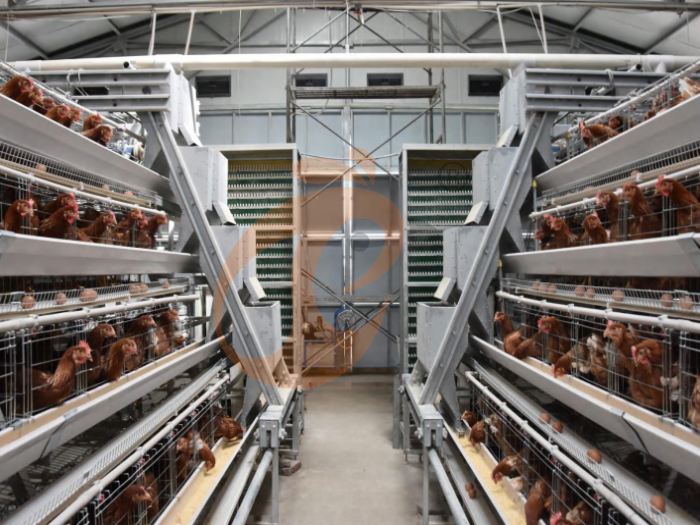
The A-Type cage system is the most popular choice for poultry farm operations in Nigeria due to its superior natural ventilation. This is critical in the Nigerian climate where high temperatures can cause heat stress. A-type cages are designed in a triangular shape, allowing air to circulate freely between the tiers. At our factory, we produce several standard models to fit different farm sizes.
Technical Specifications Of A-Type Layer Cage Systems
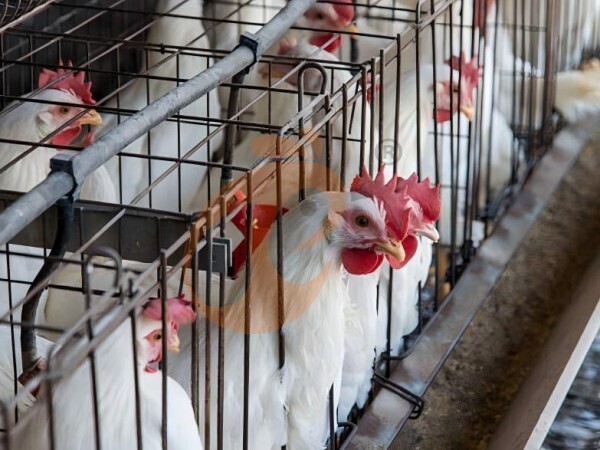
For most commercial farmers in Nigeria, the 4-tier 160-bird capacity model is the gold standard. It provides the best balance between high-density housing and ease of manual management. Each poultry cage cell is engineered to give every hen approximately 450 to 500 square centimeters of space, ensuring they are comfortable enough to lay daily.
Integrating A-Type Broiler Cage Systems For Meat Production
While egg production is a major focus, many Nigerian farmers are diversifying into meat production using an A-Type Broiler Cage. Raising broilers in cages is a scientific method to speed up the growth cycle. Because the broiler cage keeps the birds off the floor, the mortality rate is lower, and the birds reach market weight up to a week faster than those raised on the floor.
Dimensions For A-Type Broiler Cage Systems In Nigeria
Using a broiler cage allows for a much cleaner product. Since the birds do not sit in their own waste, breast blisters and leg deformities are virtually eliminated. This increases the market value of your chickens, as they look healthier and cleaner to the end consumer.
Durable Materials For The Nigerian Environment
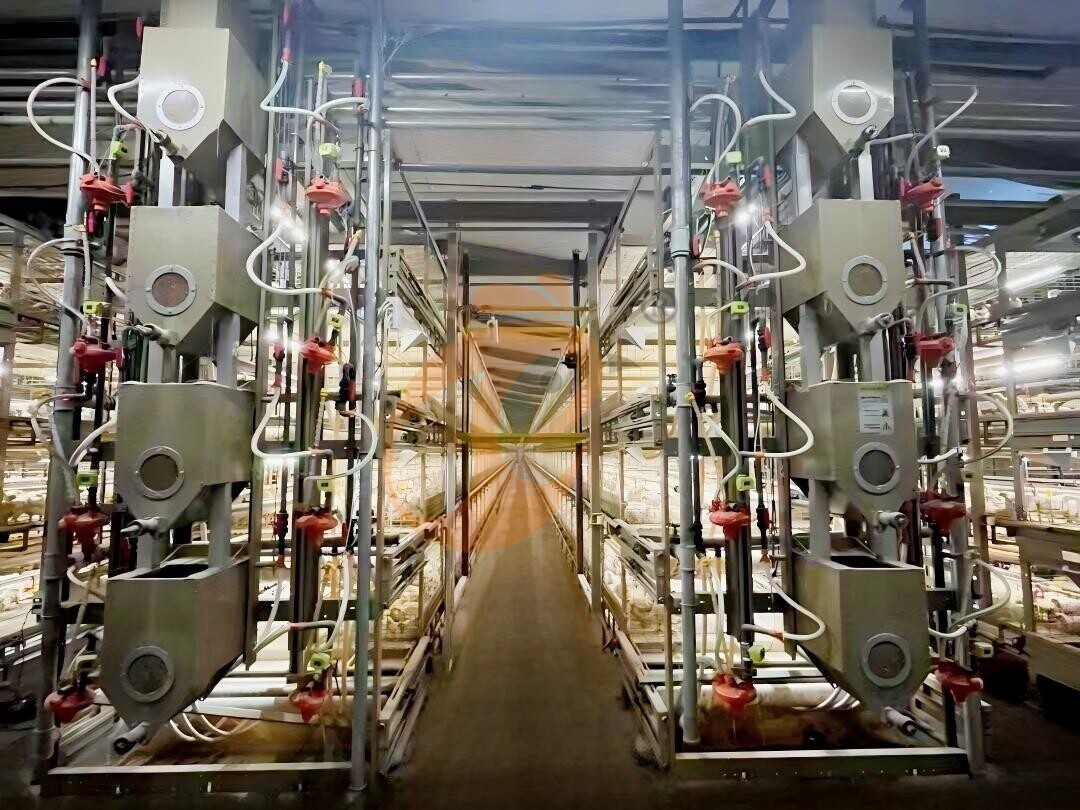
Nigeria has a harsh environment for steel equipment. High humidity in the southern regions and intense heat in the north can cause cheap, imported cages to rust within just two years. As a local manufacturer, we prioritize durability by using Q235 international bridge steel and a hot-dip galvanizing process. This process creates a thick zinc coating that protects the poultry cage from corrosion for up to 20 years.
Comparison Of Galvanization Standards For Poultry Cages
Investing in a high-quality Layer cage means you are investing in the long-term future of your poultry farm. Our local factory in Nigeria ensures that every set of equipment meets these high standards before it reaches your site.
Optimizing Your Poultry cage Layout
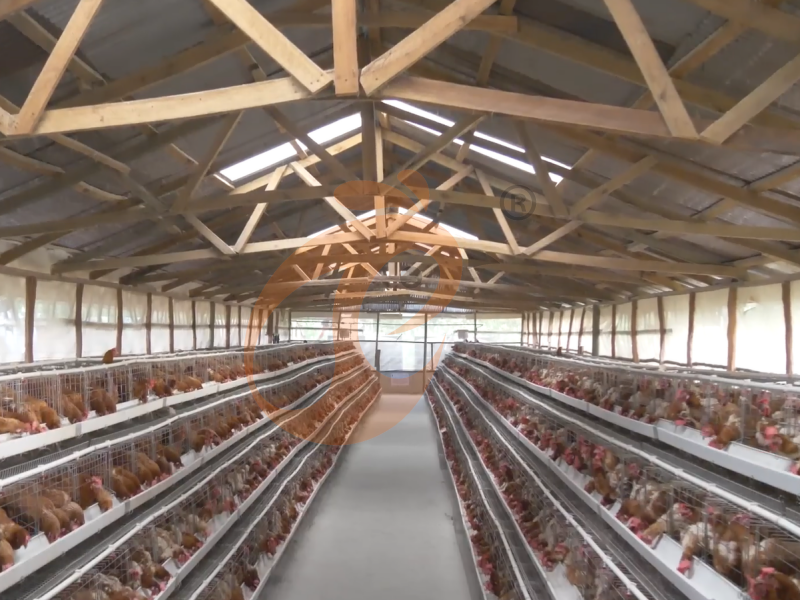
To truly achieve 25% more eggs, the physical layout of your poultry farm must be planned correctly. You need to account for the distance between cage rows and the height of the ceiling to ensure maximum airflow. In Nigeria, we recommend building houses that are at least 3.5 to 4 meters high at the eaves.
Recommended Layout For A 10,000 Bird Layer Farm
When you use our A-Type Layer cage system, we provide a free house design service. We help you calculate exactly how many sets of poultry cage equipment will fit into your available land, ensuring that you do not overspend on construction while maximizing your bird capacity.
The Advantage Of Buying From A Local Factory In Nigeria
One of the biggest hurdles for Nigerian farmers is the cost of importing equipment. High shipping fees, port clearing delays, and fluctuating exchange rates can make imported cages extremely expensive. By choosing a manufacturer with a local presence, you bypass these issues.
Our factory in Nigeria allows us to provide immediate delivery and installation services. If you need a replacement part for your Chicken cage, you do not have to wait for a ship to arrive from overseas. We have a dedicated technical team on the ground to handle everything from initial farm setup to long-term maintenance. This local support is a key part of the science behind increasing your production; when your equipment is always in top shape, your birds stay productive.
FAQ
How does a battery cage increase egg production in Nigeria?
The cage system reduces the physical energy a hen spends, focuses that energy on egg laying, and eliminates manure-borne diseases. This combination of efficiency and health typically leads to a 25% increase in total eggs produced over the bird's cycle.
Is the A-Type or H-Type cage better for the Nigerian climate?
For most open-sided houses in Nigeria, the A-Type Layer cage is the better choice because it relies on natural wind for cooling. H-Type systems are usually for fully automated, closed houses with expensive cooling pads and fans.
What is the best material for a chicken cage in a humid area?
Hot-dip galvanized steel is the only material that can withstand the high humidity and ammonia levels in a Nigerian poultry farm. Cold-galvanized or painted cages will rust within a few years, leading to equipment failure.
Contact Us To Received Your Customized Poultry Farm Plan
Headquarters And Distribution Centers
Hong Kong Headquarter Taiyu Industrial Group CO., LTD
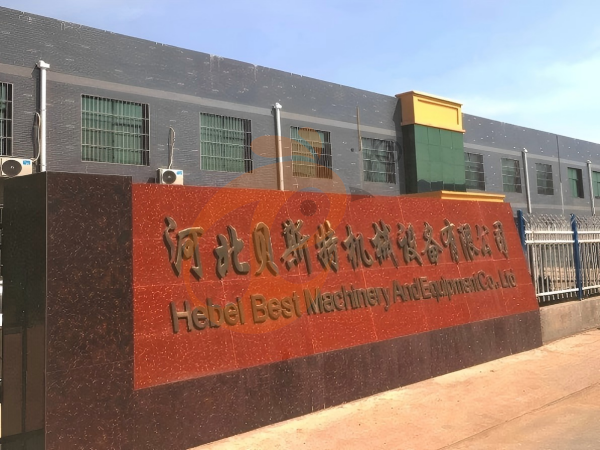
China Hebei Best Machinery And Equipment CO., LTD
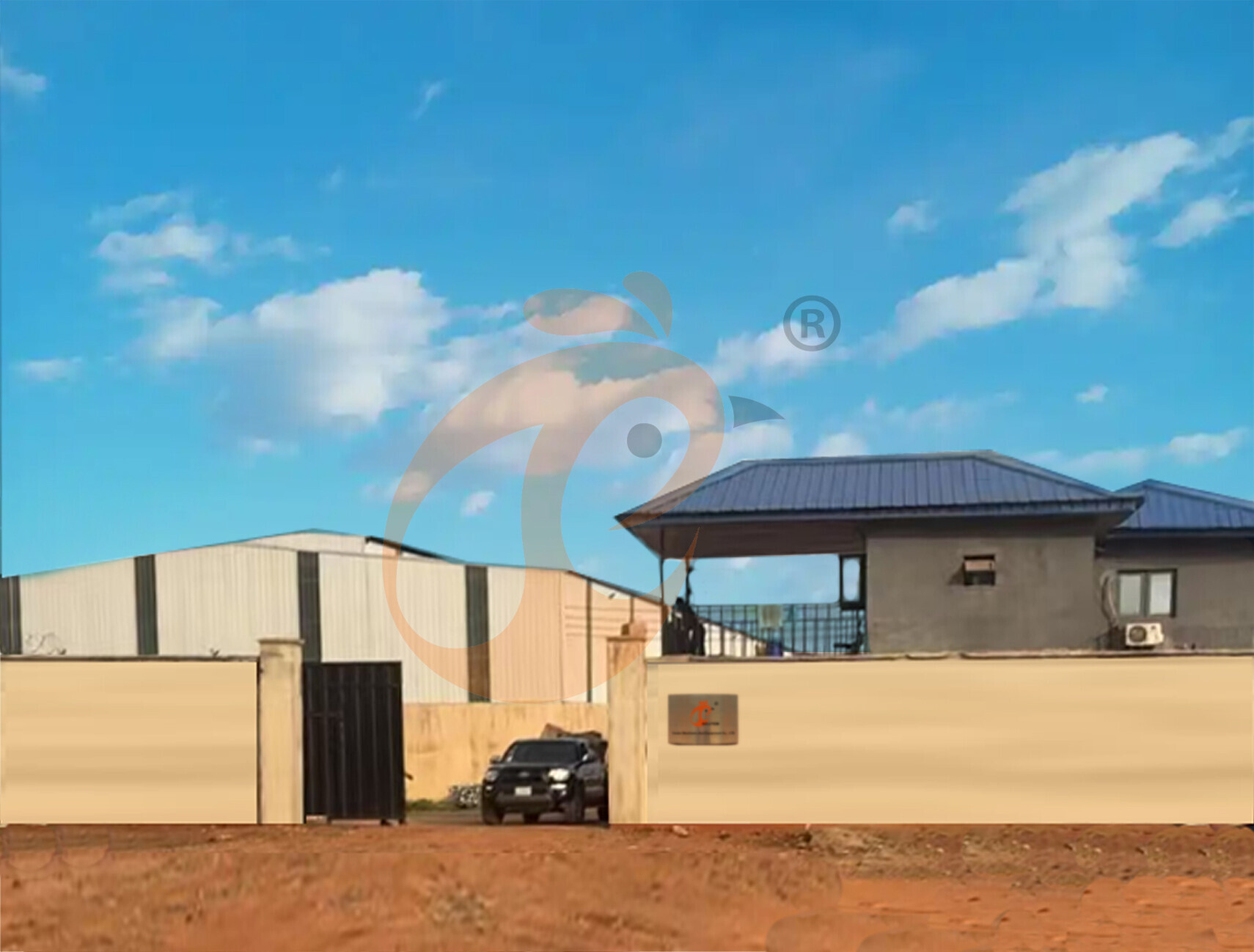
Nigeria Vanke Machinery And Equipment CO., LTD
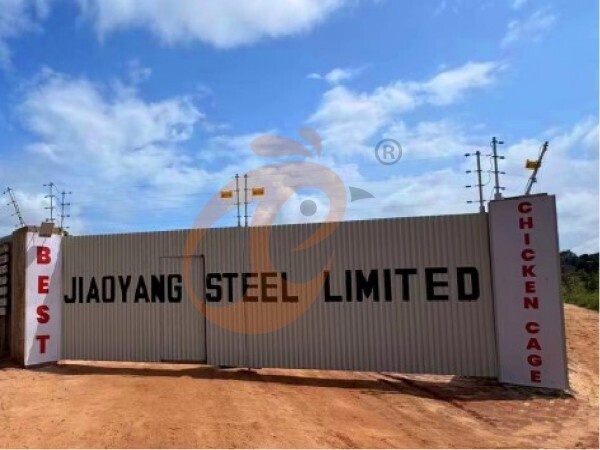
Tanzania Best Machinery And Equipment CO., LTD
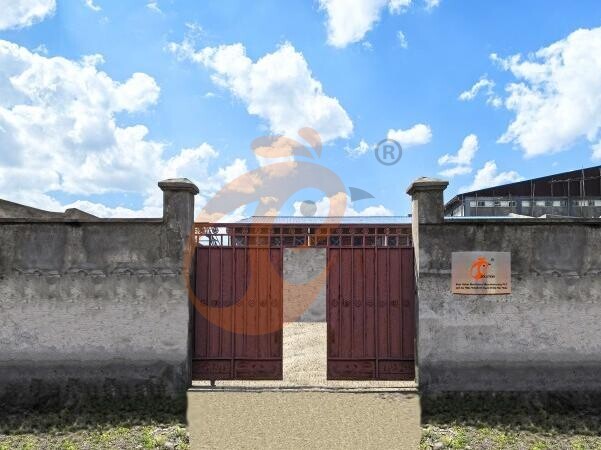
Ethiopia Best Hebei Machinery Manufacturing PLC
Message
Products recommended
 HK Headquarter Offers EU-standard Poultry Farm Solutions, Manufacture Poultry Farm Equipment1. Continuous communication with the EU and the US
2. China, Nigeria, Ethiopia, Tanzania branch companies and factories
3. The products’ quality is customized for local poultry farms
4. Poultry cage and poultry farm equipment stock for sale
5. 24 online reception Whatsapp NO. : +8618830120193,contact us to get full informationRead More China Branch Offer Poultry Farm Business Plan, Manufacture Poultry Farm Equipment1. Address: Flat/RM 2416, 24/F, Runxing Building, Youyi Nan Street, Shijiazhuang City, Hebei Province, China
2. Poultry cage and poultry farm equipment factory and stock for sale
3. Customized for local poultry farms
4. Quality and design are based on Euro
5. 24 online reception Whatsapp NO. : +8618830120193Read More Nigeria Branch Offer Poultry Farm Business Plan, Manufacture Poultry Farm Equipment1. Address: After Sinoma Office, 200 Meters Near Danco Filling Station, Lagos/Ibadan Expressway, Lagos State, Nigeria
2. Poultry cage and poultry farm equipment factory and stock for sale
3. Customized for Nigerian poultry farms
4. Quality and design are based on Euro
5. 24 online reception Whatsapp NO. : +8618830120193Read More Ethiopia Branch Offer Poultry Farm Business Plan, Manufacture Poultry Farm Equipment1. Address: Gelan Gura, Akaki-kaliti Sub City, Addis Ababa, Ethiopia
2. Poultry cage and poultry farm equipment stock for sale
3. Customized for Ethiopian poultry farms
4. Quality and design are based on Euro
5. 24 online reception Whatsapp NO. : +8618830120193, contact us to get price listRead More Tanzania Branch Offer Poultry Farm Business Plan, Manufacture Poultry Farm Equipment1. Address: No.8, Sova Road, Msufini, Mlandizi, Kibaha, Pwani, Tanzania
2. Poultry cage and poultry farm equipment factory and stock for sale
3. Customized for Tanzanian poultry farms
4. Quality and design are based on Euro
5. 24 online reception Whatsapp NO. : +8618830120193Read More Fully Automatic H Type Layer Chicken Cage1. 30,000-100,000+ layers/house chooses it, Poultry farmers can achieve an egg production rate of 96-98%
2. A significant improvement over the 85-90% typically seen in manual systems
3. A typical poultry farm can expect a 30-40% reduction in labor costs due to the automation
4. Each feeding line efficiently supplies feed to around 100,000 hens per 30 mins
5. Reception /WhatsApp NO. : +8618830120193Read More Fully Automatic A Type Layer Chicken Cage1. 10,000-50,000 layers/house chooses it
2. Cleaner egg collection reduces breakage by 0.5%
3. Improved hygiene helps reduce mortality rate to <3%
4. 1–2 technicians can handle 15,000–30,000 birds
5. Reception /WhatsApp NO. : +8618830120193Read More Semi Automatic H Type Layer Chicken Cage1. 1,00-20,000 layers/house chooses it
2. Nipple drinkers flow 30–60 ML / min
3. Hot-dip galvanized (typical coating ≥ 275 g/m²)
4. Reduce ammonia by ~ 35–40%
5. Reception /WhatsApp NO. : +8618830120193Read More Semi Automatic A Type Layer Chicken Cage1. 1,00-20,000 layers/house chooses it, no rust for 10 years, no deformation for 15 years
2. Chickens live comfortably, you can raise them with peace of mind
3. Save water, save money—efficiency you can measure
4. Improve environment quality, and increase egg production rate
5. Reception /WhatsApp NO. : +8618830120193Read More
By clicking 'Allow All', you agree to the storage of cookies on your device to enhance site navigation, analyze site usage and assist with our marketing efforts.