






Blog
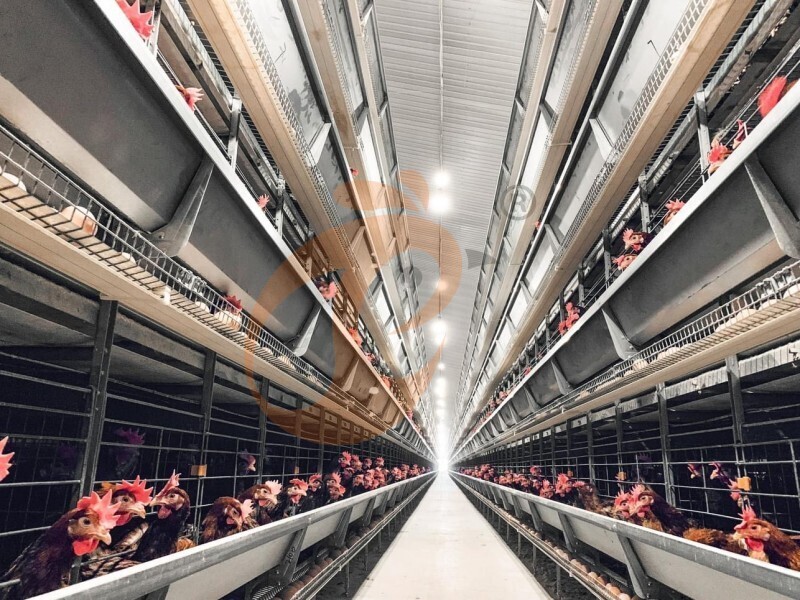
Battery cage systems have reshaped global poultry production by offering controlled environments, reduced feed waste, and balanced stocking densities. Data from 2025 indicates that over 78% of commercial egg producers in Asia and 65% in Africa have adopted battery cage technology to enhance egg uniformity and management efficiency. Compared with deep litter housing, the feed-to-egg conversion rate in well-ventilated battery cage units improves by 12.5%, while labor demand drops by 25%.
Optimizing Space Utilization With Modern Battery Cage Layouts
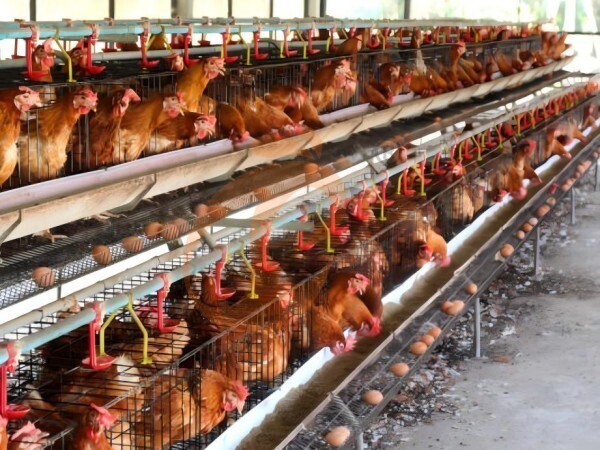
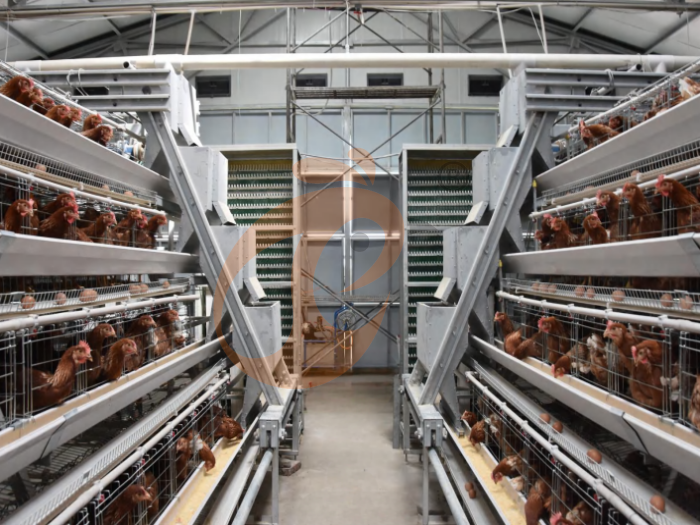
A properly designed structure can maximize bird capacity by 35% within the same housing footprint. Row heights, aisle widths, and feeding paths determine ventilation effectiveness and worker efficiency. Our research shows that a farm using 4-tier battery cages can achieve up to 120,000 layers in the same building previously housing 80,000 birds in deep litter systems.
Cost Efficiency And Return On Investment In Battery Cage Projects
Economic data remains a key driver for livestock producers investing in new battery cage solutions. A production unit of 10,000 layers typically costs around USD 45,000 (EU standard reference), while annual return can exceed USD 16,000 due to stable egg output and reduced mortality. Producers report that the payback period averages 2.8 years, which is 30% faster than conventional floor rearing systems.
Smart IoT Systems And Intelligent Farm Control In Battery Cage Management
Integrating IoT sensors enables real-time tracking of feed levels, water pressure, and egg counts. Temperature and ventilation units linked through a cloud-based platform can reduce energy consumption by up to 18%. Data analysis from European Union-certified farms shows that using intelligent controllers can improve laying rate consistency by 6.4% compared to manually monitored systems.
Choosing The Right Battery Cage System For Layers
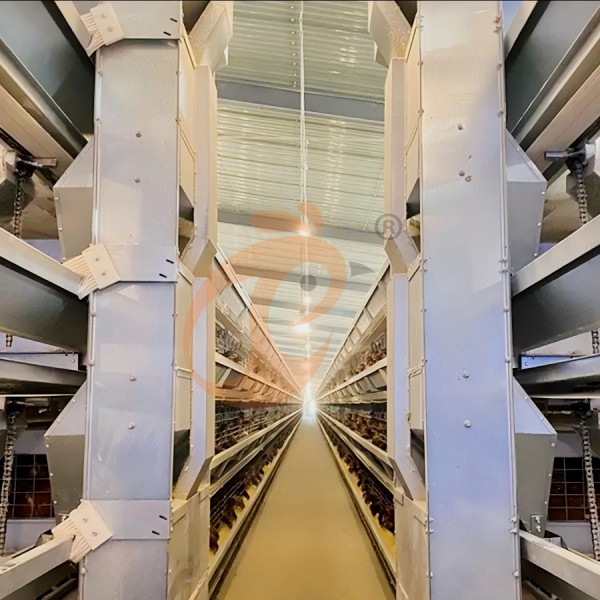
For livestock beginners, selecting a high-quality battery cage defines productivity and bird welfare. Factors include anti-rust steel structure, feeding uniformity, egg collection automation, and durability under local humidity. Producers often inquire about cage design options at competitive prices. Our Types Of Layer Chicken Cage Design - Choosing The Most Suitable Layer Chicken Cage Design for Your Poultry Business allows farmers to compare multiple systems according to floor area and desired output. Each design can be paired with automatic manure removal and egg conveyor systems for continuous operation efficiency.
Frequently Asked Questions
How many layers can a standard battery cage hold?
Depending on size, one 4-tier battery cage unit can accommodate 96–128 layers efficiently.What is the average lifespan of a Taiyu battery cage system?
With hot-dip galvanization, the average life expectancy exceeds 20 years under normal use.Can IoT systems be retrofitted into existing cages?
Yes. Taiyu Group offers modular IoT sensors that can be installed on current structures without major modification.
Taiyu Industrial Group Strength And Global Service Advantages
- Comprehensive project solutions — from steel structure poultry houses to advanced automatic battery cage lines, serving over 60 countries worldwide.
- Professional R&D with German engineering support, ensuring over 98% equipment reliability.
- Customized farm layout and IoT integration designed per client’s climate and management style.
- Full after-sales service, spare part supply, and annual maintenance programs keeping production stable.
24-hour international support; Taiyu Industrial Group ensures farm owners achieve maximum profitability with modern technology.
Contact Us To Received Your Customized Poultry Farm Plan
Headquarters And Distribution Centers
Hong Kong Headquarter Taiyu Industrial Group CO., LTD
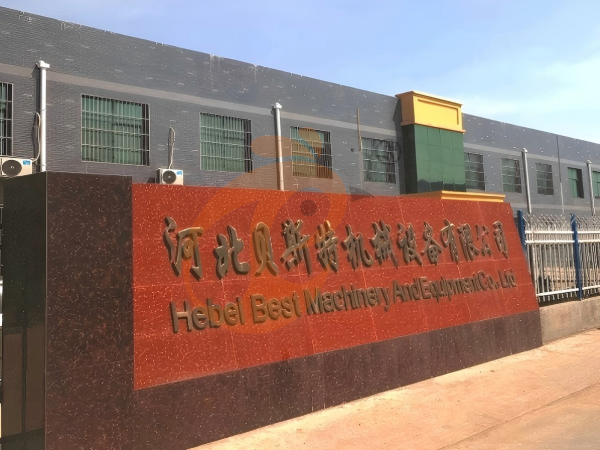
China Hebei Best Machinery And Equipment CO., LTD
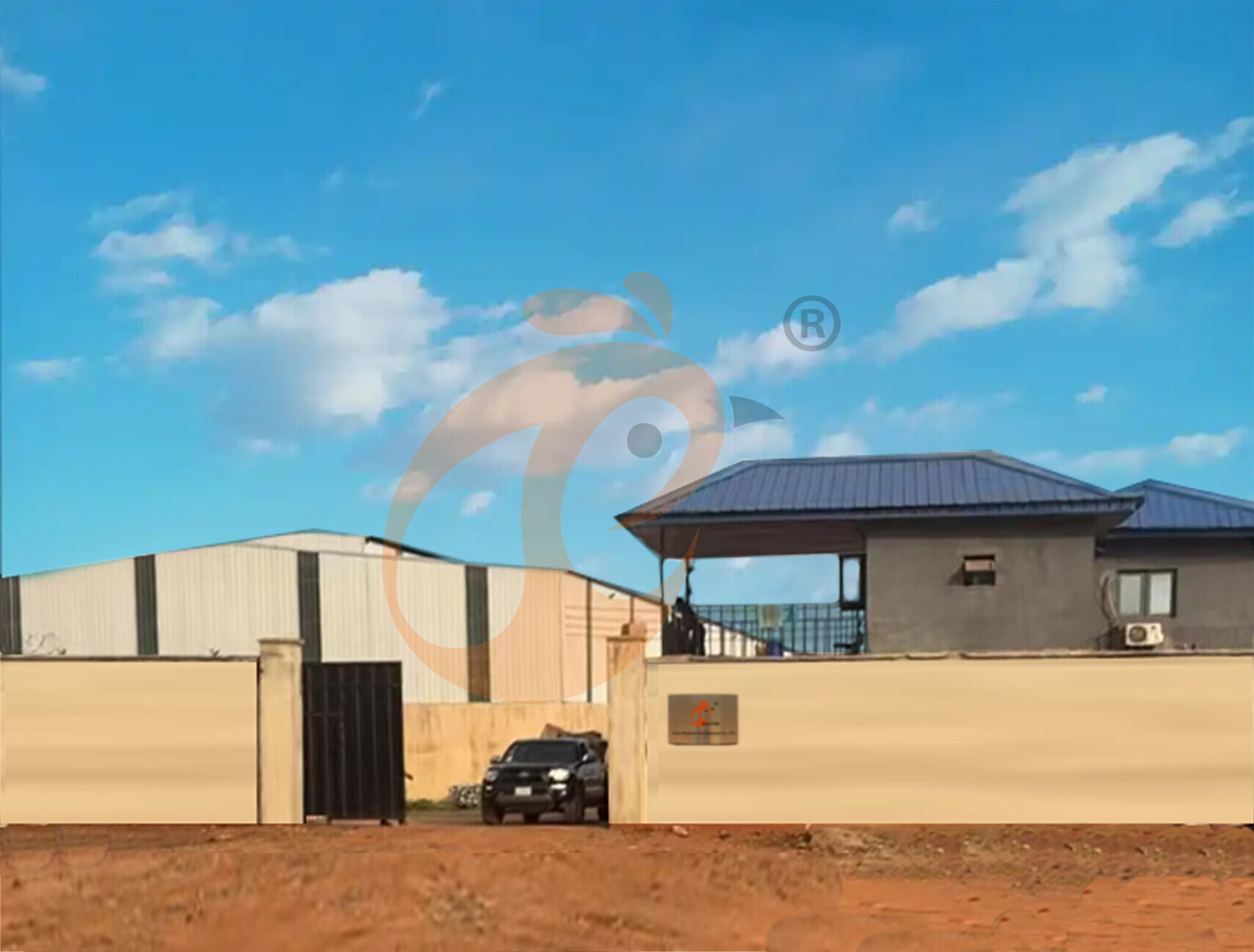
Nigeria Vanke Machinery And Equipment CO., LTD
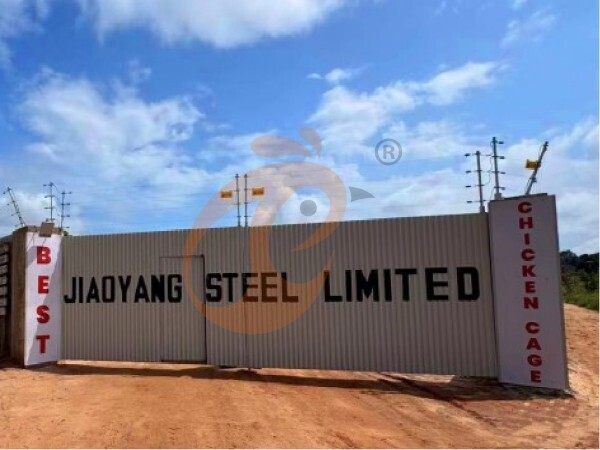
Tanzania Best Machinery And Equipment CO., LTD
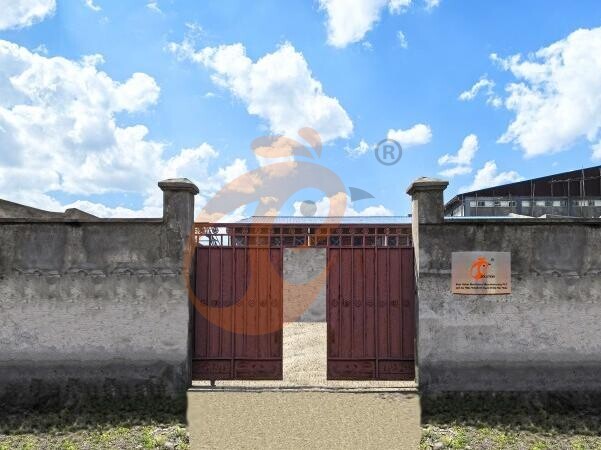
Ethiopia Best Hebei Machinery Manufacturing PLC
Message
Products recommended
 HK Headquarter Offers EU-standard Poultry Farm Solutions, Manufacture Poultry Farm Equipment1. Continuous communication with the EU and the US
2. China, Nigeria, Ethiopia, Tanzania branch companies and factories
3. The products’ quality is customized for local poultry farms
4. Poultry cage and poultry farm equipment stock for sale
5. 24 online reception Whatsapp NO. : +8618830120193,contact us to get full informationRead More China Branch Offer Poultry Farm Business Plan, Manufacture Poultry Farm Equipment1. Address: Flat/RM 2416, 24/F, Runxing Building, Youyi Nan Street, Shijiazhuang City, Hebei Province, China
2. Poultry cage and poultry farm equipment factory and stock for sale
3. Customized for local poultry farms
4. Quality and design are based on Euro
5. 24 online reception Whatsapp NO. : +8618830120193Read More Nigeria Branch Offer Poultry Farm Business Plan, Manufacture Poultry Farm Equipment1. Address: After Sinoma Office, 200 Meters Near Danco Filling Station, Lagos/Ibadan Expressway, Lagos State, Nigeria
2. Poultry cage and poultry farm equipment factory and stock for sale
3. Customized for Nigerian poultry farms
4. Quality and design are based on Euro
5. 24 online reception Whatsapp NO. : +8618830120193Read More Ethiopia Branch Offer Poultry Farm Business Plan, Manufacture Poultry Farm Equipment1. Address: Gelan Gura, Akaki-kaliti Sub City, Addis Ababa, Ethiopia
2. Poultry cage and poultry farm equipment stock for sale
3. Customized for Ethiopian poultry farms
4. Quality and design are based on Euro
5. 24 online reception Whatsapp NO. : +8618830120193, contact us to get price listRead More Tanzania Branch Offer Poultry Farm Business Plan, Manufacture Poultry Farm Equipment1. Address: No.8, Sova Road, Msufini, Mlandizi, Kibaha, Pwani, Tanzania
2. Poultry cage and poultry farm equipment factory and stock for sale
3. Customized for Tanzanian poultry farms
4. Quality and design are based on Euro
5. 24 online reception Whatsapp NO. : +8618830120193Read More Fully Automatic H Type Layer Chicken Cage1. 30,000-100,000+ layers/house chooses it, Poultry farmers can achieve an egg production rate of 96-98%
2. A significant improvement over the 85-90% typically seen in manual systems
3. A typical poultry farm can expect a 30-40% reduction in labor costs due to the automation
4. Each feeding line efficiently supplies feed to around 100,000 hens per 30 mins
5. Reception /WhatsApp NO. : +8618830120193Read More Fully Automatic A Type Layer Chicken Cage1. 10,000-50,000 layers/house chooses it
2. Cleaner egg collection reduces breakage by 0.5%
3. Improved hygiene helps reduce mortality rate to <3%
4. 1–2 technicians can handle 15,000–30,000 birds
5. Reception /WhatsApp NO. : +8618830120193Read More Semi Automatic H Type Layer Chicken Cage1. 1,00-20,000 layers/house chooses it
2. Nipple drinkers flow 30–60 ML / min
3. Hot-dip galvanized (typical coating ≥ 275 g/m²)
4. Reduce ammonia by ~ 35–40%
5. Reception /WhatsApp NO. : +8618830120193Read More Semi Automatic A Type Layer Chicken Cage1. 1,00-20,000 layers/house chooses it, no rust for 10 years, no deformation for 15 years
2. Chickens live comfortably, you can raise them with peace of mind
3. Save water, save money—efficiency you can measure
4. Improve environment quality, and increase egg production rate
5. Reception /WhatsApp NO. : +8618830120193Read More
By clicking 'Allow All', you agree to the storage of cookies on your device to enhance site navigation, analyze site usage and assist with our marketing efforts.