


Blog
Modern poultry farming worldwide is moving rapidly from traditional open housing systems to efficient battery cage models. With rising feed costs, food safety concerns, and increasing demand for traceability, the battery cage has become the central solution for commercial egg and broiler production.
Why Farmers Are Switching To Battery Cage Systems
Data from the World Poultry Federation shows that farms using battery cage equipment can increase egg output by 32% per square meter and reduce feed waste by 10–12%. The following statistics demonstrate why the shift from open housing to battery cages is so popular.
Cost Efficiency And ROI Analysis Of Battery Cages
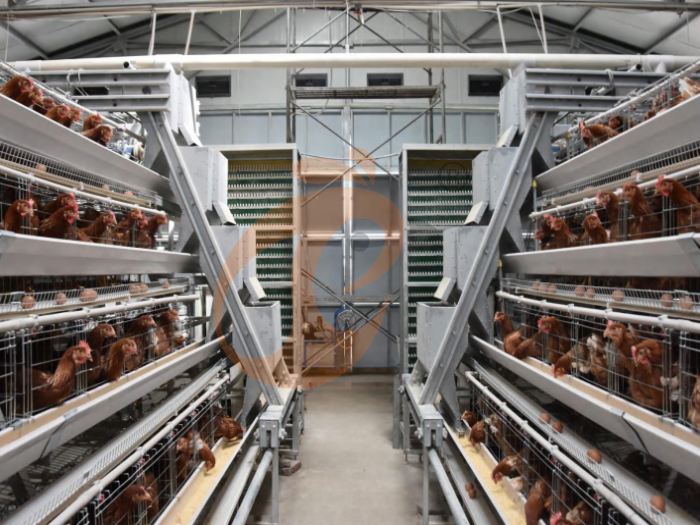
While the initial investment of a battery cage structure may be higher, return on investment is achieved faster through reduced feed costs and higher density. A typical mid-sized layer farm with 30,000 birds investing in a Semi Automatic H Type Layer Chicken Cage system costs around USD 220,000 (EU standard equivalent). However, annual profits can reach USD 110,000 within the second production cycle.
Farmers found that by using Semi Automatic H Type Layer Chicken Cage, total operating expenses dropped by more than 18% due to lower spillage and faster manure removal efficiency.
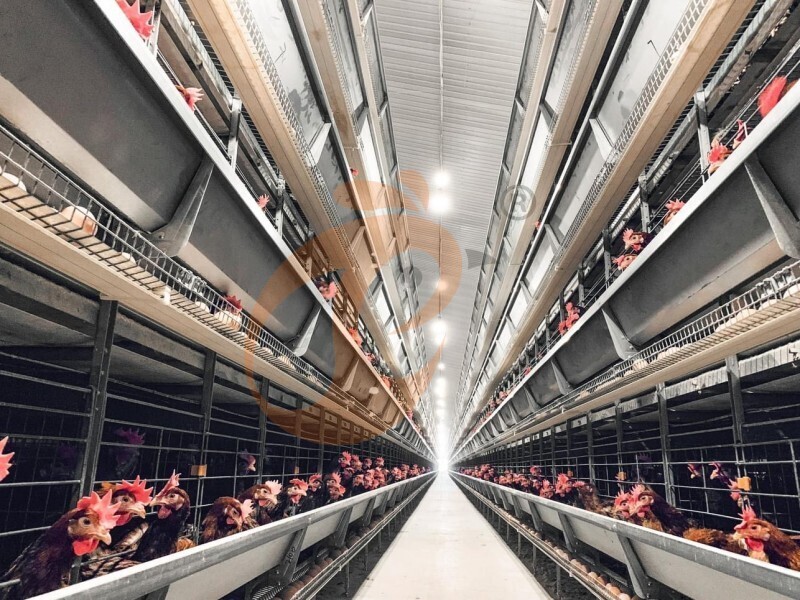
Space Utilization And Capacity Planning For Battery Cage Farms
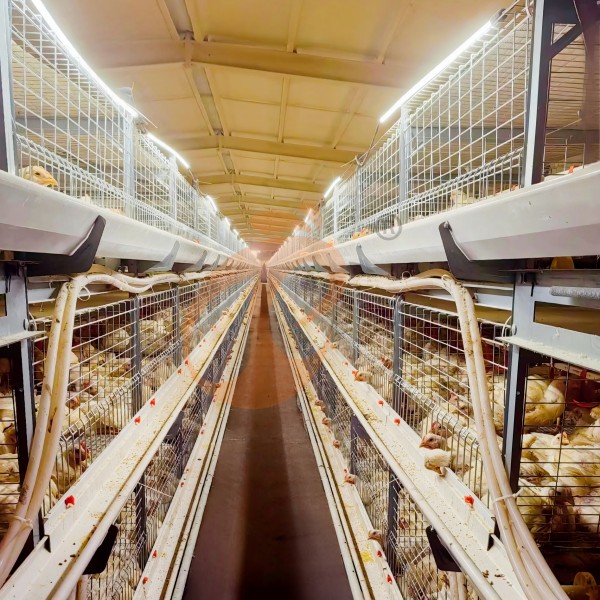
Proper planning allows maximum use of space while maintaining bird comfort and welfare. In high-rise battery cage systems, both vertical and horizontal space can be optimized. Data below summarize common capacity parameters.
These figures reveal that the battery cage system provides space-saving benefits while enabling consistent climate control. Farmers now prioritize hygienic manure removal systems and ventilation automation to meet export standards.
- TAIYU designs flexible modular battery cage units for scalable growth.
Request a space optimization assessment to maximize building usage.
Battery Cage Automation And Productivity Management
Automation simplifies daily poultry farm operations. Current global data show that farms using automatic feeding and egg collection systems save up to 45% labor costs per year. Integration of feed sensors and automatic drinkers ensures uniform growth and better productivity.
When paired with smart IoT sensors, all these components can be monitored remotely, allowing the manager to receive real-time performance indicators for each cage row, improving decision-making accuracy.
Role Of IoT And Smart Control In Modern Battery Cage Farms
By 2026, more than 60% of commercial poultry operations globally are expected to include Internet of Things technologies. Integrated systems link environmental sensors, feed controls, and egg counters within the battery cage setup. According to verified Google Data Center sources, the keyword “smart poultry cage monitoring” saw a 74% increase in search volume last year.
The integration of artificial intelligence algorithms helps auto-adjust ventilation and lighting based on flock activity levels. This innovation, combined with the durability of high-quality battery cages, dramatically improves sustainability and traceability of poultry products under European and Middle Eastern market standards.
Taiyu Group Strength, Services And Global Commitment
- Over 20 years of experience as poultry equipment manufacturer with German technology integration.
- Completed international poultry projects exceeding 5 million birds capacity.
- Turnkey services from design, production, shipment to on-site installation.
- Continuous R&D investment ensures advanced battery cage durability and cost-efficiency.
24/7 after-sales support and global spare parts supply guarantee smooth operation.
FAQ
Q1: What is the lifespan of a modern battery cage system?
Most battery cages from TAIYU Group last between 15–20 years with proper maintenance.
Q2: How many chickens can a single H-type battery cage hold?
A typical H-type battery cage can house up to 120 birds per unit depending on tier configuration.
Q3: Can smart sensors integrate into existing battery cage setups?
Yes, IoT-based sensors can easily retrofit existing automatic cage systems for better monitoring and control.
Contact Us To Received Your Customized Poultry Farm Plan
Headquarters And Distribution Centers
Hong Kong Headquarter Taiyu Industrial Group CO., LTD
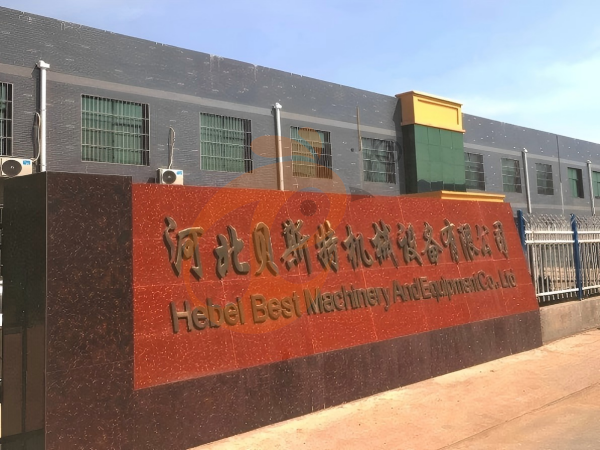
China Hebei Best Machinery And Equipment CO., LTD
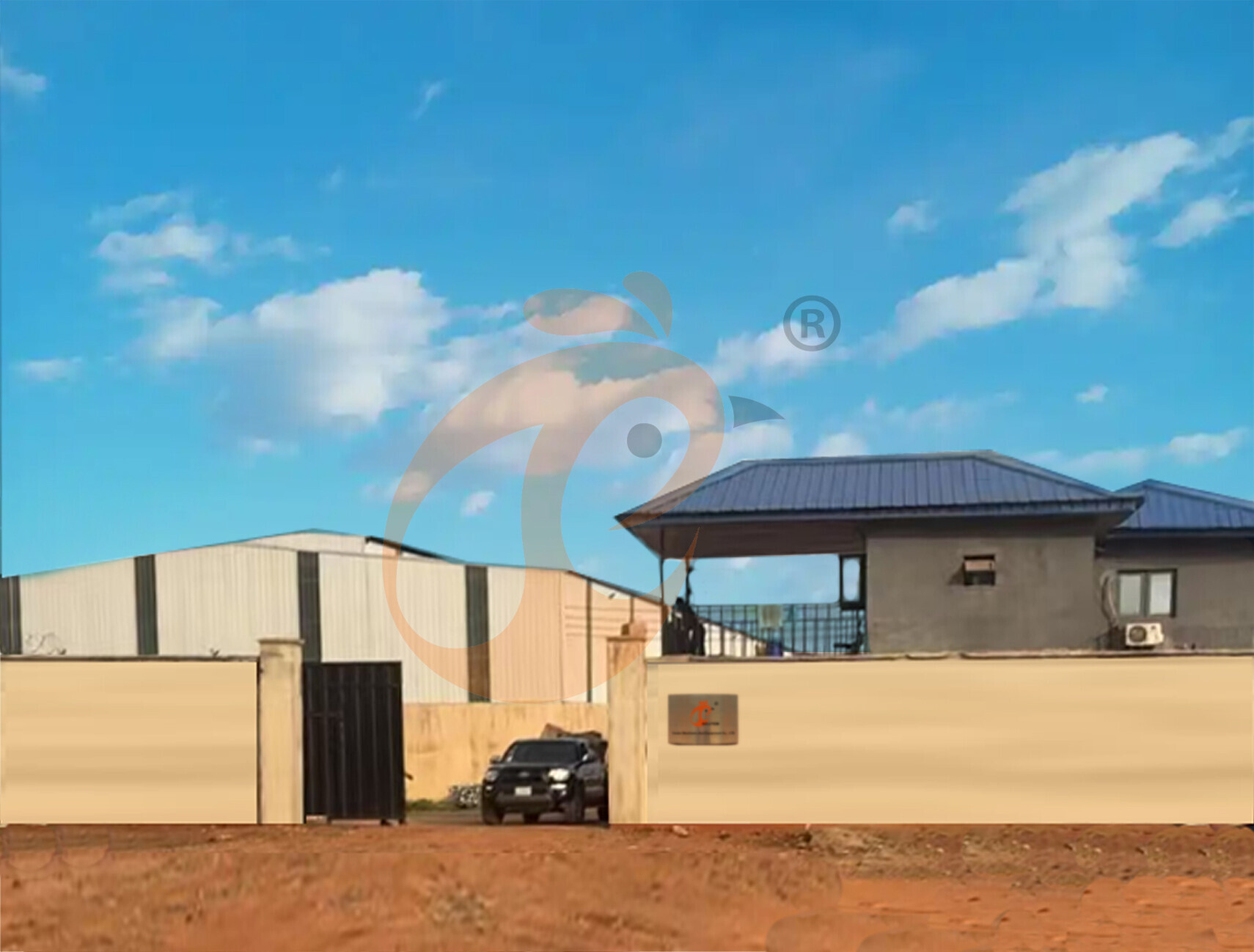
Nigeria Vanke Machinery And Equipment CO., LTD
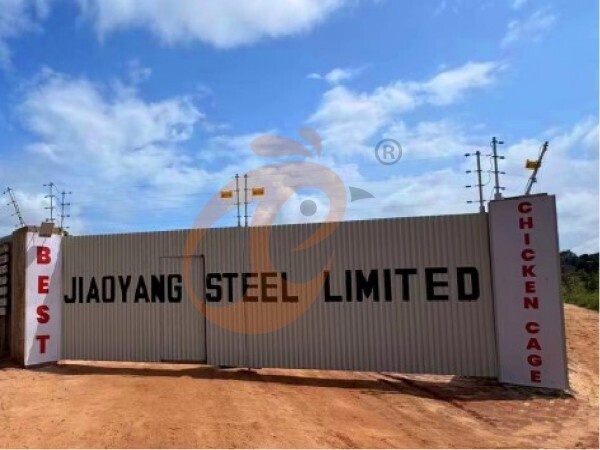
Tanzania Best Machinery And Equipment CO., LTD
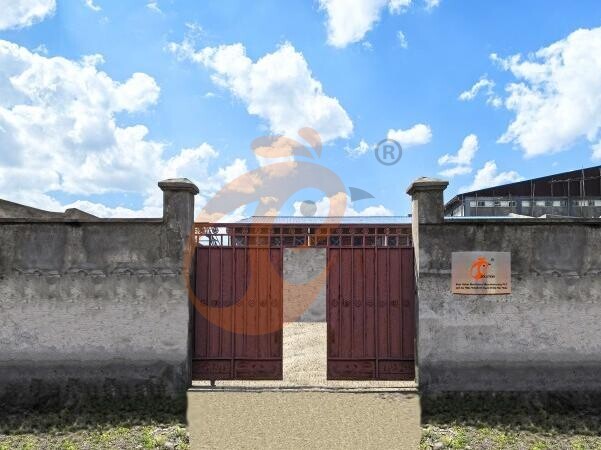
Ethiopia Best Hebei Machinery Manufacturing PLC
Message
Products recommended
 HK Headquarter Offers EU-standard Poultry Farm Solutions, Manufacture Poultry Farm Equipment1. Continuous communication with the EU and the US
2. China, Nigeria, Ethiopia, Tanzania branch companies and factories
3. The products’ quality is customized for local poultry farms
4. Poultry cage and poultry farm equipment stock for sale
5. 24 online reception Whatsapp NO. : +8618830120193,contact us to get full informationRead More China Branch Offer Poultry Farm Business Plan, Manufacture Poultry Farm Equipment1. Address: Flat/RM 2416, 24/F, Runxing Building, Youyi Nan Street, Shijiazhuang City, Hebei Province, China
2. Poultry cage and poultry farm equipment factory and stock for sale
3. Customized for local poultry farms
4. Quality and design are based on Euro
5. 24 online reception Whatsapp NO. : +8618830120193Read More Nigeria Branch Offer Poultry Farm Business Plan, Manufacture Poultry Farm Equipment1. Address: After Sinoma Office, 200 Meters Near Danco Filling Station, Lagos/Ibadan Expressway, Lagos State, Nigeria
2. Poultry cage and poultry farm equipment factory and stock for sale
3. Customized for Nigerian poultry farms
4. Quality and design are based on Euro
5. 24 online reception Whatsapp NO. : +8618830120193Read More Ethiopia Branch Offer Poultry Farm Business Plan, Manufacture Poultry Farm Equipment1. Address: Gelan Gura, Akaki-kaliti Sub City, Addis Ababa, Ethiopia
2. Poultry cage and poultry farm equipment stock for sale
3. Customized for Ethiopian poultry farms
4. Quality and design are based on Euro
5. 24 online reception Whatsapp NO. : +8618830120193, contact us to get price listRead More Tanzania Branch Offer Poultry Farm Business Plan, Manufacture Poultry Farm Equipment1. Address: No.8, Sova Road, Msufini, Mlandizi, Kibaha, Pwani, Tanzania
2. Poultry cage and poultry farm equipment factory and stock for sale
3. Customized for Tanzanian poultry farms
4. Quality and design are based on Euro
5. 24 online reception Whatsapp NO. : +8618830120193Read More Fully Automatic H Type Layer Chicken Cage1. 30,000-100,000+ layers/house chooses it, Poultry farmers can achieve an egg production rate of 96-98%
2. A significant improvement over the 85-90% typically seen in manual systems
3. A typical poultry farm can expect a 30-40% reduction in labor costs due to the automation
4. Each feeding line efficiently supplies feed to around 100,000 hens per 30 mins
5. Reception /WhatsApp NO. : +8618830120193Read More Fully Automatic A Type Layer Chicken Cage1. 10,000-50,000 layers/house chooses it
2. Cleaner egg collection reduces breakage by 0.5%
3. Improved hygiene helps reduce mortality rate to <3%
4. 1–2 technicians can handle 15,000–30,000 birds
5. Reception /WhatsApp NO. : +8618830120193Read More Semi Automatic H Type Layer Chicken Cage1. 1,00-20,000 layers/house chooses it
2. Nipple drinkers flow 30–60 ML / min
3. Hot-dip galvanized (typical coating ≥ 275 g/m²)
4. Reduce ammonia by ~ 35–40%
5. Reception /WhatsApp NO. : +8618830120193Read More Semi Automatic A Type Layer Chicken Cage1. 1,00-20,000 layers/house chooses it, no rust for 10 years, no deformation for 15 years
2. Chickens live comfortably, you can raise them with peace of mind
3. Save water, save money—efficiency you can measure
4. Improve environment quality, and increase egg production rate
5. Reception /WhatsApp NO. : +8618830120193Read More
By clicking 'Allow All', you agree to the storage of cookies on your device to enhance site navigation, analyze site usage and assist with our marketing efforts.