






Blog
The commercial poultry sector in Nigeria is undergoing a massive structural transformation. Driven by skyrocketing feed prices, limited land availability in agrarian hubs like Ibadan, Oyo, and Kano, and the surging urban demand for affordable protein, traditional deep litter systems are rapidly losing economic viability. For modern commercial poultry farmers, investors, and expanding agricultural enterprises across Nigeria, transitioning to a vertical farming model is no longer a luxury—it is the single most critical decision determining profitability.
Get professional poultry farm construction guidance, equipment selection solutions, and the latest price lists, whatsApp to +8618830120193, +2348111199996, or click to learn more:

Nigeria-China Branch Office And Factory Of Poultry Farm Equipment
Classifications And Structural Selection For The Nigerian Market
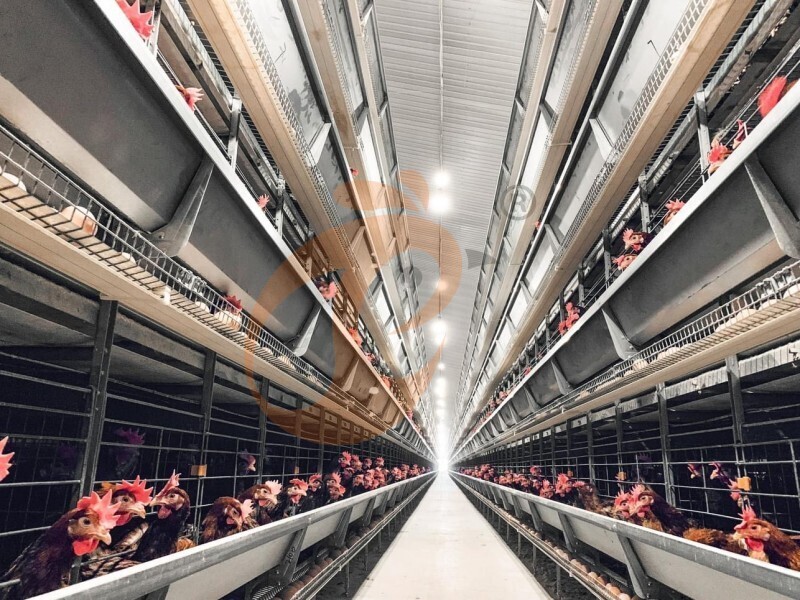
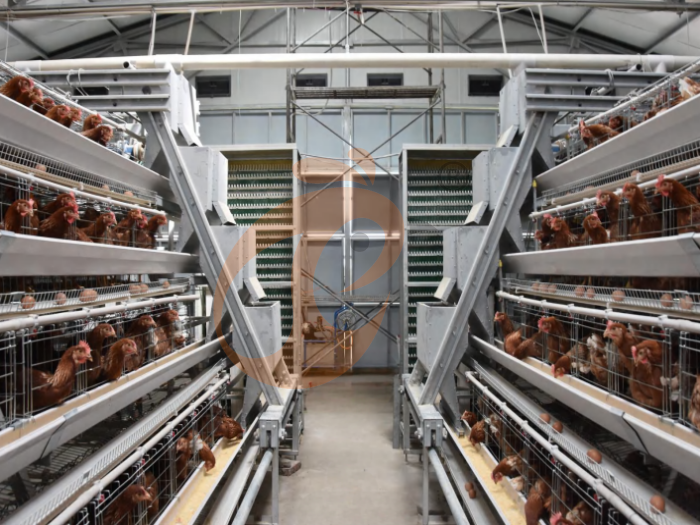
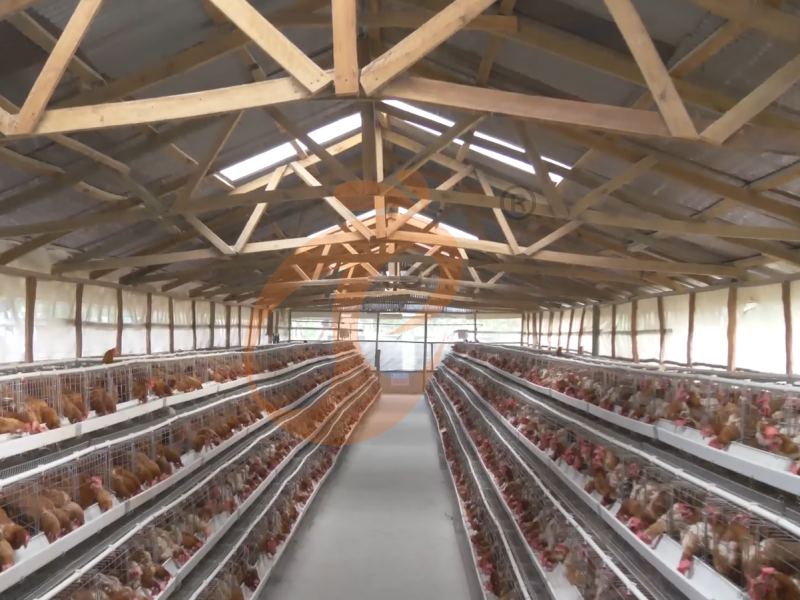
Selecting the ideal cage configuration dictates your upfront capital expenditure, labor overhead, and physical footprint. The global market primarily offers two layout frameworks: the stepped A-Type and the vertical stacked H-Type.
Technical Parameters: A-Type vs. H-Type Systems
To help you make an informed decision, our engineering team has compiled the core technical differences based on operational data from active commercial projects across Nigeria:
When entering or scaling up in the local market, choosing the right framework is paramount to your long-term success. Discover our comprehensive technical breakdown and real-world farm case studies in our dedicated analysis: [Link to: A-Type vs H-Type Battery Cages: Which Rules Nigeria Market?].
Infrastructure Sizing, Spatial Layout, And Budgeting Plans
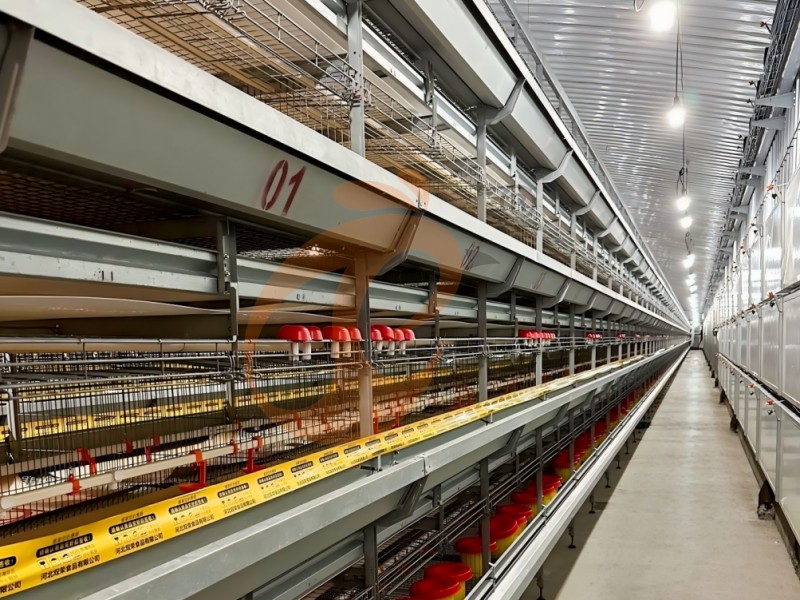
Maximizing the stocking density of your chicken house requires a precise mathematical balance between structural framing, cage dimensions, feeding troughs, and aisle clearance. Without an accurate structural design, you risk creating stagnant heat pockets or obstructing manual collection routes.
Structural Sizing & Spatial Blueprints
For standard commercial laying hens (such as Isa Brown or Dominant Black, averaging 1.8 to 2.2 kg at peak maturity), spatial optimization must account for bird comfort and operational access. A typical 4-tier A-type cage cell measuring 1950mm in length, 450 mm in depth, and 410mm in height comfortably houses 4 to 5 layers per cell, allocating roughly 390 to 487 cm2 of floor space per bird.
To prevent bottlenecking, your house layout must maintain a central aisle clearance of at least 1000 mm to 1200mm for manual feed trolleys and egg collection carts, with a minimum end-structure clearance of 1500 mm for ventilation handling. Unlock exact architectural floor plans and dimensional layouts tailored to your land dimensions here: [Link to: Space Layout Blueprint: Maximizing Poultry Battery Cage Capacity].
Multi-Scale Equipment Configuration & Capital Expenditure Estimates
Budgeting for a layer farm in Nigeria requires a granular understanding of equipment costs, infrastructure scaling, and land footprints. The table below outlines standard configurations across three different operational scales using high-specification A-Type 4-Tier systems (96-bird capacity per set):
For an exhaustive, step-by-step breakdown of tiered pricing matrices, currency hedging strategies against Naira fluctuations, and calculated shipping line metrics to major commercial hubs, explore our guide: [Link to: Price Guide: Battery Cage for 1,000 to 10,000 Layers in Nigeria].
Engineering For Harsh Climates And Material Durability
Nigeria's diverse climate zones present distinct environmental challenges for industrial poultry equipment. Coastal and southern regions like Lagos, Delta, and Rivers experience high humidity levels that mix with alkaline poultry manure to accelerate steel rust. Meanwhile, northern zones face intense thermal stress.
Corrosion Mitigation: Electro-Galvanization Vs. Hot-Dip Galvanization
To secure a 15-to-20-year structural lifespan, understanding steel metallurgy is essential. Standard cold-galvanized (electro-galvanized) wires carry a thin zinc coating of only $10text{ to }20text{ g/m}^2$, which typically degrades within 2 to 3 years under heavy ammonia exposure, leading to structural failures and bird foot injuries.
Our manufacturing process exclusively implements industrial-grade hot-dip galvanization. By immersing structural steel meshes into a 450C° molten zinc bath, we form an iron-zinc alloy layer with a coating density of 275 to 350 g/m2 This process delivers superior resistance against both humidity and mechanical wear. Read our definitive durability report on choosing climate-resilient components: [Link to: Rust-Resistant Galvanized Battery Cages for Nigeria’s Climate].
Climate Engineering And Thermal Stress Management
High ambient temperatures across Nigeria can trigger severe heat stress in high-density poultry houses, suppressing feed conversion ratios (FCR) and increasing mortality rates. When temperatures rise above 32C° , a laying hen can no longer shed internal metabolic heat efficiently through radiation or convection.
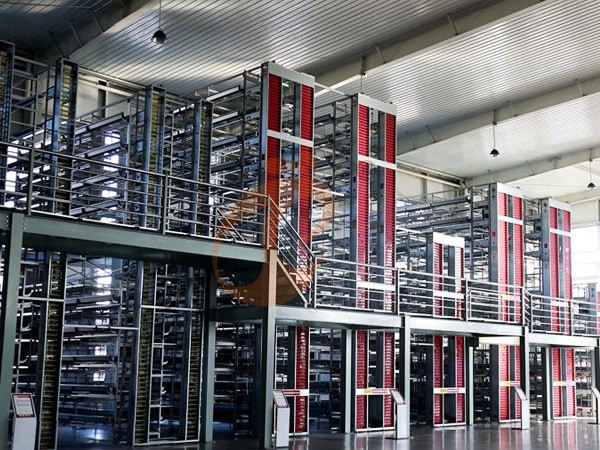
Managing a high-density vertical layout requires sound ventilation engineering. This involves coordinating roof pitch insulation, structural sidewall opening configurations, and forced-air tunnel systems utilizing industrial exhaust fans and cellulose cooling pads. Learn how to configure your housing ventilation to maintain an optimal internal environment of 22C° to 26C° year-round: [Link to: Ventilation Guide for Battery Cages Poultry Houses in Nigeria].
Production Optimization, Biosecurity, And Automation
The bottom line of commercial layer farming relies on two primary metrics: maximizing your Hen-Day Egg Production percentage and minimizing your flock's mortality rate.
Feed Conversion And Egg Yield Management
Vertical cage housing helps optimize feed consumption by eliminating the competitive feeding behaviors common in deep litter layouts. Our scientifically engineered V-shaped feeding troughs feature inward-curved anti-roost rims that prevent feed scattering and wastage, which can save up to 15g of feed per bird daily.
Coupled with closed-loop automatic 360-degree nipple drinkers that supply clean, untainted water at a controlled pressure of 20 to 30mbar, these systems help keep peak laying periods (above 90% output) sustained for up to 75 to 80 weeks. Explore our advanced nutritional delivery and management practices to optimize your egg output: [Link to: Boost Egg Production: Optimize Layer Battery Cages Management].
Biosecurity Infrastructure
Controlling infectious diseases like Coccidiosis, Newcastle Disease, and highly pathogenic Avian Influenza requires strict physical isolation. In our vertical framing systems, birds stand on a continuous sloped wire mesh floor inclined at a precise 7° to 9° angle. This ensures eggs slide smoothly into front collection tracks while feces drop immediately into underlying collection trenches.
By eliminating direct foot-to-feces contact, you break the lifecycle of soil-borne parasites and significantly reduce dust-borne viral pathogens inside the house. Review our complete protocols for biosecurity management and sanitation here: [Link to: Biosecurity & Disease Prevention in Poultry Battery Cages System].
Mechanization Scalability: Manual Labor vs. Full Automation
For many operations in Nigeria, deciding between manual management and mechanized automation depends on local labor dynamics and energy infrastructure stability.
While manual feeding and egg collection suit smaller operations (under 10,000 birds) by leveraging local labor, larger commercial facilities face challenges with human error, feed spillage, and internal egg breakage. For expanding farms, we provide low-kilowatt, high-torque automatic scraping systems, gantry-type feeding carts, and cross-collection egg conveyors engineered to run efficiently on hybrid solar or backup generator circuits. Check out our comparative feasibility study to determine the right level of mechanization for your farm: [Link to: Manual vs Automatic Battery Cages for Nigerian Poultry Farms].
Localized Support, Logistics, And Capital Return Dynamics
Sourcing commercial machinery from overseas often carries risks of shipping damage, clearing delays at Lagos ports, or inadequate technical assembly documentation that can leave expensive equipment idling.
Our Integrated Supply Chain: China Manufacturing + Nigeria Local Infrastructure
We address these challenges by combining robust engineering with strong local support. We maintain fully functional localized warehousing operations, component distribution pipelines, and structural assembly technical units right within Nigeria.
This dual-tier supply chain provides you with factory-direct pricing alongside the convenience of local delivery, readily available spare parts, and on-site support from native engineering teams who understand the terrain. Discover how our local setup can streamline your procurement and installation process: [Link to: Local Factory & On-Site Installation for Battery Cages in Nigeria].
Capital Return Models And Investment Viability
Investing in commercial poultry infrastructure requires a clear financial roadmap. By moving away from deep litter methods, your operation stands to gain through a 12% to 15% increase in overall egg collection efficiency, a drop in flock mortality to under 5%, and significant reductions in feed wastage.Even when accounting for local economic factors like feed cost inflation and energy overheads, our durable hot-dip galvanized units consistently achieve full capital payback within 12 to 18 months of flock housing. Review our audited financial models, operational balance sheets, and real-world farm performance metrics in our comprehensive investment report: [Link to: ROI Analysis: Profitability of Poultry Battery Cages in Nigeria].
Technical Frequently Asked Questions (FAQ)
Given Nigeria’s intense tropical climate, how can I optimize my battery cage housing to prevent heat stress and bird mortality?
To mitigate heat stress in high-density vertical houses, you must combine proper structural alignment with forced-air cooling systems. Align your chicken house longitudinally along an East-West axis to minimize direct sun exposure on the side walls. For open-sided houses, maintain a minimum roof height of 3.5meters, incorporate a ridge ventilation monitor at the apex, and install a reflective aluminum or insulated drop-ceiling to block radiant heat.
Should I select Hot-Dip Galvanized or Cold-Galvanized (Electro-Galvanized) battery cages for a long-term farm investment in Nigeria?
Hot-dip galvanization involves dipping the entire fabricated steel mesh into a 450C° molten zinc bath. This creates an iron-zinc alloy bond with a heavy layer thickness of 275-350 g/m2. This industrial coating protects against structural corrosion for 15 to 20 years, making it the more viable option for long-term commercial assets.
What is the typical capital investment payback period for a 5,000-bird layer farm using vertical cage systems in Nigeria?
This investment turnaround is driven by three clear factors:
Feed Conservation: The anti-wastage trough profiles save up to 10-15 grams of feed per bird every day, translating to massive savings on feed bills.
Optimized Hen-Day Output: Improved biosecurity and clean automated drinking lines help keep your birds at their peak laying rate (above 90%) for longer.
Reduced Mortality: Keeping the flock isolated from floor pathogens reduces disease outbreaks and medication costs, accelerating your path to net profitability.
Take Action: Secure Your Farm's Future Today
Transitioning to high-efficiency vertical poultry production requires premium machinery backed by reliable on-site technical support. Don't let shipping delays, poor material choices, or lack of local service slow down your business growth.
Contact our specialist engineering team at tpoultryfarmequipment.com today. Let us provide you with a complimentary customized farm layout blueprint, detailed structural capacity calculations, and a direct quote tailored to your location.
Connect directly with our engineering representatives in Nigeria via WhatsApp or our online inquiry desk to book your factory visit!
Contact Us To Received Your Customized Poultry Farm Plan
Headquarters And Branchs
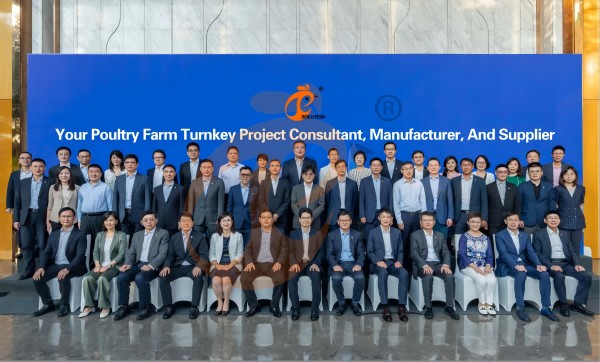
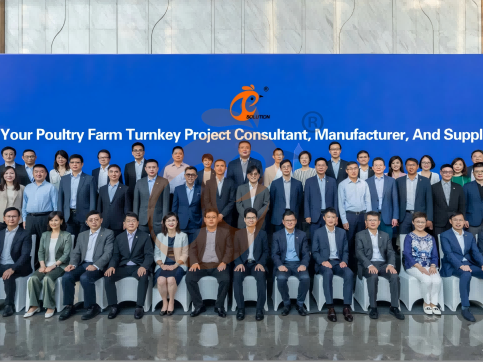
Hong Kong Headquarter Management Team
Hong Kong Headquarter Taiyu Industrial Group CO., LTD
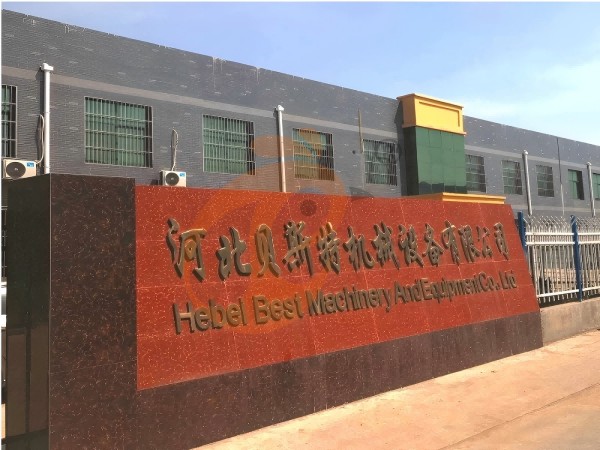
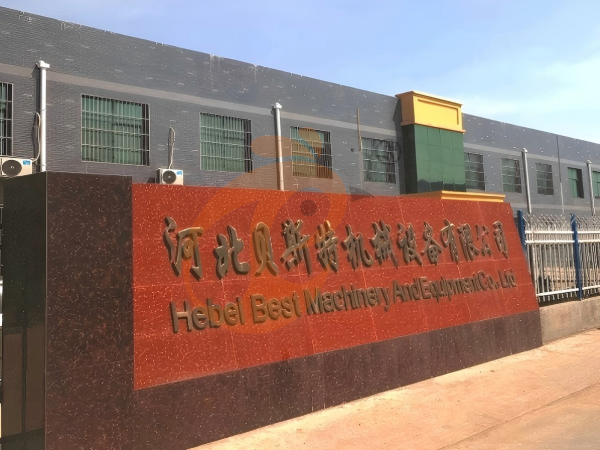
China Hebei Best Machinery And Equipment CO., LTD
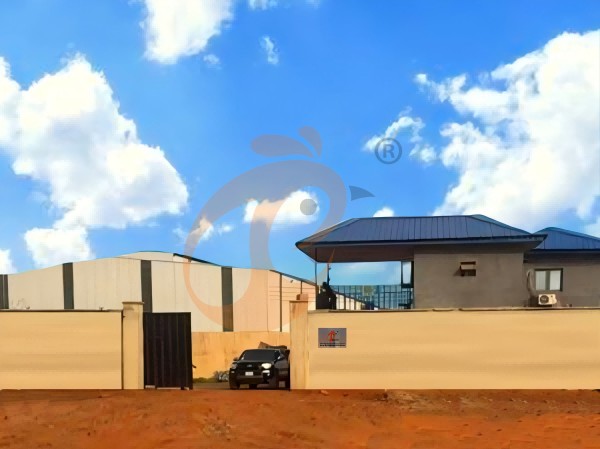
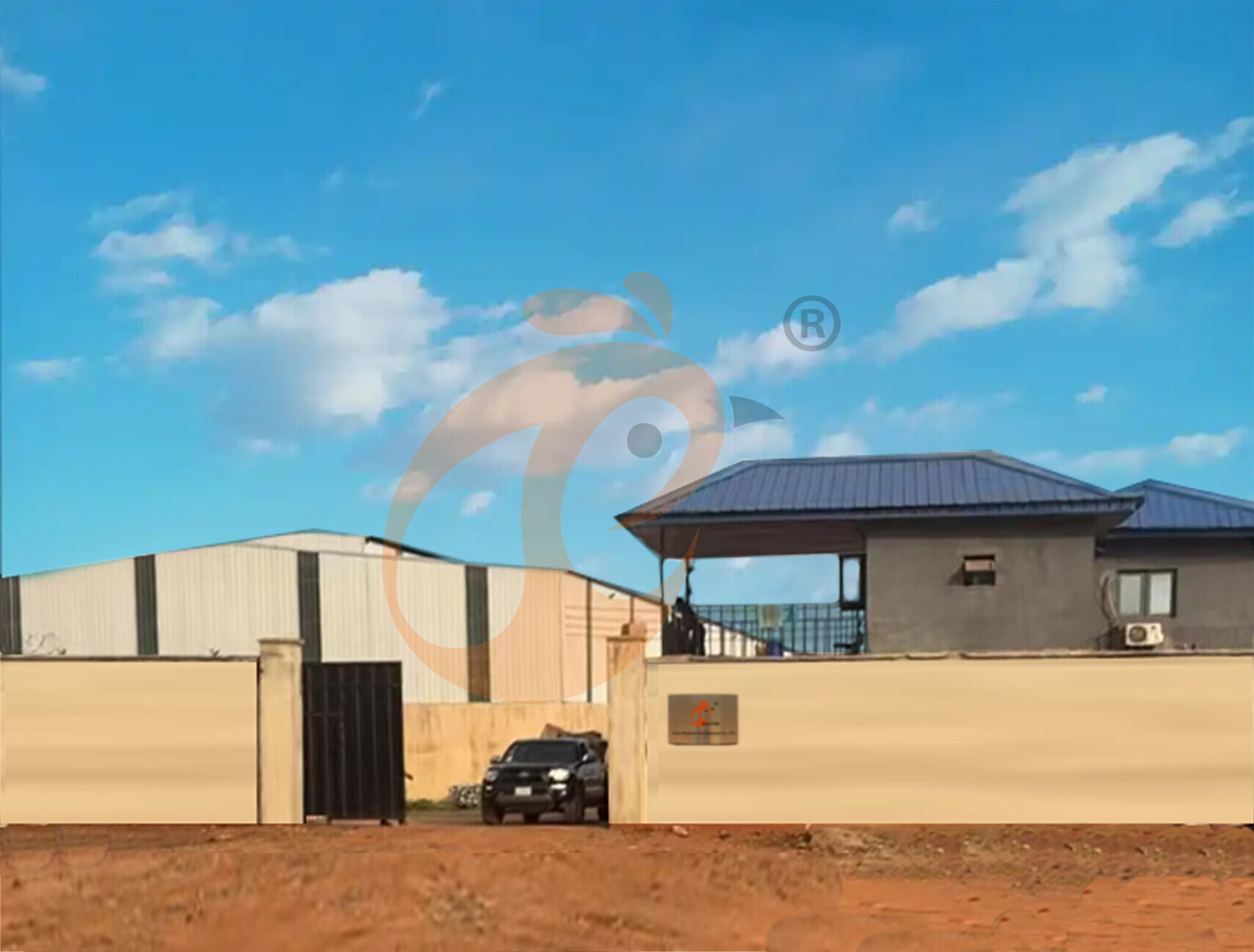
Nigeria Vanke Machinery And Equipment CO., LTD
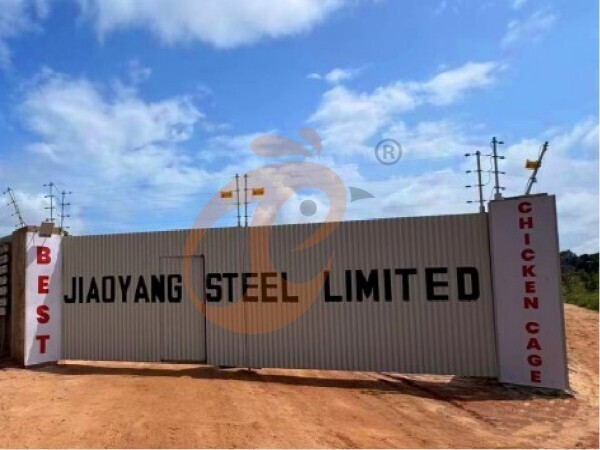
Tanzania Best Machinery And Equipment CO., LTD
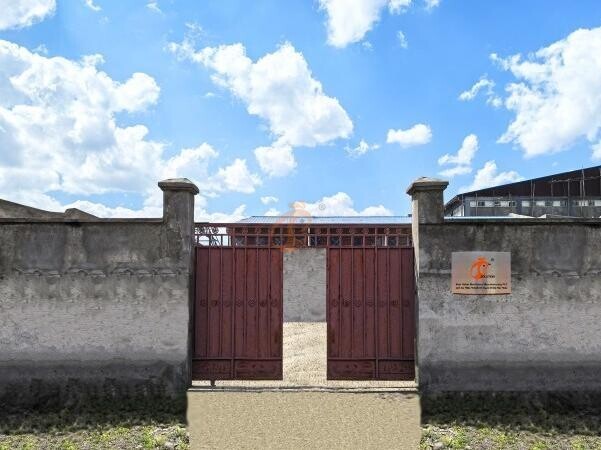
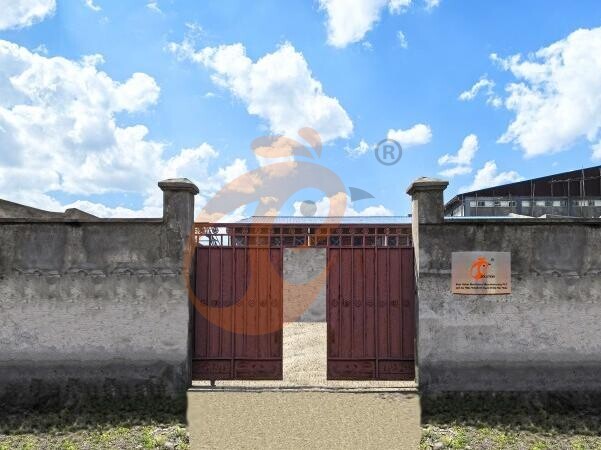
Ethiopia Best Hebei Machinery Manufacturing PLC
Reception /24 WhatsApp NO. : +8618830120193
FAQ
Message
Products recommended
 HK Headquarter Offers EU-standard Poultry Farm Solutions, Manufacture Poultry Farm Equipment1. Continuous communication with the EU and the US
2. China, Nigeria, Ethiopia, Tanzania branch companies and factories
3. The products’ quality is customized for local poultry farms
4. Poultry cage and poultry farm equipment stock for sale
5. 24 online reception Whatsapp NO. : +8618830120193,contact us to get full informationRead More China Branch Offer Poultry Farm Business Plan, Manufacture Poultry Farm Equipment1. Address: Flat/RM 2416, 24/F, Runxing Building, Youyi Nan Street, Shijiazhuang City, Hebei Province, China
2. Poultry cage and poultry farm equipment factory and stock for sale
3. Customized for local poultry farms
4. Quality and design are based on Euro
5. 24 online reception Whatsapp NO. : +8618830120193Read More Nigeria Branch Offer Poultry Farm Business Plan, Manufacture Poultry Farm Equipment1. Address: After Sinoma Office, 200 Meters Near Danco Filling Station, Lagos/Ibadan Expressway, Lagos State, Nigeria
2. Poultry cage and poultry farm equipment factory and stock for sale
3. Customized for Nigerian poultry farms
4. Quality and design are based on Euro
5. 24 online reception Whatsapp NO. : +8618830120193Read More Ethiopia Branch Offer Poultry Farm Business Plan, Manufacture Poultry Farm Equipment1. Address: Gelan Gura, Akaki-kaliti Sub City, Addis Ababa, Ethiopia
2. Poultry cage and poultry farm equipment stock for sale
3. Customized for Ethiopian poultry farms
4. Quality and design are based on Euro
5. 24 online reception Whatsapp NO. : +8618830120193, contact us to get price listRead More Tanzania Branch Offer Poultry Farm Business Plan, Manufacture Poultry Farm Equipment1. Address: No.8, Sova Road, Msufini, Mlandizi, Kibaha, Pwani, Tanzania
2. Poultry cage and poultry farm equipment factory and stock for sale
3. Customized for Tanzanian poultry farms
4. Quality and design are based on Euro
5. 24 online reception Whatsapp NO. : +8618830120193Read More Fully Automatic H Type Layer Chicken Cage1. 30,000-100,000+ layers/house chooses it, Poultry farmers can achieve an egg production rate of 96-98%
2. A significant improvement over the 85-90% typically seen in manual systems
3. A typical poultry farm can expect a 30-40% reduction in labor costs due to the automation
4. Each feeding line efficiently supplies feed to around 100,000 hens per 30 mins
5. Reception /WhatsApp NO. : +8618830120193Read More Fully Automatic A Type Layer Chicken Cage1. 10,000-50,000 layers/house chooses it
2. Cleaner egg collection reduces breakage by 0.5%
3. Improved hygiene helps reduce mortality rate to <3%
4. 1–2 technicians can handle 15,000–30,000 birds
5. Reception /WhatsApp NO. : +8618830120193Read More Semi Automatic H Type Layer Chicken Cage1. 1,00-20,000 layers/house chooses it
2. Nipple drinkers flow 30–60 ML / min
3. Hot-dip galvanized (typical coating ≥ 275 g/m²)
4. Reduce ammonia by ~ 35–40%
5. Reception /WhatsApp NO. : +8618830120193Read More Semi Automatic A Type Layer Chicken Cage1. 1,00-20,000 layers/house chooses it, no rust for 10 years, no deformation for 15 years
2. Chickens live comfortably, you can raise them with peace of mind
3. Save water, save money—efficiency you can measure
4. Improve environment quality, and increase egg production rate
5. Reception /WhatsApp NO. : +8618830120193Read More
By clicking 'Allow All', you agree to the storage of cookies on your device to enhance site navigation, analyze site usage and assist with our marketing efforts.