


Blog
Nigeria’s poultry industry operates under intense ambient temperatures, high relative humidity, and prolonged hot seasons. For local producers using multi-tier battery cage configurations, a high-performing thermodynamic ventilation strategy is an absolute necessity to prevent acute heat stress, eliminate localized ammonia (NH3) stagnation, and maintain structural productivity across changing seasons.
Convective Cooling: Maintaining a high-velocity air path dislodges the stagnant heat boundary layer surrounding caged birds.
Gas & Moisture Evacuation: Continuous volumetric air exchange drives down internal relative humidity and limits toxic gas buildup.
Asset Protection: Coordinated structural planning minimizes seasonal fluctuations in feed conversion and egg shell quality.
Get professional poultry farm construction guidance, equipment selection solutions, and the latest price lists, whatsApp to +8618830120193, +2348111199996, or click to learn more:
Core Airflow Objectives & Micro-Environmental Indicators
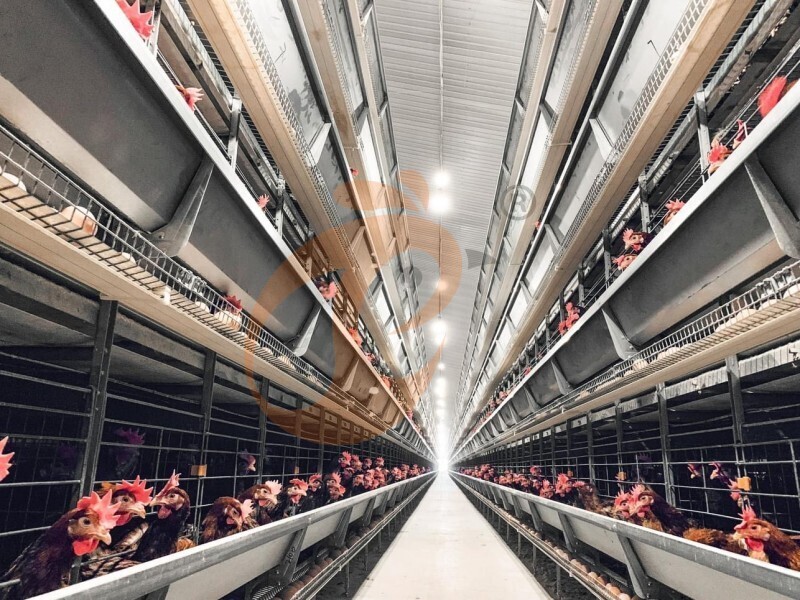
High-density vertical battery cages double the metabolic heat load per square meter of floor space. To prevent upper-tier heat trapping and lower-tier respiratory issues, air volume movement must remain completely uniform.
Structural Architecture & Infrastructure Alignment
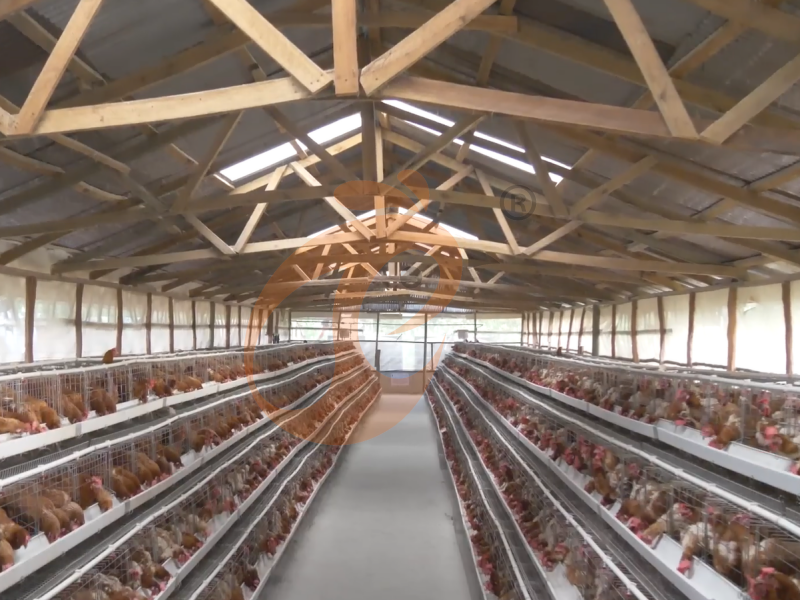
Effective environmental control begins with structural blueprint physics. Misaligning a barn with regional wind directions or failing to optimize roof profiles creates heavy, unmanageable thermal loads inside.
Component Coordination & Volumetric Control
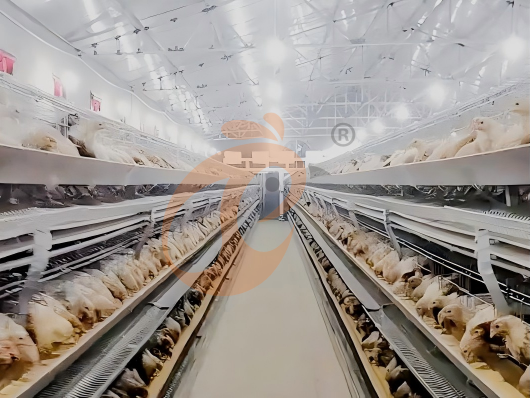
A battery cage house requires a balanced relationship between fresh air entry velocity and stale air removal. Relying on exhaust fans without properly sized air inlets creates a negative pressure bottleneck.
Equipment Synchronization & Capital Allocations
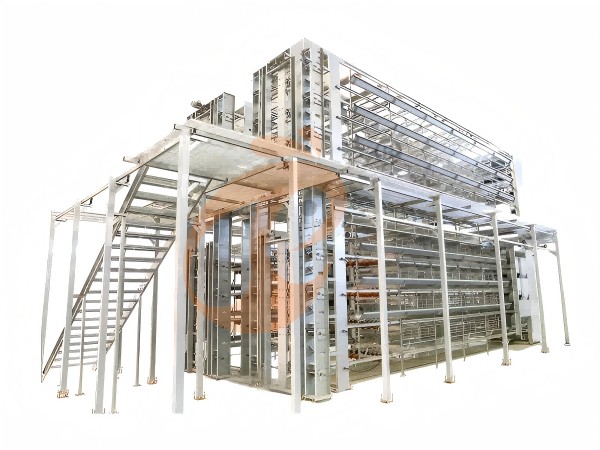
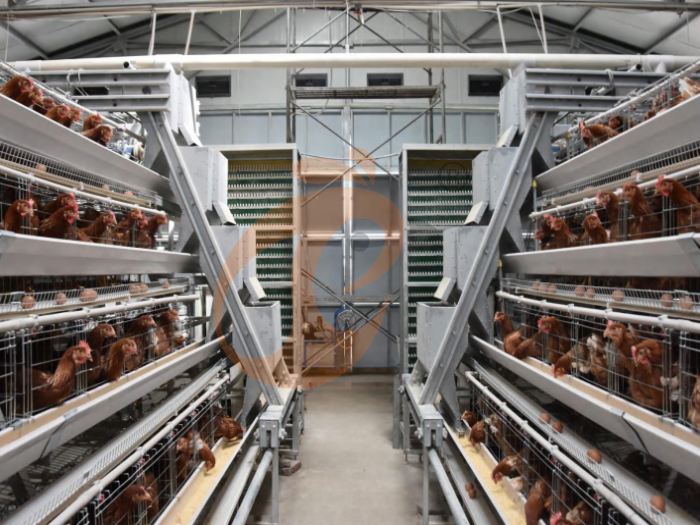
For multi-tier H-type systems—such as housing up to 8 birds per cage unit section—airflow math must account for the physical blockage caused by the equipment itself. System components must match perfectly to protect production margins.
Frequently Asked Questions Regarding Poultry Ventilation
What is the most severe ventilation mistake made in Nigerian battery cage houses?
The biggest mistake is treating ventilation fans as separate add-on items rather than an integrated part of the cage layout design. If aisle spacing, multi-tier heights, and air inlets do not match the physical equipment profile, it creates dead zones where hot air traps around the birds, leading to sudden drop-offs in flock performance.
How do local farmers differentiate between climate stress and poor equipment layout?
Look closely at bird behavior across different tiers. If chickens on the middle or top levels are panting heavily while birds near the front stay calm, the issue is a layout blockage rather than simple outside weather. This means air velocity is not slicing through the cage rows evenly.
Direct Factory Turnkey Deployment With Taiyu Group
TAIYU INDUSTRIAL GROUP CO., LTD delivers durable poultry equipment configurations engineered for challenging tropical environments. Utilizing advanced German production machinery, we build systems that combine structural reliability with stable, automated micro-climate control loops.
Our product range covers automated layer cage installations, Semi-Automatic H-Type Layer Chicken Cages, precision feeding hoppers, leak-proof nipple drinking lines, automatic manure removal setups, and complete ventilation house designs tailored to local environmental conditions.
Application-Based Planning: Custom CAD layout designs that match fan configurations with your specific land boundaries and power grid capabilities.
Integrated Sourcing Stability: Factory-direct heavy machinery manufacturing backed by comprehensive assembly drawings and technical field supervision.
Contact Us To Received Your Customized Poultry Farm Plan
Headquarters And Branchs

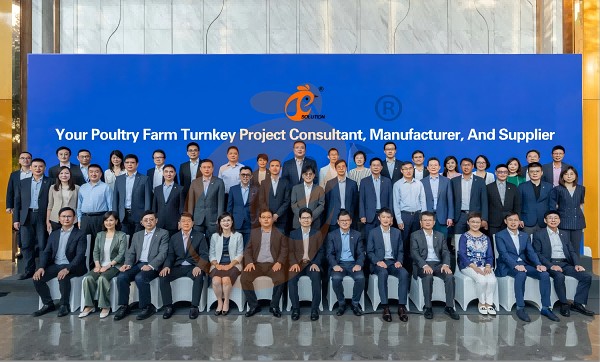
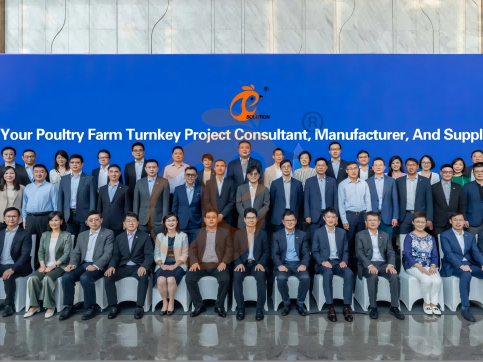
Hong Kong Headquarter Management Team
Hong Kong Headquarter Taiyu Industrial Group CO., LTD
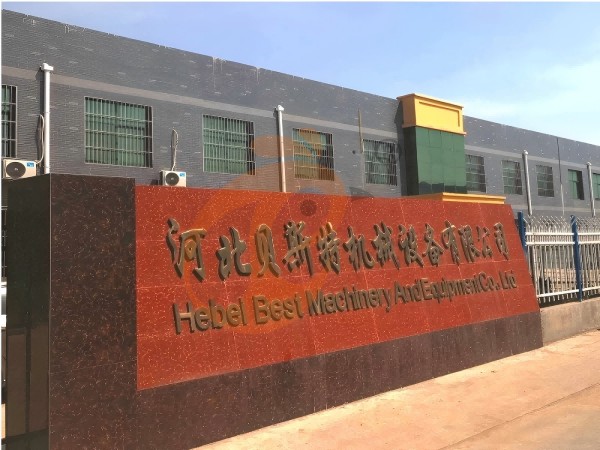
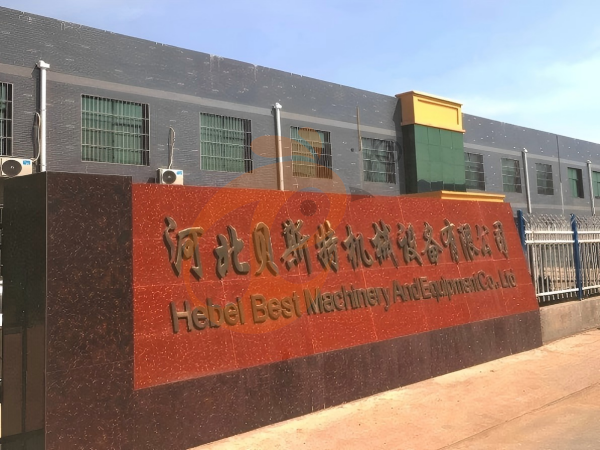
China Hebei Best Machinery And Equipment CO., LTD
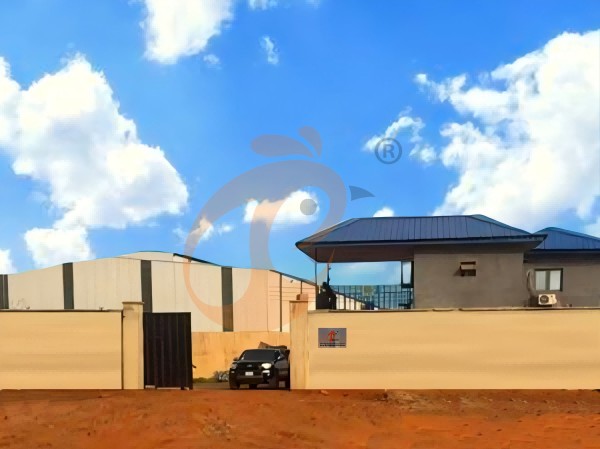
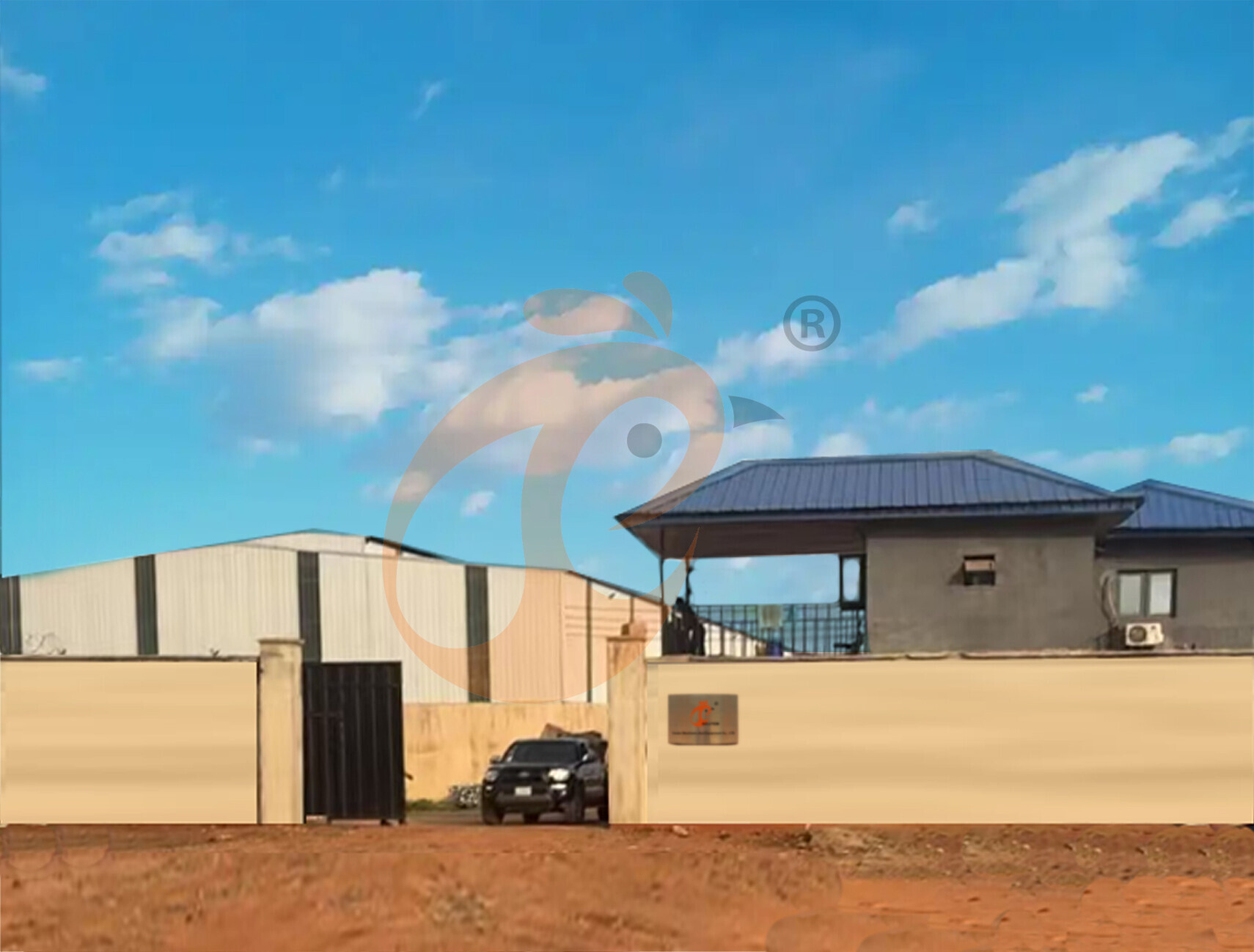
Nigeria Vanke Machinery And Equipment CO., LTD
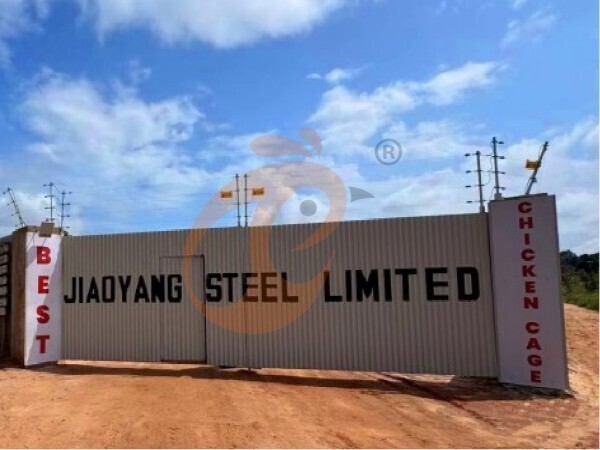
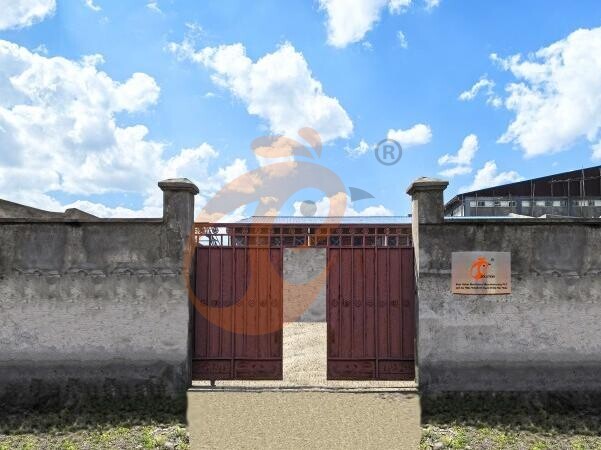
Tanzania Best Machinery And Equipment CO., LTD
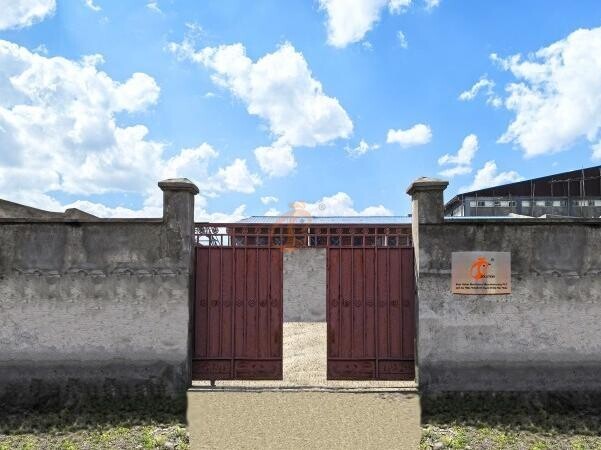
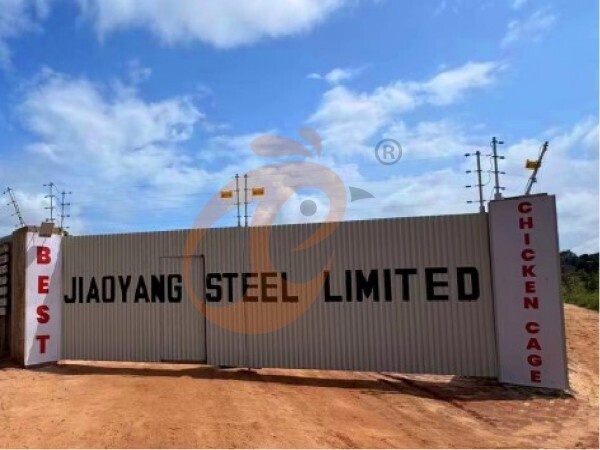
Ethiopia Best Hebei Machinery Manufacturing PLC
Reception /24 WhatsApp NO. : +8618830120193
Message
Products recommended
 HK Headquarter Offers EU-standard Poultry Farm Solutions, Manufacture Poultry Farm Equipment1. Continuous communication with the EU and the US
2. China, Nigeria, Ethiopia, Tanzania branch companies and factories
3. The products’ quality is customized for local poultry farms
4. Poultry cage and poultry farm equipment stock for sale
5. 24 online reception Whatsapp NO. : +8618830120193,contact us to get full informationRead More China Branch Offer Poultry Farm Business Plan, Manufacture Poultry Farm Equipment1. Address: Flat/RM 2416, 24/F, Runxing Building, Youyi Nan Street, Shijiazhuang City, Hebei Province, China
2. Poultry cage and poultry farm equipment factory and stock for sale
3. Customized for local poultry farms
4. Quality and design are based on Euro
5. 24 online reception Whatsapp NO. : +8618830120193Read More Nigeria Branch Offer Poultry Farm Business Plan, Manufacture Poultry Farm Equipment1. Address: After Sinoma Office, 200 Meters Near Danco Filling Station, Lagos/Ibadan Expressway, Lagos State, Nigeria
2. Poultry cage and poultry farm equipment factory and stock for sale
3. Customized for Nigerian poultry farms
4. Quality and design are based on Euro
5. 24 online reception Whatsapp NO. : +8618830120193Read More Ethiopia Branch Offer Poultry Farm Business Plan, Manufacture Poultry Farm Equipment1. Address: Gelan Gura, Akaki-kaliti Sub City, Addis Ababa, Ethiopia
2. Poultry cage and poultry farm equipment stock for sale
3. Customized for Ethiopian poultry farms
4. Quality and design are based on Euro
5. 24 online reception Whatsapp NO. : +8618830120193, contact us to get price listRead More Tanzania Branch Offer Poultry Farm Business Plan, Manufacture Poultry Farm Equipment1. Address: No.8, Sova Road, Msufini, Mlandizi, Kibaha, Pwani, Tanzania
2. Poultry cage and poultry farm equipment factory and stock for sale
3. Customized for Tanzanian poultry farms
4. Quality and design are based on Euro
5. 24 online reception Whatsapp NO. : +8618830120193Read More Fully Automatic H Type Layer Chicken Cage1. 30,000-100,000+ layers/house chooses it, Poultry farmers can achieve an egg production rate of 96-98%
2. A significant improvement over the 85-90% typically seen in manual systems
3. A typical poultry farm can expect a 30-40% reduction in labor costs due to the automation
4. Each feeding line efficiently supplies feed to around 100,000 hens per 30 mins
5. Reception /WhatsApp NO. : +8618830120193Read More Fully Automatic A Type Layer Chicken Cage1. 10,000-50,000 layers/house chooses it
2. Cleaner egg collection reduces breakage by 0.5%
3. Improved hygiene helps reduce mortality rate to <3%
4. 1–2 technicians can handle 15,000–30,000 birds
5. Reception /WhatsApp NO. : +8618830120193Read More Semi Automatic H Type Layer Chicken Cage1. 1,00-20,000 layers/house chooses it
2. Nipple drinkers flow 30–60 ML / min
3. Hot-dip galvanized (typical coating ≥ 275 g/m²)
4. Reduce ammonia by ~ 35–40%
5. Reception /WhatsApp NO. : +8618830120193Read More Semi Automatic A Type Layer Chicken Cage1. 1,00-20,000 layers/house chooses it, no rust for 10 years, no deformation for 15 years
2. Chickens live comfortably, you can raise them with peace of mind
3. Save water, save money—efficiency you can measure
4. Improve environment quality, and increase egg production rate
5. Reception /WhatsApp NO. : +8618830120193Read More
By clicking 'Allow All', you agree to the storage of cookies on your device to enhance site navigation, analyze site usage and assist with our marketing efforts.