


Blog
- For small broiler farms, the right ventilation setup directly supports bird comfort, growth stability, and cleaner house conditions.
- Working with a local-service-minded broiler chicken cage supplier helps reduce installation risk, shorten response time, and improve project coordination.
- TAIYU combines poultry equipment manufacturing, practical farm project experience, and advanced German production technology to deliver ventilation and housing solutions that are easier to manage and built for long-term farm value.
Get professional poultry farm construction guidance, equipment selection solutions, and the latest price lists, whatsApp to +8618830120193, +2348111199996, or click to learn more:
Understanding Small Broiler Farm Priorities
What Buyers Usually Need First
When a farm owner plans a broiler house, ventilation is rarely an isolated purchase. In daily operation, airflow performance affects litter condition, bird activity, temperature balance, and labor pressure at the same time. That is why many customers prefer to discuss the full house layout with a broiler chicken cage supplier instead of comparing fans alone.
In practical projects, buyers usually focus on four outcomes: more even air distribution, lower avoidable losses, cleaner indoor conditions, and better control during seasonal change. These priorities shape the ventilation design from the beginning.
Why Local Conditions Matter
In hotter areas, the ventilation system must help the birds release heat efficiently while preventing dead zones. In areas with cooler nights, air exchange has to stay effective without creating excessive drafts on young birds. This balance is one of the most important parts of small farm design.
Main Ventilation Options For Small Broiler Farms
Natural Ventilation
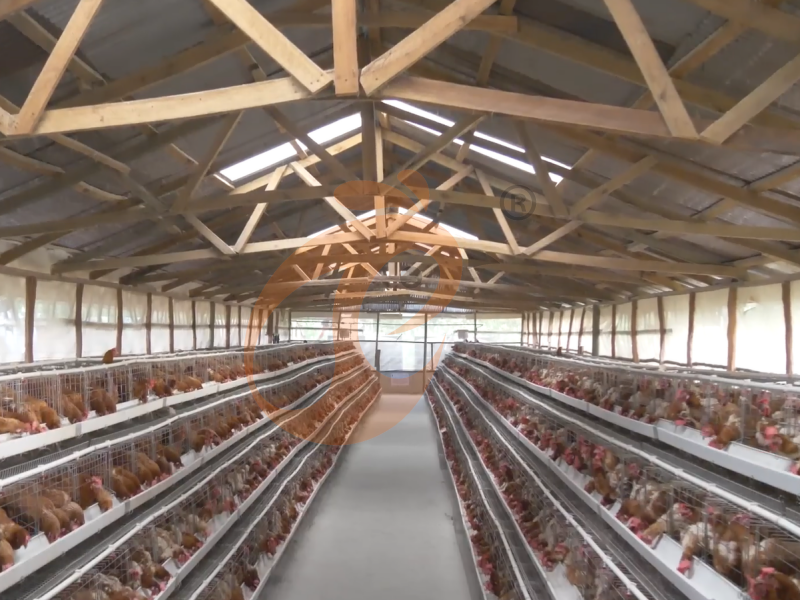
Natural ventilation uses side openings, curtains, roof structure, and wind pressure to refresh indoor air. It is often selected by farms that want a lower initial equipment load and a simpler operating model.
Mechanical Ventilation
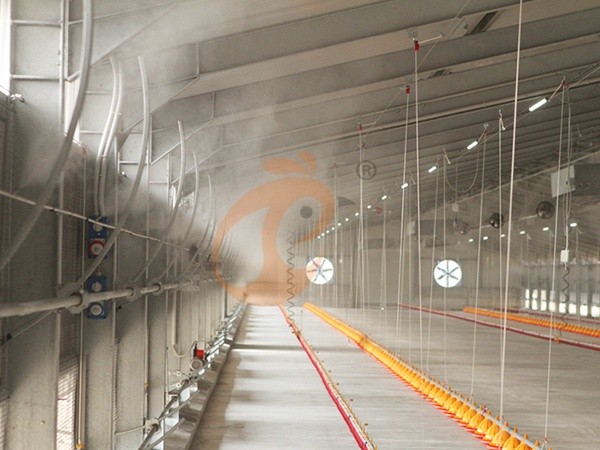
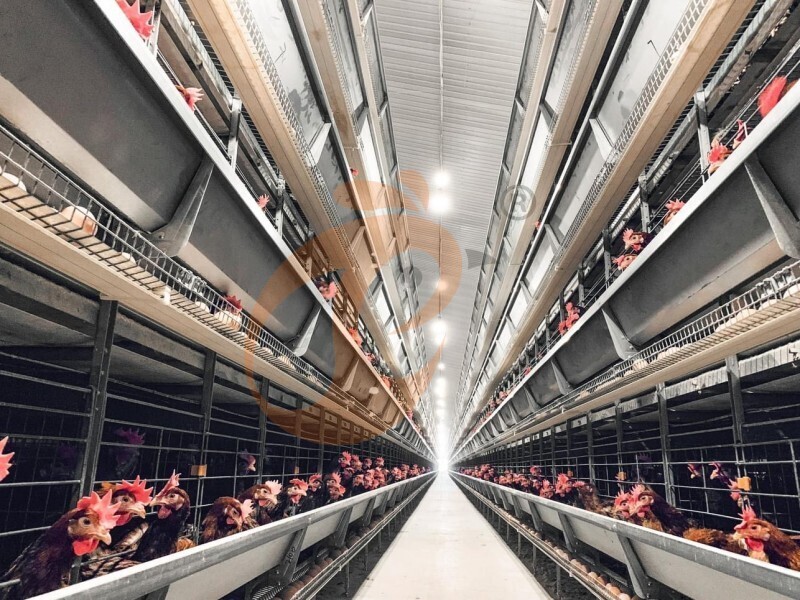
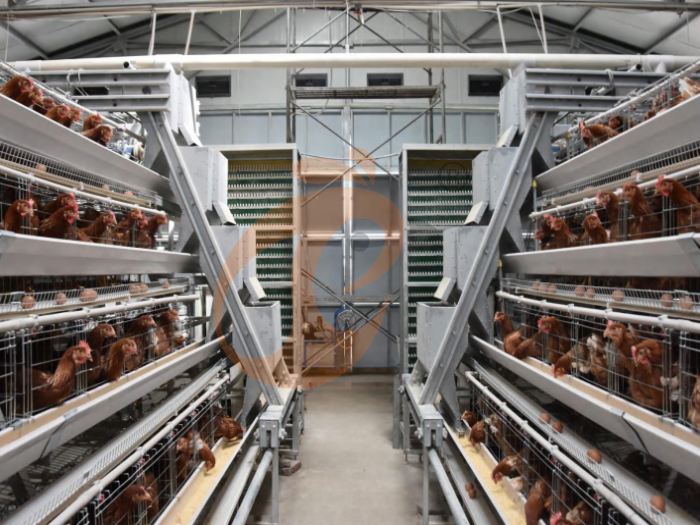
Mechanical ventilation relies on fans, inlets, and controlled air pathways to maintain a more consistent environment. For many small broiler farms, this is the most practical way to improve indoor stability without making the operation unnecessarily complex.
Tunnel And Cross Ventilation
Tunnel ventilation is commonly used where stronger cooling movement is required. Air enters from one end or side and is pulled through the house in a directed pattern, helping birds cope better during hotter periods.
How To Choose The Best System For Your Farm
Start With Bird Performance Goals
Small farms often benefit from practical control rather than maximum complexity. A clean airflow design, reliable fan arrangement, and logical inlet placement can produce stronger day-to-day results than adding unnecessary layers of equipment.
As a manufacturer, we recommend that buyers define whether their first priority is heat relief, moisture control, odor reduction, or labor simplification. The best design becomes clearer when the operational target is clear.
Consider Service Support And Delivery Reliability
Equipment quality matters, but service coordination often determines whether the project runs smoothly. For customers buying from overseas, support on drawing review, component matching, installation guidance, and after-sales communication is especially important.
We have supported a Dubai layers project with 15 pens and 30,000 birds per pen in 2010, a Nigeria project from hatching to broiler processing of 100,000 birds in 2012, and an Australia project from steel structure chicken house to automatic chicken cage in 2013. This kind of experience helps us understand how housing and ventilation must work together in real operations.
Customers looking at future housing options may also review Types Of Broiler Chicken Cage Design as part of a broader farm planning discussion.
Cost Perspective For Small Farm Buyers
What A Sensible Budget Should Cover
A ventilation budget should include not only the major equipment but also practical installation parts, layout coordination, and operating convenience.
For many small farms, a realistic planning range for a basic to mid-level broiler house ventilation package may fall between EUR 4,500 and EUR 18,000 (EU standard reference only), depending on house condition, control expectations, and structural readiness.
How Better Design Protects Profitability
Good design can also reduce avoidable emergency intervention. That means less time spent correcting wet zones, handling excessive odor, or reacting to temperature imbalance.
Frequently Asked Questions
Is Natural Ventilation Enough For A Small Broiler Farm?
It can be enough in some mild-climate locations with suitable building design and lower control pressure. However, if your farm faces hotter periods, humidity challenges, or a need for more stable indoor conditions, mechanical ventilation is usually the safer and more manageable choice.
How Do I Know Which Ventilation Type Fits My House Best?
The decision should be based on your local climate, house structure, insulation quality, flock management style, and future expansion plan. A proper review should include airflow direction, inlet layout, fan matching, and service convenience rather than selecting by one factor alone.
Why Work Directly With A Manufacturer Instead Of Buying Components Separately?
Working directly with a manufacturer helps reduce coordination gaps between housing equipment and ventilation design. It also improves consistency in drawing support, component compatibility, project communication, and after-sales service, which is especially valuable for small farms with limited room for installation error.
Taiyu Group: Famous Worldwide Poultry Farm Equipment Supplier
- TAIYU Group is a manufacturer focused on poultry equipment and chicken rearing equipment, supported by advanced German production technology.
- We bring practical delivery experience from multiple international poultry projects and understand how ventilation, housing, and farm workflow must operate together.
- Our team supports solution discussion, equipment matching, production, shipment coordination, and responsive service for broiler farm buyers.
- If you are comparing options with a broiler chicken cage supplier, we can help you review the most suitable route for your farm size, climate, and budget.
- Send us your house layout or project plan today, and let’s build a ventilation and poultry equipment solution that is practical, efficient, and ready for long-term use.
Contact Us To Received Your Customized Poultry Farm Plan
Headquarters And Branchs

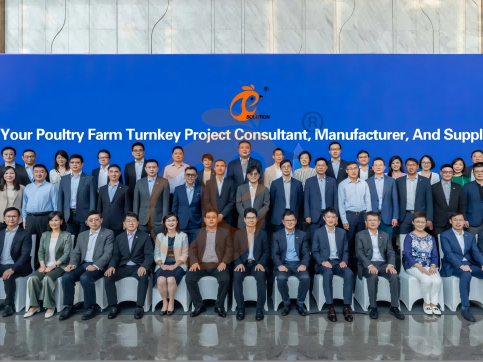
Hong Kong Headquarter Management Team
Hong Kong Headquarter Taiyu Industrial Group CO., LTD
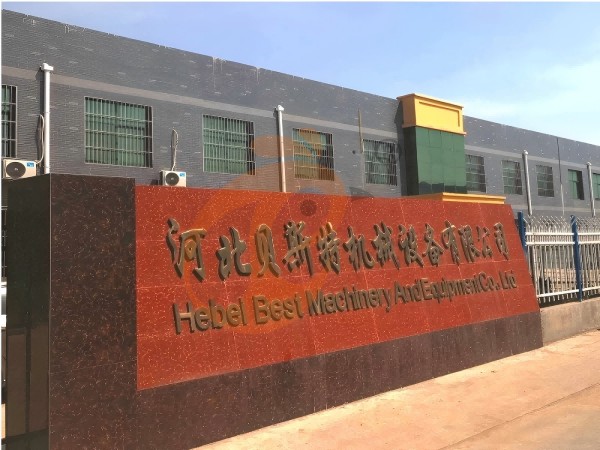
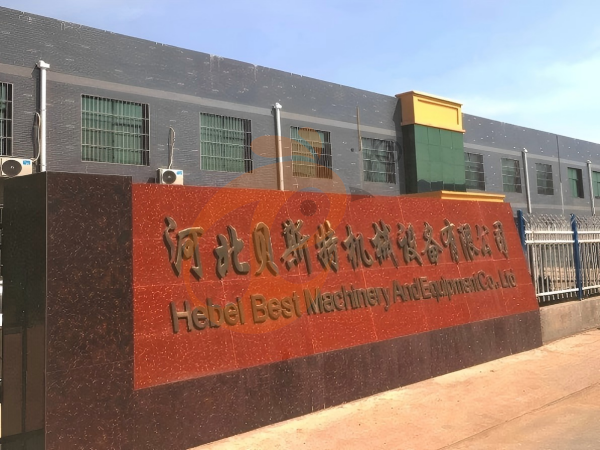
China Hebei Best Machinery And Equipment CO., LTD
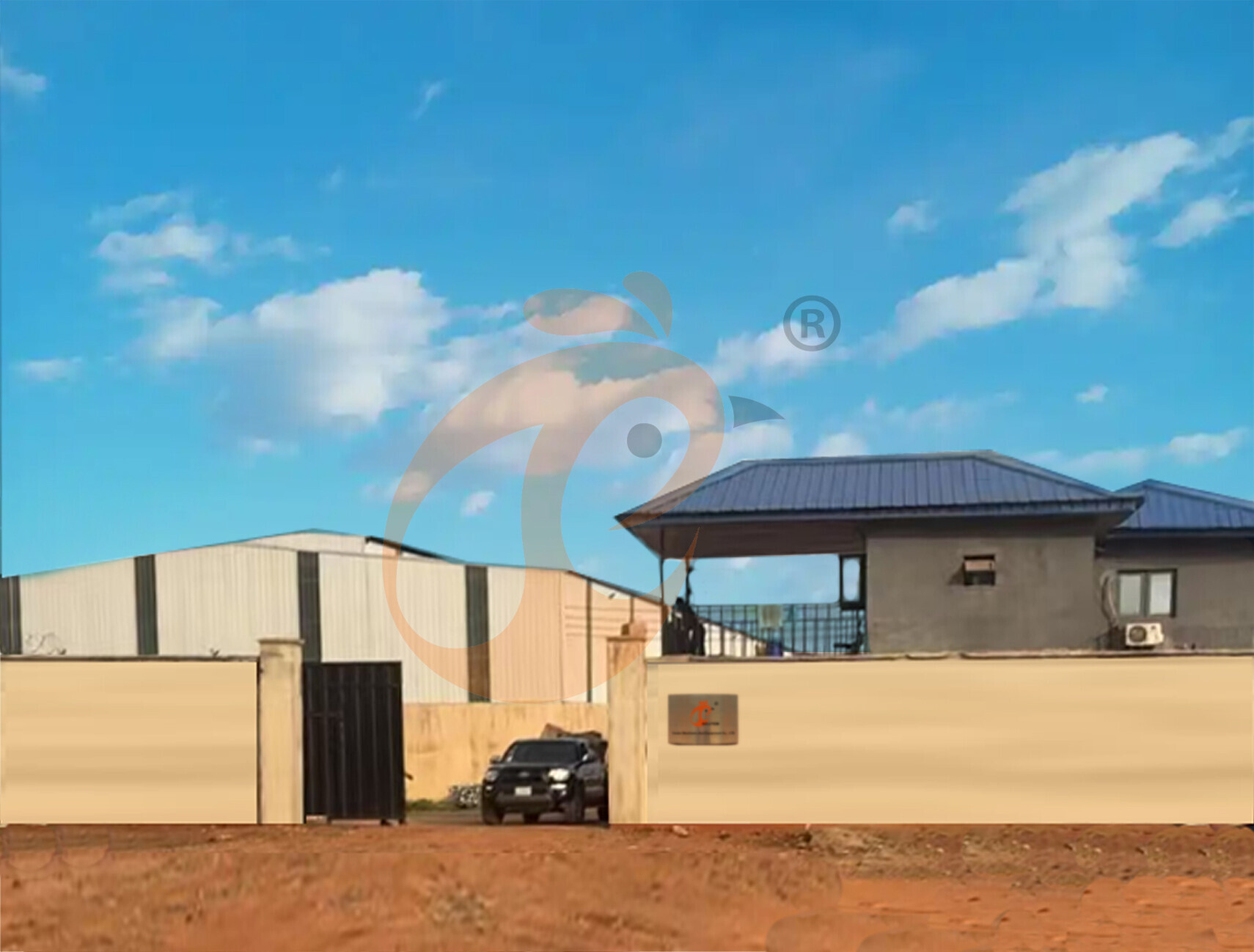
Nigeria Vanke Machinery And Equipment CO., LTD
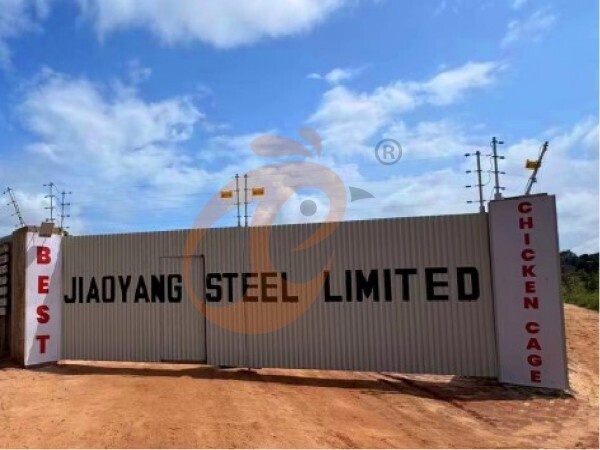
Tanzania Best Machinery And Equipment CO., LTD
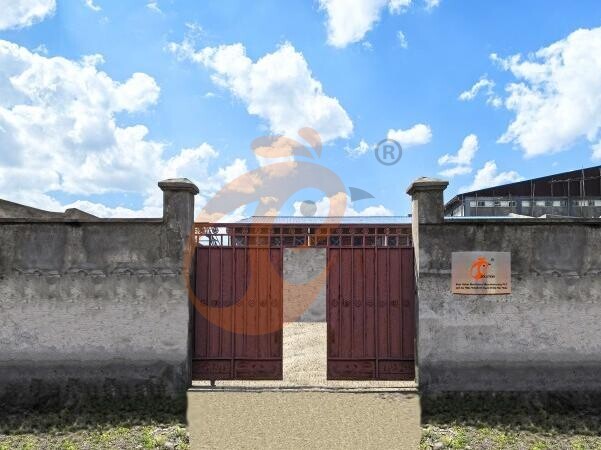
Ethiopia Best Hebei Machinery Manufacturing PLC
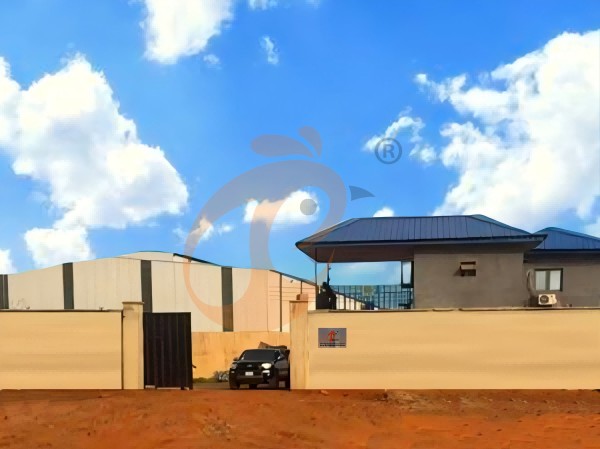
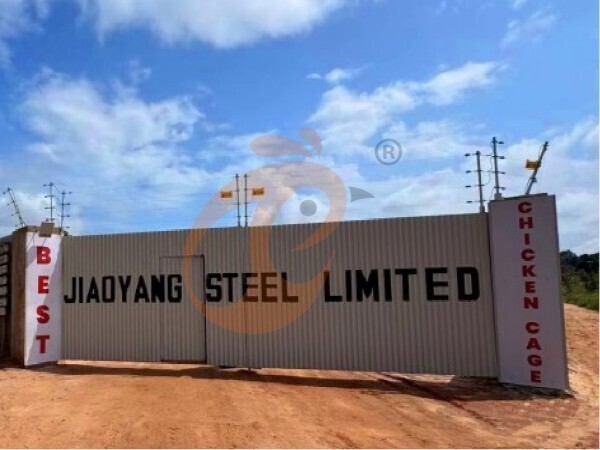
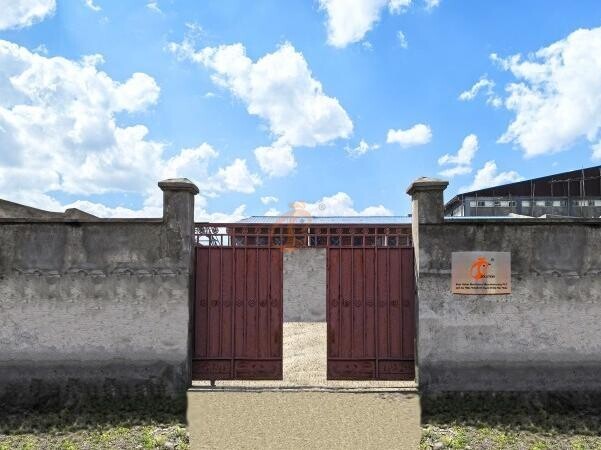
Reception /24 WhatsApp NO. : +8618830120193
FAQ
How Does Negative Pressure Ventilation Improve Air Quality In Poultry Chicken Houses?
Air exchange efficiency improves by 15–25%, reducing ammonia concentration below 25 ppm in intensive broiler systems.
Controlled inlet air velocity of 3.5–5.0 meters per second enhances mixing efficiency and eliminates cold air drafts.
What Is The Energy Consumption Of Environmental Control Systems In Poultry Chicken Farms?
High-efficiency fans consume 0.025–0.040 kWh per cubic meter airflow, reducing operational costs by 18–25%.
Variable speed drives optimize power consumption, lowering peak energy demand by 20–30% during partial load conditions.
How Do Cooling Systems Maintain Temperature In Poultry Chicken Houses During Summer?
Water flow rates of 6–10 liters per minute per meter pad length ensure uniform wetting efficiency above 95%.
Cooling efficiency reaches 70–85% with airflow rates exceeding 2.8 meters per second in tunnel-ventilated poultry houses.
- poultry equipment
- chicken cage
- poultry farm
- poultry farm
- poultry farm equipment
- poultry farm construction
- automatic chicken cage
- chicken cage design
- chicken rearing equipment
- broiler farm
- chicken house
- chicken cage supplier
- poultry farm equipment supplier
- broiler chicken cage
- broiler chicken cage supplier
- steel structure chicken house
- broiler house ventilation
- Ethiopia
- Nigeria
- nigeria
Message
Products recommended
 HK Headquarter Offers EU-standard Poultry Farm Solutions, Manufacture Poultry Farm Equipment1. Continuous communication with the EU and the US
2. China, Nigeria, Ethiopia, Tanzania branch companies and factories
3. The products’ quality is customized for local poultry farms
4. Poultry cage and poultry farm equipment stock for sale
5. 24 online reception Whatsapp NO. : +8618830120193,contact us to get full informationRead More China Branch Offer Poultry Farm Business Plan, Manufacture Poultry Farm Equipment1. Address: Flat/RM 2416, 24/F, Runxing Building, Youyi Nan Street, Shijiazhuang City, Hebei Province, China
2. Poultry cage and poultry farm equipment factory and stock for sale
3. Customized for local poultry farms
4. Quality and design are based on Euro
5. 24 online reception Whatsapp NO. : +8618830120193Read More Nigeria Branch Offer Poultry Farm Business Plan, Manufacture Poultry Farm Equipment1. Address: After Sinoma Office, 200 Meters Near Danco Filling Station, Lagos/Ibadan Expressway, Lagos State, Nigeria
2. Poultry cage and poultry farm equipment factory and stock for sale
3. Customized for Nigerian poultry farms
4. Quality and design are based on Euro
5. 24 online reception Whatsapp NO. : +8618830120193Read More Ethiopia Branch Offer Poultry Farm Business Plan, Manufacture Poultry Farm Equipment1. Address: Gelan Gura, Akaki-kaliti Sub City, Addis Ababa, Ethiopia
2. Poultry cage and poultry farm equipment stock for sale
3. Customized for Ethiopian poultry farms
4. Quality and design are based on Euro
5. 24 online reception Whatsapp NO. : +8618830120193, contact us to get price listRead More Tanzania Branch Offer Poultry Farm Business Plan, Manufacture Poultry Farm Equipment1. Address: No.8, Sova Road, Msufini, Mlandizi, Kibaha, Pwani, Tanzania
2. Poultry cage and poultry farm equipment factory and stock for sale
3. Customized for Tanzanian poultry farms
4. Quality and design are based on Euro
5. 24 online reception Whatsapp NO. : +8618830120193Read More Fully Automatic H Type Layer Chicken Cage1. 30,000-100,000+ layers/house chooses it, Poultry farmers can achieve an egg production rate of 96-98%
2. A significant improvement over the 85-90% typically seen in manual systems
3. A typical poultry farm can expect a 30-40% reduction in labor costs due to the automation
4. Each feeding line efficiently supplies feed to around 100,000 hens per 30 mins
5. Reception /WhatsApp NO. : +8618830120193Read More Fully Automatic A Type Layer Chicken Cage1. 10,000-50,000 layers/house chooses it
2. Cleaner egg collection reduces breakage by 0.5%
3. Improved hygiene helps reduce mortality rate to <3%
4. 1–2 technicians can handle 15,000–30,000 birds
5. Reception /WhatsApp NO. : +8618830120193Read More Semi Automatic H Type Layer Chicken Cage1. 1,00-20,000 layers/house chooses it
2. Nipple drinkers flow 30–60 ML / min
3. Hot-dip galvanized (typical coating ≥ 275 g/m²)
4. Reduce ammonia by ~ 35–40%
5. Reception /WhatsApp NO. : +8618830120193Read More Semi Automatic A Type Layer Chicken Cage1. 1,00-20,000 layers/house chooses it, no rust for 10 years, no deformation for 15 years
2. Chickens live comfortably, you can raise them with peace of mind
3. Save water, save money—efficiency you can measure
4. Improve environment quality, and increase egg production rate
5. Reception /WhatsApp NO. : +8618830120193Read More
By clicking 'Allow All', you agree to the storage of cookies on your device to enhance site navigation, analyze site usage and assist with our marketing efforts.