


Blog
- Choosing a reliable broiler chicken cage supplier is not only about equipment sourcing, but about protecting bird health, labor efficiency, and long-term farm returns.
- For buyers planning broiler ventilation upgrades, local climate fit, building compatibility, and dependable after-sales response matter as much as product quality.
- TAIYU INDUSTRIAL GROUP CO., LTD combines manufacturing strength, global poultry project experience, and practical farm planning support to help customers build efficient, stable, and scalable broiler operations.
Get professional poultry farm construction guidance, equipment selection solutions, and the latest price lists, whatsApp to +8618830120193, +2348111199996, or click to learn more:
Why Ventilation Decisions Matter In Broiler Farming
Before purchasing a ventilation system, most farm owners focus first on equipment price. In real farm operation, however, the more important question is whether the system can maintain a healthy and stable growing environment every day. Poor airflow control often leads to wet litter, stress, uneven bird growth, and avoidable feed conversion loss.
As a broiler chicken cage supplier serving integrated and independent farms, we see that ventilation decisions affect the full production chain. Air quality influences bird comfort, disease pressure, labor workload, and processing consistency. When ventilation is selected correctly, farms can reduce performance fluctuation and manage production with greater confidence.
What Buyers Should Review Before Purchase
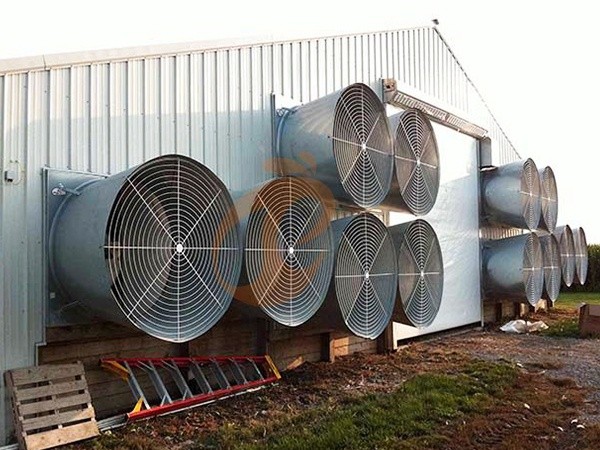
Procurement teams usually compare fan size, motor brand, and material thickness. Those points are useful, but they are only part of the decision. A complete review should include airflow path, inlet coordination, service access, spare part convenience, and how the control logic responds to seasonal changes.
How Local Conditions Shape The Right Solution
Every poultry market has its own operating reality. In hot regions, cooling capacity and pressure balance become central concerns. In humid areas, moisture removal is equally important. In locations with unstable utility support, equipment durability and power management move higher on the priority list.
We recommend evaluating local weather behavior, house orientation, insulation level, and management style before making the final configuration. This helps avoid underperformance caused by copied designs.
Key Farm Factors That Affect Ventilation Choice
House length changes airflow distribution strategy. Wider houses may require a different balance between fan capacity and inlet arrangement. Roof profile and side opening design can also influence how efficiently fresh air reaches bird level.
Good ventilation planning should support daily work, not complicate it. Simpler and more dependable systems often deliver better long-term value than overly complicated arrangements that are difficult to maintain under farm conditions.
From Manufacturing To Farm Operation Support
A manufacturer can support both equipment quality and on-site execution. From our perspective, those two aspects cannot be separated. Good manufacturing without practical implementation support still creates operational risk for the farm.
We therefore focus on clear communication before production, reliable coordination during delivery, and responsive support after installation. A responsible broiler chicken cage supplier also needs to think about long-term serviceability. Spare parts access, structural durability, and daily cleaning convenience all affect how well the system performs after the first production cycle.
Cost Planning Beyond The Initial Purchase
As a broiler chicken cage supplier, we encourage customers to look at labor savings, mortality risk reduction, litter management improvement, and flock uniformity support. These factors influence revenue quality and daily operating pressure far more than a simple invoice comparison.
Budget planning should also include logistics, commissioning, spare parts strategy, and service response expectations. In some regions, the real cost difference between two offers appears only after installation begins.
For reference in early budgeting, small to mid-scale ventilation-related procurement packages may start from EUR 8,000 to EUR 26,000 (EU standard reference only), while larger customized combinations can vary according to house conditions, automation level, and accessory scope.
How To Compare Offers More Effectively
A dependable broiler chicken cage supplier should be transparent about what is included and what is not. This avoids disputes later regarding controls, wiring scope, accessories, or installation responsibilities.
FAQ
How Do I Know If A Ventilation System Matches My Broiler House?
You should evaluate house structure, local climate, insulation condition, airflow path, and your production target together. A suitable supplier will review these factors before giving a final recommendation. If a proposal is made without understanding your building and farm conditions, the risk of mismatch is much higher.
Why Should I Choose A Manufacturer Instead Of Only A Trader?
A manufacturer can usually provide stronger control over production quality, technical details, delivery coordination, and after-sales support. For farm projects, this is important because customers often need more than product supply. They need practical answers during installation and operation, especially when ventilation and housing systems must work together.
What Is The Most Important Point When Comparing Different Offers?
The most important point is total operational fit. Do not compare only by price. Review whether the system is easy to maintain, adapted to your climate, suitable for your house layout, and supported by a clear service process. The best offer is the one that protects bird performance and reduces long-term operating risk.
Contact Us To Received Your Customized Poultry Farm Plan
Headquarters And Branchs

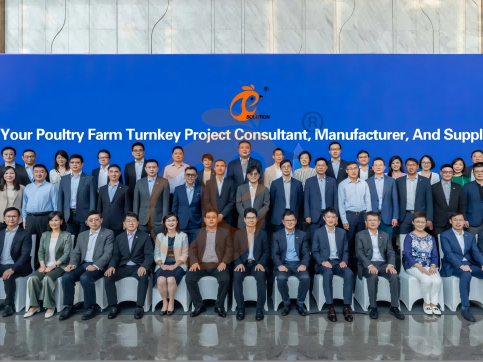
Hong Kong Headquarter Management Team
Hong Kong Headquarter Taiyu Industrial Group CO., LTD
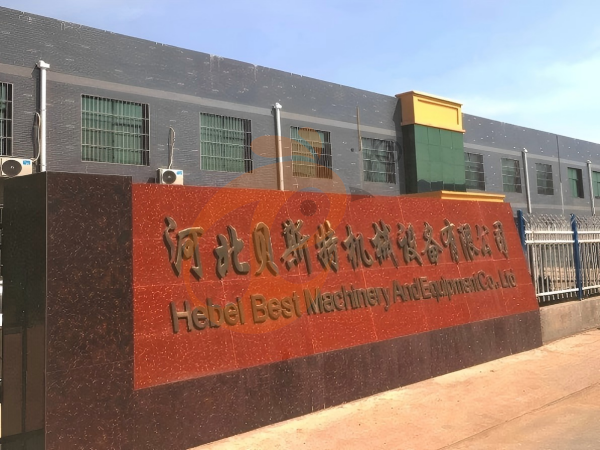
China Hebei Best Machinery And Equipment CO., LTD
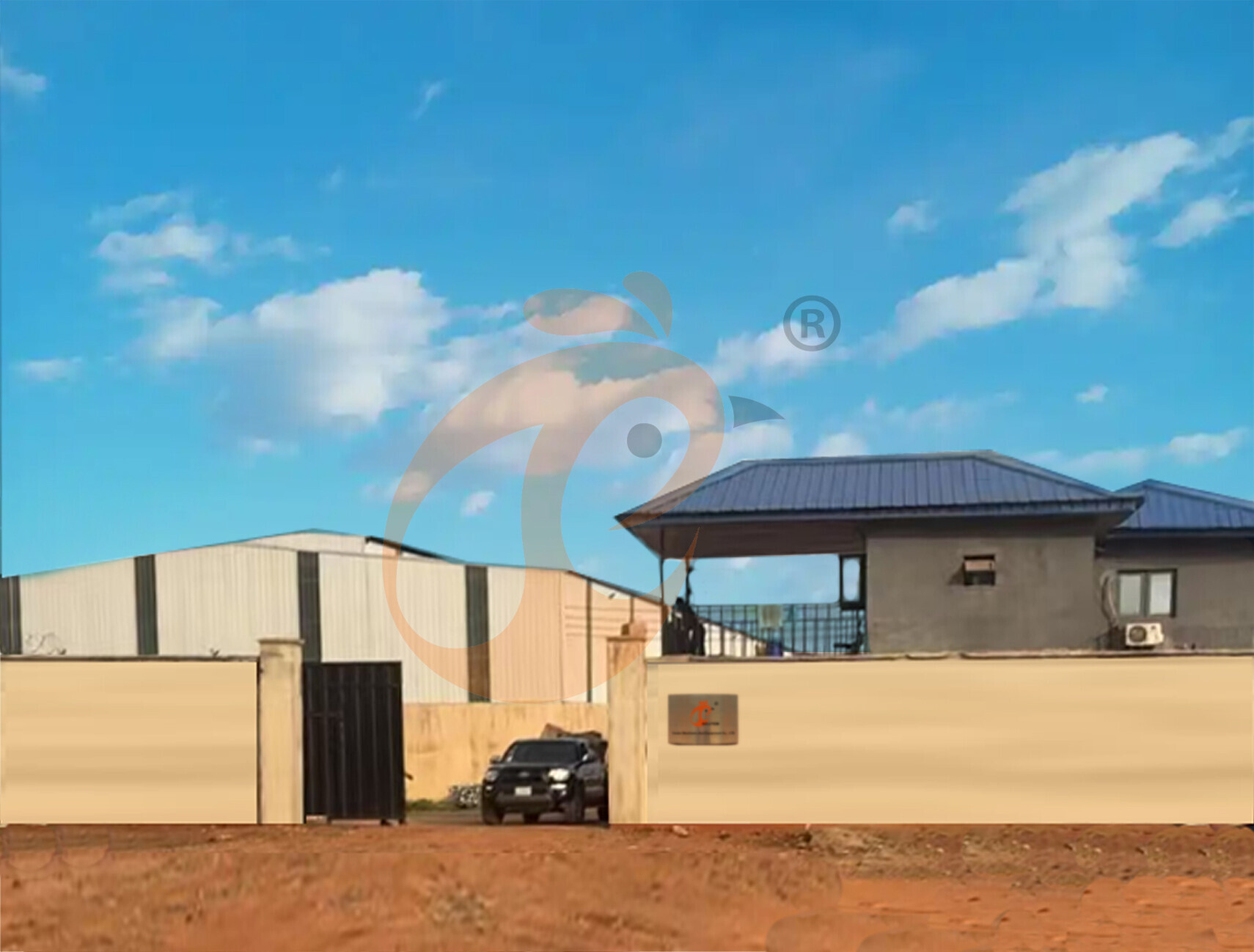
Nigeria Vanke Machinery And Equipment CO., LTD
Tanzania Best Machinery And Equipment CO., LTD
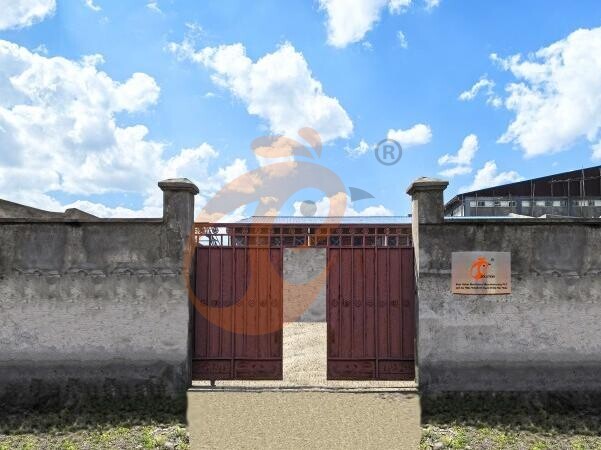
Ethiopia Best Hebei Machinery Manufacturing PLC
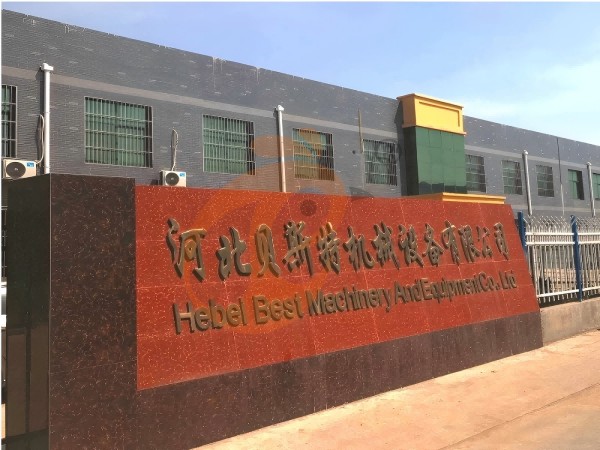
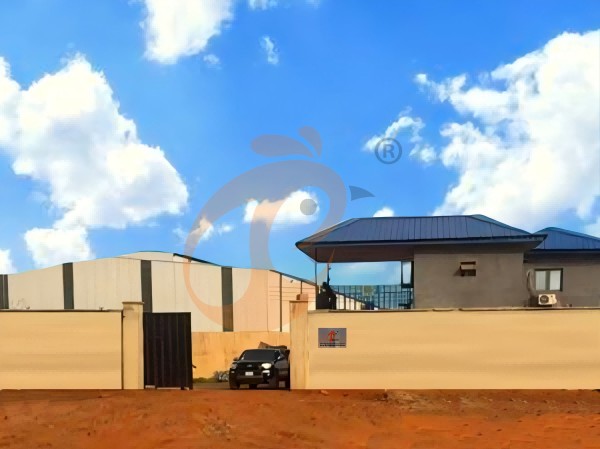
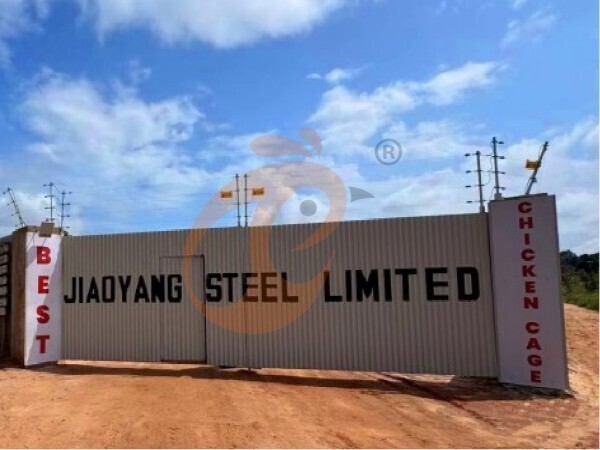
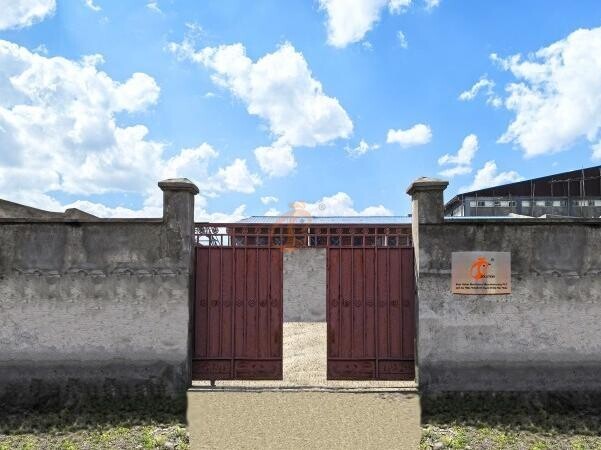
Reception /24 WhatsApp NO. : +8618830120193
FAQ
What Are The Ventilation Requirements For Broiler Chicken Cage Houses In Poultry Chicken Production?
Negative pressure levels are controlled between 20–30 Pa for uniform airflow distribution.
Air velocity inside cage rows ranges from 0.3–0.5 m/s to reduce heat stress.
What Is The Stocking Density Standard In Broiler Chicken Cage Systems For Poultry Chicken Production?
Live weight allocation reaches 30–35 kg per square meter at market stage for optimized yield.
Space per bird is controlled within 450–550 cm² for uniform growth performance.
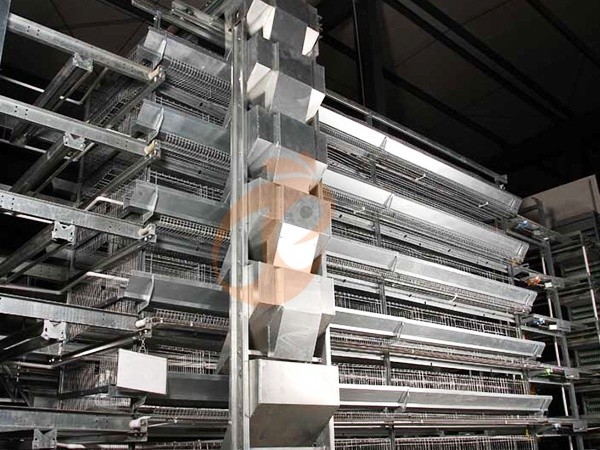
What Are The Material Specifications Of Broiler Chicken Cage Systems Used In Poultry Chicken Farms?
Galvanized coating thickness reaches 80–120 g/m² to prevent corrosion in humid environments.
Frame steel strength is rated above 350 MPa for long-term mechanical stability.
Message
Products recommended
 HK Headquarter Offers EU-standard Poultry Farm Solutions, Manufacture Poultry Farm Equipment1. Continuous communication with the EU and the US
2. China, Nigeria, Ethiopia, Tanzania branch companies and factories
3. The products’ quality is customized for local poultry farms
4. Poultry cage and poultry farm equipment stock for sale
5. 24 online reception Whatsapp NO. : +8618830120193,contact us to get full informationRead More China Branch Offer Poultry Farm Business Plan, Manufacture Poultry Farm Equipment1. Address: Flat/RM 2416, 24/F, Runxing Building, Youyi Nan Street, Shijiazhuang City, Hebei Province, China
2. Poultry cage and poultry farm equipment factory and stock for sale
3. Customized for local poultry farms
4. Quality and design are based on Euro
5. 24 online reception Whatsapp NO. : +8618830120193Read More Nigeria Branch Offer Poultry Farm Business Plan, Manufacture Poultry Farm Equipment1. Address: After Sinoma Office, 200 Meters Near Danco Filling Station, Lagos/Ibadan Expressway, Lagos State, Nigeria
2. Poultry cage and poultry farm equipment factory and stock for sale
3. Customized for Nigerian poultry farms
4. Quality and design are based on Euro
5. 24 online reception Whatsapp NO. : +8618830120193Read More Ethiopia Branch Offer Poultry Farm Business Plan, Manufacture Poultry Farm Equipment1. Address: Gelan Gura, Akaki-kaliti Sub City, Addis Ababa, Ethiopia
2. Poultry cage and poultry farm equipment stock for sale
3. Customized for Ethiopian poultry farms
4. Quality and design are based on Euro
5. 24 online reception Whatsapp NO. : +8618830120193, contact us to get price listRead More Tanzania Branch Offer Poultry Farm Business Plan, Manufacture Poultry Farm Equipment1. Address: No.8, Sova Road, Msufini, Mlandizi, Kibaha, Pwani, Tanzania
2. Poultry cage and poultry farm equipment factory and stock for sale
3. Customized for Tanzanian poultry farms
4. Quality and design are based on Euro
5. 24 online reception Whatsapp NO. : +8618830120193Read More Fully Automatic H Type Layer Chicken Cage1. 30,000-100,000+ layers/house chooses it, Poultry farmers can achieve an egg production rate of 96-98%
2. A significant improvement over the 85-90% typically seen in manual systems
3. A typical poultry farm can expect a 30-40% reduction in labor costs due to the automation
4. Each feeding line efficiently supplies feed to around 100,000 hens per 30 mins
5. Reception /WhatsApp NO. : +8618830120193Read More Fully Automatic A Type Layer Chicken Cage1. 10,000-50,000 layers/house chooses it
2. Cleaner egg collection reduces breakage by 0.5%
3. Improved hygiene helps reduce mortality rate to <3%
4. 1–2 technicians can handle 15,000–30,000 birds
5. Reception /WhatsApp NO. : +8618830120193Read More Semi Automatic H Type Layer Chicken Cage1. 1,00-20,000 layers/house chooses it
2. Nipple drinkers flow 30–60 ML / min
3. Hot-dip galvanized (typical coating ≥ 275 g/m²)
4. Reduce ammonia by ~ 35–40%
5. Reception /WhatsApp NO. : +8618830120193Read More Semi Automatic A Type Layer Chicken Cage1. 1,00-20,000 layers/house chooses it, no rust for 10 years, no deformation for 15 years
2. Chickens live comfortably, you can raise them with peace of mind
3. Save water, save money—efficiency you can measure
4. Improve environment quality, and increase egg production rate
5. Reception /WhatsApp NO. : +8618830120193Read More
By clicking 'Allow All', you agree to the storage of cookies on your device to enhance site navigation, analyze site usage and assist with our marketing efforts.