


Blog
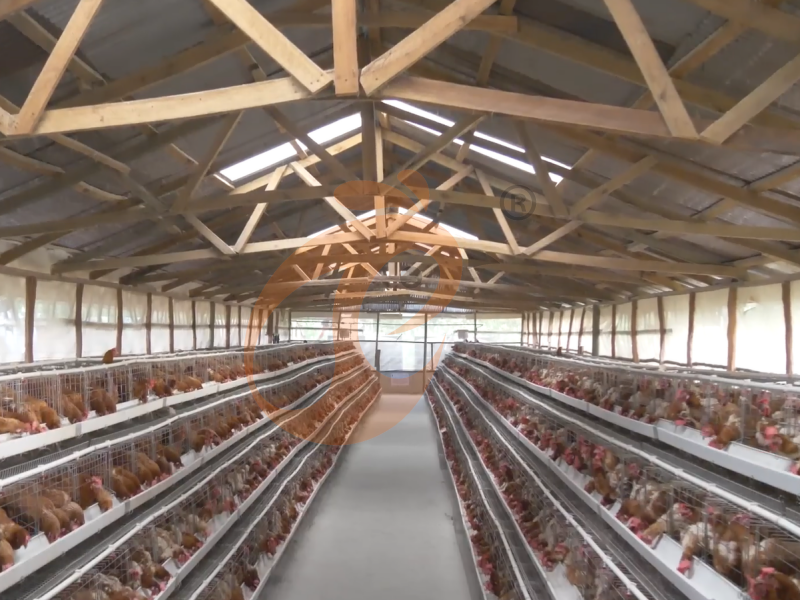
Scaling up demands more than just cages; it requires intelligent, integrated automation backed by local technical support and proven durability in tropical climates. As a Tier-1 layer cage supplier in Nigeria, TAIYU INDUSTRIAL GROUP CO., LTD delivers German-engineered automatic systems purpose-built for large farms across Lagos, Oyo, Kaduna, and Anambra states.
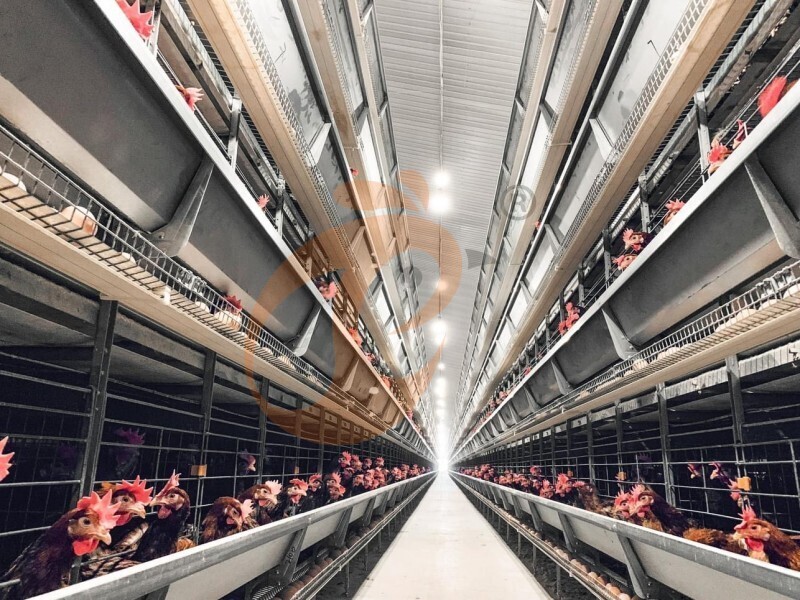
We don’t ship generic imports. Every system undergoes climate-adapted engineering — corrosion-resistant galvanization, UV-stabilized plastic components, and ventilation-optimized cage layouts tested under West African heat and humidity. Since our 2012 full-cycle 100,000-bird broiler project in Nigeria, we’ve refined over 37 farm-specific configurations for layer operations — from 3-tier walk-in houses to 8-tier fully automated high-rise barns.
Get professional poultry farm construction guidance, equipment selection solutions, and the latest price lists, whatsApp to +8618830120193, +2348111199996, or click to learn more:

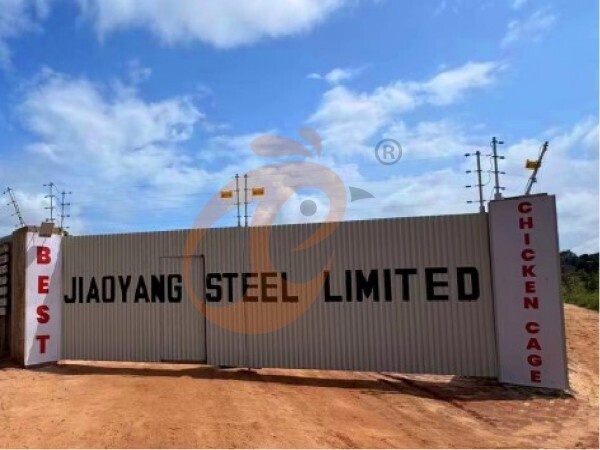
Nigeria-China Branch Office And Factory Of Poultry Farm Equipment
Automatic Systems For Large Farms: Core Technical Advantages
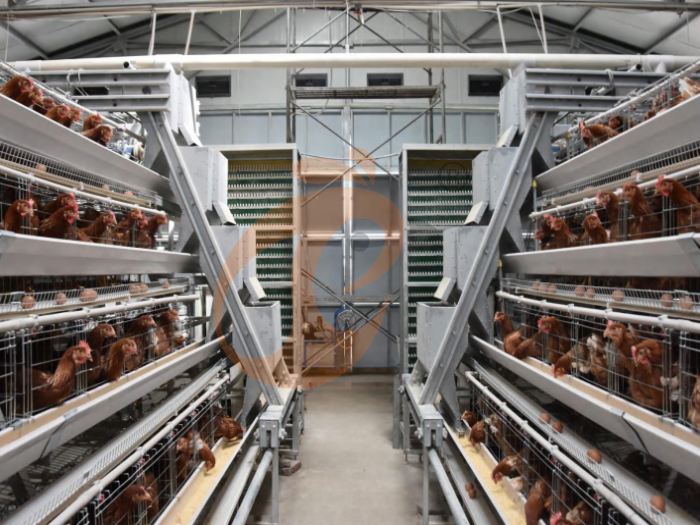
Automatic systems for large farms must balance precision, uptime, and serviceability. Our proprietary control architecture integrates feeding, watering, manure removal, egg collection, and climate monitoring into one synchronized platform — all programmable via ruggedized touchscreen panels or remote cloud dashboard (accessible on Android/iOS).
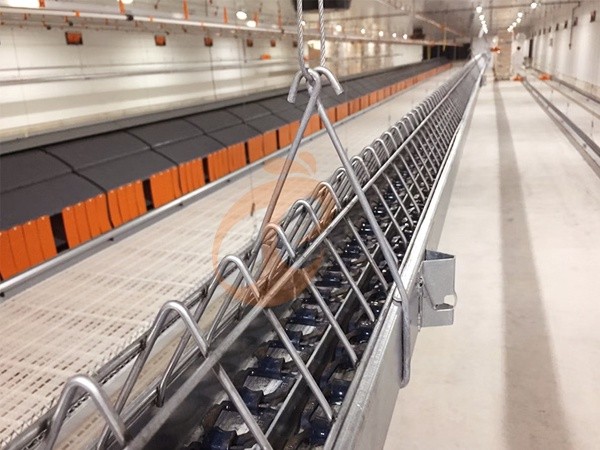
No third-party controllers. No compatibility gaps. Each module is co-developed with our in-house automation team in Germany and validated at our Nigerian test farm in Ibadan. Real-time fault diagnostics cut mean time to repair (MTTR) to under 47 minutes — critical when managing 200,000+ layers.
Energy efficiency is built-in: variable-frequency drives on feed augers reduce power consumption by 31%, while solar-ready controllers allow seamless integration with existing farm solar infrastructure — a key advantage for off-grid locations in Benue and Plateau states.
Comparison Of Automation Levels For Layer Cage Supplier In Nigeria Projects
Layer Cage Supplier In Nigeria: Material And Build Standards
All cages are hot-dip galvanized to ISO 1461 standards — minimum 275 g/m² zinc coating — ensuring 20+ years of structural integrity in Nigeria’s high-rainfall zones. Wire mesh uses cold-drawn stainless steel core with PVC-coated surface (0.8 mm thickness), eliminating rust-induced footpad injuries and wire breakage.
Cage frames are laser-cut and robotic-welded for ±0.3 mm tolerance — critical for smooth egg roll-out and consistent manure belt alignment. We reject rolled sheet metal or bolt-together knock-down units common among low-cost suppliers. Precision matters when handling 12,000 eggs/hour.
Every batch undergoes independent lab testing at the National Agency for Food and Drug Administration and Control (NAFDAC)-accredited facility in Abuja — verifying zinc adhesion, tensile strength (>420 MPa), and non-toxicity of all coatings.
Material Specifications For Layer Cage Supplier In Nigeria Systems
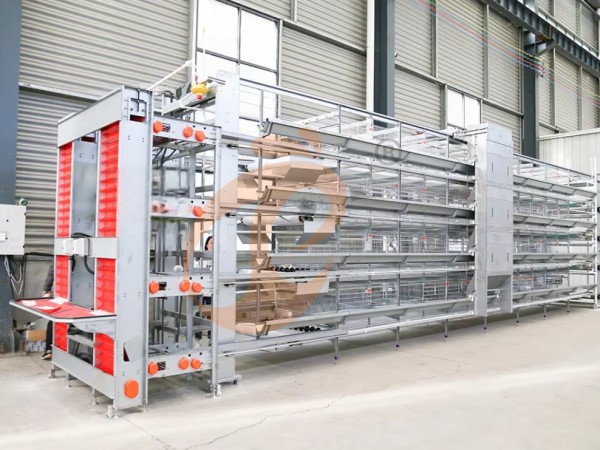
Automatic Systems For Large Farms: Installation And After-Sales Support
As a layer cage supplier in Nigeria with local presence, we deploy certified Nigerian engineers — not expatriate contractors — for site assessment, civil works coordination, and commissioning. Our average installation time for a 100,000-bird system is 18 working days, including calibration and staff training.
We stock 94% of spare parts at our Lagos warehouse: from motor reducers to PLC modules. Critical spares like manure belt motors and egg conveyor gearboxes are available within 48 hours — no 6–8 week ocean freight delays.
All clients receive bi-annual preventive maintenance visits, remote software updates, and real-time WhatsApp-based troubleshooting — supported by our 24/7 multilingual technical hotline (English, Yoruba, Hausa, Igbo).
Service Coverage For Layer Cage Supplier In Nigeria Clients
Frequently Asked Questions By Nigerian Farmers
What Is The Minimum Bird Capacity For Your Automatic Systems For Large Farms?
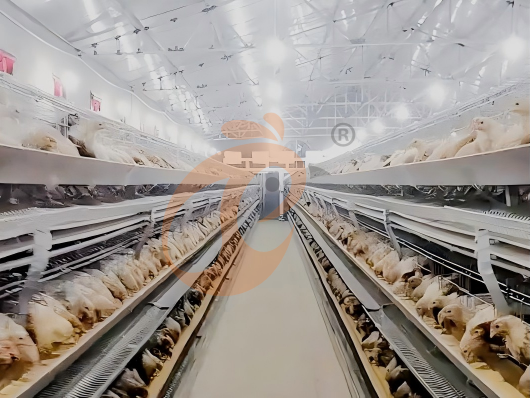
We design automatic systems for large farms starting at 20,000 birds. Below this scale, semi-automatic solutions deliver better ROI. For farms above 150,000 birds, our modular high-rise systems achieve optimal space utilization — up to 42 birds/m² without compromising welfare metrics.
Do You Offer Financing Or Equipment Leasing For Layer Cage Supplier In Nigeria Projects?
Yes. We partner with four Nigerian banks (UBA, Zenith, GTBank, and First Bank) to offer asset-backed financing with 20% down payment, 36-month tenor, and interest rates starting at 14.5% per annum — fixed for the term. Lease-to-own options are also available through our subsidiary TAIYU AgriFinance NG.
Can Your Automatic Systems For Large Farms Integrate With Existing Farm Infrastructure?
Absolutely. Our open-protocol controllers support Modbus RTU, CAN bus, and MQTT interfaces — enabling seamless connection to legacy ventilation fans, generator auto-start systems, or ERP platforms like FarmERP and PoultryTrack. Integration is verified during pre-installation site audit.
Broiler Deep Litter System
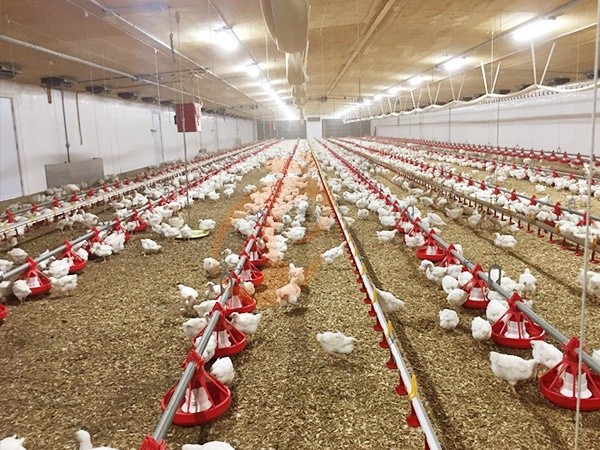
For mixed-operation farms adding broiler capacity alongside layers, our Broiler Deep Litter System provides scalable, biosecure housing with integrated heating, ventilation, and litter management — engineered to complement your automatic systems for large farms infrastructure.
Why TAIYU Is The Leading Layer Cage Supplier In Nigeria
- Local factory in Nigeria / Ethiopia / Tanzania
- Faster delivery — 3–5 weeks from order confirmation
- Lower shipping cost — no import duties on locally assembled units
- On-site installation — certified Nigerian engineers, not subcontractors
- Full lifecycle support — from feasibility study to end-of-life recycling
- Contact us today for a free farm layout audit and customized CAPEX/OPEX model for your layer cage supplier in Nigeria project
Contact Us To Received Your Customized Poultry Farm Plan
Headquarters And Branchs

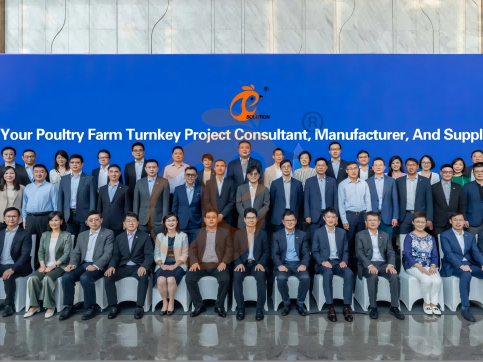
Hong Kong Headquarter Management Team
Hong Kong Headquarter Taiyu Industrial Group CO., LTD
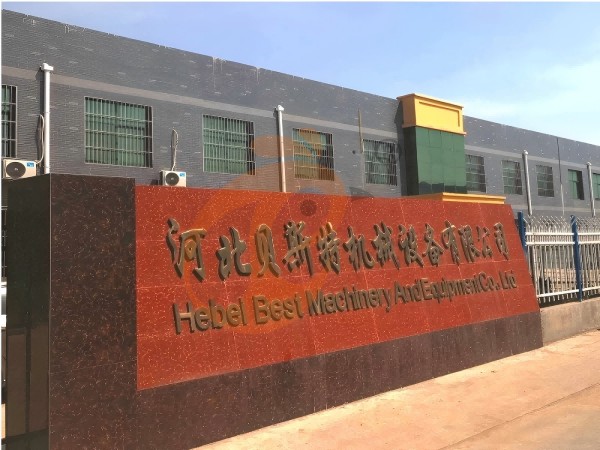
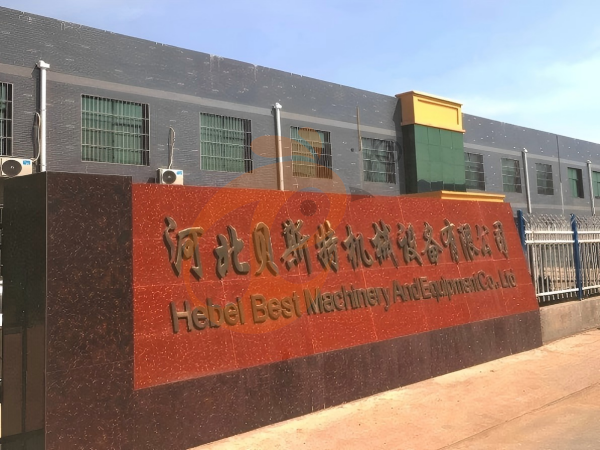
China Hebei Best Machinery And Equipment CO., LTD
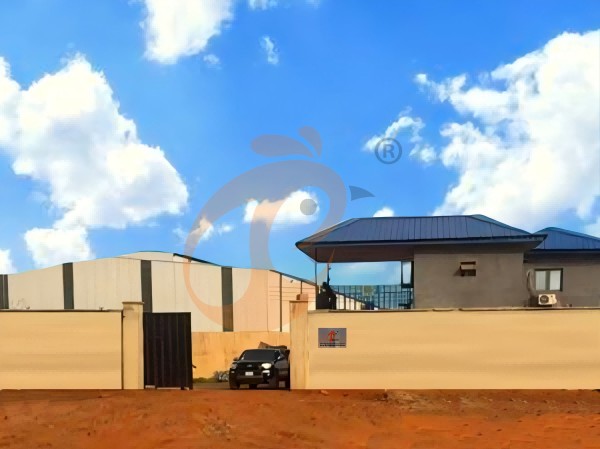
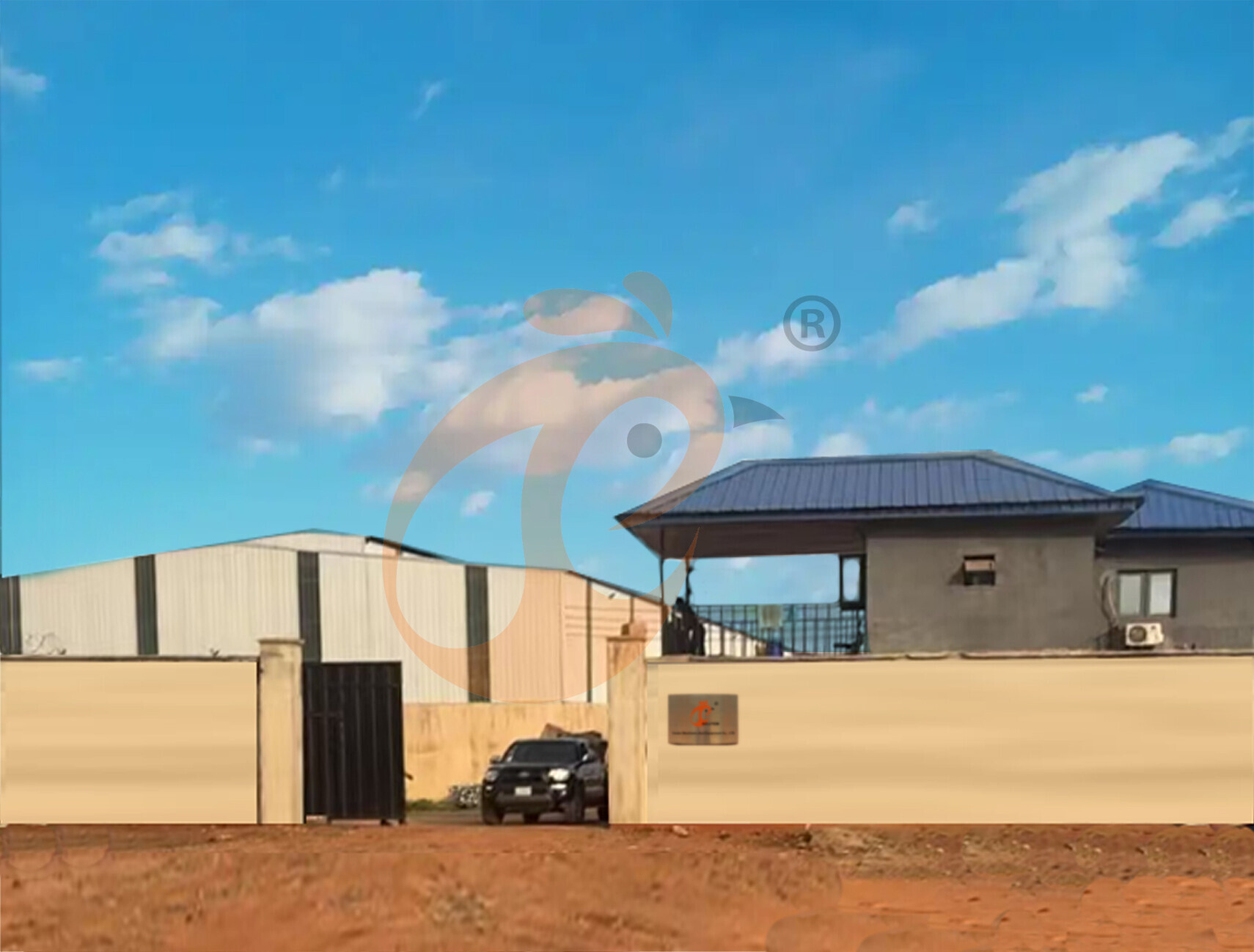
Nigeria Vanke Machinery And Equipment CO., LTD
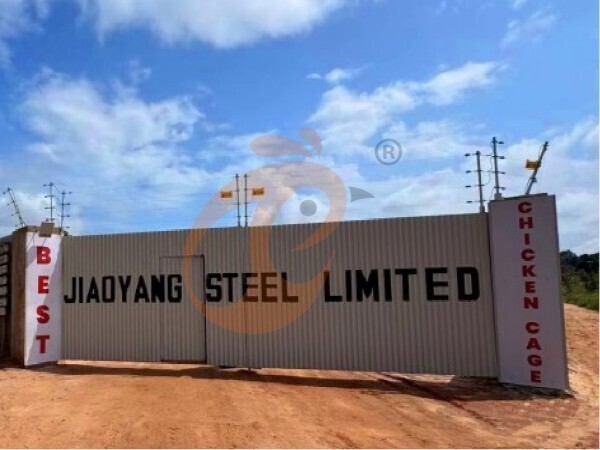
Tanzania Best Machinery And Equipment CO., LTD
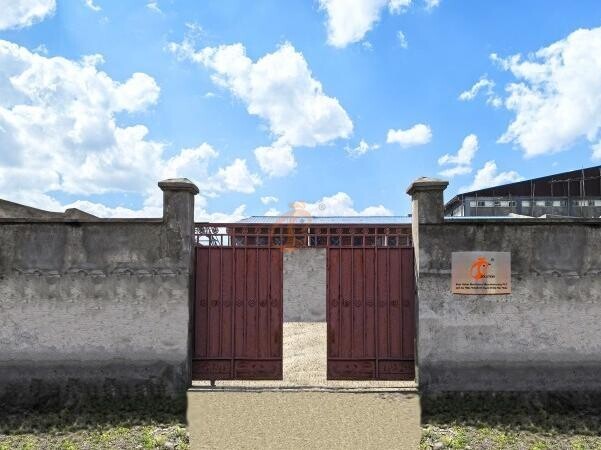
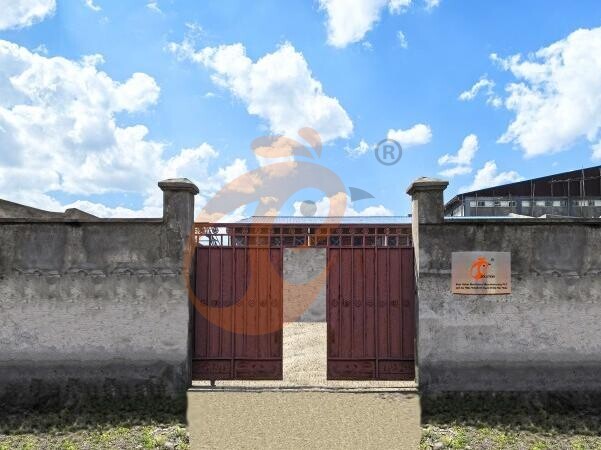
Ethiopia Best Hebei Machinery Manufacturing PLC
Reception /24 WhatsApp NO. : +8618830120193
FAQ
What Are The Litter Material Specifications In Deep Litter Poultry System For Poultry Chicken Production?
Rice husk usage ratio is set at 40%–60% of total bedding material mix.
Moisture absorption capacity reaches 250%–300% of dry litter weight.
What Are The Disease Control Measures In Deep Litter Poultry System For Poultry Chicken Houses?
Pathogen reduction efficiency reaches 70%–85% through fermentation and microbial activity.
Biosecurity entry concentration uses 0.08%–0.12% disinfectant solution for contamination control.
How Does Deep Litter System Affect Growth Efficiency In Poultry Chicken Farming?
Average daily gain increases by 8%–14% compared with bare floor systems.
Stress reduction improves uniformity rate to 86%–93% across production batches.
Message
Products recommended
 HK Headquarter Offers EU-standard Poultry Farm Solutions, Manufacture Poultry Farm Equipment1. Continuous communication with the EU and the US
2. China, Nigeria, Ethiopia, Tanzania branch companies and factories
3. The products’ quality is customized for local poultry farms
4. Poultry cage and poultry farm equipment stock for sale
5. 24 online reception Whatsapp NO. : +8618830120193,contact us to get full informationRead More China Branch Offer Poultry Farm Business Plan, Manufacture Poultry Farm Equipment1. Address: Flat/RM 2416, 24/F, Runxing Building, Youyi Nan Street, Shijiazhuang City, Hebei Province, China
2. Poultry cage and poultry farm equipment factory and stock for sale
3. Customized for local poultry farms
4. Quality and design are based on Euro
5. 24 online reception Whatsapp NO. : +8618830120193Read More Nigeria Branch Offer Poultry Farm Business Plan, Manufacture Poultry Farm Equipment1. Address: After Sinoma Office, 200 Meters Near Danco Filling Station, Lagos/Ibadan Expressway, Lagos State, Nigeria
2. Poultry cage and poultry farm equipment factory and stock for sale
3. Customized for Nigerian poultry farms
4. Quality and design are based on Euro
5. 24 online reception Whatsapp NO. : +8618830120193Read More Ethiopia Branch Offer Poultry Farm Business Plan, Manufacture Poultry Farm Equipment1. Address: Gelan Gura, Akaki-kaliti Sub City, Addis Ababa, Ethiopia
2. Poultry cage and poultry farm equipment stock for sale
3. Customized for Ethiopian poultry farms
4. Quality and design are based on Euro
5. 24 online reception Whatsapp NO. : +8618830120193, contact us to get price listRead More Tanzania Branch Offer Poultry Farm Business Plan, Manufacture Poultry Farm Equipment1. Address: No.8, Sova Road, Msufini, Mlandizi, Kibaha, Pwani, Tanzania
2. Poultry cage and poultry farm equipment factory and stock for sale
3. Customized for Tanzanian poultry farms
4. Quality and design are based on Euro
5. 24 online reception Whatsapp NO. : +8618830120193Read More Fully Automatic H Type Layer Chicken Cage1. 30,000-100,000+ layers/house chooses it, Poultry farmers can achieve an egg production rate of 96-98%
2. A significant improvement over the 85-90% typically seen in manual systems
3. A typical poultry farm can expect a 30-40% reduction in labor costs due to the automation
4. Each feeding line efficiently supplies feed to around 100,000 hens per 30 mins
5. Reception /WhatsApp NO. : +8618830120193Read More Fully Automatic A Type Layer Chicken Cage1. 10,000-50,000 layers/house chooses it
2. Cleaner egg collection reduces breakage by 0.5%
3. Improved hygiene helps reduce mortality rate to <3%
4. 1–2 technicians can handle 15,000–30,000 birds
5. Reception /WhatsApp NO. : +8618830120193Read More Semi Automatic H Type Layer Chicken Cage1. 1,00-20,000 layers/house chooses it
2. Nipple drinkers flow 30–60 ML / min
3. Hot-dip galvanized (typical coating ≥ 275 g/m²)
4. Reduce ammonia by ~ 35–40%
5. Reception /WhatsApp NO. : +8618830120193Read More Semi Automatic A Type Layer Chicken Cage1. 1,00-20,000 layers/house chooses it, no rust for 10 years, no deformation for 15 years
2. Chickens live comfortably, you can raise them with peace of mind
3. Save water, save money—efficiency you can measure
4. Improve environment quality, and increase egg production rate
5. Reception /WhatsApp NO. : +8618830120193Read More
By clicking 'Allow All', you agree to the storage of cookies on your device to enhance site navigation, analyze site usage and assist with our marketing efforts.