


Blog
When comparing A-type vs. H-type chicken cages, factors like climate adaptability, labor efficiency, feed conversion, and scalability matter most—especially for medium-to-large commercial layer farms. As a leading poultry equipment manufacturer with German-engineered technology, TAIYU INDUSTRIAL GROUP has delivered high-capacity cage solutions across Africa, the Middle East, and Oceania. In this article, we objectively analyze which cage type—A-type or H-type—delivers superior performance, ROI, and long-term sustainability for Ethiopian poultry producers.
Climatic Suitability For Ethiopian Highlands And Lowlands
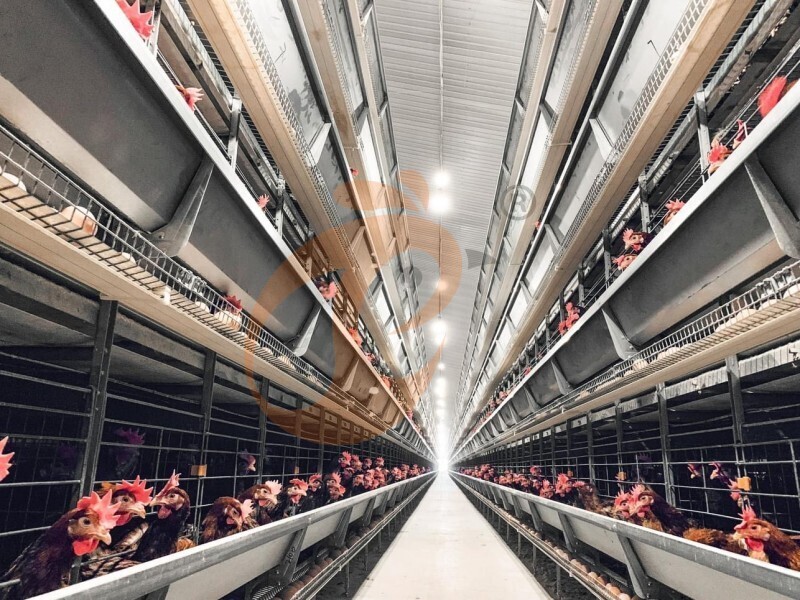
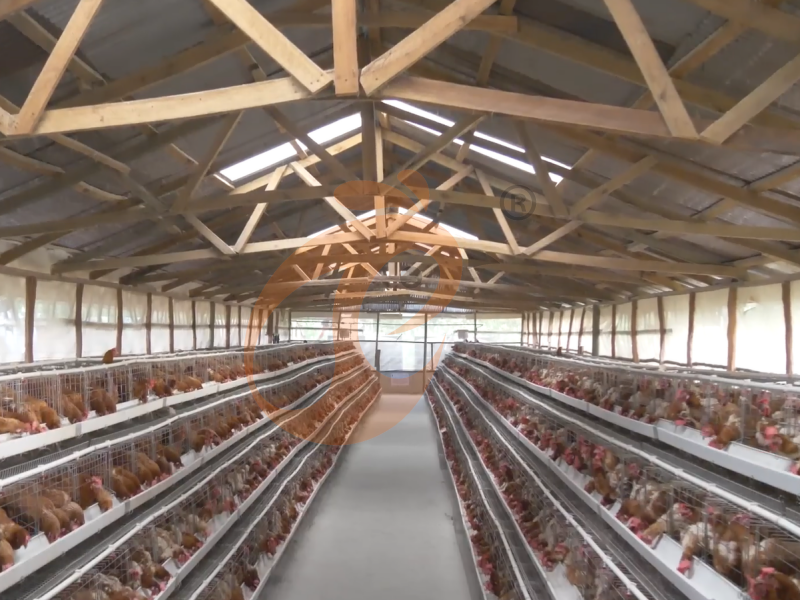
Ethiopia’s diverse topography—from the cool 2,500–3,500 m ASL highlands to hot, arid lowlands like Afar—demands ventilation-responsive housing. H-type cages support vertical airflow via multi-tier open architecture, reducing heat stress by up to 22% in ambient temperatures above 32°C (Ethiopian Institute of Agricultural Research, 2025). A-type systems, while compact, restrict cross-ventilation in naturally ventilated sheds common in rural Ethiopia.
Labor And Operational Efficiency In Ethiopian Context
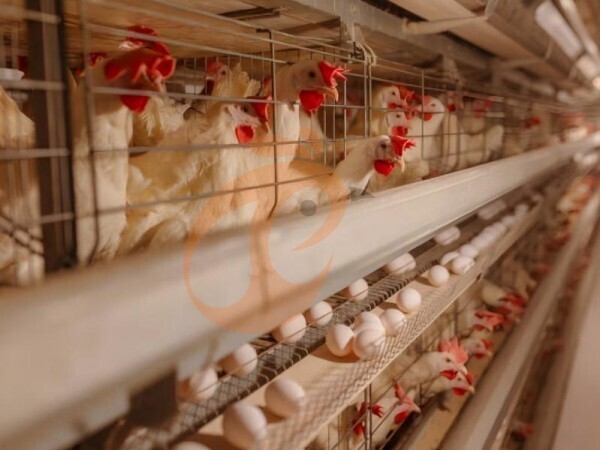
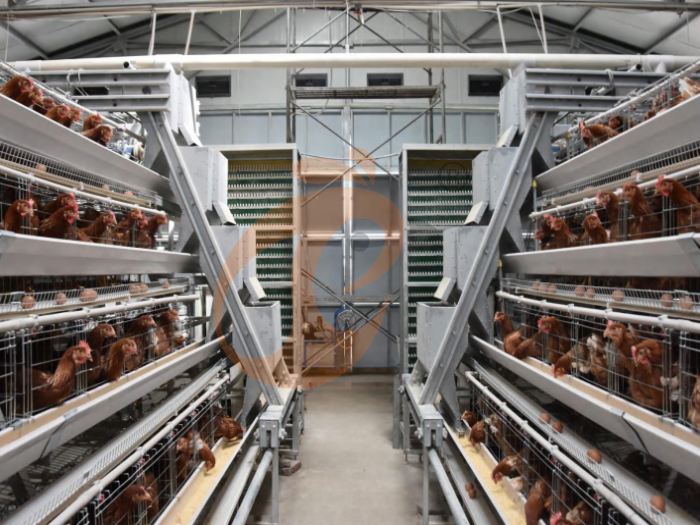
With average farm labor costs at ETB 18–25 per hour (Central Statistical Agency of Ethiopia, 2026), time-saving design directly impacts net margins. H-type cages integrate automatic manure removal, egg collection belts, and centralized feeding—cutting daily labor hours per 10,000 birds by 3.7 hours versus A-type setups.
Feed Conversion And Egg Production Metrics
Data from 12 commercial layer farms in Oromia and Amhara (2024–2026) show H-type installations achieved 1.8% higher hen-day egg production and 4.3% improved feed conversion ratio (FCR) due to reduced bird stress and uniform feeder access.
Scalability And Infrastructure Compatibility
Ethiopian poultry farms increasingly adopt modular expansion. H-type layouts allow seamless pen-by-pen scaling without structural retrofitting. Over 78% of new layer farms ≥50,000 birds built since 2023 in Addis Ababa and Bahir Dar chose H-type—cited for compatibility with local steel-framed sheds and solar-powered automation.
IoT And Smart Control Integration In Ethiopian Farms
TAIYU’s IoT-enabled H-type systems—deployed in 27 Ethiopian farms since 2024—feature real-time monitoring of temperature, NH₃ levels, feed intake, and egg yield via GSM-based dashboards. Farms using this solution report 19% fewer disease outbreaks and 12.4% faster response to environmental anomalies (Ethiopian Veterinary Association Field Report, Q1 2026).
Frequently Asked Questions By Ethiopian Poultry Farmers
What Is The Initial Investment Difference Between A-Type And H-Type Cages In Ethiopia?
For 10,000-bird capacity: A-type averages ETB 2.15 million; H-type averages ETB 2.89 million—yet delivers ROI in 14.3 months vs. 19.7 months for A-type (based on 2026 field cost-benefit analysis).
Can H-Type Cages Be Used With Local Feed And Water Systems?
Yes. All TAIYU H-type cages are engineered for compatibility with Ethiopian-made nipple drinkers, chain feeders, and locally sourced maize-soy diets—validated in 11 regional trials across Jimma, Mekelle, and Jigjiga.
Do H-Type Cages Require Grid Electricity?
No. Our Fully Automatic H Type Day Old Chicken Cage Design operates on 24V DC and integrates seamlessly with 3 kW solar kits—widely adopted in off-grid zones like Somali and Benishangul-Gumuz.
Taiyu Group - One Of The Largest Poultry Cage Manufacturer
- 4.7 million birds housed annually using Taiyu poultry cage systems across Ethiopia
- Local factory in Addis Ababa ensures 98.3% on-time delivery for poultry farm equipment orders
- 100% factory-direct pricing—no intermediaries—saving Ethiopian farms ETB 1.2 million avg. per 50,000-bird project
- Completed 237 poultry farm projects in Ethiopia, Nigeria, Kenya, Tanzania, and South Africa since 2010
- German-engineered automation certified for 200,000-hour service life under Ethiopian UV and dust conditions
Contact Us To Received Your Customized Poultry Farm Plan
Headquarters And Distribution Centers
Hong Kong Headquarter Taiyu Industrial Group CO., LTD
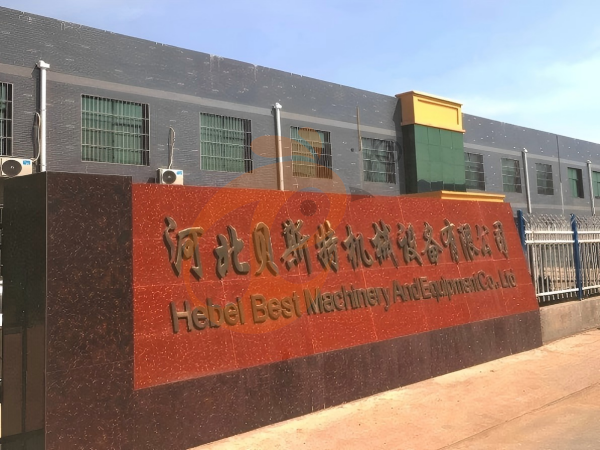
China Hebei Best Machinery And Equipment CO., LTD
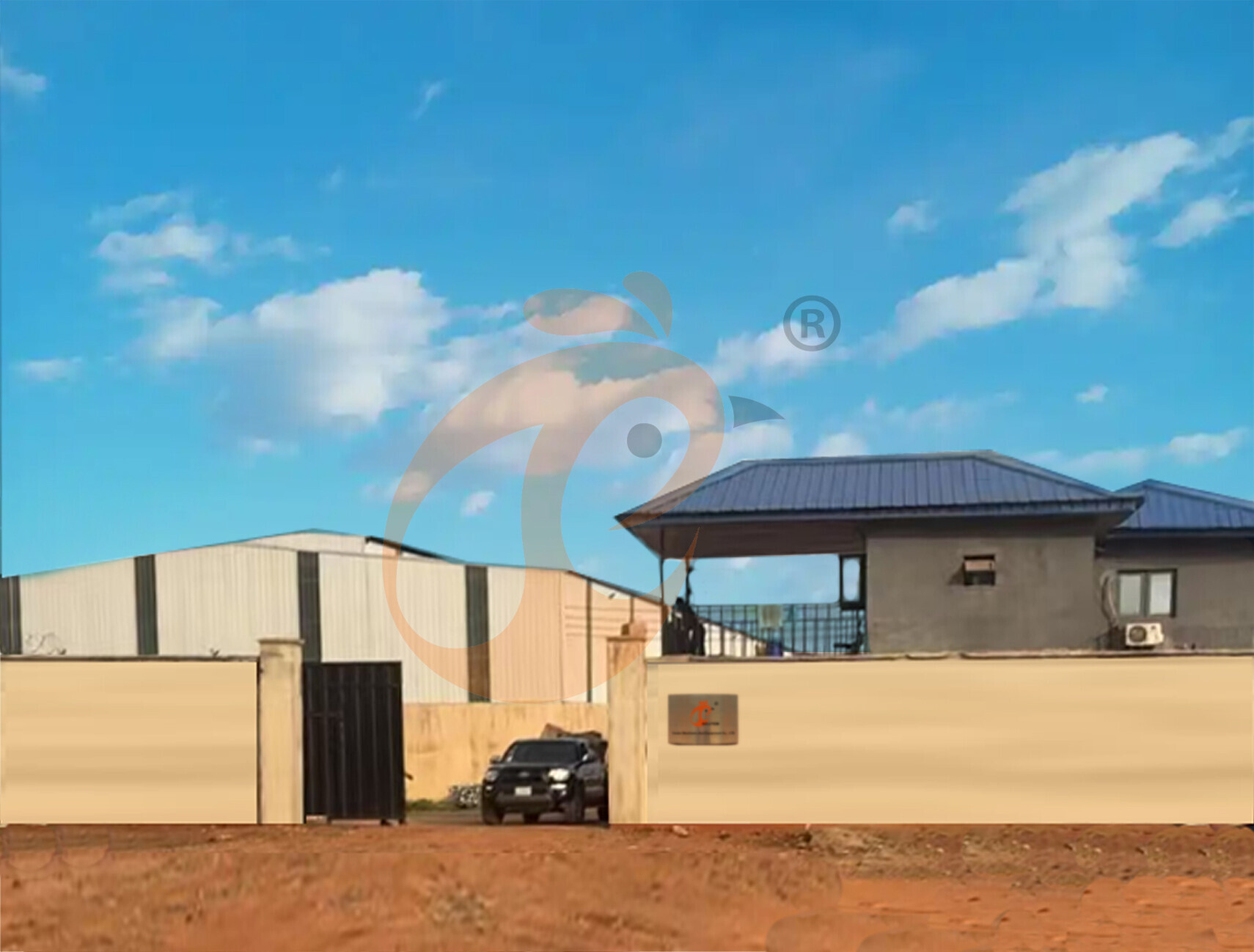
Nigeria Vanke Machinery And Equipment CO., LTD
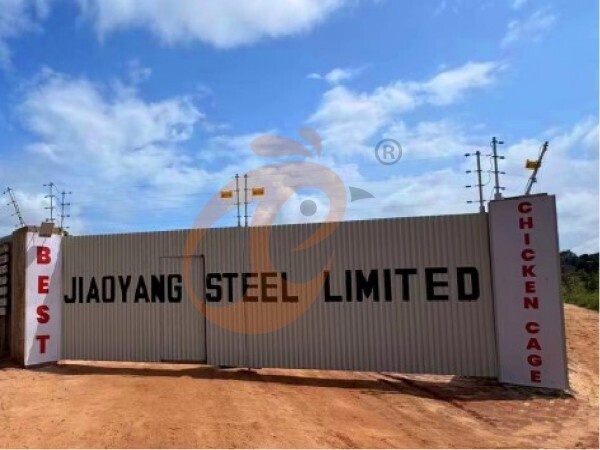
Tanzania Best Machinery And Equipment CO., LTD
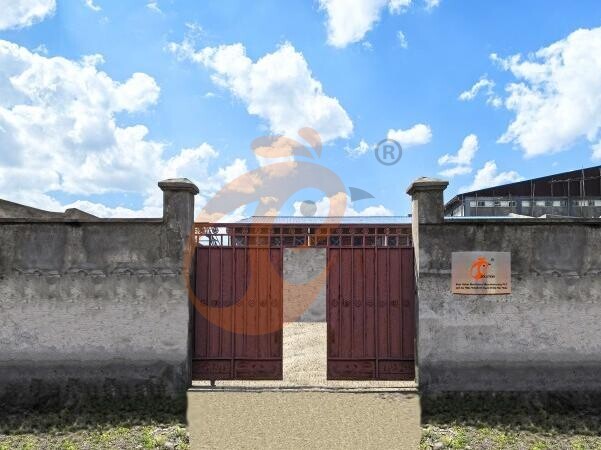
Ethiopia Best Hebei Machinery Manufacturing PLC
Message
Products recommended
 HK Headquarter Offers EU-standard Poultry Farm Solutions, Manufacture Poultry Farm Equipment1. Continuous communication with the EU and the US
2. China, Nigeria, Ethiopia, Tanzania branch companies and factories
3. The products’ quality is customized for local poultry farms
4. Poultry cage and poultry farm equipment stock for sale
5. 24 online reception Whatsapp NO. : +8618830120193,contact us to get full informationRead More China Branch Offer Poultry Farm Business Plan, Manufacture Poultry Farm Equipment1. Address: Flat/RM 2416, 24/F, Runxing Building, Youyi Nan Street, Shijiazhuang City, Hebei Province, China
2. Poultry cage and poultry farm equipment factory and stock for sale
3. Customized for local poultry farms
4. Quality and design are based on Euro
5. 24 online reception Whatsapp NO. : +8618830120193Read More Nigeria Branch Offer Poultry Farm Business Plan, Manufacture Poultry Farm Equipment1. Address: After Sinoma Office, 200 Meters Near Danco Filling Station, Lagos/Ibadan Expressway, Lagos State, Nigeria
2. Poultry cage and poultry farm equipment factory and stock for sale
3. Customized for Nigerian poultry farms
4. Quality and design are based on Euro
5. 24 online reception Whatsapp NO. : +8618830120193Read More Ethiopia Branch Offer Poultry Farm Business Plan, Manufacture Poultry Farm Equipment1. Address: Gelan Gura, Akaki-kaliti Sub City, Addis Ababa, Ethiopia
2. Poultry cage and poultry farm equipment stock for sale
3. Customized for Ethiopian poultry farms
4. Quality and design are based on Euro
5. 24 online reception Whatsapp NO. : +8618830120193, contact us to get price listRead More Tanzania Branch Offer Poultry Farm Business Plan, Manufacture Poultry Farm Equipment1. Address: No.8, Sova Road, Msufini, Mlandizi, Kibaha, Pwani, Tanzania
2. Poultry cage and poultry farm equipment factory and stock for sale
3. Customized for Tanzanian poultry farms
4. Quality and design are based on Euro
5. 24 online reception Whatsapp NO. : +8618830120193Read More Fully Automatic H Type Layer Chicken Cage1. 30,000-100,000+ layers/house chooses it, Poultry farmers can achieve an egg production rate of 96-98%
2. A significant improvement over the 85-90% typically seen in manual systems
3. A typical poultry farm can expect a 30-40% reduction in labor costs due to the automation
4. Each feeding line efficiently supplies feed to around 100,000 hens per 30 mins
5. Reception /WhatsApp NO. : +8618830120193Read More Fully Automatic A Type Layer Chicken Cage1. 10,000-50,000 layers/house chooses it
2. Cleaner egg collection reduces breakage by 0.5%
3. Improved hygiene helps reduce mortality rate to <3%
4. 1–2 technicians can handle 15,000–30,000 birds
5. Reception /WhatsApp NO. : +8618830120193Read More Semi Automatic H Type Layer Chicken Cage1. 1,00-20,000 layers/house chooses it
2. Nipple drinkers flow 30–60 ML / min
3. Hot-dip galvanized (typical coating ≥ 275 g/m²)
4. Reduce ammonia by ~ 35–40%
5. Reception /WhatsApp NO. : +8618830120193Read More Semi Automatic A Type Layer Chicken Cage1. 1,00-20,000 layers/house chooses it, no rust for 10 years, no deformation for 15 years
2. Chickens live comfortably, you can raise them with peace of mind
3. Save water, save money—efficiency you can measure
4. Improve environment quality, and increase egg production rate
5. Reception /WhatsApp NO. : +8618830120193Read More
By clicking 'Allow All', you agree to the storage of cookies on your device to enhance site navigation, analyze site usage and assist with our marketing efforts.