






Blog
Poultry feed mill economics depend on throughput, formulation control, energy use, labor requirements, and equipment integration, with grinding commonly targeting 1–3 mm particles and processing around 25–35 kwh/t.
Small-scale production can reduce upfront investment, while automated systems create stronger cost control when annual feed demand reaches several thousand tons.
High-capacity feed mill equipment becomes commercially attractive when centralized batching, pelleting, storage, and conveying operate as one production chain.
Chicken house automation adds another profit dimension through controlled feeding, drinking, ventilation, cooling, and environmental management across multiple poultry buildings.
Selecting a poultry feed mill according to present consumption, expansion plans, and house equipment capacity creates a scalable production structure with measurable operating efficiency.
Get professional poultry farm construction guidance, equipment selection solutions, and the latest price lists, whatsApp to +8618830120193, +2348111199996, or click to learn more.
Start With The Real Question: What Does Profitability Mean?
When poultry producers compare a high-capacity feed mill with a small feed mill, purchase price is only one part of the calculation.
True profitability depends on feed cost per ton, labor, energy consumption, production consistency, maintenance, storage, and how efficiently feed reaches the chicken house.
A commercial feed mill equipment grinding section may process corn and soybean material into approximately 1–3 mm particles, while energy consumption can reach 25–35 kwh/t, making process design important to operating economics.
For modern poultry operations, the better choice is the system that supports lower long-term production costs and healthier flock performance.
A well-designed automatic feed mill combined with efficient chicken house equipment can turn feed savings into measurable farm profits.
Capacity Comparison At A Glance
Data is for reference only.Swipe horizontally to view full table.
The comparison should be based on actual equipment specifications rather than mill size alone.
A complete feed mill equipment line can include hammer mills, mixers, pellet mills, coolers, screens, and automatic packing systems, with machine capacities coordinated to prevent production bottlenecks.
Cost Structure: Where Does The Money Go?
Data is for reference only.Swipe horizontally to view full table.
The key is to evaluate cost per ton rather than simply equipment purchase price.
A higher-capacity automatic feed mill can distribute fixed costs across larger production volumes, improving the economic structure of commercial feed processing.
Feed represents a major recurring poultry expense, while a counterflow cooler can reduce pellets from approximately 90°C to less than 5°C above ambient before storage.
A Simple Return On Investment Test Before You Buy
Ask three engineering questions
1. How much feed do we consume?
Calculate average daily requirements and annual production before selecting feed mill equipment.
A production schedule covering 20–24 operating hours per week creates a different investment case from continuous industrial production.
2. How much does processing currently cost?
Include labor, electricity, maintenance, transportation, storage losses, and downtime.
An enclosed conveying system can move feed across approximately 60–150 m per line, reducing repeated manual transfer between the mill and poultry houses.
3. How fast will demand grow?
If flock numbers are expected to increase, selecting equipment only for current demand may create another investment cycle sooner than expected.
A scalable poultry feed mill layout can reserve space and utility capacity for additional production modules.
Production Performance Comparison
Data is for reference only.Swipe horizontally to view full table.
Feed quality affects more than the feed mill itself.
Uniform feed supports consistent nutrient delivery, while efficient chicken house systems help birds access feed with less waste.
A properly engineered feed mill equipment system can use adjustable screens, calibrated dosing, and controlled material flow for different feed formulations.
Why Chicken House Equipment Changes The Calculation
A feed mill produces feed, but the chicken house determines how efficiently feed becomes animal weight.
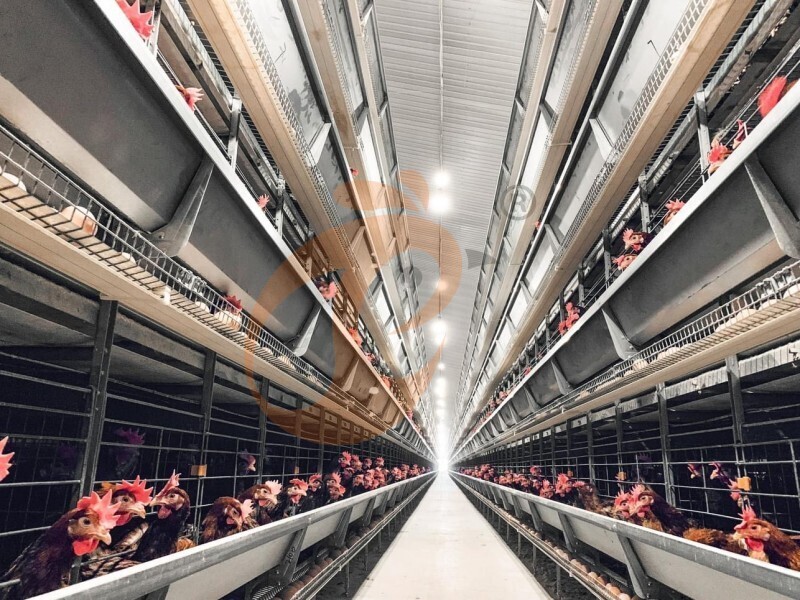
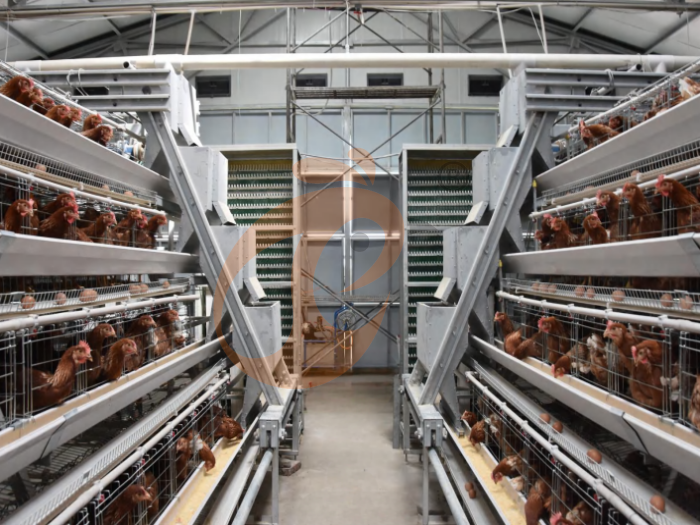
Modern farms can combine automated feeding lines, drinking systems, environmental controllers, ventilation equipment, cooling systems, and manure-management solutions with a poultry feed mill.
Automatic feeding installations can use 0.75–2.2 kw drive motors, while feed delivery speeds can reach 30–60 kg/min depending on configuration.
Automatic equipment can distribute feed throughout the house while reducing repetitive labor and controlling material handling.
Nipple drinking systems may operate around 60–120 ml/min per nipple, providing another measurable specification for integrated poultry equipment design.
Investment Comparison For Different Farm Scales
Data is for reference only.Swipe horizontally to view full table.
There is no universal most-profitable feed mill.
The appropriate automatic feed mill depends on throughput, flock size, labor availability, expansion plans, and existing automation.
A compact 2–4 t/h system can support smaller operations, while larger installations can be engineered for centralized multi-house production.
High-Capacity Mill: When Does It Win?
Data is for reference only.Swipe horizontally to view full table.
A high-capacity poultry feed mill becomes increasingly attractive when sufficient demand keeps production equipment consistently utilized.
Storage, batching, and conveying must be engineered together to prevent bottlenecks downstream of the pellet mill.
The investment should therefore be treated as production infrastructure rather than a single machine purchase.
The More Profitable Strategy: Build The Whole System
Data is for reference only.Swipe horizontally to view full table.
For poultry producers, profitability comes from interaction among multiple systems.
A highly efficient automatic feed mill cannot compensate for poor feed distribution, excessive wastage, inadequate ventilation, or inefficient climate management.
Commercial ventilation fans can be specified around 20,000–55,000 m³/h, while evaporative cooling pads commonly use 100–150 mm media thickness.
A complete equipment solution should therefore be designed around the entire poultry production cycle.
Final Verdict: Capacity Should Follow Your Growth
For smaller operations
A compact poultry feed mill can provide an appropriate return when feed demand remains modest and stable.
For commercial expansion
A high-capacity automated system becomes more compelling when annual feed demand, house numbers, and labor requirements continue increasing.
The important decision is not simply choosing a larger machine.
Equipment should match production volume while allowing future expansion, and ventilation systems can use 36–54 inch fan diameters according to building dimensions and climate requirements.
A professional feed mill equipment manufacturer can evaluate feed demand, house capacity, automation requirements, and future expansion before designing an integrated system.
The goal is not to buy the cheapest equipment.
The goal is to build a system that produces each kilogram of poultry at the lowest sustainable operating cost.
Frequently Asked Questions
Q1: Is a high-capacity feed mill always more profitable?
A1: No.Profitability depends on utilization, feed demand, labor structure, and expansion planning, with commercial systems becoming more economical as annual production approaches several thousand tons.
Q2: Should feed mill equipment be connected with chicken house equipment?
A2: Yes.Integrated planning coordinates feed production with automatic feeding, ventilation, cooling, and environmental control, while centralized systems can serve multiple poultry houses.
Q3: What should farmers calculate before purchasing a poultry feed mill?
A3: Calculate annual feed consumption, operating hours, ingredient flow, storage requirements, labor cost, electricity demand, and future flock expansion before selecting equipment capacity.
Taiyu (HK) Group - One Of China Biggest Feed Mill Manufacturer
Feed mill industrial poultry feed mill systems integrate grinding, batching, mixing, pelleting, cooling, screening, storage, and conveying, with engineering selection based on feed formulation, production schedule, and house demand.
Global factory direct sales taiyu (HK) group supplies poultry equipment directly from China, supporting equipment configuration, manufacturing coordination, technical documentation, and international project delivery.
Poultry equipment complete poultry equipment packages cover automatic feeding, drinking, ventilation, cooling, environmental control, manure handling, and related house automation for broiler and layer projects.
Turn-Key engineering turn-key projects connect feed processing with poultry house infrastructure through capacity calculation, equipment layout, electrical planning, installation guidance, commissioning, and operational coordination.
Project integration engineering solutions can be configured for individual farms, centralized production bases, multi-house complexes, and expanding commercial poultry operations with matched equipment specifications.
Contact Us To Received Your Customized Poultry Farm Plan
Headquarters And Branchs
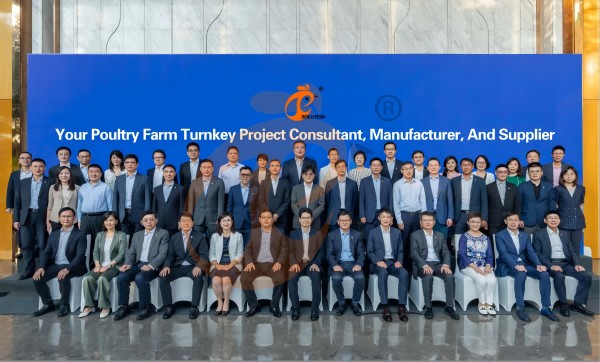
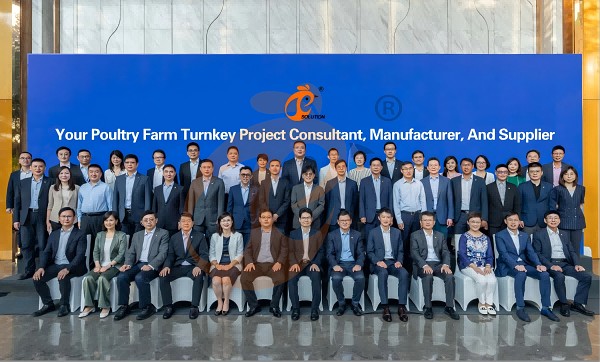
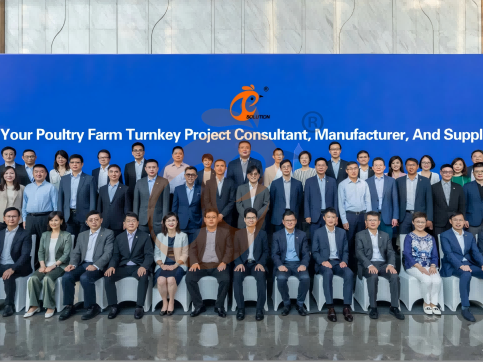
Hong Kong Headquarter Management Team
Hong Kong Headquarter Taiyu Industrial Group CO., LTD
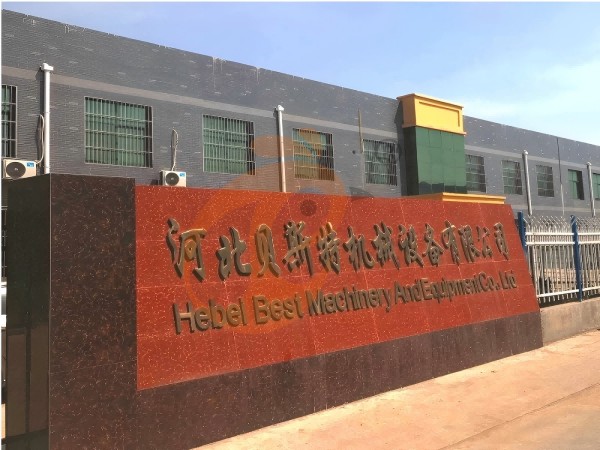
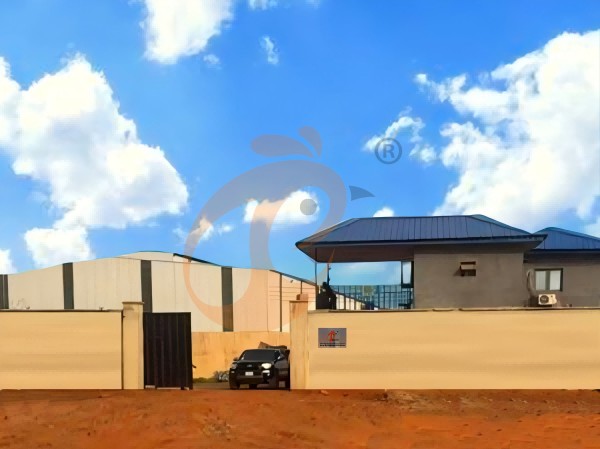
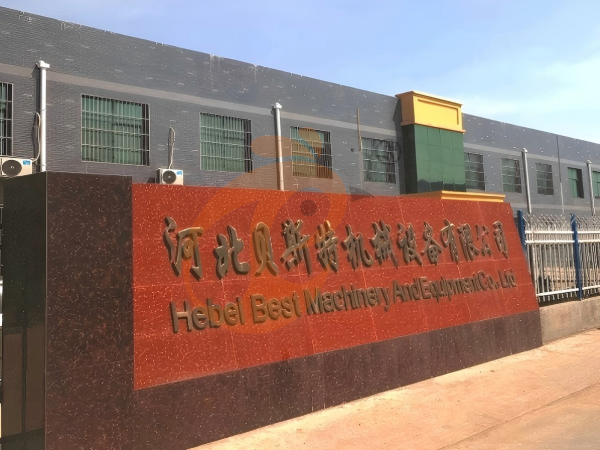
China Hebei Best Machinery And Equipment CO., LTD
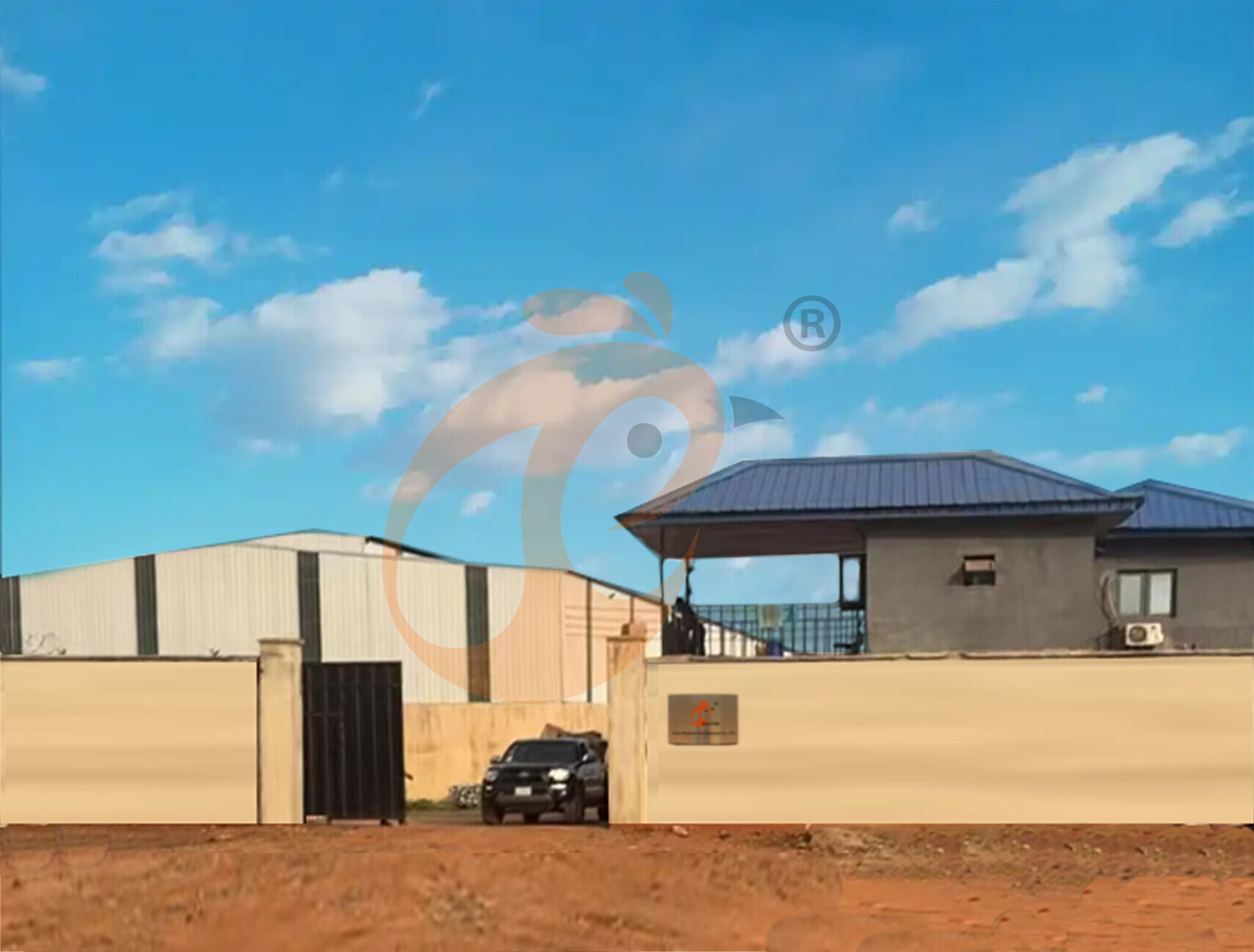
Nigeria Vanke Machinery And Equipment CO., LTD
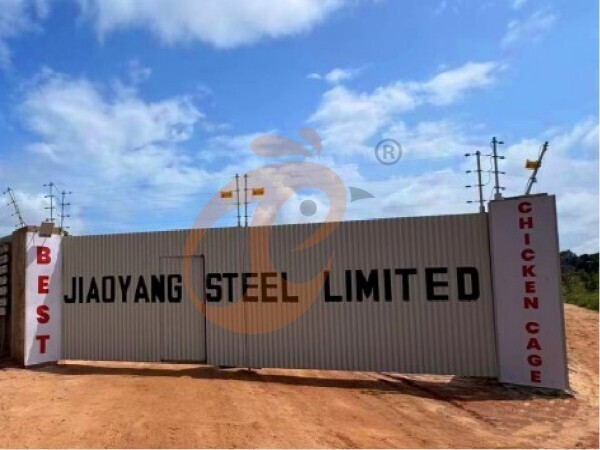
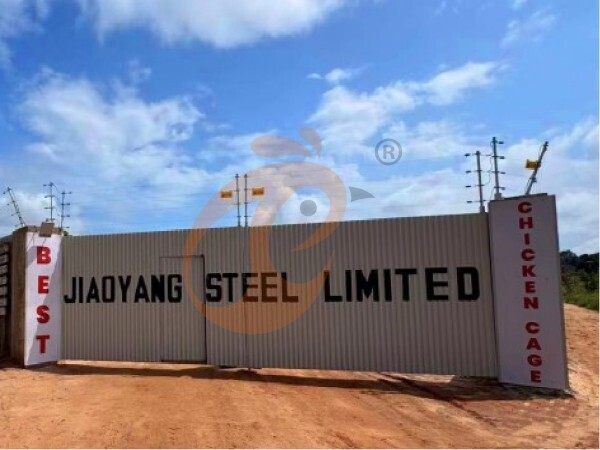
Tanzania Best Machinery And Equipment CO., LTD
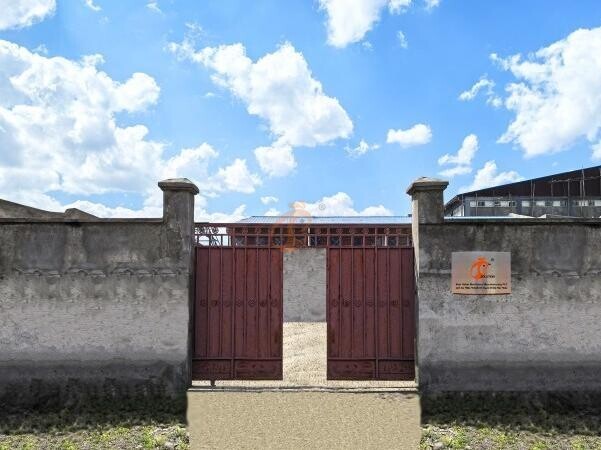
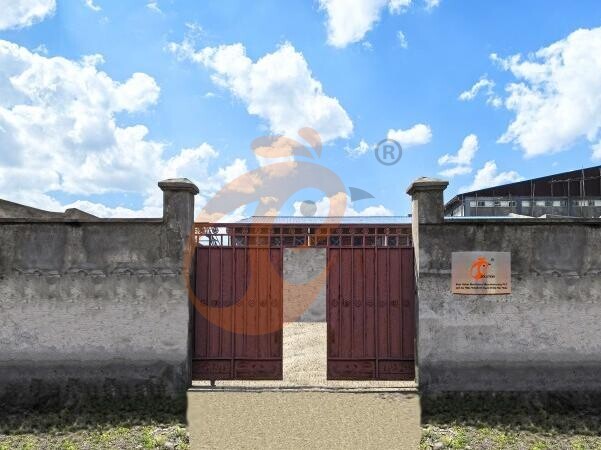
Ethiopia Best Hebei Machinery Manufacturing PLC
Reception /24 WhatsApp NO. : +8618830120193
FAQ
What Are The Main Equipment Components In Feed Mill And Feed Mixer Systems For Poultry Chicken Production?
Hammer mill units operate with rotor speeds of 2800–3600 rpm for efficient grain size reduction.
Twin-shaft mixers achieve batch capacities of 500–2000 kg per cycle for uniform poultry feed blending.
What Dust Control Requirements Are Needed In Feed Mill Operations For Poultry Chicken Farms?
Cyclone separators remove 85%–92% of airborne particles during grinding and conveying processes.
Negative pressure systems maintain airflow velocity between 0.8–1.2 m/s to prevent dust leakage.
What Temperature Parameters Are Used In Feed Mill Processing For Poultry Chicken Feed?
Conditioning temperature reaches 75–85°C to improve pellet durability and pathogen reduction.
Cooling stage reduces pellet temperature to within 5°C of ambient conditions for safe storage.
Message
Products recommended
 HK Headquarter Offers EU-standard Poultry Farm Solutions, Manufacture Poultry Farm Equipment1. Continuous communication with the EU and the US
2. China, Nigeria, Ethiopia, Tanzania branch companies and factories
3. The products’ quality is customized for local poultry farms
4. Poultry cage and poultry farm equipment stock for sale
5. 24 online reception Whatsapp NO. : +8618830120193,contact us to get full informationRead More China Branch Offer Poultry Farm Business Plan, Manufacture Poultry Farm Equipment1. Address: Flat/RM 2416, 24/F, Runxing Building, Youyi Nan Street, Shijiazhuang City, Hebei Province, China
2. Poultry cage and poultry farm equipment factory and stock for sale
3. Customized for local poultry farms
4. Quality and design are based on Euro
5. 24 online reception Whatsapp NO. : +8618830120193Read More Nigeria Branch Offer Poultry Farm Business Plan, Manufacture Poultry Farm Equipment1. Address: After Sinoma Office, 200 Meters Near Danco Filling Station, Lagos/Ibadan Expressway, Lagos State, Nigeria
2. Poultry cage and poultry farm equipment factory and stock for sale
3. Customized for Nigerian poultry farms
4. Quality and design are based on Euro
5. 24 online reception Whatsapp NO. : +8618830120193Read More Ethiopia Branch Offer Poultry Farm Business Plan, Manufacture Poultry Farm Equipment1. Address: Gelan Gura, Akaki-kaliti Sub City, Addis Ababa, Ethiopia
2. Poultry cage and poultry farm equipment stock for sale
3. Customized for Ethiopian poultry farms
4. Quality and design are based on Euro
5. 24 online reception Whatsapp NO. : +8618830120193, contact us to get price listRead More Tanzania Branch Offer Poultry Farm Business Plan, Manufacture Poultry Farm Equipment1. Address: No.8, Sova Road, Msufini, Mlandizi, Kibaha, Pwani, Tanzania
2. Poultry cage and poultry farm equipment factory and stock for sale
3. Customized for Tanzanian poultry farms
4. Quality and design are based on Euro
5. 24 online reception Whatsapp NO. : +8618830120193Read More Fully Automatic H Type Layer Chicken Cage1. 30,000-100,000+ layers/house chooses it, Poultry farmers can achieve an egg production rate of 96-98%
2. A significant improvement over the 85-90% typically seen in manual systems
3. A typical poultry farm can expect a 30-40% reduction in labor costs due to the automation
4. Each feeding line efficiently supplies feed to around 100,000 hens per 30 mins
5. Reception /WhatsApp NO. : +8618830120193Read More Fully Automatic A Type Layer Chicken Cage1. 10,000-50,000 layers/house chooses it
2. Cleaner egg collection reduces breakage by 0.5%
3. Improved hygiene helps reduce mortality rate to <3%
4. 1–2 technicians can handle 15,000–30,000 birds
5. Reception /WhatsApp NO. : +8618830120193Read More Semi Automatic H Type Layer Chicken Cage1. 1,00-20,000 layers/house chooses it
2. Nipple drinkers flow 30–60 ML / min
3. Hot-dip galvanized (typical coating ≥ 275 g/m²)
4. Reduce ammonia by ~ 35–40%
5. Reception /WhatsApp NO. : +8618830120193Read More Semi Automatic A Type Layer Chicken Cage1. 1,00-20,000 layers/house chooses it, no rust for 10 years, no deformation for 15 years
2. Chickens live comfortably, you can raise them with peace of mind
3. Save water, save money—efficiency you can measure
4. Improve environment quality, and increase egg production rate
5. Reception /WhatsApp NO. : +8618830120193Read More
By clicking 'Allow All', you agree to the storage of cookies on your device to enhance site navigation, analyze site usage and assist with our marketing efforts.