






Blog
Hydraulic pellet machines combine controlled compression with integrated safety systems for poultry feed production, supporting dependable operation across demanding farm environments.
Mechanical pellet machines use direct transmission structures valued for familiar maintenance, robust construction, and practical serviceability within commercial poultry operations.
Poultry feed pellet machines connect production capacity with automatic feeding equipment, helping chicken houses maintain consistent feed flow and organized material handling.
Safety depends on guarding, electrical isolation, overload protection, maintenance access, and correct installation rather than drive type alone, creating multiple engineering checkpoints.
Selecting equipment by farm capacity, feed specification, and complete-system compatibility creates a stronger technical foundation for efficient poultry production, while proper engineering reduces intervention points and supports pellet handling across demanding production cycles.
Get professional poultry farm construction guidance, equipment selection solutions, and the latest price lists, whatsApp to +8618830120193, +2348111199996, or click to learn more.
Hydraulic Vs Mechanical: Technical Safety Parameters
Data is for reference only.Swipe horizontally to view full table.
Hydraulic protection can use pressure-controlled clamping and a travel switch to interrupt motor power when excessive resistance occurs.
Mechanical pellet mills can use safety-pin overload protection, which is also an established design approach.
The Chicken House Perspective: Follow The Feed Route
Picture a complete broiler operation: raw materials enter the feed-processing area, pellets move into storage, and the automatic feeding system distributes feed through the chicken house.
The pellet machine is therefore one link in a larger production chain.
A practical project may use 304 stainless-steel contact components and a 6 mm granulation-chamber door, specifications already used in commercial poultry pellet-machine configurations.
The equipment supplier should design the pellet machine around the farm's feeding capacity instead of treating the machine as an isolated product.
Where hydraulic protection adds engineering value
Data is for reference only.Swipe horizontally to view full table.
A hydraulic overload system can be adjusted through oil pressure, allowing the protection force to be configured before delivery.
In documented pellet-mill designs, hydraulic clamping can activate a travel switch that cuts motor power during overload conditions.
For poultry equipment manufacturers, such architecture is useful when customers require controlled die adjustment, hydraulic clamping, or automated protection functions.
Risk Comparison Through Measurable Specifications
Data is for reference only.Swipe horizontally to view full table.
These specifications should be verified in the final equipment quotation because safety architecture varies by manufacturer and model.
Electrical protection is particularly important in poultry facilities where feed dust, cleaning procedures, and continuous equipment operation create demanding working conditions.
A properly engineered control system can monitor motor current and stop feeding before a blockage develops into major mechanical damage.
Pellet Quality Is Part Of Operational Safety
Data is for reference only.Swipe horizontally to view full table.
Pellet quality directly affects handling, storage, and automatic feeding.
Research on broiler diets has also examined feeding rates of 1, 1.5, and 2 Mg/h, showing that machine feeding rate influences pellet-mill productivity.
For chicken house equipment suppliers, matching pellet specifications to bird type makes the feed system more useful than simply maximizing machine output.
Maintenance: The Real Safety Test
Maintenance should be designed into the machine before equipment reaches the farm.
Hydraulic equipment requires inspection of hoses, seals, fittings, and pressure components; mechanical equipment requires attention to bearings, gears, shafts, belts, and couplings.
For example, a poultry feed system may specify iso vg 220 gearbox oil and an 8-hour roller-bearing lubrication interval.
Operators should never clear blockages or clean internal components while the machine is energized.
Power isolation and lockout procedures are essential before maintenance begins.
What Poultry Equipment Buyers Should Measure
Data is for reference only.Swipe horizontally to view full table.
These commercial model capacities demonstrate why poultry farms should calculate feed demand before selecting a machine.
For a chicken-house project, the correct pellet mill should be matched with feed bins, conveyors, automatic feeders, and the expected daily feed requirement.
A complete equipment supplier can coordinate these specifications as one system.
Hydraulic Or Mechanical? Compare The Application
Data is for reference only.Swipe horizontally to view full table.
Commercial poultry pellet machines are available with different die diameters, conditioning systems, and pellet-hole configurations.
The selection should therefore reflect the farm's formulation, production target, maintenance capability, and automation plan.
The Safer Choice Is The Better-Engineered Choice
Data is for reference only.Swipe horizontally to view full table.
The answer to "hydraulic vs mechanical pellet machines which is safer?" is not determined by the drive label.
Safety comes from the complete engineering package: overload protection, electrical controls, physical guarding, service design, and correct installation.
For poultry farms, the strongest investment is equipment that connects pellet production with automatic feeding and the wider chicken-house system.
With professional design, correctly selected specifications, and manufacturer-supported installation, a pellet machine can become more than a feed-processing unit it can be a reliable component of a safer and more efficient poultry production line.
Frequently Asked Questions
Q1: Can a hydraulic pellet machine be safer than a mechanical pellet machine?
A1: Yes, when pressure protection, guarding, electrical controls, and maintenance procedures are properly engineered.
A hydraulic configuration can provide pressure-based overload response, while mechanical equipment can use dedicated mechanical protection.
Q2: What should poultry farms check before purchasing a pellet machine?
A2: Check production demand, feed formulation, pellet diameter, drive configuration, safety controls, spare parts, installation requirements, and automatic feeding compatibility.
A properly sized system should also account for operating margins rather than using nominal output alone.
Q3: Should pellet machines be integrated with chicken house equipment?
Yes.Integrating feed production with storage, conveying, and automatic feeding can reduce unnecessary material handling and create a more coordinated production process.
Taiyu (HK) Group - One Of China Toppest Hydraulic Pellet Machine Manufacturer
Hydraulic pellet machines provide controlled compression, overload management, and engineered pellet production for integrated poultry feed systems.
Global factory-direct supply covers poultry equipment packages, technical configuration, manufacturing coordination, and international project support.
Turn-key engineering connects feed pellet production with chicken-house feeding, conveying, storage, ventilation, and environmental-control systems.
Project specifications are developed around farm capacity, bird population, feed formulation, installation conditions, and equipment interface requirements.
Factory engineering support covers equipment selection, production, commissioning guidance, spare-parts planning, and long-term technical coordination.
Contact Us To Received Your Customized Poultry Farm Plan
Headquarters And Branchs
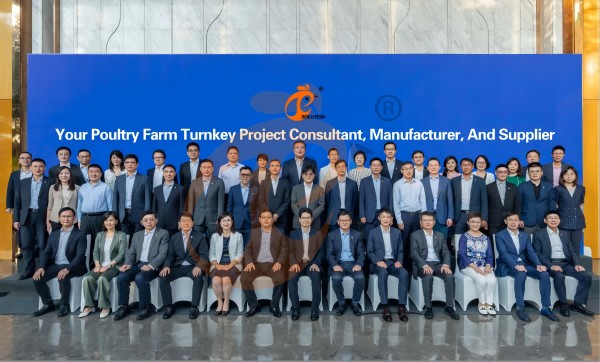
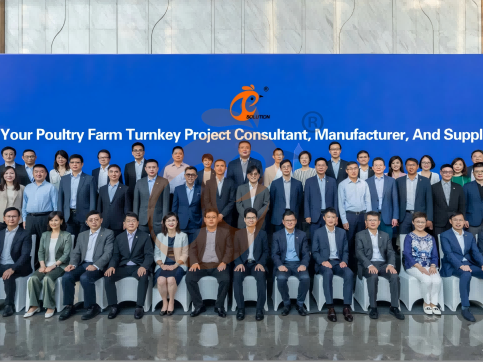
Hong Kong Headquarter Management Team
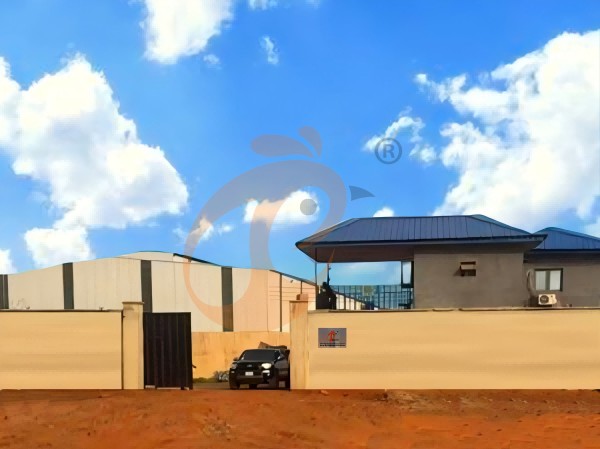
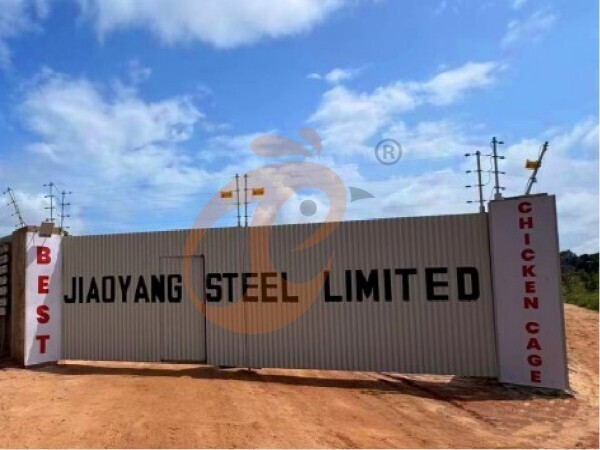
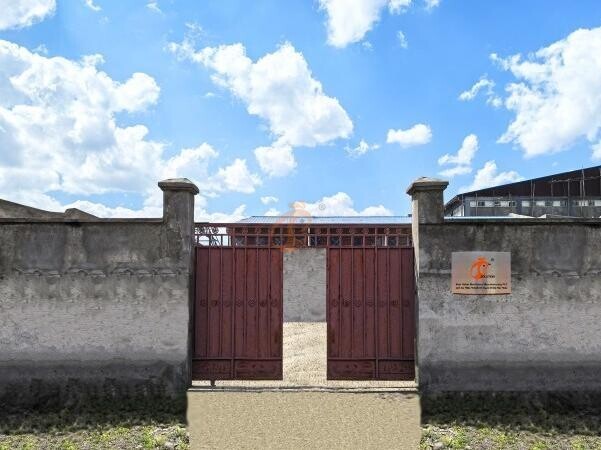
Hong Kong Headquarter Taiyu Industrial Group CO., LTD
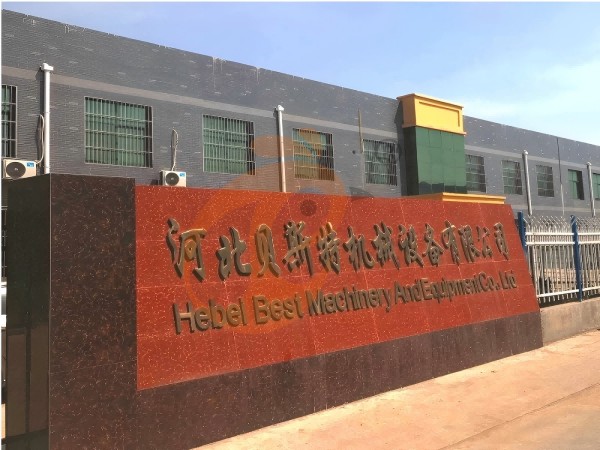
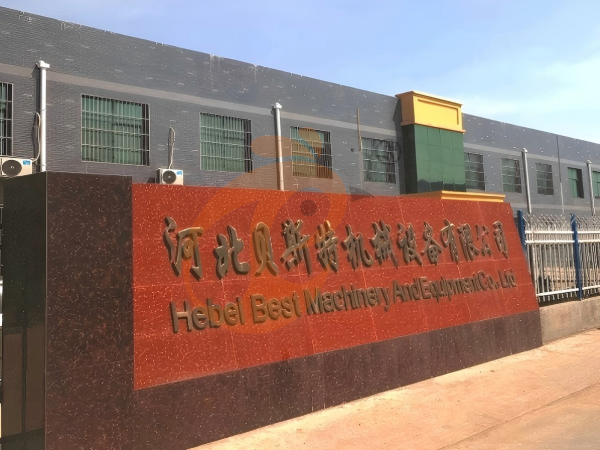
China Hebei Best Machinery And Equipment CO., LTD
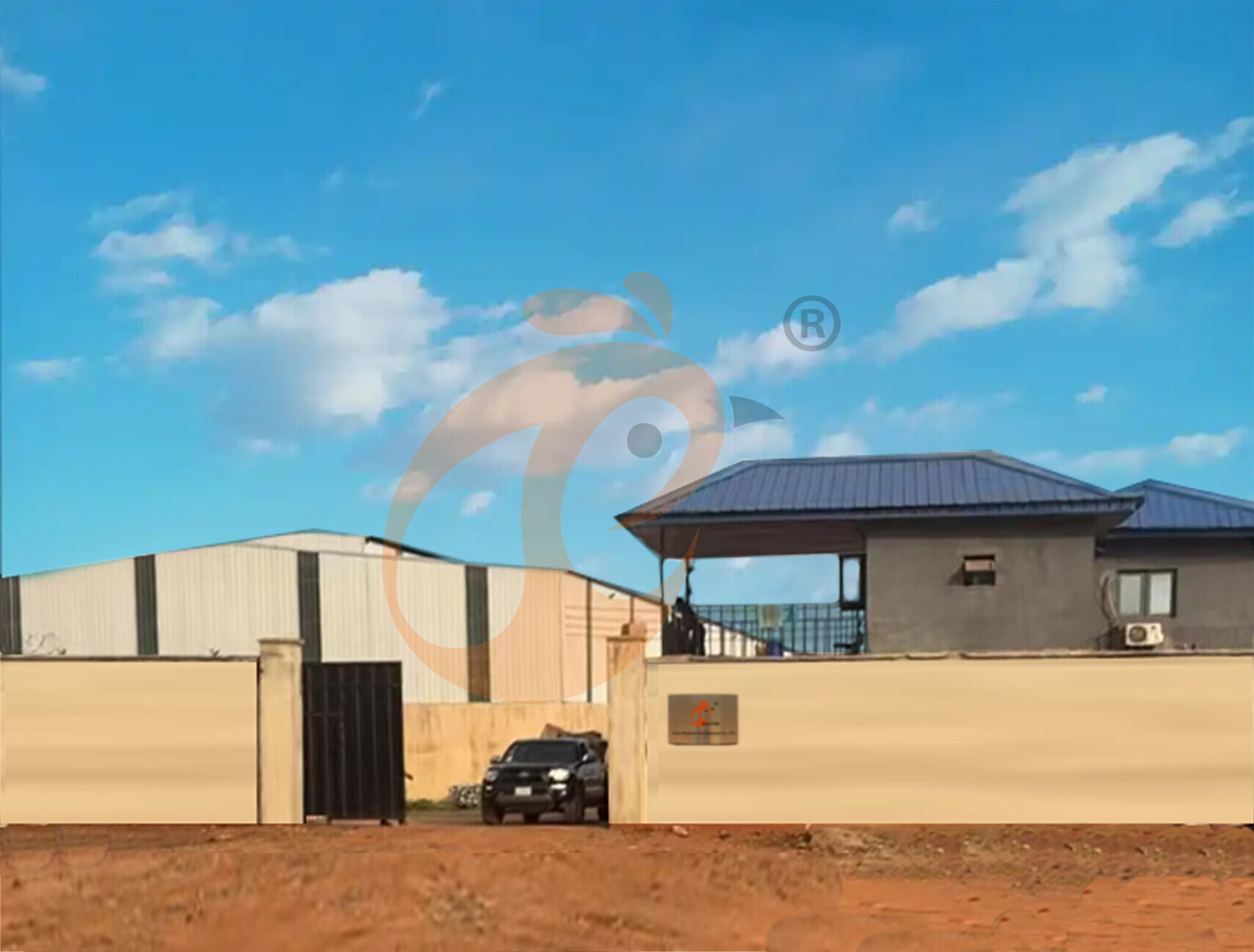
Nigeria Vanke Machinery And Equipment CO., LTD
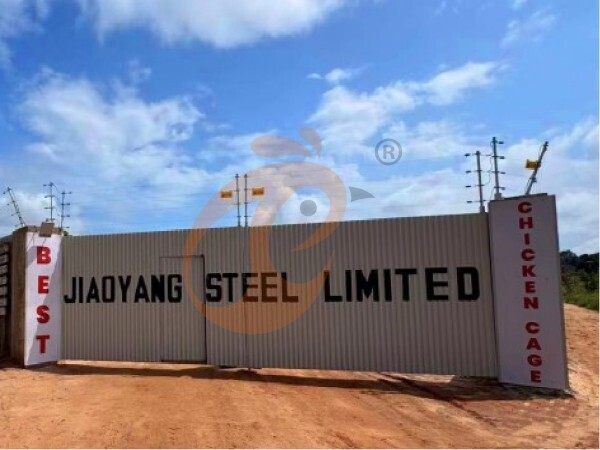
Tanzania Best Machinery And Equipment CO., LTD
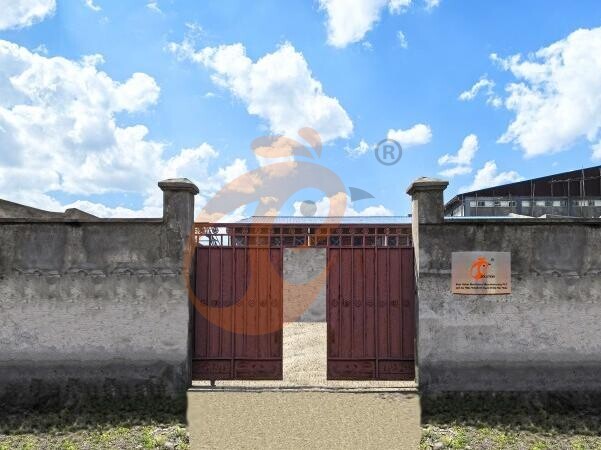
Ethiopia Best Hebei Machinery Manufacturing PLC
Reception /24 WhatsApp NO. : +8618830120193
FAQ
What Feeding System Standards Are Required For Pellet Machine In Poultry Chicken Feed Production Lines?
Feeder capacity is designed at 1.2–2.5 tons per hour depending on raw material density.
Flow consistency deviation is maintained within ±2% for uniform pellet quality output.
What Maintenance And Wear Part Replacement Standards Apply To Pellet Machine?
Bearing replacement intervals typically occur every 12–18 months under continuous operation.
Gearbox oil change frequency is maintained at 1000–1500 operating hours for system reliability.
What Safety Protection Systems Are Integrated In Pellet Machine For Poultry Chicken Feed Production?
Emergency stop response time is maintained within 0.5–1.0 seconds for operational safety.
Vibration monitoring limits are set at 4.5–6.0 mm/s to prevent mechanical failure.
Message
Products recommended
 HK Headquarter Offers EU-standard Poultry Farm Solutions, Manufacture Poultry Farm Equipment1. Continuous communication with the EU and the US
2. China, Nigeria, Ethiopia, Tanzania branch companies and factories
3. The products’ quality is customized for local poultry farms
4. Poultry cage and poultry farm equipment stock for sale
5. 24 online reception Whatsapp NO. : +8618830120193,contact us to get full informationRead More China Branch Offer Poultry Farm Business Plan, Manufacture Poultry Farm Equipment1. Address: Flat/RM 2416, 24/F, Runxing Building, Youyi Nan Street, Shijiazhuang City, Hebei Province, China
2. Poultry cage and poultry farm equipment factory and stock for sale
3. Customized for local poultry farms
4. Quality and design are based on Euro
5. 24 online reception Whatsapp NO. : +8618830120193Read More Nigeria Branch Offer Poultry Farm Business Plan, Manufacture Poultry Farm Equipment1. Address: After Sinoma Office, 200 Meters Near Danco Filling Station, Lagos/Ibadan Expressway, Lagos State, Nigeria
2. Poultry cage and poultry farm equipment factory and stock for sale
3. Customized for Nigerian poultry farms
4. Quality and design are based on Euro
5. 24 online reception Whatsapp NO. : +8618830120193Read More Ethiopia Branch Offer Poultry Farm Business Plan, Manufacture Poultry Farm Equipment1. Address: Gelan Gura, Akaki-kaliti Sub City, Addis Ababa, Ethiopia
2. Poultry cage and poultry farm equipment stock for sale
3. Customized for Ethiopian poultry farms
4. Quality and design are based on Euro
5. 24 online reception Whatsapp NO. : +8618830120193, contact us to get price listRead More Tanzania Branch Offer Poultry Farm Business Plan, Manufacture Poultry Farm Equipment1. Address: No.8, Sova Road, Msufini, Mlandizi, Kibaha, Pwani, Tanzania
2. Poultry cage and poultry farm equipment factory and stock for sale
3. Customized for Tanzanian poultry farms
4. Quality and design are based on Euro
5. 24 online reception Whatsapp NO. : +8618830120193Read More Fully Automatic H Type Layer Chicken Cage1. 30,000-100,000+ layers/house chooses it, Poultry farmers can achieve an egg production rate of 96-98%
2. A significant improvement over the 85-90% typically seen in manual systems
3. A typical poultry farm can expect a 30-40% reduction in labor costs due to the automation
4. Each feeding line efficiently supplies feed to around 100,000 hens per 30 mins
5. Reception /WhatsApp NO. : +8618830120193Read More Fully Automatic A Type Layer Chicken Cage1. 10,000-50,000 layers/house chooses it
2. Cleaner egg collection reduces breakage by 0.5%
3. Improved hygiene helps reduce mortality rate to <3%
4. 1–2 technicians can handle 15,000–30,000 birds
5. Reception /WhatsApp NO. : +8618830120193Read More Semi Automatic H Type Layer Chicken Cage1. 1,00-20,000 layers/house chooses it
2. Nipple drinkers flow 30–60 ML / min
3. Hot-dip galvanized (typical coating ≥ 275 g/m²)
4. Reduce ammonia by ~ 35–40%
5. Reception /WhatsApp NO. : +8618830120193Read More Semi Automatic A Type Layer Chicken Cage1. 1,00-20,000 layers/house chooses it, no rust for 10 years, no deformation for 15 years
2. Chickens live comfortably, you can raise them with peace of mind
3. Save water, save money—efficiency you can measure
4. Improve environment quality, and increase egg production rate
5. Reception /WhatsApp NO. : +8618830120193Read More
By clicking 'Allow All', you agree to the storage of cookies on your device to enhance site navigation, analyze site usage and assist with our marketing efforts.