






Blog
Pellet machine efficiency improvement reduces operating expenses and increases production stability across biomass processing facilities worldwide.
Wood pellet machine optimization supports lower electricity demand while maintaining consistent pellet density and mechanical durability.
Biomass pellet machine configuration influences throughput, material flow characteristics, maintenance intervals, and production economics.
Energy monitoring systems provide measurable operational insights for engineering teams seeking continuous performance improvements.
Technical maintenance strategies, equipment selection methods, and process optimization approaches contribute to long-term manufacturing sustainability.
Get professional poultry farm construction guidance, equipment selection solutions, and the latest price lists, whatsApp to +8618830120193, +2348111199996, or click to learn more.
Understanding Energy Consumption In Pellet Production
Energy consumption varies among different processing sections.
Accurate measurement helps operators identify priority areas for improvement.
Data is for reference only.Swipe horizontally to view full table.
Pellet press systems generally consume the largest portion of total electricity because material densification requires substantial mechanical force.
Targeting major energy consumers usually produces the fastest return on investment.
Control Raw Material Moisture Content
Raw material preparation strongly affects machine efficiency.
Excessive moisture increases compression resistance and unnecessary power demand.
Insufficient moisture can negatively affect pellet durability and production stability.
Scientific studies indicate that properly conditioned biomass materials require less compression force during pellet formation.
Moisture acts as a temporary lubricant inside pellet channels and helps improve material flow behavior.
Data is for reference only.Swipe horizontally to view full table.
Moisture analyzers provide more reliable measurements than manual observation methods.
Consistent moisture values help maintain stable motor loading conditions.
Select The Correct Die Compression Ratio
Die compression ratio determines resistance encountered during pellet formation.
Improper die selection may increase electrical load and reduce productivity.
Compression ratio should match fiber structure, density characteristics, and moisture conditions of the processed material.
Correct engineering selection often improves throughput while lowering electricity consumption.
Different raw materials require different compression conditions because lignin content, fiber length, and bulk density vary significantly.
Selecting a die based on laboratory testing generally produces more predictable operating performance.
Data is for reference only.Swipe horizontally to view full table.
Maintain Die Performance Regularly
Die wear gradually increases friction within pellet channels.
Blocked channels force the drive system to consume additional electricity.
Routine inspection schedules help prevent productivity losses.
Data is for reference only.Swipe horizontally to view full table.
Preventive maintenance generally costs less than unplanned production interruptions.
Scheduled cleaning procedures can extend die service life and improve production consistency.
Optimize Feed Rate Consistency
Material feeding directly influences operational stability.
Irregular feed rates create load fluctuations that increase electrical consumption.
Variable frequency control systems help maintain uniform material distribution.
Stable feeding conditions reduce current spikes and improve pellet quality consistency.
Modern automated feeding equipment continuously adjusts feed volume according to motor load feedback.
This approach minimizes operational disturbances and improves energy utilization.
Data is for reference only.Swipe horizontally to view full table.
Upgrade Motor Efficiency
Motor technology plays an important role in energy management.
Modern motors convert a greater percentage of electrical input into useful mechanical output.
Data is for reference only.Swipe horizontally to view full table.
Motor replacement projects may require initial capital investment ranging from $4,800 to $11,600 depending on specification requirements.
Higher efficiency often reduces long term operating expenditure.
A significant portion of motor losses originates from heat generation, magnetic losses, and mechanical resistance.
Reducing these losses contributes directly to lower electricity consumption.
Reduce Bearing And Transmission Losses
Mechanical friction represents a hidden source of energy waste.
Proper lubrication and alignment procedures minimize unnecessary power losses.
Data is for reference only.Swipe horizontally to view full table.
Routine inspections support stable machine performance and longer component life.
Excessive temperatures often indicate lubrication deficiencies or mechanical misalignment.
Early correction prevents costly failures and unnecessary power consumption.
Implement Real-Time Energy Monitoring
Real time monitoring systems provide operational transparency.
Engineering teams can identify abnormal consumption trends before substantial losses occur.
Important parameters include voltage, current, power factor, motor loading percentage, and electricity consumption per ton.
Data collection platforms generate valuable information for performance benchmarking and maintenance planning.
Continuous monitoring supports predictive maintenance strategies and operational optimization.
Data is for reference only.Swipe horizontally to view full table.
Production Data Analysis For Continuous Improvement
Operational data supports informed decision making.
Continuous analysis allows measurable performance improvements.
Data is for reference only.Swipe horizontally to view full table.
Data driven management enables more predictable production outcomes.
Historical records allow engineering teams to identify operational trends and implement corrective actions efficiently.
Environmental And Economic Benefits
Reducing electricity demand supports both financial and environmental objectives.
Data is for reference only.Swipe horizontally to view full table.
Lower utility consumption contributes to improved manufacturing competitiveness and sustainability performance.
Reduced energy demand also decreases pressure on regional power infrastructure and natural resource consumption.
Frequently Asked Questions
Q1: How much electricity can be saved through process optimization?
A1: Many facilities achieve reductions between 11 and 18 kwh/t after improving moisture control, feeding stability, and die maintenance procedures.
Q2: What moisture range supports efficient pellet production?
A2: Most biomass materials operate efficiently between 11.5% and 15.1%, depending on fiber composition and pellet specifications.
Q3: How often should pellet dies be inspected?
A3: Engineering practice commonly recommends inspection every 250 to 400 operating hours to prevent channel blockage and productivity decline.
Taiyu (HK) Group - One Of China Largest Pellet Machine Manufacturer
Pellet machine systems are applied in biomass fuel plants, agricultural residue processing projects, and industrial densification facilities requiring stable production performance.
Factory direct manufacturing structure supports standardized quality control procedures, documented production processes, and specification based equipment configuration for international projects.
Poultry equipment product lines include feeding systems, manure handling solutions, environmental control equipment, and automated farm management technologies.
Turn key engineering capabilities cover process design, equipment integration, installation guidance, commissioning support, and operator training services.
International project execution emphasizes technical documentation, spare parts planning, production efficiency evaluation, and long-term operational reliability.
Contact Us To Received Your Customized Poultry Farm Plan
Headquarters And Branchs

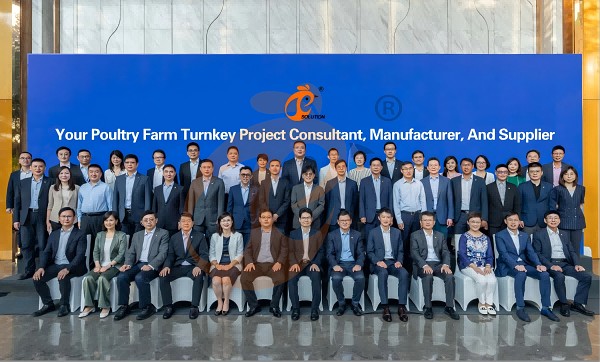
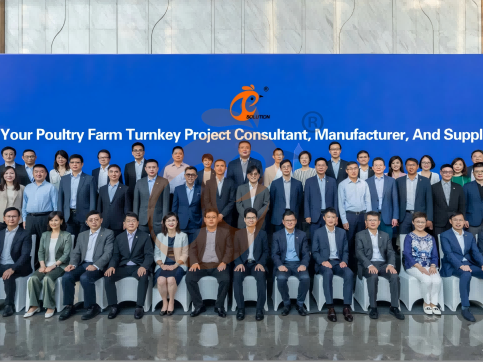
Hong Kong Headquarter Management Team
Hong Kong Headquarter Taiyu Industrial Group CO., LTD
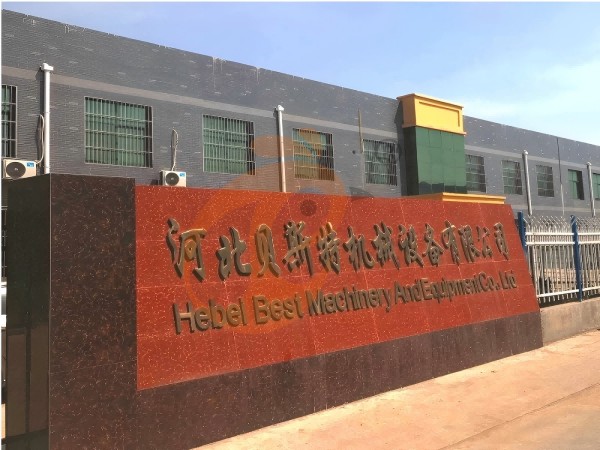
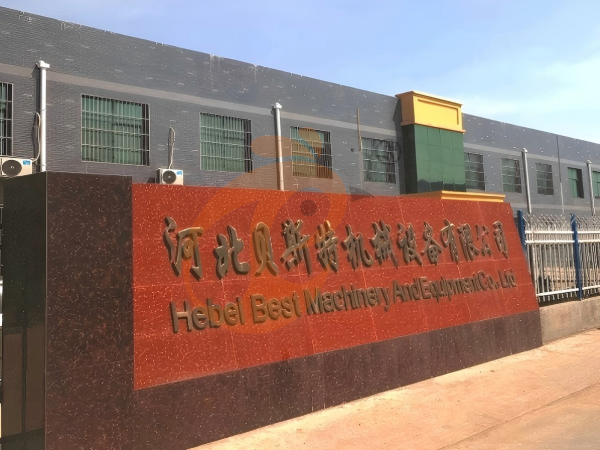
China Hebei Best Machinery And Equipment CO., LTD
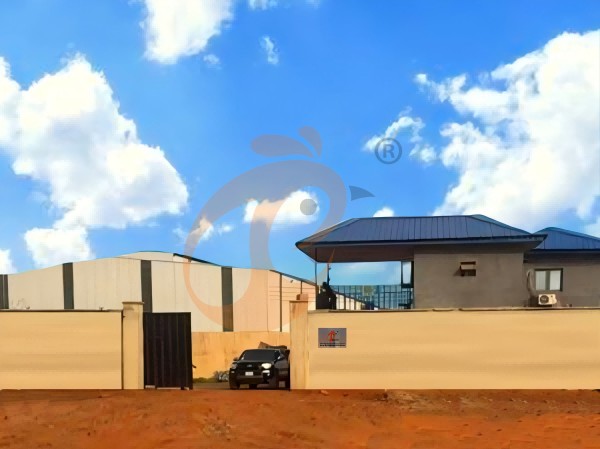
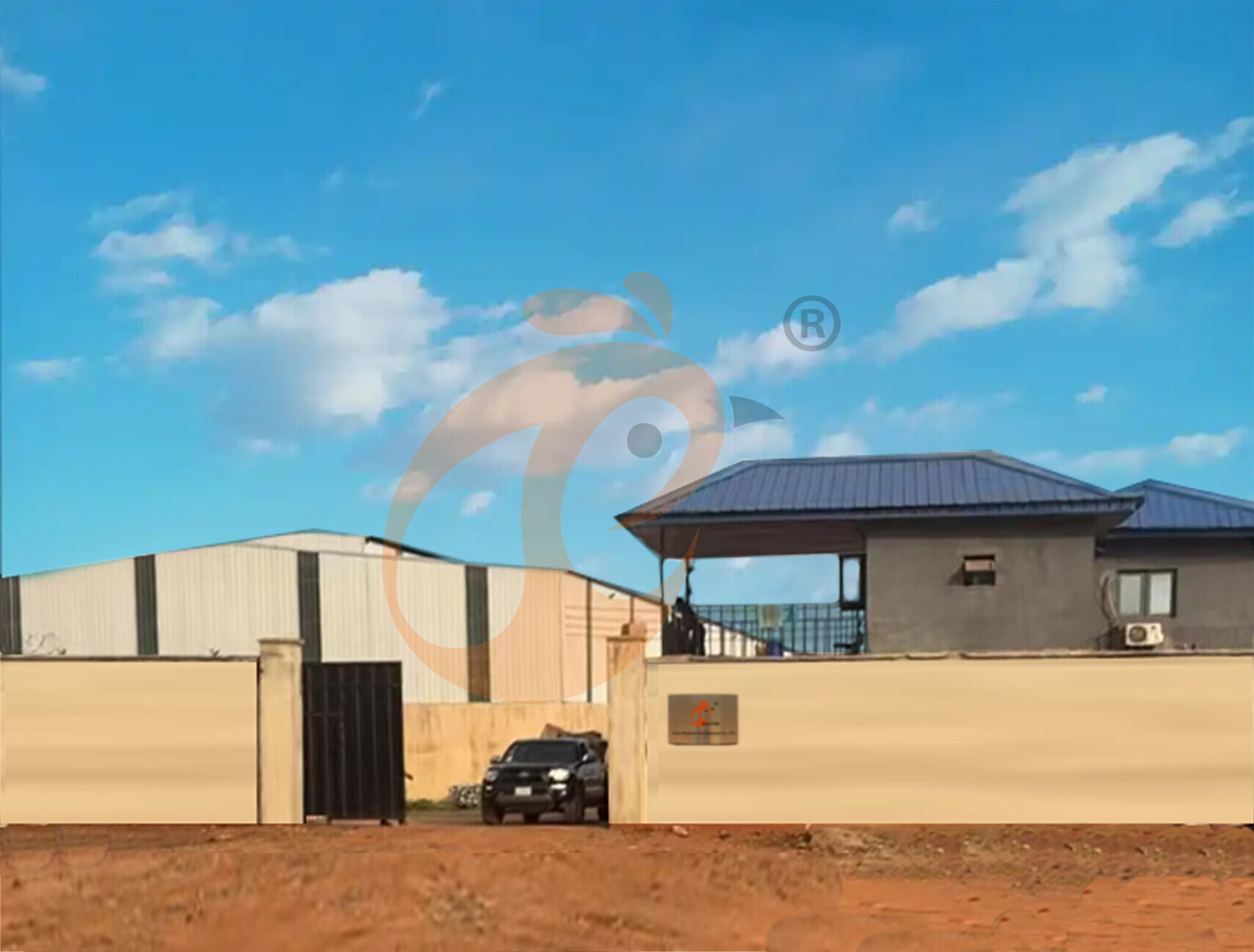
Nigeria Vanke Machinery And Equipment CO., LTD
Tanzania Best Machinery And Equipment CO., LTD
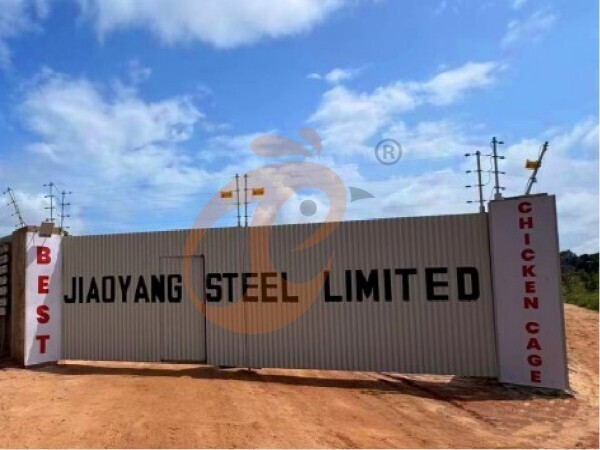
Ethiopia Best Hebei Machinery Manufacturing PLC

Reception /24 WhatsApp NO. : +8618830120193
FAQ
What Feeding System Standards Are Required For Pellet Machine In Poultry Chicken Feed Production Lines?
Feeder capacity is designed at 1.2–2.5 tons per hour depending on raw material density.
Flow consistency deviation is maintained within ±2% for uniform pellet quality output.
What Maintenance And Wear Part Replacement Standards Apply To Pellet Machine?
Bearing replacement intervals typically occur every 12–18 months under continuous operation.
Gearbox oil change frequency is maintained at 1000–1500 operating hours for system reliability.
What Safety Protection Systems Are Integrated In Pellet Machine For Poultry Chicken Feed Production?
Emergency stop response time is maintained within 0.5–1.0 seconds for operational safety.
Vibration monitoring limits are set at 4.5–6.0 mm/s to prevent mechanical failure.
Message
Products recommended
 HK Headquarter Offers EU-standard Poultry Farm Solutions, Manufacture Poultry Farm Equipment1. Continuous communication with the EU and the US
2. China, Nigeria, Ethiopia, Tanzania branch companies and factories
3. The products’ quality is customized for local poultry farms
4. Poultry cage and poultry farm equipment stock for sale
5. 24 online reception Whatsapp NO. : +8618830120193,contact us to get full informationRead More China Branch Offer Poultry Farm Business Plan, Manufacture Poultry Farm Equipment1. Address: Flat/RM 2416, 24/F, Runxing Building, Youyi Nan Street, Shijiazhuang City, Hebei Province, China
2. Poultry cage and poultry farm equipment factory and stock for sale
3. Customized for local poultry farms
4. Quality and design are based on Euro
5. 24 online reception Whatsapp NO. : +8618830120193Read More Nigeria Branch Offer Poultry Farm Business Plan, Manufacture Poultry Farm Equipment1. Address: After Sinoma Office, 200 Meters Near Danco Filling Station, Lagos/Ibadan Expressway, Lagos State, Nigeria
2. Poultry cage and poultry farm equipment factory and stock for sale
3. Customized for Nigerian poultry farms
4. Quality and design are based on Euro
5. 24 online reception Whatsapp NO. : +8618830120193Read More Ethiopia Branch Offer Poultry Farm Business Plan, Manufacture Poultry Farm Equipment1. Address: Gelan Gura, Akaki-kaliti Sub City, Addis Ababa, Ethiopia
2. Poultry cage and poultry farm equipment stock for sale
3. Customized for Ethiopian poultry farms
4. Quality and design are based on Euro
5. 24 online reception Whatsapp NO. : +8618830120193, contact us to get price listRead More Tanzania Branch Offer Poultry Farm Business Plan, Manufacture Poultry Farm Equipment1. Address: No.8, Sova Road, Msufini, Mlandizi, Kibaha, Pwani, Tanzania
2. Poultry cage and poultry farm equipment factory and stock for sale
3. Customized for Tanzanian poultry farms
4. Quality and design are based on Euro
5. 24 online reception Whatsapp NO. : +8618830120193Read More Fully Automatic H Type Layer Chicken Cage1. 30,000-100,000+ layers/house chooses it, Poultry farmers can achieve an egg production rate of 96-98%
2. A significant improvement over the 85-90% typically seen in manual systems
3. A typical poultry farm can expect a 30-40% reduction in labor costs due to the automation
4. Each feeding line efficiently supplies feed to around 100,000 hens per 30 mins
5. Reception /WhatsApp NO. : +8618830120193Read More Fully Automatic A Type Layer Chicken Cage1. 10,000-50,000 layers/house chooses it
2. Cleaner egg collection reduces breakage by 0.5%
3. Improved hygiene helps reduce mortality rate to <3%
4. 1–2 technicians can handle 15,000–30,000 birds
5. Reception /WhatsApp NO. : +8618830120193Read More Semi Automatic H Type Layer Chicken Cage1. 1,00-20,000 layers/house chooses it
2. Nipple drinkers flow 30–60 ML / min
3. Hot-dip galvanized (typical coating ≥ 275 g/m²)
4. Reduce ammonia by ~ 35–40%
5. Reception /WhatsApp NO. : +8618830120193Read More Semi Automatic A Type Layer Chicken Cage1. 1,00-20,000 layers/house chooses it, no rust for 10 years, no deformation for 15 years
2. Chickens live comfortably, you can raise them with peace of mind
3. Save water, save money—efficiency you can measure
4. Improve environment quality, and increase egg production rate
5. Reception /WhatsApp NO. : +8618830120193Read More
By clicking 'Allow All', you agree to the storage of cookies on your device to enhance site navigation, analyze site usage and assist with our marketing efforts.