






Blog
Feed mill equipment solutions for poultry farms integrate automated production systems with processing accuracy reaching 98.5% and engineered layouts supporting modern agricultural operations.
Advanced poultry feed production lines combine grinding, mixing, pelletizing, cooling, and packaging technologies with optimized structures for commercial chicken farming projects.
Professional equipment selection improves farm efficiency through customized factory planning, intelligent control solutions, and durable machinery configurations designed for continuous operation.
Global sourcing strategies help investors evaluate manufacturers, logistics procedures, installation methods, and technical service systems for successful feed production projects.
Modern feed manufacturing projects connect equipment performance with poultry nutrition goals, production safety, and sustainable farming development through advanced engineering concepts.
Get professional poultry farm construction guidance, equipment selection solutions, and the latest price lists, whatsApp to +8618830120193, +2348111199996, or click to learn more.
Market Research Before Importing A Feed Mill
Importing a feed mill is a major investment that requires careful preparation.
Many businesses fail because they purchase machinery before understanding the market.
A successful importer first studies demand, customer expectations, and regional agricultural development.
The right market research helps determine the appropriate factory size, production capacity, and technology level.
Selecting The Right Feed Mill Supplier
Selecting an experienced supplier determines the reliability of a complete poultry feed mill project.
Manufacturers with more than 15 years of engineering experience and over 30 exported production lines can provide stronger technical solutions for international buyers.
A qualified supplier should offer equipment drawings, installation guidance, spare parts planning, and operation training before project delivery.
Communication is also essential.
Before signing contracts, importers should discuss production targets, energy consumption, spare parts availability, and maintenance requirements.
Suppliers providing customized engineering support within 24 hours and professional project documents create better cooperation opportunities for overseas customers.
Comparing Feed Mill Equipment Options
Data is for reference only.Swipe horizontally to view full table.
Different feed mills require different equipment combinations.
A small farm-based operation may need simple machinery, while a commercial factory requires automated production lines.
Importers should compare equipment specifications instead of focusing only on purchase prices.
Energy efficiency, durability, and ease of maintenance directly affect long-term profitability.
Selecting equipment with appropriate capacity prevents unnecessary costs and improves production stability.
Understanding Import Costs And Budget Planning
A complete investment plan requires evaluation beyond the initial machinery quotation.
Feed mill projects normally include transportation preparation, factory construction coordination, electrical installation, and operator training expenses.
A professional budget model should include approximately 8-12% additional preparation costs for commissioning activities.
European union standard reference only.
The purchase price of a feed mill is only one part of the total investment.
Importers must calculate transportation, customs duties, installation expenses, worker training, and future maintenance costs.
A detailed budget prevents unexpected financial pressure.
Companies should also consider currency changes and possible delays during shipping.
Working with experienced logistics partners can reduce risks and improve cost control.
Key Factors In Transportation And Logistics
Data is for reference only.Swipe horizontally to view full table.
Large feed mill equipment requires professional transportation planning.
Improper handling can cause damage, additional expenses, and installation delays.
Importers should confirm packaging standards and shipping conditions before the equipment leaves the supplier’s factory.
Good logistics management ensures that machinery arrives safely and allows construction and installation work to continue according to schedule.
Installation And Technical Support
After equipment arrival, installation becomes the next critical stage.
A feed mill is a complex production system involving mechanical, electrical, and automation components.
Professional installation teams can ensure correct assembly and reduce startup problems.
For poultry feed projects, engineers usually complete calibration procedures using control systems with 380V-415v electrical configurations and 7-14 day testing programs.
Long-term technical support from suppliers is valuable because production problems may appear months after operation.
A strong supplier relationship helps maintain stable performance.
Production Capacity Planning
Data is for reference only.Swipe horizontally to view full table.
Choosing the correct production capacity is essential for business success.
Oversized factories may create unnecessary financial pressure, while insufficient capacity may limit growth.
Importers should estimate current demand and future expansion plans.
A flexible design allows additional equipment to be added when market conditions improve.
Quality Control Management
Data is for reference only.Swipe horizontally to view full table.
Quality control determines the reputation of a feed production business.
Poor-quality feed can affect animal health and reduce customer trust.
A professional quality system should include raw material inspection, production monitoring, and finished product testing.
These procedures create consistent results and support long-term business development.
Managing Workers And Daily Operations
A modern feed mill depends on skilled employees who understand production procedures, equipment operation, and safety management requirements.
Efficient poultry equipment operation requires trained workers who can monitor processing conditions through automated systems with 6-10 digital inspection interfaces.
Production teams should follow standardized workflows covering material feeding, processing adjustment, and finished feed inspection.
Technical staff should record equipment conditions through daily reports with approximately 12-20 operational checkpoints.
Management should optimize workforce allocation based on production schedules and maintenance requirements.
Management should establish clear responsibilities and operating procedures.
Regular training improves efficiency and reduces workplace accidents.
Daily monitoring of production data, equipment performance, and inventory levels helps managers identify problems early.
Efficient operations transform imported machinery into profitable production.
Common Risks And Solutions
Data is for reference only.Swipe horizontally to view full table.
Every feed mill investment includes risks.
Successful businesses do not eliminate all risks but prepare effective solutions.
Importers should create risk management plans before starting operations.
Proper preparation protects investment value and improves the chance of achieving business goals.
Six Practical Success Tips Summary
Data is for reference only.Swipe horizontally to view full table.
Importing a feed mill can become a profitable business opportunity when managed strategically.
The key is combining market knowledge, equipment selection, financial planning, professional installation, and operational management.
By following these six practical tips, investors can reduce risks and build efficient feed production systems.
A well-planned importing process creates a strong foundation for sustainable growth in the agricultural industry.
Frequently Asked Questions
Q1: What equipment is required for a complete poultry feed mill project?
A1: A complete poultry feed mill project usually includes grinding systems, mixing units, pellet production machines, cooling equipment, screening devices, and automatic packing solutions.
A complete production line can be designed with 5-20 processing sections according to customer requirements and farm scale.
Q2: How should buyers select a suitable feed mill manufacturer?
A2: Buyers should evaluate manufacturing experience, engineering capability, installation support, and international service performance before cooperation.
A professional supplier should provide technical drawings, equipment specifications, and project planning documents with detailed production information.
Q3: What factors influence the investment return of feed mill equipment?
A3: Investment return depends on production efficiency, raw material management, energy consumption, and market demand stability.
Well-designed poultry feed equipment systems can improve operational consistency with production utilization rates around 80-90% under proper management conditions.
Taiyu (HK) Group - One Of China Largest Feed Mill Supplier
Feed mill equipment provides integrated poultry feed production solutions combining crushing, mixing, pelletizing, cooling, and automation technologies for commercial farms, with engineered systems designed for stable industrial operation.
Global factory direct sales deliver customized poultry equipment solutions through professional manufacturing facilities, international quality procedures, and project-based technical communication.
Turn-key engineering services cover layout design, equipment installation, electrical integration, commissioning support, and operator training for complete production projects.
Poultry equipment manufacturing capabilities support overseas farms with customized machinery selection, technical documentation, and long-term spare parts assistance.
International project execution includes engineering consultation, production management, shipping coordination, and after-sales service networks across multiple agricultural markets.
Contact Us To Received Your Customized Poultry Farm Plan
Headquarters And Branchs

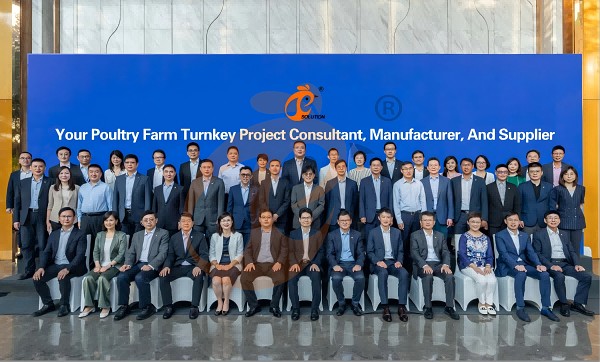
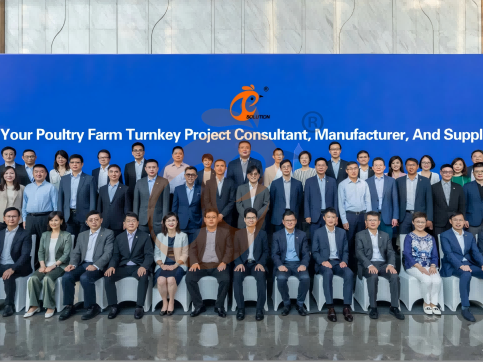
Hong Kong Headquarter Management Team
Hong Kong Headquarter Taiyu Industrial Group CO., LTD
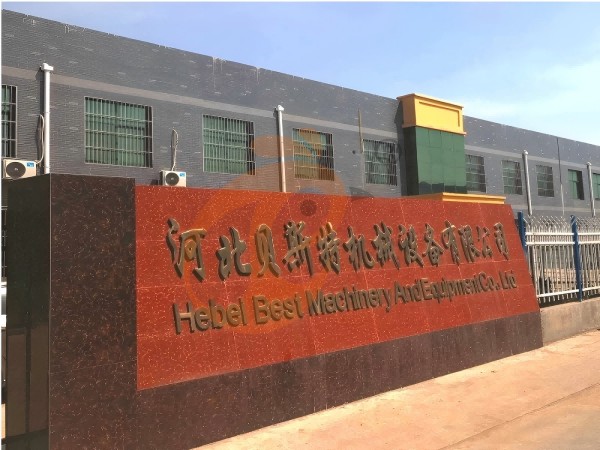
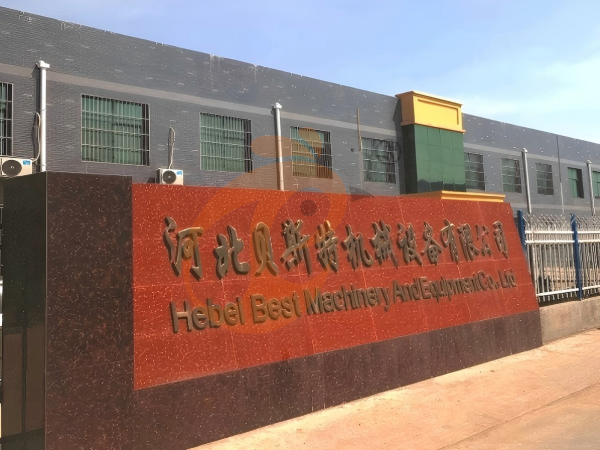
China Hebei Best Machinery And Equipment CO., LTD
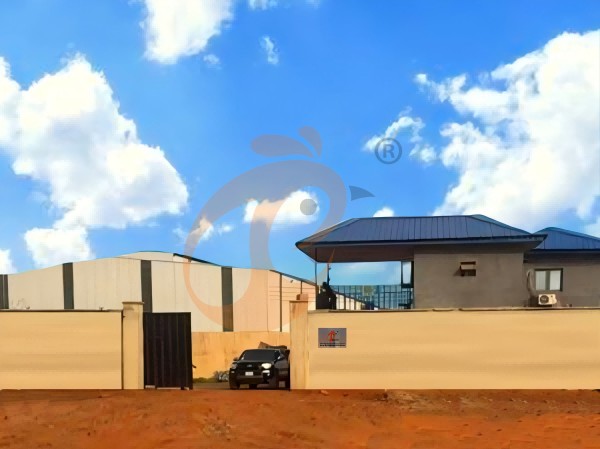
Nigeria Vanke Machinery And Equipment CO., LTD
Tanzania Best Machinery And Equipment CO., LTD
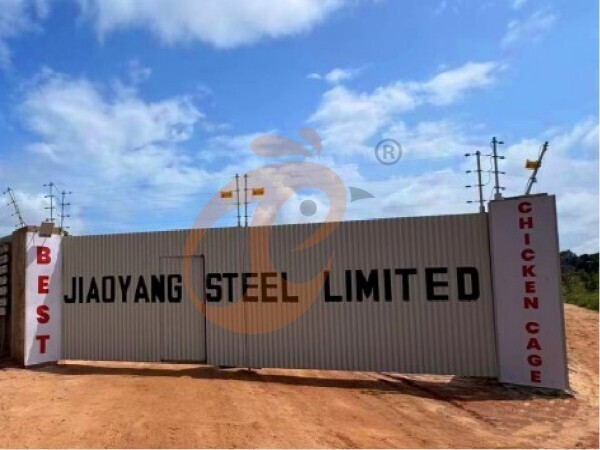
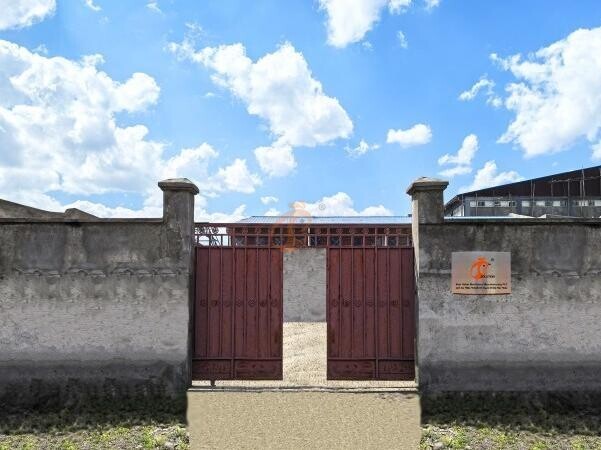
Ethiopia Best Hebei Machinery Manufacturing PLC
Reception /24 WhatsApp NO. : +8618830120193
FAQ
What Are The Main Equipment Components In Feed Mill And Feed Mixer Systems For Poultry Chicken Production?
Hammer mill units operate with rotor speeds of 2800–3600 rpm for efficient grain size reduction.
Twin-shaft mixers achieve batch capacities of 500–2000 kg per cycle for uniform poultry feed blending.
What Dust Control Requirements Are Needed In Feed Mill Operations For Poultry Chicken Farms?
Cyclone separators remove 85%–92% of airborne particles during grinding and conveying processes.
Negative pressure systems maintain airflow velocity between 0.8–1.2 m/s to prevent dust leakage.
What Temperature Parameters Are Used In Feed Mill Processing For Poultry Chicken Feed?
Conditioning temperature reaches 75–85°C to improve pellet durability and pathogen reduction.
Cooling stage reduces pellet temperature to within 5°C of ambient conditions for safe storage.
Message
Products recommended
 HK Headquarter Offers EU-standard Poultry Farm Solutions, Manufacture Poultry Farm Equipment1. Continuous communication with the EU and the US
2. China, Nigeria, Ethiopia, Tanzania branch companies and factories
3. The products’ quality is customized for local poultry farms
4. Poultry cage and poultry farm equipment stock for sale
5. 24 online reception Whatsapp NO. : +8618830120193,contact us to get full informationRead More China Branch Offer Poultry Farm Business Plan, Manufacture Poultry Farm Equipment1. Address: Flat/RM 2416, 24/F, Runxing Building, Youyi Nan Street, Shijiazhuang City, Hebei Province, China
2. Poultry cage and poultry farm equipment factory and stock for sale
3. Customized for local poultry farms
4. Quality and design are based on Euro
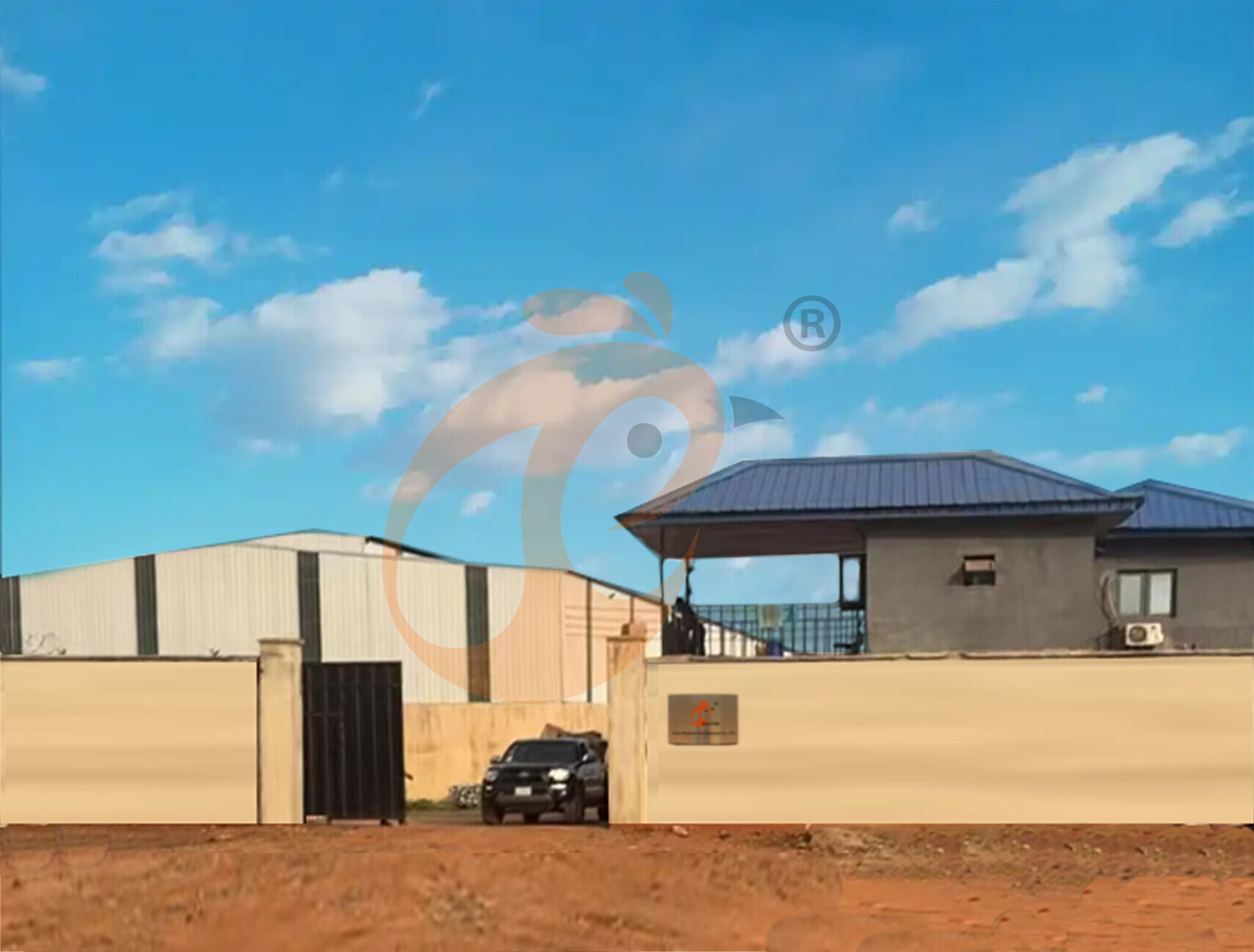
5. 24 online reception Whatsapp NO. : +8618830120193Read More Nigeria Branch Offer Poultry Farm Business Plan, Manufacture Poultry Farm Equipment1. Address: After Sinoma Office, 200 Meters Near Danco Filling Station, Lagos/Ibadan Expressway, Lagos State, Nigeria
2. Poultry cage and poultry farm equipment factory and stock for sale
3. Customized for Nigerian poultry farms
4. Quality and design are based on Euro
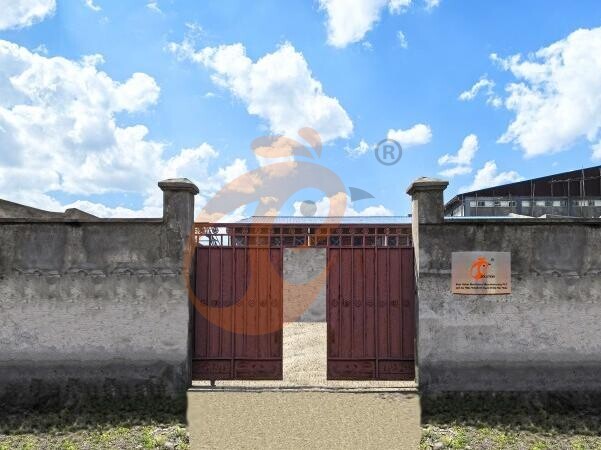
5. 24 online reception Whatsapp NO. : +8618830120193Read More Ethiopia Branch Offer Poultry Farm Business Plan, Manufacture Poultry Farm Equipment1. Address: Gelan Gura, Akaki-kaliti Sub City, Addis Ababa, Ethiopia
2. Poultry cage and poultry farm equipment stock for sale
3. Customized for Ethiopian poultry farms
4. Quality and design are based on Euro
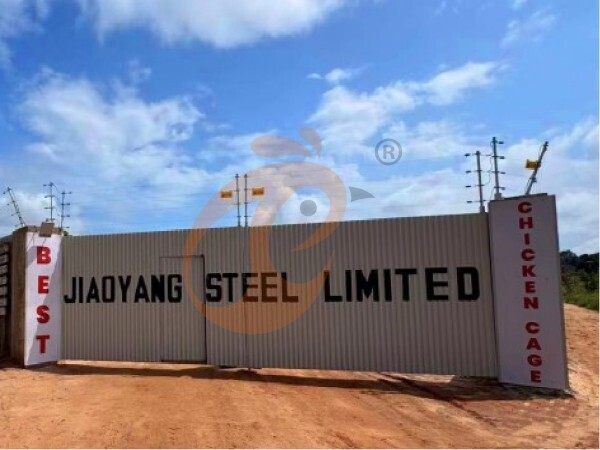
5. 24 online reception Whatsapp NO. : +8618830120193, contact us to get price listRead More Tanzania Branch Offer Poultry Farm Business Plan, Manufacture Poultry Farm Equipment1. Address: No.8, Sova Road, Msufini, Mlandizi, Kibaha, Pwani, Tanzania
2. Poultry cage and poultry farm equipment factory and stock for sale
3. Customized for Tanzanian poultry farms
4. Quality and design are based on Euro
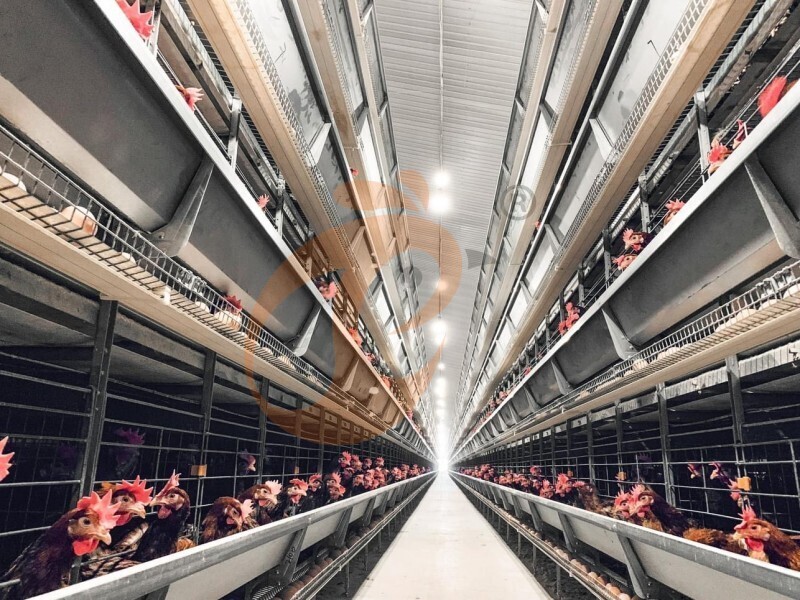
5. 24 online reception Whatsapp NO. : +8618830120193Read More Fully Automatic H Type Layer Chicken Cage1. 30,000-100,000+ layers/house chooses it, Poultry farmers can achieve an egg production rate of 96-98%
2. A significant improvement over the 85-90% typically seen in manual systems
3. A typical poultry farm can expect a 30-40% reduction in labor costs due to the automation
4. Each feeding line efficiently supplies feed to around 100,000 hens per 30 mins
5. Reception /WhatsApp NO. : +8618830120193Read More Fully Automatic A Type Layer Chicken Cage1. 10,000-50,000 layers/house chooses it
2. Cleaner egg collection reduces breakage by 0.5%
3. Improved hygiene helps reduce mortality rate to <3%
4. 1–2 technicians can handle 15,000–30,000 birds
5. Reception /WhatsApp NO. : +8618830120193Read More Semi Automatic H Type Layer Chicken Cage1. 1,00-20,000 layers/house chooses it
2. Nipple drinkers flow 30–60 ML / min
3. Hot-dip galvanized (typical coating ≥ 275 g/m²)
4. Reduce ammonia by ~ 35–40%
5. Reception /WhatsApp NO. : +8618830120193Read More Semi Automatic A Type Layer Chicken Cage1. 1,00-20,000 layers/house chooses it, no rust for 10 years, no deformation for 15 years
2. Chickens live comfortably, you can raise them with peace of mind
3. Save water, save money—efficiency you can measure
4. Improve environment quality, and increase egg production rate
5. Reception /WhatsApp NO. : +8618830120193Read More
By clicking 'Allow All', you agree to the storage of cookies on your device to enhance site navigation, analyze site usage and assist with our marketing efforts.