


Blog
- Pellet machine price analysis improves farm FCR performance and feed production efficiency in livestock systems.
This article explains pellet machine engineering, IoT based monitoring, and feed cost control strategies.
It covers raw material adaptation, compression ratio design, and energy consumption per ton output.
- It also includes return on investment modeling, maintenance cycles, and farm level operational optimization.
Get professional poultry farm construction guidance, equipment selection solutions, and the latest price lists, whatsApp to +8618830120193, +2348111199996, or click to learn more.
Farm Decision Logic For Pellet Machine Investment
For livestock farms, pellet machine selection should be driven by production bottleneck analysis rather than equipment size alone.
The key decision variable is system balance between grinding fineness, conditioning temperature stability, and pellet die wear cycle.
Farms under 2 tons/day benefit from modular expansion systems that reduce idle energy loss.
Farms above 5 tons/day prioritize continuous operation stability and maintenance accessibility.
Aligning configuration with feed variability reduces FCR fluctuation and improves long term growth consistency.
Feed Formulation Optimization Logic For Farm Profitability
For commercial livestock farms, pellet machine performance is only one part of the total feed system efficiency equation.
Feed formulation design determines nutrient utilization efficiency, while mechanical processing determines physical delivery consistency.
Optimizing both layers simultaneously reduces feed loss, stabilizes livestock growth curves, and improves production predictability under fluctuating raw material markets in United States and Southeast Asia supply chains.
- Feed formulation energy density should be adjusted based on livestock growth stage rather than fixed recipe ratios to improve FCR stability.
- Particle size distribution after grinding should be controlled within 0.8–2.5 mm range to ensure uniform pellet binding during conditioning.
- Amino acid balance (lysine, methionine) must be corrected after thermal processing loss during pelletizing stage.
- Conditioning moisture control between 14–17% improves starch gelatinization efficiency and reduces pellet cracking rate.
Fat addition timing should be applied post-pelletizing in coating systems to prevent die lubrication imbalance and maintain compression efficiency.
Pellet Machine Price And Capacity Engineering Structure
Data is for reference only. Swipe horizontally to view full table.
Raw Material Adaptation In Livestock Feed Systems
Data is for reference only. Swipe horizontally to view full table.
Feed Production Workflow For Farm Operations
Data is for reference only. Swipe horizontally to view full table.
Operational Cost Structure In Feed Production Systems
Data is for reference only. Swipe horizontally to view full table.
Mechanical Design And Stability Parameters
Data is for reference only. Swipe horizontally to view full table.
Livestock Pellet Size Application Matrix
Data is for reference only. Swipe horizontally to view full table.
Return On Investment Analysis For Farm Pellet Investment Systems
Data is for reference only. Swipe horizontally to view full table.
Maintenance Strategy For Continuous Farm Operation
Data is for reference only. Swipe horizontally to view full table.
Frequently Asked Questions
Q1: What determines pellet machine price in farm systems?
A2: Pellet machine price depends on motor power, die material, IoT control level, and energy efficiency per ton.
Q2: How does pellet machine improve FCR in livestock farms?
A2: Pellet systems improve nutrient density and stabilize feed intake, reducing FCR variation across production cycles.
Q3: What role does IoT play in feed production systems?
IoT systems monitor temperature, moisture, and energy consumption to stabilize pellet quality output.
Taiyu (HK) Group - One Of China Most Famous Pellet Machine Manufacturer
- Pellet machine is feed processing equipment that compresses powdered raw materials into uniform pellets, improving feed density, reducing waste, and stabilizing livestock growth efficiency.
- Global factory direct sales ensure stable supply, competitive pricing, and efficient logistics for poultry and livestock farming equipment across international markets.
- Poultry equipment solutions include feeding systems, drinking lines, ventilation units, and feed processing machinery for modern automated farm operations.
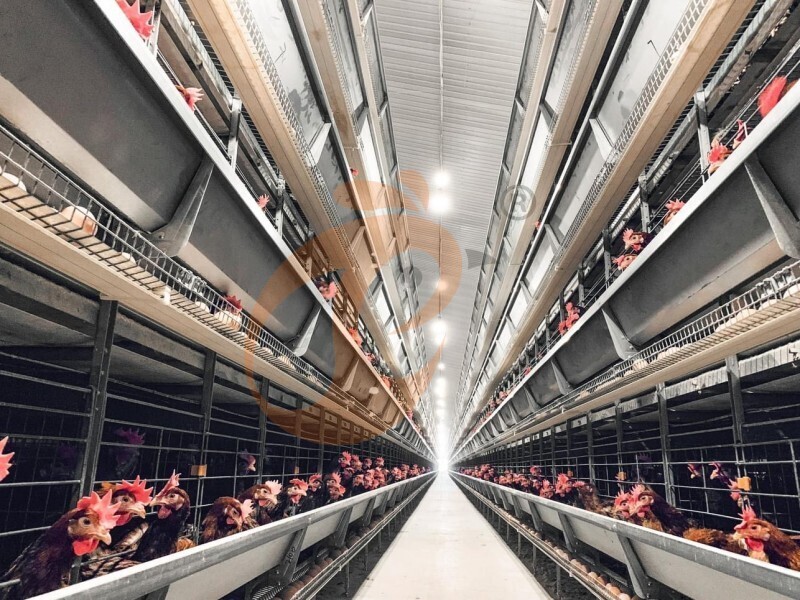
- Poultry cage systems are built with corrosion-resistant materials and stable structures, supporting long term intensive farming with high stocking efficiency.
- Turn key engineering services cover farm design, equipment supply, installation, and commissioning for fully automated poultry production systems.
Contact Us To Received Your Customized Poultry Farm Plan
Headquarters And Branchs

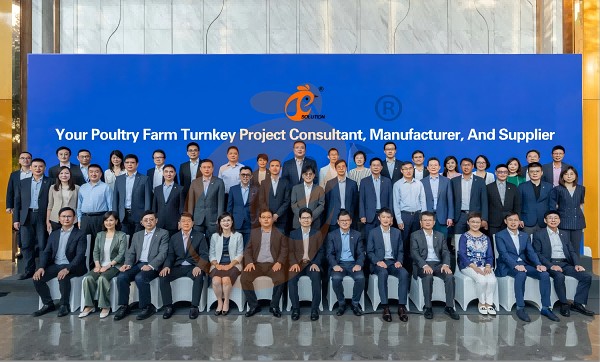
Hong Kong Headquarter Management Team
Hong Kong Headquarter Taiyu Industrial Group CO., LTD
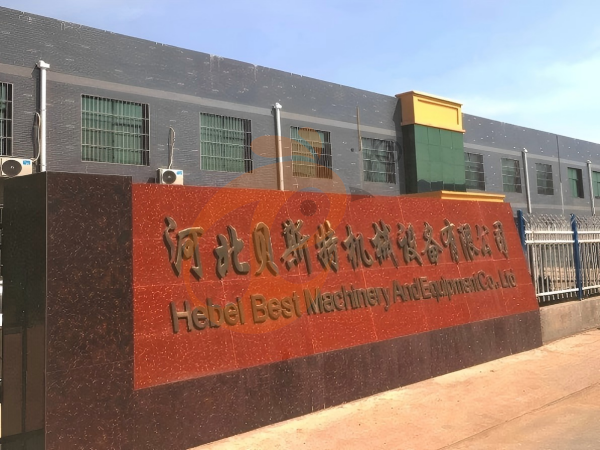
China Hebei Best Machinery And Equipment CO., LTD
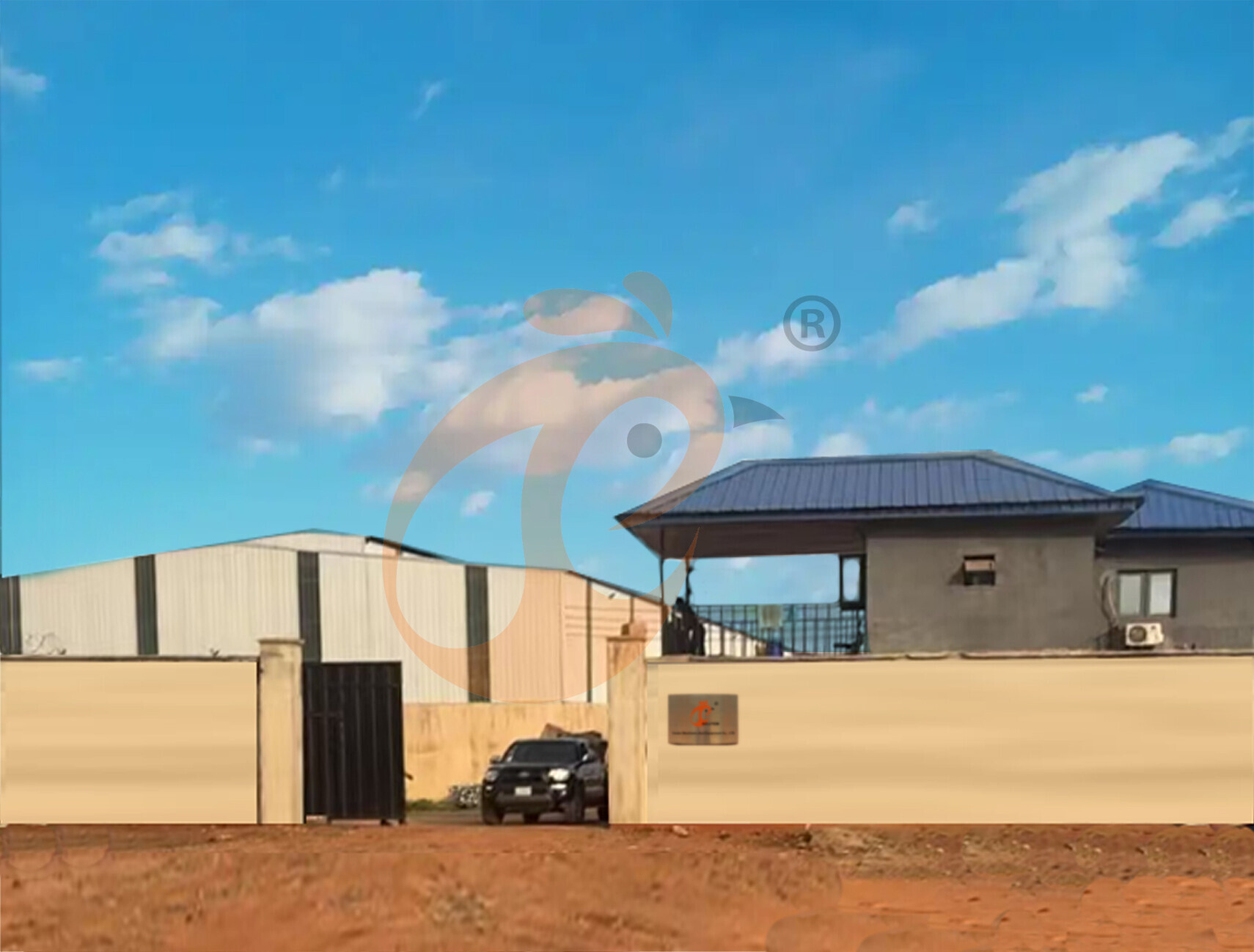
Nigeria Vanke Machinery And Equipment CO., LTD
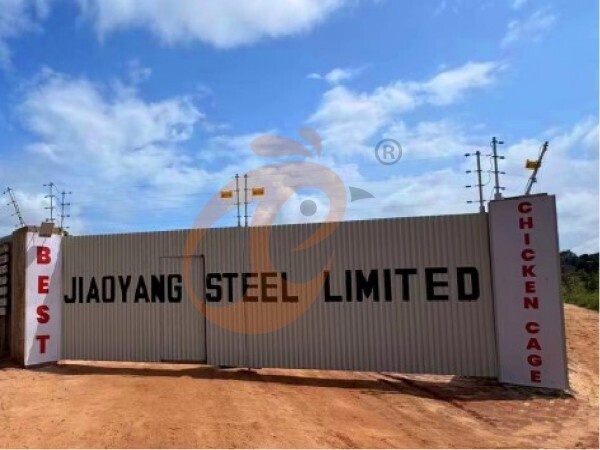
Tanzania Best Machinery And Equipment CO., LTD
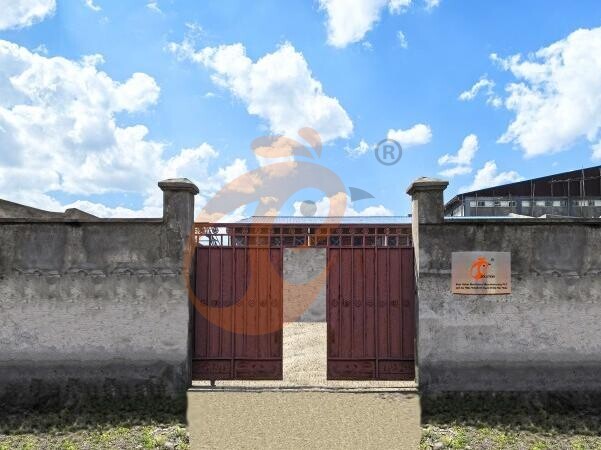
Ethiopia Best Hebei Machinery Manufacturing PLC




Reception /24 WhatsApp NO. : +8618830120193
FAQ
What Is The Production Capacity Range Of Pellet Machine In Poultry Chicken Feed Processing Systems?
Medium systems operate at 800–1500 kg per hour for commercial broiler farms.
Industrial pellet lines reach 3–6 tons per hour for integrated feed mill production.
What Are The Standard Pellet Diameters Produced By Pellet Machine For Poultry Chicken Feed?
Grower feed pellets are produced at 3.0 mm for balanced nutrient intake.
Finisher feed pellets are set at 4.0 mm to optimize growth performance and feed conversion.
What Temperature Range Is Required During Pelletizing Process In Poultry Chicken Feed Production?
Pellet discharge temperature is controlled at 75–85°C for structural stability.
Cooling stage reduces pellet temperature to within 5°C above ambient for storage safety.
Message
Products recommended
 HK Headquarter Offers EU-standard Poultry Farm Solutions, Manufacture Poultry Farm Equipment1. Continuous communication with the EU and the US
2. China, Nigeria, Ethiopia, Tanzania branch companies and factories
3. The products’ quality is customized for local poultry farms
4. Poultry cage and poultry farm equipment stock for sale
5. 24 online reception Whatsapp NO. : +8618830120193,contact us to get full informationRead More China Branch Offer Poultry Farm Business Plan, Manufacture Poultry Farm Equipment1. Address: Flat/RM 2416, 24/F, Runxing Building, Youyi Nan Street, Shijiazhuang City, Hebei Province, China
2. Poultry cage and poultry farm equipment factory and stock for sale
3. Customized for local poultry farms
4. Quality and design are based on Euro
5. 24 online reception Whatsapp NO. : +8618830120193Read More Nigeria Branch Offer Poultry Farm Business Plan, Manufacture Poultry Farm Equipment1. Address: After Sinoma Office, 200 Meters Near Danco Filling Station, Lagos/Ibadan Expressway, Lagos State, Nigeria
2. Poultry cage and poultry farm equipment factory and stock for sale
3. Customized for Nigerian poultry farms
4. Quality and design are based on Euro
5. 24 online reception Whatsapp NO. : +8618830120193Read More Ethiopia Branch Offer Poultry Farm Business Plan, Manufacture Poultry Farm Equipment1. Address: WR93+FQ2, Addis Ababa, Ethiopia
2. Poultry cage and poultry farm equipment stock for sale
3. Customized for Ethiopian poultry farms
4. Quality and design are based on Euro
5. 24 online reception Whatsapp NO. : +8618830120193, contact us to get price listRead More Tanzania Branch Offer Poultry Farm Business Plan, Manufacture Poultry Farm Equipment1. Address: No.8, Sova Road, Msufini, Mlandizi, Kibaha, Pwani, Tanzania
2. Poultry cage and poultry farm equipment factory and stock for sale
3. Customized for Tanzanian poultry farms
4. Quality and design are based on Euro
5. 24 online reception Whatsapp NO. : +8618830120193Read More Fully Automatic H Type Layer Chicken Cage1. 30,000-100,000+ layers/house chooses it, Poultry farmers can achieve an egg production rate of 96-98%
2. A significant improvement over the 85-90% typically seen in manual systems
3. A typical poultry farm can expect a 30-40% reduction in labor costs due to the automation
4. Each feeding line efficiently supplies feed to around 100,000 hens per 30 mins
5. Reception /WhatsApp NO. : +8618830120193Read More Fully Automatic A Type Layer Chicken Cage1. 10,000-50,000 layers/house chooses it
2. Cleaner egg collection reduces breakage by 0.5%
3. Improved hygiene helps reduce mortality rate to <3%
4. 1–2 technicians can handle 15,000–30,000 birds
5. Reception /WhatsApp NO. : +8618830120193Read More Semi Automatic H Type Layer Chicken Cage1. 1,00-20,000 layers/house chooses it
2. Nipple drinkers flow 30–60 ML / min
3. Hot-dip galvanized (typical coating ≥ 275 g/m²)
4. Reduce ammonia by ~ 35–40%
5. Reception /WhatsApp NO. : +8618830120193Read More Semi Automatic A Type Layer Chicken Cage1. 1,00-20,000 layers/house chooses it, no rust for 10 years, no deformation for 15 years
2. Chickens live comfortably, you can raise them with peace of mind
3. Save water, save money—efficiency you can measure
4. Improve environment quality, and increase egg production rate
5. Reception /WhatsApp NO. : +8618830120193Read More
By clicking 'Allow All', you agree to the storage of cookies on your device to enhance site navigation, analyze site usage and assist with our marketing efforts.