


Blog
Free range poultry system cost analysis defines capital structure for modern pasture based poultry production and long term operational planning
Infrastructure investment determines biosecurity level, predator control efficiency, and land utilization performance in commercial poultry systems
Poultry farming equipment price varies based on automation level, durability engineering, and energy efficiency configuration across system modules
Feed conversion optimization and genetic selection directly influence production output, mortality balance, and revenue per cycle
Regulatory compliance, labor digitization, and processing infrastructure define final profitability and certification readiness for premium poultry markets
Get professional poultry farm construction guidance, equipment selection solutions, and the latest price lists, whatsApp to +8618830120193, +2348111199996, or click to learn more.
Free Range Poultry Systems In 2026 And Investment Transition Framework
In the agricultural landscape of 2026, the transition from intensive confinement to free range poultry systems (FRPS) represents a shift toward biological complexity and premium market positioning.
Unlike conventional systems where variables are tightly controlled within a steel shed, free range operations must harmonize avian biology with environmental volatility.
This transition necessitates a sophisticated understanding of capital allocation, where the price is not merely a purchase figure but a multi year investment in ecosystem health and animal welfare.
Establishing a viable free range farm whether for layers, broilers, or heritage turkeys requires granular analysis of infrastructure, nutritional efficiency, and regulatory overhead.
The following five factors define financial architecture of modern pastured poultry systems and directly determine free range chicken farming setup viability at scale.
Perimeter And Pasture Infrastructure
The primary cost driver in a free range system is the physical boundary that defines operational grazing space.
In 2026, systems rely on multi layer exclusion fencing designed for predator suppression and disease vector separation.
High tensile electrified fencing systems operate at 7,000 to 9,000 volts to reduce intrusion risk and maintain flock containment integrity.
Data is for reference only.Swipe horizontally to view full table.
Mobile Housing And Climate Control Systems
Free range certification requires outdoor access exceeding 50 percent of lifecycle exposure time.
Housing systems function as thermal regulation hubs and biosecurity transition zones.
Mobile poultry structures support wind resistance up to 70 mph while maintaining transport compatibility with mid range agricultural tractors.
Free range poultry system cost increases significantly when climate automation and ventilation control are integrated at scale.
Data is for reference only.Swipe horizontally to view full table.
Automated Feeding And Hydration Systems
Feed delivery systems stabilize production efficiency under variable environmental stress conditions.
Feed conversion ratio stabilization remains central to commercial profitability modeling in pasture systems.
UV sterilized hydration lines reduce microbial buildup risk in open environment distribution pipelines.
Poultry farming equipment price is heavily influenced by automation depth and precision dosing capability.
Data is for reference only.Swipe horizontally to view full table.
Genetic Stock And Biological Inputs
Genetic selection determines output efficiency, mortality curve stability, and market classification eligibility.
Vaccination integration reduces systemic risk exposure in open pasture environments.
Mortality rate control directly affects cost per finished bird and revenue stability across production cycles.
Free range chicken farming setup profitability depends strongly on breed selection strategy and biological resilience index.
Data is for reference only.Swipe horizontally to view full table.
Feed Formulation And Nutritional Inputs
Feed remains the dominant operational expenditure category in poultry production systems.
Diet composition must compensate for energy loss from locomotion in pasture environments.
Soy free and non-GMO formulations require enzyme supplementation for nutrient absorption efficiency optimization.
Feed cost structure is a core determinant of free range poultry system cost across all production scales.
Data is for reference only.Swipe horizontally to view full table.
Labor Systems And Digital Management
Operational labor shifts toward data centric farm management systems integrated with RFID tracking infrastructure.
Pasture rotation scheduling increases labor intensity without automation integration layers.
Skilled technician allocation replaces traditional manual labor models in scalable poultry operations.
Digital control systems reduce operational variance and improve predictive flock performance modeling.
Data is for reference only.Swipe horizontally to view full table.
Regulatory Compliance And Processing Systems
Processing systems define final product transformation from biological asset to retail distribution unit.
Inspection frameworks enforce sanitation compliance and traceability validation for premium certification.
Mobile processing units introduce scalable but regulated throughput constraints across farm operations.
Certification overhead must be integrated into free range poultry system cost modeling for accurate margin projection.
Data is for reference only.Swipe horizontally to view full table.
Integrated Investment Framework For Free Range Poultry Systems
Investment in free range poultry infrastructure requires coordinated allocation across biological, mechanical, and regulatory domains.
System efficiency depends on synchronization between feed systems, housing design, and labor automation.
Free range chicken farming setup success is determined by integration depth rather than isolated component performance.
Frequently Asked Questions
Q1: What determines free range poultry system cost at scale?
A1: Infrastructure density, feed formulation structure, automation level, and compliance requirements determine total system expenditure.
Q2: How does poultry farming equipment price affect profitability?
A2: Higher automation reduces labor dependency while increasing capital expenditure distribution across production cycles.
Q3: What defines a viable free range chicken farming setup?
A3: Viability is defined by stocking density compliance, feed conversion efficiency, and mortality rate stability under pasture conditions.
Taiyu (HK) Group - One Of China Largest Free Range Poultry System Manufacturer
Free range poultry system engineered with integrated pasture infrastructure and automated housing modules
Global factory direct supply model supporting scalable poultry production equipment distribution networks
Advanced poultry equipment manufacturing covering feeding systems, housing units, and climate control technologies
Full poultry cage and free range hybrid engineering solutions for industrial agricultural deployment projects
Turn key engineering project delivery covering design, installation, and operational commissioning of poultry farming systems
Contact Us To Received Your Customized Poultry Farm Plan
Headquarters And Branchs

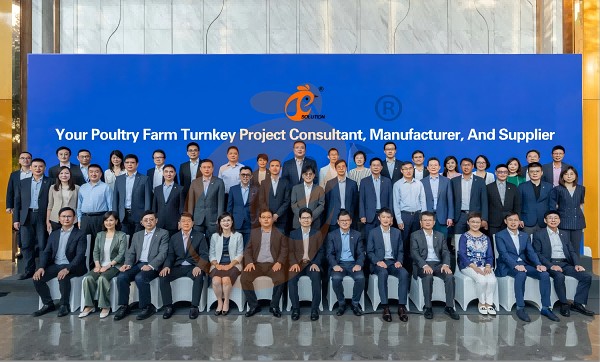
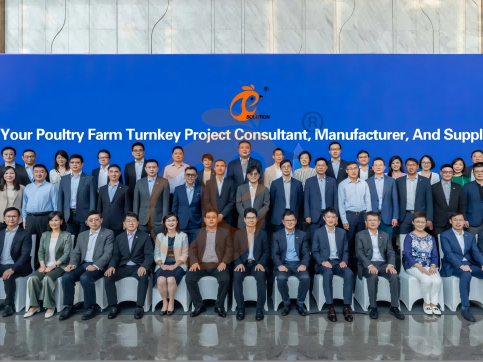
Hong Kong Headquarter Management Team
Hong Kong Headquarter Taiyu Industrial Group CO., LTD
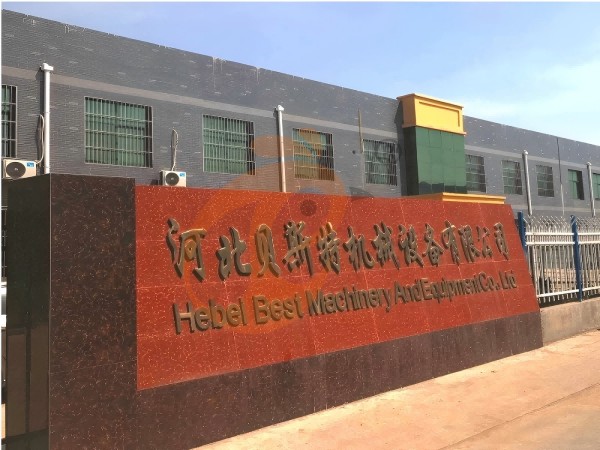
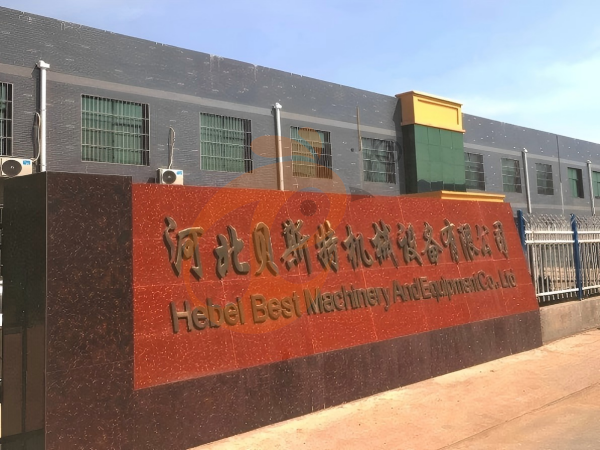
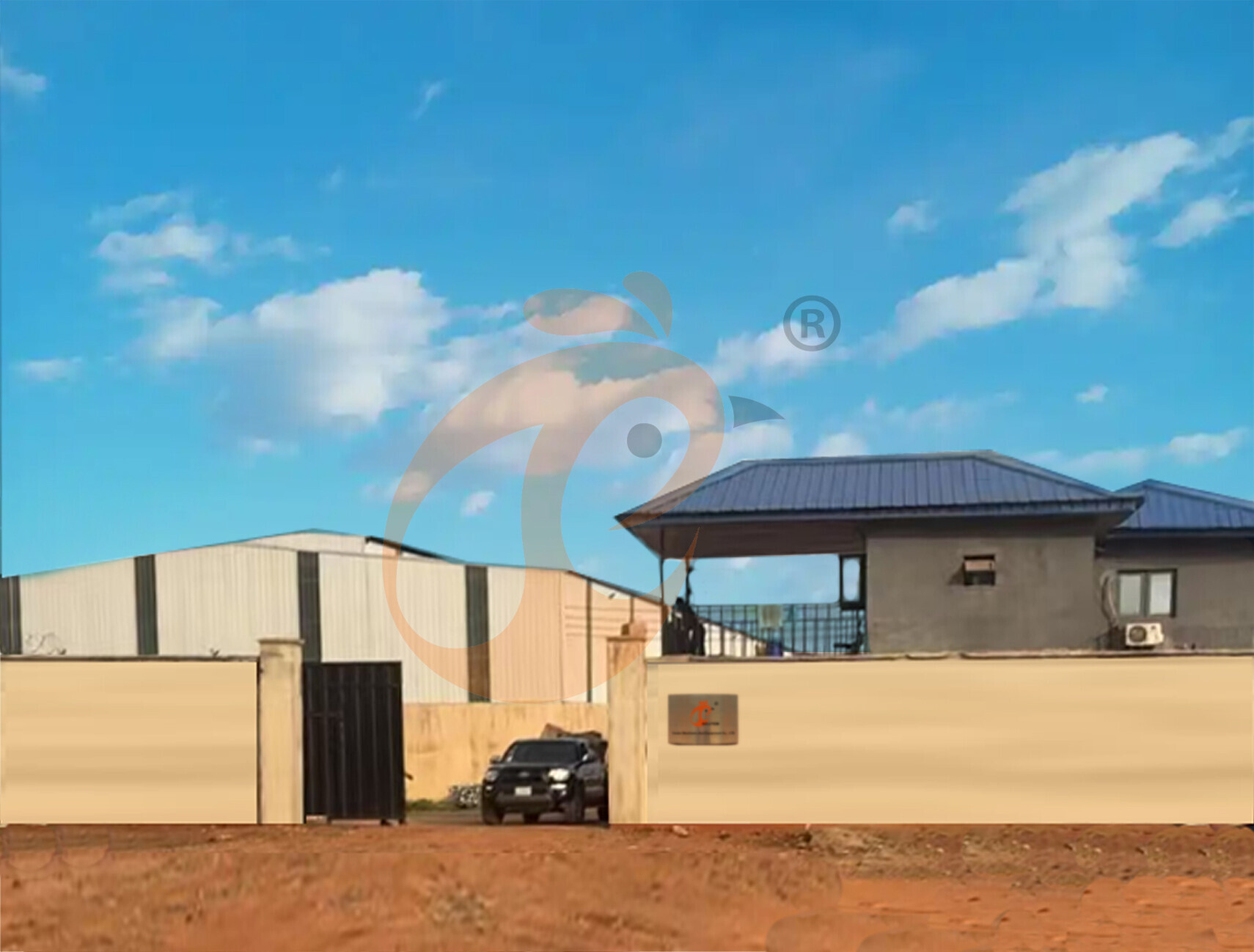
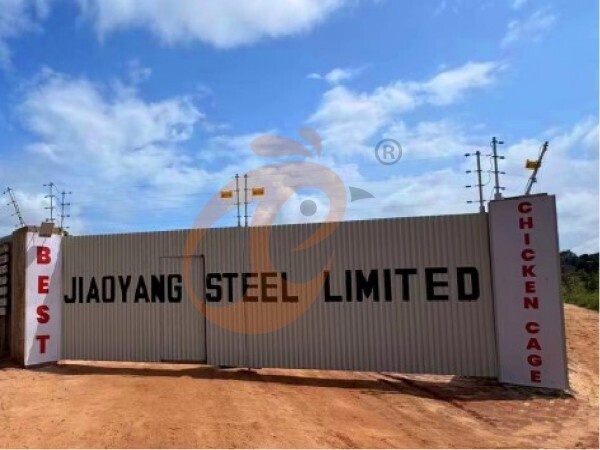
China Hebei Best Machinery And Equipment CO., LTD
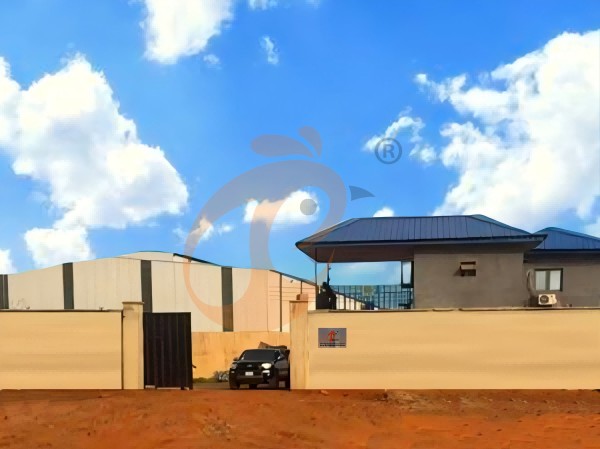
Nigeria Vanke Machinery And Equipment CO., LTD
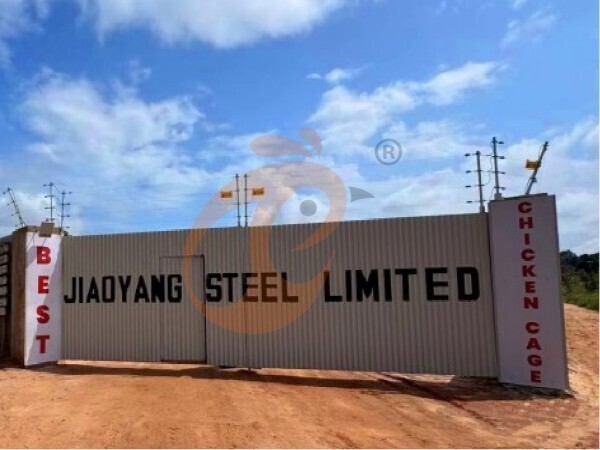
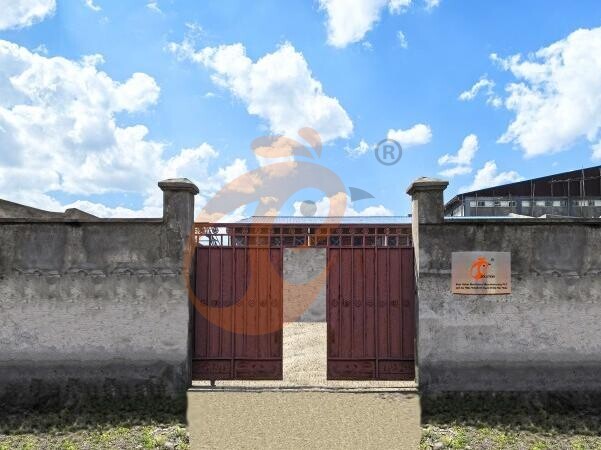
Tanzania Best Machinery And Equipment CO., LTD
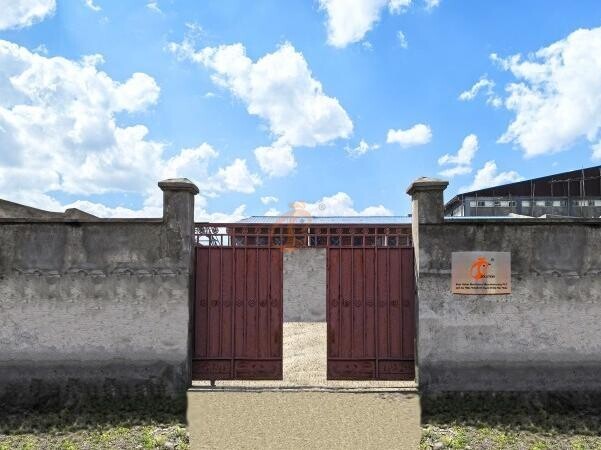
Ethiopia Best Hebei Machinery Manufacturing PLC
Reception /24 WhatsApp NO. : +8618830120193
FAQ
How To Optimize Light And Dark Cycles For Maximum Egg Production?
Distribute light evenly, avoiding intense light or shadows.
Combined with automatic feeding and drinking systems, egg production increases 2–3%, breakage <1%.
What Are The Professional Guidelines For Layer Cage Farm Cleaning And Biosecurity?
Disinfect cage surfaces and aisles weekly to reduce disease spread.
With health monitoring, egg production 90–98%, mortality 2–3%.
How To Choose The Right Chicken Cage Manufacturer For Long-Term ROI?
Check steel, anti-corrosion coating, and durability of egg systems.
Price $10–$18 per bird, payback 24–36 months, ROI can increase 20–25%.
Message
Products recommended
 HK Headquarter Offers EU-standard Poultry Farm Solutions, Manufacture Poultry Farm Equipment1. Continuous communication with the EU and the US
2. China, Nigeria, Ethiopia, Tanzania branch companies and factories
3. The products’ quality is customized for local poultry farms
4. Poultry cage and poultry farm equipment stock for sale
5. 24 online reception Whatsapp NO. : +8618830120193,contact us to get full informationRead More China Branch Offer Poultry Farm Business Plan, Manufacture Poultry Farm Equipment1. Address: Flat/RM 2416, 24/F, Runxing Building, Youyi Nan Street, Shijiazhuang City, Hebei Province, China
2. Poultry cage and poultry farm equipment factory and stock for sale
3. Customized for local poultry farms
4. Quality and design are based on Euro
5. 24 online reception Whatsapp NO. : +8618830120193Read More Nigeria Branch Offer Poultry Farm Business Plan, Manufacture Poultry Farm Equipment1. Address: After Sinoma Office, 200 Meters Near Danco Filling Station, Lagos/Ibadan Expressway, Lagos State, Nigeria
2. Poultry cage and poultry farm equipment factory and stock for sale
3. Customized for Nigerian poultry farms
4. Quality and design are based on Euro
5. 24 online reception Whatsapp NO. : +8618830120193Read More Ethiopia Branch Offer Poultry Farm Business Plan, Manufacture Poultry Farm Equipment1. Address: Gelan Gura, Akaki-kaliti Sub City, Addis Ababa, Ethiopia
2. Poultry cage and poultry farm equipment stock for sale
3. Customized for Ethiopian poultry farms
4. Quality and design are based on Euro
5. 24 online reception Whatsapp NO. : +8618830120193, contact us to get price listRead More Tanzania Branch Offer Poultry Farm Business Plan, Manufacture Poultry Farm Equipment1. Address: No.8, Sova Road, Msufini, Mlandizi, Kibaha, Pwani, Tanzania
2. Poultry cage and poultry farm equipment factory and stock for sale
3. Customized for Tanzanian poultry farms
4. Quality and design are based on Euro
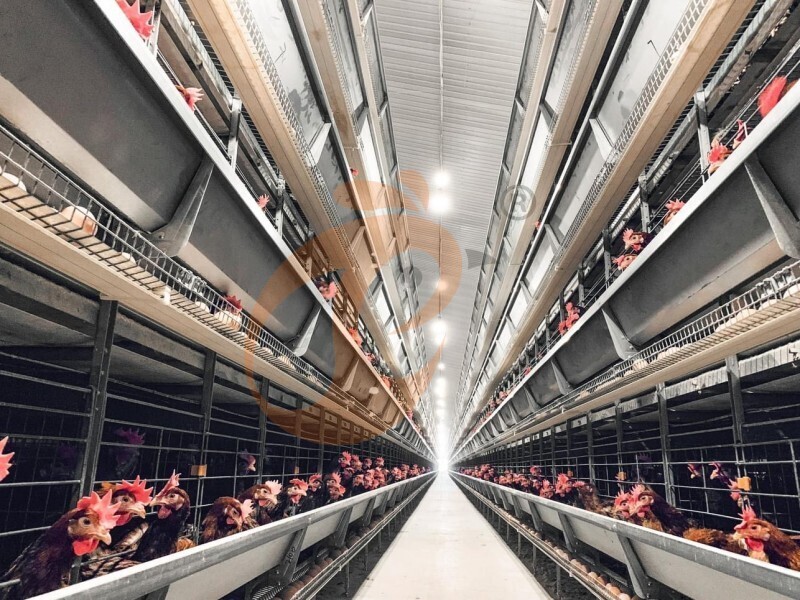
5. 24 online reception Whatsapp NO. : +8618830120193Read More Fully Automatic H Type Layer Chicken Cage1. 30,000-100,000+ layers/house chooses it, Poultry farmers can achieve an egg production rate of 96-98%
2. A significant improvement over the 85-90% typically seen in manual systems
3. A typical poultry farm can expect a 30-40% reduction in labor costs due to the automation
4. Each feeding line efficiently supplies feed to around 100,000 hens per 30 mins
5. Reception /WhatsApp NO. : +8618830120193Read More Fully Automatic A Type Layer Chicken Cage1. 10,000-50,000 layers/house chooses it
2. Cleaner egg collection reduces breakage by 0.5%
3. Improved hygiene helps reduce mortality rate to <3%
4. 1–2 technicians can handle 15,000–30,000 birds
5. Reception /WhatsApp NO. : +8618830120193Read More Semi Automatic H Type Layer Chicken Cage1. 1,00-20,000 layers/house chooses it
2. Nipple drinkers flow 30–60 ML / min
3. Hot-dip galvanized (typical coating ≥ 275 g/m²)
4. Reduce ammonia by ~ 35–40%
5. Reception /WhatsApp NO. : +8618830120193Read More Semi Automatic A Type Layer Chicken Cage1. 1,00-20,000 layers/house chooses it, no rust for 10 years, no deformation for 15 years
2. Chickens live comfortably, you can raise them with peace of mind
3. Save water, save money—efficiency you can measure
4. Improve environment quality, and increase egg production rate
5. Reception /WhatsApp NO. : +8618830120193Read More
By clicking 'Allow All', you agree to the storage of cookies on your device to enhance site navigation, analyze site usage and assist with our marketing efforts.