


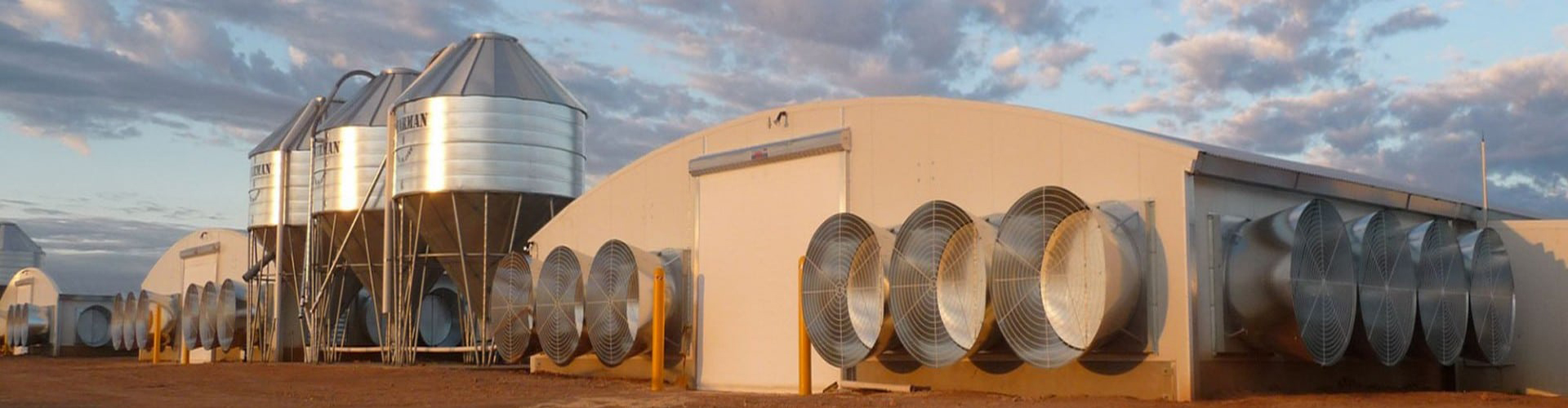
Poultry Environment Control
‹
›
‹
›
Poultry Ventilation And Temperature Control System
2. Airflow per bird 6–7 m³/h per kg
3. Air velocity 0.2–0.5 m/s
4. Humidity: 55–60 %
5. Reception /WhatsApp NO. : +8618830120193
In modern intensive poultry production, the quality of the poultry house environment is as crucial as the feed itself.
Proper ventilation and precise temperature control ensure healthy birds, optimize feed efficiency, and maximize returns.
Whether managing layers, broilers, or pullets, an intelligently designed system transforms the house into a high-performance, energy-efficient environment, directly impacting profitability and animal welfare.
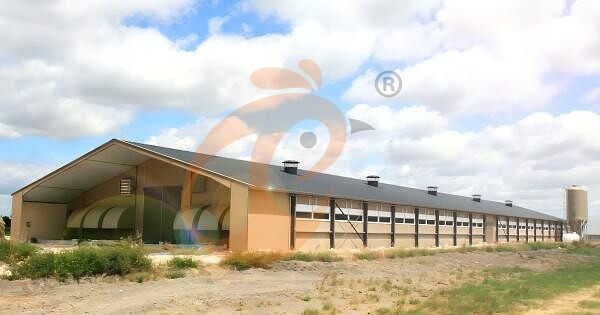
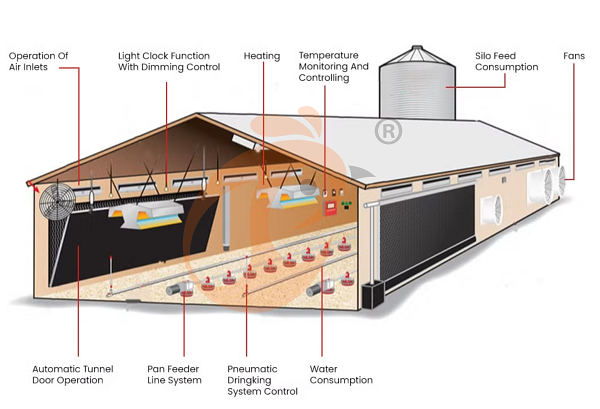
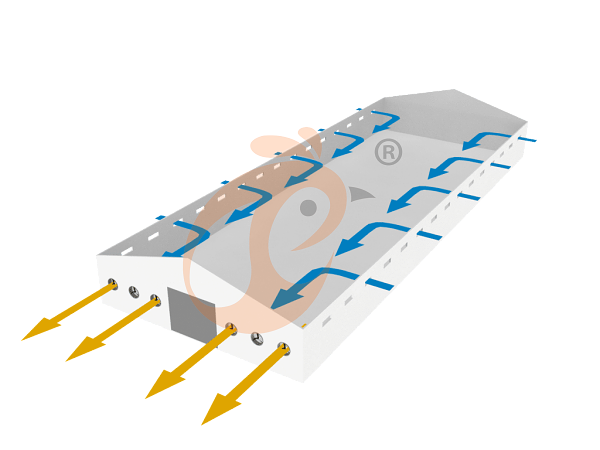
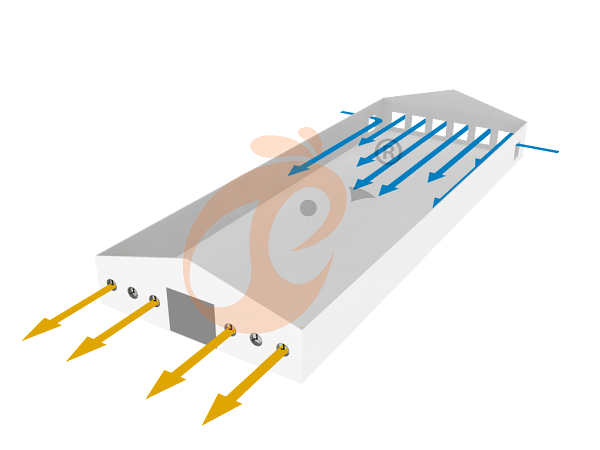
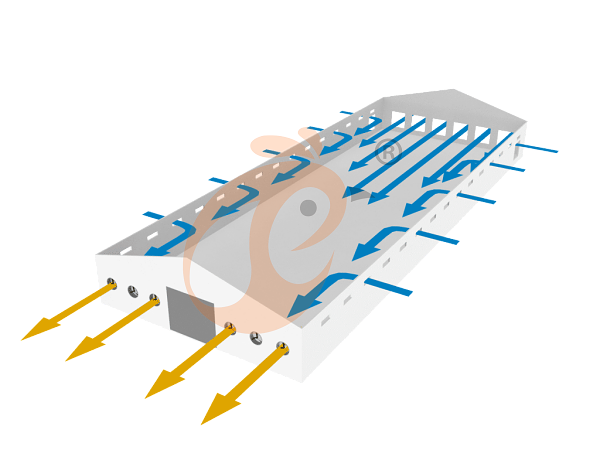
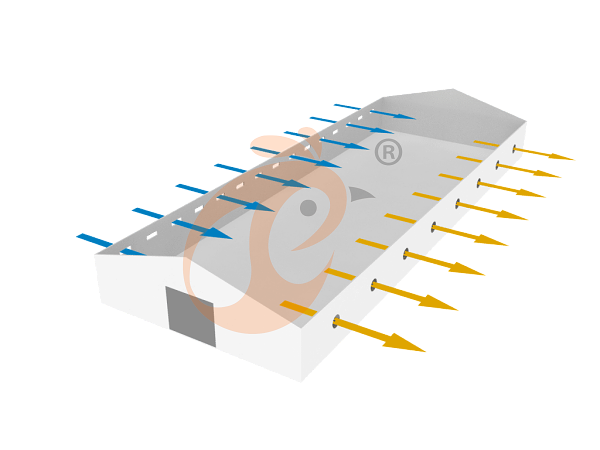
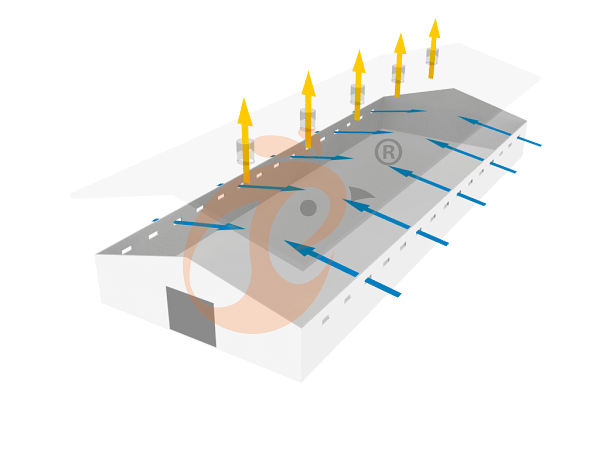
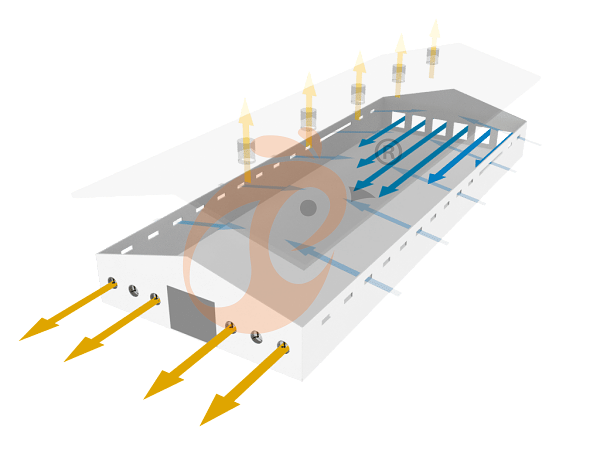
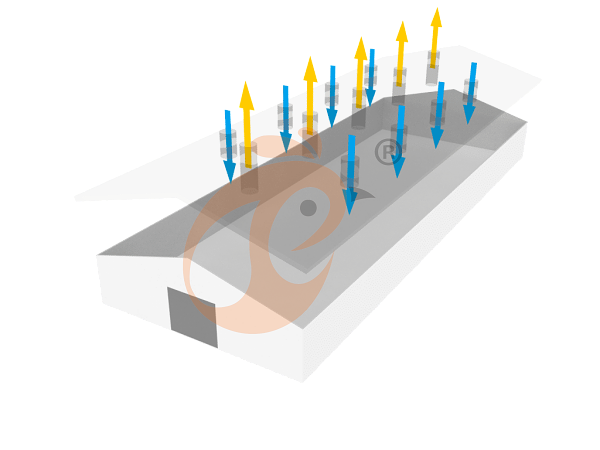
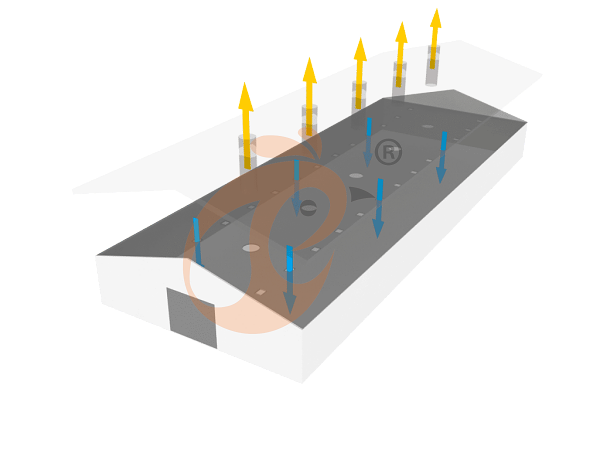
"European Standard Ventilation And Temperature Control Systems"
1. System Overview — The Ultimate Environmental Engine
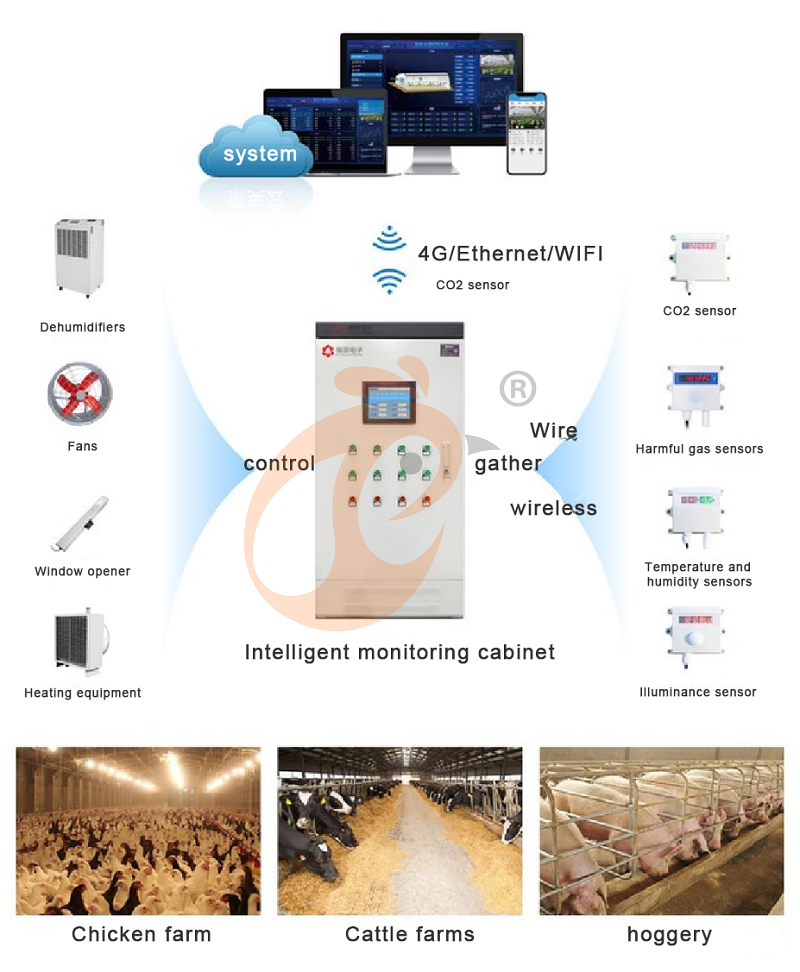
Modern poultry ventilation and temperature control systems are not just fans, heaters, or coolers—they are integrated solutions that actively manage airflow, temperature, and humidity.
Each component is carefully engineered to maintain optimal bird comfort while maximizing operational efficiency.
(1) Ventilation Subsystem
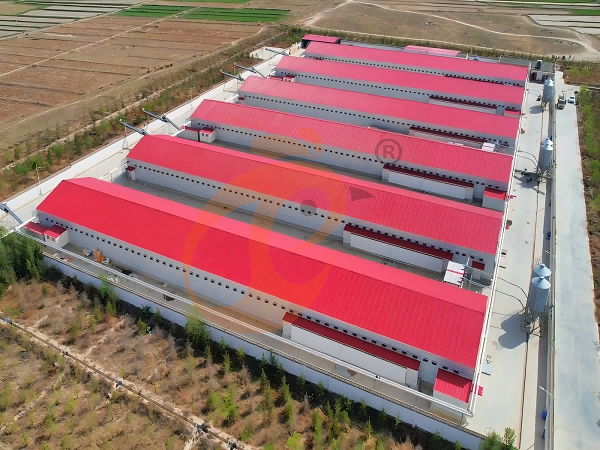
Ventilation In Our Project
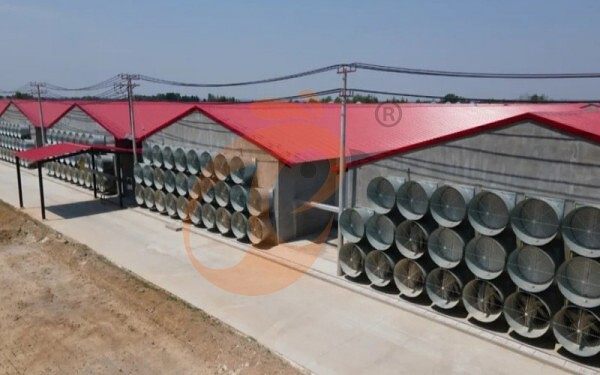

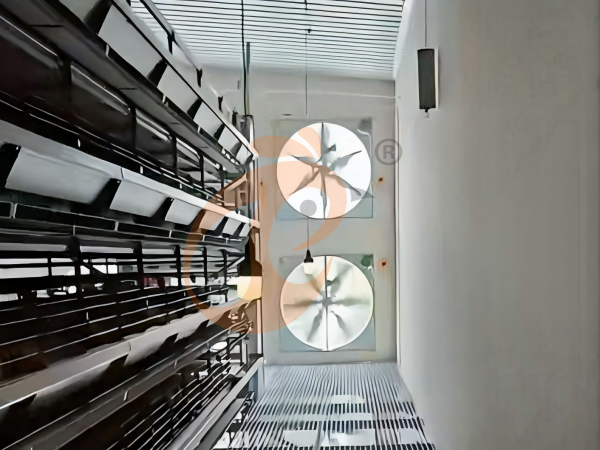
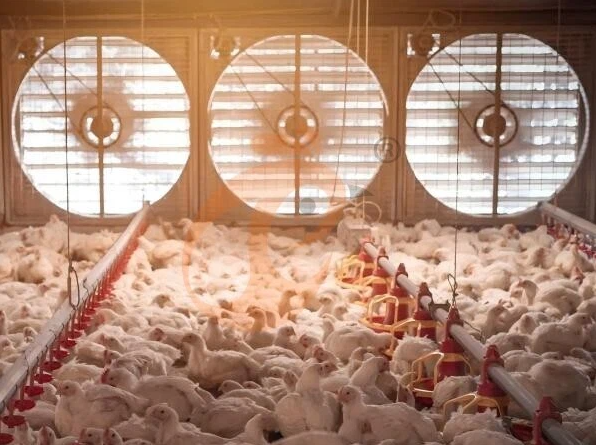
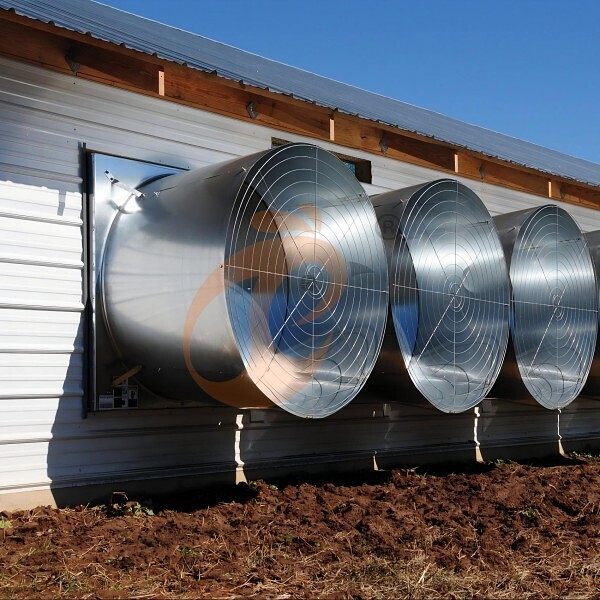
Exhaust Fans
Large-diameter axial fans deliver high-volume airflow efficiently, keeping the air fresh and birds healthy.
Quantity and capacity are customized to house size, bird weight, and seasonal conditions.
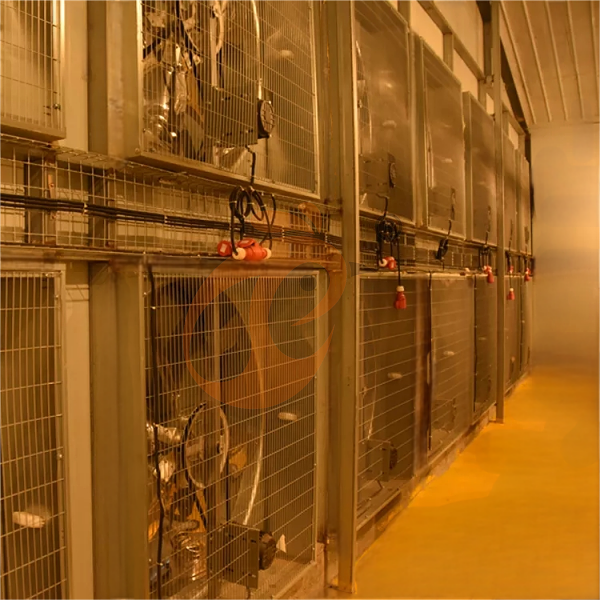
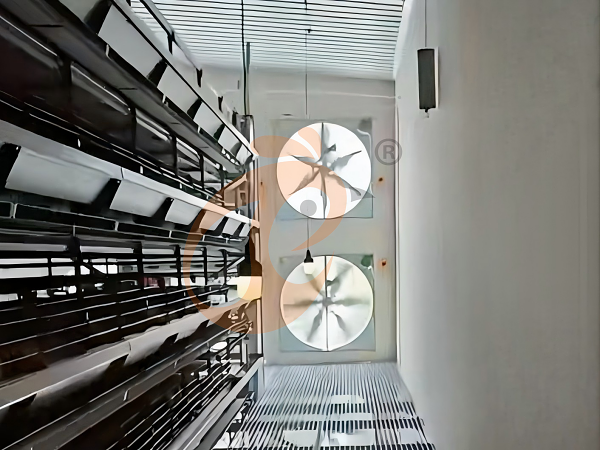
Inside Poultry House
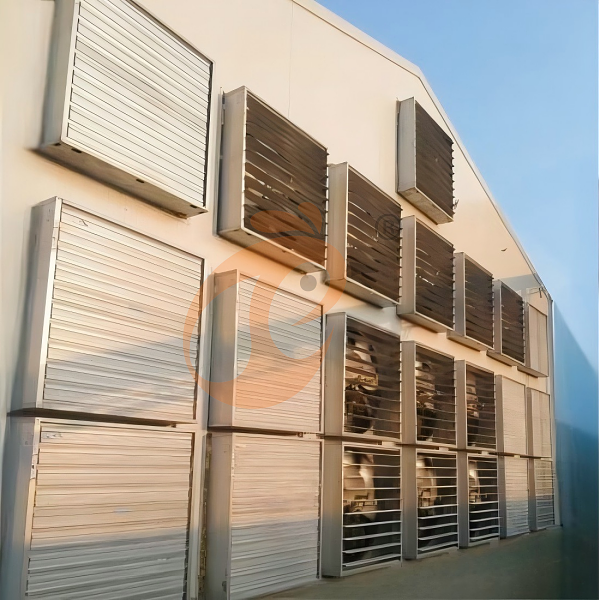
Outside Poultry House
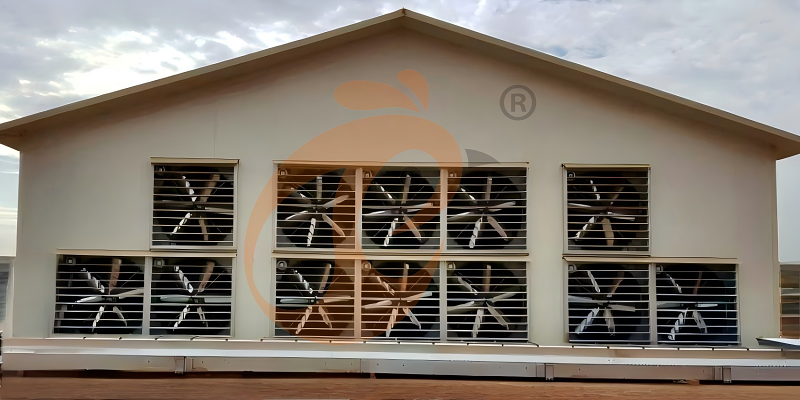
Fans
For reference only, exact size depends on final quotation.
Air Inlets
Automatically adjustable inlets deliver preheated air evenly, preventing drafts and supporting all ventilation modes.
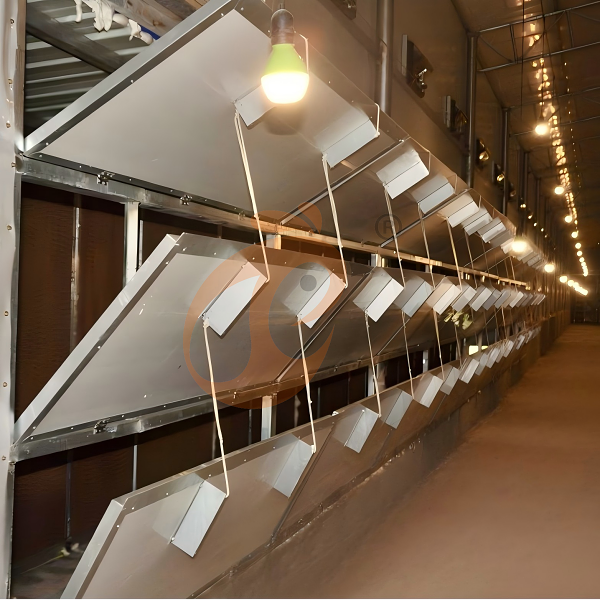
Inner Poultry House
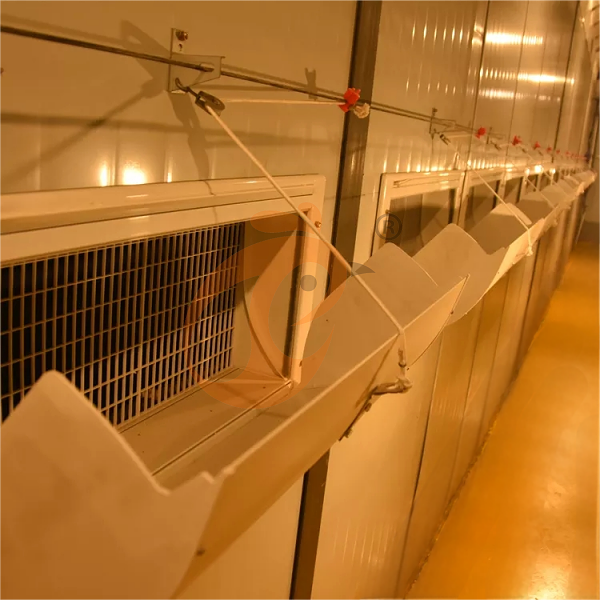
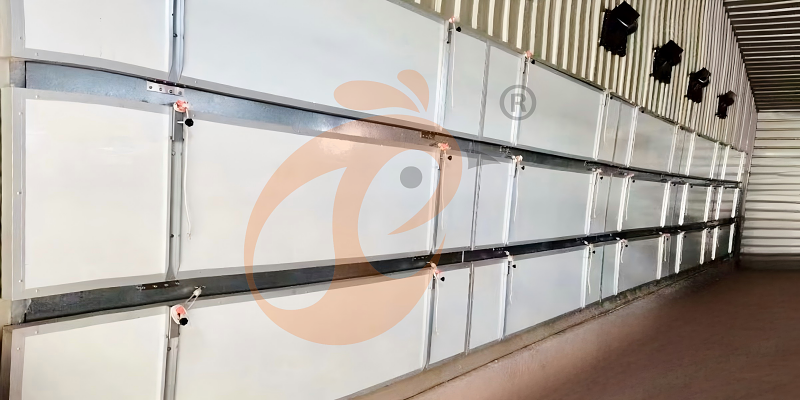
Air Inlet Window
Layout data: The design is for reference only.
Efficient airflow design means healthier birds, lower mortality, and less wasted energy — a direct boost to your bottom line.
(2) Temperature Control Subsystem

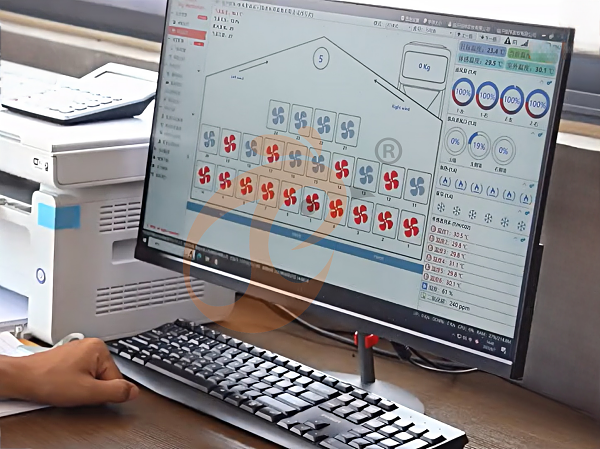
Full Data Collection
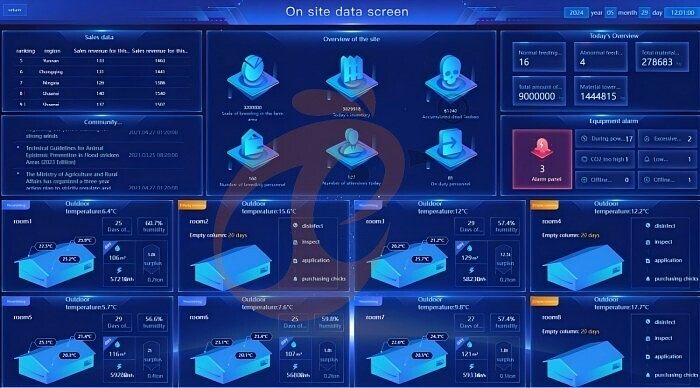
On Site Data Screen
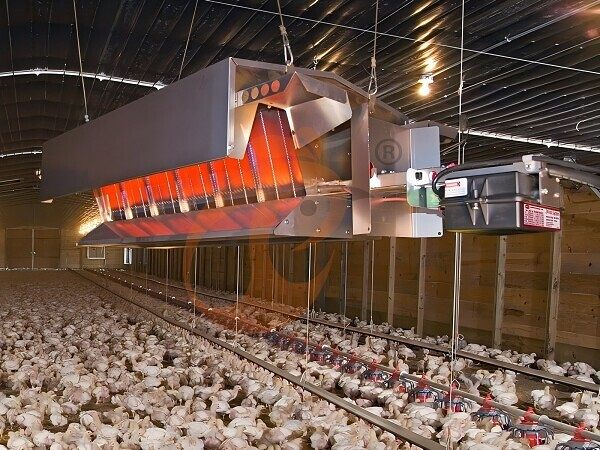
Heating Solutions
Furnaces, radiant tubes, and electric brooders keep birds comfortable even in the coldest seasons. Precise temperature control minimizes stress and supports optimal growth.
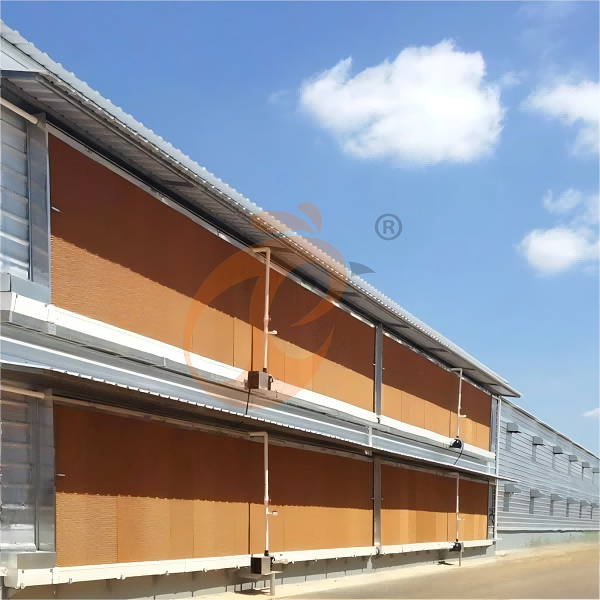
Cooling Solutions
Evaporative cooling pads, high-pressure foggers, and emergency drip systems ensure a safe, cool environment during heat waves. Each solution is optimized for bird type and house design.
Marketing Note
Intelligent temperature control reduces feed waste, accelerates growth, and enhances production consistency — protecting your investment and boosting ROI.
(3) Operational Excellence
A well-maintained system not only reduces operational risks but also signals professionalism and reliability to clients and investors.
"Why Choose Ventilation And Temperature Control Systems"
2. Layer House Application
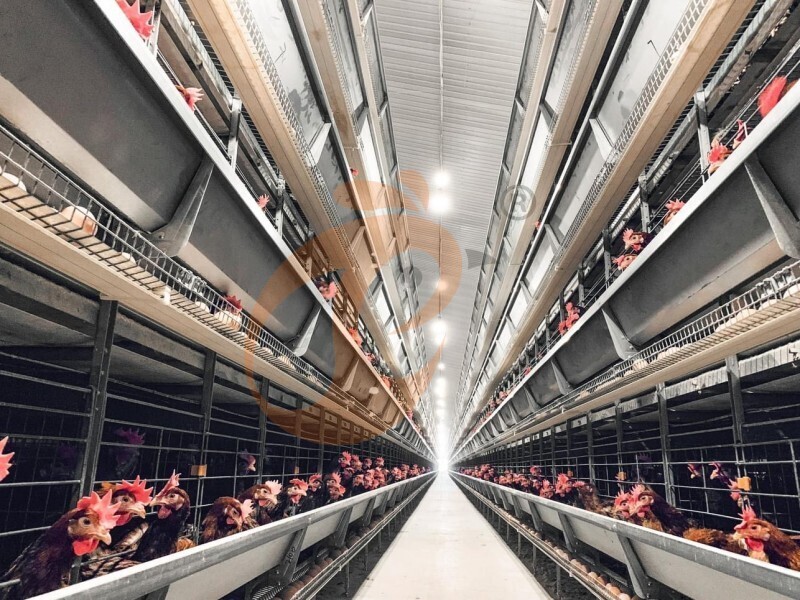
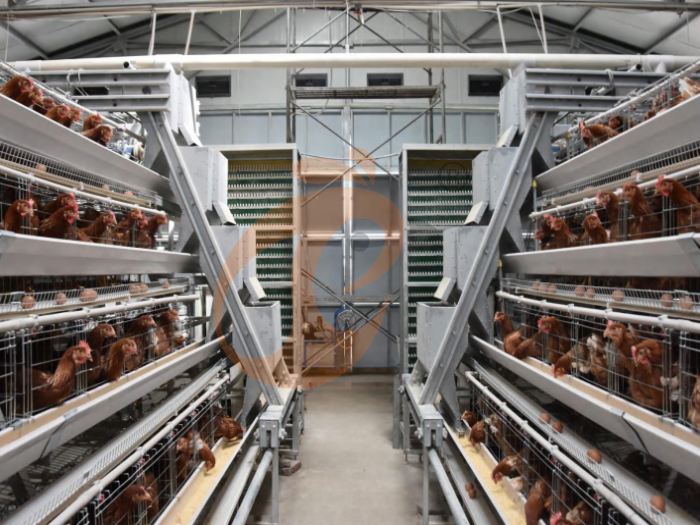
Poultry Cage System
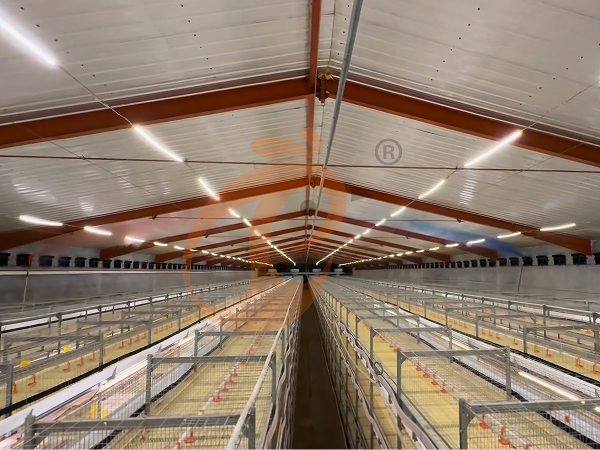
Broiler Deep Litter System
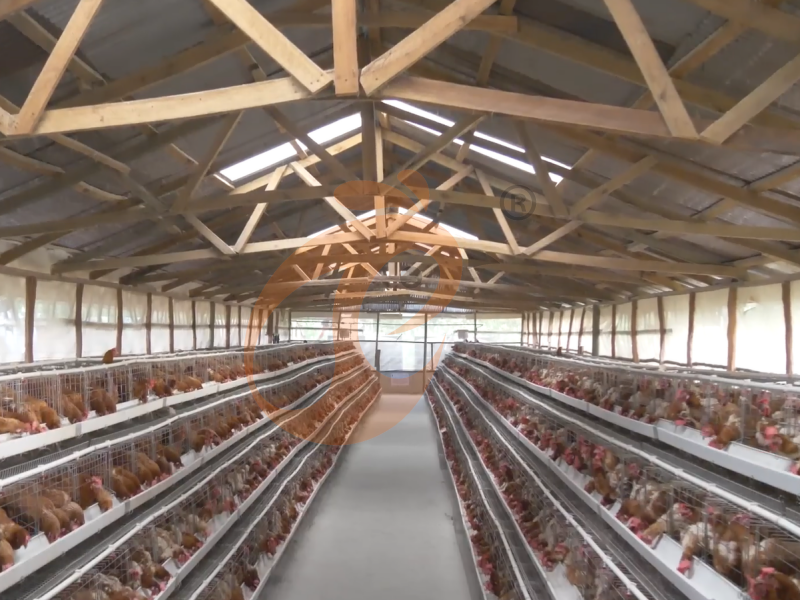
For egg-laying operations, stable climate control directly enhances egg output, shell quality, and bird longevity. Layer houses require precision in airflow distribution and temperature stability, particularly during peak laying months.
Typical Layer House Configuration (4-tier H-type, ~30,000 birds)
The layout of the system in layer houses is for reference only.
Stable conditions drive higher egg yield, uniform shell quality, and lower culling rates — ensuring every bird reaches its production potential.
3. Broiler House Application
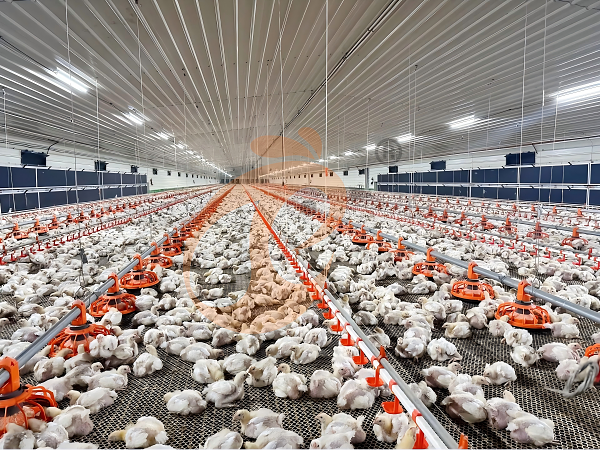
Broiler Deep Litter System
Broilers generate substantial heat, especially in the finishing stage. Ventilation systems here are designed for fast air exchange, ammonia removal, and litter dryness, enabling birds to grow rapidly and uniformly.
Typical Broiler House Parameters (~50,000 birds)
The layout of the system in broiler houses is for reference only.
By efficiently removing heat and harmful gases, the system safeguards bird health, accelerates growth, and reduces energy costs, giving you measurable returns on your investment.
4. Pullet / Chick House Application
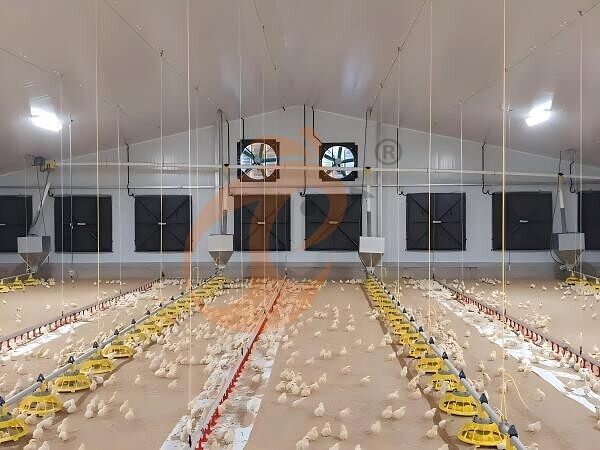
Chick Deep Litter System
Young chicks are highly sensitive to temperature and air movement. Pullets require controlled heating, minimal drafts, and precise humidity management to ensure uniform development.
Typical Pullet/Chick House Configuration (Day-old to 6 weeks)
The layout of the system in pullet houses is for reference only.
By creating a stress-free, perfectly balanced microclimate, this system promotes strong immunity, even growth, and higher future productivity — protecting your flock from day one.
"Tips Of Managing Poultry Farm And Poultry Farm"
5. Farm In Action — Data-Driven Scenes Across Seasons
(1) Layer House — Peak Summer Performance
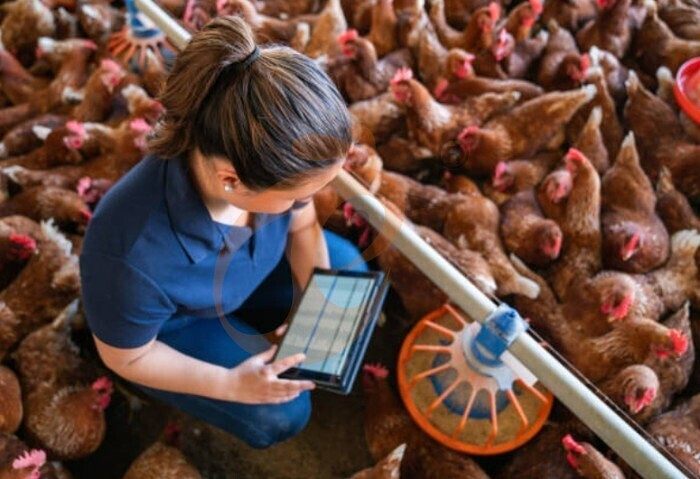
Outdoor temperature: 36 °C, relative humidity: 60 %
Tunnel ventilation running at 80 % capacity
Cooling pads reducing incoming air temperature by ~12 °C
Indoor temperature stabilized at 28–29 °C
Observed results: consistent feed intake, uniform laying rate, and low stress indicators
(2) Broiler House — Rapid Growth And Optimal Air Quality
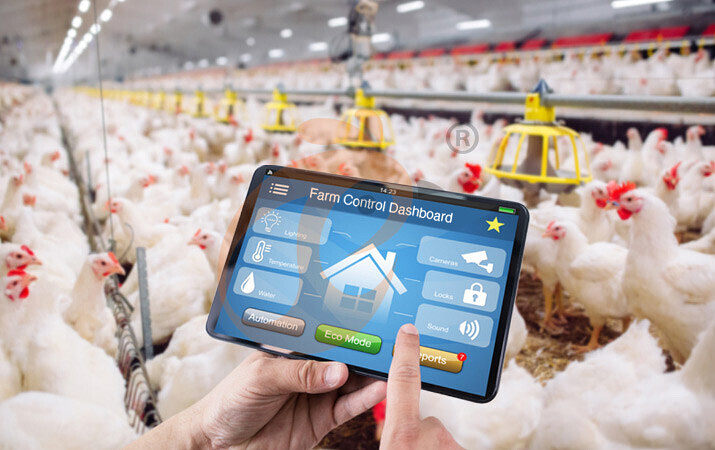
Stocking density: ~50,000 birds, 42–45 kg/m² total live weight
Tunnel airflow: 2.0–2.5 m/s at bird level
CO₂ levels maintained below 1,500 ppm
Litter moisture: 20–25 %
Outcome: faster daily weight gain, uniform flock size, reduced respiratory issues
(3) Pullet / Chick House — Controlled Early Development

Day-old chicks: 15,000 birds per house
Radiant heating maintaining 33–35 °C at chick level
Air velocity: 0.2–0.5 m/s
Humidity: 55–60 %
Result: 100 % survival in first week, even feathering, uniform growth curves
(4) Operational Insight Across Houses
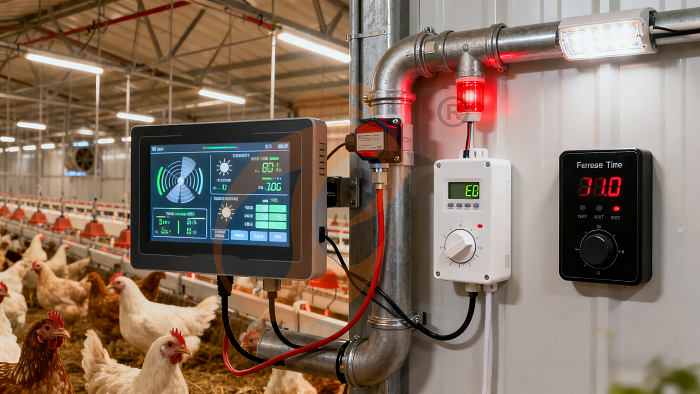
Sensors track temperature, humidity, ammonia, and airflow every 90 seconds
Automatic adjustments maintain ±1 °C temperature precision and ±5 % relative humidity tolerance
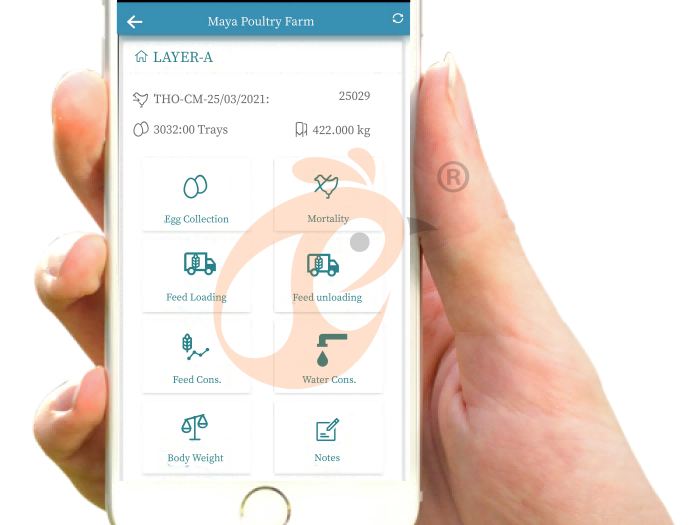
Farmers can monitor real-time data via mobile or desktop interface, ensuring rapid intervention if needed
(5) Visual Summary
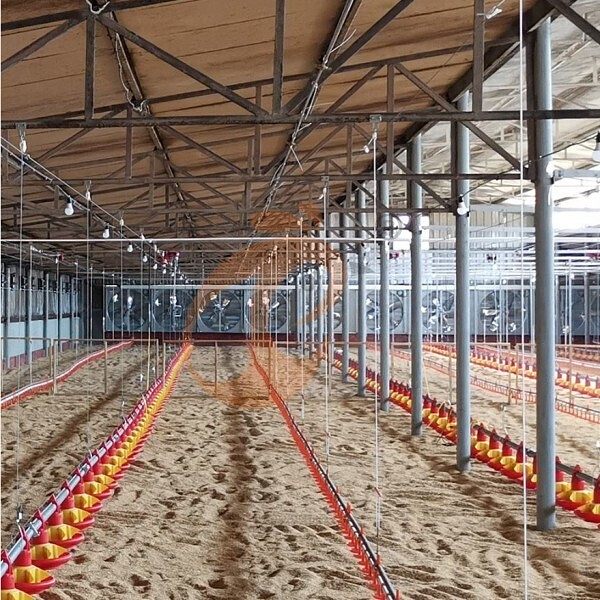
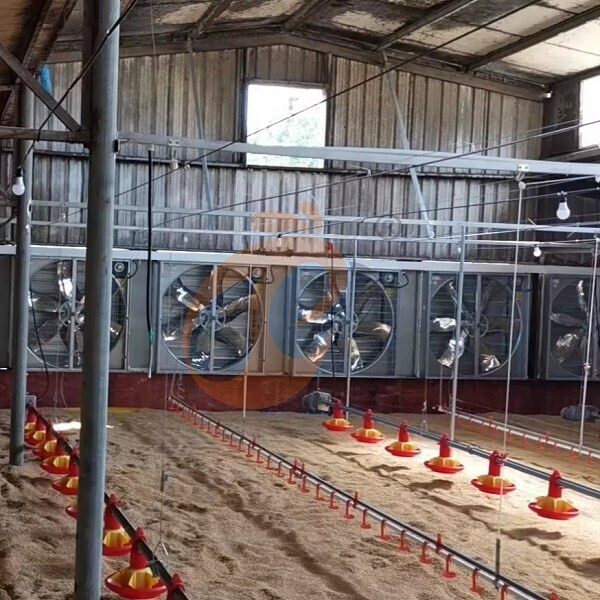
Stable microclimates tailored to bird type and age
Reduced mortality and uniform growth
Improved feed efficiency and production performance
This is more than equipment — it's a living system that actively manages your farm, turning environmental data into higher productivity, lower operational risk, and more predictable returns.
Certified





Tag
Message
Products recommended
 HK Headquarter Offers EU-standard Poultry Farm Solutions, Manufacture Poultry Farm Equipment1. Continuous communication with the EU and the US
2. China, Nigeria, Ethiopia, Tanzania branch companies and factories
3. The products’ quality is customized for local poultry farms
4. Poultry cage and poultry farm equipment stock for sale
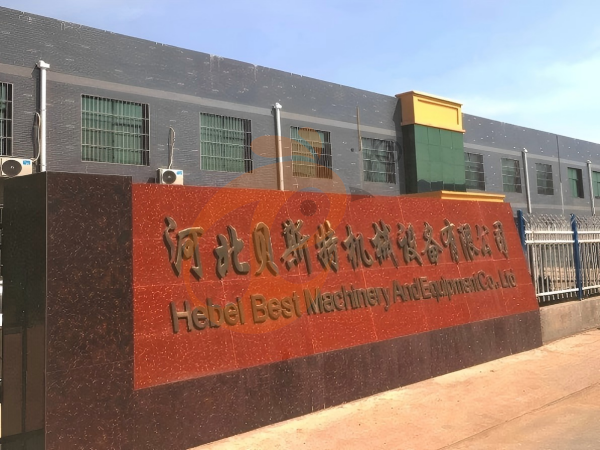
5. 24 online reception Whatsapp NO. : +8618830120193,contact us to get full informationRead More China Branch Offer Poultry Farm Business Plan, Manufacture Poultry Farm Equipment1. Address: Flat/RM 2416, 24/F, Runxing Building, Youyi Nan Street, Shijiazhuang City, Hebei Province, China
2. Poultry cage and poultry farm equipment factory and stock for sale
3. Customized for local poultry farms
4. Quality and design are based on Euro
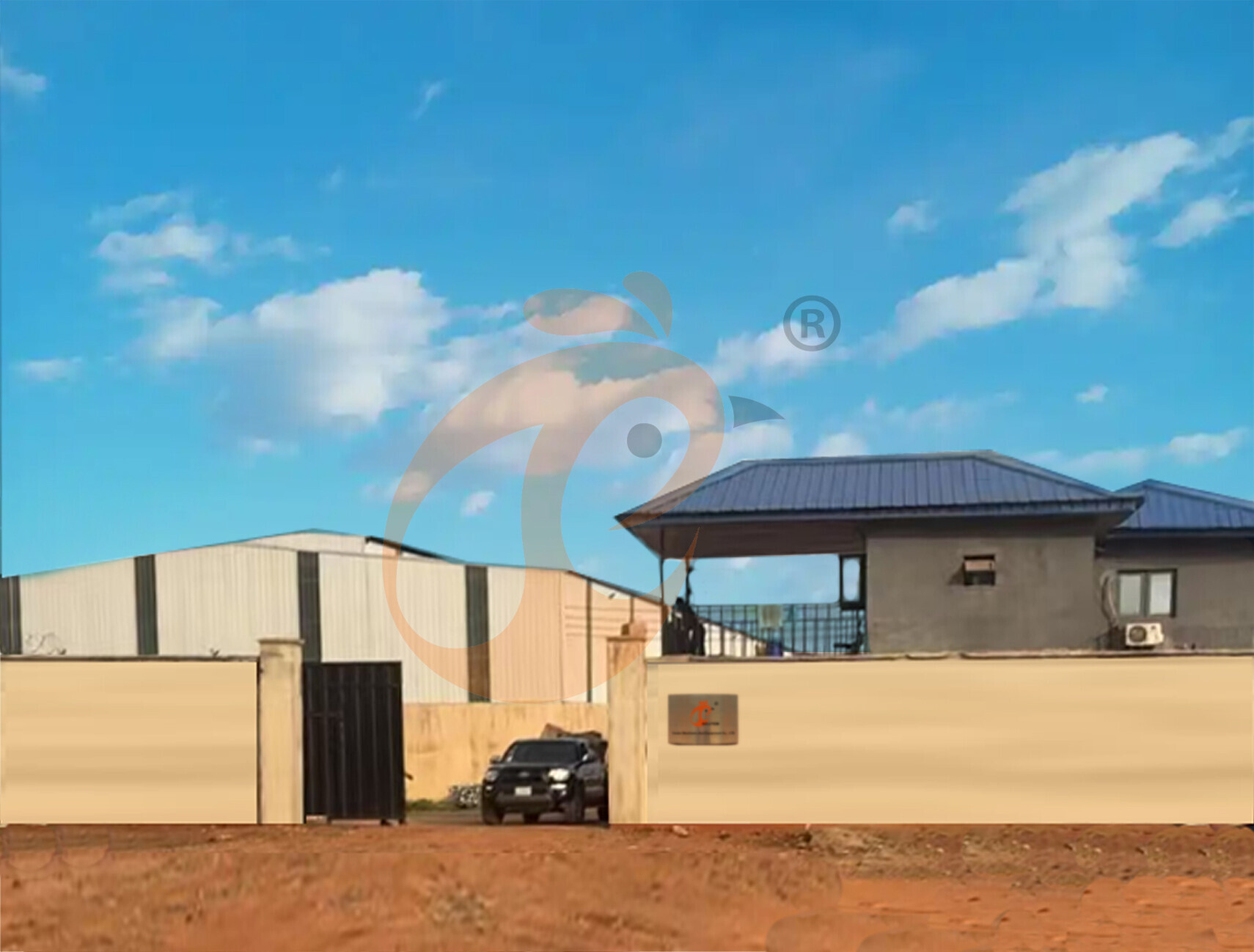
5. 24 online reception Whatsapp NO. : +8618830120193Read More Nigeria Branch Offer Poultry Farm Business Plan, Manufacture Poultry Farm Equipment1. Address: After Sinoma Office, 200 Meters Near Danco Filling Station, Lagos/Ibadan Expressway, Lagos State, Nigeria
2. Poultry cage and poultry farm equipment factory and stock for sale
3. Customized for Nigerian poultry farms
4. Quality and design are based on Euro
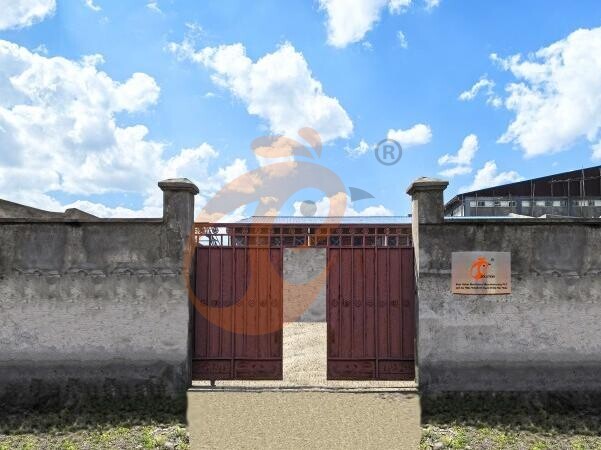
5. 24 online reception Whatsapp NO. : +8618830120193Read More Ethiopia Branch Offer Poultry Farm Business Plan, Manufacture Poultry Farm Equipment1. Address: Gelan Gura, Akaki-kaliti Sub City, Addis Ababa, Ethiopia
2. Poultry cage and poultry farm equipment stock for sale
3. Customized for Ethiopian poultry farms
4. Quality and design are based on Euro
5. 24 online reception Whatsapp NO. : +8618830120193, contact us to get price listRead More Tanzania Branch Offer Poultry Farm Business Plan, Manufacture Poultry Farm Equipment1. Address: No.8, Sova Road, Msufini, Mlandizi, Kibaha, Pwani, Tanzania
2. Poultry cage and poultry farm equipment factory and stock for sale
3. Customized for Tanzanian poultry farms
4. Quality and design are based on Euro
5. 24 online reception Whatsapp NO. : +8618830120193Read More Fully Automatic H Type Layer Chicken Cage1. 30,000-100,000+ layers/house chooses it, Poultry farmers can achieve an egg production rate of 96-98%
2. A significant improvement over the 85-90% typically seen in manual systems
3. A typical poultry farm can expect a 30-40% reduction in labor costs due to the automation
4. Each feeding line efficiently supplies feed to around 100,000 hens per 30 mins
5. Reception /WhatsApp NO. : +8618830120193Read More Fully Automatic A Type Layer Chicken Cage1. 10,000-50,000 layers/house chooses it
2. Cleaner egg collection reduces breakage by 0.5%
3. Improved hygiene helps reduce mortality rate to <3%
4. 1–2 technicians can handle 15,000–30,000 birds
5. Reception /WhatsApp NO. : +8618830120193Read More Semi Automatic H Type Layer Chicken Cage1. 1,00-20,000 layers/house chooses it
2. Nipple drinkers flow 30–60 ML / min
3. Hot-dip galvanized (typical coating ≥ 275 g/m²)
4. Reduce ammonia by ~ 35–40%
5. Reception /WhatsApp NO. : +8618830120193Read More Semi Automatic A Type Layer Chicken Cage1. 1,00-20,000 layers/house chooses it, no rust for 10 years, no deformation for 15 years
2. Chickens live comfortably, you can raise them with peace of mind
3. Save water, save money—efficiency you can measure
4. Improve environment quality, and increase egg production rate
5. Reception /WhatsApp NO. : +8618830120193Read More IoT Poultry Farming System1. Humidity sensor 0–100% RH ±3%
2. CO₂ sensor range 0–5000 ppm
3. Ammonia (NH₃) sensor 0–100 ppm range
4. Actuator controllers relay or 0–10V analog output
5. Reception /WhatsApp NO. : +8618830120193Read More Overall Structure IoT System In The Farm1. Breeding planning framework
2. CCTV
3. Poultry digital platform - comprehensive large screen
4. Alarm management
5. Reception /WhatsApp NO. : +8618830120193Read More Poultry House Environmental Control Smart IoT System1. Precision ventilation
2. Full site equipment control
3. Self diagnosis alarm system
4. European standard hardware
5. Reception /WhatsApp NO. : +8618830120193Read More



By clicking 'Allow All', you agree to the storage of cookies on your device to enhance site navigation, analyze site usage and assist with our marketing efforts.