


Blog
10 importance of automatic a type layer chicken cage enhances productivity and improves egg quality
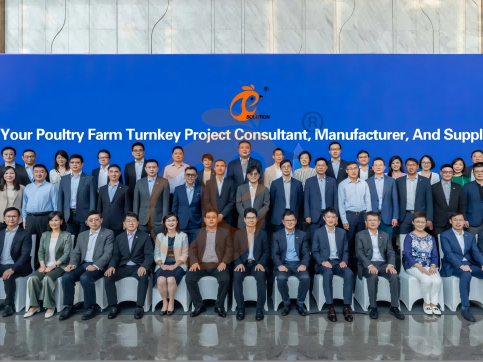
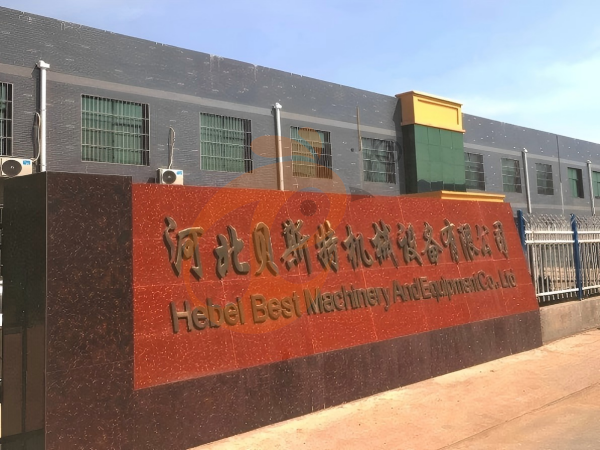
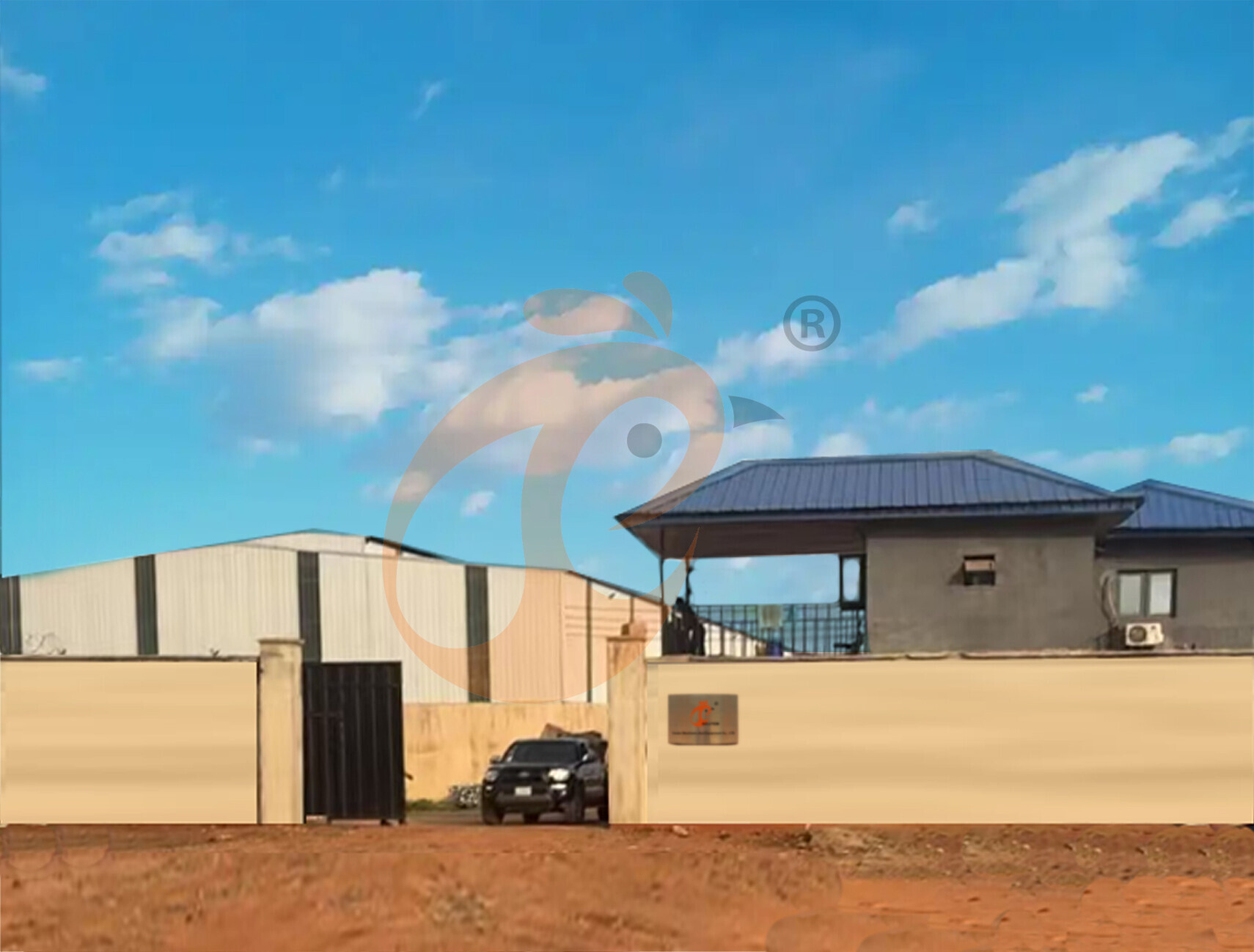
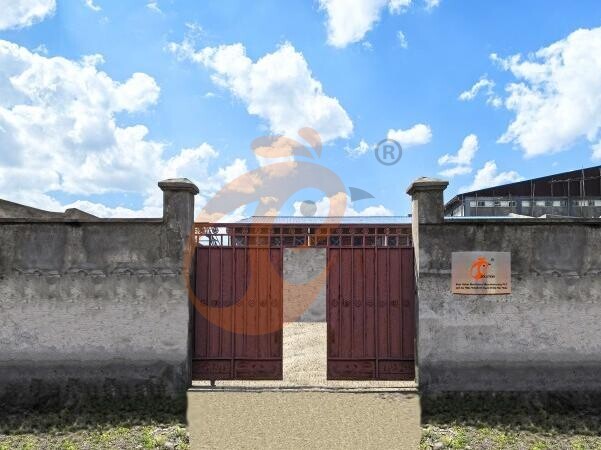
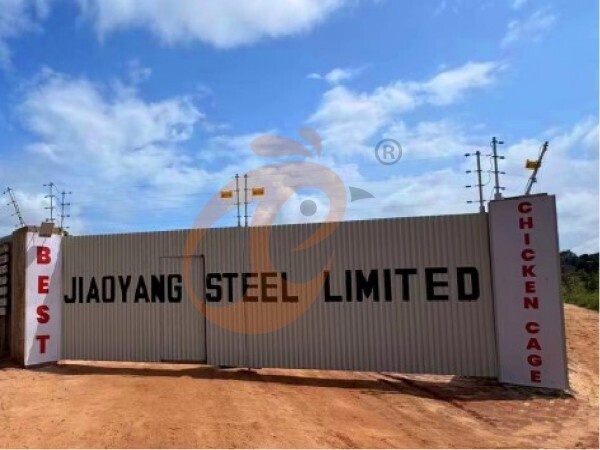
Headquarter and branches of office factory
Our design and quality of poultry battery cage, poultry farm equipment based on EURO standard,
offer modern poultry farm consulting and turnkey project
Hong Kong Headquarter Taiyu Industrial Group CO., LTD
China Hebei Best Machinery And Equipment CO., LTD
Nigeria Vanke Machinery And Equipment CO., LTD
Tanzania Best Machinery And Equipment CO., LTD
Ethiopia Best Hebei Machinery Manufacturing PLC
Reception T ( wechat / whatsapp ): +86-18830120193
E: Sales@bestchickencage.com
Hot sale poultry battery cage
Layer cage
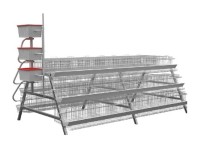
Type 1
< 30,000 birds
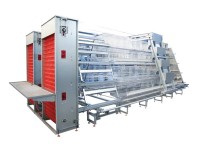
Type 2
10,000-50,000 birds
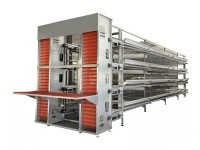
Type 3
> 50,000+ birds
Broiler cage
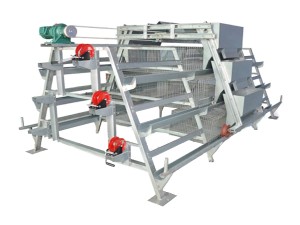
Type1
< 30,000 birds
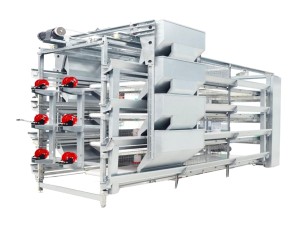
Type 2
> 30,000+ birds
Brooder cage
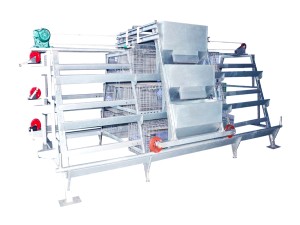
Type 1
< 30,000 birds
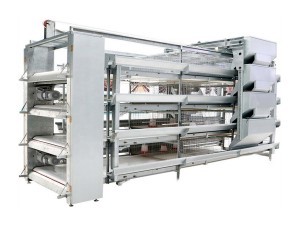
Type 2
> 30,000 birds
Offer Chicken house ‘s size
The length 50 to 120 meters,
the width 8 to 16 meters,
the height 3.5 to 8 meters,
The specific dimensions are determined by the actual chicken poultry and poultry equipment
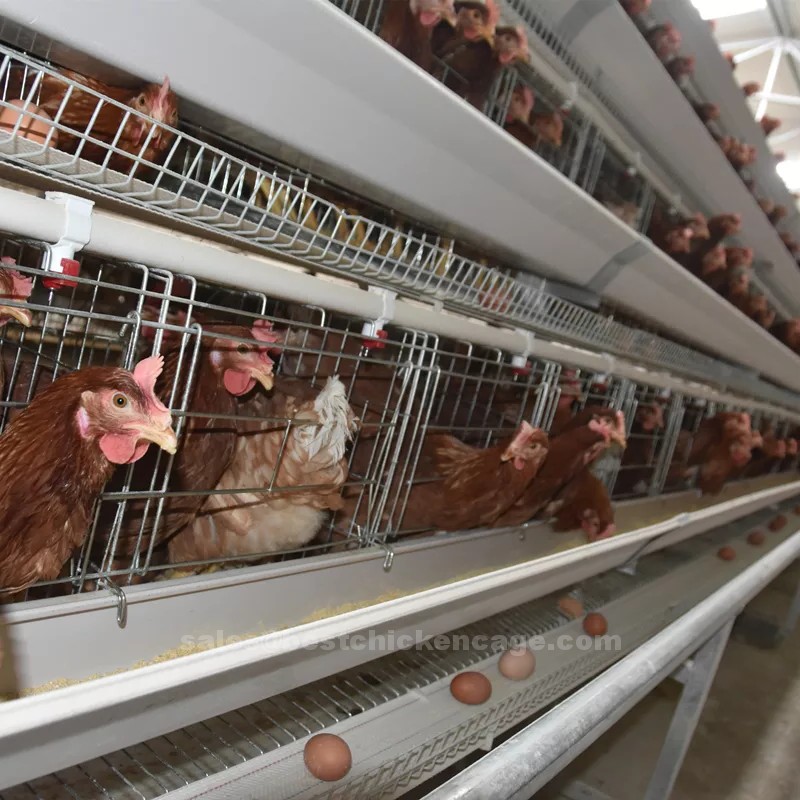
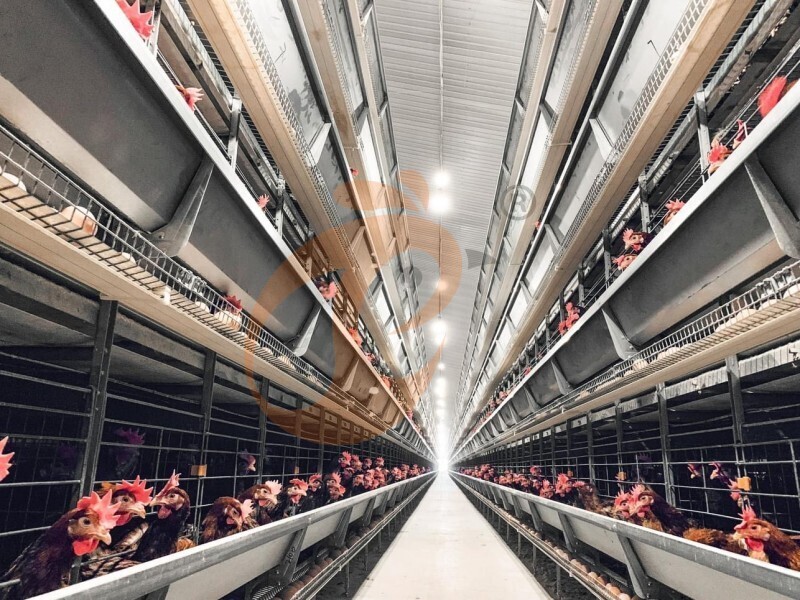
Automatic a type layer chicken cage
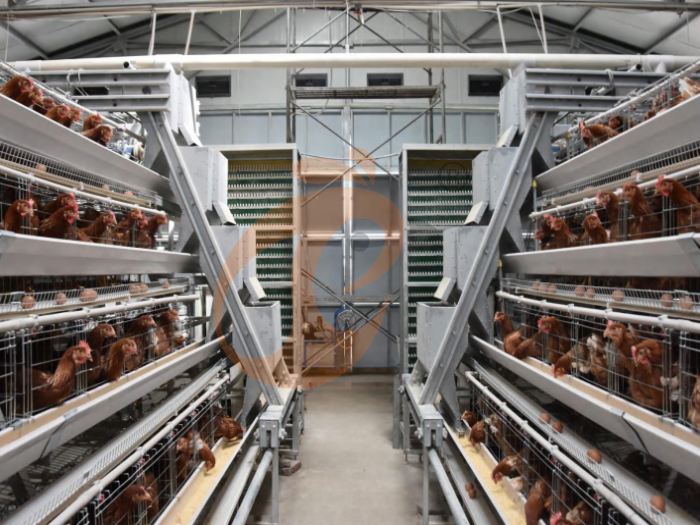
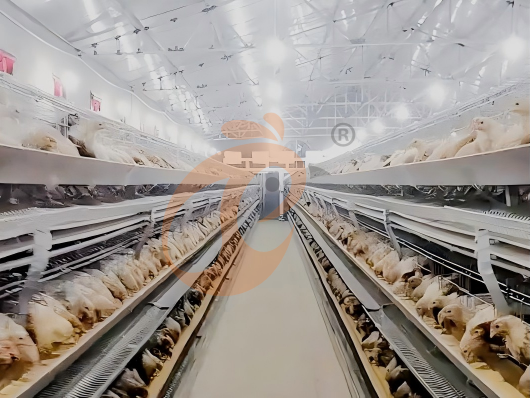
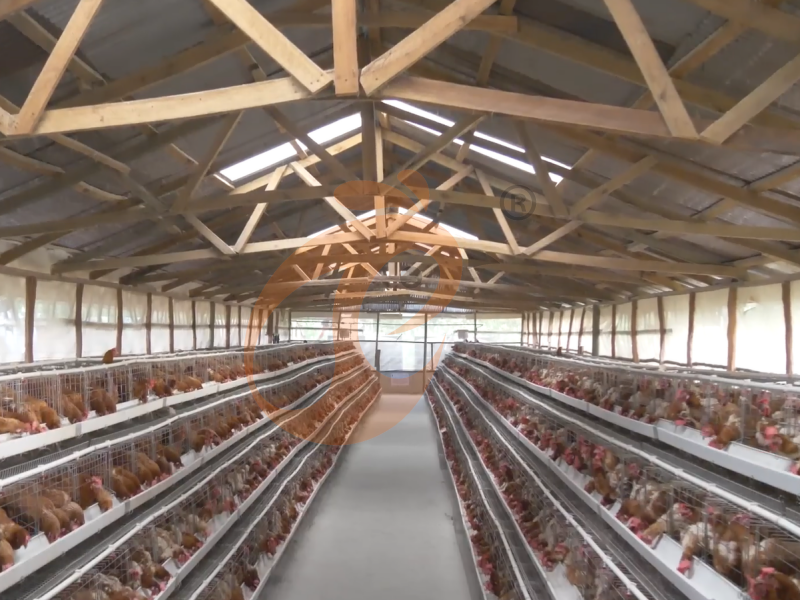
The automatic a-type layer chicken cage is a modern, efficient poultry farming system designed for large-scale egg production. It features a multi-tier, slanted cage structure that optimizes space, houses more birds, and reduces overcrowding. Automated systems for feeding, watering, egg collection, and waste management streamline operations, reduce labor costs, and ensure consistent, high-quality egg production. These cages are built for durability with rust-resistant materials and include ventilation and climate control to maintain ideal conditions for bird health and productivity. With improved biosecurity and reduced manual intervention, the a-type system boosts overall farm efficiency and profitability
The automatic a-type layer chicken cage is a highly efficient and automated poultry farming solution designed to optimize egg production. Its multi-tier, slanted design maximizes space usage and allows for higher bird capacity in a compact area. Key features include automated feeding, watering, egg collection, and manure removal systems, which reduce labor, minimize waste, and ensure a clean, productive environment. The cage design promotes bird welfare by maintaining consistent temperature, ventilation, and lighting. Constructed with durable materials like galvanized steel, the system is built to last and requires minimal maintenance. Overall, the a-type cage system enhances productivity, improves egg quality, and increases farm profitability while maintaining a high level of hygiene and biosecurity
Products you are interested in
We are always happy to support our customers and partners with technical questions,
products you may want to learn more, click the name to visit
1. Steel structure poultry house, opening type for hot countries and close type for cool countries
2. Poultry hatching equipment’s capacity of eggs up to 120,000+ to be hatching house
4. Chicken feed processing equipment from feed crushing and mixing to stock to feeding chicken
6. Egg processing equipment from automatic egg collection to packing egg to trays
7. Chicken slaughtering equipment from slaughter to vacuum package
9. Other poultry farm equipment are coming soon...
Bookmark our website and contact us now to discuss your modern poultry farm plan and quotation
Automatic a type layer chicken cage application
1. Large-scale egg production: The a-type cage system is ideal for farms that need to produce eggs in high volumes. Its multi-tiered design allows farmers to house a large number of hens in a compact space, boosting overall egg output without compromising bird health
2. Automation for increased efficiency: The automated systems for feeding, watering, and egg collection make this system perfect for farmers who want to reduce labor costs and improve operational efficiency. Automation helps ensure that the hens are fed and watered consistently, and eggs are collected in an organized and clean manner
3. Space optimization: Farms with limited space benefit from the a-type cages as they utilize vertical space effectively. This is especially important in areas with high land costs or limited acreage for farming
4. Improved bird welfare and health: By ensuring proper lighting, ventilation, and temperature control, the system helps maintain a healthy environment for hens, which can lead to better productivity and reduced stress-related issues
5. Enhanced biosecurity: The individual housing of hens reduces the risk of disease transmission. The automated waste removal systems also contribute to a cleaner and more hygienic environment, which is essential for maintaining biosecurity on the farm
6. Profitability and sustainability: The a-type cage system supports the long-term sustainability of poultry farms by increasing egg production efficiency and reducing operational costs, leading to improved profitability
Company video
Automatic a type layer chicken cage parameters
The performance of an automatic a-type layer chicken cage system is influenced by several key parameters that ensure its efficiency and suitability for large-scale egg production
Key features include
1. Cage material: The cages are typically made from galvanized steel or other corrosion-resistant materials to ensure durability and longevity, reducing the need for frequent repairs and maintenance
2. Number of tiers: The system can vary in the number of tiers, typically ranging from 3 to 5. The number of tiers determines the height of the cage system and the number of hens that can be housed in a given area. More tiers allow for better space utilization but should be designed to ensure proper ventilation and access to the hens
3. Bird capacity: The number of birds that the cage system can accommodate is a crucial parameter. Capacity is determined by the number of tiers and the size of the individual cage compartments. The system can house anywhere from 90 to 160 birds or more, depending on the configuration
4. Feeding system: Automated feeding systems are designed to ensure even and consistent feeding. These systems typically include feed troughs or chain systems that deliver food to the hens without requiring manual intervention. The efficiency of the feeding system impacts feed consumption rates and egg production
5. Watering system: The watering system is often equipped with nipple drinkers that provide fresh water to the hens. These systems are designed to minimize water wastage and ensure that the birds have access to clean water at all times
6. Egg collection system: Automatic egg collection systems, such as conveyor belts or trays, help to collect eggs efficiently, minimizing breakage and contamination. The egg collection system is designed to move eggs from the cages to a central collection area for further processing
7. Waste management system: Layer cages are equipped with automated manure removal systems, such as conveyor belts or slats, that remove waste from the cages and direct it to a central area for disposal. Efficient waste management is crucial for maintaining farm hygiene and bird health
8. Ventilation and climate control: Proper ventilation is essential for maintaining optimal environmental conditions inside the cages. Automated fans and ventilation systems help regulate temperature and humidity, ensuring that the hens remain comfortable and productive. Some systems may include heating or cooling features for temperature control, particularly in regions with extreme weather conditions
9. Flooring: The floor of the cages is usually made of wire mesh or slats to allow manure to fall through, making cleaning easier and reducing the risk of disease. The type of flooring impacts bird comfort and waste management efficiency
10. Size of individual cages: The dimensions of each individual cage compartment are designed to ensure that the hens have enough space to move comfortably. The size of the cages should adhere to animal welfare standards to avoid overcrowding and to promote the health and productivity of the hens
Automatic a type layer chicken cage advantages
1. Increased productivity: The automated systems for feeding, watering, egg collection, and waste removal ensure consistent operations, reducing human error and improving the overall efficiency of egg production. As a result, farmers can achieve higher egg production rates with less labor input
2. Space efficiency: The multi-tiered design of the a-type cage maximizes space utilization, allowing farmers to house more birds in a smaller area. This is particularly beneficial in areas with limited land or high land costs, optimizing the use of available space
3. Labor reduction: Automation reduces the need for manual labor in key areas such as feeding, watering, egg collection, and waste management. This leads to significant labor cost savings and makes it easier to manage large-scale operations
4. Improved egg quality: The automated egg collection system ensures that eggs are collected gently, reducing the risk of breakage, contamination, or damage. Additionally, the clean environment created by automated waste removal helps maintain higher egg quality, as eggs are kept free from waste and other contaminants
5. Enhanced biosecurity: Layer cages are designed to keep hens separated from each other and their waste, which reduces the spread of diseases. The automated waste removal systems also minimize the chances of bacteria and pathogens accumulating in the environment, helping to maintain a healthier farm
6. Better bird welfare: The system is designed to provide consistent feeding, watering, and environmental conditions (temperature, ventilation, lighting), promoting bird health and productivity. The cages are designed to ensure adequate space for each hen, reducing overcrowding and stress, which can lead to better egg production and less risk of diseases
7. Waste management efficiency: The automated manure removal systems ensure that waste is consistently and efficiently removed from the cages, reducing the risk of ammonia buildup and maintaining a cleaner farm environment. This also reduces the need for frequent manual cleaning and labor costs associated with waste management
8. Reduced operational costs: With the integration of automated systems, the cost of labor is significantly reduced, and there is less waste in terms of feed and water usage. Additionally, the efficient use of space and energy in the a-type cage system can lower overall operating costs
9. Scalability: The a-type layer cage system can be easily expanded by adding more tiers or cages, making it a flexible solution for farms of varying sizes. This scalability allows farmers to adjust their operations as their production needs grow
10. Durability and longevity: Built with high-quality materials such as galvanized steel, a-type cages are designed for long-term use, reducing the need for frequent repairs and replacements. The durability of the system also ensures that it can withstand harsh farming environments and continue to perform reliably over time
Frequently asked questions
Q: How do the automated feeding and watering systems work in a-type layer cages?
A: The automated feeding and watering systems in a-type layer cages are designed to deliver consistent and controlled amounts of feed and water to the birds. The feeding system uses troughs or chain conveyors that move feed from a central source to individual cages. The watering system uses nipple drinkers or other automated mechanisms that provide fresh water to each hen as needed. Both systems are connected to centralized controls that allow farmers to monitor and adjust feed and water delivery based on the birds’ needs, improving efficiency and reducing waste
Q: How does the egg collection system in a-type cages minimize egg damage?
A: The egg collection system in a-type cages uses conveyor belts or trays that gently collect the eggs as they are laid, reducing the risk of breakage or contamination. The eggs are automatically moved to a central collection area, minimizing the need for manual handling, which can cause damage. Additionally, the system is designed with smooth surfaces and gentle egg-handling techniques to further protect the eggs during collection
Q: Can the automatic a-type layer cage system be customized for different farm sizes and bird capacities?
A: Yes, the automatic a-type layer cage system is highly customizable to fit different farm sizes and production capacities. The number of tiers, cage dimensions, and automation features can be adjusted based on the specific needs of the farm. Farmers can scale the system up or down by adding or removing tiers, adjusting cage sizes, and integrating additional automated systems to match the capacity required for their operations
Q: What are the energy consumption implications of using an automatic a-type layer cage system?
A: Energy consumption in an automatic a-type layer cage system depends on the level of automation, ventilation, and temperature control. While these systems are designed to be energy-efficient, they may still require significant electricity for ventilation fans, heating or cooling systems, and automation mechanisms. However, the long-term energy cost can be optimized by investing in energy-efficient components, using renewable energy sources, and properly maintaining the system to avoid unnecessary energy waste. Farmers can also monitor and adjust energy usage through integrated control systems to reduce operational costs
Conclusion
The automatic a-type layer chicken cage system represents a significant advancement in poultry farming, offering numerous benefits for large-scale egg production operations. By integrating automation for feeding, watering, egg collection, and waste management, it optimizes efficiency, reduces labor costs, and ensures a high level of productivity. The system’s design maximizes space usage, enhances bird welfare, and promotes consistent egg quality, all while improving biosecurity and maintaining a cleaner farm environment
With its customizable features, scalability, and long-lasting durability, the a-type layer cage system is ideal for farms of various sizes looking to expand their operations or enhance their existing infrastructure. Additionally, its ability to manage waste effectively and maintain optimal environmental conditions contributes to better bird health and reduced disease risks
Overall, the automatic a-type layer chicken cage system provides a sustainable, cost-effective solution for modern poultry farms, increasing profitability while ensuring animal welfare and environmental responsibility
Tips
Supply all following information,
we will customize your economical and manageable turnkey farm project plan by it
1. Your name
2. Tel (Whatsapp ID too)
3. Email
4. Farm location
5. Your farm land size
6. Layer, broiler or pullet
7. Capacity Capacity 3,000~10,000, 30,000~100,000 or 200,000~1,000,000+
8. Cage system and poultry equipment you want

Tag
Message
Products recommended
 HK Headquarter Offers EU-standard Poultry Farm Solutions, Manufacture Poultry Farm Equipment1. Continuous communication with the EU and the US
2. China, Nigeria, Ethiopia, Tanzania branch companies and factories
3. The products’ quality is customized for local poultry farms
4. Poultry cage and poultry farm equipment stock for sale
5. 24 online reception Whatsapp NO. : +8618830120193,contact us to get full informationRead More China Branch Offer Poultry Farm Business Plan, Manufacture Poultry Farm Equipment1. Address: Flat/RM 2416, 24/F, Runxing Building, Youyi Nan Street, Shijiazhuang City, Hebei Province, China
2. Poultry cage and poultry farm equipment factory and stock for sale
3. Customized for local poultry farms
4. Quality and design are based on Euro
5. 24 online reception Whatsapp NO. : +8618830120193Read More Nigeria Branch Offer Poultry Farm Business Plan, Manufacture Poultry Farm Equipment1. Address: After Sinoma Office, 200 Meters Near Danco Filling Station, Lagos/Ibadan Expressway, Lagos State, Nigeria
2. Poultry cage and poultry farm equipment factory and stock for sale
3. Customized for Nigerian poultry farms
4. Quality and design are based on Euro
5. 24 online reception Whatsapp NO. : +8618830120193Read More Ethiopia Branch Offer Poultry Farm Business Plan, Manufacture Poultry Farm Equipment1. Address: WR93+FQ2, Addis Ababa, Ethiopia
2. Poultry cage and poultry farm equipment stock for sale
3. Customized for Ethiopian poultry farms
4. Quality and design are based on Euro
5. 24 online reception Whatsapp NO. : +8618830120193, contact us to get price listRead More Tanzania Branch Offer Poultry Farm Business Plan, Manufacture Poultry Farm Equipment1. Address: No.8, Sova Road, Msufini, Mlandizi, Kibaha, Pwani, Tanzania
2. Poultry cage and poultry farm equipment factory and stock for sale
3. Customized for Tanzanian poultry farms
4. Quality and design are based on Euro
5. 24 online reception Whatsapp NO. : +8618830120193Read More Fully Automatic H Type Layer Chicken Cage1. 30,000-100,000+ layers/house chooses it, Poultry farmers can achieve an egg production rate of 96-98%
2. A significant improvement over the 85-90% typically seen in manual systems
3. A typical poultry farm can expect a 30-40% reduction in labor costs due to the automation
4. Each feeding line efficiently supplies feed to around 100,000 hens per 30 mins
5. Reception /WhatsApp NO. : +8618830120193Read More Fully Automatic A Type Layer Chicken Cage1. 10,000-50,000 layers/house chooses it
2. Cleaner egg collection reduces breakage by 0.5%
3. Improved hygiene helps reduce mortality rate to <3%
4. 1–2 technicians can handle 15,000–30,000 birds
5. Reception /WhatsApp NO. : +8618830120193Read More Semi Automatic H Type Layer Chicken Cage1. 1,00-20,000 layers/house chooses it
2. Nipple drinkers flow 30–60 ML / min
3. Hot-dip galvanized (typical coating ≥ 275 g/m²)
4. Reduce ammonia by ~ 35–40%
5. Reception /WhatsApp NO. : +8618830120193Read More Semi Automatic A Type Layer Chicken Cage1. 1,00-20,000 layers/house chooses it, no rust for 10 years, no deformation for 15 years
2. Chickens live comfortably, you can raise them with peace of mind
3. Save water, save money—efficiency you can measure
4. Improve environment quality, and increase egg production rate
5. Reception /WhatsApp NO. : +8618830120193Read More
By clicking 'Allow All', you agree to the storage of cookies on your device to enhance site navigation, analyze site usage and assist with our marketing efforts.