






Blog
Poultry watering system architecture defines hydration efficiency, pressure stability, and biosecurity control across commercial production environments.
Poultry nipple drinkers optimize closed line water delivery, reducing contamination risk and improving feed conversion ratio consistency.
Automatic chicken waterer configurations integrate pressure regulators, filtration modules, and automated flow balancing mechanisms.
Market pricing structures in 2026 reflect stainless steel supply volatility and polymer resin cost stabilization cycles.
System level return on investment optimization depends on water wastage reduction, maintenance interval extension, and flock performance uniformity.
Get professional poultry farm construction guidance, equipment selection solutions, and the latest price lists, whatsApp to +8618830120193, +2348111199996, or click to learn more.
Global Market Overview And Pricing Dynamics
The poultry watering equipment sector is currently experiencing a compound annual growth rate (CAGR) of approximately 6.5%.
This growth is primarily fueled by the transition from manual bell drinkers to high precision poultry nipple drinkers systems.
In 2026, pricing is influenced by rising costs of medical grade plastics and stainless steel, yet offset by improvements in automated manufacturing.
For a standard commercial farm, the investment per bird has shifted as systems become more integrated with farm management software.
Data is for reference only.Swipe horizontally to view full table.
Nipple Drinking Systems The Industry Gold Standard
Nipple drinkers have become the dominant choice for broiler and layer houses due to their closed circuit nature, which prevents fecal contamination of the water supply.
In 2026, the trend has moved toward "high flow" nipples that can satisfy the rapid growth rates of modern broiler strains.
Prices for these systems are typically quoted by linear foot or per 1,000 birds.
Poultry watering system efficiency is directly dependent on pressure calibration and nipple responsiveness.
Data is for reference only.Swipe horizontally to view full table.
Bell Drinkers The Traditional Reliable Choice
While poultry nipple drinkers systems lead in large scale operations, bell drinkers specifically plasson style automatic models remain popular in breeder farms and regions with specific water quality challenges.
Bell drinkers are easier for birds to see, which can be advantageous during the first 48 hours of a chick's life.
However, they require more frequent cleaning compared to nipple systems.
Data is for reference only.Swipe horizontally to view full table.
Science Of Poultry Hydration A Technical Deep Dive
Understanding why investment occurs in specific watering equipment requires a look at avian physiology.
A chicken’s water consumption is typically 2× the weight of feed consumption.
However, in temperatures exceeding 30°C, this ratio can increase to X 4 or X 5.
Flow rate control defines poultry watering system performance stability.
For a broiler at 4 weeks of age, a nipple flow rate of 80 ml/min to 100 ml/min is required to prevent dehydration.
Excess pressure produces litter saturation and ammonia accumulation, while insufficient pressure increases energy expenditure during drinking behavior.
Backyard And Small Scale Solutions
For small holder or hobby farming environments, system design prioritizes maintenance simplicity and frost resistance.
Heated watering equipment demonstrates price reduction cycles in 2026 due to mass production of PTC heating modules with higher thermal efficiency compared to resistive wire systems.
Data is for reference only.Swipe horizontally to view full table.
Filtration And Medicator Integration
Modern poultry watering system infrastructure functions as nutrient distribution architecture.
Dosatron style medicators enable controlled injection of vaccines, electrolytes, and organic acids through water lines.
Digital medicators in 2026 incorporate telemetry modules for real time flow verification and anomaly detection.
Data is for reference only.Swipe horizontally to view full table.
Installation And Maintenance Labor Factors
Automated systems demonstrate higher capital expenditure but reduced operational cost intensity.
In a 20,000 bird production unit, conversion from manual bell systems to poultry nipple drinkers reduces labor demand by approximately 15 hours per week.
Data is for reference only.Swipe horizontally to view full table.
Factors Influencing Price Fluctuations In 2026
Smart poultry watering system deployment expands through sensor based monitoring architectures.
Individual line clog detection systems increase total system cost by approximately 15% while reducing mortality linked losses.
Modularization trends under right to repair frameworks enable snap on nipple replacement structures.
Maintenance cost reduction reaches approximately 20% compared to legacy PVC integrated systems.
Future Trends Solar And Low Pressure Innovations
Solar integrated watering systems are expanding within pasture based poultry infrastructure.
Photovoltaic energy modules support low voltage pumping systems that maintain continuous circulation, reducing microbial growth and freezing risks.
Data is for reference only.Swipe horizontally to view full table.
Conclusion And Purchase Recommendations
Poultry watering system selection in 2026 requires lifecycle cost analysis rather than unit price comparison.
Large scale broiler production benefits from automated poultry nipple drinkers integrated with digital monitoring modules.
Small scale operations benefit from stainless steel automatic chicken waterer configurations and thermally stabilized bell systems.
System reliability and water efficiency define long term operational profitability.
Frequently Asked Questions
Q1: What determines poultry watering system cost variation In 2026?
A1: Cost variation is driven by stainless steel supply volatility, polymer resin pricing, and integration of digital flow sensors.
Advanced systems increase upfront cost by 10–20% but reduce water wastage by up to 12%.
Q2: How do poultry nipple drinkers impact feed conversion ratio?
A2: Poultry nipple drinkers improve hydration consistency, stabilizing metabolic intake efficiency.
Feed conversion ratio improvements of 3–8% are commonly observed in controlled broiler environments due to reduced water contamination.
Q3: What is the optimal maintenance cycle for automatic chicken waterer systems?
A3: Optimal maintenance includes daily pressure inspection, weekly high pressure flushing at 30 PSI, and full post cycle chemical sanitation using chlorine or hydrogen peroxide solutions.
Taiyu (HK) Group - One Of China Largest Poultry Watering System Manufacturer
Poultry watering system designed for high density broiler and layer production environments with precision flow regulation and durable stainless steel construction.
Factory direct supply of poultry equipment supporting global distribution channels with standardized quality inspection and scalable production capacity.
Poultry cage and integrated watering line engineering systems supporting turnkey installation for industrial poultry farm projects.
Turn key engineering solutions covering housing, feeding, drinking, and environmental control systems for commercial poultry operations.
Global export manufacturing capability supporting OEM customization, bulk supply contracts, and long term agricultural infrastructure deployment.
Contact Us To Received Your Customized Poultry Farm Plan
Headquarters And Branchs
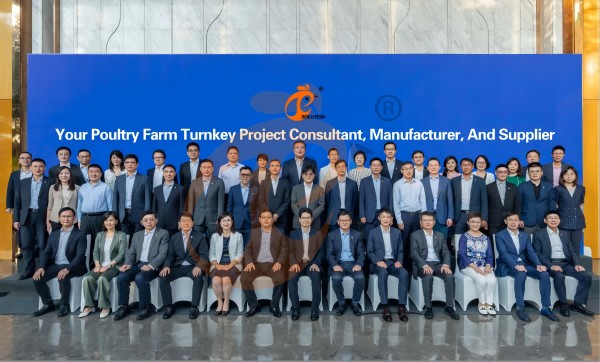
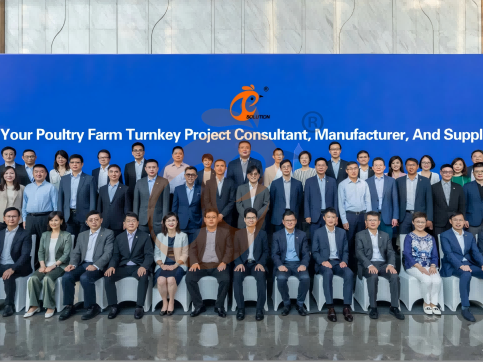
Hong Kong Headquarter Management Team
Hong Kong Headquarter Taiyu Industrial Group CO., LTD
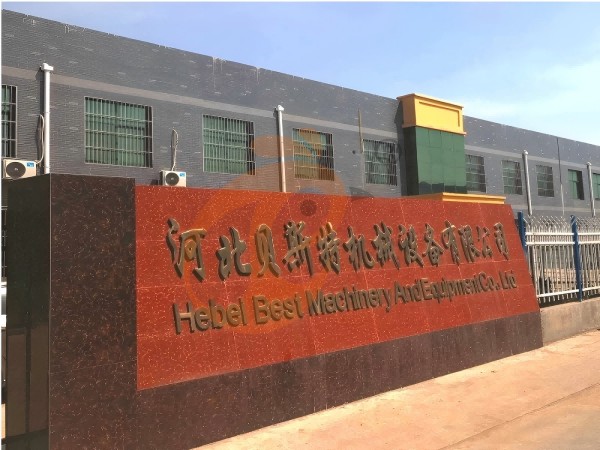
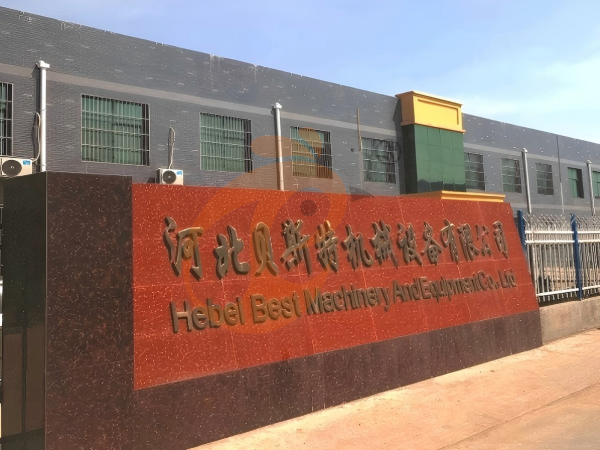
China Hebei Best Machinery And Equipment CO., LTD
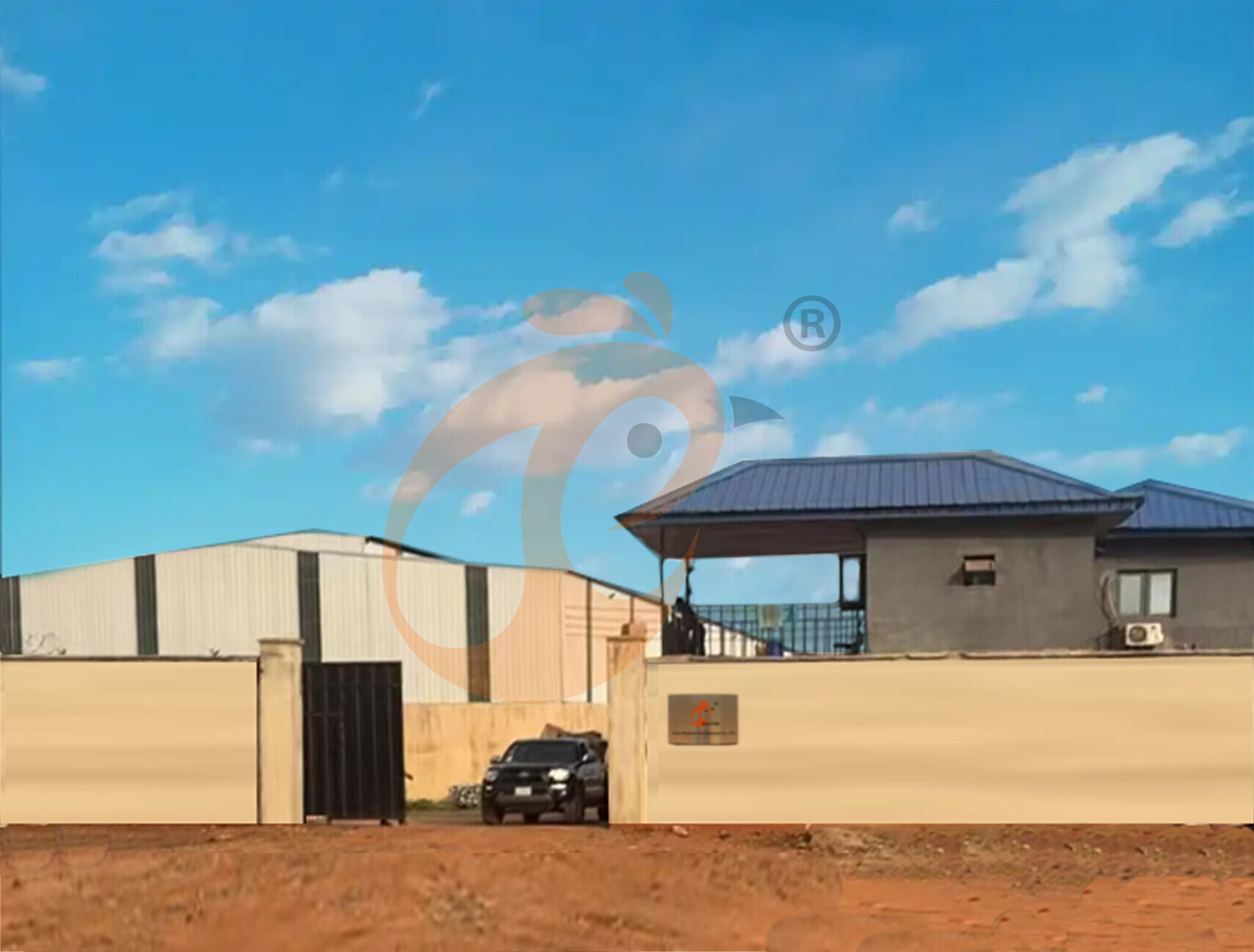
Nigeria Vanke Machinery And Equipment CO., LTD
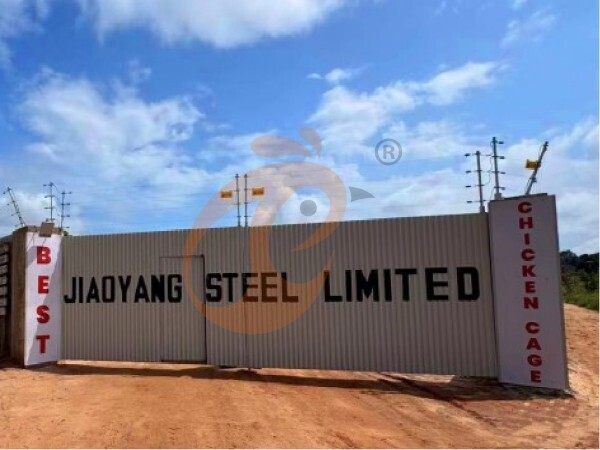
Tanzania Best Machinery And Equipment CO., LTD
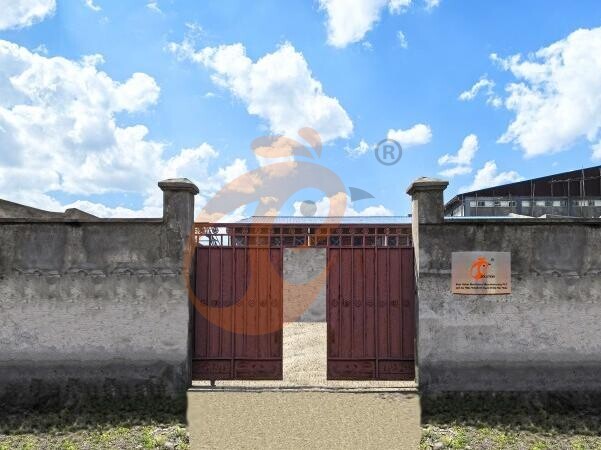
Ethiopia Best Hebei Machinery Manufacturing PLC
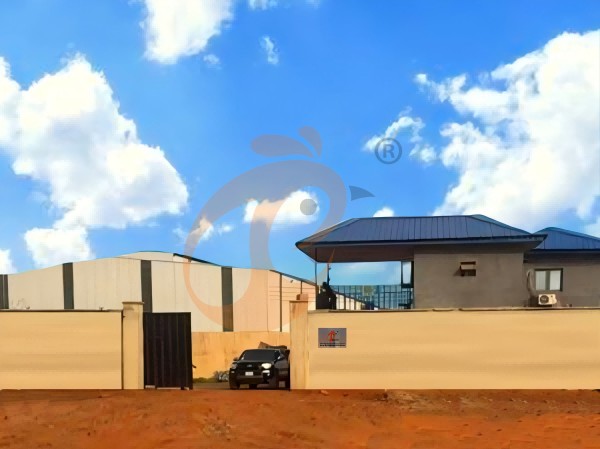
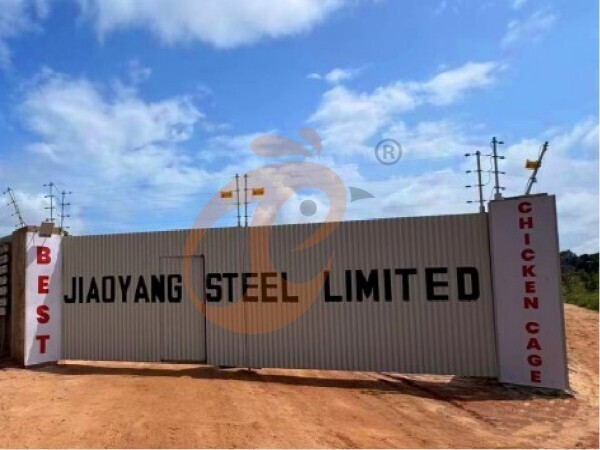
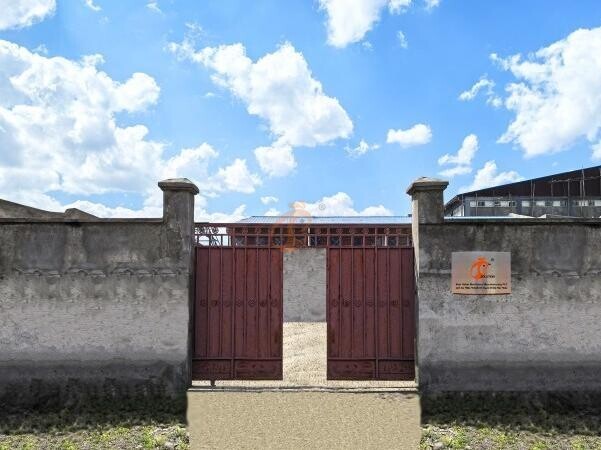
Reception /24 WhatsApp NO. : +8618830120193
FAQ
How To Maintain And Clean Poultry Watering Systems Efficiently?
Disinfection solutions are usually applied at concentrations of 0.02%–0.05% and require a minimum contact time of 30 minutes.
Water quality should be controlled with suspended solids below 50 mg per liter, using filtration systems of 80–120 mesh.
What Factors Affect Water Intake In Poultry Farms?
High-protein feed formulations can increase water demand by about 10%–15%, influencing system capacity planning.
Younger birds consume significantly less water, typically only 20%–30% of adult intake, requiring stage-specific adjustments.
How To Optimize Water Pressure In A Poultry Drinking System?
Pressure regulators are typically installed every 30–50 meters along the pipeline to stabilize system performance.
Water line height should align with bird back height within a tolerance of plus or minus 2 centimeters to maximize access.
- poultry equipment
- poultry farm
- poultry cage
- poultry farm
- poultry farm project
- poultry farm construction
- automatic chicken waterer
- poultry nipple drinkers
- poultry watering system manufacturer
- poultry watering system cost
- poultry watering equipment
- poultry watering system
- chicken waterer system
- automatic chicken waterer system
- Ethiopia
- Nigeria
Message
Products recommended
 HK Headquarter Offers EU-standard Poultry Farm Solutions, Manufacture Poultry Farm Equipment1. Continuous communication with the EU and the US
2. China, Nigeria, Ethiopia, Tanzania branch companies and factories
3. The products’ quality is customized for local poultry farms
4. Poultry cage and poultry farm equipment stock for sale
5. 24 online reception Whatsapp NO. : +8618830120193,contact us to get full informationRead More China Branch Offer Poultry Farm Business Plan, Manufacture Poultry Farm Equipment1. Address: Flat/RM 2416, 24/F, Runxing Building, Youyi Nan Street, Shijiazhuang City, Hebei Province, China
2. Poultry cage and poultry farm equipment factory and stock for sale
3. Customized for local poultry farms
4. Quality and design are based on Euro
5. 24 online reception Whatsapp NO. : +8618830120193Read More Nigeria Branch Offer Poultry Farm Business Plan, Manufacture Poultry Farm Equipment1. Address: After Sinoma Office, 200 Meters Near Danco Filling Station, Lagos/Ibadan Expressway, Lagos State, Nigeria
2. Poultry cage and poultry farm equipment factory and stock for sale
3. Customized for Nigerian poultry farms
4. Quality and design are based on Euro
5. 24 online reception Whatsapp NO. : +8618830120193Read More Ethiopia Branch Offer Poultry Farm Business Plan, Manufacture Poultry Farm Equipment1. Address: Gelan Gura, Akaki-kaliti Sub City, Addis Ababa, Ethiopia
2. Poultry cage and poultry farm equipment stock for sale
3. Customized for Ethiopian poultry farms
4. Quality and design are based on Euro
5. 24 online reception Whatsapp NO. : +8618830120193, contact us to get price listRead More Tanzania Branch Offer Poultry Farm Business Plan, Manufacture Poultry Farm Equipment1. Address: No.8, Sova Road, Msufini, Mlandizi, Kibaha, Pwani, Tanzania
2. Poultry cage and poultry farm equipment factory and stock for sale
3. Customized for Tanzanian poultry farms
4. Quality and design are based on Euro
5. 24 online reception Whatsapp NO. : +8618830120193Read More Fully Automatic H Type Layer Chicken Cage1. 30,000-100,000+ layers/house chooses it, Poultry farmers can achieve an egg production rate of 96-98%
2. A significant improvement over the 85-90% typically seen in manual systems
3. A typical poultry farm can expect a 30-40% reduction in labor costs due to the automation
4. Each feeding line efficiently supplies feed to around 100,000 hens per 30 mins
5. Reception /WhatsApp NO. : +8618830120193Read More Fully Automatic A Type Layer Chicken Cage1. 10,000-50,000 layers/house chooses it
2. Cleaner egg collection reduces breakage by 0.5%
3. Improved hygiene helps reduce mortality rate to <3%
4. 1–2 technicians can handle 15,000–30,000 birds
5. Reception /WhatsApp NO. : +8618830120193Read More Semi Automatic H Type Layer Chicken Cage1. 1,00-20,000 layers/house chooses it
2. Nipple drinkers flow 30–60 ML / min
3. Hot-dip galvanized (typical coating ≥ 275 g/m²)
4. Reduce ammonia by ~ 35–40%
5. Reception /WhatsApp NO. : +8618830120193Read More Semi Automatic A Type Layer Chicken Cage1. 1,00-20,000 layers/house chooses it, no rust for 10 years, no deformation for 15 years
2. Chickens live comfortably, you can raise them with peace of mind
3. Save water, save money—efficiency you can measure
4. Improve environment quality, and increase egg production rate
5. Reception /WhatsApp NO. : +8618830120193Read More
By clicking 'Allow All', you agree to the storage of cookies on your device to enhance site navigation, analyze site usage and assist with our marketing efforts.