






Blog
Modern livestock systems integrate mechanical mixing to stabilize nutrient delivery variability below 5–8% deviation thresholds in controlled environments.
Equipment selection impacts feed particle uniformity, energy consumption per batch cycle, and operational throughput efficiency.
Mechanical blending systems reduce ingredient stratification commonly observed in manual mixing processes exceeding 12–18% inconsistency rates.
Farm economics depend on feed conversion efficiency, labor hour displacement, and maintenance cycle predictability across production seasons.
Get professional poultry farm construction guidance, equipment selection solutions, and the latest price lists, whatsApp to +8618830120193, +2348111199996, or click to learn more.
What Is A Feed Mixer
A feed mixer is an engineered agricultural machine designed to achieve homogeneous distribution of macro and micro feed ingredients under controlled mechanical agitation.
Industrial designs typically maintain mixing deviation within 5% coefficient variance in properly calibrated systems.
Data is for reference only.Swipe horizontally to view full table.
Horizontal systems are commonly optimized for 1.2–2.8 ton/hour throughput ranges depending on motor configuration.
Vertical systems provide higher fiber-handling stability due to gravity assisted downward recirculation cycles.
Why Feed Mixing Matters Scientific Basis
Feed homogeneity directly influences nutrient bioavailability and digestive absorption efficiency in ruminant and monogastric systems.
Research indicates uneven mixing can reduce nutrient uptake efficiency by 6–14% in uncontrolled feeding environments.
Data is for reference only.Swipe horizontally to view full table.
Uniform rationing improves feed conversion ratio (FCR) by reducing selective ingestion behavior in herd populations.
Particle distribution control minimizes micronutrient clustering that leads to metabolic imbalance over long feeding cycles.
Cost Components Of Feed Mixers
Total cost structure includes capital expenditure, operational energy load, and component degradation cycles over equipment lifespan.
Data is for reference only.Swipe horizontally to view full table.
Capital cost typically represents over half of lifecycle expenditure in small farm deployment models.
Electric drive systems consume approximately 2–4 kWh per operational cycle depending on load density and mixing duration.
European union standard reference only.
Types Of Cost Effective Feed Mixers
Economical feed mixers are differentiated by structural geometry, mixing kinetics, and power transmission efficiency.
Data is for reference only.Swipe horizontally to view full table.
Entry level systems typically operate within 0.5–1.5 ton batch capacity ranges per cycle.
Mechanical simplicity reduces failure points but limits automation precision in nutrient dosing control systems.
Working Principle Technical Explanation
Feed mixing relies on multi-directional particle motion generated by rotating augers and shear driven turbulence fields.
Homogenization occurs through repeated lift-drop cycles combined with lateral displacement of feed particles.
Data is for reference only.Swipe horizontally to view full table.
Effective mixing time typically ranges from 8–18 minutes depending on ingredient density and moisture content.
Torque stability is critical to prevent dead zones in low flow regions of the mixing chamber.
Advantages Of Cost Effective Feed Mixers
Cost efficient mixers improve operational throughput while reducing dependency on manual labor intensive feed preparation methods.
Automation typically reduces human handling time by over 60% compared to conventional blending.
Data is for reference only.Swipe horizontally to view full table.
Feed wastage reduction rates commonly fall within 3–10% depending on livestock feeding behavior.
Mechanical consistency improves ration stability across multi day feeding schedules.
Limitations And Risks
Low cost mixing systems exhibit accelerated wear rates under continuous high load agricultural cycles.
Bearing fatigue and auger abrasion are primary failure modes in extended operation environments.
Data is for reference only.Swipe horizontally to view full table.
Component replacement intervals shorten significantly under high moisture feed conditions exceeding 18–22% humidity content.
Vibration imbalance increases mechanical stress on drive systems during uneven load distribution phases.
Economic Analysis Return On Investment Perspective
Investment recovery depends on feed efficiency improvement, labor substitution rate, and reduction in feed loss ratios.
Operational savings accumulate primarily through reduced manual labor allocation and improved ration utilization consistency.
Data is for reference only.Swipe horizontally to view full table.
European union standard reference only.
Return on investment sensitivity increases when feed price volatility exceeds 10–15% annual fluctuation bands.
Maintenance Requirements
Preventive maintenance ensures sustained mixing efficiency and reduces unplanned downtime events in livestock feeding systems.
Lubrication intervals directly affect bearing lifespan and torque transmission stability.
Data is for reference only.Swipe horizontally to view full table.
Auger inspection is critical after every 200–300 operating hours in high intensity farming environments.
Dust accumulation significantly increases thermal load on motor assemblies.
Who Should Buy Cost Effective Feed Mixers
Optimal users include farms operating within medium density livestock ranges requiring mechanized feed homogenization.
System scalability depends on herd expansion trajectory and feed formulation complexity.
Suitable Applications
- dairy operations managing 18–55 livestock units
- mixed production farms with multi-species feeding cycles
- rural facilities with constrained labor availability
- semi automated feed preparation infrastructures
Operational suitability improves when daily feed demand exceeds manual processing capacity thresholds.
Equipment selection aligns with production scaling models and resource allocation constraints.
Frequently Asked Questions
Q1: What is the real mixing efficiency range of entry level feed mixers?
A1: Entry level mixers typically achieve 85–92% homogeneity under standard calibration conditions.
Efficiency declines when batch overload exceeds recommended mechanical capacity limits.
Q2: How much energy does a feed mixer consume per cycle?
A2: Most small systems consume approximately 2–4 kwh per mixing cycle depending on motor load.
Energy efficiency improves significantly with optimized batch scheduling.
Q3: Can feed mixers improve herd weight stability?
A3: Uniform feed distribution reduces nutrient intake variability, stabilizing daily weight gain patterns.
Observed variation reduction can reach 5–12% in controlled feeding environments.
Taiyu (HK) Group - One Of China Biggest Feed Mixer Manufacturer
Feed mixer systems are deployed in livestock production lines requiring consistent ration homogenization under controlled mechanical processing conditions.
Industrial integration supports continuous poultry equipment manufacturing with modular system compatibility.
Global factory direct supply ensures standardized production quality across export oriented agricultural engineering projects.
Turn key engineering includes system design, installation supervision, and commissioning validation for farm scale deployments.
Exporter level supply chain supports multi regional distribution of mechanical feeding infrastructure.
Contact Us To Received Your Customized Poultry Farm Plan
Headquarters And Branchs
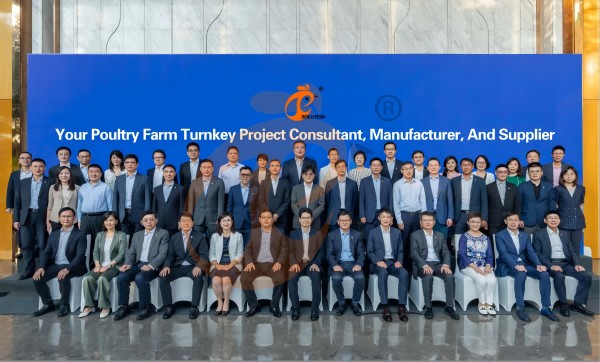
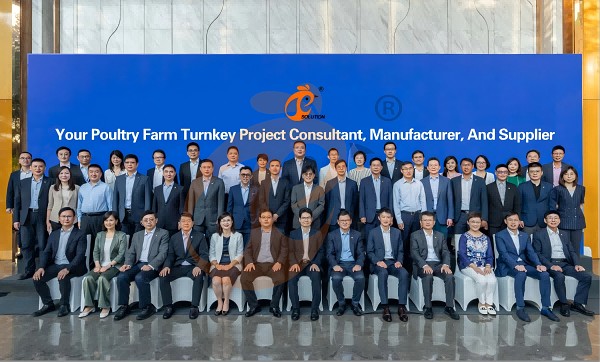
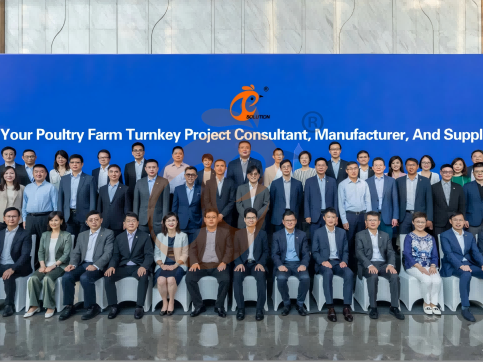
Hong Kong Headquarter Management Team
Hong Kong Headquarter Taiyu Industrial Group CO., LTD
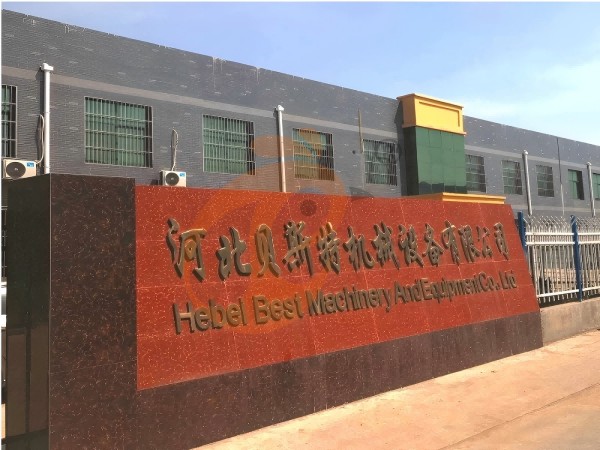
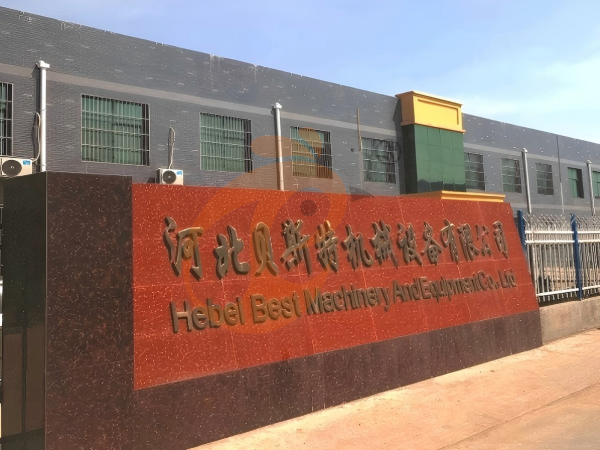
China Hebei Best Machinery And Equipment CO., LTD
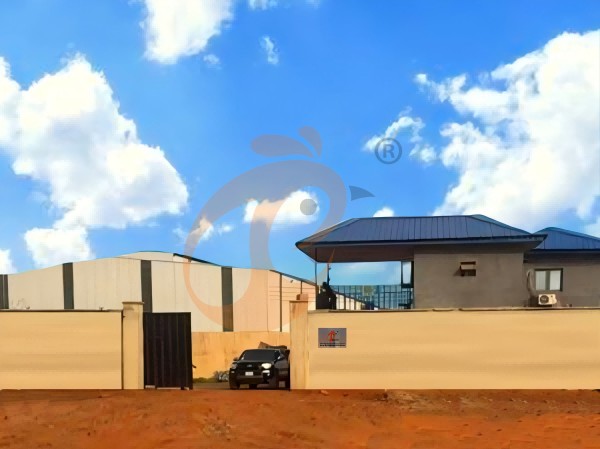
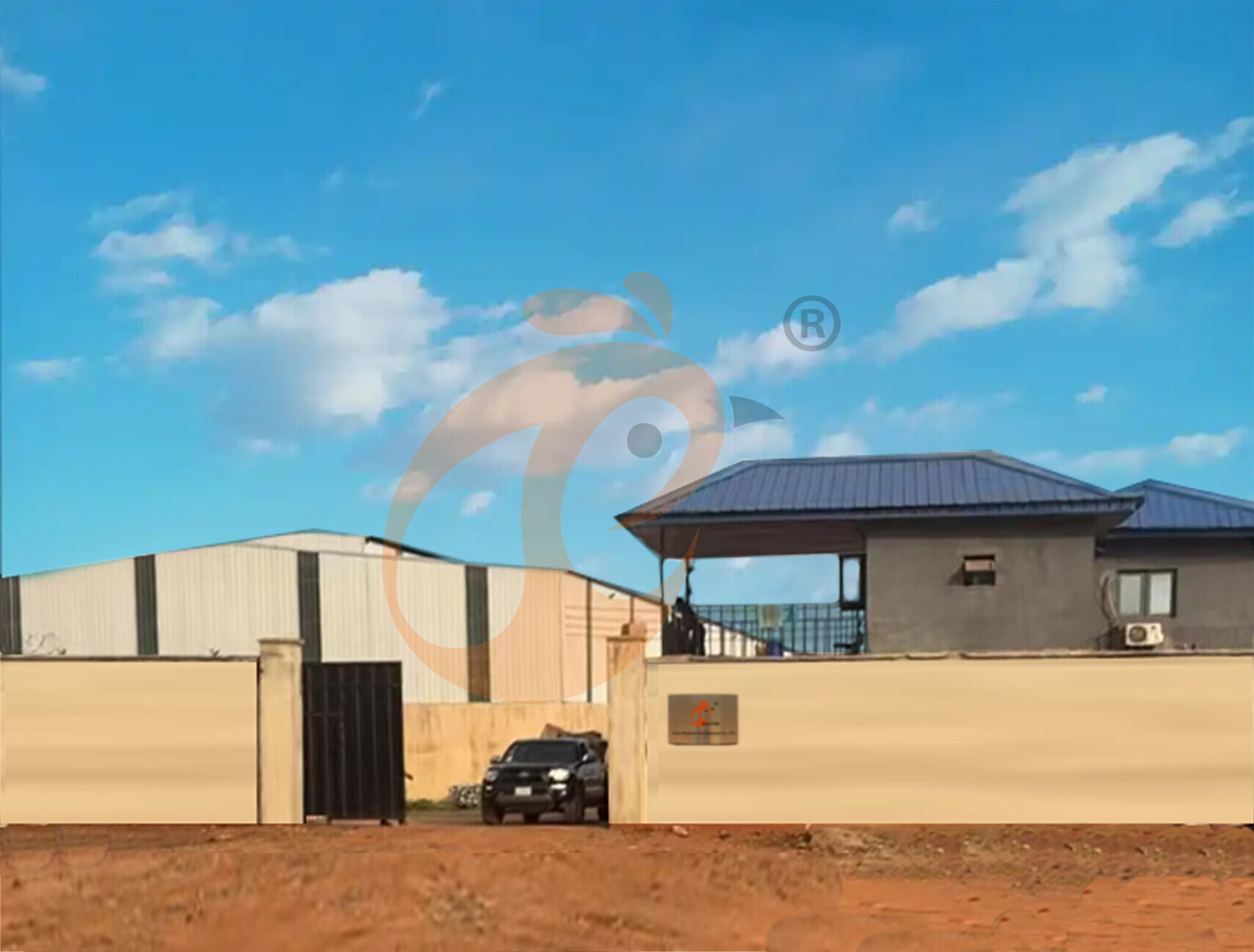
Nigeria Vanke Machinery And Equipment CO., LTD
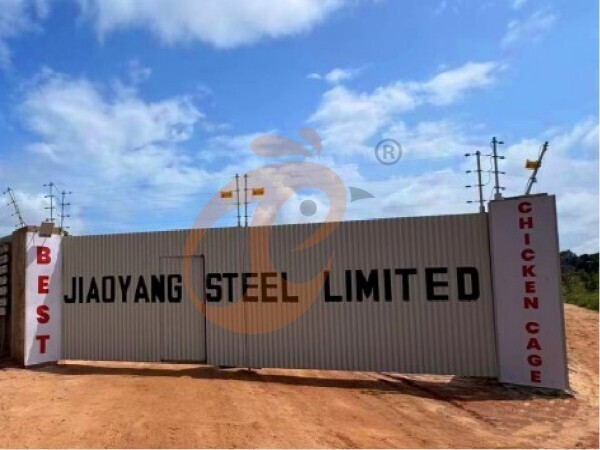
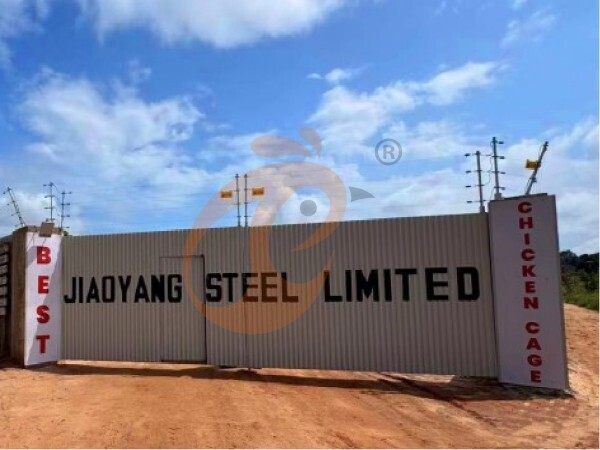
Tanzania Best Machinery And Equipment CO., LTD
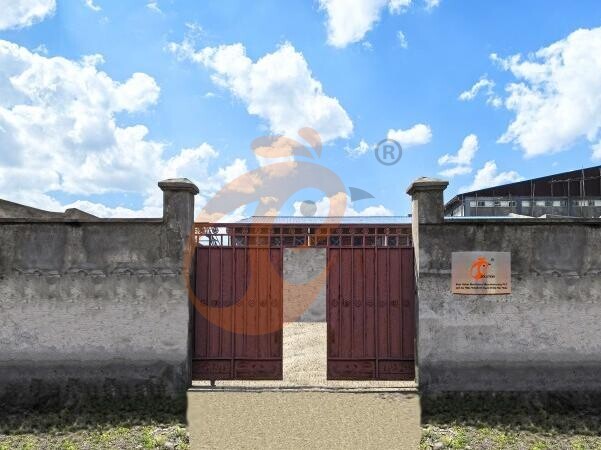
Ethiopia Best Hebei Machinery Manufacturing PLC

Reception /24 WhatsApp NO. : +8618830120193
FAQ
What Moisture Control Standards Are Required In Feed Milling For Poultry Chicken Feed?
Conditioning moisture increases to 16–18% before pelleting for optimal starch gelatinization.
Final feed moisture is controlled at 11–13% to ensure long-term storage stability.
What Energy Consumption Levels Are Standard In Feed Mixer And Feed Mill Operations For Poultry Chicken Farms?
Mixing systems require 3–8 kWh per batch depending on mixer volume and load ratio.
Pelletizing units operate at 60–90 kWh per ton for high-density poultry feed production.
What Raw Material Ratios Are Commonly Processed In Poultry Chicken Feed Mills?
Soybean meal accounts for 18–25% as main protein contributor for growth performance.
Premix addition remains at 2–5% ensuring vitamins and mineral balance stability.
Message
Products recommended
 HK Headquarter Offers EU-standard Poultry Farm Solutions, Manufacture Poultry Farm Equipment1. Continuous communication with the EU and the US
2. China, Nigeria, Ethiopia, Tanzania branch companies and factories
3. The products’ quality is customized for local poultry farms
4. Poultry cage and poultry farm equipment stock for sale
5. 24 online reception Whatsapp NO. : +8618830120193,contact us to get full informationRead More China Branch Offer Poultry Farm Business Plan, Manufacture Poultry Farm Equipment1. Address: Flat/RM 2416, 24/F, Runxing Building, Youyi Nan Street, Shijiazhuang City, Hebei Province, China
2. Poultry cage and poultry farm equipment factory and stock for sale
3. Customized for local poultry farms
4. Quality and design are based on Euro
5. 24 online reception Whatsapp NO. : +8618830120193Read More Nigeria Branch Offer Poultry Farm Business Plan, Manufacture Poultry Farm Equipment1. Address: After Sinoma Office, 200 Meters Near Danco Filling Station, Lagos/Ibadan Expressway, Lagos State, Nigeria
2. Poultry cage and poultry farm equipment factory and stock for sale
3. Customized for Nigerian poultry farms
4. Quality and design are based on Euro
5. 24 online reception Whatsapp NO. : +8618830120193Read More Ethiopia Branch Offer Poultry Farm Business Plan, Manufacture Poultry Farm Equipment1. Address: Gelan Gura, Akaki-kaliti Sub City, Addis Ababa, Ethiopia
2. Poultry cage and poultry farm equipment stock for sale
3. Customized for Ethiopian poultry farms
4. Quality and design are based on Euro
5. 24 online reception Whatsapp NO. : +8618830120193, contact us to get price listRead More Tanzania Branch Offer Poultry Farm Business Plan, Manufacture Poultry Farm Equipment1. Address: No.8, Sova Road, Msufini, Mlandizi, Kibaha, Pwani, Tanzania
2. Poultry cage and poultry farm equipment factory and stock for sale
3. Customized for Tanzanian poultry farms
4. Quality and design are based on Euro
5. 24 online reception Whatsapp NO. : +8618830120193Read More Fully Automatic H Type Layer Chicken Cage1. 30,000-100,000+ layers/house chooses it, Poultry farmers can achieve an egg production rate of 96-98%
2. A significant improvement over the 85-90% typically seen in manual systems
3. A typical poultry farm can expect a 30-40% reduction in labor costs due to the automation
4. Each feeding line efficiently supplies feed to around 100,000 hens per 30 mins
5. Reception /WhatsApp NO. : +8618830120193Read More Fully Automatic A Type Layer Chicken Cage1. 10,000-50,000 layers/house chooses it
2. Cleaner egg collection reduces breakage by 0.5%
3. Improved hygiene helps reduce mortality rate to <3%
4. 1–2 technicians can handle 15,000–30,000 birds
5. Reception /WhatsApp NO. : +8618830120193Read More Semi Automatic H Type Layer Chicken Cage1. 1,00-20,000 layers/house chooses it
2. Nipple drinkers flow 30–60 ML / min
3. Hot-dip galvanized (typical coating ≥ 275 g/m²)
4. Reduce ammonia by ~ 35–40%
5. Reception /WhatsApp NO. : +8618830120193Read More Semi Automatic A Type Layer Chicken Cage1. 1,00-20,000 layers/house chooses it, no rust for 10 years, no deformation for 15 years
2. Chickens live comfortably, you can raise them with peace of mind
3. Save water, save money—efficiency you can measure
4. Improve environment quality, and increase egg production rate
5. Reception /WhatsApp NO. : +8618830120193Read More
By clicking 'Allow All', you agree to the storage of cookies on your device to enhance site navigation, analyze site usage and assist with our marketing efforts.