


Blog
Pralson feeders provide advanced poultry feeding solutions with automatic pan technology, supporting consistent broiler development through precise feed delivery and engineered layouts with 355 mm pan structures.
Single-level and multi-level pralson feeder designs create different management approaches for modern poultry farms requiring efficient space utilization and reliable feeding performance.
Automatic poultry feeding systems integrate control pans, augers, sensors, and distribution components to maintain stable feed access during complete growth cycles.
Commercial poultry projects benefit from technical feeder selection, with installation planning based on house dimensions, bird quantity, and production targets.
Professional livestock equipment strategies combine feeder design, automation, and turnkey engineering concepts to improve operational efficiency across international poultry production environments.
Get professional poultry farm construction guidance, equipment selection solutions, and the latest price lists, whatsApp to +8618830120193, +2348111199996, or click to learn more.
Single-Level Pralson Feeder Structural Parameters
Single-level feeders are widely applied in conventional poultry houses because of their simplified installation structure and direct operating process.
The feeding line remains consistent throughout the house, allowing operators to monitor feed movement and adjust regulators efficiently.
Commercial automatic pan feeding equipment normally includes feeding pans, feed pipes, control mechanisms, and suspension assemblies designed for continuous operation.
Data is for reference only.Swipe horizontally to view full table.
Single-level systems create predictable feeding zones where birds maintain stable movement patterns.
A commercial installation with 4200 birds may require detailed line planning to achieve balanced feed accessibility.
The simple structure also allows faster inspection procedures during routine farm management operations.
Multi-Level Pralson Feeder Configuration Data
Multi-level feeders introduce vertical feeding positions, allowing producers to organize feeding areas through layered placement.
This configuration can support poultry houses where floor planning requires additional structural arrangements.
Data is for reference only.Swipe horizontally to view full table.
Multi-level poultry feeding systems require detailed engineering because structural balance and feed transfer coordination become important factors.
Professional projects may combine automated controls with customized feeder positioning for different production zones.
A complete system evaluation should include airflow design, cleaning access, and operator working conditions.
Feed Distribution Efficiency Comparison
Feed distribution directly influences flock development and production stability.
Automatic feeding technology transports feed from storage units through auger systems toward individual feeder positions.
Data is for reference only.Swipe horizontally to view full table.
Single-level arrangements provide direct feed routing with fewer transfer points.
Multi-level configurations provide additional layout flexibility for specialized poultry housing projects.
A professional poultry equipment manufacturer evaluates feed transportation design before selecting the final system structure.
Growth Management Effects Of Feeder Layout
Feeder design influences how birds interact with feed resources throughout different development stages.
A properly engineered automatic pan feeding system should maintain continuous access while reducing unnecessary competition.
Single-level structures create familiar feeding positions because all pans remain on one plane.
Multi-level designs create separated feeding areas that may influence flock distribution inside larger facilities.
Growth performance depends on multiple factors including nutrition programs, environmental control, genetics, ventilation, and management practices.
A well-designed feeding solution with approximately 12 daily monitoring records can support better operational decisions.
Modern poultry farms increasingly prefer integrated systems combining equipment reliability and digital management functions.
Space Utilization Technical Comparison
Building dimensions directly influence feeder selection and installation strategy.
Different poultry farm layouts require different equipment arrangements and engineering solutions.
Data is for reference only.Swipe horizontally to view full table.
Single-level systems usually require fewer structural components during installation.
Multi-level equipment can support projects where building utilization requires additional organization.
Turn-key poultry farm projects often combine feeder selection with house design, electrical planning, and installation management.
Maintenance Requirements And Operational Data
Maintenance procedures influence production continuity and equipment service life.
Feeder systems with optimized structures allow operators to complete inspection tasks according to planned schedules.
Data is for reference only.Swipe horizontally to view full table.
Control pans and sensors support automatic feed management through accurate monitoring systems.
A professional poultry equipment supplier usually provides technical guidance for installation adjustment and maintenance procedures.
Bird Behavior And Feeding Environment
Bird behavior changes according to feeder placement and environmental conditions.
Single-level feeders provide consistent feeding positions that simplify flock observation.
Multi-level feeders create different movement patterns because feeding locations are arranged vertically.
Farm operators should evaluate bird activity, cleaning requirements, and management experience before choosing equipment.
A complete poultry production system may include feeding, drinking, climate control, and monitoring solutions.
Investment And Installation Analysis
Data is for reference only.Swipe horizontally to view full table.
Equipment investment should consider service life, labor organization, and project requirements.
European union standard reference only.
Feed Accuracy And Growth Potential
Feed accuracy is a major factor influencing weight development and flock uniformity.
Both feeder layouts can support productive results when correctly integrated with nutrition programs and environmental management.
Pralson poultry feeding equipment uses engineered pan structures and control components to maintain stable feed distribution throughout poultry growth stages.
Single-level systems provide easier observation because feeding activity occurs on one plane.
Multi-level systems offer additional flexibility for farms requiring customized feeding arrangements.
A complete feeding solution should combine equipment selection with ventilation planning, lighting control, and flock management.
Professional poultry projects normally evaluate approximately 18 operational checkpoints before final equipment approval.
Future Development Trends Of Pralson Feeder Systems
Modern poultry farms are moving toward automated monitoring, digital control, and intelligent production management.
Advanced poultry feeding equipment integrates sensors, control pans, and automated feed delivery mechanisms to improve management efficiency.
Data is for reference only.Swipe horizontally to view full table.
Future turn-key poultry farm engineering projects are expected to combine feeding automation with complete production monitoring platforms.
Commercial farms selecting automatic pan feeding system solutions can achieve better equipment coordination through integrated control architecture.
Frequently Asked Questions
Q1: What is the main difference between single-level and multi-level pralson feeders?
A1: Single-level pralson feeders arrange feeding points on one horizontal line, while multi-level designs use vertical positioning concepts.
A standard pan feeding project may include around 55 to 65 birds per pan according to operational guidelines.
Q2: Which feeder type fits large poultry farms better?
A2: Multi-level systems can support complex building layouts, while single-level systems are suitable for farms requiring easier daily operation.
A complete project assessment normally considers house length, bird quantity, maintenance planning, and equipment integration.
Q3: Can automatic poultry feeding systems improve farm management?
A3: Automatic feeding systems help maintain controlled feed delivery through components such as control pans, sensors, and auger transport systems.
A commercial installation may combine multiple feeding lines with centralized monitoring for efficient production control.
Taiyu (HK) Group - One Of China Largest Pralson Feeders Manufacturer
Pralson feeders are professional poultry feeding machines designed with automatic feed distribution structures, engineered pan components, and commercial farm application capability.
Taiyu (HK) group provides global factory direct supply services for poultry equipment projects with integrated production management and international delivery experience.
Complete turn-key poultry farm engineering solutions include equipment planning, installation guidance, technical configuration, and project coordination.
Global poultry equipment applications cover broiler farms, breeder farms, and large-scale livestock production facilities with customized engineering support.
Professional manufacturing processes combine technical specifications, quality inspection procedures, and project-oriented service systems for worldwide customers.
Contact Us To Received Your Customized Poultry Farm Plan
Headquarters And Branchs

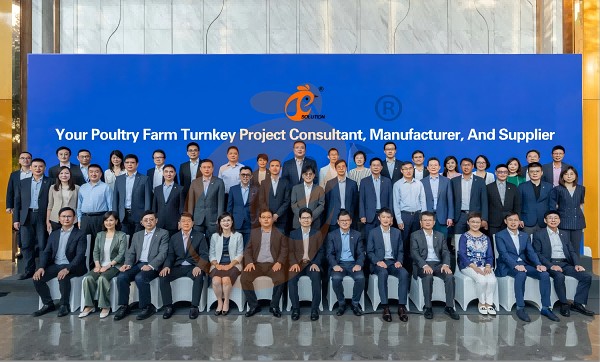
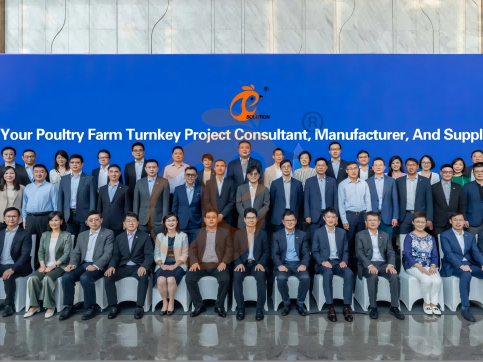
Hong Kong Headquarter Management Team
Hong Kong Headquarter Taiyu Industrial Group CO., LTD
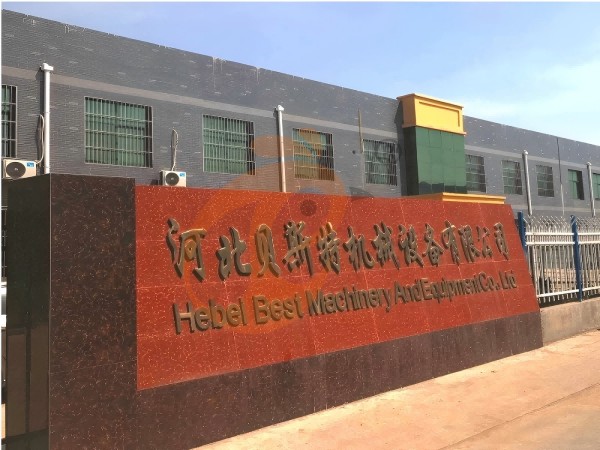
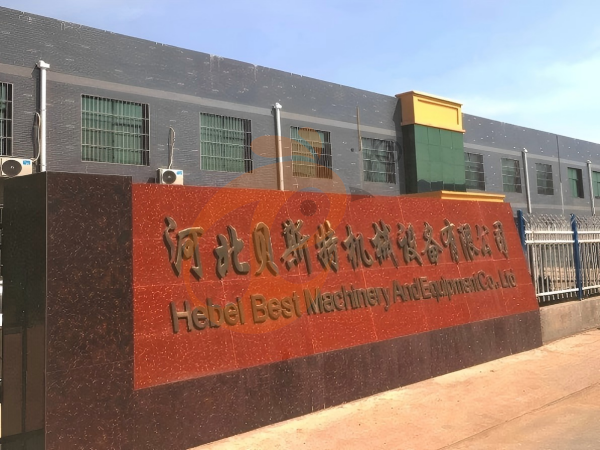
China Hebei Best Machinery And Equipment CO., LTD
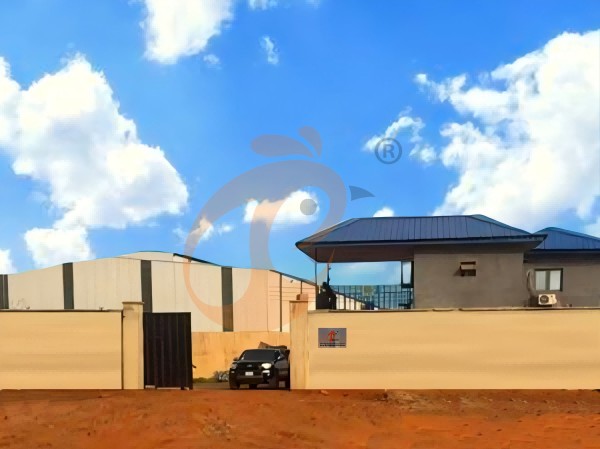
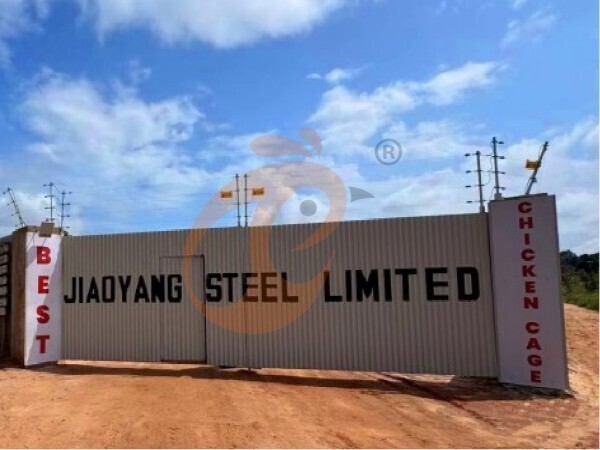
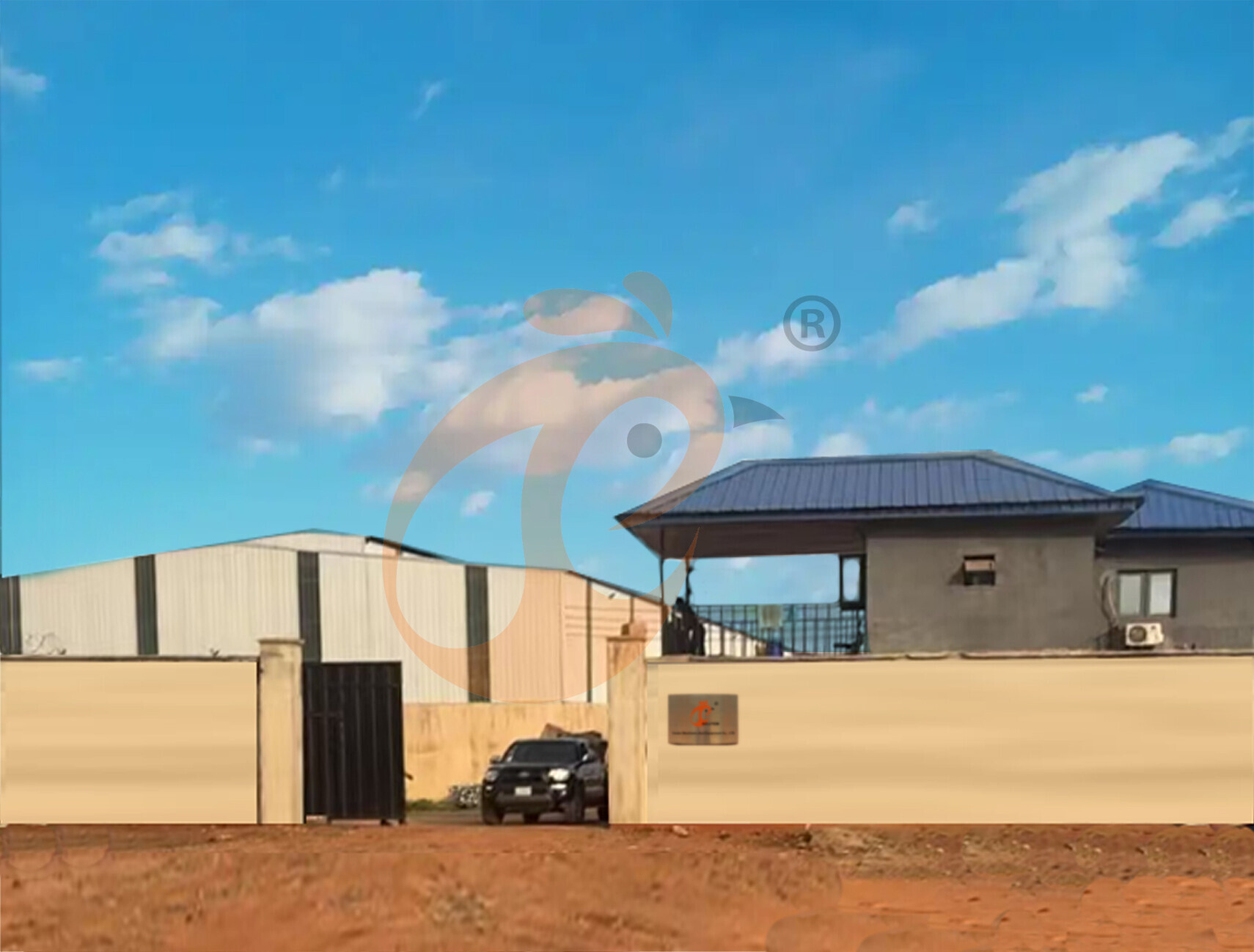
Nigeria Vanke Machinery And Equipment CO., LTD
Tanzania Best Machinery And Equipment CO., LTD
Ethiopia Best Hebei Machinery Manufacturing PLC

Reception /24 WhatsApp NO. : +8618830120193
FAQ
What Are The Water Filtration Requirements For Plasson Poultry Equipment?
Suspended solid concentration is controlled below 40 mg per liter for system stability.
Backwash flow rate reaches 1.5–2.0 m³ per hour for effective filter regeneration.
What Are The Pipeline Dimension Standards In Plasson Poultry Equipment?
Branch lines operate with 16–20 mm diameter for balanced pressure across drinking points.
Maximum pipeline length per zone reaches 80–120 meters without pressure loss impact.
What Are The Bird Age Adaptation Settings In Plasson Poultry Equipment
Water flow sensitivity is adjusted to 60–100 ml per minute for different age groups.
Bird access spacing is optimized at 8–15 birds per nipple depending on growth phase.
- poultry equipment
- poultry farm
- feeding equipment
- poultry farm
- poultry farm project
- poultry farm construction
- poultry equipment manufacturer
- poultry equipment supplier
- poultry feeding equipment
- poultry feeding system
- automatic feeding system
- automatic poultry feeding system
- broiler farm
- poultry house
- poultry feeding system supplier
- poultry farm layout
- poultry equipment application
- poultry feeding machine
- Ethiopia
- Nigeria
Message
Products recommended
 HK Headquarter Offers EU-standard Poultry Farm Solutions, Manufacture Poultry Farm Equipment1. Continuous communication with the EU and the US
2. China, Nigeria, Ethiopia, Tanzania branch companies and factories
3. The products’ quality is customized for local poultry farms
4. Poultry cage and poultry farm equipment stock for sale
5. 24 online reception Whatsapp NO. : +8618830120193,contact us to get full informationRead More China Branch Offer Poultry Farm Business Plan, Manufacture Poultry Farm Equipment1. Address: Flat/RM 2416, 24/F, Runxing Building, Youyi Nan Street, Shijiazhuang City, Hebei Province, China
2. Poultry cage and poultry farm equipment factory and stock for sale
3. Customized for local poultry farms
4. Quality and design are based on Euro
5. 24 online reception Whatsapp NO. : +8618830120193Read More Nigeria Branch Offer Poultry Farm Business Plan, Manufacture Poultry Farm Equipment1. Address: After Sinoma Office, 200 Meters Near Danco Filling Station, Lagos/Ibadan Expressway, Lagos State, Nigeria
2. Poultry cage and poultry farm equipment factory and stock for sale
3. Customized for Nigerian poultry farms
4. Quality and design are based on Euro
5. 24 online reception Whatsapp NO. : +8618830120193Read More Ethiopia Branch Offer Poultry Farm Business Plan, Manufacture Poultry Farm Equipment1. Address: Gelan Gura, Akaki-kaliti Sub City, Addis Ababa, Ethiopia
2. Poultry cage and poultry farm equipment stock for sale
3. Customized for Ethiopian poultry farms
4. Quality and design are based on Euro
5. 24 online reception Whatsapp NO. : +8618830120193, contact us to get price listRead More Tanzania Branch Offer Poultry Farm Business Plan, Manufacture Poultry Farm Equipment1. Address: No.8, Sova Road, Msufini, Mlandizi, Kibaha, Pwani, Tanzania
2. Poultry cage and poultry farm equipment factory and stock for sale
3. Customized for Tanzanian poultry farms
4. Quality and design are based on Euro
5. 24 online reception Whatsapp NO. : +8618830120193Read More Fully Automatic H Type Layer Chicken Cage1. 30,000-100,000+ layers/house chooses it, Poultry farmers can achieve an egg production rate of 96-98%
2. A significant improvement over the 85-90% typically seen in manual systems
3. A typical poultry farm can expect a 30-40% reduction in labor costs due to the automation
4. Each feeding line efficiently supplies feed to around 100,000 hens per 30 mins
5. Reception /WhatsApp NO. : +8618830120193Read More Fully Automatic A Type Layer Chicken Cage1. 10,000-50,000 layers/house chooses it
2. Cleaner egg collection reduces breakage by 0.5%
3. Improved hygiene helps reduce mortality rate to <3%
4. 1–2 technicians can handle 15,000–30,000 birds
5. Reception /WhatsApp NO. : +8618830120193Read More Semi Automatic H Type Layer Chicken Cage1. 1,00-20,000 layers/house chooses it
2. Nipple drinkers flow 30–60 ML / min
3. Hot-dip galvanized (typical coating ≥ 275 g/m²)
4. Reduce ammonia by ~ 35–40%
5. Reception /WhatsApp NO. : +8618830120193Read More Semi Automatic A Type Layer Chicken Cage1. 1,00-20,000 layers/house chooses it, no rust for 10 years, no deformation for 15 years
2. Chickens live comfortably, you can raise them with peace of mind
3. Save water, save money—efficiency you can measure
4. Improve environment quality, and increase egg production rate
5. Reception /WhatsApp NO. : +8618830120193Read More
By clicking 'Allow All', you agree to the storage of cookies on your device to enhance site navigation, analyze site usage and assist with our marketing efforts.