






Blog
Automatic feed mixer selection directly influences batching accuracy, labor organization, and daily poultry production efficiency, with commercial systems reaching 2,000 kg per batch for demanding operations.
Feed mixing quality affects ingredient distribution, flock feeding consistency, and equipment coordination, making professional poultry feed mixer design increasingly valuable for modern chicken houses.
Manual systems remain practical for smaller farms, while automated feed mixing machines offer scalable processing, programmable control, and integration with complete feeding infrastructure.
Capacity, power configuration, conveyor compatibility, and production scheduling provide stronger purchasing criteria than equipment price alone when planning commercial poultry projects.
A properly engineered feeding system connects mixing, storage, conveying, and distribution into one workflow, supporting reliable operation while preparing farms for future expansion.
Get professional poultry farm construction guidance, equipment selection solutions, and the latest price lists, whatsApp to +8618830120193, +2348111199996, or click to learn more.
The Efficiency Question: A Quick Decision Framework
Choosing between an automatic and manual feed mixer requires more than comparing purchase prices.
For modern poultry farms, the practical question is which system delivers consistent feed preparation while matching the farm’s daily production cycle.
A commercial automatic feed mixer can be specified with a 500–2,000 kg batch capacity and a 5–15 minute mixing cycle, allowing equipment selection to follow actual farm demand.
For smaller chicken houses, manual mixing may appear economical.
However, increasing flock numbers create additional handling work.
Automatic equipment can connect with feed silos, conveyors, weighing systems, and automatic feeding lines to create a continuous workflow.
The right choice depends on flock size, feed volume, labor organization, ingredient characteristics, and planned farm expansion.
Automatic Vs Manual: At-A-Glance Comparison
Data is for reference only.Swipe horizontally to view full table.
Automatic systems provide controlled batching and repeatable operating cycles.
Manual machines rely more heavily on operator procedures and physical material handling.
Manual Mixing: Where It Still Makes Sense
Small flock? Limited daily feed demand? Flexible production schedule?
A manual mixer can remain practical when daily feed preparation is relatively limited.
For example, a 200 kg working batch can be sufficient for operations that do not require continuous feed production.
However, every additional process introduces human handling.
Workers may need to weigh ingredients, load the mixer, monitor the mixing cycle, unload the material, and transfer it to the chicken house.
The trade-off can be described simply
Manual mixing reduces equipment complexity, while automation transfers repetitive physical operations from workers to machinery.
For farms expecting additional houses, selecting a poultry feed mixer with 2–3 modular feeding outlets can make future system expansion easier without redesigning the entire feeding route.
Cost Structure: Initial Investment Vs Long-Term Value
Data is for reference only.Swipe horizontally to view full table.
Purchase price is only one component of equipment economics.
For commercial chicken houses, recurring labor and material-handling requirements influence operating costs.
Automatic equipment can combine weighing, mixing, discharge, and conveying functions within one coordinated production line.
A properly selected feed mixing machine can also use variable-frequency drive control from 25–50 hz, allowing operating speed to be adjusted according to feed formulation and production requirements.
Consistency Is The Hidden Advantage
Consider two chicken houses receiving the same formulation.
In the first, workers measure ingredients manually and determine mixing duration during each batch.
Small differences can occur between operators.
In the second, the automatic system follows programmed weighing and mixing procedures.
A plc can store multiple feed recipes and control the sequence according to preset settings.
Which process is easier to standardize?
The automated one
Feed consistency matters because poultry diets contain several ingredients that must be distributed throughout the batch.
A properly designed automatic feed mixer can achieve a coefficient of variation below 10% under suitable operating conditions.
For commercial production, repeatability supports a more controlled feeding program.
Capacity Comparison For Different Farm Sizes
Data is for reference only.Swipe horizontally to view full table.
The larger the operation becomes, the more important production capacity and system coordination become.
For multiple chicken houses, a centralized feed preparation system can send prepared feed through conveyors toward individual feeding circuits.
A horizontal conveying distance of 30–100 m can be incorporated into system planning according to building layout and feed demand.
Speed: How Much Time Can Automation Save?
Data is for reference only.Swipe horizontally to view full table.
Time savings become increasingly significant as daily production rises.
Instead of assigning workers to repetitive feed preparation, an automatic system allows personnel to supervise equipment while focusing on flock inspection, sanitation, maintenance, and production management.
A well-designed poultry feed mixer can also maintain feed delivery rates of approximately 1.5–3.0 t/h, depending on conveyor configuration and feed characteristics.
What Does "More Efficient" Really Mean?
Efficiency is not represented by one measurement.
For poultry producers, efficiency combines labor utilization, production throughput, feed handling, mixing quality, energy consumption, and equipment coordination.
This is why comparing only the purchase price can produce an incomplete result.
A manual mixer may require less electrical infrastructure, while an automatic system can process larger quantities with fewer handling stages.
Modern equipment can also incorporate automatic overload protection at approximately 110–120% of rated motor load, helping protect the drive system during abnormal operating conditions.
The correct equipment should therefore be evaluated as part of the complete poultry production workflow.
Automation And The Modern Chicken House
Data is for reference only.Swipe horizontally to view full table.
A feed mixer becomes significantly more valuable when connected to other poultry equipment.
A modern chicken house should not treat the mixer as an isolated machine.
Feed storage, conveying, distribution, ventilation, and watering systems should be considered together during project design.
An experienced poultry equipment manufacturer can calculate equipment capacity according to house dimensions, flock density, feeding frequency, and installation layout.
This approach can support 24-hour production scheduling when required by large commercial operations.
The Farm Manager's Decision Test
01 — Flock Scale
A flock of 50,000 birds requires a substantially different feed-handling strategy from a 2,000-bird operation.
02 — Expansion Timing
If another house will be added within 12–24 months, modular equipment can provide a more practical expansion path.
03 — Labor Structure
Where staffing is limited, reducing repetitive material handling becomes an important equipment-design objective.
04 — Feed Control
Commercial operations can benefit from automated ingredient sequencing and controlled mixing duration.
05 — Complete System Planning
If the project includes silos, conveyors, feeding lines, ventilation, and watering equipment, an automatic feed mixer can be designed as one component of the complete solution.
Why Professional Poultry Equipment Integration Matters
Data is for reference only.Swipe horizontally to view full table.
The mixer is only one part of the production chain.
A professional poultry equipment company can evaluate house dimensions, flock capacity, feed demand, conveying distance, storage requirements, and automation targets before recommending equipment.
For commercial projects, customized system engineering helps ensure that the mixer, conveyor, silo, and feeding line operate according to compatible capacities.
For example, a 2,000 kg mixer should be matched with suitable storage and conveying capacity rather than selecting each machine independently.
Final Verdict: Which Mixer Should You Choose?
Data is for reference only.Swipe horizontally to view full table.
So, which mixer is more efficient?
For small poultry operations, a manual feed mixer can remain a practical solution.
For medium and large chicken farms, an automatic feed mixer generally provides stronger operational efficiency and scalability.
Automation reduces repetitive handling, improves batching consistency, supports higher feed throughput, and connects naturally with modern poultry feeding systems.
For producers planning a new chicken house or upgrading an existing farm, the equipment decision should begin with the complete workflow rather than the mixer alone.
A properly engineered combination of feed mixer, silo, conveyor, automatic feeding line, ventilation system, and watering equipment can create a more coordinated production environment.
The objective is not simply to mix feed faster. It is to build a chicken house system capable of delivering consistent performance as the farm grows.
Frequently Asked Questions
Q1: What is the main advantage of an automatic feed mixer?
A1: Automated batching reduces operator-dependent variation while supporting programmed production cycles, with commercial models commonly processing 1,000–2,000 kg per batch.
Q2: Is a manual feed mixer suitable for small poultry farms?
A2: Yes.
Small operations with limited daily feed demand can use manual equipment effectively, particularly when batch requirements remain around several hundred kilograms.
Q3: How should a feed mixer be selected for a large chicken farm?
A3: Selection should consider flock size, daily feed demand, batch capacity, conveyor configuration, storage volume, electrical requirements, and future expansion.
Taiyu (HK) Group - One Of China Toppest Automatic Feed Mixer Manufacturer
Automatic feed mixer systems combine controlled batching, mechanical mixing, discharge management, and feeding-line integration for commercial poultry production.
Global factory-direct supply covers complete poultry equipment configurations with engineering-based equipment selection for different flock capacities and house layouts.
Turn-key engineering integrates feed mixers, silos, conveyors, automatic feeding systems, ventilation, watering, electrical control, installation, and commissioning.
Project planning supports new-build chicken houses, multi-house farms, and expansion programs through coordinated equipment capacities and reserved system interfaces.
Factory production and technical engineering provide equipment configuration from component selection through delivery, installation guidance, commissioning, and operational support.
Contact Us To Received Your Customized Poultry Farm Plan
Headquarters And Branchs
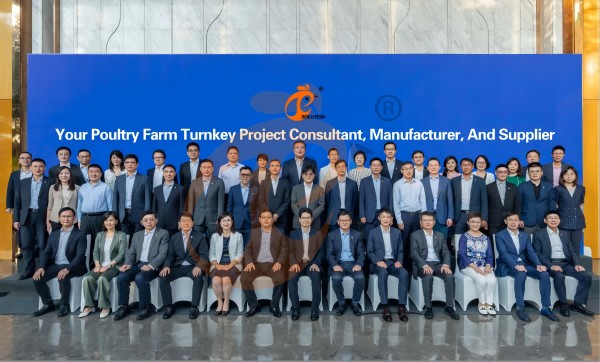
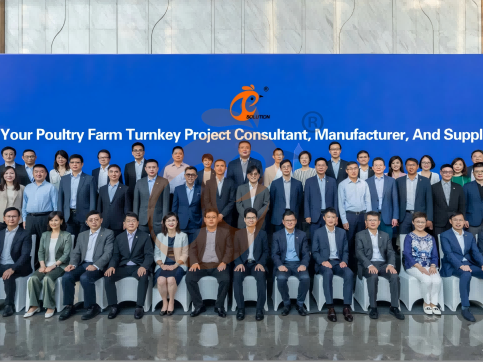
Hong Kong Headquarter Management Team
Hong Kong Headquarter Taiyu Industrial Group CO., LTD
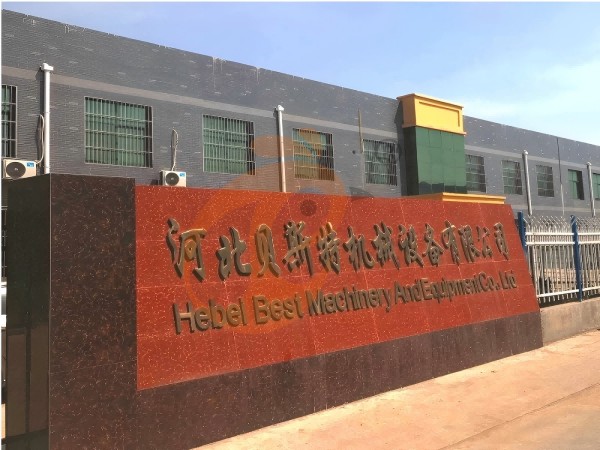
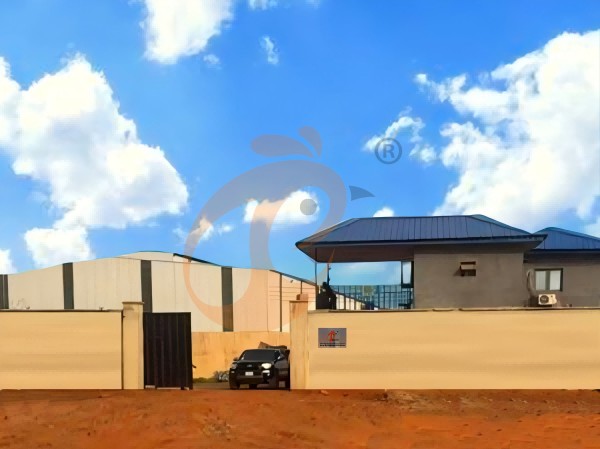
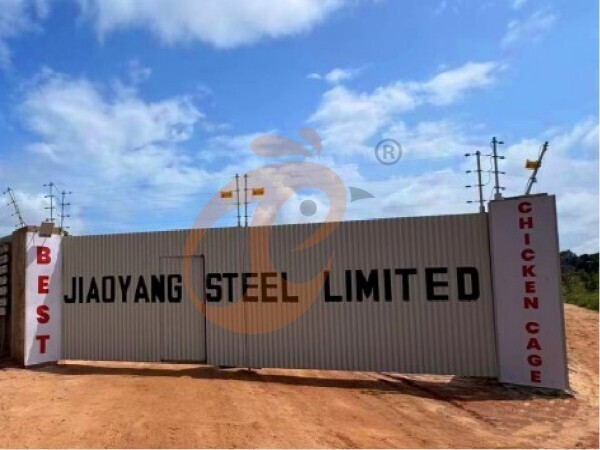
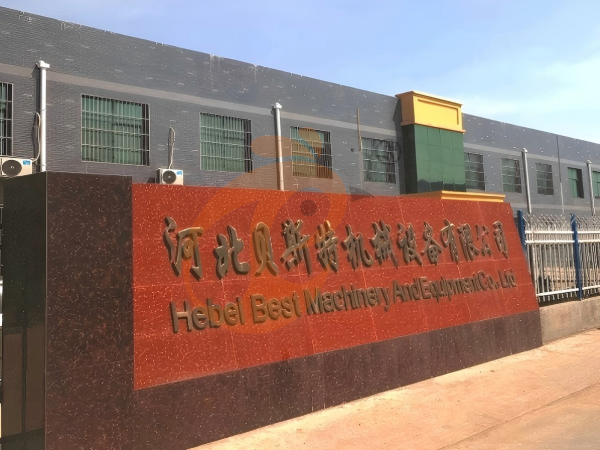
China Hebei Best Machinery And Equipment CO., LTD
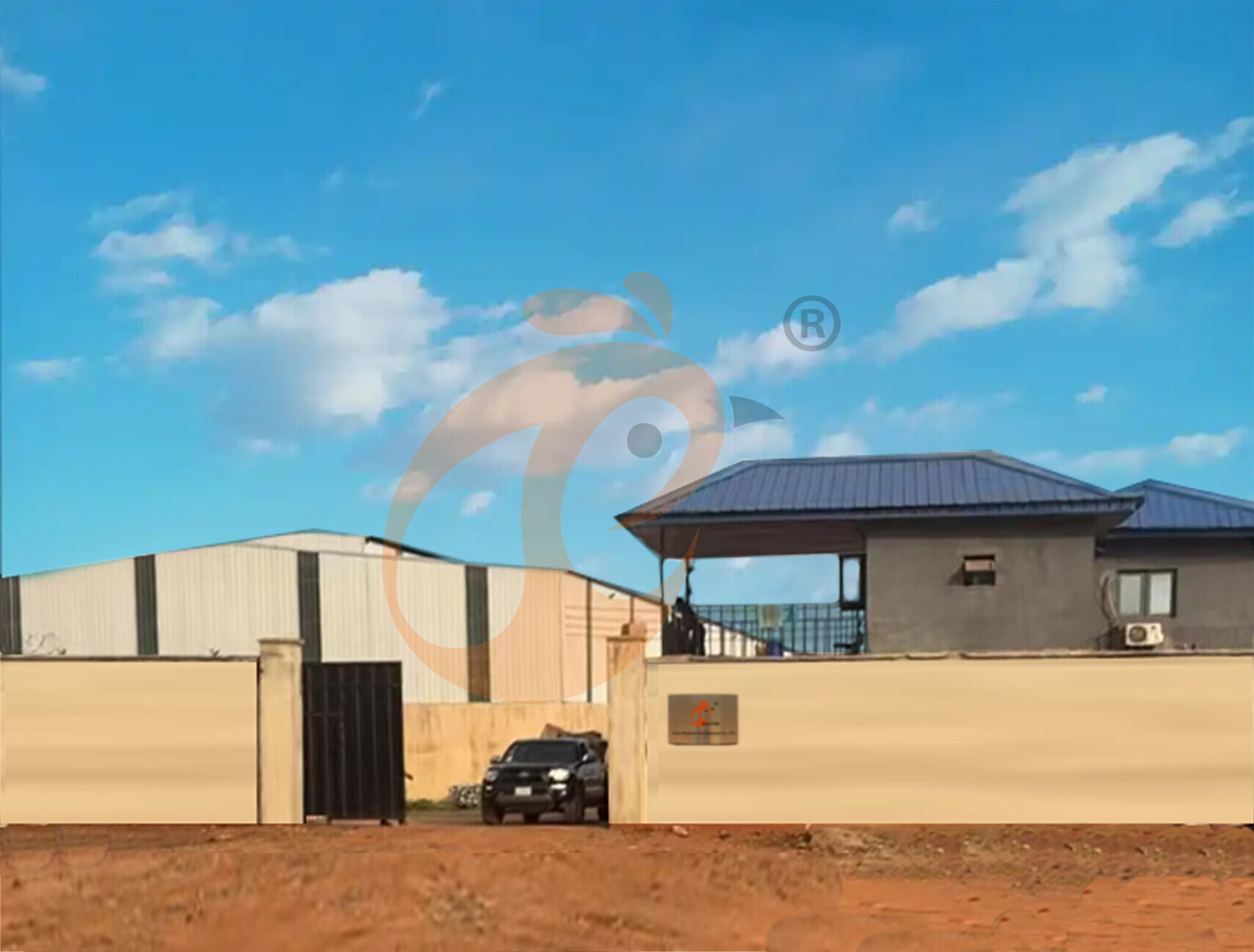
Nigeria Vanke Machinery And Equipment CO., LTD
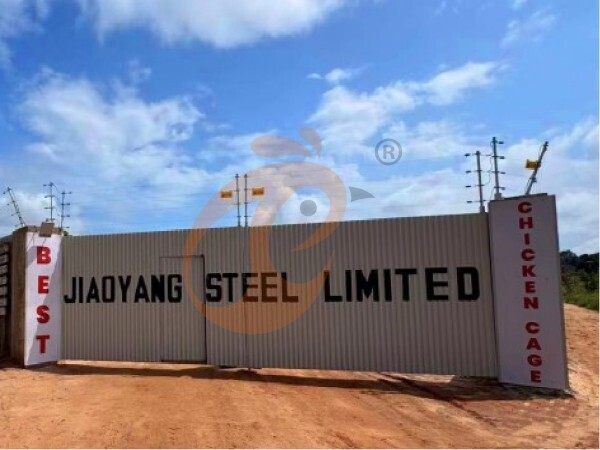
Tanzania Best Machinery And Equipment CO., LTD
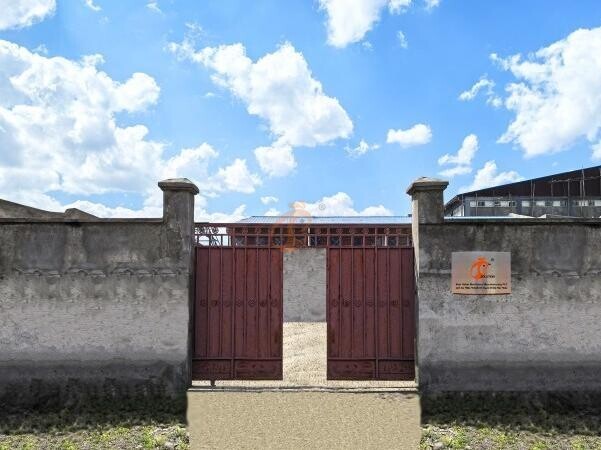
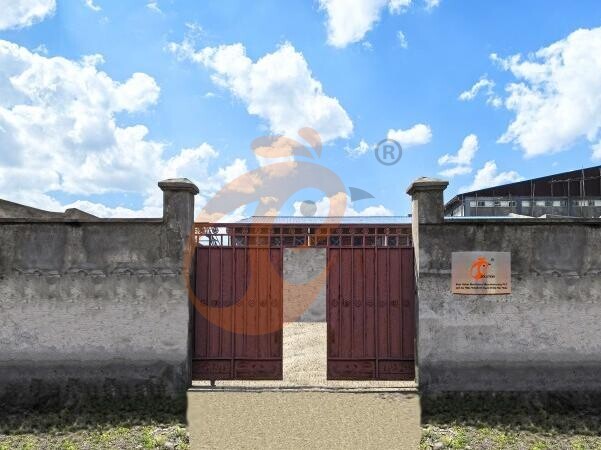
Ethiopia Best Hebei Machinery Manufacturing PLC
Reception /24 WhatsApp NO. : +8618830120193
FAQ
What Moisture Control Standards Are Required In Feed Milling For Poultry Chicken Feed?
Conditioning moisture increases to 16–18% before pelleting for optimal starch gelatinization.
Final feed moisture is controlled at 11–13% to ensure long-term storage stability.
What Energy Consumption Levels Are Standard In Feed Mixer And Feed Mill Operations For Poultry Chicken Farms?
Mixing systems require 3–8 kWh per batch depending on mixer volume and load ratio.
Pelletizing units operate at 60–90 kWh per ton for high-density poultry feed production.
What Raw Material Ratios Are Commonly Processed In Poultry Chicken Feed Mills?
Soybean meal accounts for 18–25% as main protein contributor for growth performance.
Premix addition remains at 2–5% ensuring vitamins and mineral balance stability.
Message
Products recommended
 HK Headquarter Offers EU-standard Poultry Farm Solutions, Manufacture Poultry Farm Equipment1. Continuous communication with the EU and the US
2. China, Nigeria, Ethiopia, Tanzania branch companies and factories
3. The products’ quality is customized for local poultry farms
4. Poultry cage and poultry farm equipment stock for sale
5. 24 online reception Whatsapp NO. : +8618830120193,contact us to get full informationRead More China Branch Offer Poultry Farm Business Plan, Manufacture Poultry Farm Equipment1. Address: Flat/RM 2416, 24/F, Runxing Building, Youyi Nan Street, Shijiazhuang City, Hebei Province, China
2. Poultry cage and poultry farm equipment factory and stock for sale
3. Customized for local poultry farms
4. Quality and design are based on Euro
5. 24 online reception Whatsapp NO. : +8618830120193Read More Nigeria Branch Offer Poultry Farm Business Plan, Manufacture Poultry Farm Equipment1. Address: After Sinoma Office, 200 Meters Near Danco Filling Station, Lagos/Ibadan Expressway, Lagos State, Nigeria
2. Poultry cage and poultry farm equipment factory and stock for sale
3. Customized for Nigerian poultry farms
4. Quality and design are based on Euro
5. 24 online reception Whatsapp NO. : +8618830120193Read More Ethiopia Branch Offer Poultry Farm Business Plan, Manufacture Poultry Farm Equipment1. Address: Gelan Gura, Akaki-kaliti Sub City, Addis Ababa, Ethiopia
2. Poultry cage and poultry farm equipment stock for sale
3. Customized for Ethiopian poultry farms
4. Quality and design are based on Euro
5. 24 online reception Whatsapp NO. : +8618830120193, contact us to get price listRead More Tanzania Branch Offer Poultry Farm Business Plan, Manufacture Poultry Farm Equipment1. Address: No.8, Sova Road, Msufini, Mlandizi, Kibaha, Pwani, Tanzania
2. Poultry cage and poultry farm equipment factory and stock for sale
3. Customized for Tanzanian poultry farms
4. Quality and design are based on Euro
5. 24 online reception Whatsapp NO. : +8618830120193Read More Fully Automatic H Type Layer Chicken Cage1. 30,000-100,000+ layers/house chooses it, Poultry farmers can achieve an egg production rate of 96-98%
2. A significant improvement over the 85-90% typically seen in manual systems
3. A typical poultry farm can expect a 30-40% reduction in labor costs due to the automation
4. Each feeding line efficiently supplies feed to around 100,000 hens per 30 mins
5. Reception /WhatsApp NO. : +8618830120193Read More Fully Automatic A Type Layer Chicken Cage1. 10,000-50,000 layers/house chooses it
2. Cleaner egg collection reduces breakage by 0.5%
3. Improved hygiene helps reduce mortality rate to <3%
4. 1–2 technicians can handle 15,000–30,000 birds
5. Reception /WhatsApp NO. : +8618830120193Read More Semi Automatic H Type Layer Chicken Cage1. 1,00-20,000 layers/house chooses it
2. Nipple drinkers flow 30–60 ML / min
3. Hot-dip galvanized (typical coating ≥ 275 g/m²)
4. Reduce ammonia by ~ 35–40%
5. Reception /WhatsApp NO. : +8618830120193Read More Semi Automatic A Type Layer Chicken Cage1. 1,00-20,000 layers/house chooses it, no rust for 10 years, no deformation for 15 years
2. Chickens live comfortably, you can raise them with peace of mind
3. Save water, save money—efficiency you can measure
4. Improve environment quality, and increase egg production rate
5. Reception /WhatsApp NO. : +8618830120193Read More
By clicking 'Allow All', you agree to the storage of cookies on your device to enhance site navigation, analyze site usage and assist with our marketing efforts.