






Blog
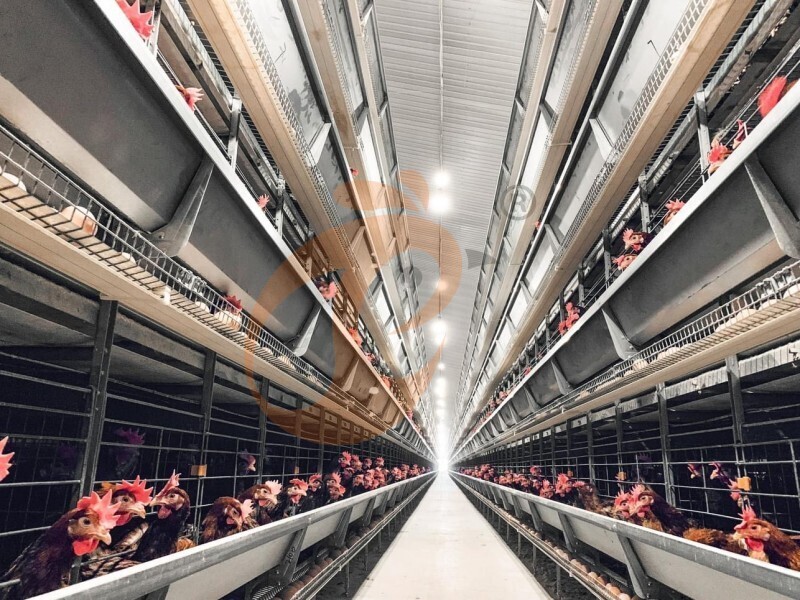
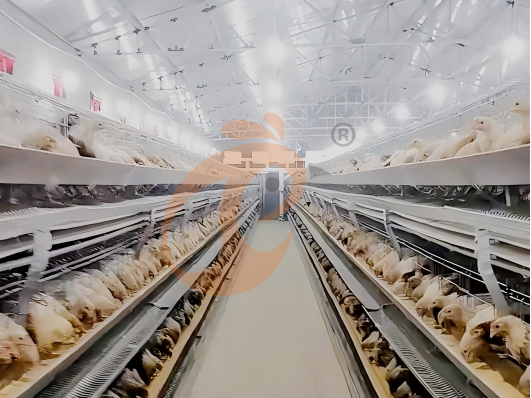
Battery cage system design can increase layer-house efficiency through integrated feeding, drinking, egg collection, and manure handling.
Automatic layer cage system planning connects equipment capacity with flock expansion, labor control, and house utilization.
Poultry layer cage equipment supports structured workflows for commercial farms targeting 30,000–150,000 layers.
Proper ventilation, environmental control, and equipment layout strengthen production stability across different climates.
Integrated engineering turns poultry-house equipment into a scalable production platform, linking present capacity with future expansion.
Get professional poultry farm construction guidance, equipment selection solutions, and the latest price lists, whatsApp to +8618830120193, +2348111199996, or click to learn more.
The Real Scaling Question: More Birds Or More Output?
When a poultry business grows, the challenge is not simply adding more chickens.
The real question is how much egg production can one house, one worker, and one square meter support?
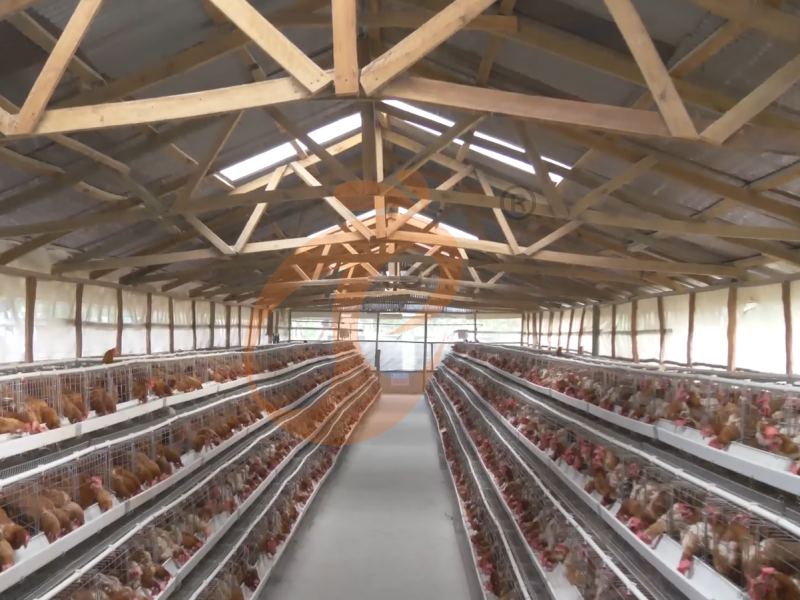
Traditional poultry systems can be attractive for small farms because of relatively simple setup and lower initial equipment requirements.
However, as flock size increases, manual feeding, egg collection, watering, and manure handling can quickly become labor-intensive.
A modern battery cage system approaches the problem differently.
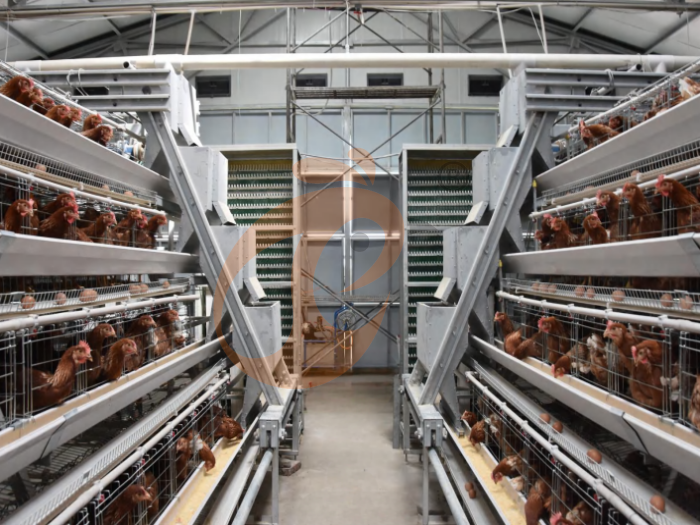
By integrating layer cages with automatic feeding, drinking, egg collection, manure removal, ventilation, and environmental control, an automatic layer cage system creates a more organized production workflow.
For commercial farms targeting rapid expansion, equipment becomes a scaling tool.
A properly engineered house can operate with a 2.4–2.8 m service aisle while maintaining organized equipment access.
Capacity Comparison
Data is for reference only.Swipe horizontally to view full table.
A Simple Scaling Test: Follow The Bottleneck
Farm A — Traditional Floor System
Farm A starts with 20,000 layers and depends on manual feed distribution, egg collection, water inspection, and manure cleaning.
As the flock expands, each additional production unit creates more repetitive work.
Farm B — Integrated Cage System
Farm B installs a poultry layer cage equipment package with automatic feeding, nipple drinking, conveyor egg collection, and dedicated manure handling.
Feed moves through the production line while eggs travel toward centralized collection points.
The difference becomes obvious during expansion.
The farm controlling operational bottlenecks generally creates a stronger scaling foundation.
Professional equipment should therefore be selected according to a five-year production target rather than today's flock size.
A 24-hour egg collection cycle and a seven-day equipment operating schedule provide practical benchmarks for system sizing.
Labor And Daily Management
Data is for reference only.Swipe horizontally to view full table.
Why Equipment Changes The Economics
A poultry house has two types of capacity physical capacity and operational capacity.
Physical capacity asks, "how many birds can this building hold?"
Operational capacity asks, "how many birds can this farm manage efficiently every day?"
The second question is often more important.
A house may technically accommodate thousands of additional birds, but workers still need efficient feeding, timely egg collection, regular manure removal, and stable water delivery.
A properly designed automatic layer cage system connects these activities into one workflow.
Automatic feeding reduces repetitive manual work.
Nipple drinking provides consistent water access.
Egg collection equipment reduces handling steps.
Manure systems make waste management more systematic.
Scaling is not simply about putting more birds into a building.
Scaling means creating a production system capable of handling additional birds without proportionally increasing operational complexity.
For equipment planning, a 50–70 mm feed distribution clearance and 300–500 mm service-space allowance can simplify routine inspection and maintenance.
House Space Utilization
Data is for reference only.Swipe horizontally to view full table.
Three Signs Your Farm Has Outgrown Traditional Methods
Sign #1 — Labor Grows Faster Than The Flock
If adding birds means continuously adding workers, the production model may not be scaling efficiently.
Sign #2 — Egg Collection Becomes A Daily Bottleneck
Large-scale manual collection increases handling time and operational complexity.
Sign #3 — Manure Management Controls The Schedule
When waste removal depends mainly on manual labor, larger flocks can create a serious management burden.
The solution is not automatically buying more equipment.
The better approach is redesigning the complete workflow around the desired flock size.
That is where professional poultry layer cage equipment adds value.
House layout, cage selection, feeding, drinking, ventilation, egg collection, manure removal, and environmental systems should work together.
A complete engineering package can reserve 80–120 mm cable-routing space and 100–200 mm water-line clearance to reduce utility interference during installation.
Investment And Return Considerations
Data is for reference only.Swipe horizontally to view full table.
Think In Cost Per Bird, Not Equipment Price
A common purchasing mistake is comparing systems only by initial quotation.
A better calculation is
Total production cost per bird = equipment + house + labor + energy + maintenance + management costs
Then ask a second question
How many birds can the investment support over its useful operating period?
A higher-priced automatic feeding and egg collection system may appear expensive during purchasing.
However, equipment that supports more birds with controlled labor and organized house utilization can create greater long-term economic value.
Experienced poultry equipment manufacturers therefore focus on complete project solutions rather than isolated cage products.
A qualified supplier should match equipment capacity with flock size, house dimensions, local climate, labor availability, and future expansion plans.
For international projects, selecting 380–415 v three-phase power and 50/60 hz-compatible motors can simplify electrical adaptation.
Which System Fits Which Farm?
Data is for reference only.Swipe horizontally to view full table.
Scaling Comparison
Data is for reference only.Swipe horizontally to view full table.
The conclusion is straightforward traditional poultry systems can remain practical for smaller operations, while battery cage systems provide a stronger platform for commercial expansion.
For farms planning substantial layer expansion, the most valuable investment is not simply a cage.
It is an integrated poultry house equipment solution.
A professional project can combine layer cages, automatic feeding systems, nipple drinking lines, egg collection conveyors, manure removal systems, ventilation equipment, and environmental controls according to actual house design.
The right equipment configuration helps convert limited house space and labor into greater production capacity.
If the goal is 10,000 layers, many systems can work.
If the goal is 100,000 or 500,000 layers, system design becomes the competitive advantage.
Frequently Asked Questions
Q1: What makes a battery cage system suitable for commercial expansion?
A1: Integrated feeding, drinking, egg collection, manure handling, and environmental equipment creates a coordinated workflow for larger layer populations.
Q2: How should automatic layer cage system capacity be selected?
A2: Equipment should be matched with house dimensions, target flock size, utility capacity, labor availability, and planned expansion stages rather than purchased from cage quantity alone.
Q3: Why is poultry layer cage equipment more important as flock size increases?
A3: Larger flocks amplify repetitive manual tasks, while centralized equipment can coordinate multiple production processes and support more predictable daily management.
Taiyu (HK) Group - One Of China Toppest Battery Cage System Manufacturer
Battery cage for layers system integrates tiered cage structures with feeding, drinking, egg collection, manure removal, ventilation, and environmental control for commercial layer production.
Global factory-direct supply covers cages, feeding equipment, drinking systems, ventilation equipment, manure systems, and complete poultry equipment packages.
Turn-key engineering supports project planning, equipment configuration, production coordination, installation guidance, commissioning, and technical documentation.
Poultry equipment solutions are engineered for commercial scenarios ranging from 10,000-layer facilities to multi-house projects exceeding 100,000 layers.
Factory production enables coordinated component specifications, project-based equipment matching, and international delivery for different poultry-house engineering requirements.
Contact Us To Received Your Customized Poultry Farm Plan
Headquarters And Branchs
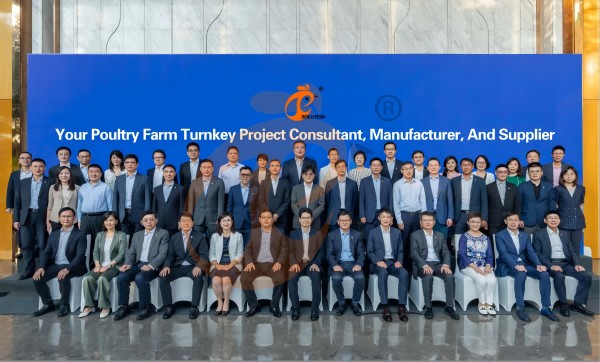
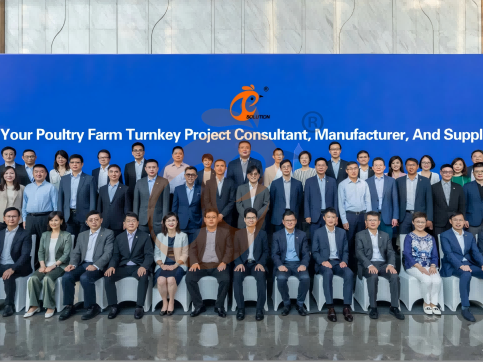
Hong Kong Headquarter Management Team
Hong Kong Headquarter Taiyu Industrial Group CO., LTD
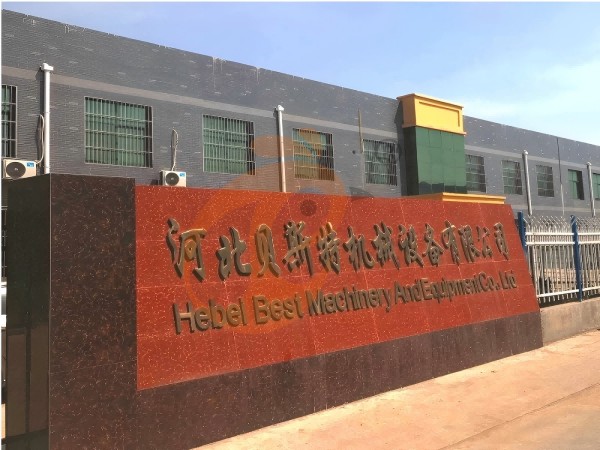
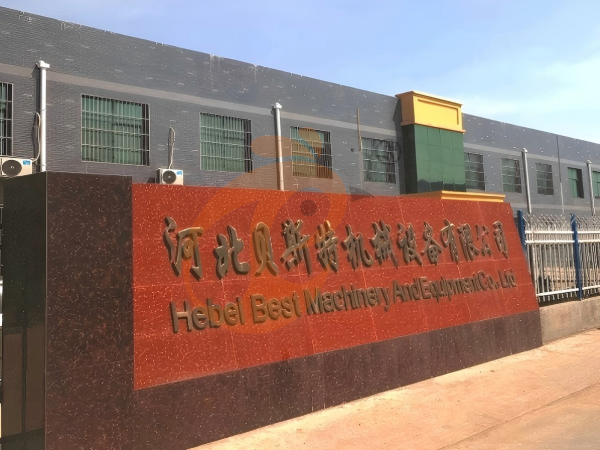
China Hebei Best Machinery And Equipment CO., LTD
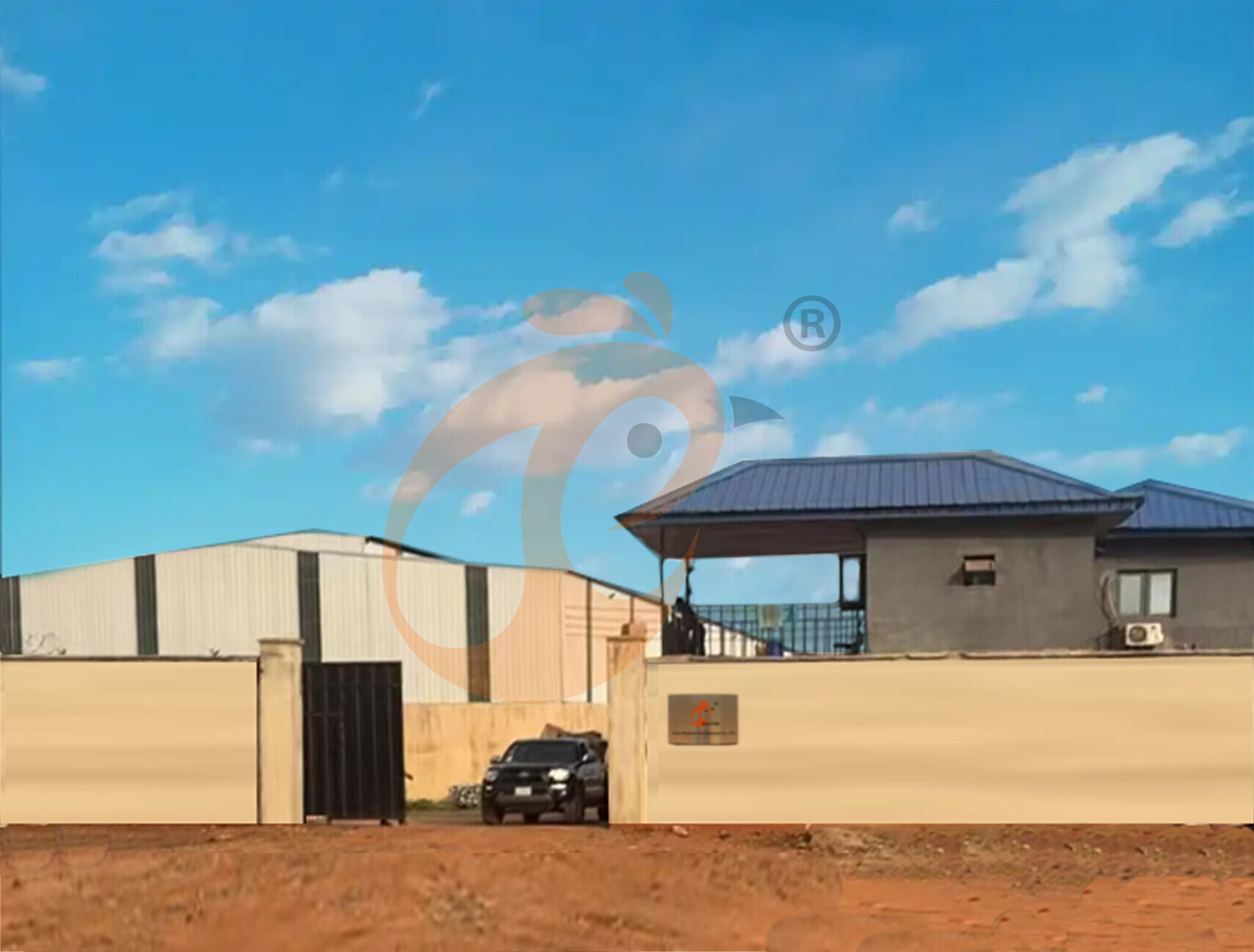
Nigeria Vanke Machinery And Equipment CO., LTD
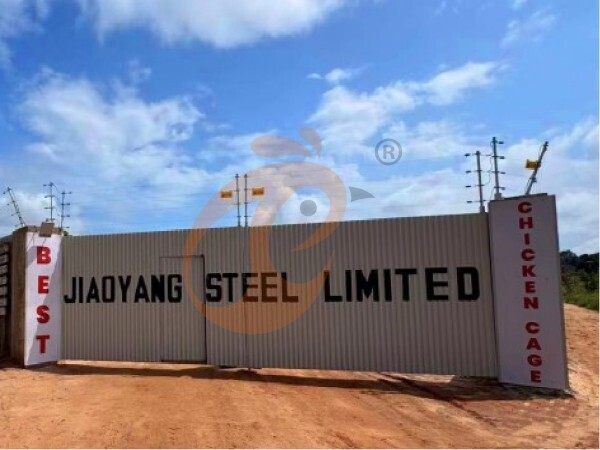
Tanzania Best Machinery And Equipment CO., LTD
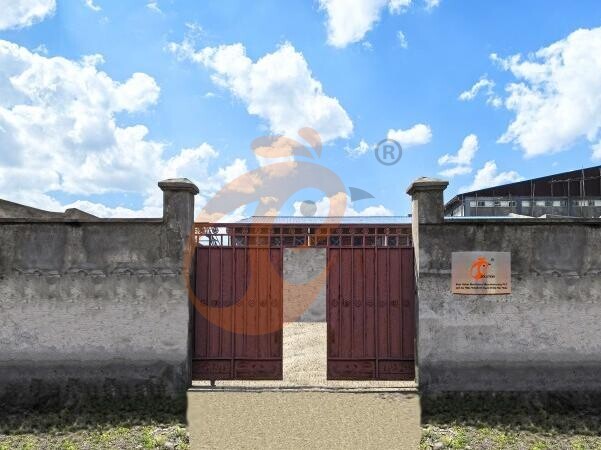
Ethiopia Best Hebei Machinery Manufacturing PLC
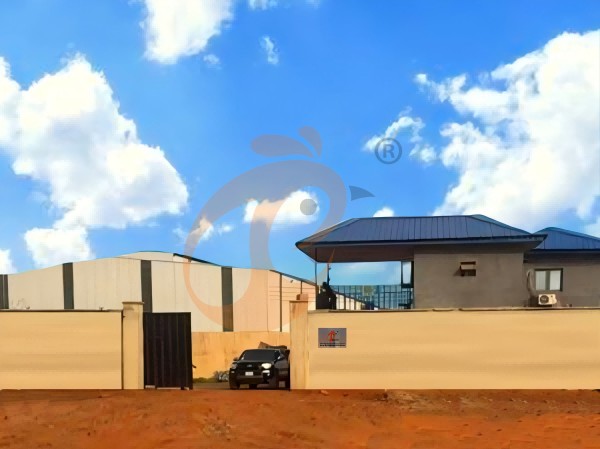
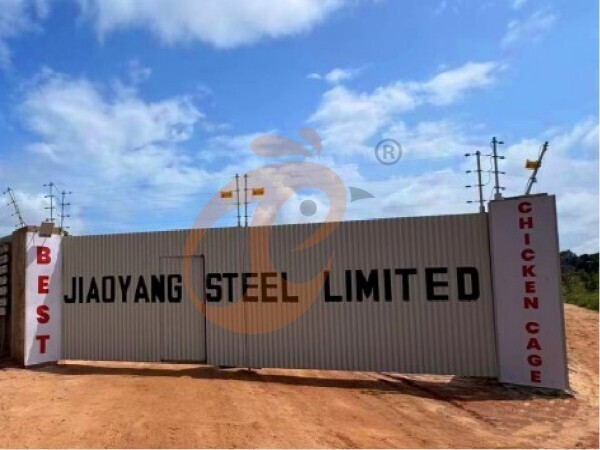
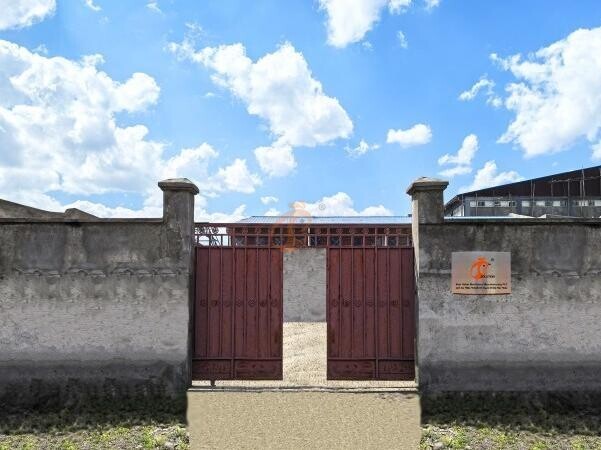
Reception /24 WhatsApp NO. : +8618830120193
FAQ
How To Reduce Stress And Improve Egg Production In Battery Cage Farms?
Good ventilation, temperature 18–25℃, lighting 16h/day.
Automatic feeding and drinking systems ensure sufficient nutrition and water; egg production 90–98%.
What Are The Advanced Tips For Egg Hygiene And Quality Control In Layer Cage Systems?
Monitor feed nutrition and water quality to ensure strong eggshells.
How To Implement Advanced Light Management Systems In Poultry Cage Farms?
Combined with automatic feeding, egg production increases 2–3%, breakage <3%.
- poultry equipment
- layer cage
- poultry farm
- feeding equipment
- battery cage
- poultry farm
- poultry farm construction
- battery cage for layers
- battery cage system
- layer cage system
- automatic layer cage
- poultry equipment manufacturer
- battery cage
- automatic feeding system
- layer farm
- poultry house
- poultry house equipment
- poultry layer cage
- poultry equipment manufacturers
- Ethiopia
- Nigeria
Message
Products recommended
 HK Headquarter Offers EU-standard Poultry Farm Solutions, Manufacture Poultry Farm Equipment1. Continuous communication with the EU and the US
2. China, Nigeria, Ethiopia, Tanzania branch companies and factories
3. The products’ quality is customized for local poultry farms
4. Poultry cage and poultry farm equipment stock for sale
5. 24 online reception Whatsapp NO. : +8618830120193,contact us to get full informationRead More China Branch Offer Poultry Farm Business Plan, Manufacture Poultry Farm Equipment1. Address: Flat/RM 2416, 24/F, Runxing Building, Youyi Nan Street, Shijiazhuang City, Hebei Province, China
2. Poultry cage and poultry farm equipment factory and stock for sale
3. Customized for local poultry farms
4. Quality and design are based on Euro
5. 24 online reception Whatsapp NO. : +8618830120193Read More Nigeria Branch Offer Poultry Farm Business Plan, Manufacture Poultry Farm Equipment1. Address: After Sinoma Office, 200 Meters Near Danco Filling Station, Lagos/Ibadan Expressway, Lagos State, Nigeria
2. Poultry cage and poultry farm equipment factory and stock for sale
3. Customized for Nigerian poultry farms
4. Quality and design are based on Euro
5. 24 online reception Whatsapp NO. : +8618830120193Read More Ethiopia Branch Offer Poultry Farm Business Plan, Manufacture Poultry Farm Equipment1. Address: Gelan Gura, Akaki-kaliti Sub City, Addis Ababa, Ethiopia
2. Poultry cage and poultry farm equipment stock for sale
3. Customized for Ethiopian poultry farms
4. Quality and design are based on Euro
5. 24 online reception Whatsapp NO. : +8618830120193, contact us to get price listRead More Tanzania Branch Offer Poultry Farm Business Plan, Manufacture Poultry Farm Equipment1. Address: No.8, Sova Road, Msufini, Mlandizi, Kibaha, Pwani, Tanzania
2. Poultry cage and poultry farm equipment factory and stock for sale
3. Customized for Tanzanian poultry farms
4. Quality and design are based on Euro
5. 24 online reception Whatsapp NO. : +8618830120193Read More Fully Automatic H Type Layer Chicken Cage1. 30,000-100,000+ layers/house chooses it, Poultry farmers can achieve an egg production rate of 96-98%
2. A significant improvement over the 85-90% typically seen in manual systems
3. A typical poultry farm can expect a 30-40% reduction in labor costs due to the automation
4. Each feeding line efficiently supplies feed to around 100,000 hens per 30 mins
5. Reception /WhatsApp NO. : +8618830120193Read More Fully Automatic A Type Layer Chicken Cage1. 10,000-50,000 layers/house chooses it
2. Cleaner egg collection reduces breakage by 0.5%
3. Improved hygiene helps reduce mortality rate to <3%
4. 1–2 technicians can handle 15,000–30,000 birds
5. Reception /WhatsApp NO. : +8618830120193Read More Semi Automatic H Type Layer Chicken Cage1. 1,00-20,000 layers/house chooses it
2. Nipple drinkers flow 30–60 ML / min
3. Hot-dip galvanized (typical coating ≥ 275 g/m²)
4. Reduce ammonia by ~ 35–40%
5. Reception /WhatsApp NO. : +8618830120193Read More Semi Automatic A Type Layer Chicken Cage1. 1,00-20,000 layers/house chooses it, no rust for 10 years, no deformation for 15 years
2. Chickens live comfortably, you can raise them with peace of mind
3. Save water, save money—efficiency you can measure
4. Improve environment quality, and increase egg production rate
5. Reception /WhatsApp NO. : +8618830120193Read More
By clicking 'Allow All', you agree to the storage of cookies on your device to enhance site navigation, analyze site usage and assist with our marketing efforts.