






Blog
- A type battery cage performance depends heavily on dependable drinking equipment, correct water delivery, sanitary components, and practical cage-line engineering for commercial layer production.
Automatic chicken watering system design combines filtration, pressure control, flushing, and durable drinkers to support consistent flock access while reducing daily management demands across long production houses.
Poultry nipple drinker system configurations offer different installation choices, allowing farms to balance hygiene, water efficiency, maintenance requirements, cage dimensions, and project investment according to operational priorities.
Commercial poultry equipment projects benefit from coordinated engineering, where drinking lines, cage structures, feeding equipment, manure systems, and accessories are developed together for smoother installation.
- Factory-designed solutions provide project-specific specifications, technical support, replacement components, and turn-key integration for farms seeking reliable equipment performance throughout demanding production cycles.
Get professional poultry farm construction guidance, equipment selection solutions, and the latest price lists, whatsApp to +8618830120193, +2348111199996, or click to learn more.
The Real Question: What Does "Best" Mean In A Poultry House?
Choosing a watering system for an A-type battery cage is not simply about finding a pipe, nipple, or cup.
The right system should provide clean water, stable delivery, low leakage, easy maintenance, and reliable performance across the entire cage line.
Commercial layer farms can also monitor daily water consumption as an important indicator of flock condition, making an automatic chicken watering system valuable for routine production management.
For modern layer houses, the most practical solution is usually a poultry nipple drinker system integrated with filtration, pressure regulation, and automatic flushing.
The final configuration should be matched to cage tiers, flock size, water quality, and house layout.
Option 1 — Stainless Steel Nipple Drinking System
Data is for reference only.Swipe horizontally to view full table.
The stainless steel nipple system is a practical choice for many A-type battery cage projects.
Each bird receives water directly from the valve, limiting exposure to open drinking surfaces and supporting cleaner cage management.
A factory-integrated poultry nipple drinker system can combine nipples, water pipes, regulators, filters, end drains, and mounting brackets into one cage-compatible package.
For commercial layer houses operating continuously, 304 stainless steel construction provides a practical equipment specification where repeated washing and humid conditions are expected.
Option 2 — Nipple + Drip Cup System
Data is for reference only.Swipe horizontally to view full table.
For farms focused on keeping cage areas dry, adding drip cups is a useful configuration.
The cup catches residual water after drinking and helps reduce unnecessary wetting around the manure collection area.
A properly configured automatic chicken watering system can position collection cups precisely beneath drinking points without obstructing bird movement.
Commercial nipple models can provide different delivery characteristics according to bird requirements, making manufacturer flow curves important during equipment selection.
Option 3 — Automatic Watering System With Pressure Regulation
Data is for reference only.Swipe horizontally to view full table.
A reliable automatic watering system should be treated as a complete engineering package.
Pressure regulation is particularly important because excessive or insufficient delivery can affect drinking behavior and water leakage.
Automatic flushing and filtration simplify routine maintenance while helping protect the poultry nipple drinker system from pipeline contamination.
For long cage rows, pressure zoning can be planned around house length and elevation changes rather than using one universal setting.
Option 4 — Customized High-Capacity Watering Solution
Data is for reference only.Swipe horizontally to view full table.
Not every poultry house should use exactly the same watering configuration.
A customized project may require separate pressure zones, additional filtration, automatic flushing, or different nipple positions for pullets and laying hens.
For growing birds, adjustable drinking-line supports can accommodate approximately 5–15 cm of staged positioning movement as body size changes.
A project-engineered A type battery cage solution also allows drinking equipment to follow house dimensions, cage tiers, and flock capacity rather than forcing the building into a standard equipment layout.
Comparison: Which System Is Best?
Data is for reference only.Swipe horizontally to view full table.
There is no single configuration suitable for every farm.
Layer nipple selection commonly depends on bird age, drinking behavior, house climate, and equipment arrangement rather than flow rate alone.
For most commercial A-type battery cage projects, an automatic chicken watering system with pressure control provides a practical balance between engineering complexity and daily operating efficiency.
Project calculations should also account for peak flock demand during the warmest production periods.
What Should Buyers Check Before Ordering?
Data is for reference only.Swipe horizontally to view full table.
A low equipment price does not necessarily produce a low total operating cost.
Buyers should evaluate the complete drinking system, including installation, replacement components, filtration, maintenance, and technical support.
A professional poultry equipment manufacturer should provide system drawings and component specifications before production, allowing the automatic chicken watering system to be matched precisely with the cage structure.
Pre-shipment inspection should verify connections, brackets, valves, and pipeline assemblies before equipment leaves the factory.
The Hidden Cost Of Poor Watering Design
Data is for reference only.Swipe horizontally to view full table.
Watering equipment may represent only one part of a poultry cage investment, but its influence continues throughout the production cycle.
A poorly engineered poultry nipple drinker system can create repeated maintenance points, especially where long pipelines contain sediment or trapped air.
Professional system design should therefore consider pipeline routing, pressure zoning, flushing points, filtration, and cage-line alignment before installation.
Routine inspection intervals can be scheduled around production conditions, with visual checks commonly taking less than 15 minutes per cage row when access is properly designed.
Why Stainless Steel Components Matter
Data is for reference only.Swipe horizontally to view full table.
Commercial poultry houses operate continuously, so watering components must withstand repeated activation, moisture, cleaning, and long production cycles.
Stainless steel nipple assemblies are particularly suitable where durability and sanitary operation are priorities.
A quality poultry nipple drinker system should also use compatible sealing materials because repeated valve movement can expose weak seals to premature wear.
For equipment projects designed around long operating cycles, component replacement planning should include approximately 1 spare service kit for every 50 cage lines.
Design The Watering System Together With The Cage
Data is for reference only.Swipe horizontally to view full table.
One major advantage of purchasing cages and watering equipment from the same manufacturer is compatibility.
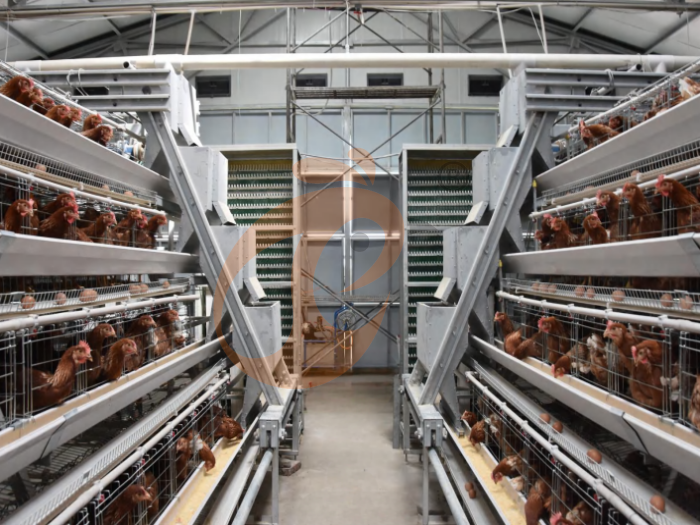
The cage frame, water-line brackets, nipple position, feeding equipment, and manure system can be engineered as one integrated structure.
This reduces on-site modification and makes installation more straightforward, especially for multi-tier A type battery cage projects.
A coordinated engineering package can also reduce unnecessary drilling, cutting, and bracket adjustment during assembly.
A Practical Selection Formula For Poultry Farms
Data is for reference only.Swipe horizontally to view full table.
A useful purchasing formula is:
Water quality + pressure management + suitable valve specification + correct installation + after-sales support = dependable watering performance.
Flow rate should also be checked periodically rather than judged only by whether water appears at the nipple.
For an automatic chicken watering system, actual output testing can identify restrictions that remain invisible during a basic visual inspection.
Water temperature can also influence drinking behavior, so project evaluation should consider seasonal house conditions rather than relying exclusively on equipment specifications.
Final Recommendation: Build For Reliability, Not Just Price
Data is for reference only.Swipe horizontally to view full table.
For an A-type battery cage for poultry, the best overall choice is a professionally engineered automatic nipple watering system with pressure regulation, filtration, flushing, and drip cups where required.
The strongest equipment solution is not simply a nipple drinker; it is a complete cage-compatible water management system.
A specialized poultry equipment manufacturer can integrate A-type cages, feeding equipment, automatic drinking lines, manure removal, and installation accessories into one project.
For commercial farms, integrated engineering can shorten installation coordination while providing a single technical source for equipment matching and replacement planning.
The exact specifications should be finalized according to bird age, water quality, cage dimensions, house length, and the selected nipple manufacturer's technical curve rather than applying one universal setting to every project.
Frequently Asked Questions
Q1: What is the best watering system for an A-type battery cage?
A1: An automatic nipple drinking system with filtration, pressure control, and optional drip cups provides a practical commercial configuration.
Q2: How many birds can use one nipple drinker?
A2: A common planning range is 8–10 birds per nipple, with final selection adjusted according to bird age and nipple flow characteristics.
Q3: Why should watering equipment be purchased with the cage system?
A3: Integrated design allows brackets, pipes, nipples, cage tiers, and service access to be coordinated before installation, reducing field modification requirements.
Taiyu (HK) Group - One Of China Toppest A Type Battery Cage Manufacturer
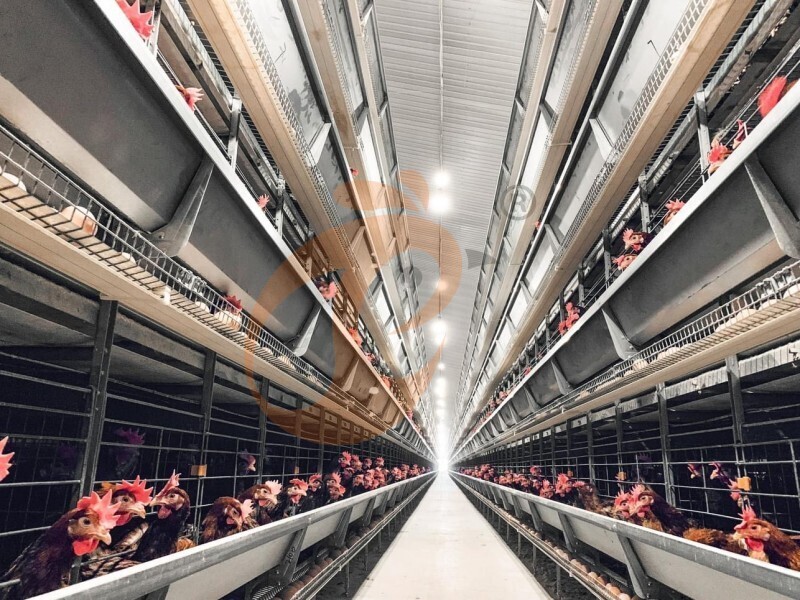
A type battery cage systems combine galvanized cage structures, automatic feeding, poultry nipple drinker system integration, manure handling, and project-specific water-line engineering for commercial layer houses.
Global factory direct sales provide poultry equipment packages with standardized manufacturing, component inspection, technical drawings, spare-parts support, and direct project coordination for international customers.
Poultry equipment production covers cage systems, feeding systems, drinking systems, manure removal equipment, ventilation equipment, and supporting components under one engineering supply structure.
Turn-key engineering supports project planning, equipment manufacturing, shipment coordination, installation guidance, commissioning, and technical documentation for complete poultry house development.
International project supply connects factory production with farm capacity calculations, cage-house layouts, equipment configuration, and after-sales technical service for commercial poultry operations.
Contact Us To Received Your Customized Poultry Farm Plan
Headquarters And Branchs
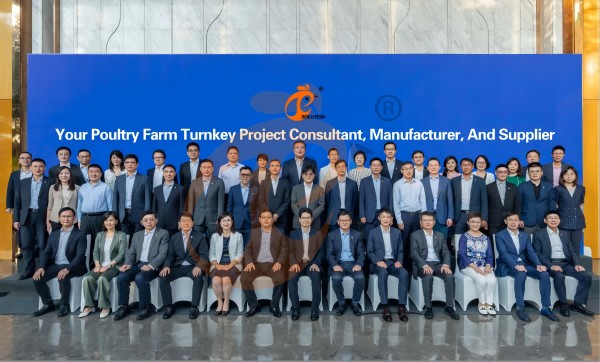
Hong Kong Headquarter Management Team
Hong Kong Headquarter Taiyu Industrial Group CO., LTD
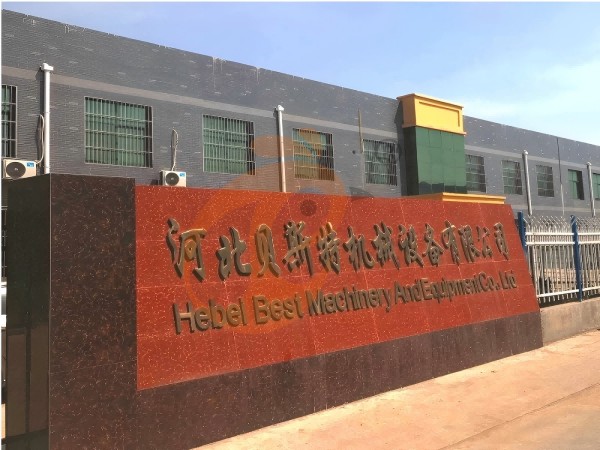
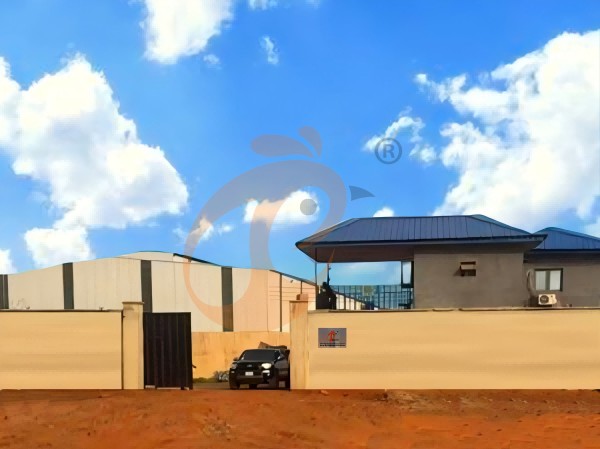
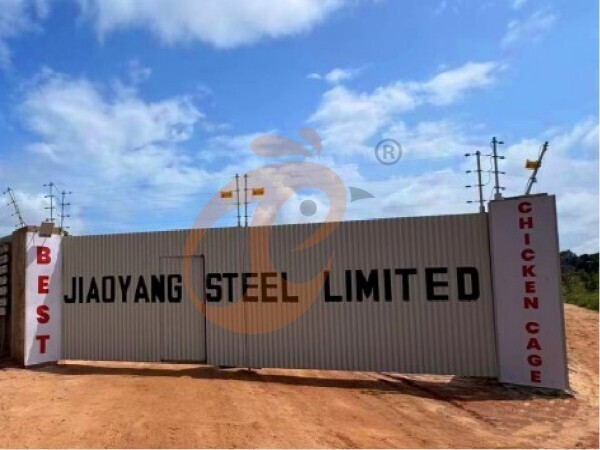
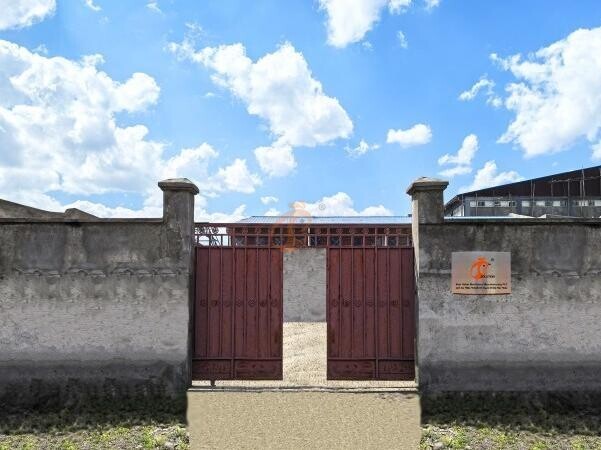
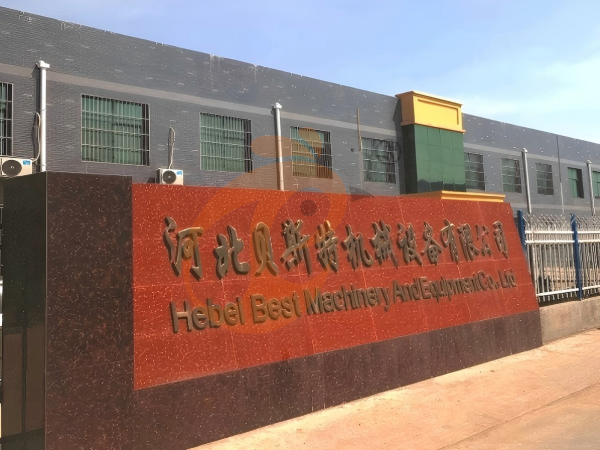
China Hebei Best Machinery And Equipment CO., LTD
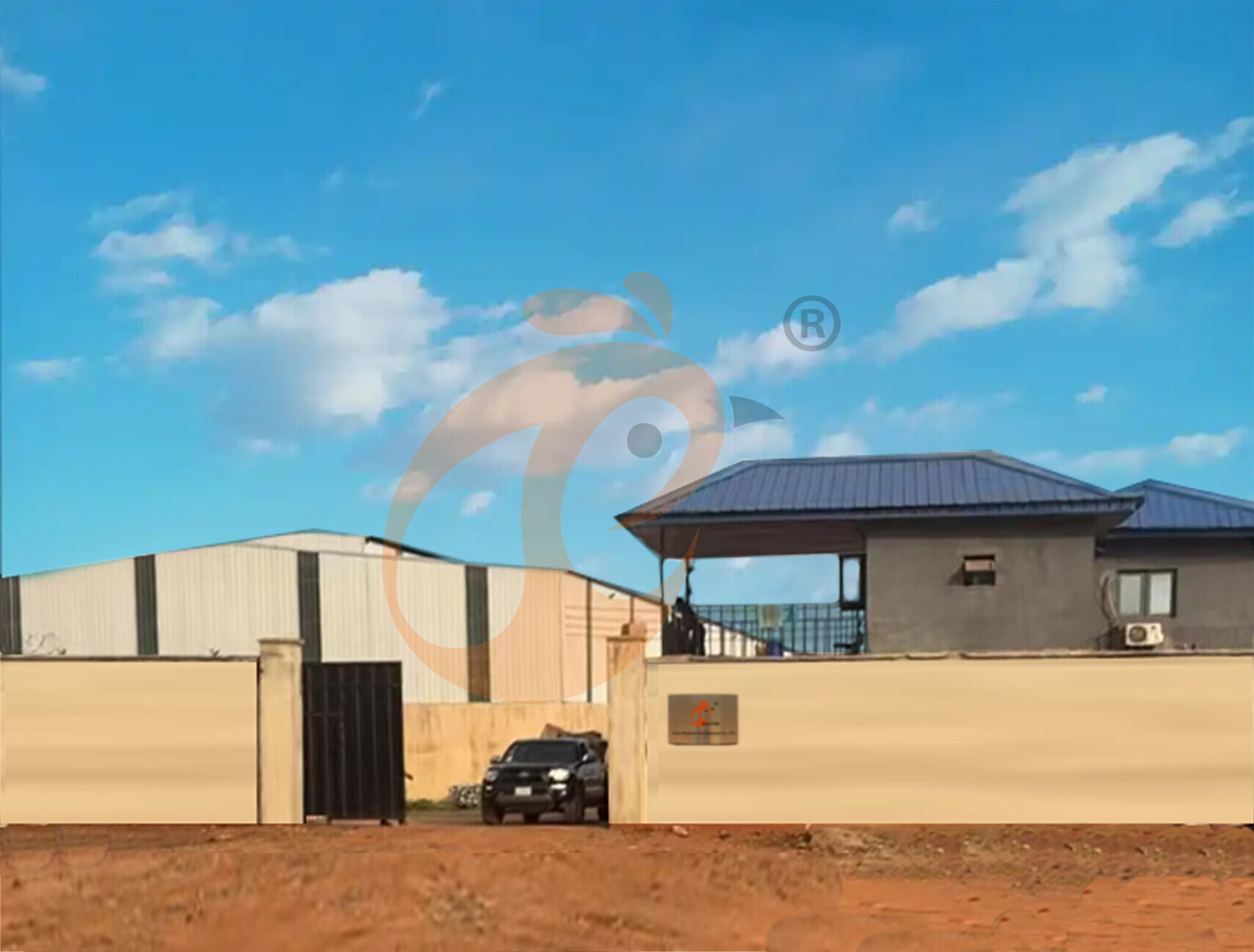
Nigeria Vanke Machinery And Equipment CO., LTD
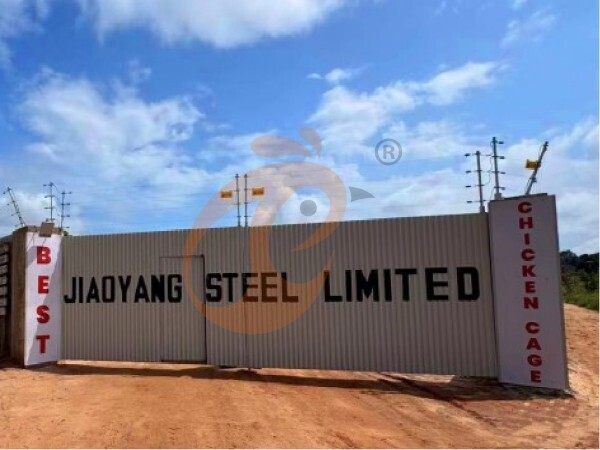
Tanzania Best Machinery And Equipment CO., LTD
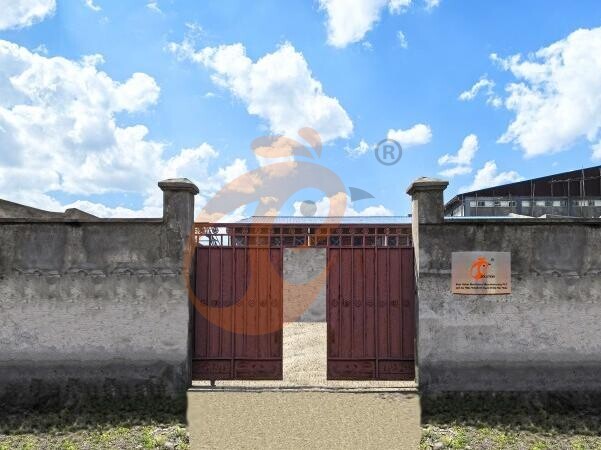
Ethiopia Best Hebei Machinery Manufacturing PLC
Reception /24 WhatsApp NO. : +8618830120193
FAQ
What Are The Recommended Cage Width And Height For A-Type Layer Cage?
Cage width: 2200–2400 mm
Cage depth: 400 mm
Birds per set: 120-200
Egg production rate: 90–96%
How To Improve Feed Efficiency In A-Type Poultry Cage System?
Reduce feed waste
FCR reduced to 1.9–2.2
Egg production rate: 90–96%
Feed waste reduced by 5–10%
How To Implement Egg Collection Automation In A-Type Layer Cage Farm?
Egg breakage rate <1%
Daily egg yield: 900–960 eggs/1,000 birds
Labor savings: 50–70%
Egg production rate: 90–96%
- poultry equipment
- layer cage
- poultry farm
- feeding equipment
- poultry cage
- battery cage
- poultry farm
- poultry farm construction
- battery cage manufacturer
- battery cage system
- poultry equipment manufacturer
- battery cage
- layer farm
- poultry house
- automatic chicken watering system
- chicken watering system
- Ethiopia
- Nigeria
Message
Products recommended
 HK Headquarter Offers EU-standard Poultry Farm Solutions, Manufacture Poultry Farm Equipment1. Continuous communication with the EU and the US
2. China, Nigeria, Ethiopia, Tanzania branch companies and factories
3. The products’ quality is customized for local poultry farms
4. Poultry cage and poultry farm equipment stock for sale
5. 24 online reception Whatsapp NO. : +8618830120193,contact us to get full informationRead More China Branch Offer Poultry Farm Business Plan, Manufacture Poultry Farm Equipment1. Address: Flat/RM 2416, 24/F, Runxing Building, Youyi Nan Street, Shijiazhuang City, Hebei Province, China
2. Poultry cage and poultry farm equipment factory and stock for sale
3. Customized for local poultry farms
4. Quality and design are based on Euro
5. 24 online reception Whatsapp NO. : +8618830120193Read More Nigeria Branch Offer Poultry Farm Business Plan, Manufacture Poultry Farm Equipment1. Address: After Sinoma Office, 200 Meters Near Danco Filling Station, Lagos/Ibadan Expressway, Lagos State, Nigeria
2. Poultry cage and poultry farm equipment factory and stock for sale
3. Customized for Nigerian poultry farms
4. Quality and design are based on Euro
5. 24 online reception Whatsapp NO. : +8618830120193Read More Ethiopia Branch Offer Poultry Farm Business Plan, Manufacture Poultry Farm Equipment1. Address: Gelan Gura, Akaki-kaliti Sub City, Addis Ababa, Ethiopia
2. Poultry cage and poultry farm equipment stock for sale
3. Customized for Ethiopian poultry farms
4. Quality and design are based on Euro
5. 24 online reception Whatsapp NO. : +8618830120193, contact us to get price listRead More Tanzania Branch Offer Poultry Farm Business Plan, Manufacture Poultry Farm Equipment1. Address: No.8, Sova Road, Msufini, Mlandizi, Kibaha, Pwani, Tanzania
2. Poultry cage and poultry farm equipment factory and stock for sale
3. Customized for Tanzanian poultry farms
4. Quality and design are based on Euro
5. 24 online reception Whatsapp NO. : +8618830120193Read More Fully Automatic H Type Layer Chicken Cage1. 30,000-100,000+ layers/house chooses it, Poultry farmers can achieve an egg production rate of 96-98%
2. A significant improvement over the 85-90% typically seen in manual systems
3. A typical poultry farm can expect a 30-40% reduction in labor costs due to the automation
4. Each feeding line efficiently supplies feed to around 100,000 hens per 30 mins
5. Reception /WhatsApp NO. : +8618830120193Read More Fully Automatic A Type Layer Chicken Cage1. 10,000-50,000 layers/house chooses it
2. Cleaner egg collection reduces breakage by 0.5%
3. Improved hygiene helps reduce mortality rate to <3%
4. 1–2 technicians can handle 15,000–30,000 birds
5. Reception /WhatsApp NO. : +8618830120193Read More Semi Automatic H Type Layer Chicken Cage1. 1,00-20,000 layers/house chooses it
2. Nipple drinkers flow 30–60 ML / min
3. Hot-dip galvanized (typical coating ≥ 275 g/m²)
4. Reduce ammonia by ~ 35–40%
5. Reception /WhatsApp NO. : +8618830120193Read More Semi Automatic A Type Layer Chicken Cage1. 1,00-20,000 layers/house chooses it, no rust for 10 years, no deformation for 15 years
2. Chickens live comfortably, you can raise them with peace of mind
3. Save water, save money—efficiency you can measure
4. Improve environment quality, and increase egg production rate
5. Reception /WhatsApp NO. : +8618830120193Read More
By clicking 'Allow All', you agree to the storage of cookies on your device to enhance site navigation, analyze site usage and assist with our marketing efforts.