






Blog
Modern poultry engineering projects integrate poultry ventilation systems, automatic chicken feeder infrastructure, and poultry cooling pad technology for environmental stabilization and production efficiency improvement.
Commercial chicken farm construction combines airflow engineering, intelligent feeding automation, precision water supply management, manure transfer systems, and environmental monitoring platforms for intensive poultry production expansion.
High capacity broiler house equipment improves flock density management, feed utilization performance, and operational continuity within industrial poultry farming facilities.
Environmental controller systems regulate humidity distribution, ammonia concentration, airflow velocity, and thermal balance through centralized intelligent management architecture.
Industrial poultry equipment investment planning prioritizes corrosion resistance, energy optimization, automated control precision, and long-term maintenance expenditure reduction for sustainable poultry engineering projects.
Get professional poultry farm construction guidance, equipment selection solutions, and the latest price lists, whatsApp to +8618830120193, +2348111199996, or click to learn more.
Global Market Demand For Poultry Auxiliary Equipment
The global poultry farming industry continues expanding due to rising consumption of chicken meat and eggs across Asia, Africa, the Middle East, Europe, and South America.
Commercial farms exceeding 20,000 birds per building require integrated automation equipment capable of maintaining stable production conditions throughout different climate periods.
Industrial poultry engineering procurement increasingly focuses on equipment durability, power efficiency, automated monitoring capability, and reduced labor dependence.
Modern poultry equipment procurement budgets for a 30,000-bird broiler house generally range between $48,000 and $135,000.
European union standard reference only.Data is for reference only.Swipe horizontally to view full table.
Importance Of Poultry Ventilation Systems
Ventilation engineering directly influences oxygen exchange efficiency, moisture discharge capacity, and ammonia dilution performance inside poultry buildings.
Insufficient airflow circulation commonly results in litter moisture accumulation, elevated respiratory stress, uneven flock distribution, and reduced growth consistency.
Tunnel ventilation layouts remain widely adopted within high-density broiler houses because longitudinal airflow improves heat extraction efficiency during summer production cycles.
Modern poultry ventilation systems integrate negative-pressure fans, air inlets, circulation devices, and intelligent environmental controllers for continuous climate regulation.
Data is for reference only.Swipe horizontally to view full table.
Poultry Cooling Pad System Engineering
Poultry cooling pad systems are widely installed within regions experiencing extended seasonal heat exposure above 32°C.
Evaporative cooling technology lowers inlet air temperature before airflow enters tunnel ventilation channels, improving indoor thermal uniformity during intensive production periods.
Cooling efficiency performance depends on pad thickness, water circulation stability, ambient humidity conditions, and airflow resistance characteristics.
Commercial poultry buildings generally install cooling walls measuring 15–40 meters according to structural dimensions and bird capacity planning.
Industrial poultry cooling pad installation cost generally ranges between $3,500 and $16,000 per poultry building.
European union standard reference only.Data is for reference only.Swipe horizontally to view full table.
Automatic Chicken Feeding Systems
Automatic chicken feeding systems improve feed allocation consistency and reduce manual labor intensity within industrial poultry operations.
Auger-driven feed transfer lines transport balanced feed volumes throughout poultry houses while minimizing feed segregation and accumulation zones.
Precision feed pan engineering supports stable bird access density and improves feeding synchronization across different production stages.
Integrated sensor modules monitor motor operation, feed storage levels, and daily feed transfer efficiency through automated management systems.
Automatic chicken feeder system investment for a 100-meter poultry house commonly ranges from $5,200 to $18,500.
European union standard reference only.Data is for reference only.Swipe horizontally to view full table.
Poultry Drinking Line Technology
Water supply engineering strongly affects nutrient absorption stability, digestive performance, and flock hydration balance within commercial poultry production systems.
Modern nipple drinking systems reduce surface contamination risks and maintain cleaner litter conditions compared with open water distribution methods.
Pressure stabilization devices maintain consistent water discharge along extended drinking lines installed within large poultry houses.
Integrated filtration assemblies improve sediment removal performance and reduce pipeline blockage frequency during continuous operation.
Data is for reference only.Swipe horizontally to view full table.
Poultry Lighting System Configuration
Lighting systems regulate feeding activity cycles, biological rhythm synchronization, and movement distribution within poultry housing facilities.
LED poultry lighting technology provides lower power consumption, reduced heat generation, and longer operational lifespan compared with conventional lighting structures.
Programmable dimming controllers support gradual brightness transitions that reduce sudden flock movement stress during operational schedule adjustments.
Lighting arrangement planning also influences flock uniformity and interior visibility during inspection and vaccination procedures.
LED poultry lighting investment generally ranges between $1,800 and $7,500 per poultry house.
European union standard reference only.Data is for reference only.Swipe horizontally to view full table.
Poultry Manure Removal Systems
Poultry manure transfer systems improve interior sanitation management and reduce ammonia accumulation within enclosed poultry structures.
Automatic conveyor equipment transports waste materials continuously from production areas toward centralized collection zones for secondary processing.
Dry manure handling technology supports fertilizer recycling applications while reducing moisture-related bacterial growth conditions.
Integrated manure management infrastructure also improves daily cleaning efficiency and reduces labor scheduling complexity.
Data is for reference only.Swipe horizontally to view full table.
Intelligent Poultry Environmental Controllers
Intelligent poultry environmental controllers coordinate ventilation equipment, cooling infrastructure, lighting schedules, and water systems through centralized automation platforms.
Real-time sensor monitoring improves response speed during sudden temperature fluctuations, humidity imbalance, and abnormal ammonia concentration increases.
Cloud-based monitoring architecture supports mobile supervision, historical data storage, and remote operational parameter adjustment.
Integrated alarm systems rapidly identify power interruptions, sensor abnormalities, and ventilation failures within high-density poultry facilities.
Environmental controller procurement cost generally ranges between $2,500 and $12,000 depending on sensor quantity and automation functions.
European union standard reference only.Data is for reference only.Swipe horizontally to view full table.
Poultry House Structural Materials
Chicken coop auxiliary equipment operates continuously under humid environmental conditions containing ammonia gas and organic waste residues.
Structural material selection directly affects corrosion resistance performance, maintenance frequency, and long term operational reliability.
Hot-dip galvanized steel components remain widely applied within poultry engineering because zinc coating layers improve anti-corrosion durability.
Stainless steel pipeline systems additionally improve water distribution hygiene and reduce oxidation-related maintenance requirements.
Data is for reference only.Swipe horizontally to view full table.
Energy Consumption And Cost Optimization
Electricity consumption represents a major operational expenditure category within automated poultry production engineering projects.
Ventilation equipment, circulation pumps, feed delivery motors, and lighting systems operate for extended daily periods throughout commercial production cycles.
Frequency-conversion motor technology improves electrical efficiency by adjusting operational output according to environmental demand fluctuations.
Energy-efficient poultry equipment selection additionally reduces long-term maintenance expenditure and power infrastructure loading pressure.
Average electricity expenditure for a 30,000-bird poultry house generally ranges between $1,200 and $4,800 monthly depending on climate conditions.
European union standard reference only.Data is for reference only.Swipe horizontally to view full table.
Biosecurity And Disease Prevention Equipment
Biosecurity engineering infrastructure improves contamination isolation capability within modern poultry production facilities.
Vehicle disinfection channels, personnel sanitation rooms, automatic spraying systems, and filtration equipment reduce external pathogen transmission risks.
Controlled entry management procedures additionally improve flock protection performance during transportation, maintenance, and operational inspection activities.
Integrated biosecurity planning therefore supports stable production continuity and reduces disease-related economic losses within intensive poultry operations.
Data is for reference only.Swipe horizontally to view full table.
Future Trends In Chicken Coop Auxiliary Equipment
The poultry equipment industry is transitioning toward intelligent automation, cloud-based monitoring architecture, and precision environmental engineering technology.
Artificial intelligence systems increasingly support predictive airflow regulation and automated environmental parameter optimization within commercial poultry facilities.
Internet-of-Things sensor networks improve operational coordination between ventilation equipment, feeding systems, water infrastructure, and environmental controllers.
Renewable energy integration, including solar-assisted ventilation equipment and energy-storage systems, further improves operational sustainability performance.
Future poultry engineering projects will prioritize automated precision control, lower energy consumption, stronger biosecurity capability, and extended equipment lifespan.
Frequently Asked Questions
Q1: What poultry ventilation capacity is suitable for A 30,000-bird broiler farm?
A1: Commercial 30,000-bird broiler farms generally require 8–14 exhaust ventilation fans with airflow capacities between 38,000 and 50,000 m³/hour per fan.
Tunnel ventilation airflow velocity normally operates between 2.0 and 3.5 m/s for efficient thermal discharge and ammonia dilution management.
Q2: What is the recommended service life for automatic chicken feeding systems?
A2: Hot-dip galvanized automatic chicken feeder systems generally maintain operational stability for 10–15 years under controlled poultry house humidity conditions.
Reinforced auger components and stainless steel feed pans may further extend structural lifespan beyond 18 years with scheduled maintenance procedures.
Q3: How much electricity does poultry cooling pad equipment consume daily?
A3: Poultry cooling pad circulation systems generally consume 20–60 kWh/day depending on cooling wall dimensions, outdoor temperature conditions, pump motor specifications, and ventilation operating schedules. Intelligent environmental controllers additionally improve power utilization efficiency through automated operation management.
Taiyu (HK) Group - One Of China Largest Poultry Ventilation Systems Manufacturer
Industrial poultry ventilation systems support stable airflow regulation for commercial broiler farming projects worldwide
Global factory direct poultry equipment supply improves procurement efficiency and transportation coordination capability
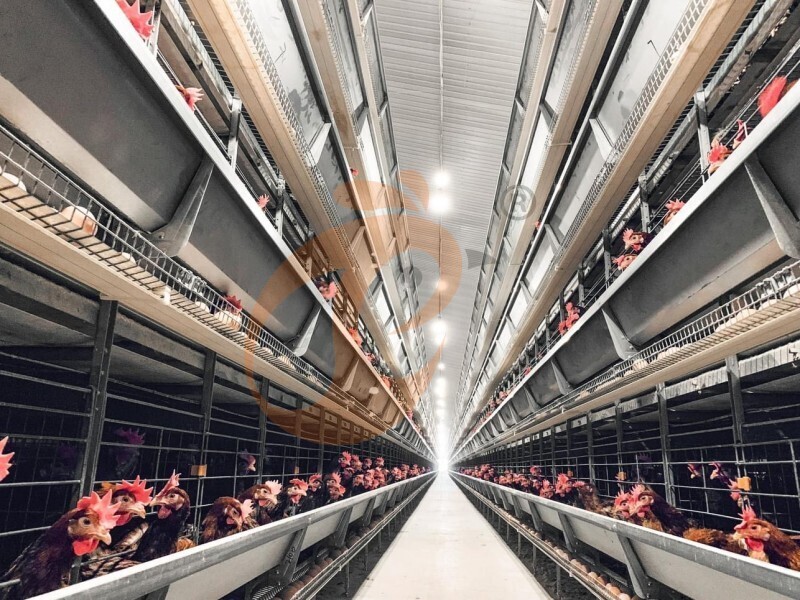
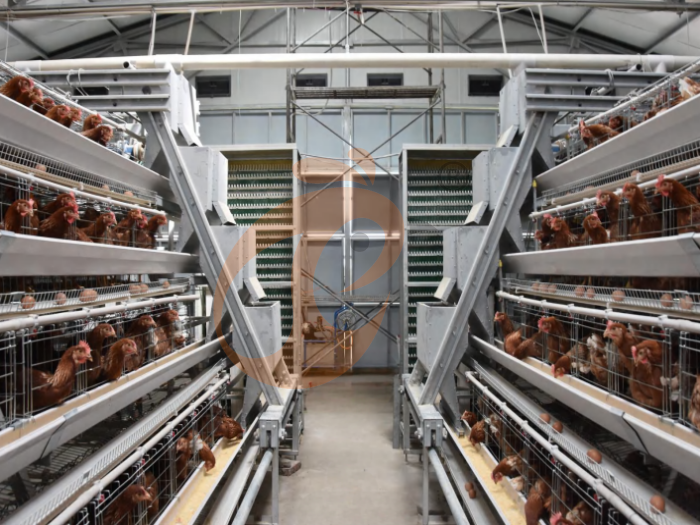
Automated poultry cage engineering improves flock density management within intensive poultry production facilities
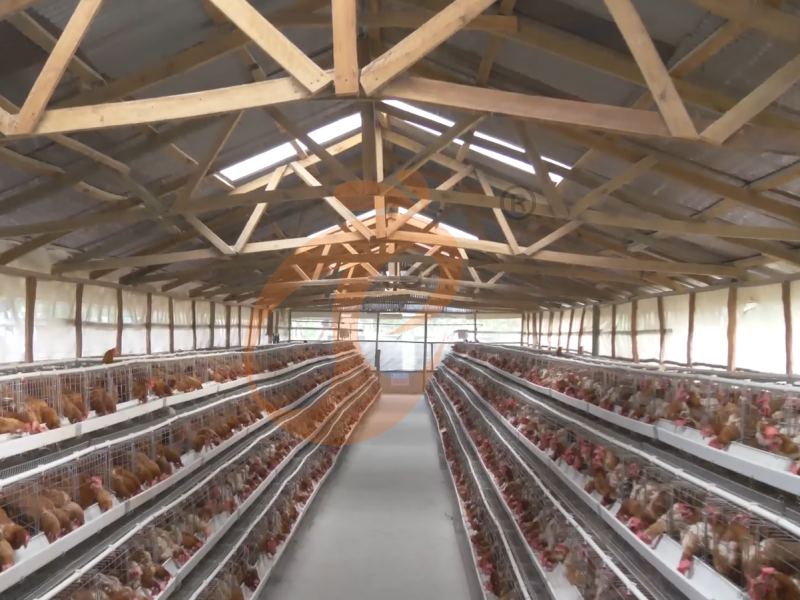
Professional turn key poultry farm construction supports integrated equipment installation and operational commissioning services
Contact Us To Received Your Customized Poultry Farm Plan
Headquarters And Branchs
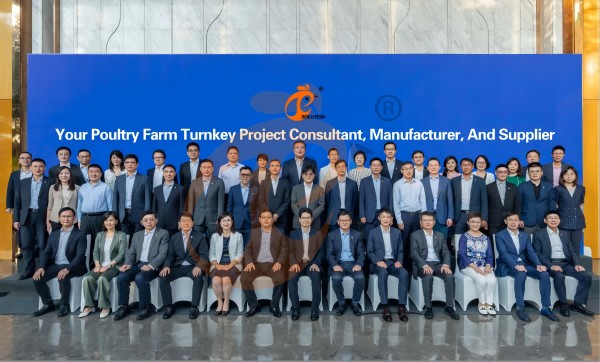
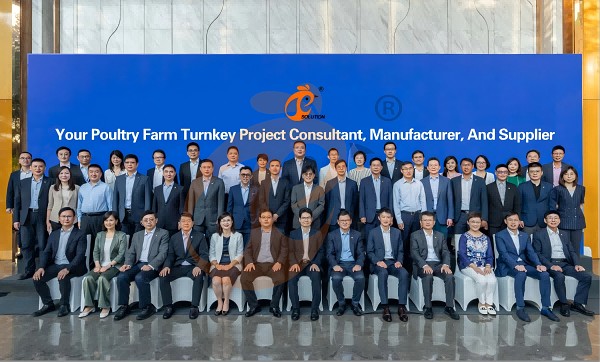
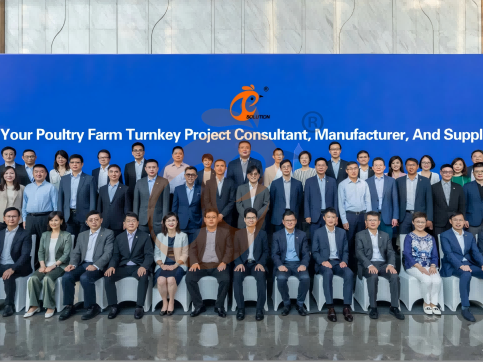
Hong Kong Headquarter Management Team
Hong Kong Headquarter Taiyu Industrial Group CO., LTD
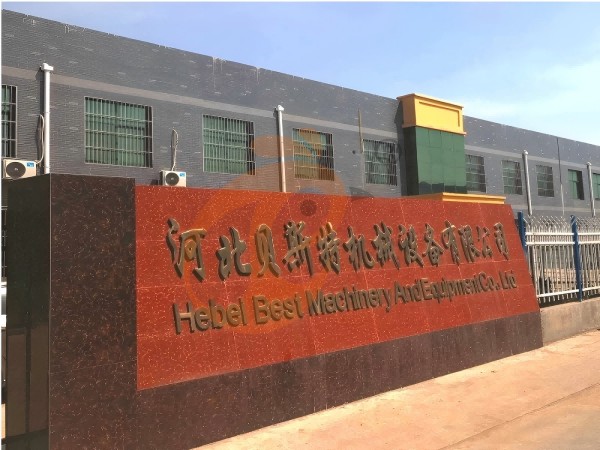
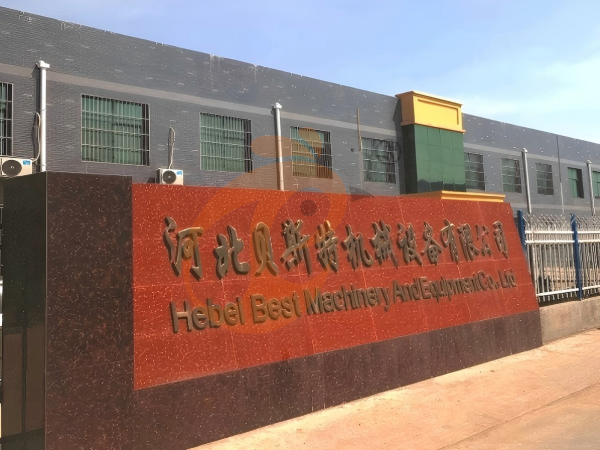
China Hebei Best Machinery And Equipment CO., LTD
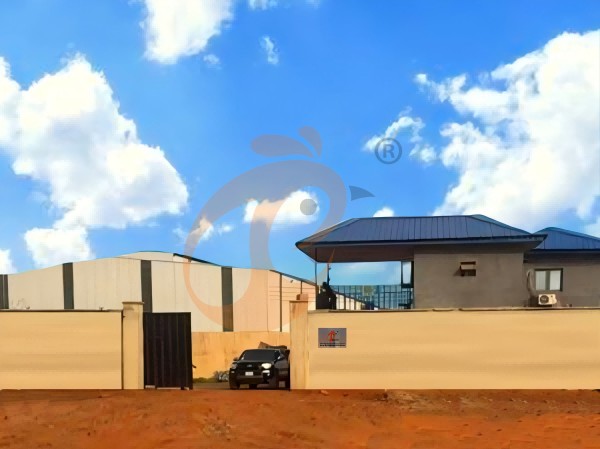
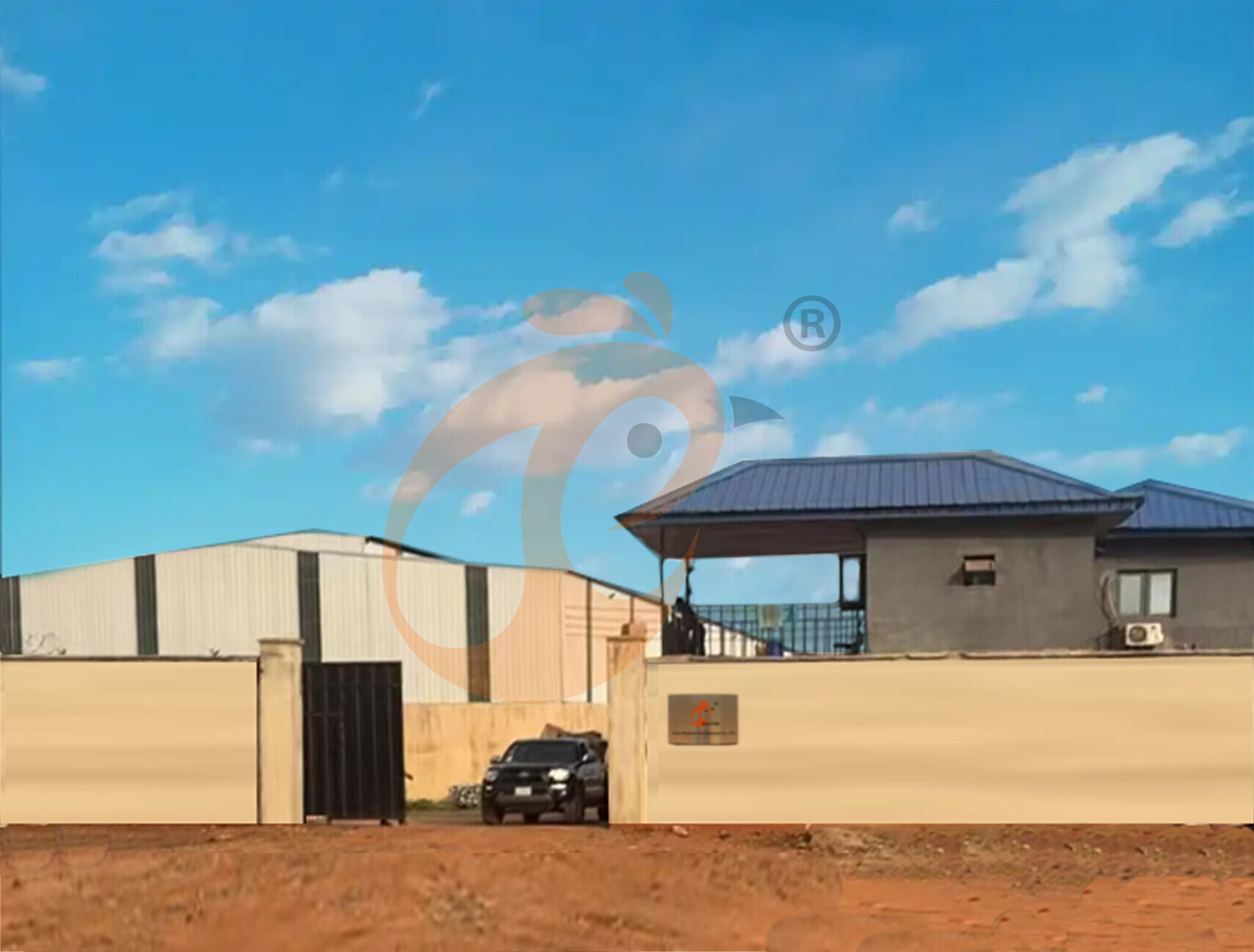
Nigeria Vanke Machinery And Equipment CO., LTD
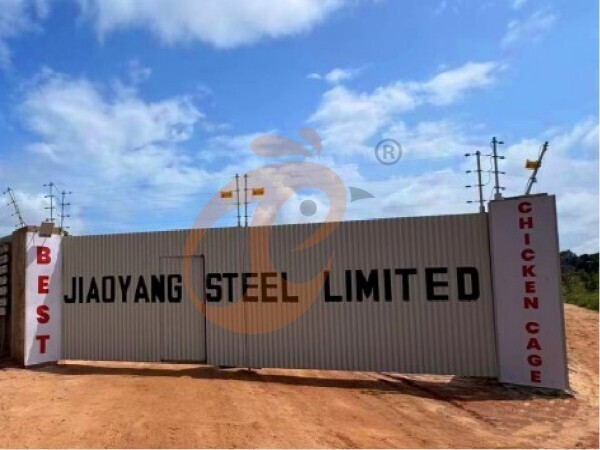
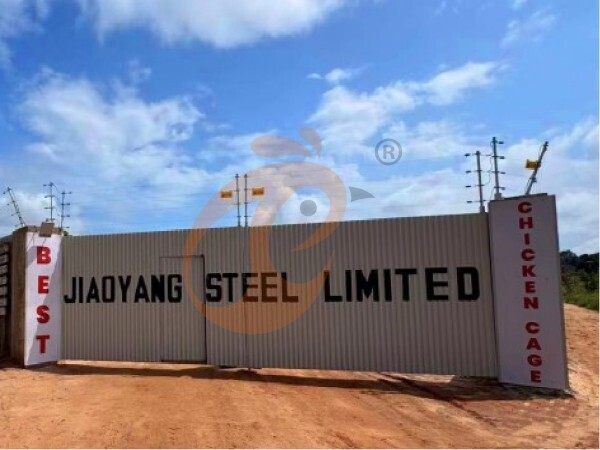
Tanzania Best Machinery And Equipment CO., LTD
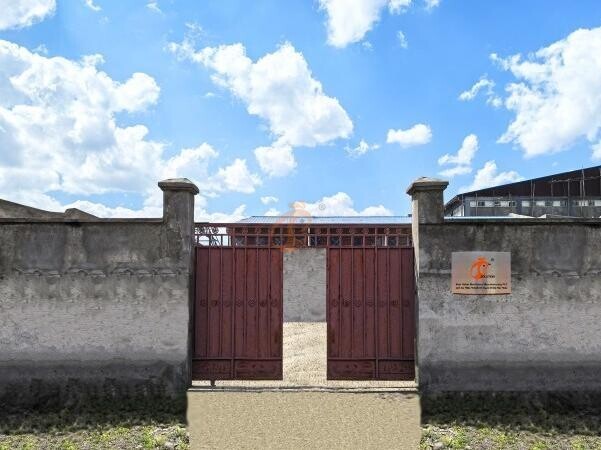
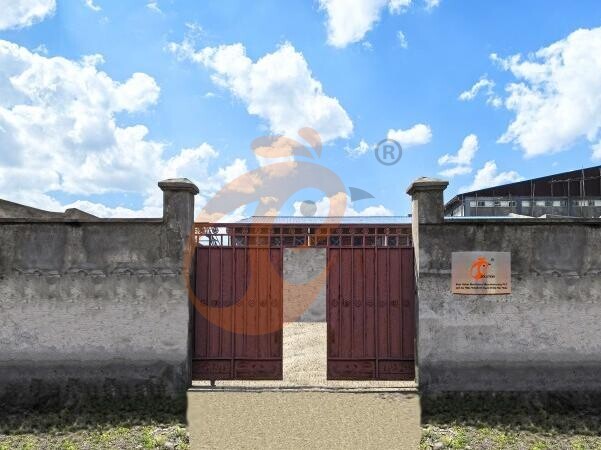
Ethiopia Best Hebei Machinery Manufacturing PLC
Reception /24 WhatsApp NO. : +8618830120193
FAQ
What Functions Are Included In Automated Auxiliary Equipment Systems For Poultry Chicken Houses?
Lighting systems provide intensity adjustment between 5–40 lux for different growth stages.
Automatic controllers manage up to 6–10 subsystems including feeding, watering, and heating integration.
How Does Automated Auxiliary Equipment Improve Environmental Control In Poultry Chicken Farming?
Humidity regulation systems operate within 50%–75% range for optimal poultry health.
Air quality monitoring keeps carbon dioxide levels below 3000 ppm during production cycles.
What Power Consumption Standards Apply To Automated Auxiliary Equipment In Poultry Chicken Houses?
Lighting systems operate at 1.5–3.0 W per square meter for energy-efficient illumination.
Control units maintain standby power consumption below 100 W during idle operation periods.
- poultry equipment
- poultry farm
- poultry cage
- poultry farm
- poultry farm construction
- poultry lighting system
- broiler farm
- chicken farm
- poultry house
- chicken coop
- automatic chicken feeding system
- chicken farm construction
- automatic chicken feeder
- poultry ventilation system
- industrial poultry ventilation system
- poultry drinking line
- poultry manure removal system
- modern poultry equipment
- chicken feeding system
- automatic chicken feeder system
- broiler house equipment
- Ethiopia
- Nigeria
Message
Products recommended
 HK Headquarter Offers EU-standard Poultry Farm Solutions, Manufacture Poultry Farm Equipment1. Continuous communication with the EU and the US
2. China, Nigeria, Ethiopia, Tanzania branch companies and factories
3. The products’ quality is customized for local poultry farms
4. Poultry cage and poultry farm equipment stock for sale
5. 24 online reception Whatsapp NO. : +8618830120193,contact us to get full informationRead More China Branch Offer Poultry Farm Business Plan, Manufacture Poultry Farm Equipment1. Address: Flat/RM 2416, 24/F, Runxing Building, Youyi Nan Street, Shijiazhuang City, Hebei Province, China
2. Poultry cage and poultry farm equipment factory and stock for sale
3. Customized for local poultry farms
4. Quality and design are based on Euro
5. 24 online reception Whatsapp NO. : +8618830120193Read More Nigeria Branch Offer Poultry Farm Business Plan, Manufacture Poultry Farm Equipment1. Address: After Sinoma Office, 200 Meters Near Danco Filling Station, Lagos/Ibadan Expressway, Lagos State, Nigeria
2. Poultry cage and poultry farm equipment factory and stock for sale
3. Customized for Nigerian poultry farms
4. Quality and design are based on Euro
5. 24 online reception Whatsapp NO. : +8618830120193Read More Ethiopia Branch Offer Poultry Farm Business Plan, Manufacture Poultry Farm Equipment1. Address: Gelan Gura, Akaki-kaliti Sub City, Addis Ababa, Ethiopia
2. Poultry cage and poultry farm equipment stock for sale
3. Customized for Ethiopian poultry farms
4. Quality and design are based on Euro
5. 24 online reception Whatsapp NO. : +8618830120193, contact us to get price listRead More Tanzania Branch Offer Poultry Farm Business Plan, Manufacture Poultry Farm Equipment1. Address: No.8, Sova Road, Msufini, Mlandizi, Kibaha, Pwani, Tanzania
2. Poultry cage and poultry farm equipment factory and stock for sale
3. Customized for Tanzanian poultry farms
4. Quality and design are based on Euro
5. 24 online reception Whatsapp NO. : +8618830120193Read More Fully Automatic H Type Layer Chicken Cage1. 30,000-100,000+ layers/house chooses it, Poultry farmers can achieve an egg production rate of 96-98%
2. A significant improvement over the 85-90% typically seen in manual systems
3. A typical poultry farm can expect a 30-40% reduction in labor costs due to the automation
4. Each feeding line efficiently supplies feed to around 100,000 hens per 30 mins
5. Reception /WhatsApp NO. : +8618830120193Read More Fully Automatic A Type Layer Chicken Cage1. 10,000-50,000 layers/house chooses it
2. Cleaner egg collection reduces breakage by 0.5%
3. Improved hygiene helps reduce mortality rate to <3%
4. 1–2 technicians can handle 15,000–30,000 birds
5. Reception /WhatsApp NO. : +8618830120193Read More Semi Automatic H Type Layer Chicken Cage1. 1,00-20,000 layers/house chooses it
2. Nipple drinkers flow 30–60 ML / min
3. Hot-dip galvanized (typical coating ≥ 275 g/m²)
4. Reduce ammonia by ~ 35–40%
5. Reception /WhatsApp NO. : +8618830120193Read More Semi Automatic A Type Layer Chicken Cage1. 1,00-20,000 layers/house chooses it, no rust for 10 years, no deformation for 15 years
2. Chickens live comfortably, you can raise them with peace of mind
3. Save water, save money—efficiency you can measure
4. Improve environment quality, and increase egg production rate
5. Reception /WhatsApp NO. : +8618830120193Read More
By clicking 'Allow All', you agree to the storage of cookies on your device to enhance site navigation, analyze site usage and assist with our marketing efforts.