






Blog
Free range poultry system expansion planning creates profitable farms through advanced poultry house equipment integration, scalable infrastructure, practical management strategies, and sustainable commercial development across different production stages
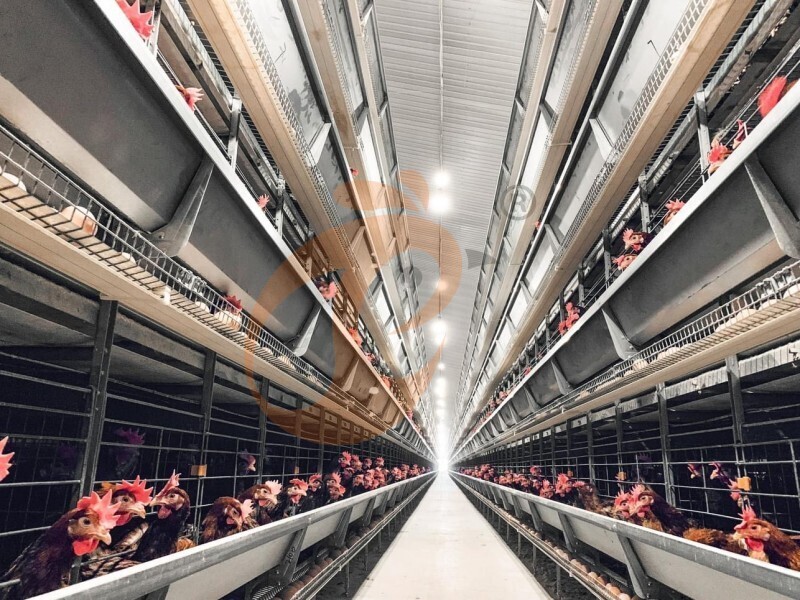
Smart investment decisions combine automatic poultry feeding system technology, ventilation engineering, efficient water distribution, and modular construction methods for consistent flock performance and lower operating expenses
Professional equipment selection supports healthier birds, simplified daily management, improved production efficiency, optimized labor allocation, and reliable long term farm expansion with measurable economic value
Modern engineering solutions transform traditional poultry operations into standardized commercial projects using precision manufacturing, intelligent environmental control, durable galvanized structures, and flexible installation planning
Factory-direct equipment suppliers deliver customized poultry solutions, technical engineering support, quality manufacturing standards, comprehensive project implementation, and dependable after-sales service for expanding poultry enterprises
Get professional poultry farm construction guidance, equipment selection solutions, and the latest price lists, whatsApp to +8618830120193, +2348111199996, or click to learn more.
Evaluate Existing Farm Capacity
Free range expansion begins with accurate evaluation of available land resources, production infrastructure, and equipment compatibility.
Existing buildings should support future installation of poultry house equipment without extensive structural modification.
A roof insulation thickness of 50 mm and electrical protection rated at ip65 help improve long term operational stability.
Data is for reference only.Swipe horizontally to view full table.
Build Expansion In Practical Phases
Incremental construction reduces financial pressure while maintaining production continuity.
Each expansion phase should include sufficient utility capacity for future buildings instead of immediate replacement.
Galvanized structural components with zinc coating exceeding 275 g/m² provide extended service life under outdoor conditions.
Construction planning also becomes easier when identical equipment layouts are adopted across every poultry house.
Housing Layout Planning
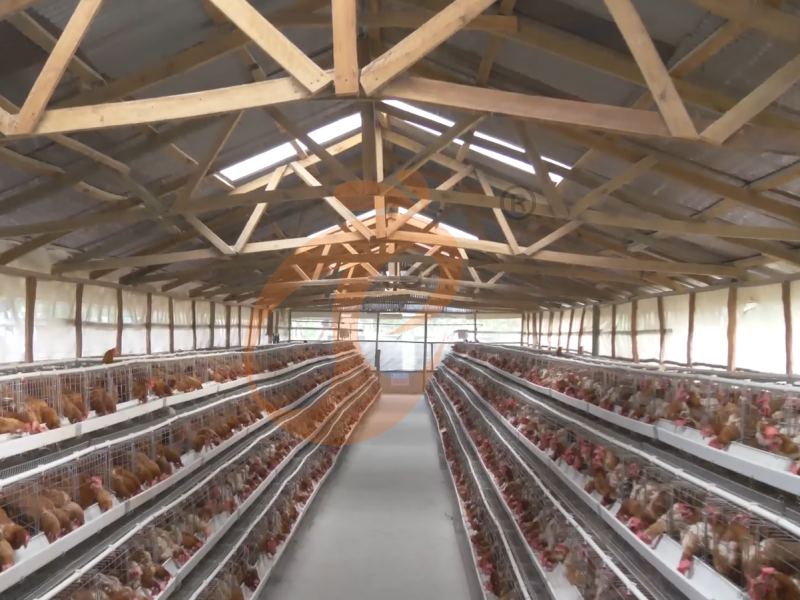
Proper building orientation improves natural airflow and simplifies equipment installation.
Wide service aisles increase maintenance efficiency while reducing unnecessary worker movement.
A building orientation within 10° of prevailing seasonal wind direction improves natural ventilation performance.
Data is for reference only.Swipe horizontally to view full table.
Upgrade Feeding Equipment
Feed distribution efficiency becomes increasingly important as flock numbers expand.
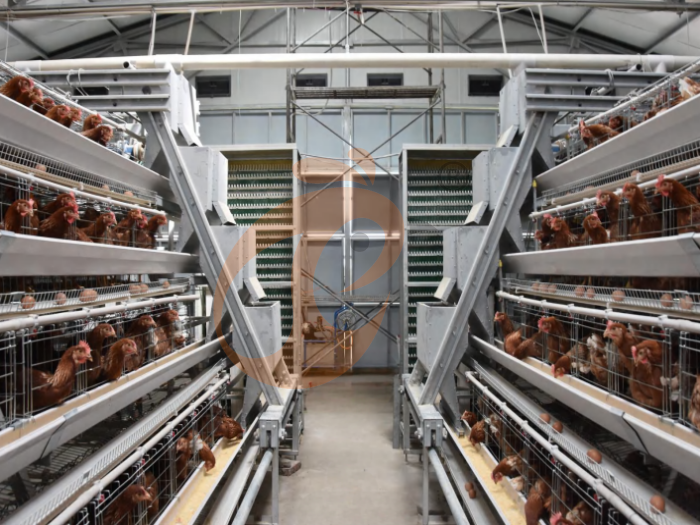
An automatic poultry feeding system delivers consistent feed volume throughout every feeding cycle while reducing manual labor.
Feed delivery accuracy within ±2% supports flock uniformity and minimizes unnecessary feed losses.
Centralized feed bins also simplify inventory management and improve transportation efficiency.
Data is for reference only.Swipe horizontally to view full table.
Improve Water Distribution
Reliable drinking water remains essential throughout every production cycle.
Automatic nipple drinkers maintain cleaner water quality while reducing litter moisture.
Pipeline pressure between 15 and 25 kpa helps maintain stable water delivery across long production houses.
Pressure regulators and filtration units extend equipment lifespan while minimizing maintenance frequency.
Data is for reference only.Swipe horizontally to view full table.
Science Behind Free Range Poultry Systems
Free range birds spend significant time outdoors, but indoor environmental quality remains equally important.
Proper housing protects birds from rainfall, predators, excessive solar radiation, and seasonal temperature fluctuations.
Fresh air continuously removes moisture released from respiration and manure decomposition.
Maintaining litter moisture between 25% and 35% supports healthier floor conditions while reducing microbial growth.
Well designed free range poultry equipment creates stable production conditions without limiting outdoor access.
Automate Environmental Control
Environmental automation improves production consistency as farm capacity increases.
Intelligent controllers synchronize exhaust fans, cooling equipment, lighting schedules, and fresh air inlets without continuous manual adjustment.
Variable frequency fan control can reduce electrical consumption during mild weather while maintaining stable airflow.
Environmental monitoring also allows operators to identify abnormal conditions before production losses occur.
Data is for reference only.Swipe horizontally to view full table.
Strengthen Biosecurity During Expansion
Larger farms require stricter disease prevention procedures.
Separate vehicle routes, visitor management, and equipment sanitation reduce cross-contamination between production zones.
Footbath replacement every 48 hours and disinfectant concentration around 0.5% improve routine biosecurity effectiveness.
Dedicated equipment for each poultry house further minimizes disease transmission.
Data is for reference only.Swipe horizontally to view full table.
Improve Manure Collection Efficiency
Efficient manure management protects bird health while improving environmental performance.
Regular manure removal decreases odor accumulation and reduces insect activity around production buildings.
Concrete floors with a slope of approximately 1.5% improve wastewater drainage during cleaning operations.
Covered storage areas also simplify fertilizer utilization and transportation.
Prepare Infrastructure For Future Capacity
Expansion planning should consider future electrical systems, water pipelines, feed transportation routes, and equipment installation space.
Modular engineering designs allow additional poultry houses to connect with existing utility networks.
Cable trays with corrosion-resistant coatings improve durability in humid poultry environments.
Future-ready engineering minimizes reconstruction costs during later expansion phases.
Data is for reference only.Swipe horizontally to view full table.
Choose Professional Poultry Equipment
Selecting reliable manufacturing partners is equally important as selecting quality equipment.
Professional engineering teams optimize equipment configuration according to production objectives, climate conditions, available land, and investment budgets.
Factory manufacturing ensures dimensional consistency while standardized quality inspection improves installation efficiency.
Complete engineering support also reduces commissioning time after project completion.
Equipment investment commonly ranges from usd 28,000–95,000 depending on project scale.
European union standard reference only.
Data is for reference only.Swipe horizontally to view full table.
Conclusion
Successful free range poultry expansion depends on careful engineering, scalable infrastructure, and reliable equipment selection.
Modern poultry farms benefit from automatic feeding, environmental control, efficient water systems, and standardized construction planning.
Factory engineered solutions improve production efficiency while reducing long-term operating costs.
Professional poultry equipment manufacturers provide complete technical support from project design through equipment installation, creating sustainable commercial poultry operations capable of long-term growth.
Frequently Asked Questions
Q1: How much land is recommended for free range poultry expansion?
A2: Land requirements depend on flock size, building layout, and future development plans.
Many commercial projects reserve 20–35% of the total site for future buildings, internal roads, utility corridors, and service facilities.
Early planning reduces reconstruction costs during later expansion phases.
Q2: Which equipment should be purchased first during expansion?
A2: Priority should normally be given to the automatic poultry feeding system, drinking system, ventilation equipment, and electrical control cabinet.
These systems directly influence production efficiency, labor requirements, and flock uniformity.
After stable production is achieved, environmental monitoring and manure handling equipment can be added according to project scale.
Q3: How long does poultry equipment normally operate?
A3: Hot-dip galvanized steel structures with zinc coating between 275 and 350 g/m² commonly provide a design life of approximately 20–25 years under proper maintenance.
Routine inspection of motors, pipelines, electrical components, and fasteners helps maintain stable equipment performance throughout the production cycle.
Taiyu (HK) Group - One Of China Biggest Free Range Poultry Equipment Manufacturer
Free range poultry equipment is engineered with modular galvanized structures, precision manufacturing, standardized dimensions, and scalable configurations for commercial poultry farms.
Global factory direct production supports customized poultry equipment manufacturing, stable product quality, competitive usdquotations, and efficient international project delivery.
Complete turn key engineering solutions include farm planning, equipment production, container loading, installation guidance, commissioning support, and operator technical training.
Comprehensive poultry equipment systems cover automatic feeding systems, automatic drinking systems, ventilation equipment, environmental control, manure removal equipment, egg collection equipment, and steel poultry house structures.
Professional engineering teams provide project design optimization, production scheduling, quality inspection, export logistics, technical documentation, and long term after sales support for customers worldwide.
Contact Us To Received Your Customized Poultry Farm Plan
Headquarters And Branchs
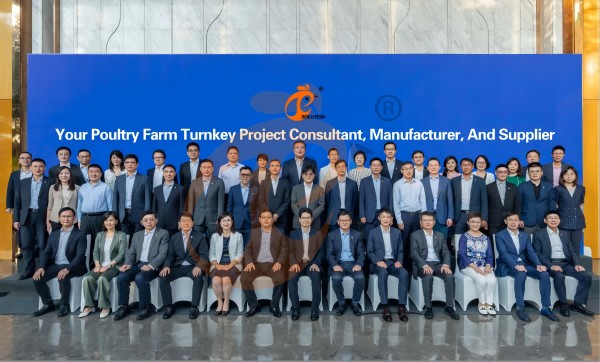
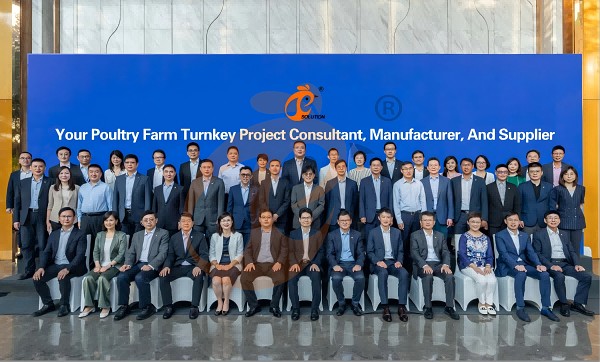
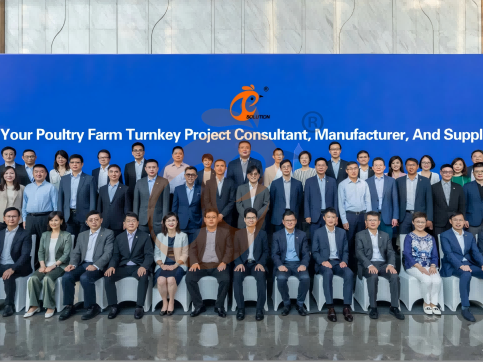
Hong Kong Headquarter Management Team
Hong Kong Headquarter Taiyu Industrial Group CO., LTD
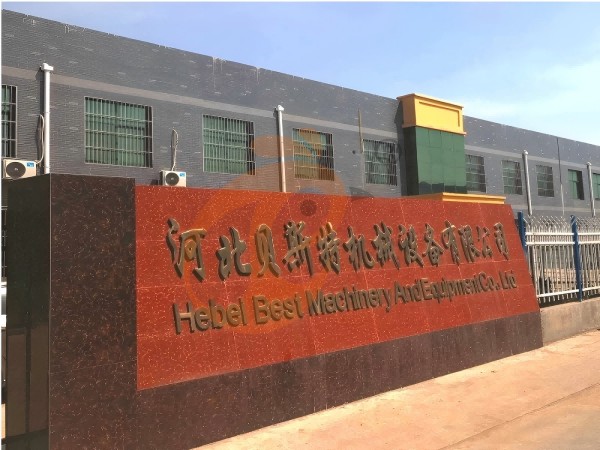
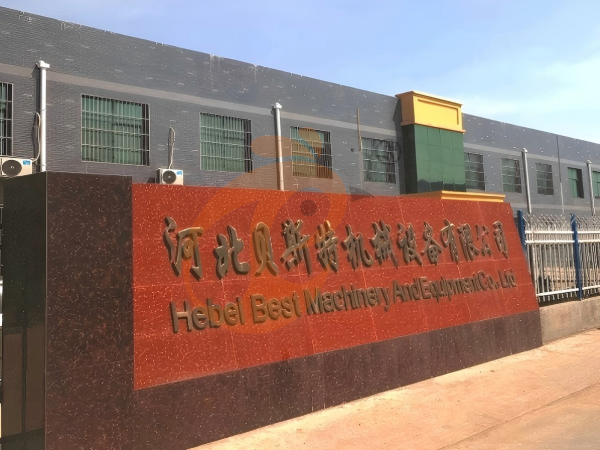
China Hebei Best Machinery And Equipment CO., LTD
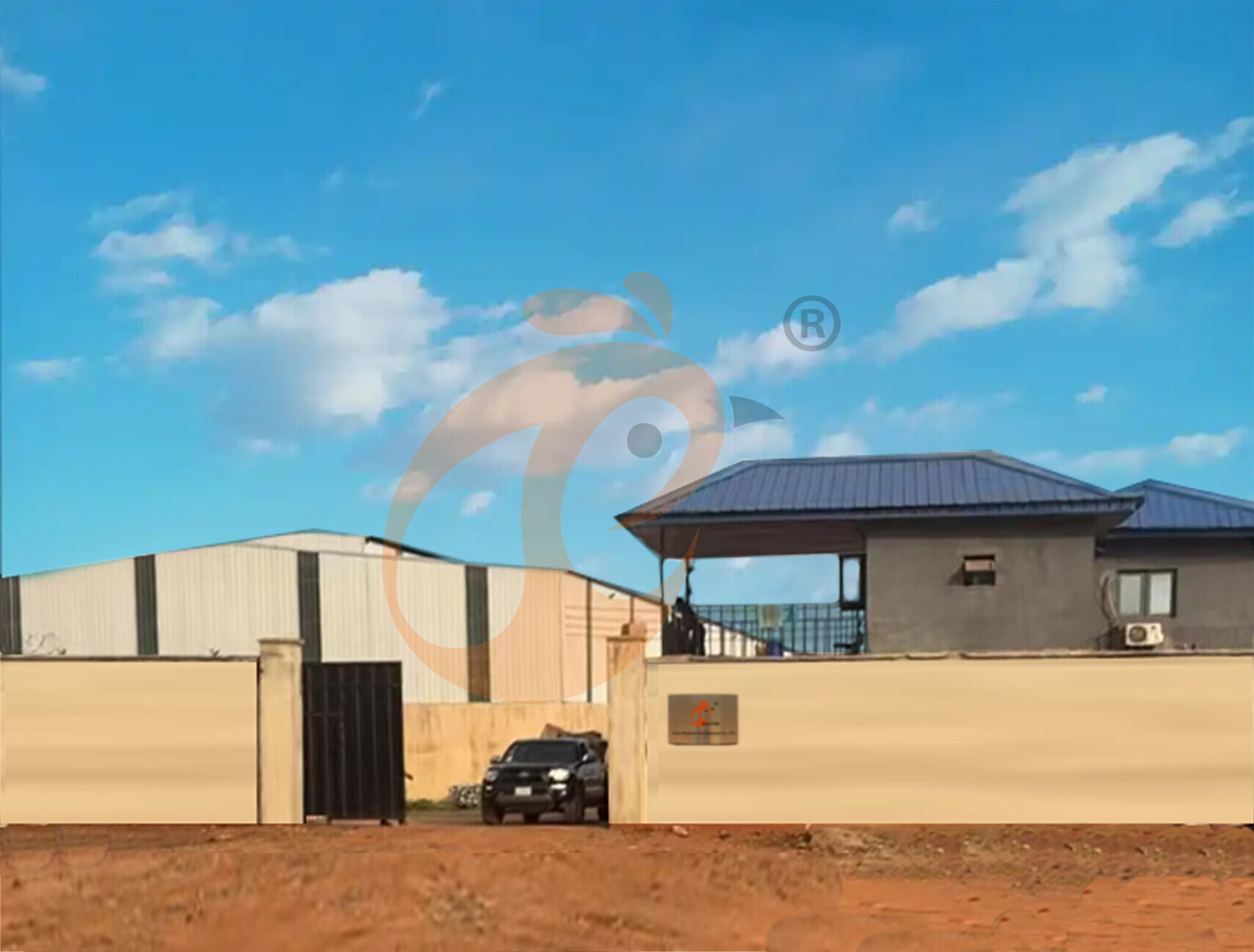
Nigeria Vanke Machinery And Equipment CO., LTD
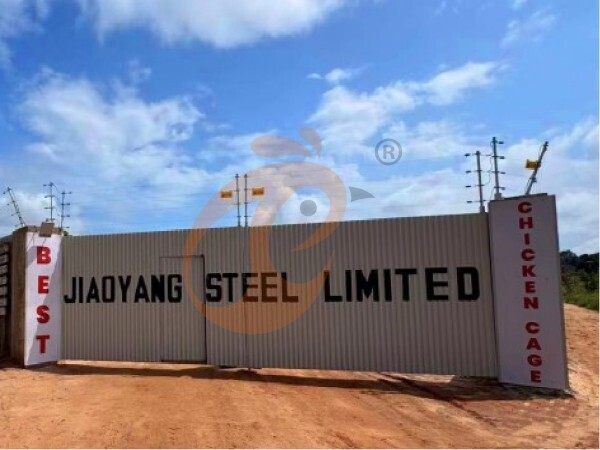
Tanzania Best Machinery And Equipment CO., LTD
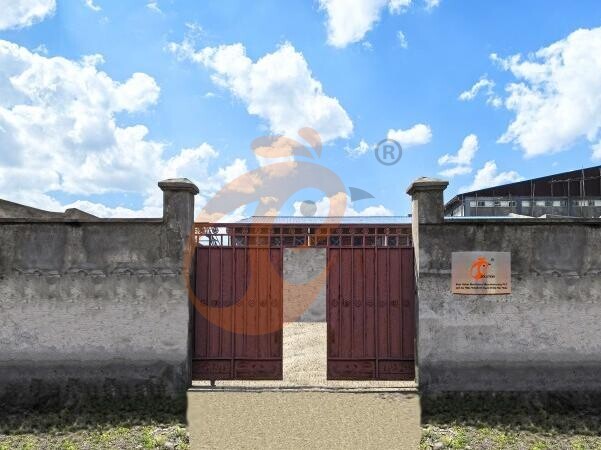
Ethiopia Best Hebei Machinery Manufacturing PLC
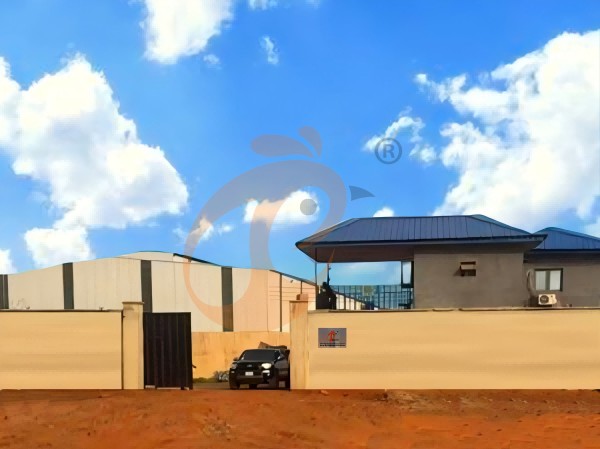
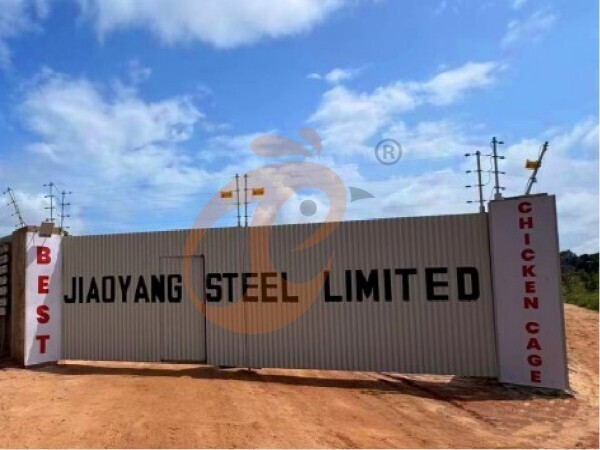
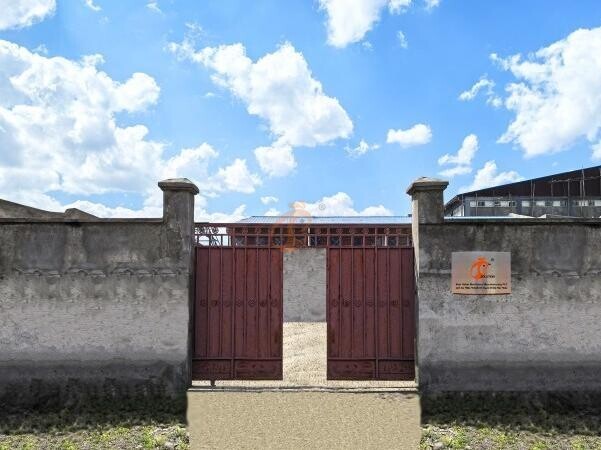
Reception /24 WhatsApp NO. : +8618830120193
FAQ
How Does Free Range System Affect Feed Consumption?
Energy expenditure increases daily intake variation by 15%–22% across seasons.
Feed conversion efficiency ranges from 1.9–2.3 depending on grazing intensity.
What Are The Housing Transition Management Standards In Free Range Poultry System?
Indoor-outdoor transition time is controlled within 10–15 minutes per flock movement cycle.
Lighting guidance systems operate at 5–8 lux to direct flock movement behavior.
What Are The Seasonal Adaptation Strategies In Free Range Poultry System?
Summer shade coverage is increased to 60%–80% of grazing area for heat stress reduction.
Rainfall drainage capacity handles 25–40 mm per hour precipitation levels for land usability.
- poultry equipment
- poultry farm
- feeding equipment
- poultry farm
- poultry farm construction
- poultry equipment manufacturer
- poultry feeding system
- automatic drinking system
- automatic feeding system
- automatic poultry feeding system
- poultry house
- poultry house equipment
- steel poultry house
- automatic nipple drinkers
- poultry equipment manufacturers
- Ethiopia
- Nigeria
Message
Products recommended
 HK Headquarter Offers EU-standard Poultry Farm Solutions, Manufacture Poultry Farm Equipment1. Continuous communication with the EU and the US
2. China, Nigeria, Ethiopia, Tanzania branch companies and factories
3. The products’ quality is customized for local poultry farms
4. Poultry cage and poultry farm equipment stock for sale
5. 24 online reception Whatsapp NO. : +8618830120193,contact us to get full informationRead More China Branch Offer Poultry Farm Business Plan, Manufacture Poultry Farm Equipment1. Address: Flat/RM 2416, 24/F, Runxing Building, Youyi Nan Street, Shijiazhuang City, Hebei Province, China
2. Poultry cage and poultry farm equipment factory and stock for sale
3. Customized for local poultry farms
4. Quality and design are based on Euro
5. 24 online reception Whatsapp NO. : +8618830120193Read More Nigeria Branch Offer Poultry Farm Business Plan, Manufacture Poultry Farm Equipment1. Address: After Sinoma Office, 200 Meters Near Danco Filling Station, Lagos/Ibadan Expressway, Lagos State, Nigeria
2. Poultry cage and poultry farm equipment factory and stock for sale
3. Customized for Nigerian poultry farms
4. Quality and design are based on Euro
5. 24 online reception Whatsapp NO. : +8618830120193Read More Ethiopia Branch Offer Poultry Farm Business Plan, Manufacture Poultry Farm Equipment1. Address: Gelan Gura, Akaki-kaliti Sub City, Addis Ababa, Ethiopia
2. Poultry cage and poultry farm equipment stock for sale
3. Customized for Ethiopian poultry farms
4. Quality and design are based on Euro
5. 24 online reception Whatsapp NO. : +8618830120193, contact us to get price listRead More Tanzania Branch Offer Poultry Farm Business Plan, Manufacture Poultry Farm Equipment1. Address: No.8, Sova Road, Msufini, Mlandizi, Kibaha, Pwani, Tanzania
2. Poultry cage and poultry farm equipment factory and stock for sale
3. Customized for Tanzanian poultry farms
4. Quality and design are based on Euro
5. 24 online reception Whatsapp NO. : +8618830120193Read More Fully Automatic H Type Layer Chicken Cage1. 30,000-100,000+ layers/house chooses it, Poultry farmers can achieve an egg production rate of 96-98%
2. A significant improvement over the 85-90% typically seen in manual systems
3. A typical poultry farm can expect a 30-40% reduction in labor costs due to the automation
4. Each feeding line efficiently supplies feed to around 100,000 hens per 30 mins
5. Reception /WhatsApp NO. : +8618830120193Read More Fully Automatic A Type Layer Chicken Cage1. 10,000-50,000 layers/house chooses it
2. Cleaner egg collection reduces breakage by 0.5%
3. Improved hygiene helps reduce mortality rate to <3%
4. 1–2 technicians can handle 15,000–30,000 birds
5. Reception /WhatsApp NO. : +8618830120193Read More Semi Automatic H Type Layer Chicken Cage1. 1,00-20,000 layers/house chooses it
2. Nipple drinkers flow 30–60 ML / min
3. Hot-dip galvanized (typical coating ≥ 275 g/m²)
4. Reduce ammonia by ~ 35–40%
5. Reception /WhatsApp NO. : +8618830120193Read More Semi Automatic A Type Layer Chicken Cage1. 1,00-20,000 layers/house chooses it, no rust for 10 years, no deformation for 15 years
2. Chickens live comfortably, you can raise them with peace of mind
3. Save water, save money—efficiency you can measure
4. Improve environment quality, and increase egg production rate
5. Reception /WhatsApp NO. : +8618830120193Read More
By clicking 'Allow All', you agree to the storage of cookies on your device to enhance site navigation, analyze site usage and assist with our marketing efforts.