






Blog
Poultry equipment safety creates dependable production, protects workers, improves flock performance, and increases long-term investment value for every commercial poultry project.
Professional poultry equipment manufacturer, chicken cage system, and automatic poultry equipment solutions help reduce maintenance frequency while supporting efficient daily management across different production scales.
Reliable engineering design, preventive inspection, environmental control, electrical protection, and standardized operating procedures build safer poultry houses with stronger operational continuity.
Practical technical data, measurable specifications, and engineering recommendations provide valuable guidance for farm managers planning equipment upgrades or new poultry house construction.
Complete commercial solutions combine factory manufacturing, customized engineering, technical service, and project support to maximize production efficiency with sustainable operating costs.
Get professional poultry farm construction guidance, equipment selection solutions, and the latest price lists, whatsApp to +8618830120193, +2348111199996, or click to learn more.
Why Poultry Equipment Safety Matters
Safe equipment directly influences production continuity, worker protection, and flock health.
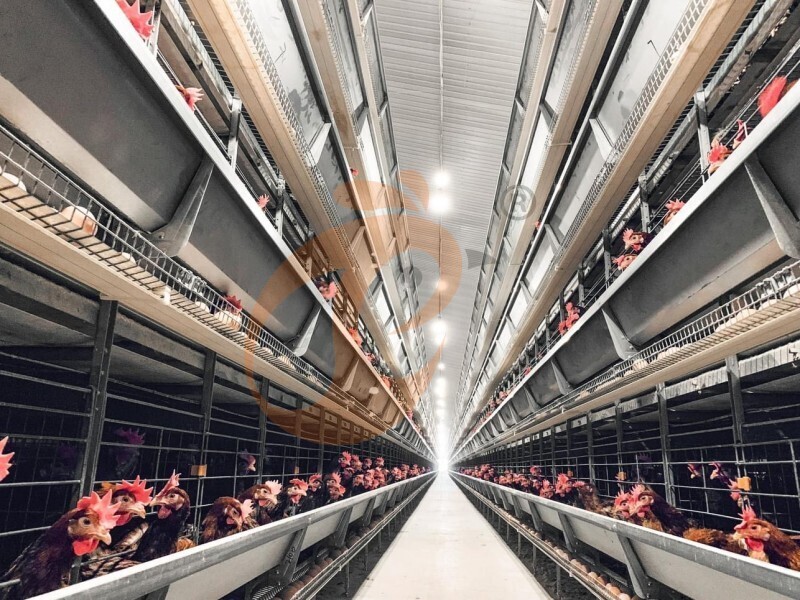
Commercial farms operating continuously for more than 7,800 hours annually require reliable poultry equipment supplier solutions that maintain consistent operating performance without unnecessary interruptions.
Proper equipment selection also helps reduce unexpected maintenance expenses while extending equipment service intervals.
Data is for reference only. Swipe horizontally to view full table.
Select Durable Chicken Cage Equipment
Material quality determines structural reliability throughout years of operation.
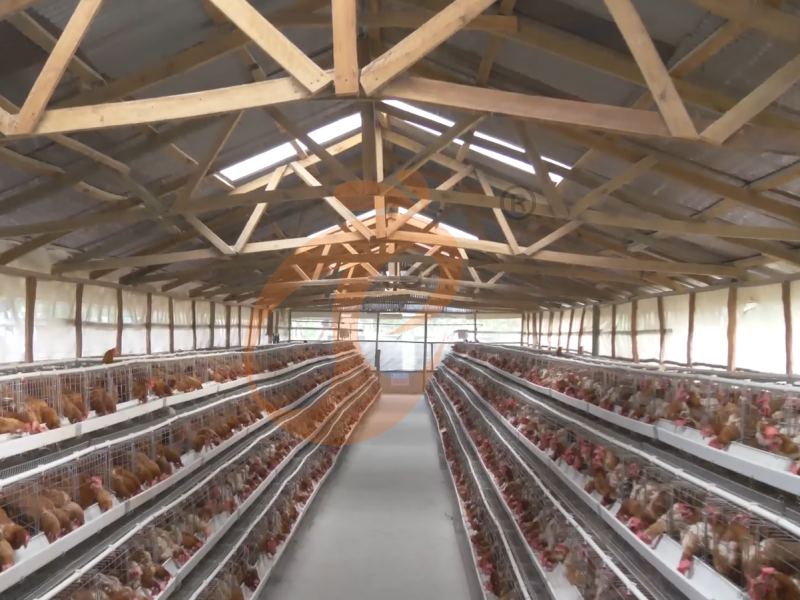
A galvanized chicken cage manufacturer solution using precision welding can maintain dimensional accuracy after approximately 320 transportation cycles, helping reduce structural deformation during installation.
Data is for reference only. Swipe horizontally to view full table.
Perform Scheduled Equipment Inspection
Routine inspections prevent minor issues from developing into production failures.
Inspection records completed every 72 hours help maintenance teams identify abnormal operating conditions before production efficiency begins to decline.
Data is for reference only. Swipe horizontally to view full table.
Protect Electrical Control Systems
Electrical stability supports every automated poultry operation.
Control cabinets installed with proper ventilation normally operate within 18°c above ambient temperature, improving controller stability and extending electronic component life.
Data is for reference only. Swipe horizontally to view full table.
Maintain Poultry House Ventilation
Proper airflow protects both equipment and birds throughout every production cycle.
Modern automatic poultry equipment works efficiently when indoor air exchange remains balanced, while ventilation adjustment within approximately 95 seconds supports environmental consistency.
Data is for reference only. Swipe horizontally to view full table.
Improve Feeding System Reliability
Accurate feed delivery minimizes waste while maintaining consistent flock performance.
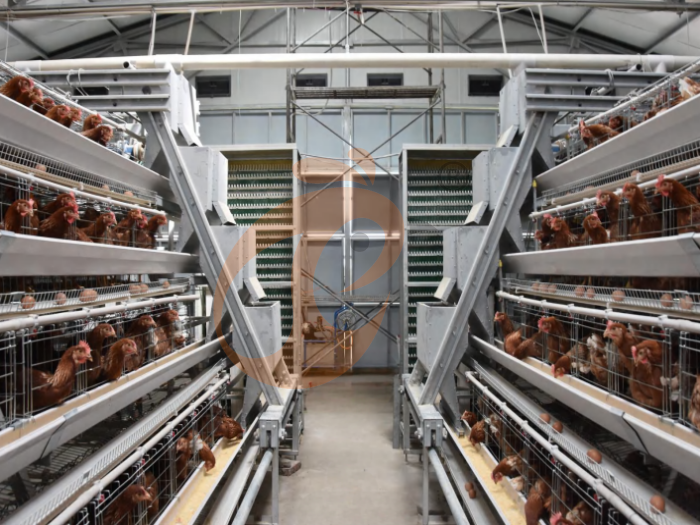
Automatic conveying equipment transporting approximately 1,280 kg of feed per operating cycle supports efficient farm management and reduces manual handling requirements.
Data is for reference only. Swipe horizontally to view full table.
Optimize Drinking Water Distribution
Clean water delivery improves production consistency across every poultry house.
Well designed nipple systems normally maintain pressure stability across pipelines extending nearly 96 m, helping every cage row receive uniform water supply.
Data is for reference only. Swipe horizontally to view full table.
Equipment Knowledge
Automation does not replace management responsibility.
Reliable engineering combines structural design, material selection, electrical protection, environmental control, and preventive maintenance into one complete operating system.
Professional poultry equipment manufacturer solutions usually achieve more consistent operating conditions because every subsystem is designed to work together rather than independently.
Equipment calibration completed approximately every 210 days helps maintain mechanical synchronization throughout automated production.
Data is for reference only. Swipe horizontally to view full table.
Reduce Manure Removal Risks
Efficient manure handling improves environmental hygiene while protecting automated equipment from unnecessary contamination.
Continuous conveyor operation over approximately 540 m during one production cycle helps maintain cleaner working conditions and reduces cleaning labor requirements throughout commercial poultry houses.
Data is for reference only. Swipe horizontally to view full table.
Improve Worker Safety Management
Safe operating procedures reduce maintenance interruptions while improving equipment reliability.
Maintenance personnel should verify protective guards, emergency switches, and mechanical connections before every operating shift.
Protective inspections completed within approximately 12 minutes for each production line help identify abnormal vibration before equipment performance changes.
Data is for reference only. Swipe horizontally to view full table.
Evaluate Investment And Operating Cost
Reliable equipment lowers lifetime operating expenses through better engineering efficiency.
A complete poultry equipment supplier solution generally reduces component replacement frequency and simplifies routine maintenance planning.
Complete cage projects for medium-scale poultry farms commonly start from usd 16,800 depending on project configuration, automation level, and engineering scope.
European union standard reference only.
Data is for reference only. Swipe horizontally to view full table.
Conclusion
Safe poultry equipment is the foundation of efficient commercial poultry production.
Reliable engineering, standardized inspections, electrical protection, environmental management, and preventive maintenance work together to improve production continuity.
Professional chicken cage manufacturer, poultry equipment manufacturer, and automatic poultry equipment solutions provide stronger structural reliability, easier maintenance, and higher project efficiency for commercial poultry farms worldwide.
Selecting properly engineered equipment supports sustainable production, improves operational stability, and creates greater long-term commercial value for poultry investors.
Frequently Asked Questions
Q1: Why is regular poultry equipment inspection important?
A1: Routine inspections help identify abnormal wear before failures affect production.
Checking key components every 168 hours and recording maintenance information improves equipment reliability while reducing unexpected downtime.
Q2: Which material is recommended for chicken cage systems?
A2: Hot-dip galvanized steel is widely used because the zinc coating provides long-term corrosion resistance.
A coating around 275 g/m² is commonly selected for commercial poultry cage manufacturing due to its stable protective performance.
Q3: How can automatic poultry equipment improve farm efficiency?
A3: Integrated feeding, drinking, ventilation, and manure removal systems reduce manual operations while improving production consistency.
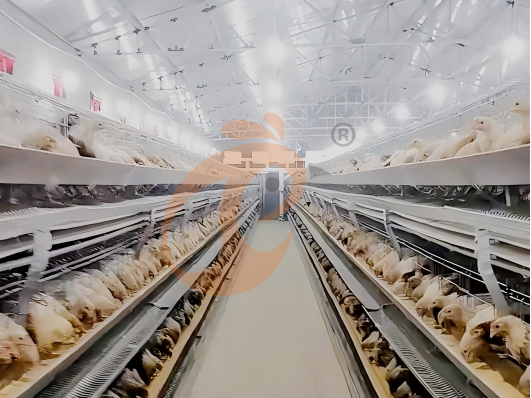
Projects using automated equipment commonly organize production lines with cage rows approaching 90 m, allowing more efficient daily management.
Taiyu (HK) Group - One Of China Largest Poultry Equipment Manufacturer
Professional poultry equipment manufacturing includes chicken cage systems, layer cage systems, broiler cage systems, feeding equipment, drinking systems, manure removal systems, and ventilation equipment for commercial poultry projects.
Global factory direct production supports customized poultry equipment with standardized manufacturing, stable quality control, and competitive commercial solutions for international customers.
Complete turn-key engineering covers poultry house planning, equipment manufacturing, container loading, installation guidance, commissioning support, and technical documentation for integrated poultry farm construction.
International export experience supports projects across multiple regional markets with engineering coordination, production scheduling, quality inspection, and commercial specification management.
Technical engineering teams provide equipment configuration, layout optimization, production capacity planning, spare parts support, and long term after sales service throughout the complete project lifecycle.
Contact Us To Received Your Customized Poultry Farm Plan
Headquarters And Branchs
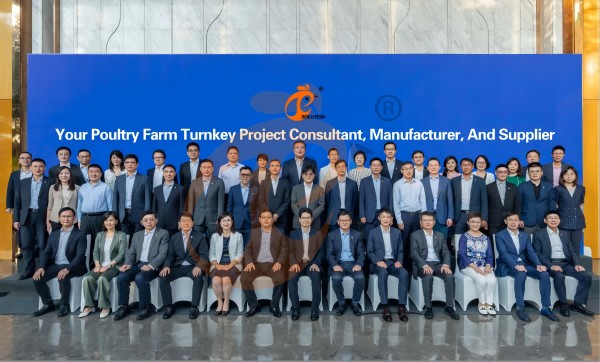
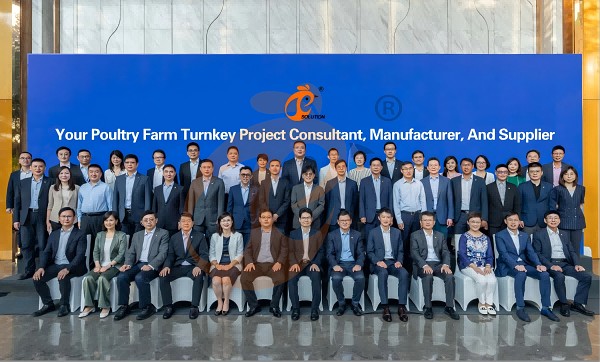
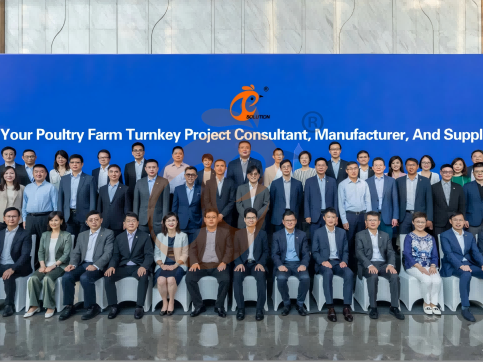
Hong Kong Headquarter Management Team
Hong Kong Headquarter Taiyu Industrial Group CO., LTD
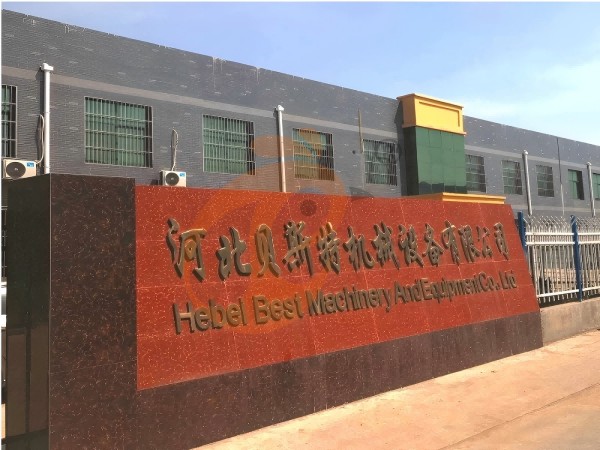
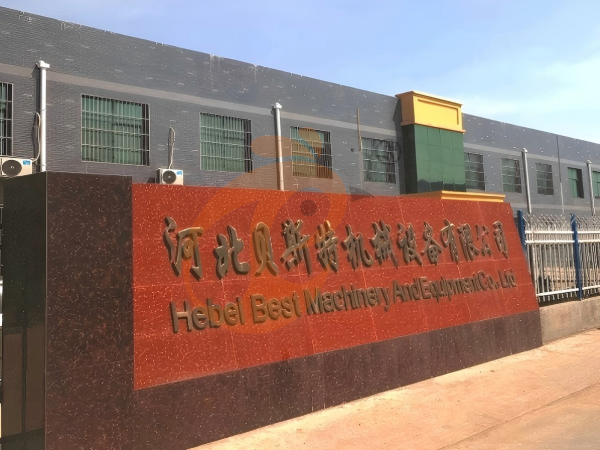
China Hebei Best Machinery And Equipment CO., LTD
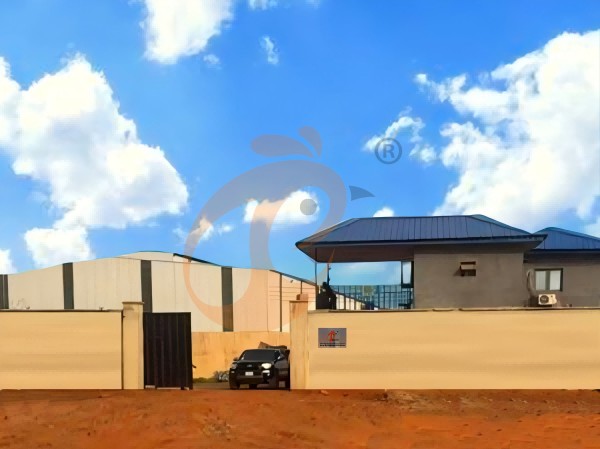
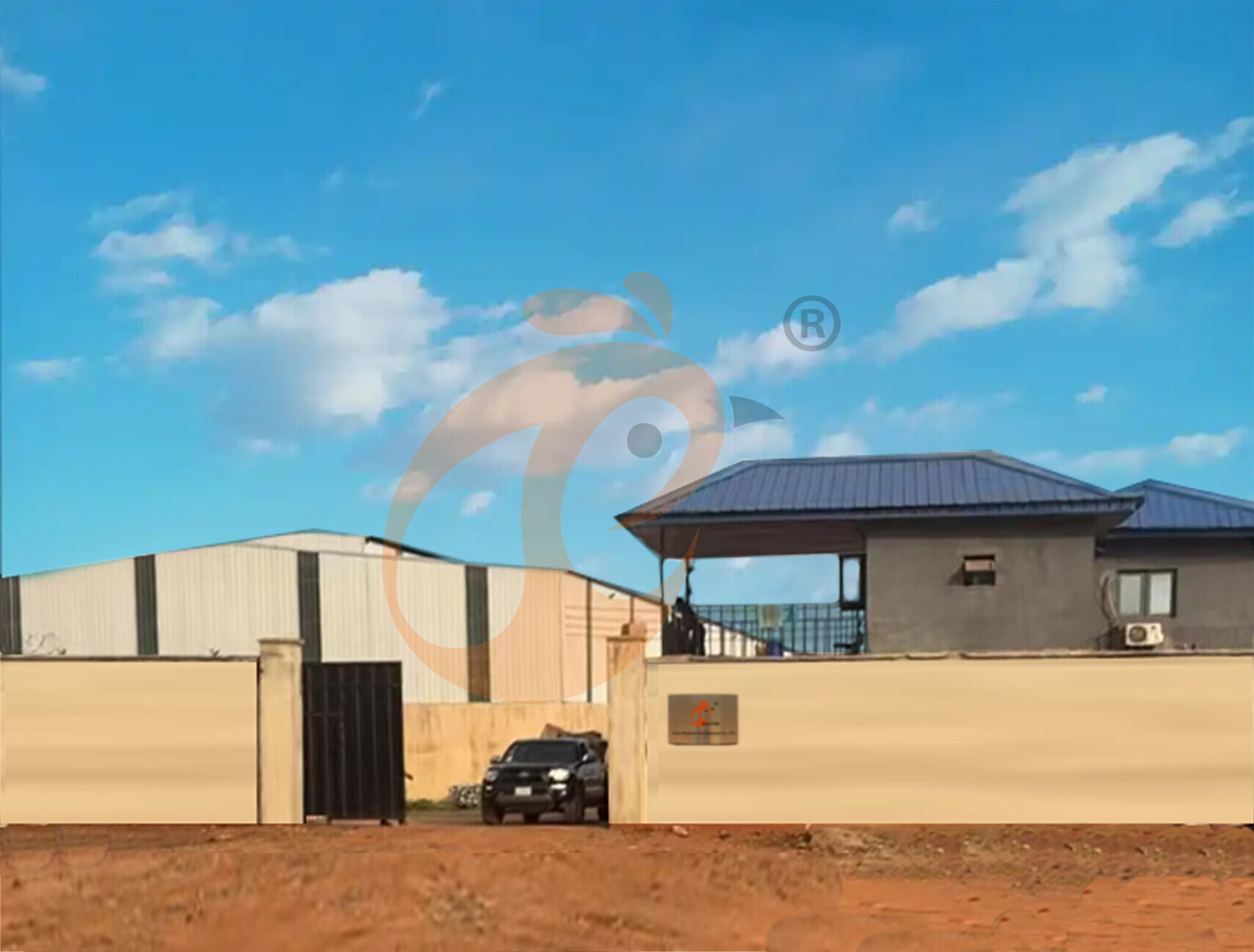
Nigeria Vanke Machinery And Equipment CO., LTD
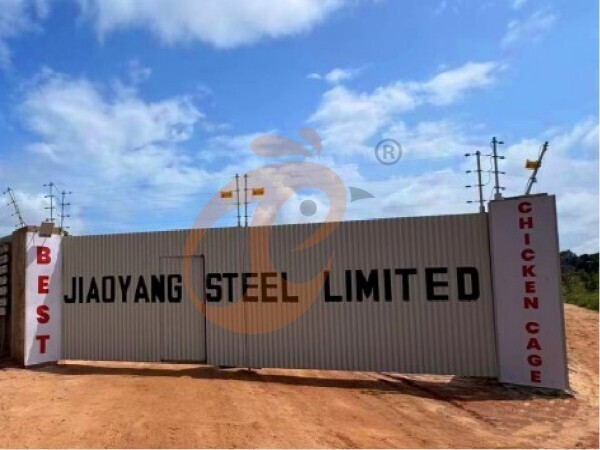
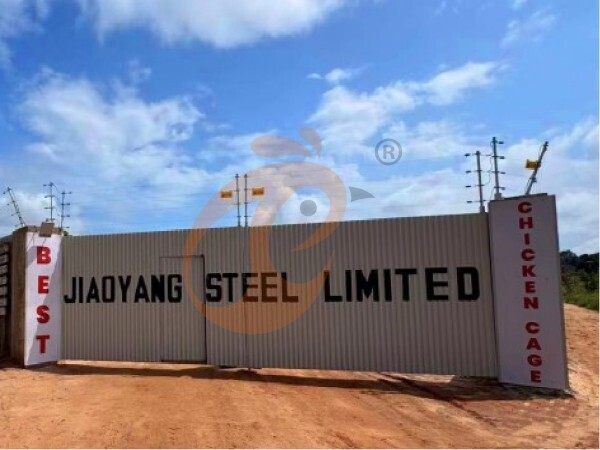
Tanzania Best Machinery And Equipment CO., LTD
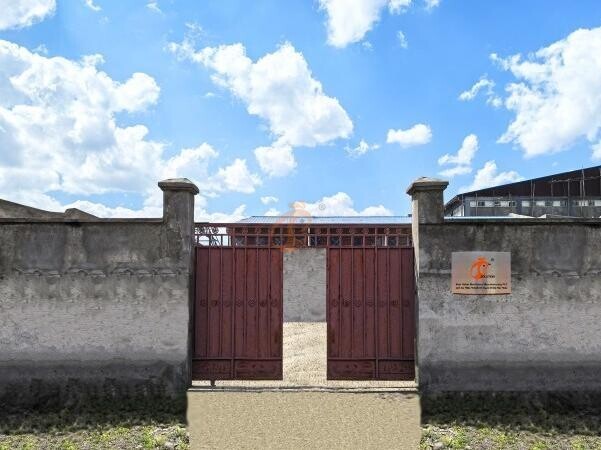
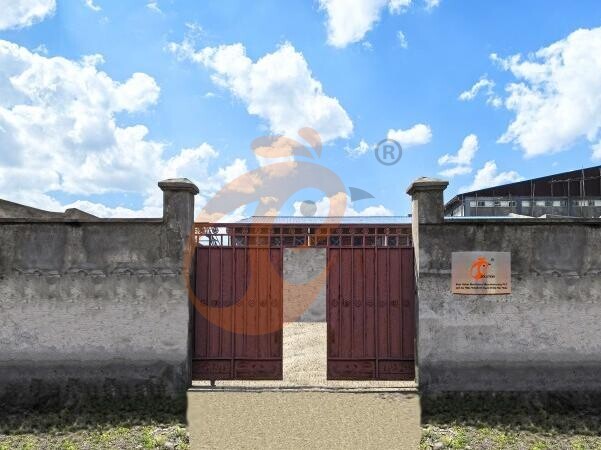
Ethiopia Best Hebei Machinery Manufacturing PLC
Reception /24 WhatsApp NO. : +8618830120193
FAQ
What Equipment Modules Are Included In Automatic Chicken Cage Poultry Equipment For Poultry Chicken Cage Systems?
Watering modules integrate pipelines rated for 16–20 mm diameter supporting stable distribution.
Manure belts utilize 1.0–1.2 mm thickness materials for continuous waste removal durability.
Which Structural Equipment Specifications Define Automatic Chicken Cage Poultry Equipment In Poultry Chicken Cage Systems?
Wire mesh spacing is maintained at 20–25 mm to support bird stability and waste separation.
Galvanization coating reaches 90–130 g/m² for corrosion resistance in high humidity environments.
What Drive System Equipment Parameters Are Used In Automatic Chicken Cage Poultry Equipment For Poultry Chicken Cage Farms?
Gear reducer ratio is configured between 1:20–1:40 for controlled mechanical output speed.
Transmission efficiency reaches 85%–92% minimizing energy loss during continuous operation.
- poultry equipment
- chicken cage
- layer cage
- broiler cage
- poultry farm
- feeding equipment
- poultry cage
- poultry farm
- poultry farm construction
- layer cage system
- chicken cage manufacturer
- galvanized chicken cage
- durable chicken cage
- chicken cage equipment
- poultry equipment manufacturer
- poultry equipment supplier
- automatic poultry equipment
- poultry house
- chicken cage system
- broiler cage system
- poultry house construction
- poultry house ventilation
- Ethiopia
- Nigeria
Message
Products recommended
 HK Headquarter Offers EU-standard Poultry Farm Solutions, Manufacture Poultry Farm Equipment1. Continuous communication with the EU and the US
2. China, Nigeria, Ethiopia, Tanzania branch companies and factories
3. The products’ quality is customized for local poultry farms
4. Poultry cage and poultry farm equipment stock for sale
5. 24 online reception Whatsapp NO. : +8618830120193,contact us to get full informationRead More China Branch Offer Poultry Farm Business Plan, Manufacture Poultry Farm Equipment1. Address: Flat/RM 2416, 24/F, Runxing Building, Youyi Nan Street, Shijiazhuang City, Hebei Province, China
2. Poultry cage and poultry farm equipment factory and stock for sale
3. Customized for local poultry farms
4. Quality and design are based on Euro
5. 24 online reception Whatsapp NO. : +8618830120193Read More Nigeria Branch Offer Poultry Farm Business Plan, Manufacture Poultry Farm Equipment1. Address: After Sinoma Office, 200 Meters Near Danco Filling Station, Lagos/Ibadan Expressway, Lagos State, Nigeria
2. Poultry cage and poultry farm equipment factory and stock for sale
3. Customized for Nigerian poultry farms
4. Quality and design are based on Euro
5. 24 online reception Whatsapp NO. : +8618830120193Read More Ethiopia Branch Offer Poultry Farm Business Plan, Manufacture Poultry Farm Equipment1. Address: Gelan Gura, Akaki-kaliti Sub City, Addis Ababa, Ethiopia
2. Poultry cage and poultry farm equipment stock for sale
3. Customized for Ethiopian poultry farms
4. Quality and design are based on Euro
5. 24 online reception Whatsapp NO. : +8618830120193, contact us to get price listRead More Tanzania Branch Offer Poultry Farm Business Plan, Manufacture Poultry Farm Equipment1. Address: No.8, Sova Road, Msufini, Mlandizi, Kibaha, Pwani, Tanzania
2. Poultry cage and poultry farm equipment factory and stock for sale
3. Customized for Tanzanian poultry farms
4. Quality and design are based on Euro
5. 24 online reception Whatsapp NO. : +8618830120193Read More Fully Automatic H Type Layer Chicken Cage1. 30,000-100,000+ layers/house chooses it, Poultry farmers can achieve an egg production rate of 96-98%
2. A significant improvement over the 85-90% typically seen in manual systems
3. A typical poultry farm can expect a 30-40% reduction in labor costs due to the automation
4. Each feeding line efficiently supplies feed to around 100,000 hens per 30 mins
5. Reception /WhatsApp NO. : +8618830120193Read More Fully Automatic A Type Layer Chicken Cage1. 10,000-50,000 layers/house chooses it
2. Cleaner egg collection reduces breakage by 0.5%
3. Improved hygiene helps reduce mortality rate to <3%
4. 1–2 technicians can handle 15,000–30,000 birds
5. Reception /WhatsApp NO. : +8618830120193Read More Semi Automatic H Type Layer Chicken Cage1. 1,00-20,000 layers/house chooses it
2. Nipple drinkers flow 30–60 ML / min
3. Hot-dip galvanized (typical coating ≥ 275 g/m²)
4. Reduce ammonia by ~ 35–40%
5. Reception /WhatsApp NO. : +8618830120193Read More Semi Automatic A Type Layer Chicken Cage1. 1,00-20,000 layers/house chooses it, no rust for 10 years, no deformation for 15 years
2. Chickens live comfortably, you can raise them with peace of mind
3. Save water, save money—efficiency you can measure
4. Improve environment quality, and increase egg production rate
5. Reception /WhatsApp NO. : +8618830120193Read More
By clicking 'Allow All', you agree to the storage of cookies on your device to enhance site navigation, analyze site usage and assist with our marketing efforts.