






Blog
Feed mixers for poultry farms deliver climate-ready solutions with reliable blending accuracy and advanced designs using 12kw motors.
Humidity protection features support durable operation through stainless structures and sealed components across diverse farm environments with 95% uptime targets.
Automated systems improve production control through precise ingredient handling and digital monitoring for commercial chicken houses requiring efficient feed management.
Customized equipment options combine engineering support with global poultry equipment solutions for scalable projects and modern farming development worldwide systems.
Professional feed preparation technology creates value through energy-saving performance and long-term equipment reliability while supporting profitable poultry production with confidence.
Get professional poultry farm construction guidance, equipment selection solutions, and the latest price lists, whatsApp to +8618830120193, +2348111199996, or click to learn more.
Core Mixer Specifications For Poultry Operations
A feed mixer must provide reliable mechanical performance for daily poultry production.
Technical specifications help farmers compare different machines and select equipment that matches operational requirements.
Data is for reference only.Swipe horizontally to view full table.
These specifications influence mixing efficiency, energy usage, and workflow stability.
Commercial poultry feed mixer systems with batch management capacity of 15 production records and control panel memory exceeding 100 operations can support professional farm workflows.
Humid Climate Adaptation Strategies
Moisture Protection For Stable Feed Processing
Humid areas require feed mixers with stronger environmental resistance.
Poultry farms located in coastal regions need equipment that prevents moisture-related performance issues.
Key design advantages include
Anti-rust treatment for external surfaces.
Smooth internal walls for easier cleaning.
Reinforced sealing solutions for operating reliability.
Modern chicken house equipment projects often select feed mixer machines with surface hardness reaching 180–260 hv and cleaning access openings measuring 300–600 mm for continuous operation.
Environmental Protection Features For Different Regions
Climate-resistant designs improve mixer reliability when equipment operates in changing weather conditions.
Manufacturers often use specialized materials and protective systems to improve performance in demanding environments.
Data is for reference only.Swipe horizontally to view full table.
These technical features help poultry farms select mixers suitable for specific environmental conditions.
Professional feed mixer manufacturers provide equipment with installation adjustment ranges of 20–50 mm and inspection intervals around 90 days for stable operation.
Mixer Structure And Internal Design
Optimized Mixing Technology For Poultry Feed Quality
Feed uniformity directly affects poultry growth performance.
Advanced mixer designs focus on improving material movement and reducing ingredient separation during operation.
Important equipment features include
Special blade angles for efficient material circulation.
Reinforced shafts for stable rotation.
Customized internal structures for different feed formulas.
Industrial poultry feed mixer solutions with blade operating cycles above 500,000 rotations and residual material rates below 1.8% help maintain consistent feed preparation.
Mechanical Components For Durable Performance
Mechanical components must withstand repeated operation cycles.
Farms operating intensive production systems should examine construction details before installation.
Data is for reference only.Swipe horizontally to view full table.
These component values demonstrate how structural design influences equipment strength.
Durable mixer models featuring gear protection covers above 2 mm thickness and frame welding accuracy within 1.5 mm deviation provide improved engineering reliability.
Energy And Automation Considerations
Modern poultry farms increasingly require efficient and automated feeding preparation systems.
Energy management and digital controls improve operational accuracy while reducing unnecessary resource consumption.
Data is for reference only.Swipe horizontally to view full table.
Automation features allow operators to manage ingredient weighing, mixing sequences, and production records effectively.
Advanced systems with touchscreen sizes from 7–12 inches and data storage periods up to 24 months support modern poultry management.
Feed Mixer Selection Based On Farm Scale
Equipment Matching For Different Poultry Production Sizes
Every poultry farm has different production targets.
Selecting the correct mixer capacity helps avoid inefficient operation and improves workflow coordination.
Recommended considerations
- Small chicken houses require compact and flexible equipment.
- Commercial farms need continuous mixing capability.
- Integrated farming systems benefit from automated solutions.
Large poultry projects using professional feed mixer equipment with feeding cycle memory storage of 50–200 programs and operator interface response times under 3 seconds can improve daily management efficiency.
Maintenance Requirements In Challenging Environments
Regular maintenance is essential for climate-suitable feed mixers.
Dust, moisture, and feed residues can influence equipment performance if inspection procedures are ignored.
Data is for reference only.Swipe horizontally to view full table.
These maintenance-related indicators provide useful references for equipment planning.
Farms can improve reliability by selecting mixers with maintenance access angles exceeding 45 degrees and replacement operation times below 40 minutes.
Installation Planning For Poultry Facilities
Correct installation improves mixer efficiency and safety.
The surrounding environment, available workspace, and ingredient handling process should be evaluated before equipment placement.
Data is for reference only.Swipe horizontally to view full table.
Proper installation planning ensures smooth material movement and convenient maintenance access.
Engineering teams normally recommend foundation thickness above 150 mm and equipment leveling tolerance within 3 mm during project installation.
Advanced Selection Criteria For Professional Farms
Large poultry enterprises require advanced feed mixing solutions with stronger control systems and optimized mechanical performance.
Equipment evaluation should include technical details beyond basic purchasing factors.
Data is for reference only.Swipe horizontally to view full table.
Professional farms benefit from analyzing these technical indicators because they influence operational stability and investment value.
Large projects may select systems with remote monitoring distances up to 100 meters and production tracking accuracy within 2% variation.
Frequently Asked Questions
Q1: What factors should poultry farms consider when selecting feed mixers?
A1: Poultry farms should evaluate climate conditions, feed ingredients, production volume, and equipment structure.
A suitable mixer may operate effectively with processing schedules around 10–16 hours daily.
Q2: Why are climate-adapted feed mixers important for chicken houses?
A2: Climate-adapted mixers reduce environmental impact on equipment performance.
Protective designs and suitable materials help maintain stable operation in regions with changing moisture levels.
Q3: How can automated feed mixers improve poultry production efficiency?
A3: Automated feed mixers improve ingredient control and reduce manual operation requirements.
Digital systems with monitoring functions can support production management for farms processing multiple tons of feed daily.
Taiyu (HK) Group - One Of China Biggest Feed Mixers Manufacturer
Feed mixers provide professional poultry feed preparation equipment with engineered structures, customized capacities, and commercial farming applications.
Global factory direct sales deliver complete poultry equipment solutions with technical consultation and project support.
Turn-key engineering services integrate poultry equipment planning, manufacturing, installation, and commissioning for international farms.
Professional production systems support chicken house projects with reliable equipment supply and customized technical specifications.
Worldwide export experience provides integrated agricultural solutions for modern poultry production facilities.
Contact Us To Received Your Customized Poultry Farm Plan
Headquarters And Branchs

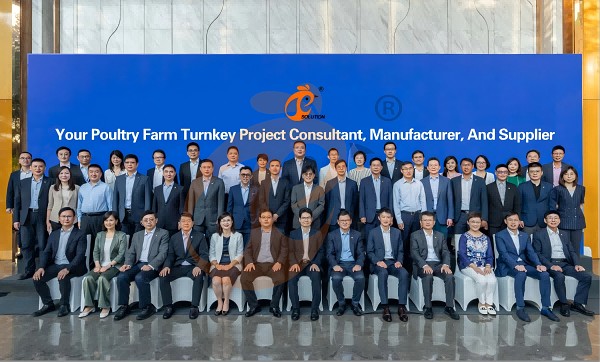
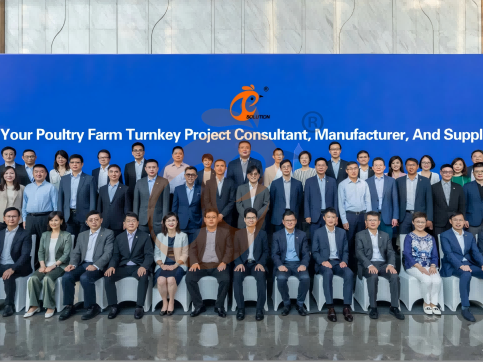
Hong Kong Headquarter Management Team
Hong Kong Headquarter Taiyu Industrial Group CO., LTD
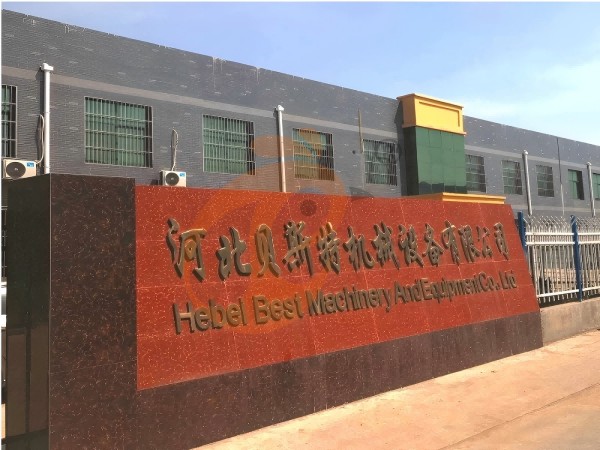
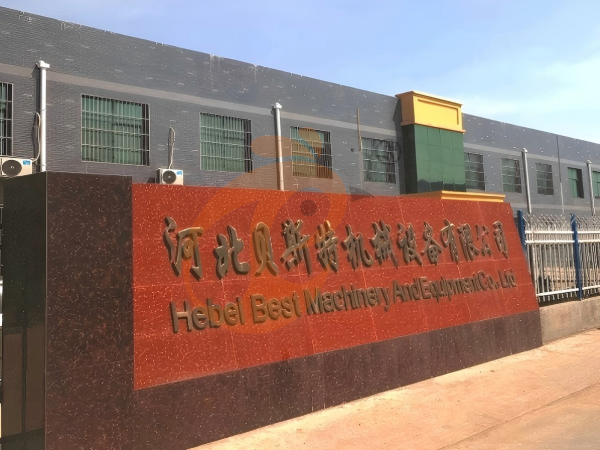
China Hebei Best Machinery And Equipment CO., LTD
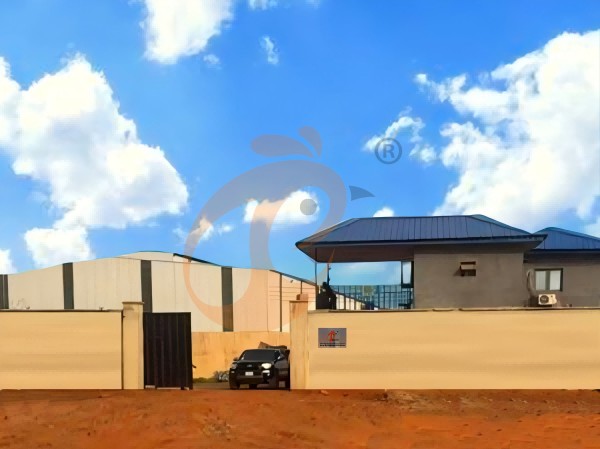
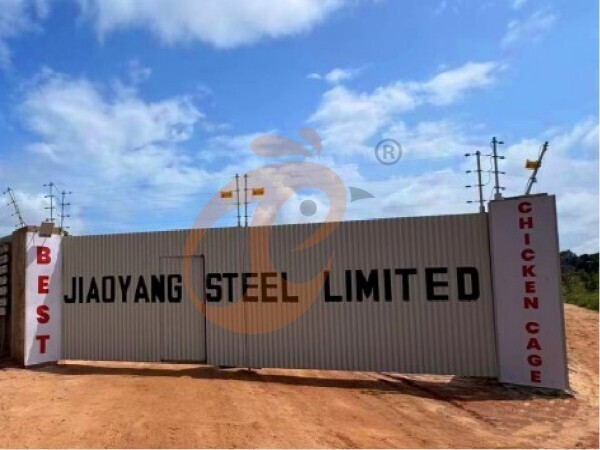
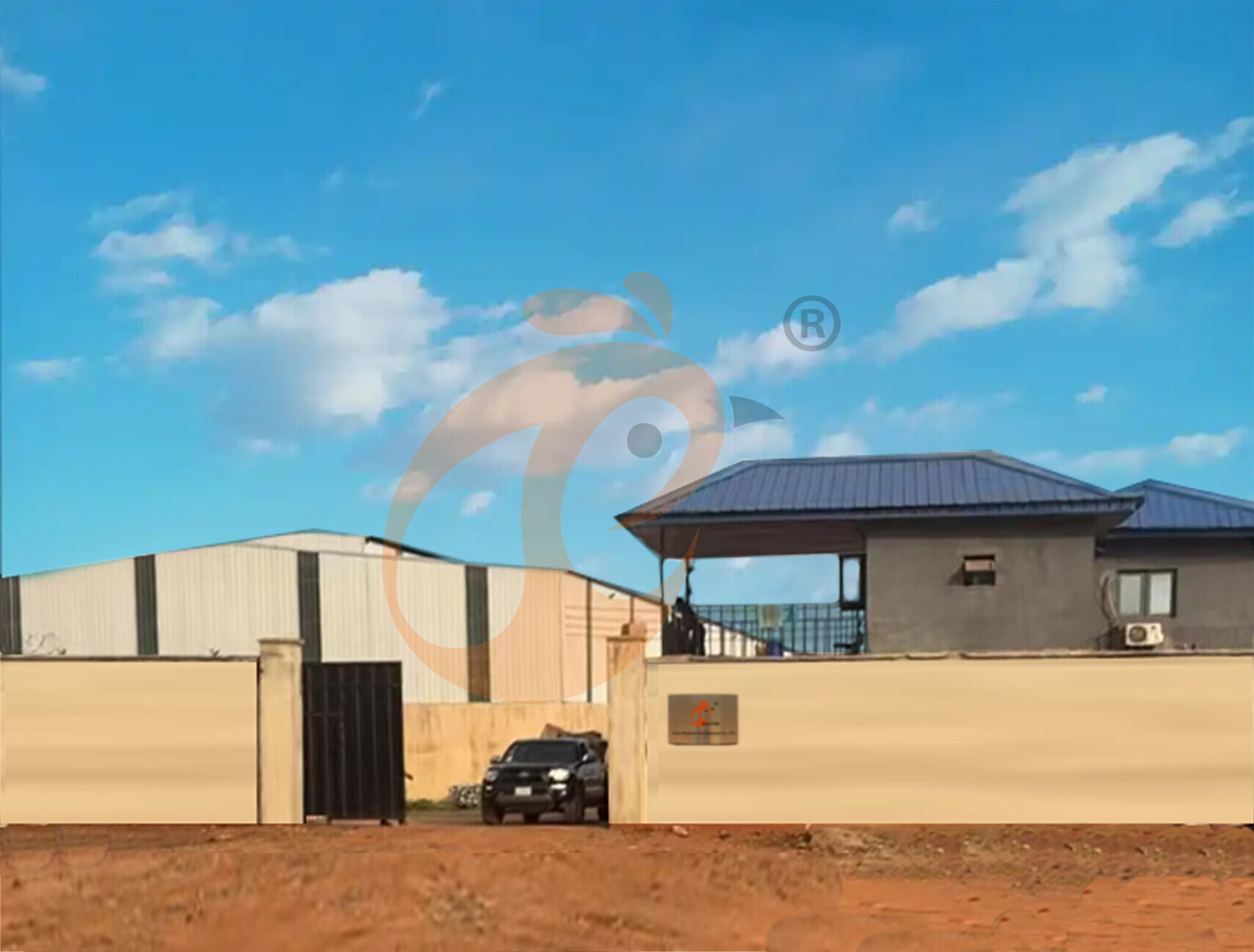
Nigeria Vanke Machinery And Equipment CO., LTD
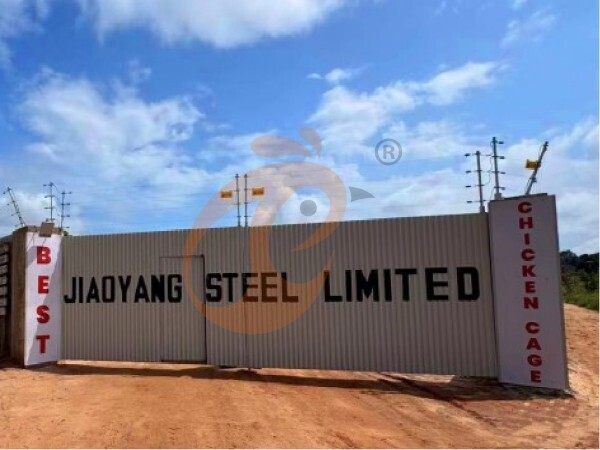
Tanzania Best Machinery And Equipment CO., LTD
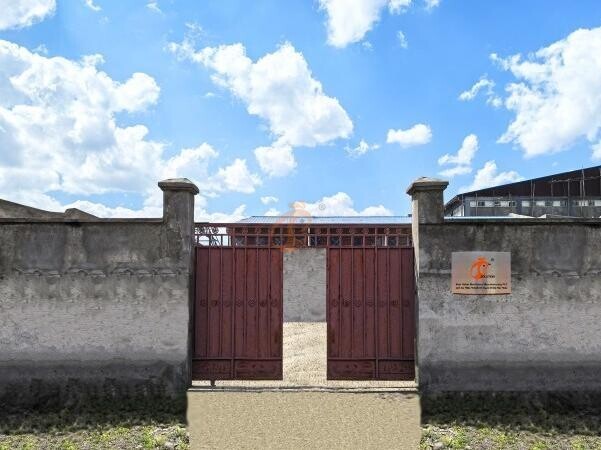
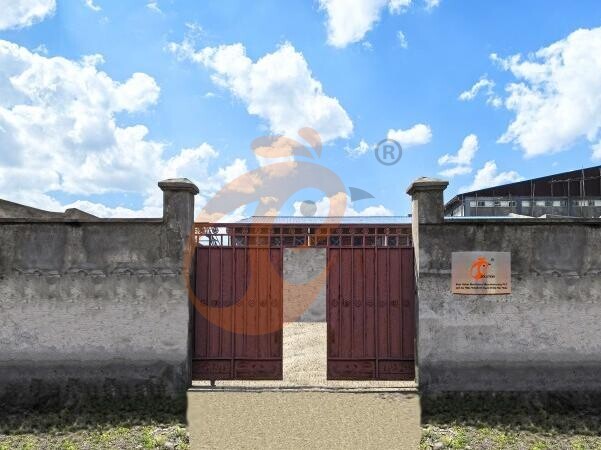
Ethiopia Best Hebei Machinery Manufacturing PLC
Reception /24 WhatsApp NO. : +8618830120193
FAQ
What Are The Main Equipment Components In Feed Mill And Feed Mixer Systems For Poultry Chicken Production?
Hammer mill units operate with rotor speeds of 2800–3600 rpm for efficient grain size reduction.
Twin-shaft mixers achieve batch capacities of 500–2000 kg per cycle for uniform poultry feed blending.
What Dust Control Requirements Are Needed In Feed Mill Operations For Poultry Chicken Farms?
Cyclone separators remove 85%–92% of airborne particles during grinding and conveying processes.
Negative pressure systems maintain airflow velocity between 0.8–1.2 m/s to prevent dust leakage.
What Temperature Parameters Are Used In Feed Mill Processing For Poultry Chicken Feed?
Conditioning temperature reaches 75–85°C to improve pellet durability and pathogen reduction.
Cooling stage reduces pellet temperature to within 5°C of ambient conditions for safe storage.
Message
Products recommended
 HK Headquarter Offers EU-standard Poultry Farm Solutions, Manufacture Poultry Farm Equipment1. Continuous communication with the EU and the US
2. China, Nigeria, Ethiopia, Tanzania branch companies and factories
3. The products’ quality is customized for local poultry farms
4. Poultry cage and poultry farm equipment stock for sale
5. 24 online reception Whatsapp NO. : +8618830120193,contact us to get full informationRead More China Branch Offer Poultry Farm Business Plan, Manufacture Poultry Farm Equipment1. Address: Flat/RM 2416, 24/F, Runxing Building, Youyi Nan Street, Shijiazhuang City, Hebei Province, China
2. Poultry cage and poultry farm equipment factory and stock for sale
3. Customized for local poultry farms
4. Quality and design are based on Euro
5. 24 online reception Whatsapp NO. : +8618830120193Read More Nigeria Branch Offer Poultry Farm Business Plan, Manufacture Poultry Farm Equipment1. Address: After Sinoma Office, 200 Meters Near Danco Filling Station, Lagos/Ibadan Expressway, Lagos State, Nigeria
2. Poultry cage and poultry farm equipment factory and stock for sale
3. Customized for Nigerian poultry farms
4. Quality and design are based on Euro
5. 24 online reception Whatsapp NO. : +8618830120193Read More Ethiopia Branch Offer Poultry Farm Business Plan, Manufacture Poultry Farm Equipment1. Address: Gelan Gura, Akaki-kaliti Sub City, Addis Ababa, Ethiopia
2. Poultry cage and poultry farm equipment stock for sale
3. Customized for Ethiopian poultry farms
4. Quality and design are based on Euro
5. 24 online reception Whatsapp NO. : +8618830120193, contact us to get price listRead More Tanzania Branch Offer Poultry Farm Business Plan, Manufacture Poultry Farm Equipment1. Address: No.8, Sova Road, Msufini, Mlandizi, Kibaha, Pwani, Tanzania
2. Poultry cage and poultry farm equipment factory and stock for sale
3. Customized for Tanzanian poultry farms
4. Quality and design are based on Euro
5. 24 online reception Whatsapp NO. : +8618830120193Read More Fully Automatic H Type Layer Chicken Cage1. 30,000-100,000+ layers/house chooses it, Poultry farmers can achieve an egg production rate of 96-98%
2. A significant improvement over the 85-90% typically seen in manual systems
3. A typical poultry farm can expect a 30-40% reduction in labor costs due to the automation
4. Each feeding line efficiently supplies feed to around 100,000 hens per 30 mins
5. Reception /WhatsApp NO. : +8618830120193Read More Fully Automatic A Type Layer Chicken Cage1. 10,000-50,000 layers/house chooses it
2. Cleaner egg collection reduces breakage by 0.5%
3. Improved hygiene helps reduce mortality rate to <3%
4. 1–2 technicians can handle 15,000–30,000 birds
5. Reception /WhatsApp NO. : +8618830120193Read More Semi Automatic H Type Layer Chicken Cage1. 1,00-20,000 layers/house chooses it
2. Nipple drinkers flow 30–60 ML / min
3. Hot-dip galvanized (typical coating ≥ 275 g/m²)
4. Reduce ammonia by ~ 35–40%
5. Reception /WhatsApp NO. : +8618830120193Read More Semi Automatic A Type Layer Chicken Cage1. 1,00-20,000 layers/house chooses it, no rust for 10 years, no deformation for 15 years
2. Chickens live comfortably, you can raise them with peace of mind
3. Save water, save money—efficiency you can measure
4. Improve environment quality, and increase egg production rate
5. Reception /WhatsApp NO. : +8618830120193Read More
By clicking 'Allow All', you agree to the storage of cookies on your device to enhance site navigation, analyze site usage and assist with our marketing efforts.