






Blog
Deep litter broiler system investment combines automated feeding, drinking, ventilation, cooling, and climate control for commercial production.
Automatic broiler feeding systems can support continuous feed delivery while reducing repetitive labor across production cycles.
Poultry nipple drinking systems help maintain controlled water delivery and support cleaner litter management during flock growth.
Engineering calculations covering house dimensions, airflow, electrical load, and equipment capacity can reduce unnecessary capital expenditure.
- A coordinated equipment package can support scalable projects from 1.5–3.0 kg market weight and 42-day production cycles.
Get professional poultry farm construction guidance, equipment selection solutions, and the latest price lists, whatsApp to +8618830120193, +2348111199996, or click to learn more.
Engineering Key Points: Design The System Before Buying Equipment
A deep litter broiler system should be engineered as one production system, covering feeding, drinking, ventilation, cooling, heating, lighting, and control.
For commercial houses, planning should consider a 42-day production cycle and a 1.5–3.0 kg target market weight so equipment capacity matches the complete growth period.
A well-designed deep litter broiler system should also reserve service access and maintenance space.
A practical engineering design can maintain approximately 0.8–1.2 m service clearance around key operating areas and use 380–415 v three-phase power for major equipment where applicable.
Decision Tip #1: Compare Total Equipment Investment
Data is for reference only.Swipe horizontally to view full table.
A complete deep litter broiler system quotation should include equipment, electrical components, installation accessories, commissioning, and spare parts.
Separating costs can make an apparently inexpensive project considerably more expensive after installation.
A properly configured project should also define a 12-month spare-parts plan and a 24-hour emergency response procedure where service agreements are available.
Decision Tip #2: Match Equipment With House Dimensions
Data is for reference only.Swipe horizontally to view full table.
House dimensions directly determine equipment quantities and installation positions.
For example, commercial deep litter broiler system houses of 60–150 m length require coordinated feeder, drinker, ventilation, and electrical layouts rather than simply adding more individual machines.
Equipment calculation should be completed before construction begins.
Maintaining approximately 2.5–3.0 m feeder-line spacing can provide a practical basis for arranging feed access and service routes.
Skills Card: Five Questions For Your Equipment Supplier
01 | Engineering Calculation
Ask for engineering calculations based on actual house dimensions.
A professional deep litter broiler system quotation should identify the required configuration for planned flock capacity.
02 | Installation Drawings
Ask whether feeder, water, fan, cooling, and controller positions are provided before construction.
A complete automatic broiler feeding system layout should also identify equipment interfaces and service routes.
03 | Component Specifications
Confirm motor power, material, flow rate, controller inputs, electrical requirements, and replacement-part compatibility.
A poultry nipple drinking system should have clearly defined component specifications for procurement and maintenance.
04 | Commissioning
Confirm startup guidance covering sensors, feeding lines, water lines, fans, and alarms.
Proper commissioning allows a deep litter broiler system to enter production with coordinated equipment operation.
05 | Spare Parts
For commercial farms, motors, nipples, sensors, controllers, and augers should have identifiable replacement models.
A supplier should provide replacement-part information supporting long-term automatic broiler feeding system operation.
Decision Tip #3: Build The Water System Around Litter Management
Data is for reference only.Swipe horizontally to view full table.
Water equipment is an important deep litter broiler system investment because leakage can quickly damage litter quality.
A poultry nipple drinking system should provide stable delivery throughout the house, while filtration and flushing equipment should remain accessible for routine maintenance.
For growing broilers, drinking equipment should also accommodate changing bird size.
Aviagen guidance lists approximately 12 birds per nipple, with approximately 9–10 birds per nipple for birds above 3 kg.
Investment Comparison: Manual And Automatic System Configuration
Data is for reference only.Swipe horizontally to view full table.
Automation changes the labor structure of a deep litter broiler system.
Automatic feeding and drinking can reduce repeated manual operations, while controller-based ventilation allows equipment to respond to measured environmental conditions.
For investment planning, calculate labor requirements across the complete production cycle rather than only at installation.
A system operating 24 hours per day requires dependable motors, sensors, alarms, and backup procedures because equipment downtime can affect the entire flock.
Decision Tip #3: Prioritize Ventilation Engineering
Ventilation should be calculated according to house volume, bird load, climate, and equipment performance.
Tunnel systems may be designed around approximately 2.5–3.0 m/s air velocity, while the actual requirement should be verified against local conditions and house design.
A deep litter broiler system also needs air movement through the occupied bird zone rather than simply circulating near the roof.
Proper inlet positioning, fan capacity, cooling-pad area, and controller logic should therefore be designed together.
Process Structure: From Farm Data To Installation
Step 1 — Measure The House → record length, width, height, electrical supply, water source, and climate conditions.
Step 2 — Calculate The Flock → establish bird capacity, production cycle, and target market weight.
Step 3 — Configure Equipment → select feeding, drinking, ventilation, cooling, heating, lighting, and control equipment.
Step 4 — Produce Drawings → define equipment locations, pipelines, cables, service routes, and control zones.
Step 5 — Install And Commission → test every system before chick placement.
Step 6 — Provide Technical Support → establish operating procedures and replacement-part management.
For example, air-inlet adjustment can be designed in approximately 5–10% increments, allowing a deep litter broiler system to respond progressively to changing environmental demand.
Equipment Combination Recommendation: Commercial Broiler Package
Data is for reference only.Swipe horizontally to view full table.
A commercial deep litter broiler system package should combine automatic pan feeding, nipple drinking, tunnel ventilation, cooling, heating, and environmental control.
An integrated structure allows equipment capacities to be calculated together rather than purchased separately.
For new projects, our engineering team can configure the system according to house drawings and production targets, including equipment quantities, installation layout, electrical requirements, and replacement-part planning.
Return On Investment Table: Parameters To Include In The Investment Model
Data is for reference only.Swipe horizontally to view full table.
Investment analysis should combine purchase cost with electricity, maintenance, labor, and equipment replacement.
Generator sizing is particularly important in areas with unstable power, with commercial configurations potentially using 60–80 kVA backup capacity depending on connected load.
A detailed deep litter broiler system quotation gives investors a clearer basis for calculating operating expenditure.
The approach also makes future expansion easier because original electrical and mechanical interfaces are already documented.
Supplier Evaluation Table
Data is for reference only.Swipe horizontally to view full table.
Supplier evaluation should focus on measurable engineering deliverables rather than marketing descriptions.
Check drawings, equipment specifications, electrical diagrams, installation instructions, commissioning procedures, and spare-parts availability before signing the order.
Our company positions poultry equipment as an integrated engineering solution, allowing customers to purchase compatible feeding, drinking, ventilation, cooling, heating, and control systems from one equipment partner.
Final Decision Checklist: Build For Production And Expansion
Capacity → Verify flock size, house dimensions, feeder quantity, and nipple quantity before ordering.
Environment → Confirm fan airflow, cooling-pad dimensions, heating output, and controller inputs.
Automation → Identify which daily operations can be mechanized and monitored.
Investment → Calculate equipment, installation, electricity, maintenance, and backup-power requirements.
Service → Confirm drawings, commissioning, spare parts, warranty terms, and technical support.
The objective is not simply to purchase more equipment, but to build a coordinated deep litter broiler system.
With properly calculated feeding, drinking, ventilation, cooling, heating, and environmental-control equipment, production can be configured around measurable engineering requirements rather than generic equipment packages.
Our poultry equipment team can provide a complete deep litter broiler system based on house size, flock capacity, climate, and production plan, covering equipment selection, system calculation, layout design, installation guidance, and after-sales support.
Frequently Asked Questions
Q1: What equipment should be included in a deep litter broiler system?
A1: A complete configuration normally includes automatic feeding, nipple drinking, ventilation, cooling, heating, lighting, environmental control, and supporting electrical equipment.
System design should also account for approximately 380–415 v power supply requirements where applicable.
Q2: How should equipment capacity be calculated for a commercial broiler house?
A2: Capacity should be calculated from house dimensions, bird population, climate, production cycle, and target market weight.
Engineering calculations can then determine feeder quantity, drinker quantity, ventilation demand, and control requirements.
Q3: Why choose an integrated equipment package instead of separate machines?
A3: An integrated deep litter broiler system allows feeding, drinking, ventilation, cooling, and control equipment to work through coordinated specifications.
Such configuration can simplify installation and maintenance while supporting future expansion.
Taiyu (HK) Group - One Of China Toppest Deep Litter Broiler System Manufacturer
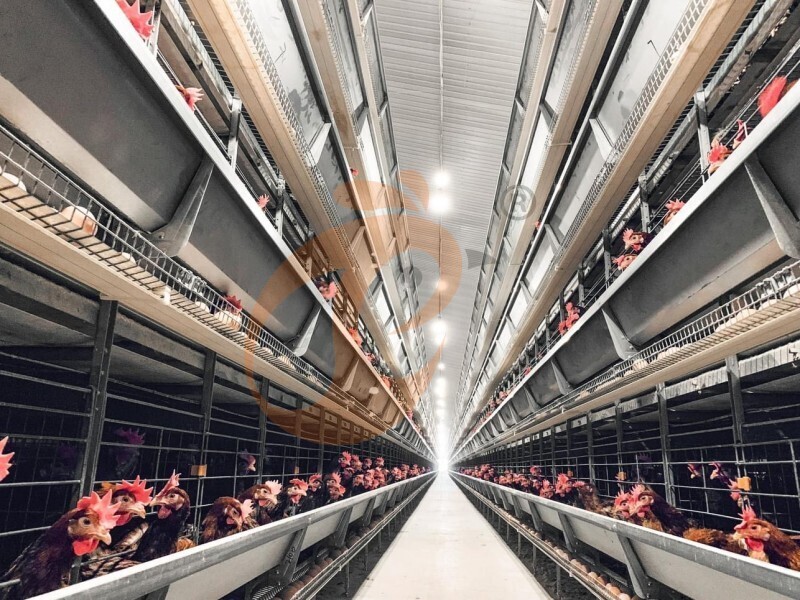
Deep litter broiler system solutions integrate automatic feeding, nipple drinking, ventilation, cooling, heating, lighting, and climate control into engineered commercial poultry equipment packages.
Global factory-direct supply provides poultry equipment with coordinated specifications, project drawings, component documentation, and direct technical communication for overseas farm projects.
Turn-key engineering covers system calculation, equipment configuration, layout planning, installation guidance, commissioning procedures, and project-oriented after-sales technical support.
Poultry equipment projects can be configured around house dimensions, flock capacity, climate conditions, electrical infrastructure, and planned production expansion requirements.
Factory manufacturing supports integrated procurement for international customers requiring coordinated equipment supply, spare parts planning, and standardized project documentation.
Contact Us To Received Your Customized Poultry Farm Plan
Headquarters And Branchs

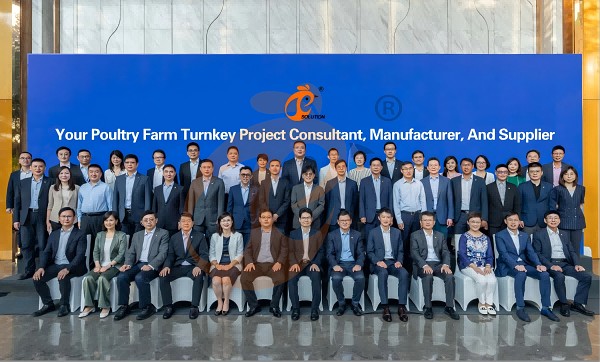
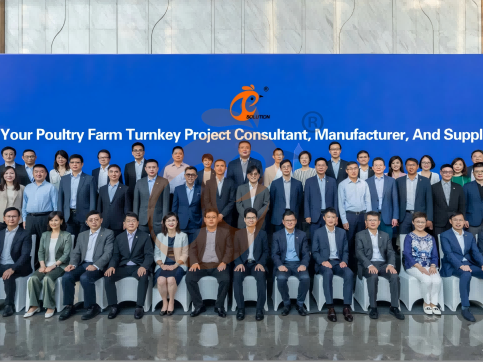
Hong Kong Headquarter Management Team
Hong Kong Headquarter Taiyu Industrial Group CO., LTD
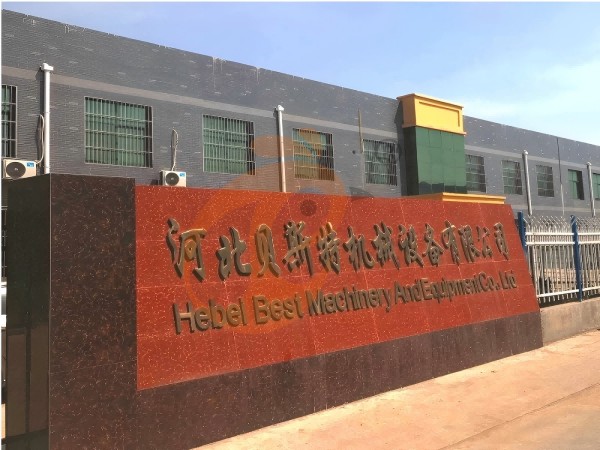
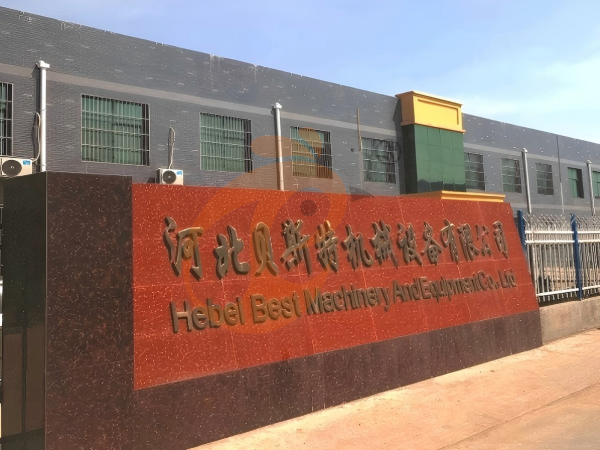
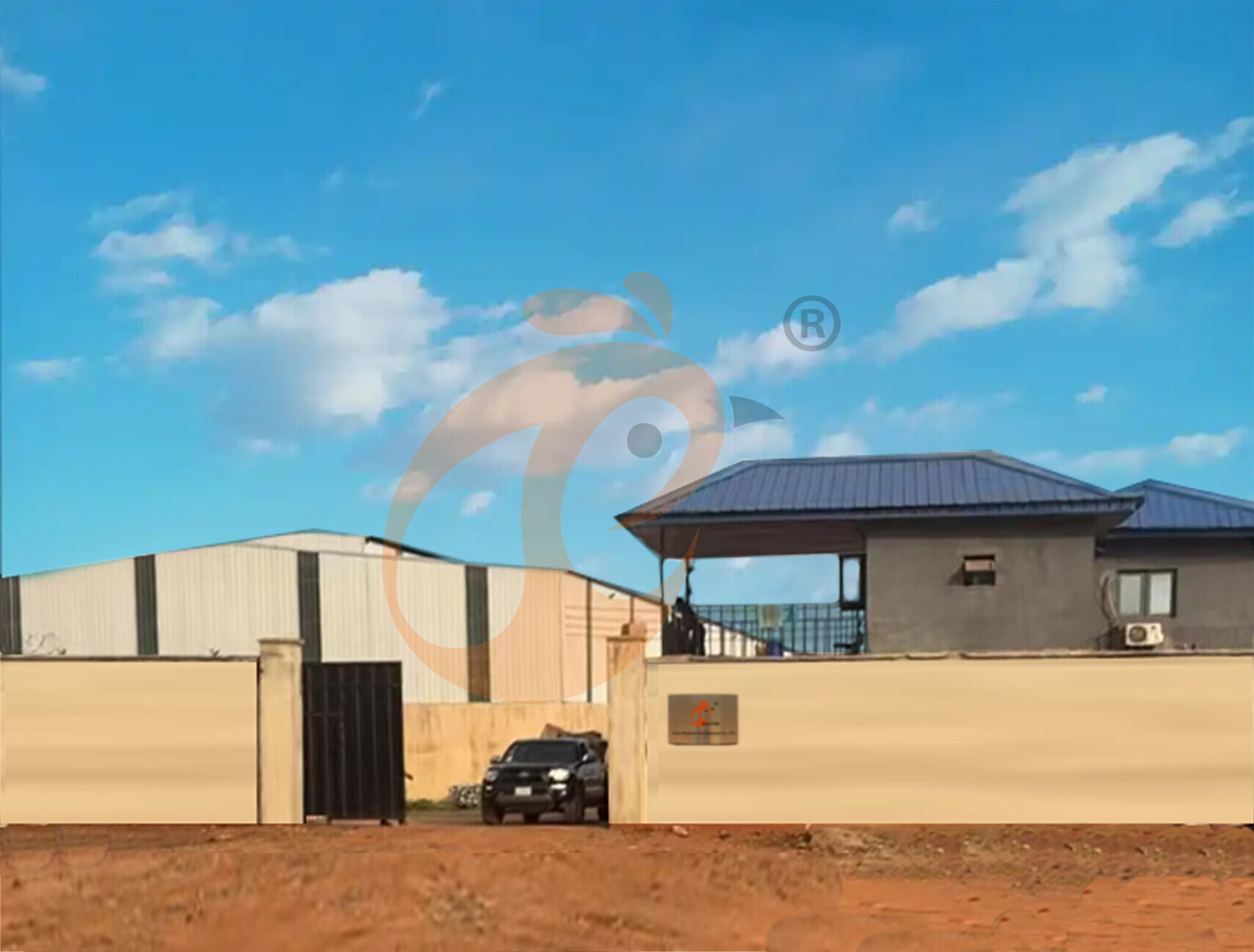
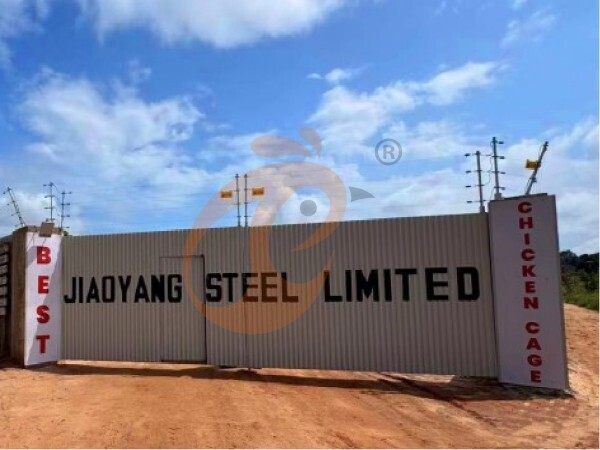
China Hebei Best Machinery And Equipment CO., LTD
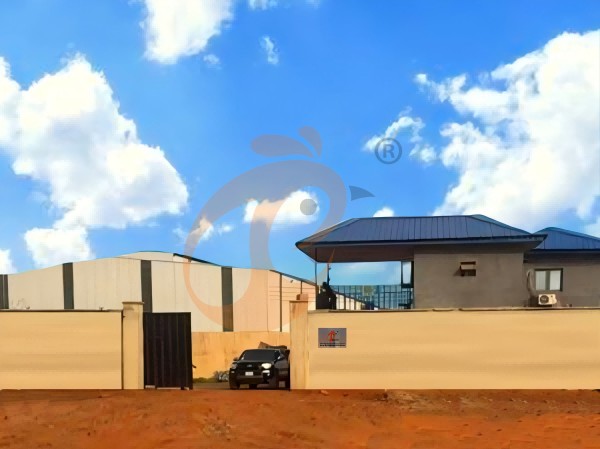
Nigeria Vanke Machinery And Equipment CO., LTD
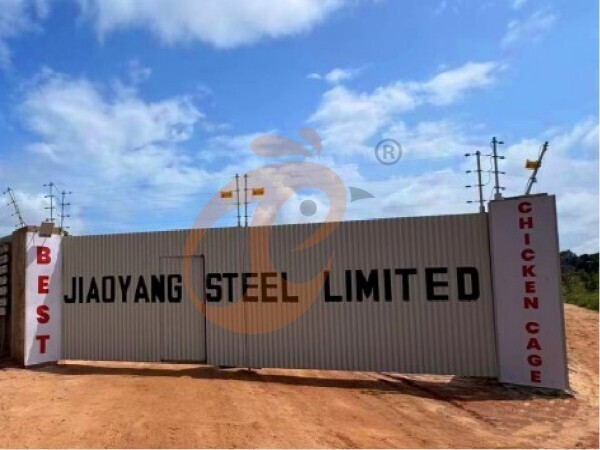
Tanzania Best Machinery And Equipment CO., LTD
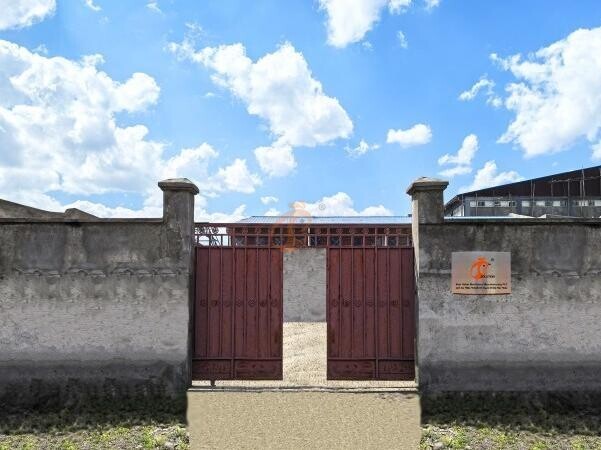
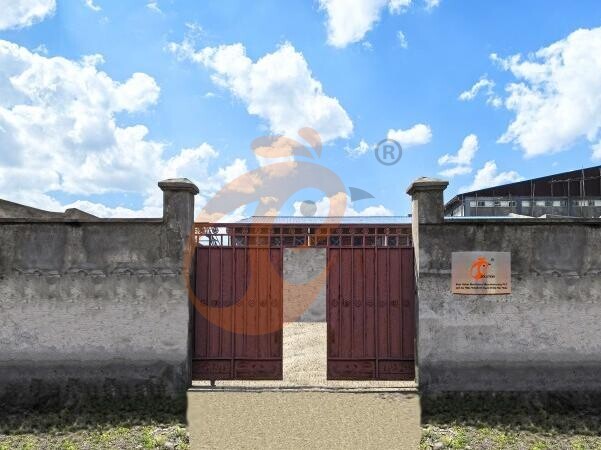
Ethiopia Best Hebei Machinery Manufacturing PLC
Reception /24 WhatsApp NO. : +8618830120193
FAQ
What Are The Growth Performance Benefits In Deep Litter Poultry System?
Feed conversion ratio improves to 1.55–1.78 due to thermal comfort and reduced stress.
Market uniformity rate exceeds 85%–92% within target slaughter weight range.
What Are The Litter Turning And Management Frequency Standards In Deep Litter Poultry System?
Surface leveling is maintained every 3–5 days to prevent compaction zones.
Full litter replacement cycle occurs every 2–3 production batches depending on load intensity.
What Are The Energy Efficiency And Cost Advantages In Deep Litter Poultry System?
Construction cost savings reach 25%–40% compared with fully caged housing systems.
Operational labor demand decreases by 30%–50% through simplified floor-based management.
Message
Products recommended
 HK Headquarter Offers EU-standard Poultry Farm Solutions, Manufacture Poultry Farm Equipment1. Continuous communication with the EU and the US
2. China, Nigeria, Ethiopia, Tanzania branch companies and factories
3. The products’ quality is customized for local poultry farms
4. Poultry cage and poultry farm equipment stock for sale
5. 24 online reception Whatsapp NO. : +8618830120193,contact us to get full informationRead More China Branch Offer Poultry Farm Business Plan, Manufacture Poultry Farm Equipment1. Address: Flat/RM 2416, 24/F, Runxing Building, Youyi Nan Street, Shijiazhuang City, Hebei Province, China
2. Poultry cage and poultry farm equipment factory and stock for sale
3. Customized for local poultry farms
4. Quality and design are based on Euro
5. 24 online reception Whatsapp NO. : +8618830120193Read More Nigeria Branch Offer Poultry Farm Business Plan, Manufacture Poultry Farm Equipment1. Address: After Sinoma Office, 200 Meters Near Danco Filling Station, Lagos/Ibadan Expressway, Lagos State, Nigeria
2. Poultry cage and poultry farm equipment factory and stock for sale
3. Customized for Nigerian poultry farms
4. Quality and design are based on Euro
5. 24 online reception Whatsapp NO. : +8618830120193Read More Ethiopia Branch Offer Poultry Farm Business Plan, Manufacture Poultry Farm Equipment1. Address: Gelan Gura, Akaki-kaliti Sub City, Addis Ababa, Ethiopia
2. Poultry cage and poultry farm equipment stock for sale
3. Customized for Ethiopian poultry farms
4. Quality and design are based on Euro
5. 24 online reception Whatsapp NO. : +8618830120193, contact us to get price listRead More Tanzania Branch Offer Poultry Farm Business Plan, Manufacture Poultry Farm Equipment1. Address: No.8, Sova Road, Msufini, Mlandizi, Kibaha, Pwani, Tanzania
2. Poultry cage and poultry farm equipment factory and stock for sale
3. Customized for Tanzanian poultry farms
4. Quality and design are based on Euro
5. 24 online reception Whatsapp NO. : +8618830120193Read More Fully Automatic H Type Layer Chicken Cage1. 30,000-100,000+ layers/house chooses it, Poultry farmers can achieve an egg production rate of 96-98%
2. A significant improvement over the 85-90% typically seen in manual systems
3. A typical poultry farm can expect a 30-40% reduction in labor costs due to the automation
4. Each feeding line efficiently supplies feed to around 100,000 hens per 30 mins
5. Reception /WhatsApp NO. : +8618830120193Read More Fully Automatic A Type Layer Chicken Cage1. 10,000-50,000 layers/house chooses it
2. Cleaner egg collection reduces breakage by 0.5%
3. Improved hygiene helps reduce mortality rate to <3%
4. 1–2 technicians can handle 15,000–30,000 birds
5. Reception /WhatsApp NO. : +8618830120193Read More Semi Automatic H Type Layer Chicken Cage1. 1,00-20,000 layers/house chooses it
2. Nipple drinkers flow 30–60 ML / min
3. Hot-dip galvanized (typical coating ≥ 275 g/m²)
4. Reduce ammonia by ~ 35–40%
5. Reception /WhatsApp NO. : +8618830120193Read More Semi Automatic A Type Layer Chicken Cage1. 1,00-20,000 layers/house chooses it, no rust for 10 years, no deformation for 15 years
2. Chickens live comfortably, you can raise them with peace of mind
3. Save water, save money—efficiency you can measure
4. Improve environment quality, and increase egg production rate
5. Reception /WhatsApp NO. : +8618830120193Read More
By clicking 'Allow All', you agree to the storage of cookies on your device to enhance site navigation, analyze site usage and assist with our marketing efforts.