






Blog
Deep litter poultry system delivers integrated poultry housing solution combining bedding fermentation, ventilation control, and automated feeding infrastructure for commercial farms.
Modern poultry farming system enables high density bird production through controlled litter decomposition, optimized airflow engineering, and standardized equipment integration.
Efficient chicken farming setup improves production stability by regulating moisture balance, ammonia reduction, and feed distribution uniformity across housing units.
Sustainable operations support microbial decomposition processes ensuring continuous manure conversion into organic fertilizer within deep litter environment consistently.
Integrated systems design reduces labor requirements while maintaining biosecure poultry production and improving long-term farm profitability outcomes at commercial scale operations globally.
Get professional poultry farm construction guidance, equipment selection solutions, and the latest price lists, whatsApp to +8618830120193, +2348111199996, or click to learn more.
Introduction To Deep Litter Poultry Systems
The deep litter poultry system is a semi-intensive livestock production model that integrates bedding fermentation, environmental engineering, and poultry housing management into one operational framework.
Instead of removing manure daily, organic bedding layers accumulate and decompose through microbial activity, forming a biologically active substrate.
Widely used in modern commercial farms because it reduces external waste handling requirements while maintaining stable production performance and improving environmental sustainability.
Core System Components And Production Architecture
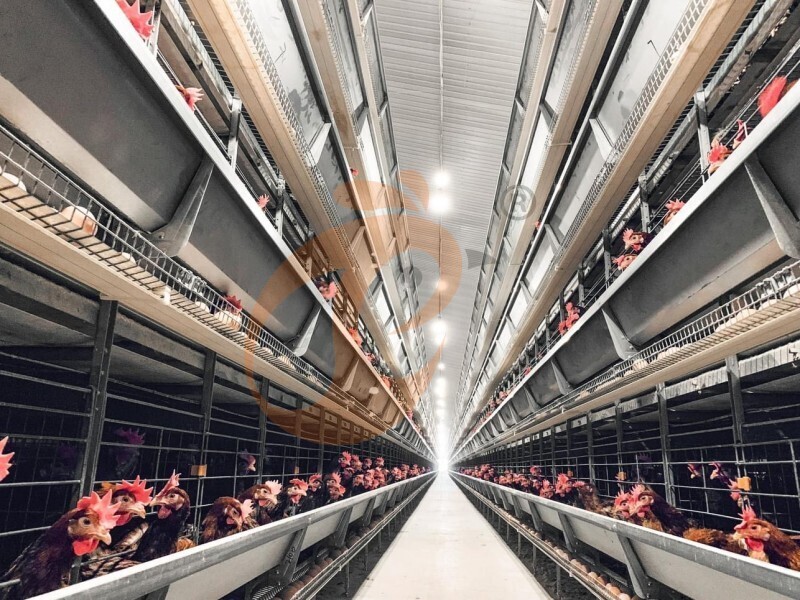
A deep litter poultry system is composed of multiple engineered components including housing structure, bedding substrate, ventilation modules, feeding systems, watering lines, and monitoring devices.
Each component contributes to maintaining biological stability and production efficiency.
Understanding density and labor allocation differences allows farm planners to select systems aligned with production scale and investment strategy.
System Equipment And Infrastructure Components
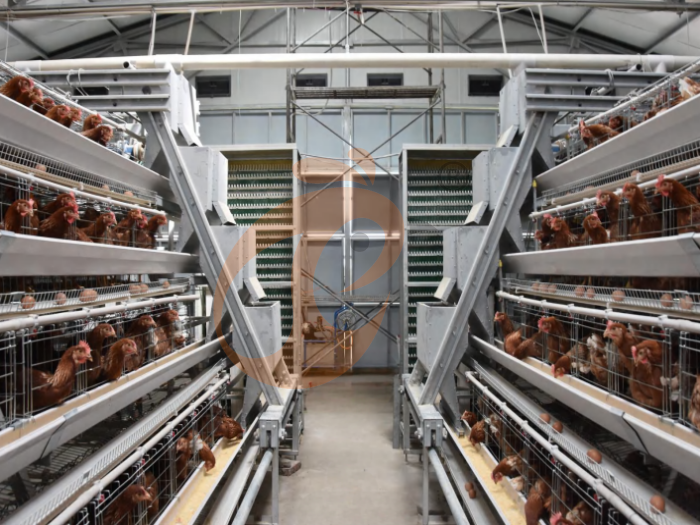
Modern poultry farming system infrastructure relies on modular equipment designed for scalability, hygiene control, and automation compatibility.
Equipment configuration directly determines feed efficiency, ventilation stability, and long term maintenance cost across poultry production cycles.
Proper equipment selection ensures stable production cycles and reduces downtime caused by mechanical failures or inconsistent feeding distribution.
Step One Bedding Material Selection And Physical Properties
Bedding material selection determines microbial efficiency, moisture absorption, and ammonia control in deep litter poultry system environments.
Material characteristics directly influence decomposition speed and odor control performance in poultry housing systems.
A comparison of bedding performance parameters helps operators select materials suitable for local climate and production intensity.
Data is for reference only. Swipe horizontally to view full table.
Correct bedding selection reduces ammonia formation and stabilizes microbial ecosystems during early production stages.
Step Two Housing Design And Structural Parameters
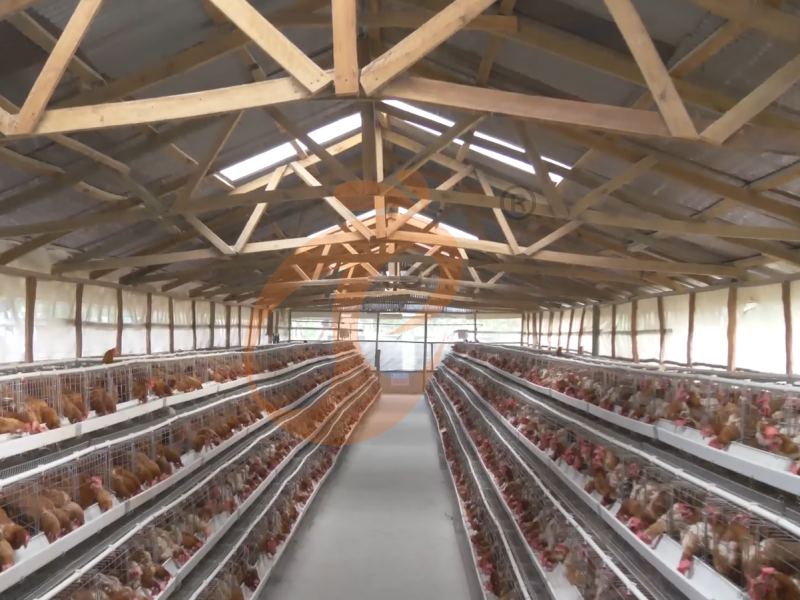
Proper poultry house design ensures airflow stability, thermal balance, and litter decomposition efficiency in chicken farming setup operations.
Structural engineering decisions directly impact long term production stability and disease prevention performance.
Data is for reference only. Swipe horizontally to view full table.
Proper structural planning ensures uniform ventilation distribution and prevents localized moisture accumulation in litter zones.
Step Three Ventilation Engineering And Air Exchange Rates
Ventilation control maintains oxygen availability and regulates ammonia concentration in poultry farming system environments.
Airflow design determines microbial activity efficiency within litter layers and directly affects bird respiratory health.
Data is for reference only. Swipe horizontally to view full table.
Balanced ventilation ensures stable decomposition conditions and reduces risk of anaerobic zone formation.
Step Four Litter Layer Maintenance And Turnover Cycle
Litter management ensures microbial equilibrium and stable decomposition within deep litter poultry system operations.
Maintenance scheduling determines long term bedding performance and reduces operational risk in intensive poultry production systems.
Data is for reference only. Swipe horizontally to view full table.
Regular litter turnover prevents compaction and maintains aerobic microbial activity across production cycles.
Step Five Moisture And Temperature Control Parameters
Environmental control is critical for microbial activity stability in poultry farming system installations.
Temperature and moisture balance directly determine ammonia control efficiency and disease prevention outcomes.
Data is for reference only. Swipe horizontally to view full table.
Stable environmental parameters ensure continuous microbial decomposition without system collapse or odor escalation.
Step Six Feeding System Design And Feed Efficiency Control
Feeding systems directly influence litter cleanliness and overall production efficiency in chicken farming setup environments.
Feed distribution accuracy determines waste reduction levels and directly affects bedding contamination rates.
Data is for reference only. Swipe horizontally to view full table.
Efficient feeding systems reduce litter contamination and improve feed conversion efficiency across production cycles.
Step Seven Watering System And Hydration Stability
Watering systems in poultry farming system design maintain controlled hydration while preventing localized litter saturation.
Drinking system calibration ensures uniform water access and prevents microbial imbalance caused by wet litter zones.
Nipple drinking systems operate at calibrated flow rates of 20–40 ml per minute per nipple ensuring stable water delivery without spillage.
Pressure levels are maintained between 0.15 and 0.25 MPa depending on bird growth stage.
Monitoring Systems And Operational Control Logic
Modern deep litter poultry system operations rely on sensor based monitoring for ammonia, moisture, temperature, and airflow regulation.
Data driven control improves production consistency and reduces biological risk variability.
Operational checklist includes monitoring ammonia every 24 hours.
Moisture calibration is performed every 14 days.
Ventilation inspection is completed weekly.
Feed conversion ratio tracking is executed daily.
Mortality recording is maintained per batch cycle.
Operational Failures And Systemic Risks
System instability in poultry farming system operations occurs when environmental thresholds are exceeded.
Moisture above 35 percent creates anaerobic zones.
Ventilation below 5 m³ per bird reduces oxygen availability and increases ammonia concentration beyond safe limits.
Frequently Asked Questions
Q1: What is the ideal bedding depth in deep litter poultry system?
A1: Standard bedding depth ranges from 10 cm to 15 cm at startup increasing to 25 cm during long production cycles depending on stocking density and decomposition rate.
Q2: How does poultry farming system control ammonia levels?
A2: Ammonia control relies on ventilation rate of approximately 6.5 m³ per hour per bird combined with litter turning every 7 days maintaining levels below 25 ppm.
Q3: What is the production lifespan of a chicken farming setup using deep litter method?
A3: A properly managed chicken farming setup operates continuously for 180 days before partial litter replacement with full system reset every 6 months.
Taiyu (HK) Group - One Of China Biggest Deep Litter Poultry System Manufacturer
Deep litter poultry system equipment designed for large scale commercial poultry production with integrated ventilation and feeding automation.
Global factory direct supply chain ensuring standardized poultry equipment manufacturing and consistent production quality control.
Advanced poultry equipment solutions covering feeding lines, drinking systems, ventilation fans, and litter management infrastructure.
Turn key engineering service delivering complete chicken farming setup including design, installation, and operational training support.
International poultry cage and housing system export capability supporting large capacity industrial poultry farm development projects worldwide.
Contact Us To Received Your Customized Poultry Farm Plan
Headquarters And Branchs
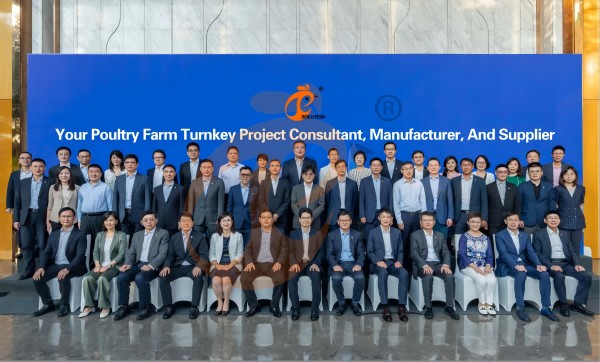
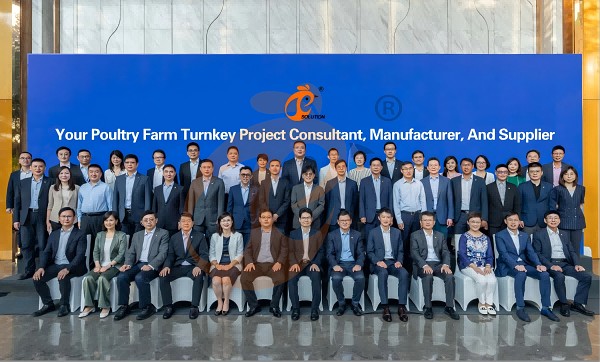
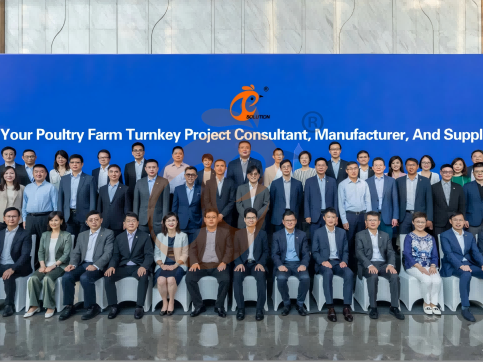
Hong Kong Headquarter Management Team
Hong Kong Headquarter Taiyu Industrial Group CO., LTD
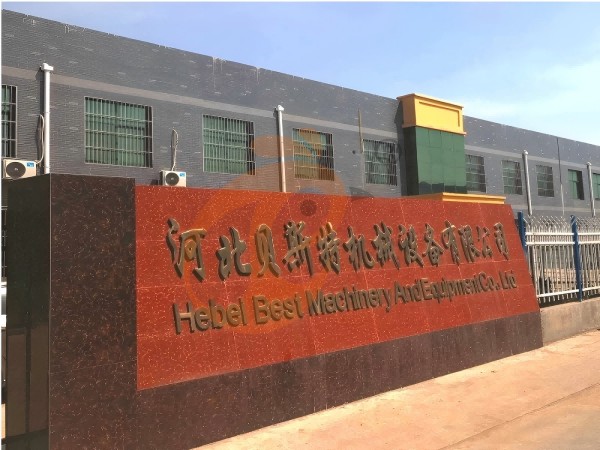
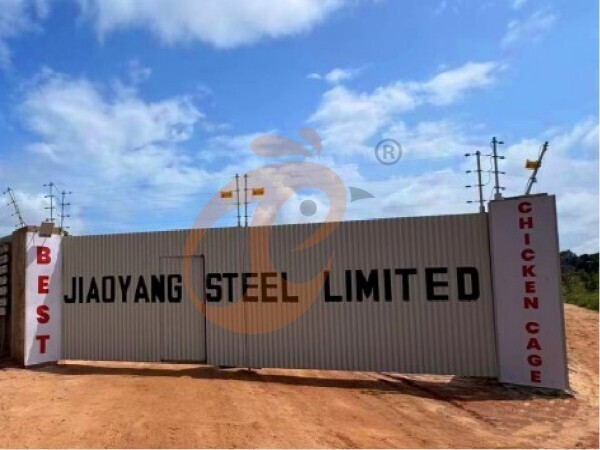
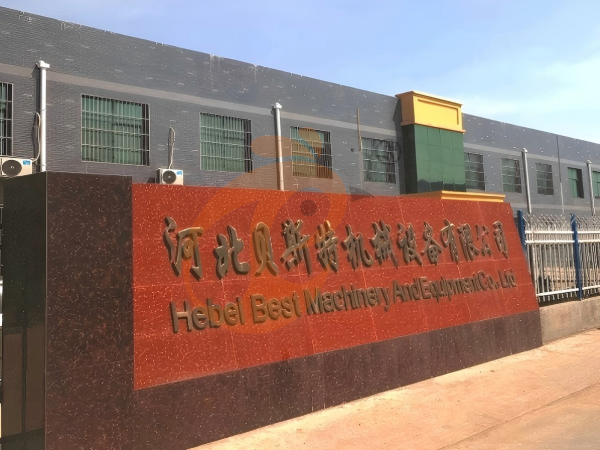
China Hebei Best Machinery And Equipment CO., LTD
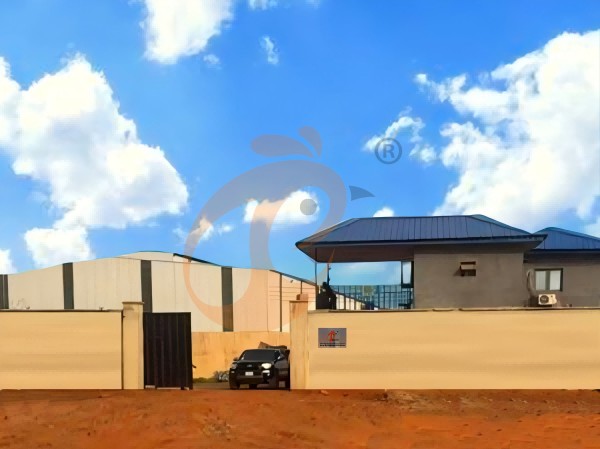
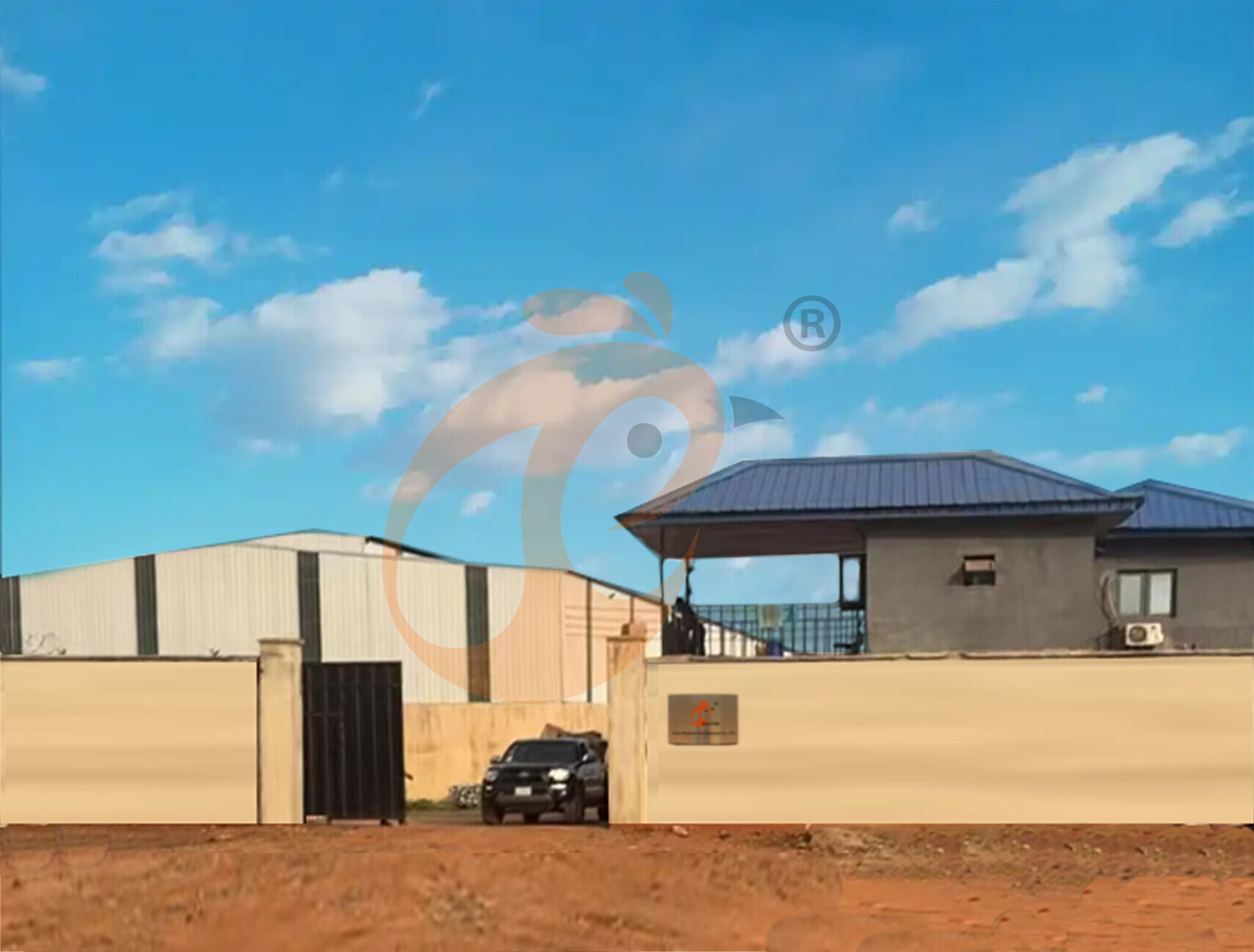
Nigeria Vanke Machinery And Equipment CO., LTD
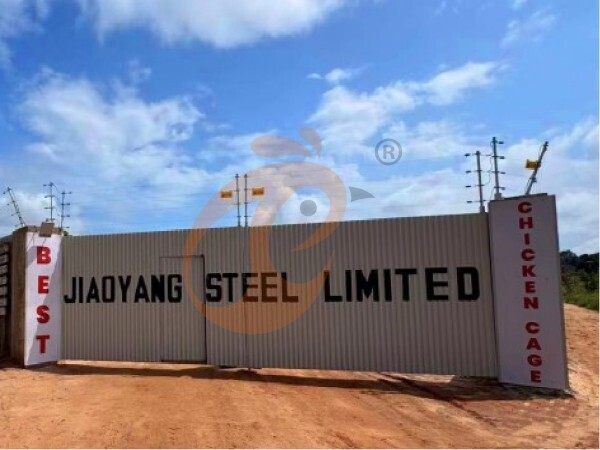
Tanzania Best Machinery And Equipment CO., LTD
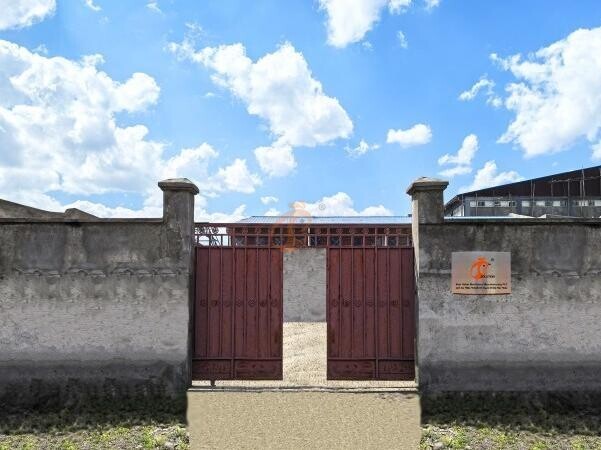
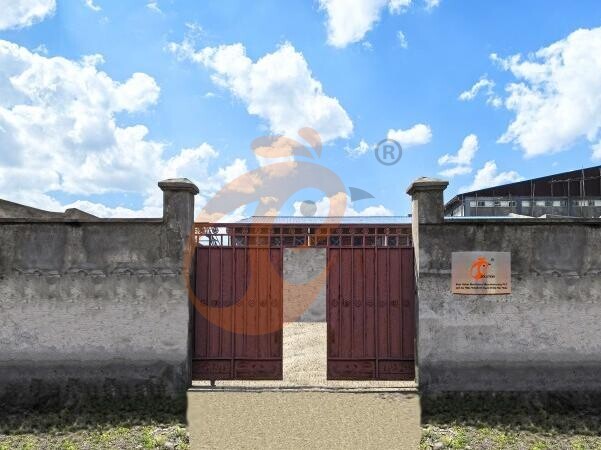
Ethiopia Best Hebei Machinery Manufacturing PLC
Reception /24 WhatsApp NO. : +8618830120193
FAQ
What Are The Litter Material Specifications In Deep Litter Poultry System For Poultry Chicken Production?
Rice husk usage ratio is set at 40%–60% of total bedding material mix.
Moisture absorption capacity reaches 250%–300% of dry litter weight.
What Are The Disease Control Measures In Deep Litter Poultry System For Poultry Chicken Houses?
Pathogen reduction efficiency reaches 70%–85% through fermentation and microbial activity.
Biosecurity entry concentration uses 0.08%–0.12% disinfectant solution for contamination control.
How Does Deep Litter System Affect Growth Efficiency In Poultry Chicken Farming?
Average daily gain increases by 8%–14% compared with bare floor systems.
Stress reduction improves uniformity rate to 86%–93% across production batches.
Message
Products recommended
 HK Headquarter Offers EU-standard Poultry Farm Solutions, Manufacture Poultry Farm Equipment1. Continuous communication with the EU and the US
2. China, Nigeria, Ethiopia, Tanzania branch companies and factories
3. The products’ quality is customized for local poultry farms
4. Poultry cage and poultry farm equipment stock for sale
5. 24 online reception Whatsapp NO. : +8618830120193,contact us to get full informationRead More China Branch Offer Poultry Farm Business Plan, Manufacture Poultry Farm Equipment1. Address: Flat/RM 2416, 24/F, Runxing Building, Youyi Nan Street, Shijiazhuang City, Hebei Province, China
2. Poultry cage and poultry farm equipment factory and stock for sale
3. Customized for local poultry farms
4. Quality and design are based on Euro
5. 24 online reception Whatsapp NO. : +8618830120193Read More Nigeria Branch Offer Poultry Farm Business Plan, Manufacture Poultry Farm Equipment1. Address: After Sinoma Office, 200 Meters Near Danco Filling Station, Lagos/Ibadan Expressway, Lagos State, Nigeria
2. Poultry cage and poultry farm equipment factory and stock for sale
3. Customized for Nigerian poultry farms
4. Quality and design are based on Euro
5. 24 online reception Whatsapp NO. : +8618830120193Read More Ethiopia Branch Offer Poultry Farm Business Plan, Manufacture Poultry Farm Equipment1. Address: Gelan Gura, Akaki-kaliti Sub City, Addis Ababa, Ethiopia
2. Poultry cage and poultry farm equipment stock for sale
3. Customized for Ethiopian poultry farms
4. Quality and design are based on Euro
5. 24 online reception Whatsapp NO. : +8618830120193, contact us to get price listRead More Tanzania Branch Offer Poultry Farm Business Plan, Manufacture Poultry Farm Equipment1. Address: No.8, Sova Road, Msufini, Mlandizi, Kibaha, Pwani, Tanzania
2. Poultry cage and poultry farm equipment factory and stock for sale
3. Customized for Tanzanian poultry farms
4. Quality and design are based on Euro
5. 24 online reception Whatsapp NO. : +8618830120193Read More Fully Automatic H Type Layer Chicken Cage1. 30,000-100,000+ layers/house chooses it, Poultry farmers can achieve an egg production rate of 96-98%
2. A significant improvement over the 85-90% typically seen in manual systems
3. A typical poultry farm can expect a 30-40% reduction in labor costs due to the automation
4. Each feeding line efficiently supplies feed to around 100,000 hens per 30 mins
5. Reception /WhatsApp NO. : +8618830120193Read More Fully Automatic A Type Layer Chicken Cage1. 10,000-50,000 layers/house chooses it
2. Cleaner egg collection reduces breakage by 0.5%
3. Improved hygiene helps reduce mortality rate to <3%
4. 1–2 technicians can handle 15,000–30,000 birds
5. Reception /WhatsApp NO. : +8618830120193Read More Semi Automatic H Type Layer Chicken Cage1. 1,00-20,000 layers/house chooses it
2. Nipple drinkers flow 30–60 ML / min
3. Hot-dip galvanized (typical coating ≥ 275 g/m²)
4. Reduce ammonia by ~ 35–40%
5. Reception /WhatsApp NO. : +8618830120193Read More Semi Automatic A Type Layer Chicken Cage1. 1,00-20,000 layers/house chooses it, no rust for 10 years, no deformation for 15 years
2. Chickens live comfortably, you can raise them with peace of mind
3. Save water, save money—efficiency you can measure
4. Improve environment quality, and increase egg production rate
5. Reception /WhatsApp NO. : +8618830120193Read More
By clicking 'Allow All', you agree to the storage of cookies on your device to enhance site navigation, analyze site usage and assist with our marketing efforts.