


Blog
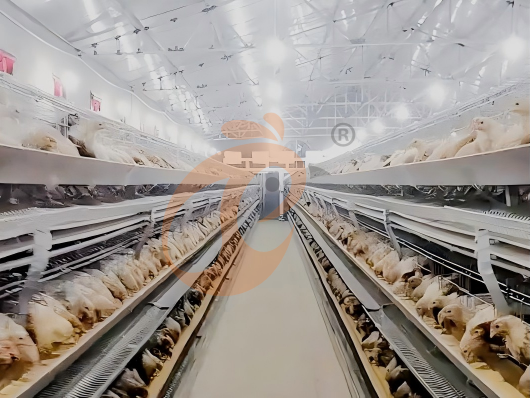
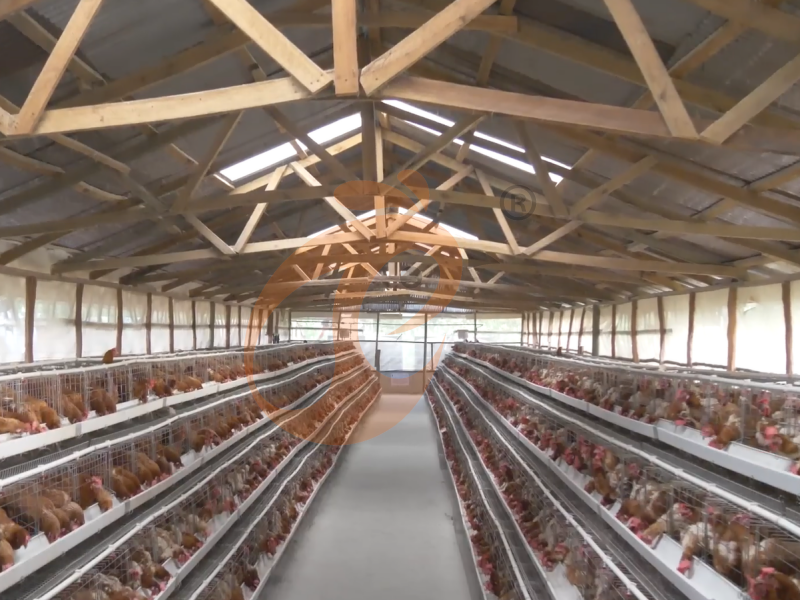
H type chicken cages are widely used in Ethiopian poultry farms to improve egg production.
High density layer farming allows urban and peri-urban farmers to maximize space efficiently.
Poultry farm efficiency is improved by reducing feed waste and labor requirements.
Egg production optimization ensures stable laying rates and reduced mortality.
Proper design and ventilation help maintain hen welfare and prevent diseases.
Get professional poultry farm construction guidance, equipment selection solutions, and the latest price lists, whatsApp to +8618830120193, click to learn more.

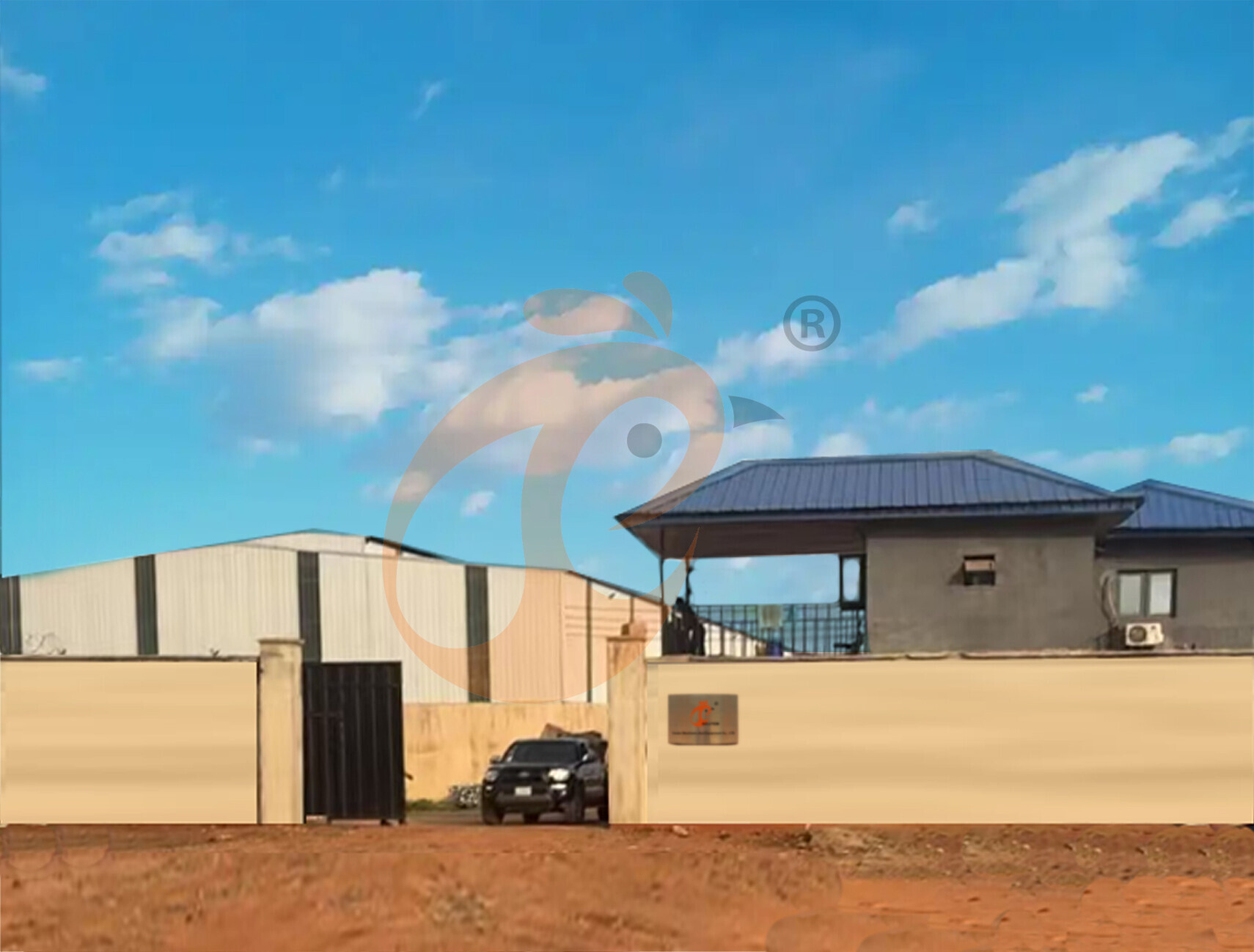
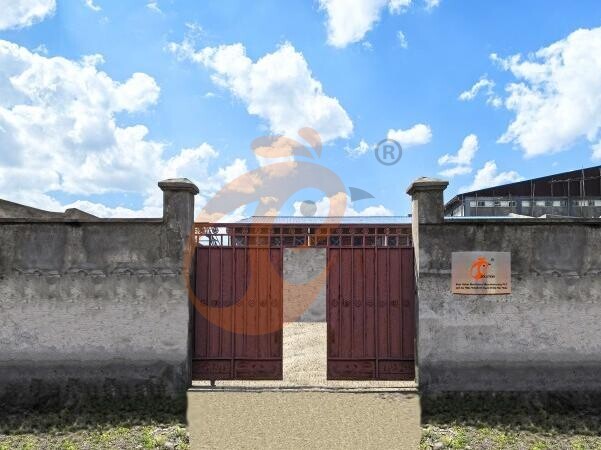
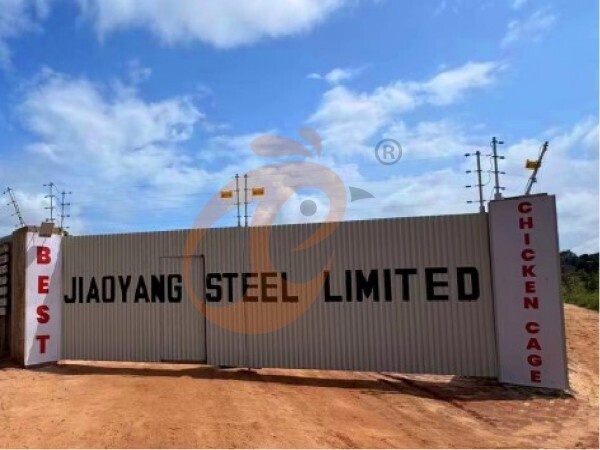
Ethiopia Branch Office And Factory Of Poultry Farm Equipment
Cage Structure And Design In Ethiopia
Data is for reference only. Swipe horizontally to view full table.
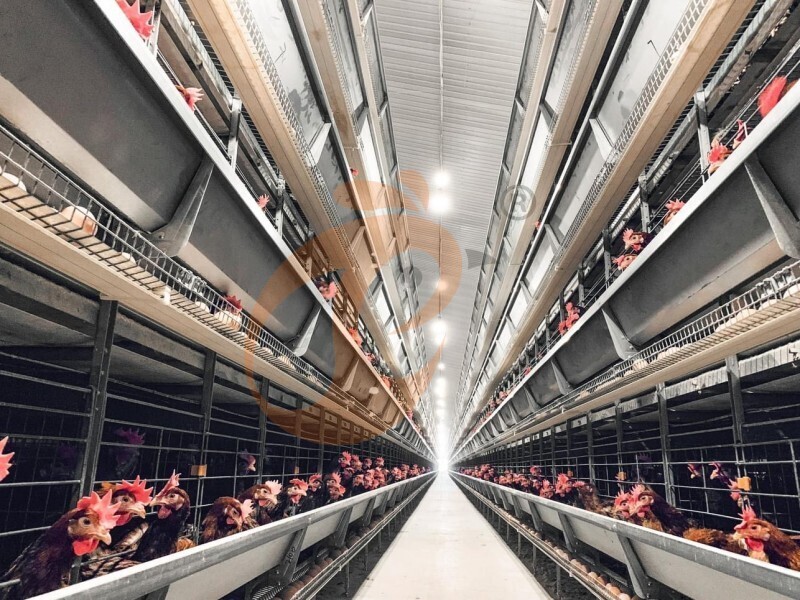
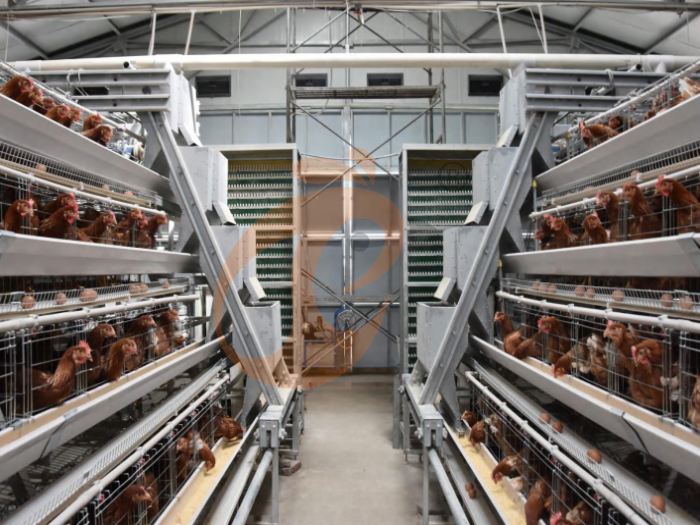
H type chicken cages are designed for layer chickens, featuring multiple tiers and optimized spacing to enhance management and egg collection.
The structure is typically composed of galvanized steel, which prevents rusting in humid regions such as the Ethiopian highlands.
Proper ventilation is integrated to maintain air quality and reduce respiratory disease risks.
The design allows Ethiopian farmers to optimize floor space in urban and peri-urban areas where land is scarce.
Multiple tiers enable vertical expansion, supporting more hens per square meter without compromising animal welfare.
Impact On Egg Production Efficiency
Data is for reference only. Swipe horizontally to view full table.
Using H type cages improves production efficiency in Ethiopian poultry farms by providing structured housing that simplifies feed management, watering, and egg collection.
Stable environments reduce stress among layers, promoting consistent laying patterns and supporting high-density layer farming.
Farmers in Addis Ababa and Bahir Dar have reported a 25-30% increase in egg output after transitioning from traditional floor systems to H type cages.
This increase directly improves poultry farm efficiency in high density areas.
Feed Management And Optimization
Data is for reference only. Swipe horizontally to view full table.
Feed constitutes the largest operating cost in Ethiopian layer farms.
H type cages facilitate controlled feed distribution, minimizing wastage and ensuring all layers receive adequate nutrition.
Automated feeders can be installed for larger farms, while small scale farmers benefit from manual feeding without significant labor strain.
This efficiency reduces overall production costs and supports egg production optimization across Ethiopian poultry farms.
Health Management And Disease Control
Data is for reference only. Swipe horizontally to view full table.
H type cages support biosecurity measures essential for disease prevention in Ethiopia, where Newcastle disease and Avian Influenza pose ongoing threats.
The cages allow for easy cleaning, isolation of sick birds, and controlled human access to minimize contamination.
By facilitating health management, H type cages help reduce losses and improve the overall viability of poultry farm efficiency.
Water Management And Welfare
Data is for reference only. Swipe horizontally to view full table.
Access to clean water is a critical challenge in rural Ethiopia.
H type cages incorporate automated or nipple watering systems that ensure continuous supply, reduce contamination, and minimize water wastage.
These systems improve layer welfare and productivity while addressing water scarcity issues in regions such as Oromia and Amhara.
Environmental Control
Data is for reference only. Swipe horizontally to view full table.
Temperature and humidity management in Ethiopian poultry farms are crucial due to seasonal variations.
H type cages facilitate natural and forced ventilation systems that maintain optimal microclimates within the layer house.
Maintaining these environmental parameters supports stable egg production and reduces stress related health issues, contributing to egg production optimization.
Economic Benefits And Return On Investment
Data is for reference only. Swipe horizontally to view full table.
Adopting H type cages contributes to cost efficiency in feed, labor, and space utilization.
These cages are particularly suited for Ethiopian smallholder and commercial farms where financial resources are constrained, providing a clear path toward scaling operations.
Farmers in urban hubs like Addis Ababa report positive cash flows within two production cycles.
(European union standard reference only)
Local Adaptations And Future Prospects
Data is for reference only. Swipe horizontally to view full table.
In Ethiopia, integrating local materials and practices can further optimize cage implementation.
Local bamboo or treated timber can be used for ancillary structures, while solar powered fans and automated systems can enhance energy efficiency in off grid regions.
These adaptations ensure H type cages remain practical and culturally appropriate for Ethiopia's layer farming challenges.
Strategic Advantages Of H Type Chicken Cages For Ethiopian Farmers
Implementing H type chicken cages provides long term strategic benefits beyond immediate egg output.
Optimized space utilization vertical tier systems allow farms to house more hens per square meter, addressing land scarcity in urban and peri-urban areas.
Consistent egg production structured housing reduces stress, stabilizes laying cycles, and improves overall flock performance.
Operational efficiency feed and water distribution systems minimize waste by 15-20%, while labor requirements drop 20-25%, enhancing profitability.
Health and biosecurity easy cleaning, daily mortality monitoring, and controlled human access reduce disease risk, including Newcastle disease and Avian Influenza.
Scalable investment modular cage design supports phased expansion, enabling farmers to increase production without large upfront costs.
By combining these advantages, H type cages provide a practical, profitable, and sustainable solution for modern Ethiopian poultry farms.
Ethiopia Best Hebei Machinery Manufacturing Plc - One Of Ethiopia Largest H Type Chicken Cages Manufacturer
The company provides global factory direct sales for poultry farm equipment.
HB best specializes in high quality poultry cages suitable for all farm sizes.
Turn key projects are offered, including installation, training, and operational support.
The company ensures energy efficient systems such as solar powered ventilation.
Comprehensive after sales service guarantees ongoing support for Ethiopian farmers.
Contact Us To Received Your Customized Poultry Farm Plan
Headquarters And Branchs

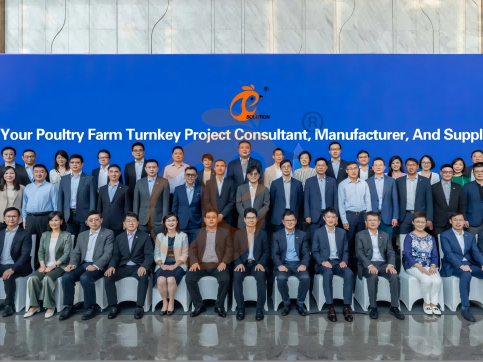
Hong Kong Headquarter Management Team
Hong Kong Headquarter Taiyu Industrial Group CO., LTD
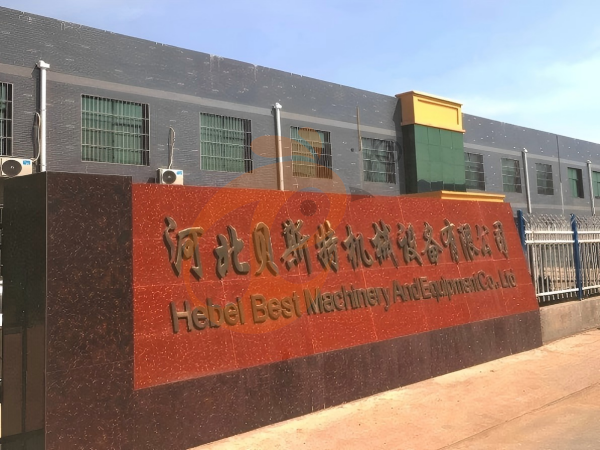
China Hebei Best Machinery And Equipment CO., LTD
Nigeria Vanke Machinery And Equipment CO., LTD
Tanzania Best Machinery And Equipment CO., LTD
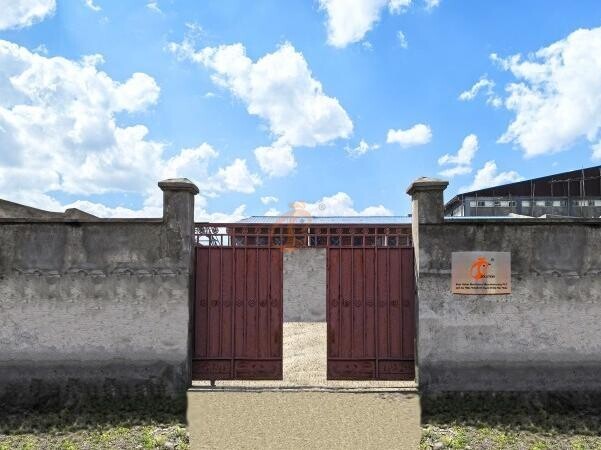
Ethiopia Best Hebei Machinery Manufacturing PLC
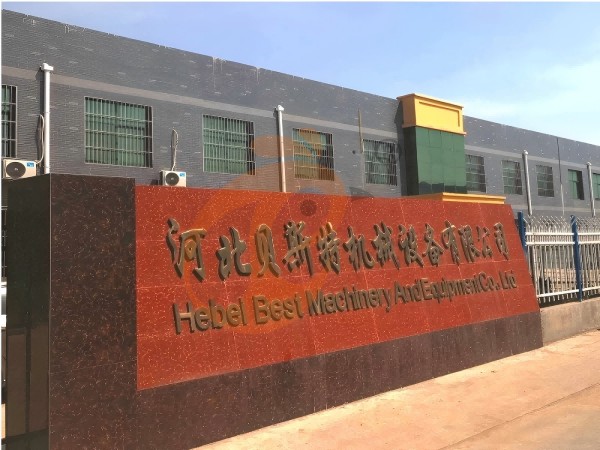
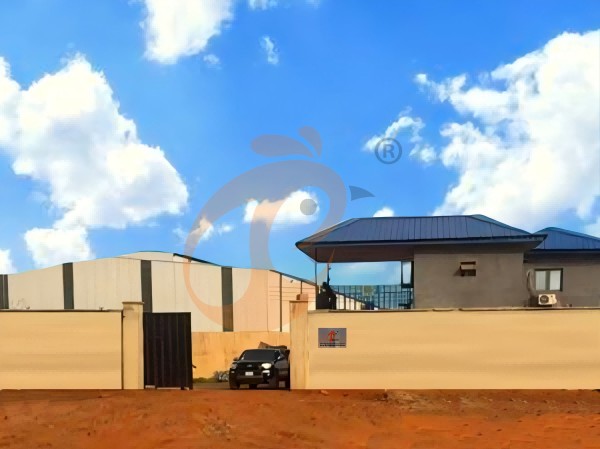
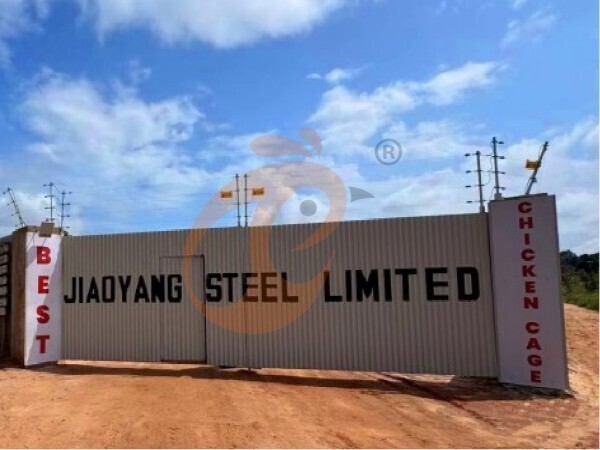
Reception /24 WhatsApp NO. : +8618830120193
FAQ
How To Implement Egg Collection System In A-Type Layer Cage Farm?
Single or double belt options
Daily egg yield: 900–960 eggs/1,000 birds
Egg breakage rate <1%
Labor savings: 50–70%
How To Maintain Optimal Humidity In A-Type Chicken Cage House?
Good ventilation reduces mold
Egg production rate: 90–96%
Mortality rate: 2–3%
FCR: 1.9–2.2
What Are The Advantages Of A-Type Chicken Cage For Stress Reduction?
Good air circulation
Reduces pecking and crowding stress
Mortality rate: 2–3%
Egg production rate: 90–96%
Message
Products recommended
 HK Headquarter Offers EU-standard Poultry Farm Solutions, Manufacture Poultry Farm Equipment1. Continuous communication with the EU and the US
2. China, Nigeria, Ethiopia, Tanzania branch companies and factories
3. The products’ quality is customized for local poultry farms
4. Poultry cage and poultry farm equipment stock for sale
5. 24 online reception Whatsapp NO. : +8618830120193,contact us to get full informationRead More China Branch Offer Poultry Farm Business Plan, Manufacture Poultry Farm Equipment1. Address: Flat/RM 2416, 24/F, Runxing Building, Youyi Nan Street, Shijiazhuang City, Hebei Province, China
2. Poultry cage and poultry farm equipment factory and stock for sale
3. Customized for local poultry farms
4. Quality and design are based on Euro
5. 24 online reception Whatsapp NO. : +8618830120193Read More Nigeria Branch Offer Poultry Farm Business Plan, Manufacture Poultry Farm Equipment1. Address: After Sinoma Office, 200 Meters Near Danco Filling Station, Lagos/Ibadan Expressway, Lagos State, Nigeria
2. Poultry cage and poultry farm equipment factory and stock for sale
3. Customized for Nigerian poultry farms
4. Quality and design are based on Euro
5. 24 online reception Whatsapp NO. : +8618830120193Read More Ethiopia Branch Offer Poultry Farm Business Plan, Manufacture Poultry Farm Equipment1. Address: Gelan Gura, Akaki-kaliti Sub City, Addis Ababa, Ethiopia
2. Poultry cage and poultry farm equipment stock for sale
3. Customized for Ethiopian poultry farms
4. Quality and design are based on Euro
5. 24 online reception Whatsapp NO. : +8618830120193, contact us to get price listRead More Tanzania Branch Offer Poultry Farm Business Plan, Manufacture Poultry Farm Equipment1. Address: No.8, Sova Road, Msufini, Mlandizi, Kibaha, Pwani, Tanzania
2. Poultry cage and poultry farm equipment factory and stock for sale
3. Customized for Tanzanian poultry farms
4. Quality and design are based on Euro
5. 24 online reception Whatsapp NO. : +8618830120193Read More Fully Automatic H Type Layer Chicken Cage1. 30,000-100,000+ layers/house chooses it, Poultry farmers can achieve an egg production rate of 96-98%
2. A significant improvement over the 85-90% typically seen in manual systems
3. A typical poultry farm can expect a 30-40% reduction in labor costs due to the automation
4. Each feeding line efficiently supplies feed to around 100,000 hens per 30 mins
5. Reception /WhatsApp NO. : +8618830120193Read More Fully Automatic A Type Layer Chicken Cage1. 10,000-50,000 layers/house chooses it
2. Cleaner egg collection reduces breakage by 0.5%
3. Improved hygiene helps reduce mortality rate to <3%
4. 1–2 technicians can handle 15,000–30,000 birds
5. Reception /WhatsApp NO. : +8618830120193Read More Semi Automatic H Type Layer Chicken Cage1. 1,00-20,000 layers/house chooses it
2. Nipple drinkers flow 30–60 ML / min
3. Hot-dip galvanized (typical coating ≥ 275 g/m²)
4. Reduce ammonia by ~ 35–40%
5. Reception /WhatsApp NO. : +8618830120193Read More Semi Automatic A Type Layer Chicken Cage1. 1,00-20,000 layers/house chooses it, no rust for 10 years, no deformation for 15 years
2. Chickens live comfortably, you can raise them with peace of mind
3. Save water, save money—efficiency you can measure
4. Improve environment quality, and increase egg production rate
5. Reception /WhatsApp NO. : +8618830120193Read More
By clicking 'Allow All', you agree to the storage of cookies on your device to enhance site navigation, analyze site usage and assist with our marketing efforts.