






Blog
Floor rearing lighting, poultry house led lighting, and chicken house lighting system management improve bird welfare, production efficiency, environmental control, and lighting consistency throughout every growth stage.
- Proper lighting programs influence feeding behavior, resting cycles, skeletal development, immunity, and flock uniformity under commercial floor rearing conditions.
- Scientific lighting design combines light intensity, photoperiod, spectrum selection, dimming technology, and routine maintenance to create a stable indoor environment.
- Modern led solutions reduce electricity consumption, simplify daily operation, improve illumination consistency, and support long term poultry house management with reliable performance.
- Practical management guidelines, engineering recommendations, reference data, and maintenance strategies provide producers with measurable methods for achieving stable production performance.
Get professional poultry farm construction guidance, equipment selection solutions, and the latest price lists, whatsApp to +8618830120193, +2348111199996, or click to learn more.
Why Lighting Matters In Floor Rearing
Lighting is one of the most influential environmental factors in a floor rearing system.
Unlike cage production, birds raised on litter floors have greater freedom to move, forage, perch, and express natural behaviors.
Proper lighting management directly affects feed intake, growth performance, skeletal development, immunity, stress response, and flock uniformity.
Instead, successful producers integrate floor rearing lighting programs with light intensity, photoperiod, spectrum, dimming, and equipment maintenance into one complete environmental management strategy.
When these factors remain balanced, birds become calmer, healthier, and more productive.
Data is for reference only.Swipe horizontally to view full table.
Establish An Age-Based Lighting Program
Lighting requirements change continuously as birds grow.
Newly placed chicks require brighter conditions to locate feeders and drinkers quickly after placement.
As body weight increases, illumination and daily lighting duration should gradually decrease to encourage regular resting behavior and reduce unnecessary activity.
Abrupt adjustments should always be avoided because sudden lighting changes may trigger crowding, panic movement, or wing injuries.
Progressive lighting schedules improve adaptation while supporting stable growth performance throughout the production cycle.
Data is for reference only.Swipe horizontally to view full table.
Science Behind Poultry Vision
Chickens perceive light differently from humans because their visual system detects ultraviolet wavelengths and much higher flicker frequencies.
Poor quality lamps may appear stable to workers while producing visible flicker from the birds' perspective.
Modern poultry house led lighting systems with stable drivers provide smoother illumination, encouraging natural feeding behavior, exploration, resting activity, and overall welfare.
Scientific observations also indicate that uninterrupted dark periods contribute to hormone regulation and circadian rhythm development throughout commercial production.
Maintain Uniform Light Distribution
Uniform illumination is equally important as brightness.
Dark corners discourage movement, while concentrated bright areas encourage unnecessary gathering around selected locations.
Balanced fixture spacing creates more consistent bird distribution across feeders, drinkers, litter areas, and resting zones.
Engineered lighting layouts also improve environmental monitoring because bird activity becomes more evenly distributed throughout the poultry house.
Data is for reference only.Swipe horizontally to view full table.
Apply Gradual Sunrise And Sunset Transitions
Automatic dimming systems gradually increase and decrease illumination instead of switching lights instantly.
Progressive transitions provide birds sufficient time to access feeders, drinkers, or resting locations before complete darkness.
Stable lighting transitions reduce sudden movement while improving flock calmness during daily environmental changes.
Data is for reference only.Swipe horizontally to view full table.
Select Suitable LED Lighting
Led lighting technology offers longer operating life, stable illumination, lower maintenance frequency, and improved electrical efficiency compared with many conventional lighting systems.
Selection should consider luminous output, waterproof protection, beam angle, driver stability, and color temperature instead of wattage alone.
Data is for reference only.Swipe horizontally to view full table.
Maintenance And Inspection Strategy
Routine maintenance ensures lighting performance remains stable across long production cycles.
Dust accumulation, humidity exposure, and electrical aging gradually reduce real illumination levels even when systems appear functional.
Regular inspection schedules help maintain consistent output across brooding, growing, and finishing phases in floor rearing houses.
Data is for reference only.Swipe horizontally to view full table.
Lighting Mistakes In Commercial Houses
Operational errors in lighting management often create more problems than equipment limitations.
Inconsistent schedules, uneven fixture layout, and lack of measurement verification can reduce production efficiency and increase bird stress levels.
Proper engineering planning eliminates irregular brightness zones and improves flock uniformity across the entire poultry house.
Data is for reference only.Swipe horizontally to view full table.
Performance Optimization Results
Data is for reference only.Swipe horizontally to view full table.
Frequently Asked Questions
Q1: How many hours of light are required for floor rearing systems?
A1: Typical commercial floor rearing systems require 23 hours during early brooding and gradually reduce to 16 hours in later stages.
Continuous dark periods of 1 to 8 hours support normal circadian rhythm development.
Q2: What is the recommended light intensity for poultry houses?
A2: Standard illumination ranges from 30 lux during brooding to 15–20 lux during grow out stages.
Uniform distribution across feeding and drinking zones improves flock movement consistency.
Q3: Why is led lighting preferred in modern poultry houses?
A3: Led systems provide stable output, lower heat generation, and longer operational lifespan up to 50000 hours.
Energy consumption can reach approximately 12w per fixture in commercial setups.
Taiyu (HK) Group - One Of China Largest Floor Rearing Lighting Manufacturer
- Floor rearing lighting system integrates poultry house illumination engineering, delivering stable photoperiod control and uniform light distribution for commercial poultry production.
- Global factory direct supply enables cost effective manufacturing and export services for large scale poultry equipment projects worldwide.
- Full poultry equipment portfolio supports automated environmental control systems, including ventilation, feeding, and lighting integration.
- Turn key engineering solutions provide complete project design, installation, commissioning, and after sales technical support for poultry farm construction.
- International supply chain management ensures stable delivery capacity for industrial scale poultry housing projects and modernization upgrades.
Contact Us To Received Your Customized Poultry Farm Plan
Headquarters And Branchs
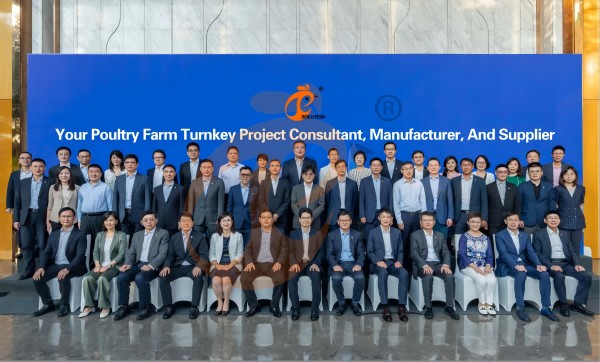
Hong Kong Headquarter Management Team
Hong Kong Headquarter Taiyu Industrial Group CO., LTD
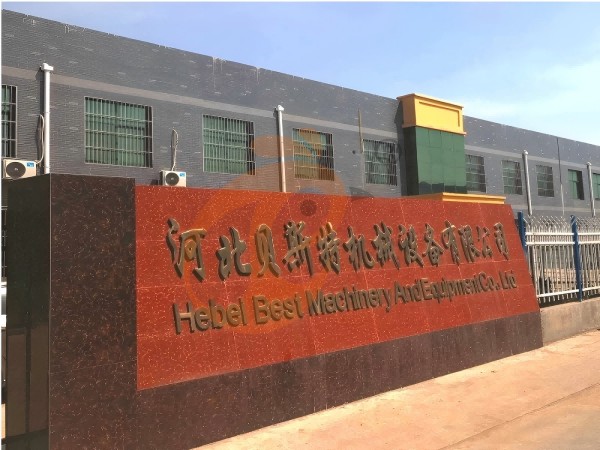
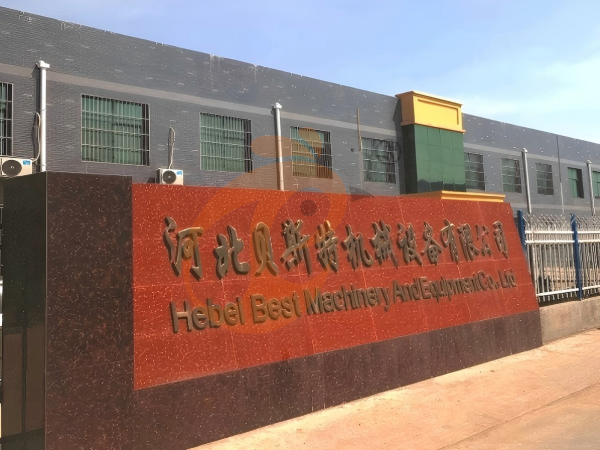
China Hebei Best Machinery And Equipment CO., LTD
Nigeria Vanke Machinery And Equipment CO., LTD
Tanzania Best Machinery And Equipment CO., LTD
Ethiopia Best Hebei Machinery Manufacturing PLC
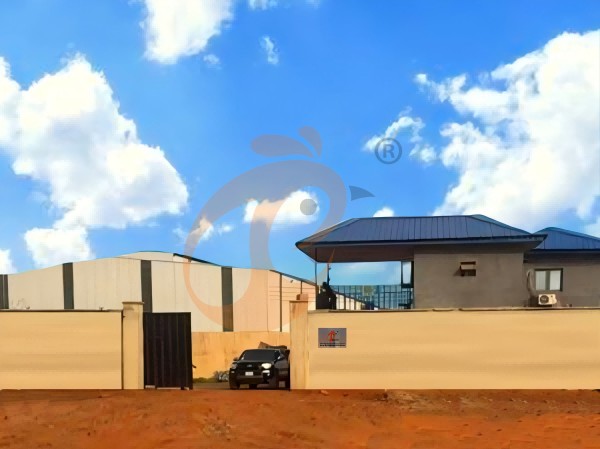
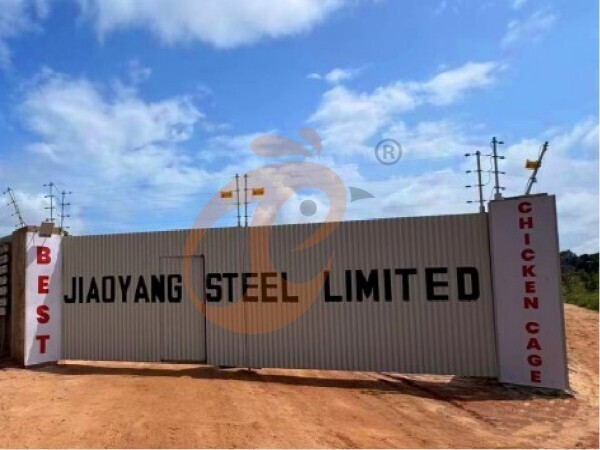
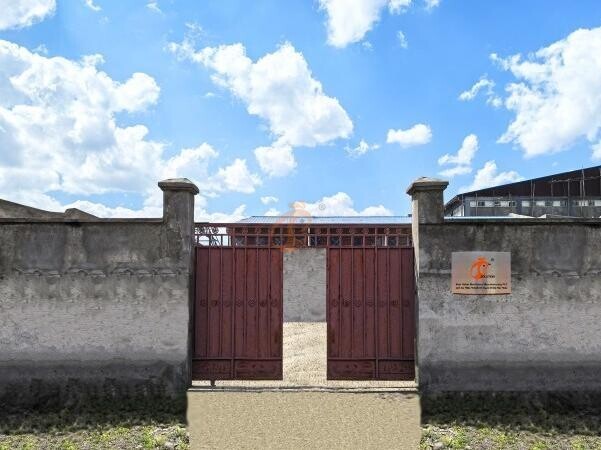
Reception /24 WhatsApp NO. : +8618830120193
FAQ
What Growth Performance Indicators Are Expected In Floor Rearing Poultry System?
Feed conversion ratio is maintained at 1.65–1.85 for commercial broilers.
Market slaughter age ranges from 38–45 days depending on breed selection.
What Disease Control Standards Apply In Floor Rearing Poultry System?
Flock vaccination coverage reaches 90%–98% depending on disease prevention program.
Pathogen reduction targets aim for 80%–90% decrease in bacterial load.
What Are The Manure Management Requirements In Floor Rearing Poultry System?
Ammonia emission control targets remain below 15 ppm through regular cleaning cycles.
Dry matter content is maintained above 65% to improve composting efficiency.
Message
Products recommended
 HK Headquarter Offers EU-standard Poultry Farm Solutions, Manufacture Poultry Farm Equipment1. Continuous communication with the EU and the US
2. China, Nigeria, Ethiopia, Tanzania branch companies and factories
3. The products’ quality is customized for local poultry farms
4. Poultry cage and poultry farm equipment stock for sale
5. 24 online reception Whatsapp NO. : +8618830120193,contact us to get full informationRead More China Branch Offer Poultry Farm Business Plan, Manufacture Poultry Farm Equipment1. Address: Flat/RM 2416, 24/F, Runxing Building, Youyi Nan Street, Shijiazhuang City, Hebei Province, China
2. Poultry cage and poultry farm equipment factory and stock for sale
3. Customized for local poultry farms
4. Quality and design are based on Euro
5. 24 online reception Whatsapp NO. : +8618830120193Read More Nigeria Branch Offer Poultry Farm Business Plan, Manufacture Poultry Farm Equipment1. Address: After Sinoma Office, 200 Meters Near Danco Filling Station, Lagos/Ibadan Expressway, Lagos State, Nigeria
2. Poultry cage and poultry farm equipment factory and stock for sale
3. Customized for Nigerian poultry farms
4. Quality and design are based on Euro
5. 24 online reception Whatsapp NO. : +8618830120193Read More Ethiopia Branch Offer Poultry Farm Business Plan, Manufacture Poultry Farm Equipment1. Address: Gelan Gura, Akaki-kaliti Sub City, Addis Ababa, Ethiopia
2. Poultry cage and poultry farm equipment stock for sale
3. Customized for Ethiopian poultry farms
4. Quality and design are based on Euro
5. 24 online reception Whatsapp NO. : +8618830120193, contact us to get price listRead More Tanzania Branch Offer Poultry Farm Business Plan, Manufacture Poultry Farm Equipment1. Address: No.8, Sova Road, Msufini, Mlandizi, Kibaha, Pwani, Tanzania
2. Poultry cage and poultry farm equipment factory and stock for sale
3. Customized for Tanzanian poultry farms
4. Quality and design are based on Euro
5. 24 online reception Whatsapp NO. : +8618830120193Read More Fully Automatic H Type Layer Chicken Cage1. 30,000-100,000+ layers/house chooses it, Poultry farmers can achieve an egg production rate of 96-98%
2. A significant improvement over the 85-90% typically seen in manual systems
3. A typical poultry farm can expect a 30-40% reduction in labor costs due to the automation
4. Each feeding line efficiently supplies feed to around 100,000 hens per 30 mins
5. Reception /WhatsApp NO. : +8618830120193Read More Fully Automatic A Type Layer Chicken Cage1. 10,000-50,000 layers/house chooses it
2. Cleaner egg collection reduces breakage by 0.5%
3. Improved hygiene helps reduce mortality rate to <3%
4. 1–2 technicians can handle 15,000–30,000 birds
5. Reception /WhatsApp NO. : +8618830120193Read More Semi Automatic H Type Layer Chicken Cage1. 1,00-20,000 layers/house chooses it
2. Nipple drinkers flow 30–60 ML / min
3. Hot-dip galvanized (typical coating ≥ 275 g/m²)
4. Reduce ammonia by ~ 35–40%
5. Reception /WhatsApp NO. : +8618830120193Read More Semi Automatic A Type Layer Chicken Cage1. 1,00-20,000 layers/house chooses it, no rust for 10 years, no deformation for 15 years
2. Chickens live comfortably, you can raise them with peace of mind
3. Save water, save money—efficiency you can measure
4. Improve environment quality, and increase egg production rate
5. Reception /WhatsApp NO. : +8618830120193Read More

By clicking 'Allow All', you agree to the storage of cookies on your device to enhance site navigation, analyze site usage and assist with our marketing efforts.