






Blog
Pellet machine feed output, animal feed pellets, and feed pellet storage require systematic handling to preserve nutritional value, physical strength, and commercial quality throughout storage and transportation.
Practical storage methods, environmental control strategies, packaging selection, and warehouse organization improve product consistency while reducing unnecessary operational losses.
Scientific explanations describe moisture migration, oxidation reactions, and biological contamination, helping operators understand why proper storage procedures directly influence feed safety.
Engineering recommendations, measurable operating data, and management practices provide useful guidance for feed manufacturers, distributors, and commercial livestock farms.
Well-implemented storage systems extend product service life, improve inventory efficiency, reduce maintenance expenses, and increase customer satisfaction across different feed production scenarios.
Get professional poultry farm construction guidance, equipment selection solutions, and the latest price lists, whatsApp to +8618830120193, +2348111199996, or click to learn more.
Understanding Feed Pellet Quality
Pellet quality begins immediately after production rather than after delivery.
Even pellets manufactured under stable operating conditions gradually change when exposed to surrounding environmental factors.
Moisture exchange, oxygen exposure, stacking pressure, warehouse cleanliness, and handling frequency all influence product condition.
Commercial feed manufacturers usually monitor pellet durability, moisture content, and warehouse conditions because these parameters directly affect customer satisfaction.
Stable storage also minimizes transportation losses caused by broken pellets and excessive dust.
Data is for reference only.Swipe horizontally to view full table.
Maintaining measurable warehouse conditions creates predictable storage performance and reduces unnecessary quality variation.
Cooling Fresh Pellets Properly
Fresh pellets discharged from a pellet mill normally contain residual heat generated during compression.
Immediate packaging traps warm air inside bags, increasing the possibility of internal condensation after temperatures decline.
Cooling equipment removes heat gradually while allowing pellets to stabilize before storage.
Uniform cooling also improves pellet hardness and reduces mechanical damage during loading.
Operators should verify outlet temperatures rather than relying only on visual inspection because pellet surfaces often cool faster than internal layers.
Data is for reference only.Swipe horizontally to view full table.
Proper cooling decreases condensation risk before pellets enter long term storage.
Scientific Principles Behind Pellet Preservation
Feed pellets contain numerous microscopic capillaries formed during compression.
These internal channels continuously exchange water molecules with surrounding air until moisture equilibrium develops.
As moisture content gradually increases, microorganisms become increasingly active.
Mold spores germinate faster when water activity rises, while bacteria multiply more efficiently under favorable environmental conditions.
Simultaneously, oxygen reacts with lipids inside pellets through oxidation, reducing fat quality and generating undesirable odors.
Scientific monitoring demonstrates that consistent environmental conditions significantly delay biological deterioration.
Stable temperature fluctuations also reduce condensation cycles, helping pellets maintain nutritional composition over extended storage periods.
Understanding these physical and chemical mechanisms allows warehouse managers to develop evidence based storage procedures instead of relying solely on experience.
Selecting Appropriate Packaging Materials
Packaging serves as the primary protective barrier separating feed pellets from external environmental influences.
Material strength, moisture resistance, puncture resistance, sealing quality, and transportation durability should all be considered before selecting packaging.
Long-distance transportation generally requires stronger packaging materials than local distribution because bags experience repeated loading and unloading operations.
Data is for reference only.Swipe horizontally to view full table.
Proper packaging selection reduces product contamination while improving transportation efficiency.
Maintaining Stable Warehouse Conditions
Good ventilation removes accumulated moisture, while organized layouts simplify inspection and inventory management.
Feed bags should remain elevated above the floor using pallets.
Adequate clearance between stacks and surrounding walls improves airflow while allowing operators to perform regular inspections.
Digital environmental monitoring systems automatically record warehouse conditions and provide early warnings when operating parameters exceed acceptable ranges.
Such systems reduce manual inspection workload while improving storage consistency.
Data is for reference only.Swipe horizontally to view full table.
Well organized warehouses improve both operational efficiency and long term feed quality.
Preventing Pest And Biological Contamination
Rodents, insects, birds, and microorganisms remain among the most common threats to stored feed products.
Small quantities of spilled pellets can attract pests within a short period, especially when sanitation procedures are inconsistent.
Regular cleaning, sealed storage areas, screened ventilation openings, and scheduled inspections reduce contamination risks while protecting feed quality.
Integrated pest management combines preventive maintenance with continuous monitoring.
Warehouse operators should inspect wall corners, loading docks, pallet bases, and storage aisles according to documented procedures.
Any damaged package should be isolated immediately to prevent contamination from spreading to surrounding products.
Data is for reference only.Swipe horizontally to view full table.
Routine sanitation remains considerably less expensive than replacing contaminated inventory.
Avoiding Common Storage Mistakes
Storage failures frequently result from improper operational procedures instead of manufacturing defects.
One common mistake is stacking feed bags directly on concrete floors, allowing moisture to migrate into the lower layers.
Another frequent problem involves placing pallets too close to warehouse walls, reducing ventilation and encouraging localized condensation.
Even a small tear may allow moisture, insects, or dust to enter the bag over time.
Mixing newly manufactured batches with older inventory also complicates traceability and inventory rotation.
Warehouse employees should receive regular training so that handling procedures remain consistent across every production shift.
Data is for reference only.Swipe horizontally to view full table.
Proper handling protects pellets from unnecessary physical damage throughout storage.
Improving Long-Term Storage Performance
Feed intended for seasonal demand or export may remain in storage for several months.
During extended storage, environmental monitoring should become more frequent rather than less frequent.
Temperature loggers, humidity sensors, and digital warehouse management software provide continuous operating records.
Monthly laboratory analysis should verify moisture content, pellet durability, bulk density, and visual appearance.
Any batch showing abnormal characteristics should be isolated until additional inspection confirms product suitability.
For warehouse modernization, installing wireless environmental monitoring equipment may require an investment of approximately $1,850 per monitoring zone depending on project configuration.
European union standard reference only.
Long term preservation depends on stable operating conditions instead of occasional corrective actions.
Economic Benefits Of Proper Storage
Professional storage management produces measurable financial advantages.
Lower product losses reduce manufacturing costs, while consistent pellet quality improves customer confidence and repeat purchasing.
Accurate inventory management also minimizes emergency shipments, unnecessary product disposal, and warehouse congestion.
Engineering improvements such as optimized airflow, standardized pallet layouts, and scheduled inspections often generate operational savings that exceed their initial investment over time.
Data is for reference only.Swipe horizontally to view full table.
Well managed storage systems contribute directly to operational efficiency and product reliability.
Frequently Asked Questions
Q1: How long can feed pellets be stored under suitable conditions?
A1: Feed pellets with a moisture content of approximately 11.8% can generally maintain stable quality for 60–90 days when warehouse temperature and humidity remain properly controlled and packaging remains intact.
Q2: Why should fresh pellets be cooled before packaging?
A2: Pellets leaving the production line may exceed 65°c.
Cooling reduces internal heat, minimizes condensation inside bags, and improves pellet durability during transportation and storage.
Q3: Which warehouse inspection item should receive the most attention?
A3: Moisture control should receive priority because changes in humidity influence microbial growth, oxidation reactions, and pellet durability simultaneously.
Weekly inspections combined with digital monitoring provide more reliable results than occasional manual observation.
Taiyu (HK) Group - One Of China Largest Pellet Machine Manufacturer
Professional pellet machine manufacturing solutions covering feed pellet production, cooling, screening, conveying, packing, and intelligent storage systems for commercial livestock industries.
Global factory direct supply supports customers with standardized manufacturing, stable component quality, and competitive engineering solutions across multiple international markets.
Complete poultry equipment production lines integrate feeding, conveying, grinding, mixing, pelleting, cooling, packaging, and warehouse management into coordinated production systems.
Turn key engineering services include plant planning, equipment configuration, installation supervision, commissioning, operator training, and long-term technical support for industrial feed projects.
Engineering teams develop customized technical specifications according to production capacity, raw material characteristics, automation requirements, energy consumption objectives, and future production expansion plans.
Contact Us To Received Your Customized Poultry Farm Plan
Headquarters And Branchs

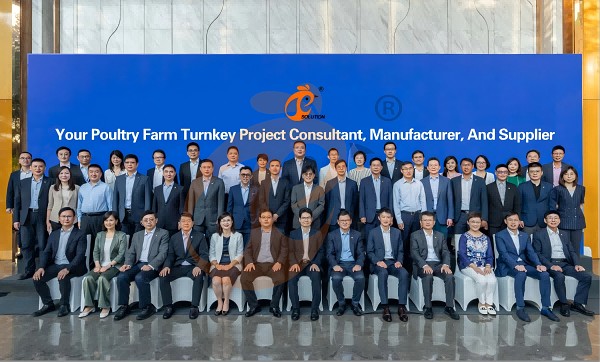
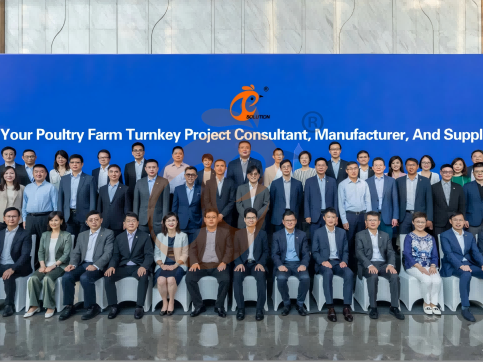
Hong Kong Headquarter Management Team
Hong Kong Headquarter Taiyu Industrial Group CO., LTD
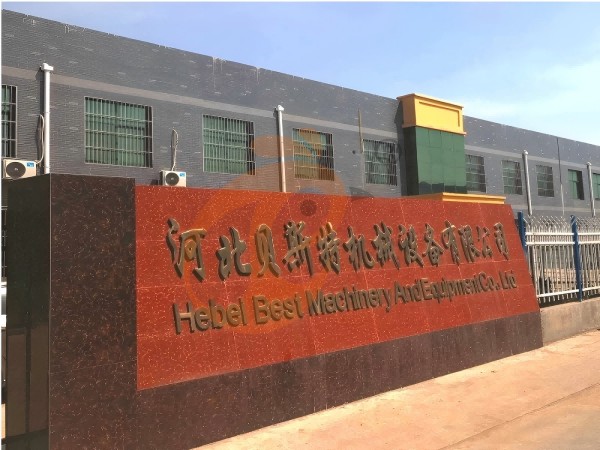
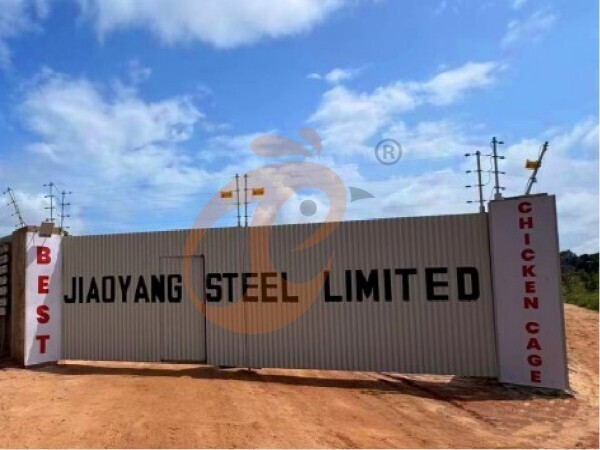
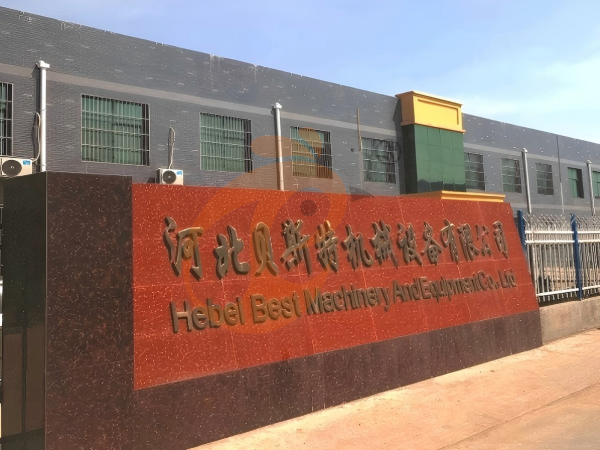
China Hebei Best Machinery And Equipment CO., LTD
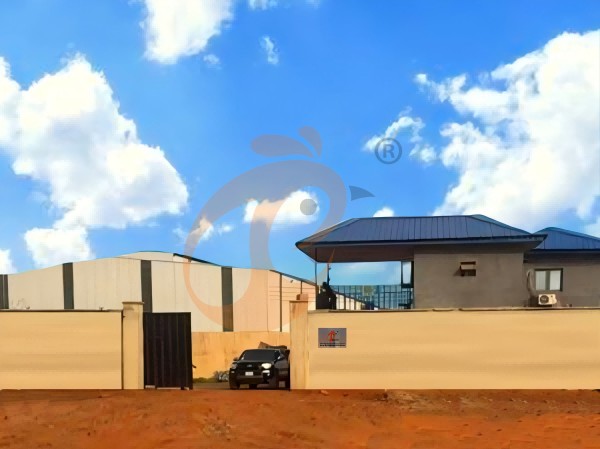
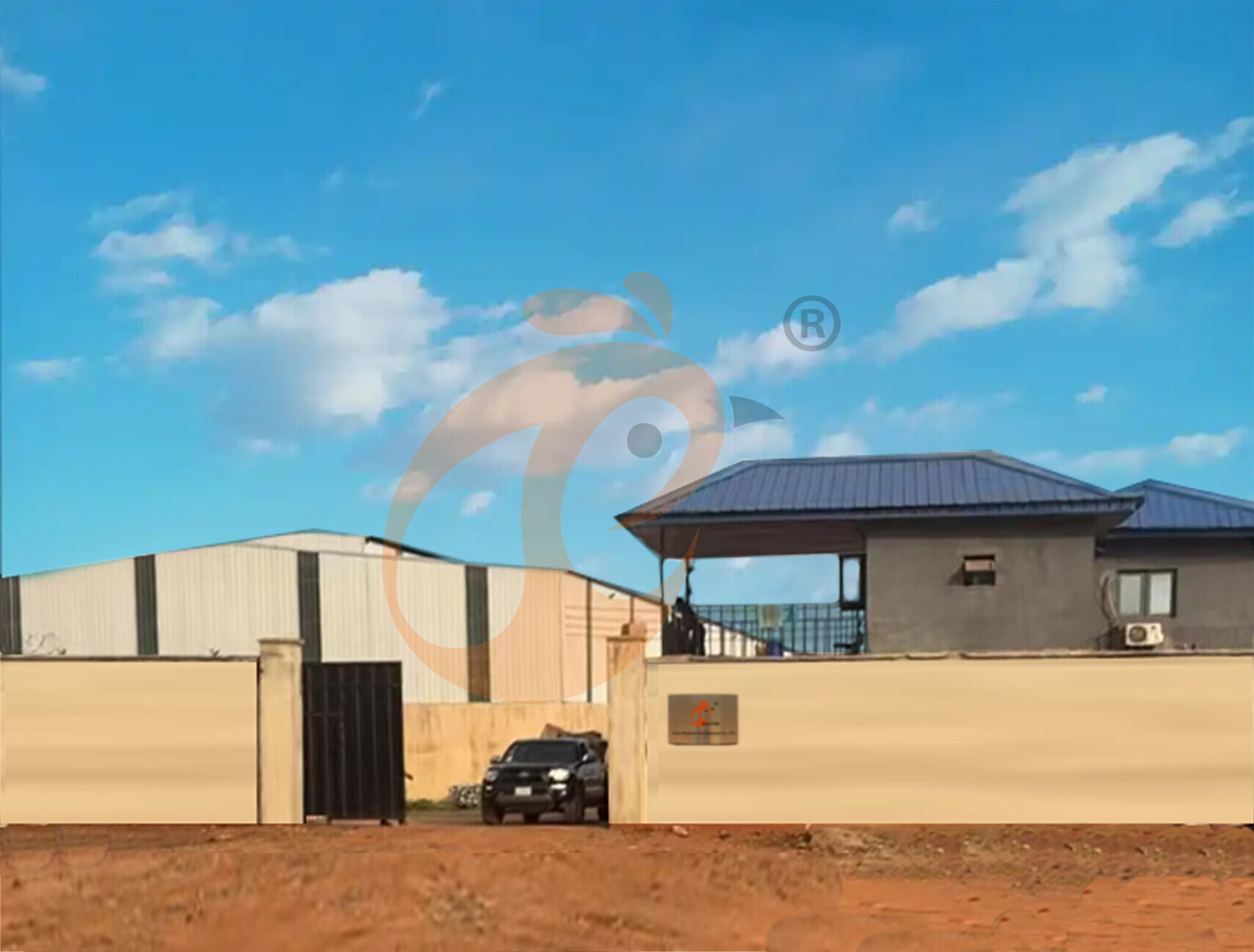
Nigeria Vanke Machinery And Equipment CO., LTD
Tanzania Best Machinery And Equipment CO., LTD
Ethiopia Best Hebei Machinery Manufacturing PLC

Reception /24 WhatsApp NO. : +8618830120193
FAQ
What Feeding System Standards Are Required For Pellet Machine In Poultry Chicken Feed Production Lines?
Feeder capacity is designed at 1.2–2.5 tons per hour depending on raw material density.
Flow consistency deviation is maintained within ±2% for uniform pellet quality output.
What Maintenance And Wear Part Replacement Standards Apply To Pellet Machine?
Bearing replacement intervals typically occur every 12–18 months under continuous operation.
Gearbox oil change frequency is maintained at 1000–1500 operating hours for system reliability.
What Safety Protection Systems Are Integrated In Pellet Machine For Poultry Chicken Feed Production?
Emergency stop response time is maintained within 0.5–1.0 seconds for operational safety.
Vibration monitoring limits are set at 4.5–6.0 mm/s to prevent mechanical failure.
Message
Products recommended
 HK Headquarter Offers EU-standard Poultry Farm Solutions, Manufacture Poultry Farm Equipment1. Continuous communication with the EU and the US
2. China, Nigeria, Ethiopia, Tanzania branch companies and factories
3. The products’ quality is customized for local poultry farms
4. Poultry cage and poultry farm equipment stock for sale
5. 24 online reception Whatsapp NO. : +8618830120193,contact us to get full informationRead More China Branch Offer Poultry Farm Business Plan, Manufacture Poultry Farm Equipment1. Address: Flat/RM 2416, 24/F, Runxing Building, Youyi Nan Street, Shijiazhuang City, Hebei Province, China
2. Poultry cage and poultry farm equipment factory and stock for sale
3. Customized for local poultry farms
4. Quality and design are based on Euro
5. 24 online reception Whatsapp NO. : +8618830120193Read More Nigeria Branch Offer Poultry Farm Business Plan, Manufacture Poultry Farm Equipment1. Address: After Sinoma Office, 200 Meters Near Danco Filling Station, Lagos/Ibadan Expressway, Lagos State, Nigeria
2. Poultry cage and poultry farm equipment factory and stock for sale
3. Customized for Nigerian poultry farms
4. Quality and design are based on Euro
5. 24 online reception Whatsapp NO. : +8618830120193Read More Ethiopia Branch Offer Poultry Farm Business Plan, Manufacture Poultry Farm Equipment1. Address: Gelan Gura, Akaki-kaliti Sub City, Addis Ababa, Ethiopia
2. Poultry cage and poultry farm equipment stock for sale
3. Customized for Ethiopian poultry farms
4. Quality and design are based on Euro
5. 24 online reception Whatsapp NO. : +8618830120193, contact us to get price listRead More Tanzania Branch Offer Poultry Farm Business Plan, Manufacture Poultry Farm Equipment1. Address: No.8, Sova Road, Msufini, Mlandizi, Kibaha, Pwani, Tanzania
2. Poultry cage and poultry farm equipment factory and stock for sale
3. Customized for Tanzanian poultry farms
4. Quality and design are based on Euro
5. 24 online reception Whatsapp NO. : +8618830120193Read More Fully Automatic H Type Layer Chicken Cage1. 30,000-100,000+ layers/house chooses it, Poultry farmers can achieve an egg production rate of 96-98%
2. A significant improvement over the 85-90% typically seen in manual systems
3. A typical poultry farm can expect a 30-40% reduction in labor costs due to the automation
4. Each feeding line efficiently supplies feed to around 100,000 hens per 30 mins
5. Reception /WhatsApp NO. : +8618830120193Read More Fully Automatic A Type Layer Chicken Cage1. 10,000-50,000 layers/house chooses it
2. Cleaner egg collection reduces breakage by 0.5%
3. Improved hygiene helps reduce mortality rate to <3%
4. 1–2 technicians can handle 15,000–30,000 birds
5. Reception /WhatsApp NO. : +8618830120193Read More Semi Automatic H Type Layer Chicken Cage1. 1,00-20,000 layers/house chooses it
2. Nipple drinkers flow 30–60 ML / min
3. Hot-dip galvanized (typical coating ≥ 275 g/m²)
4. Reduce ammonia by ~ 35–40%
5. Reception /WhatsApp NO. : +8618830120193Read More Semi Automatic A Type Layer Chicken Cage1. 1,00-20,000 layers/house chooses it, no rust for 10 years, no deformation for 15 years
2. Chickens live comfortably, you can raise them with peace of mind
3. Save water, save money—efficiency you can measure
4. Improve environment quality, and increase egg production rate
5. Reception /WhatsApp NO. : +8618830120193Read More
By clicking 'Allow All', you agree to the storage of cookies on your device to enhance site navigation, analyze site usage and assist with our marketing efforts.