






Blog
Floor rearing poultry equipment plays a critical role in modern poultry house productivity and operational stability.
Automatic feeding, automatic drinking, poultry ventilation systems, heating equipment, cooling equipment, lighting systems, and environmental control technologies directly influence flock performance.
Commercial poultry production requires accurate resource distribution and environmental management throughout every production cycle.
Proper equipment selection helps reduce feed losses, improve water utilization, maintain litter quality, and support bird welfare.
This article explains seven essential equipment categories with technical specifications, operational data, and practical planning guidance for broiler farms, layer farms, and breeder farms.
Get professional poultry farm construction guidance, equipment selection solutions, and the latest price lists, whatsApp to +8618830120193, +2348111199996, or click to learn more.
Why Floor Rearing Equipment Directly Affects Farm Profitability
Every production cycle involves thousands or even tens of thousands of birds consuming feed, water, oxygen, and energy every day.
Small inefficiencies multiplied across an entire flock can create significant financial losses.
For example, a broiler farm with 20,000 birds can consume more than 70 metric tons of feed during a production cycle.
Even a 2% feed loss caused by outdated equipment may result in more than 1.4 tons of wasted feed.
Data is for reference only.Swipe horizontally to view full table.
Proper equipment helps control these operating variables and improves production consistency.
Automatic Feeding System
The poultry feeding system is the most important equipment in a floor rearing poultry house because feed represents approximately 65% to 75% of total production costs.
Modern automatic feeding systems transport feed from external silos into feed pans through augers or chain feeding mechanisms.
Uniform feed distribution ensures that birds throughout the house receive equal access to feed.
A properly designed feeding line reduces feed segregation and minimizes labor requirements.
Data is for reference only.Swipe horizontally to view full table.
Feed pans are typically spaced every 75 centimeters to ensure adequate feeding access for birds throughout the house.
Automatic Nipple Drinking System
Water is the most frequently consumed nutrient in poultry production.
Birds generally consume 1.6 to 2.0 times more water than feed by weight.
The automatic poultry drinking system has become standard equipment because contamination risks are significantly reduced while litter conditions remain more stable.
Unlike open drinkers, nipple systems limit water exposure to dust, manure, and pathogens.
Data is for reference only.Swipe horizontally to view full table.
Maintaining correct pressure throughout the line ensures uniform water delivery from one end of the poultry house to the other.
Why Water Quality Matters
Water quality directly affects bird performance.
Research in commercial poultry production has shown that water contamination can significantly increase disease transmission risks.
Water should be tested regularly for bacterial count, mineral concentration, and ph level.
Most poultry nutritionists recommend drinking water with a ph between 6.0 and 7.5.
Total dissolved solids are generally recommended to remain below 1,000 ppm for optimal bird performance.
Clean water improves feed intake, nutrient absorption, and flock uniformity.
Ventilation Fan System
Ventilation is responsible for maintaining air quality inside the poultry house.
Birds continuously release moisture, carbon dioxide, and body heat.
Without adequate ventilation, ammonia concentration can increase rapidly, reducing bird comfort and growth performance.
Large exhaust fans create negative pressure that pulls fresh air through the house.
Data is for reference only.Swipe horizontally to view full table.
Commercial tunnel-ventilated poultry houses may use 8 to 12 exhaust fans depending on building dimensions and bird density.
Cooling Pad System
Heat stress becomes a major concern when environmental temperatures exceed 30°c.
Birds reduce feed intake during hot weather, which directly impacts weight gain and egg production.
Cooling pads reduce incoming air temperature through evaporative cooling.
When properly designed, cooling systems can lower house temperature significantly during summer months.
Data is for reference only.Swipe horizontally to view full table.
The cooling effect depends on local humidity levels, airflow velocity, and pad quality.
Brooding Heating Equipment
Day-old chicks require supplemental heat because thermoregulation capability is not fully developed.
Proper brooding temperatures help maintain early feed intake and support immune development.
Heating equipment is especially important during the first 14 days of life.
Data is for reference only.Swipe horizontally to view full table.
Temperature should be monitored continuously at chick level rather than ceiling height.
LED Lighting System
Lighting affects poultry behavior, feed consumption, activity level, and reproductive performance.
Modern poultry farms increasingly use led lighting because of long service life and lower energy consumption.
Proper light intensity and photoperiod management contribute to better flock uniformity.
Data is for reference only.Swipe horizontally to view full table.
Uniform light distribution helps prevent bird crowding in specific areas of the house.
Litter Management Equipment
Litter quality directly influences foot health, air quality, and disease prevention.
Wet litter creates favorable conditions for bacterial growth and ammonia generation.
Dry litter improves bird comfort and reduces health challenges.
Mechanical litter management equipment is increasingly used on larger farms.
Data is for reference only.Swipe horizontally to view full table.
Litter depth typically ranges from 8 to 12 centimeters depending on climate and production type.
Environmental Control Controller
Modern poultry houses rely on computerized environmental controllers to coordinate ventilation, heating, cooling, and lighting equipment.
Automation improves environmental consistency and reduces management errors.
Environmental controllers can operate continuously throughout the production cycle.
Data is for reference only.Swipe horizontally to view full table.
Automated control systems are increasingly considered essential equipment for commercial poultry production.
Equipment Investment And Production Capacity
Equipment investment varies according to farm size, automation level, and production goals.
Larger operations generally achieve lower equipment cost per bird because infrastructure expenses are distributed across more animals.
European union standard reference only.
Data is for reference only.Swipe horizontally to view full table.
Actual investment costs vary according to regional labor costs, building design, and automation configuration.
Equipment Selection Recommendations
Selecting equipment solely based on purchase price often creates long-term operational problems.
Producers should evaluate equipment using expected service life, spare parts availability, energy consumption, corrosion resistance, cleaning convenience, technical support availability, and expansion capability.
Equipment designed for future expansion allows producers to increase production capacity without completely replacing existing infrastructure.
Farm managers should also consider local climate conditions when selecting ventilation, cooling, and heating equipment.
Future Trends In Floor Rearing Poultry Equipment
The poultry industry continues to move toward greater automation and data-driven management.
Emerging technologies include remote monitoring systems, smartphone-based environmental control, automated flock weighing, artificial intelligence ventilation management, precision water monitoring, and smart feed consumption tracking.
These technologies help producers identify management issues earlier and improve production efficiency.
As poultry farms become larger and more technologically advanced, equipment performance will continue to play an increasingly important role in profitability.
Frequently Asked Questions
Q1: What is the recommended stocking density for floor rearing poultry houses?
A1: Stocking density depends on bird type, climate conditions, ventilation performance, and market weight targets.
Commercial broiler farms commonly operate between 12 and 16 birds per square meter.
Appropriate density helps maintain litter quality, air circulation, and bird welfare while supporting efficient production.
Q2: How often should poultry equipment be maintained?
A2: Feed lines, drinking lines, ventilation fans, and environmental controllers should be inspected weekly.
Comprehensive preventive maintenance is generally recommended before each production cycle.
Regular servicing reduces unexpected downtime and extends equipment service life.
Q3: Which equipment provides the fastest return on investment?
A3: Automatic feeding systems, nipple drinking systems, and ventilation equipment usually provide the fastest economic returns.
Feed savings, labor reduction, and improved flock performance often generate measurable financial benefits within several production cycles.
Taiyu (HK) Group - One Of China Largest Floor Rearing Poultry Equipment Manufacturer
Professional floor rearing poultry equipment solutions for broiler, layer, and breeder poultry farms worldwide.
Factory-direct supply supports stable quality control and competitive project procurement costs.
Complete poultry equipment systems include feeding, drinking, ventilation, cooling, heating, and environmental control solutions.
Experienced engineering teams provide customized poultry house design and turn-key project services.
Export experience covers multiple international markets with comprehensive installation guidance and technical support.
Contact Us To Received Your Customized Poultry Farm Plan
Headquarters And Branchs
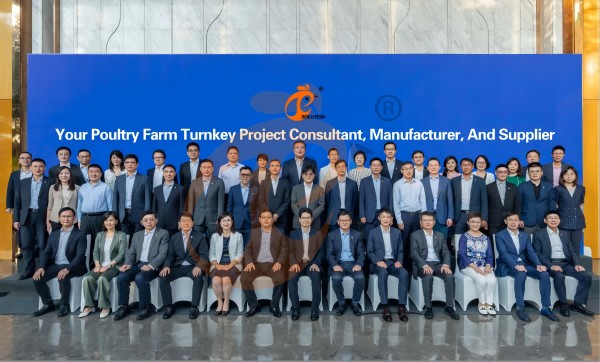
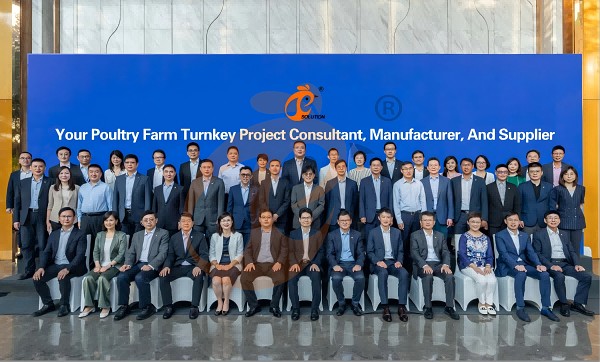
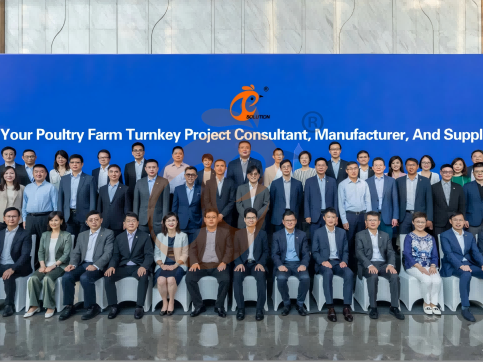
Hong Kong Headquarter Management Team
Hong Kong Headquarter Taiyu Industrial Group CO., LTD
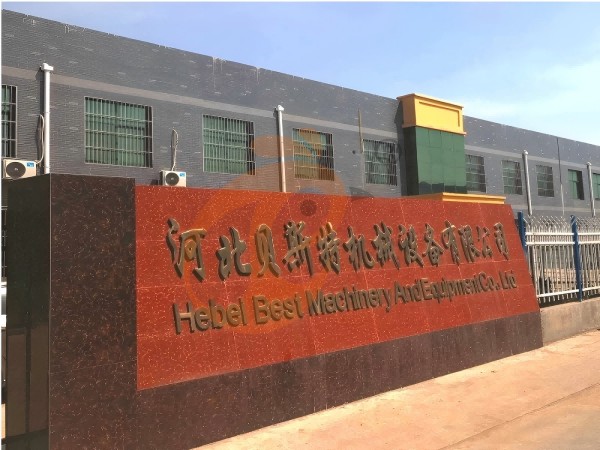
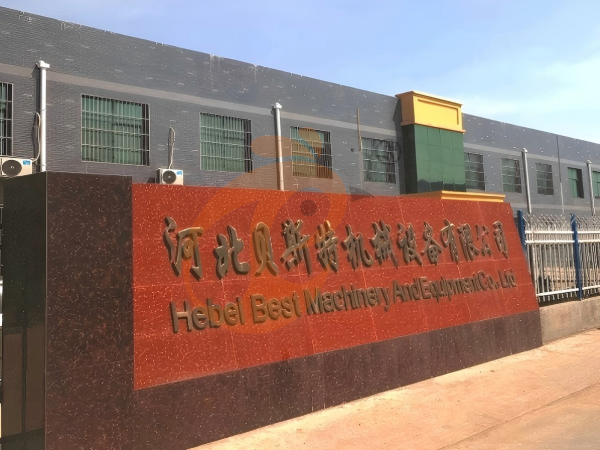
China Hebei Best Machinery And Equipment CO., LTD
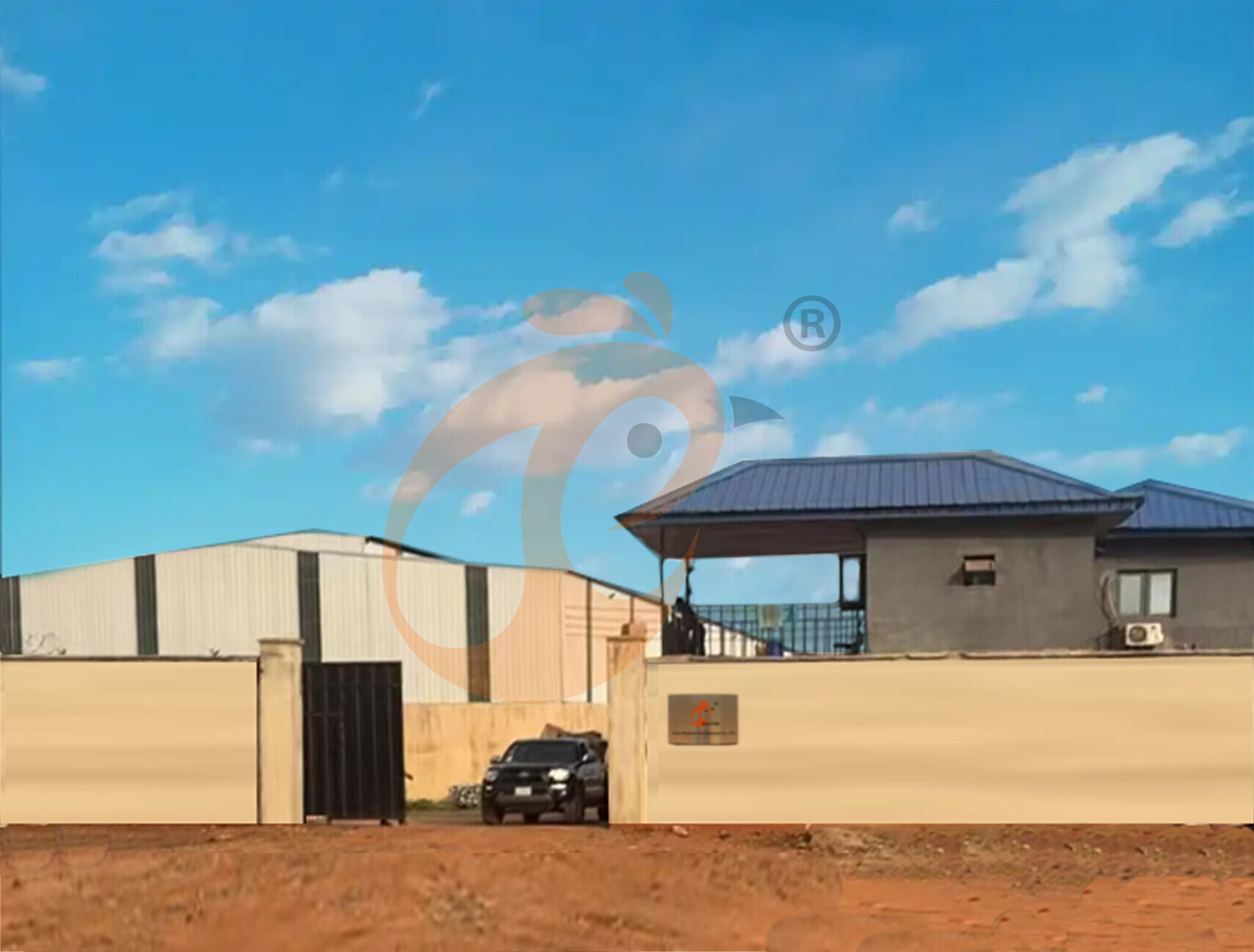
Nigeria Vanke Machinery And Equipment CO., LTD
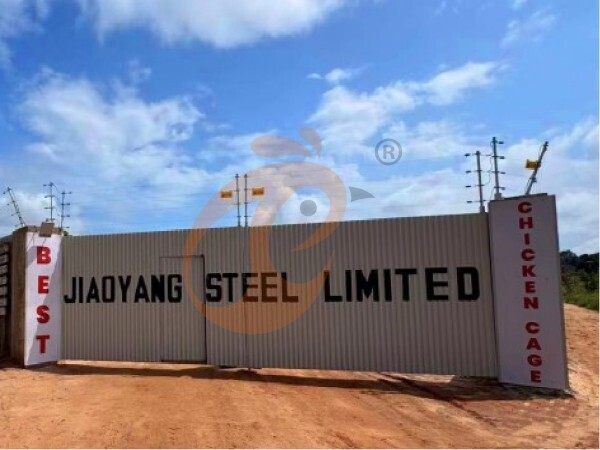
Tanzania Best Machinery And Equipment CO., LTD
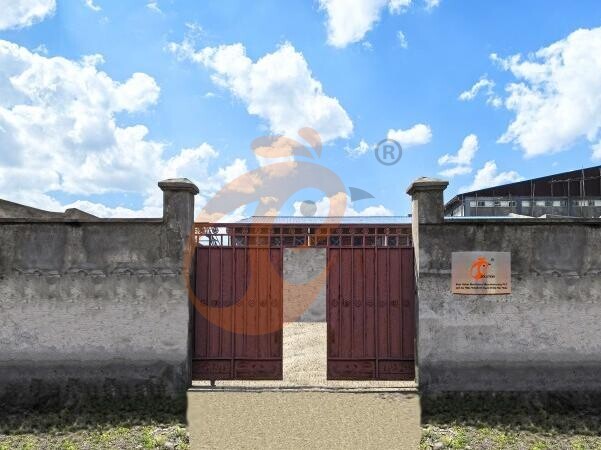
Ethiopia Best Hebei Machinery Manufacturing PLC
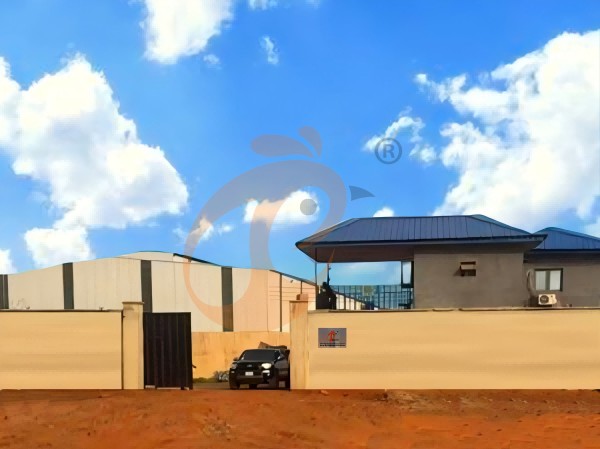
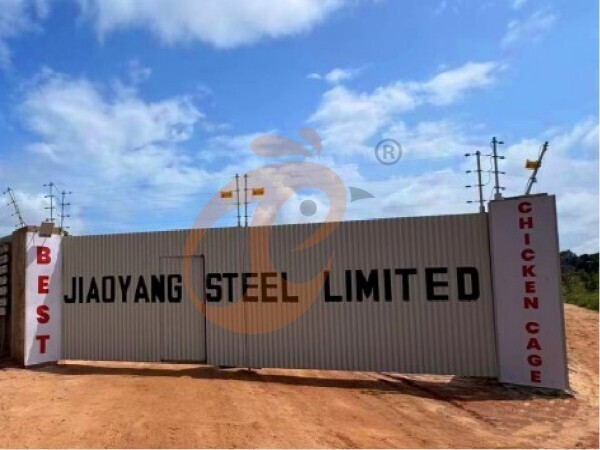
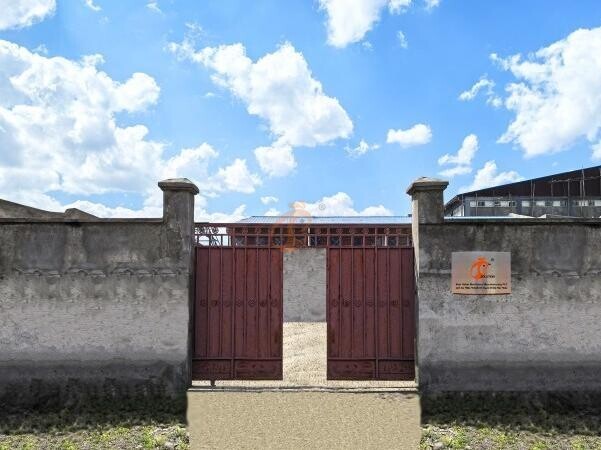
Reception /24 WhatsApp NO. : +8618830120193
FAQ
What Ventilation Requirements Are Needed In Floor Rearing Poultry System For Poultry Chicken Farms?
Tunnel airflow velocity ranges from 1.8–2.5 m/s for heat stress reduction.
Static pressure levels are controlled at 18–28 Pa for uniform air distribution.
What Litter Management Standards Are Used In Floor Rearing Poultry System For Poultry Chicken Production?
Moisture content is controlled below 25% to prevent ammonia buildup.
Replacement cycle occurs every 35–45 days depending on flock density.
What Feeding System Configuration Is Used In Floor Rearing Poultry System For Poultry Chicken Farms?
Feed distribution speed ranges from 12–18 meters per minute in automated lines.
Feed trough height is adjusted between 5–10 cm for chick accessibility.
- poultry equipment
- poultry farm
- poultry farm
- poultry farm construction
- poultry equipment manufacturer
- poultry drinking system
- poultry feeding system
- automatic feeding system
- automatic poultry drinking system
- layer farm
- broiler farm
- poultry house
- poultry house design
- poultry ventilation system
- Ethiopia
- Nigeria
Message
Products recommended
 HK Headquarter Offers EU-standard Poultry Farm Solutions, Manufacture Poultry Farm Equipment1. Continuous communication with the EU and the US
2. China, Nigeria, Ethiopia, Tanzania branch companies and factories
3. The products’ quality is customized for local poultry farms
4. Poultry cage and poultry farm equipment stock for sale
5. 24 online reception Whatsapp NO. : +8618830120193,contact us to get full informationRead More China Branch Offer Poultry Farm Business Plan, Manufacture Poultry Farm Equipment1. Address: Flat/RM 2416, 24/F, Runxing Building, Youyi Nan Street, Shijiazhuang City, Hebei Province, China
2. Poultry cage and poultry farm equipment factory and stock for sale
3. Customized for local poultry farms
4. Quality and design are based on Euro
5. 24 online reception Whatsapp NO. : +8618830120193Read More Nigeria Branch Offer Poultry Farm Business Plan, Manufacture Poultry Farm Equipment1. Address: After Sinoma Office, 200 Meters Near Danco Filling Station, Lagos/Ibadan Expressway, Lagos State, Nigeria
2. Poultry cage and poultry farm equipment factory and stock for sale
3. Customized for Nigerian poultry farms
4. Quality and design are based on Euro
5. 24 online reception Whatsapp NO. : +8618830120193Read More Ethiopia Branch Offer Poultry Farm Business Plan, Manufacture Poultry Farm Equipment1. Address: Gelan Gura, Akaki-kaliti Sub City, Addis Ababa, Ethiopia
2. Poultry cage and poultry farm equipment stock for sale
3. Customized for Ethiopian poultry farms
4. Quality and design are based on Euro
5. 24 online reception Whatsapp NO. : +8618830120193, contact us to get price listRead More Tanzania Branch Offer Poultry Farm Business Plan, Manufacture Poultry Farm Equipment1. Address: No.8, Sova Road, Msufini, Mlandizi, Kibaha, Pwani, Tanzania
2. Poultry cage and poultry farm equipment factory and stock for sale
3. Customized for Tanzanian poultry farms
4. Quality and design are based on Euro
5. 24 online reception Whatsapp NO. : +8618830120193Read More Fully Automatic H Type Layer Chicken Cage1. 30,000-100,000+ layers/house chooses it, Poultry farmers can achieve an egg production rate of 96-98%
2. A significant improvement over the 85-90% typically seen in manual systems
3. A typical poultry farm can expect a 30-40% reduction in labor costs due to the automation
4. Each feeding line efficiently supplies feed to around 100,000 hens per 30 mins
5. Reception /WhatsApp NO. : +8618830120193Read More Fully Automatic A Type Layer Chicken Cage1. 10,000-50,000 layers/house chooses it
2. Cleaner egg collection reduces breakage by 0.5%
3. Improved hygiene helps reduce mortality rate to <3%
4. 1–2 technicians can handle 15,000–30,000 birds
5. Reception /WhatsApp NO. : +8618830120193Read More Semi Automatic H Type Layer Chicken Cage1. 1,00-20,000 layers/house chooses it
2. Nipple drinkers flow 30–60 ML / min
3. Hot-dip galvanized (typical coating ≥ 275 g/m²)
4. Reduce ammonia by ~ 35–40%
5. Reception /WhatsApp NO. : +8618830120193Read More Semi Automatic A Type Layer Chicken Cage1. 1,00-20,000 layers/house chooses it, no rust for 10 years, no deformation for 15 years
2. Chickens live comfortably, you can raise them with peace of mind
3. Save water, save money—efficiency you can measure
4. Improve environment quality, and increase egg production rate
5. Reception /WhatsApp NO. : +8618830120193Read More
By clicking 'Allow All', you agree to the storage of cookies on your device to enhance site navigation, analyze site usage and assist with our marketing efforts.