






Blog
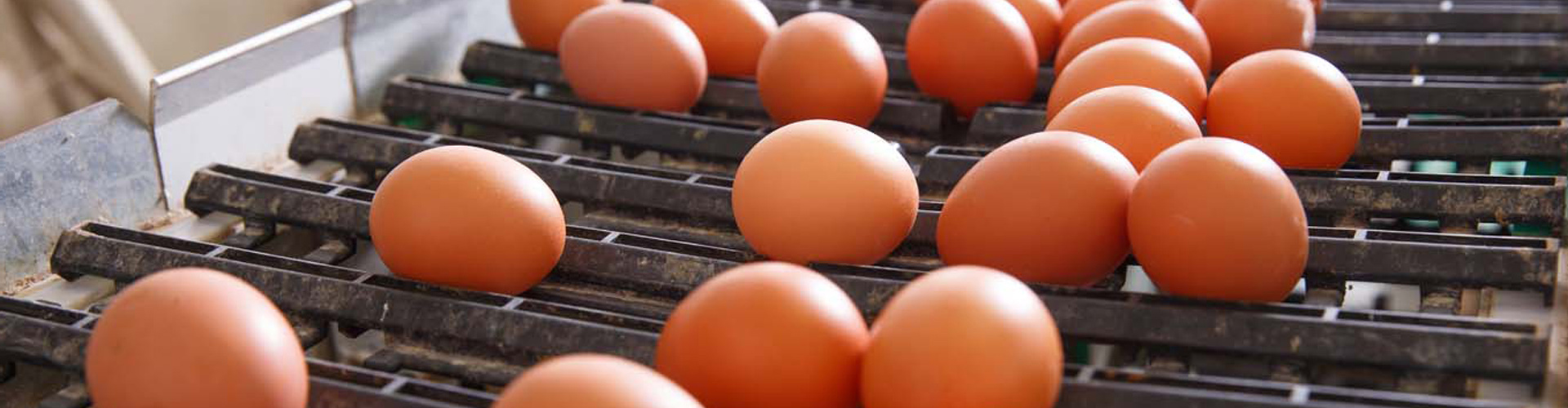
Free range poultry farming supported by poultry cages and poultry house equipment improves controlled outdoor production efficiency and flock stability.
Modern systems combine ventilation units, feeding automation, and structured housing to stabilize biological performance across variable environments.
Outdoor rotation management increases land recovery efficiency while reducing parasite pressure across multiple production cycles.
Equipment driven poultry farming integrates engineering control with natural foraging behavior for balanced productivity outcomes.
Commercial farms benefit from modular chicken house systems designed for scalable capacity expansion and biosecurity improvement.
Get professional poultry farm construction guidance, equipment selection solutions, and the latest price lists, whatsApp to +8618830120193, +2348111199996, or click to learn more.
Breed Selection And Biological Adaptation
Breed selection determines adaptability to outdoor stress, feed conversion efficiency, and long-term productivity.
Free range systems favor birds with stronger skeletal structure and immune response.
Breed Performance Reference Table
Data is for reference only.Swipe horizontally to view full table.
Proper breed selection reduces reliance on medication and improves system stability in outdoor environments.
Farms using integrated poultry cage systems for sale achieve more uniform flock performance due to controlled indoor-outdoor transition zoning.
Housing System And Equipment Configuration
Even in free range systems, housing is the operational core.
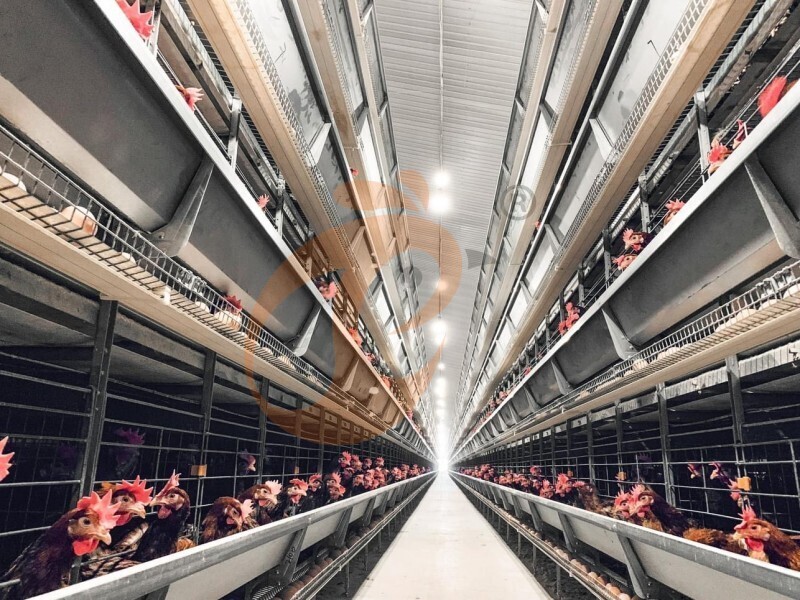
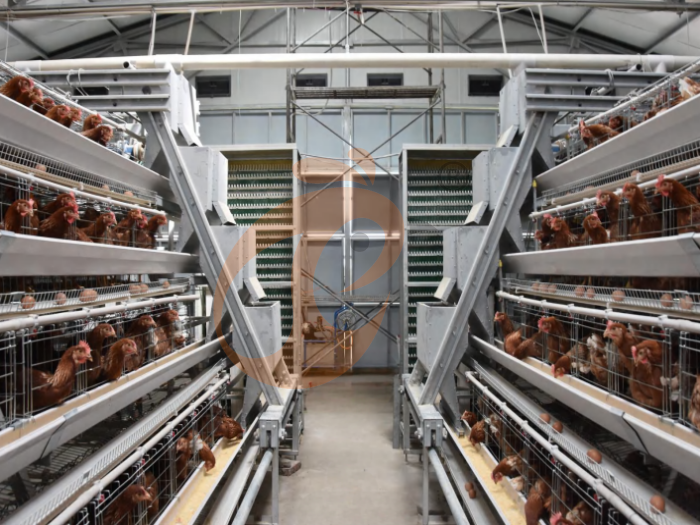
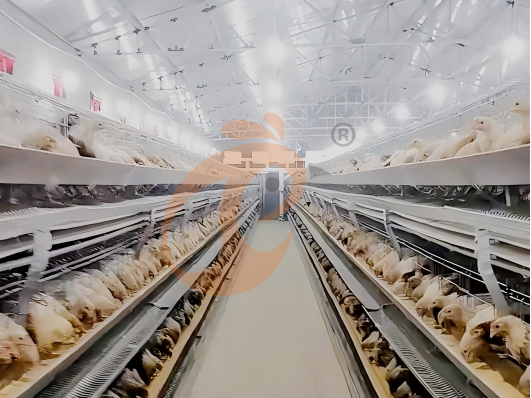
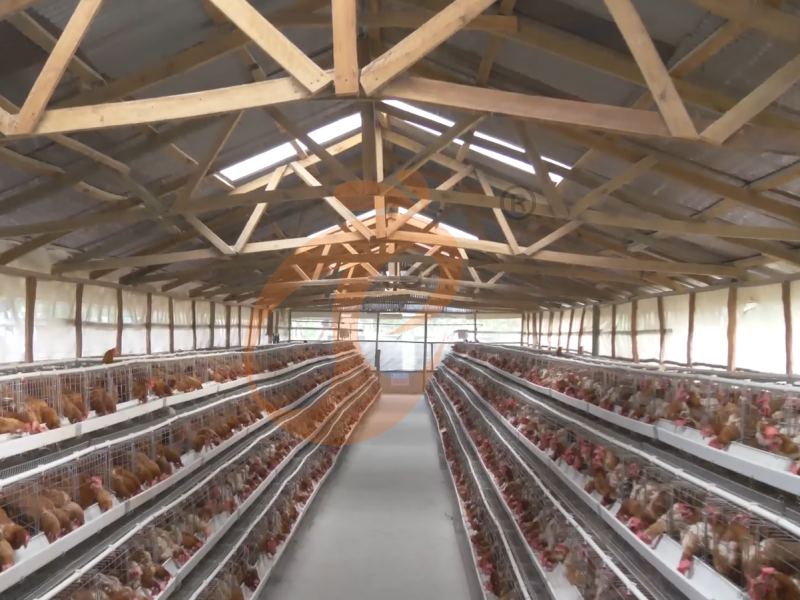
A structured chicken house using modern equipment improves biosecurity and flock uniformity.
Housing Equipment Specification Table
Data is for reference only.Swipe horizontally to view full table.
A well designed house reduces feed waste and improves egg cleanliness, especially when integrated with automated poultry farming equipment systems.
Commercial farms adopting chicken house equipment suppliers solutions gain improved airflow control and structural durability in long-term operations.
Free Range Area Planning And Rotation System
Outdoor space must be divided into controlled grazing zones rather than open land.
Rotation prevents soil degradation and parasite accumulation.
Land Rotation Planning Table
Data is for reference only.Swipe horizontally to view full table.
Rotational grazing supports soil regeneration and reduces external parasite load.
Farms with structured fencing and equipment zoning reduce uncontrolled movement stress in flock distribution.
Feeding System And Nutritional Balance
Free range birds still depend heavily on formulated feed, especially during early growth stages.
Feed Composition Reference Table
Data is for reference only.Swipe horizontally to view full table.
Supplementary foraging contributes micronutrients but cannot replace structured feeding programs.
Installation of automatic chicken feeding system equipment improves feed distribution consistency and reduces waste accumulation in high density environments.
Disease Prevention And Biosecurity Engineering
Disease control is a key technical challenge in free range farming. Integration with enclosed poultry house systems significantly reduces infection probability.
Within Biosecurity, control is based on isolation, sanitation, and controlled movement.
Biosecurity Protocol Table
Data is for reference only.Swipe horizontally to view full table.
Proper infrastructure reduces disease transmission pathways significantly.
Farms using sealed poultry housing systems achieve higher controllability in pathogen exposure cycles.
Environmental Control Engineering In Free Range Poultry Systems
Temperature regulation range maintained between 19–27°c inside poultry housing stabilizes metabolic activity and reduces stress response during seasonal transitions
Relative humidity control maintained at 58–72% improves respiratory efficiency and reduces ammonia concentration buildup in confined resting zones
Air exchange rate engineered at 6.5–8.0 m³/min per 100 birds ensures continuous oxygen renewal and minimizes pathogen accumulation
Light management system calibrated to 14–16 hours photoperiod supports consistent laying rhythm and improves endocrine stability in layer flocks
Flooring elevation structure designed at 25–35 cm above ground level improves drainage efficiency and reduces bacterial proliferation risk in wet conditions
Monitoring System And Performance Tracking
Modern farms use structured monitoring systems rather than visual estimation.
Production Performance Table
Data is for reference only.Swipe horizontally to view full table.
Integration of sensor-based monitoring with poultry farming automation systems improves decision accuracy and reduces labor dependency.
Equipment Integration And Commercial Value Insight
Free range systems perform best when combined with engineered poultry infrastructure.
Farms using modular chicken cages, ventilation control systems, and automatic feeding lines show higher consistency in flock output compared with open only setups.
Equipment advantages
Stable microclimate inside poultry house
Reduced labor dependency
Improved feed distribution accuracy
Higher biosecurity control level
Frequently Asked Questions
Q1: What is the ideal stocking density in free range poultry farming?
A1: Typical controlled systems use 2.5–3.5 birds per m² outdoor space depending on breed size and vegetation recovery capability. Indoor housing density is usually higher but separated by zoning design.
Q2: Can free range systems work without poultry equipment?
A2: Operational stability becomes difficult without equipment.
Ventilation systems, feeding lines, and cage structures improve survival rate and reduce feed loss by 12–18% in commercial setups.
Q3: How long does it take to reach egg production stage?
A3: Most layer breeds begin consistent egg production at around 18–22 weeks, depending on feed quality, genetics, and housing environment stability.
Taiyu (HK) Group - One Of China Biggest Free Range System Manufacturer
Free range poultry farming system integrates advanced poultry cage systems for sale with engineered chicken house structures to support scalable commercial production.
Global factory direct supply model ensures consistent quality control across poultry equipment manufacturing and export channels.
Turn-key engineering solutions cover full poultry house design, installation, and automation system integration for industrial farming projects.
Advanced poultry equipment production lines support ventilation, feeding, and cage system customization for international farm requirements.
Full project delivery includes design optimization, logistics coordination, and after-sales technical support for large scale poultry farming operations.
Contact Us To Received Your Customized Poultry Farm Plan
Headquarters And Branchs
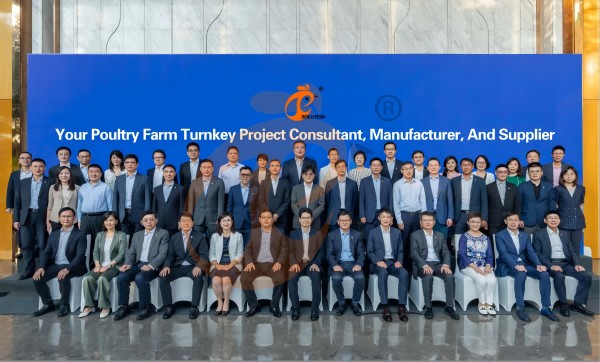
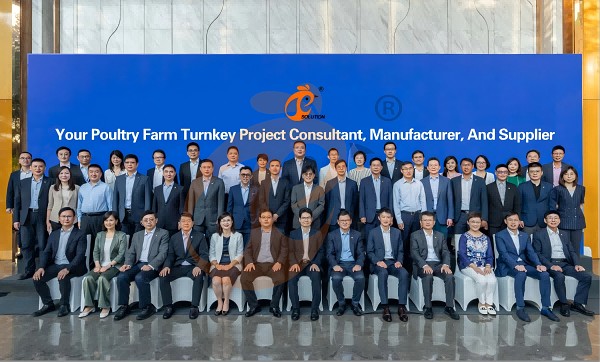
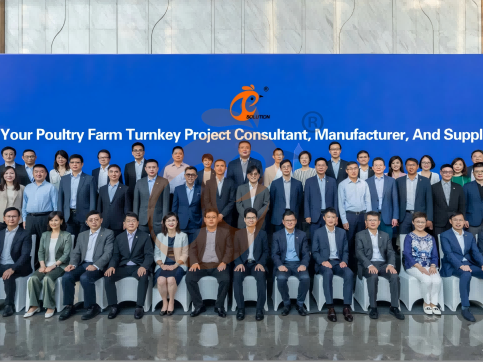
Hong Kong Headquarter Management Team
Hong Kong Headquarter Taiyu Industrial Group CO., LTD
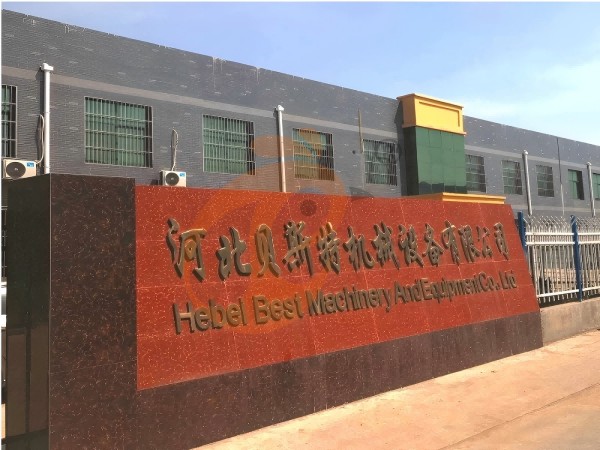
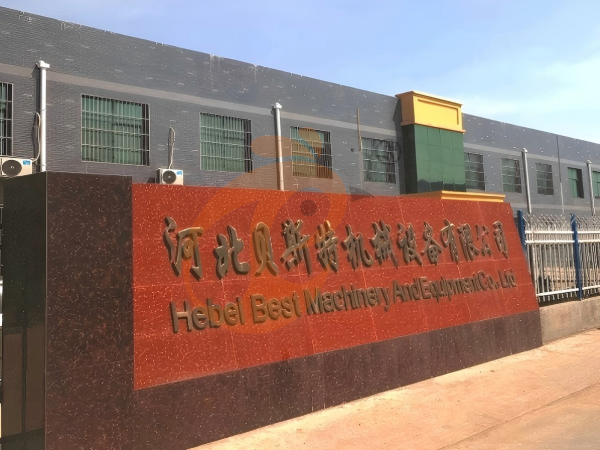
China Hebei Best Machinery And Equipment CO., LTD
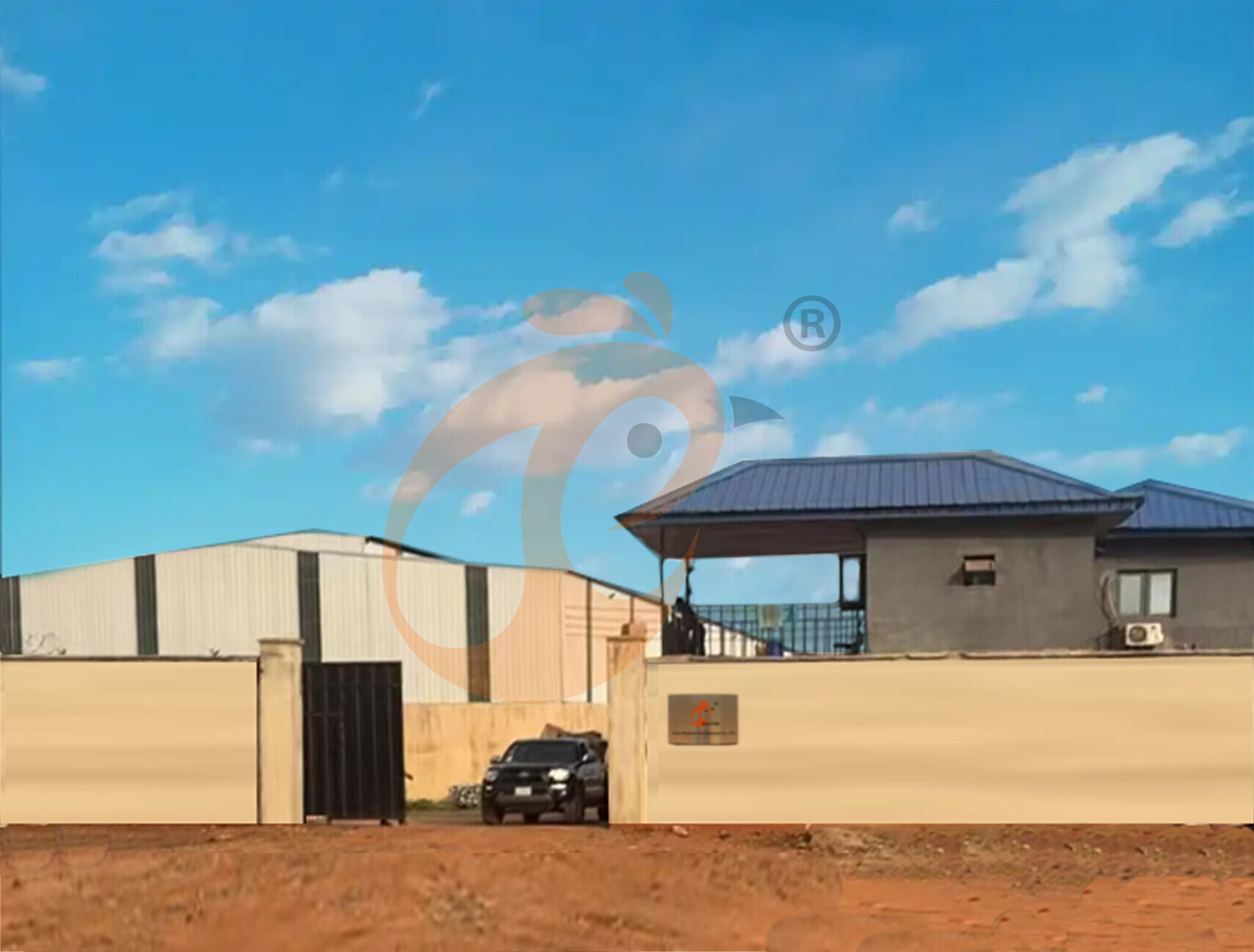
Nigeria Vanke Machinery And Equipment CO., LTD
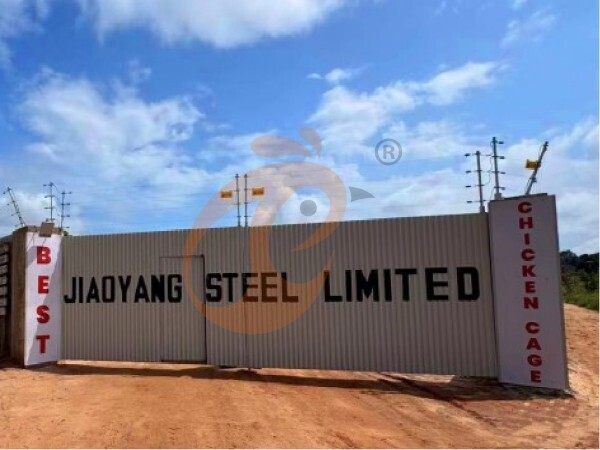
Tanzania Best Machinery And Equipment CO., LTD
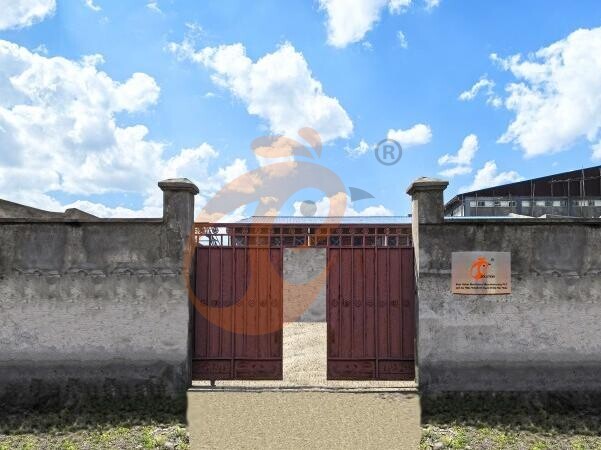
Ethiopia Best Hebei Machinery Manufacturing PLC
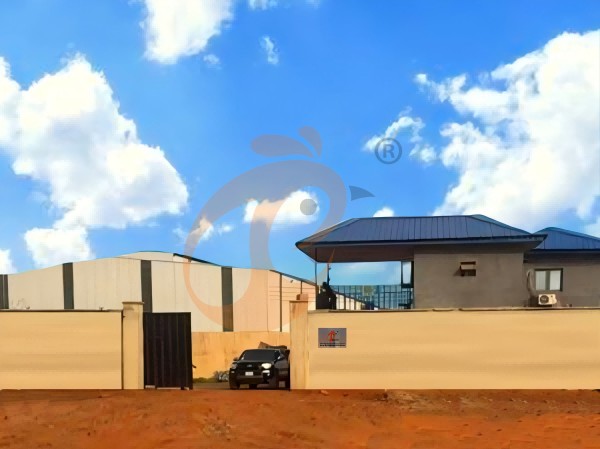
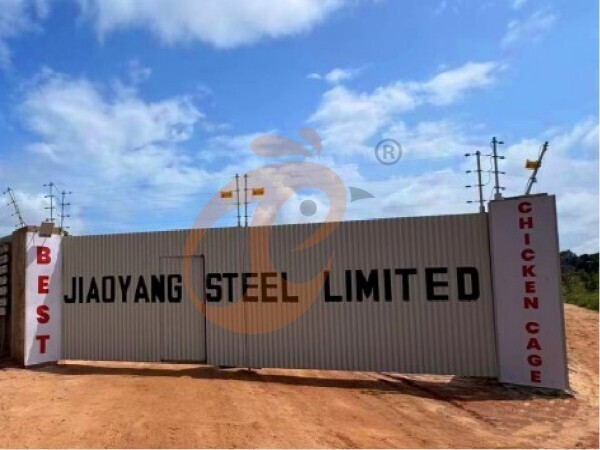
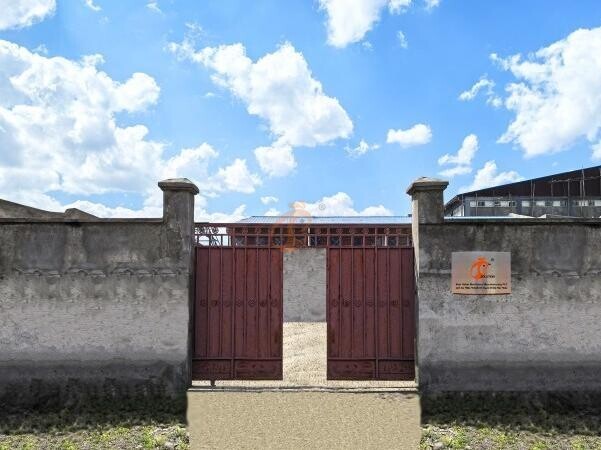
Reception /24 WhatsApp NO. : +8618830120193
FAQ
How Does Free Range System Affect Feed Consumption?
Energy expenditure increases daily intake variation by 15%–22% across seasons.
Feed conversion efficiency ranges from 1.9–2.3 depending on grazing intensity.
What Are The Housing Transition Management Standards In Free Range Poultry System?
Indoor-outdoor transition time is controlled within 10–15 minutes per flock movement cycle.
Lighting guidance systems operate at 5–8 lux to direct flock movement behavior.
What Are The Seasonal Adaptation Strategies In Free Range Poultry System?
Summer shade coverage is increased to 60%–80% of grazing area for heat stress reduction.
Rainfall drainage capacity handles 25–40 mm per hour precipitation levels for land usability.
- poultry equipment
- chicken cage
- poultry farm
- poultry cage
- poultry farm
- poultry farming automation
- poultry farm construction
- modular chicken cage
- steel poultry cage
- chicken house
- poultry house
- automatic chicken feeding system
- chicken house equipment supplier
- poultry farming system
- poultry cage system
- chicken house equipment
- poultry farming equipment
- poultry house equipment
- poultry house design
- poultry house system
- chicken house system
- chicken feeding system
- automated poultry farm
- Ethiopia
- Nigeria
Message
Products recommended
 HK Headquarter Offers EU-standard Poultry Farm Solutions, Manufacture Poultry Farm Equipment1. Continuous communication with the EU and the US
2. China, Nigeria, Ethiopia, Tanzania branch companies and factories
3. The products’ quality is customized for local poultry farms
4. Poultry cage and poultry farm equipment stock for sale
5. 24 online reception Whatsapp NO. : +8618830120193,contact us to get full informationRead More China Branch Offer Poultry Farm Business Plan, Manufacture Poultry Farm Equipment1. Address: Flat/RM 2416, 24/F, Runxing Building, Youyi Nan Street, Shijiazhuang City, Hebei Province, China
2. Poultry cage and poultry farm equipment factory and stock for sale
3. Customized for local poultry farms
4. Quality and design are based on Euro
5. 24 online reception Whatsapp NO. : +8618830120193Read More Nigeria Branch Offer Poultry Farm Business Plan, Manufacture Poultry Farm Equipment1. Address: After Sinoma Office, 200 Meters Near Danco Filling Station, Lagos/Ibadan Expressway, Lagos State, Nigeria
2. Poultry cage and poultry farm equipment factory and stock for sale
3. Customized for Nigerian poultry farms
4. Quality and design are based on Euro
5. 24 online reception Whatsapp NO. : +8618830120193Read More Ethiopia Branch Offer Poultry Farm Business Plan, Manufacture Poultry Farm Equipment1. Address: Gelan Gura, Akaki-kaliti Sub City, Addis Ababa, Ethiopia
2. Poultry cage and poultry farm equipment stock for sale
3. Customized for Ethiopian poultry farms
4. Quality and design are based on Euro
5. 24 online reception Whatsapp NO. : +8618830120193, contact us to get price listRead More Tanzania Branch Offer Poultry Farm Business Plan, Manufacture Poultry Farm Equipment1. Address: No.8, Sova Road, Msufini, Mlandizi, Kibaha, Pwani, Tanzania
2. Poultry cage and poultry farm equipment factory and stock for sale
3. Customized for Tanzanian poultry farms
4. Quality and design are based on Euro
5. 24 online reception Whatsapp NO. : +8618830120193Read More Fully Automatic H Type Layer Chicken Cage1. 30,000-100,000+ layers/house chooses it, Poultry farmers can achieve an egg production rate of 96-98%
2. A significant improvement over the 85-90% typically seen in manual systems
3. A typical poultry farm can expect a 30-40% reduction in labor costs due to the automation
4. Each feeding line efficiently supplies feed to around 100,000 hens per 30 mins
5. Reception /WhatsApp NO. : +8618830120193Read More Fully Automatic A Type Layer Chicken Cage1. 10,000-50,000 layers/house chooses it
2. Cleaner egg collection reduces breakage by 0.5%
3. Improved hygiene helps reduce mortality rate to <3%
4. 1–2 technicians can handle 15,000–30,000 birds
5. Reception /WhatsApp NO. : +8618830120193Read More Semi Automatic H Type Layer Chicken Cage1. 1,00-20,000 layers/house chooses it
2. Nipple drinkers flow 30–60 ML / min
3. Hot-dip galvanized (typical coating ≥ 275 g/m²)
4. Reduce ammonia by ~ 35–40%
5. Reception /WhatsApp NO. : +8618830120193Read More Semi Automatic A Type Layer Chicken Cage1. 1,00-20,000 layers/house chooses it, no rust for 10 years, no deformation for 15 years
2. Chickens live comfortably, you can raise them with peace of mind
3. Save water, save money—efficiency you can measure
4. Improve environment quality, and increase egg production rate
5. Reception /WhatsApp NO. : +8618830120193Read More
By clicking 'Allow All', you agree to the storage of cookies on your device to enhance site navigation, analyze site usage and assist with our marketing efforts.