






Blog
Production economics within free range poultry farming integrates biological efficiency, input allocation, and market responsiveness across operational cycles.
System profitability depends on feed utilization balance, flock health stability, and environmental control precision under varying climatic conditions.
Revenue formation reflects egg output consistency, mortality regulation, and pricing fluctuation across distribution channels and demand phases.
Infrastructure design influences land use efficiency, labor distribution patterns, and biosecurity effectiveness throughout production zones and housing modules.
Long term financial performance emerges from coordinated management of nutrition strategy, housing optimization, and post harvest handling efficiency across production systems.
Get professional poultry farm construction guidance, equipment selection solutions, and the latest price lists, whatsApp to +8618830120193, +2348111199996, or click to learn more.
Free Range Poultry Farming Economics Overview
Free range poultry systems combine outdoor grazing behavior with regulated housing environments to stabilize production output.
Profit efficiency depends on maintaining consistent environmental conditions and minimizing biological stress variation across flock cycles.
Performance is strongly influenced by air quality, temperature regulation, and metabolic efficiency under semi-natural conditions.
European union standard reference only.
Data is for reference only.Swipe horizontally to view full table.
Feed Cost Structure Analysis
Feed input cost remains the dominant expenditure component in free range poultry operations due to limited foraging efficiency and high metabolic demand.
Protein balance and grain energy ratio significantly influence long term production stability.
Data is for reference only.Swipe horizontally to view full table.
Revenue Generation From Egg Output
Egg production provides the primary revenue stream, while secondary income comes from spent hen processing and by product utilization.
Stable laying curves are essential for predictable financial returns across cycles.
Data is for reference only.Swipe horizontally to view full table.
Land Allocation And Spatial Design
Spatial planning in free range systems determines disease pressure, grazing efficiency, and infrastructure durability.
Rotational pasture design reduces parasite accumulation and improves soil nutrient recovery cycles.
Data is for reference only.Swipe horizontally to view full table.
Health Management And Mortality Control
Health performance directly determines long term profit stability, with respiratory and environmental stress being primary limiting factors.
Ammonia concentration above 20–30 ppm has been shown to reduce laying performance and increase physiological stress load in poultry systems.
Data is for reference only.Swipe horizontally to view full table.
Labor Efficiency And Operating Structure
Labor structure efficiency affects recurring operational expenditure and scalability of production systems.
Mechanized handling systems reduce workload variability across seasonal cycles.
Data is for reference only.Swipe horizontally to view full table.
Processing Efficiency And Post-Harvest Flow
Post harvest efficiency determines sellable yield ratio and overall revenue conversion rate.
Cold storage stability and grading precision reduce product rejection losses in distribution channels.
Data is for reference only.Swipe horizontally to view full table.
Capital Investment Structure
Initial capital allocation determines break-even speed and system scalability potential across production cycles.
Structural durability and environmental control systems significantly influence long term operational consistency.
Data is for reference only.Swipe horizontally to view full table.
Market Price Sensitivity And Revenue Volatility
Revenue stability is strongly affected by market demand fluctuations and distribution channel structure.
Premium segmentation improves unit price realization compared to bulk commodity sales channels.
Data is for reference only.Swipe horizontally to view full table.
Integrated Performance Layer And Operational Benchmarking
Free range poultry profitability can be further understood through a structured multi-layer performance model combining biological output efficiency, resource utilization precision, and commercial realization metrics.
Each layer operates independently but contributes cumulatively to overall financial stability.
1. Hatch to Start Survival Layer
Chick placement efficiency strongly influences downstream productivity.
In commercial systems, early stage survival commonly stabilizes around 93.4% during the first 21 days under controlled brooding conditions with 34.5°c initial temperature management.
2. Nutrient Uptake Efficiency Layer
Digestive absorption performance varies with feed formulation quality and enzyme supplementation.
Protein utilization efficiency in optimized rations can reach 78.6% conversion effectiveness.
3. Eggshell Integrity Layer
Structural egg quality directly affects market rejection rate.
Average shell thickness in high performance flocks measures 0.36 mm, reducing breakage losses during transport and grading operations.
4. Water Consumption Efficiency Layer
Hydration intake influences metabolic stability and laying consistency.
Typical consumption reaches 0.22 liters per bird per day in moderate climate regions with automated nipple systems.
5. Ambient Air Exchange Layer
Ventilation efficiency impacts respiratory health and ammonia concentration control.
Optimal air exchange rates maintain ammonia levels below 14 ppm during peak stocking conditions.
Frequently Asked Questions
Q1: What determines feed efficiency in free range poultry systems?
A1: Feed efficiency depends on nutrient density balance, grazing contribution, and metabolic energy expenditure efficiency, typically around 2.5–2.7 kg feed per kg gain.
Q2: How does environmental stress affect egg production stability?
A2: Heat and ammonia exposure can reduce laying rate consistency, especially when temperature exceeds 30°c or ventilation becomes insufficient.
Q3: What is the key factor in mortality reduction strategy?
A3: Early disease detection combined with stable biosecurity zoning significantly reduces annual mortality variation in commercial flocks.
Taiyu (HK) Group - One Of China Toppest Poultry Equipment Manufacturer
- Free range poultry farming systems are deployed for 600–25,000 bird projects, integrating housing modules, ventilation control, and automated feeding pipelines to stabilize production cycles.
- Global factory direct supply structure supports standardized poultry equipment manufacturing, reducing multi-stage procurement and ensuring consistent engineering specifications across export markets.
- Poultry equipment solutions include feeding systems, drinking networks, environmental control units, and waste management modules designed for scalable farm architectures.
- Turn key engineering services cover farm layout planning, equipment installation, system calibration, and commissioning validation under unified technical execution standards.
- Modular design approach enables phased expansion of poultry housing capacity while maintaining operational continuity and infrastructure compatibility.
Contact Us To Received Your Customized Poultry Farm Plan
Headquarters And Branchs
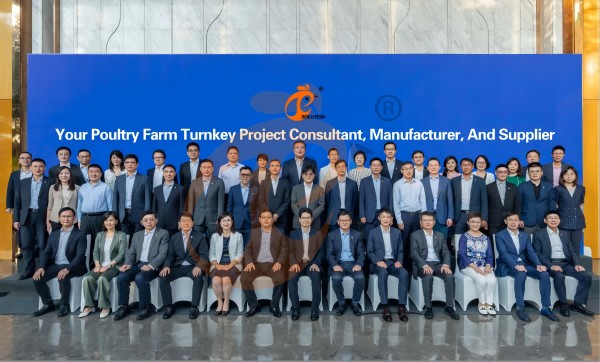
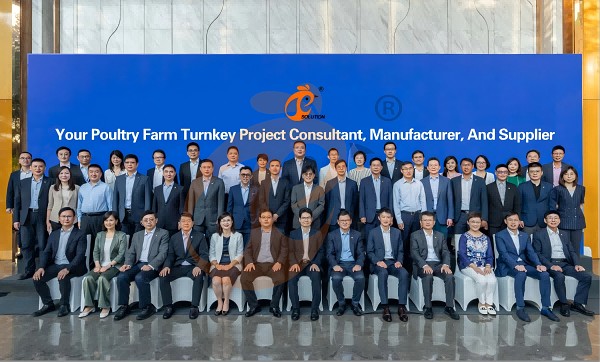
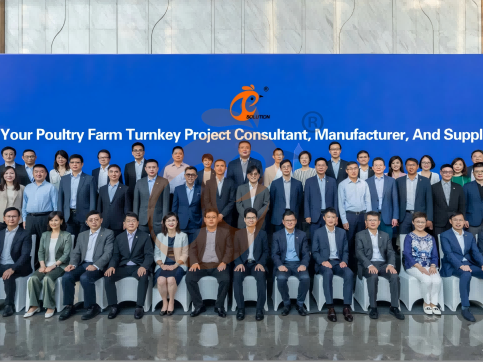
Hong Kong Headquarter Management Team
Hong Kong Headquarter Taiyu Industrial Group CO., LTD
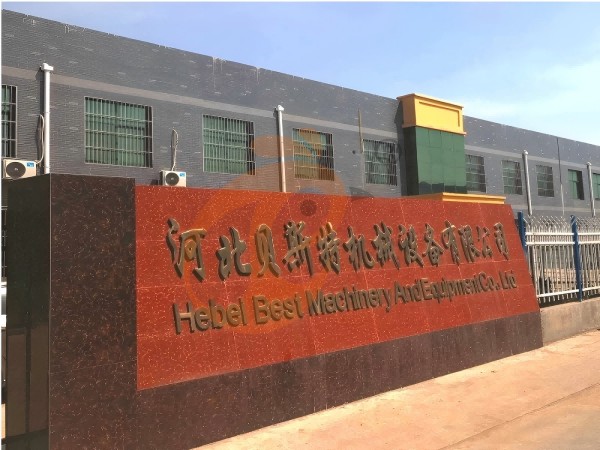
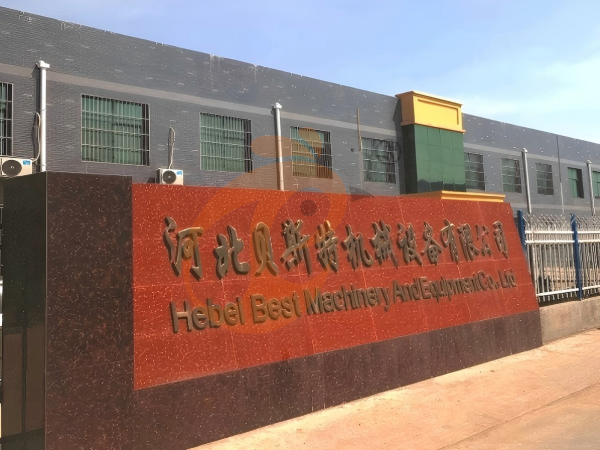
China Hebei Best Machinery And Equipment CO., LTD
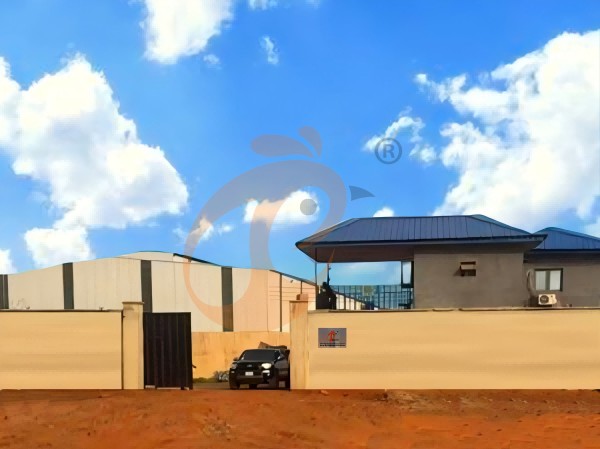
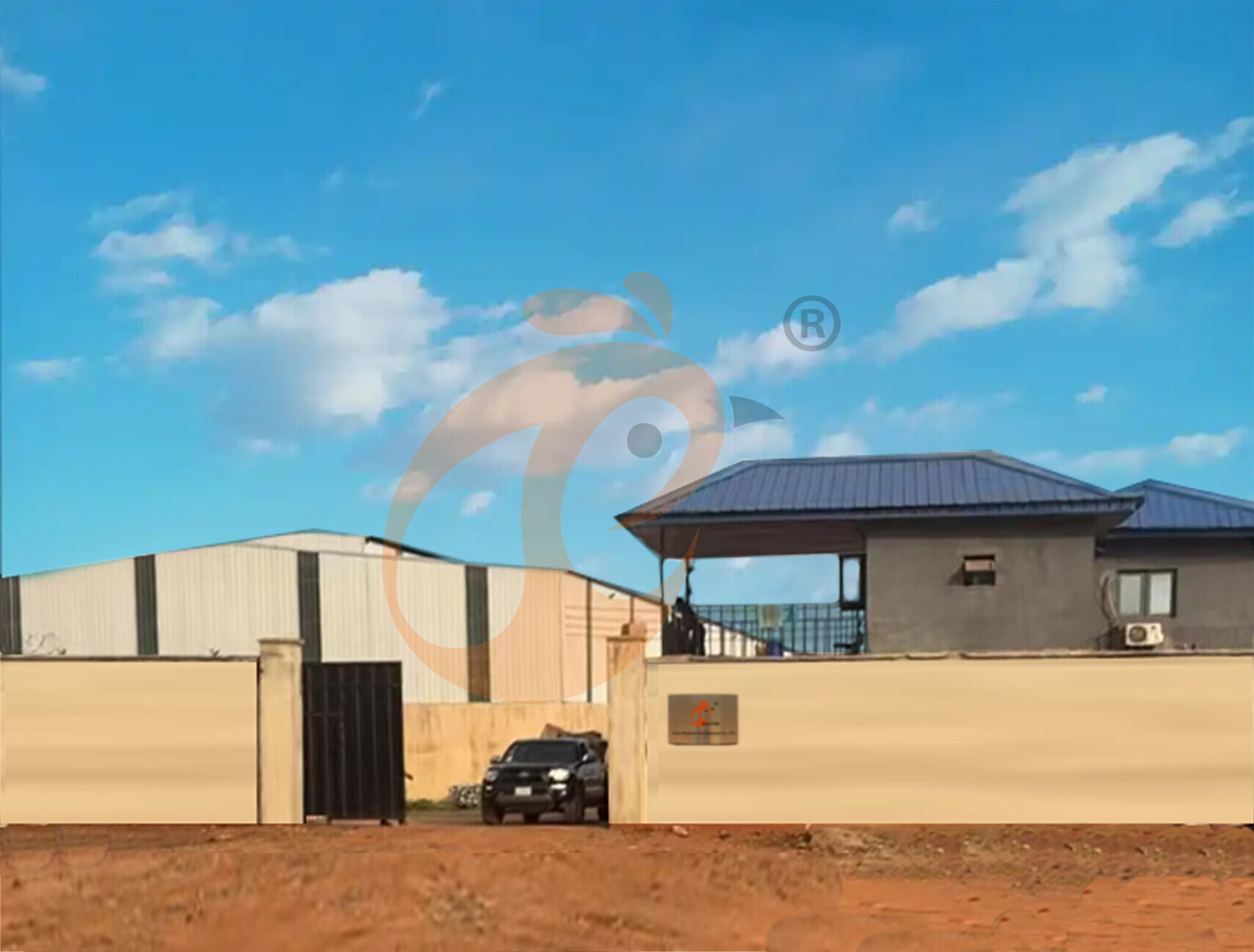
Nigeria Vanke Machinery And Equipment CO., LTD
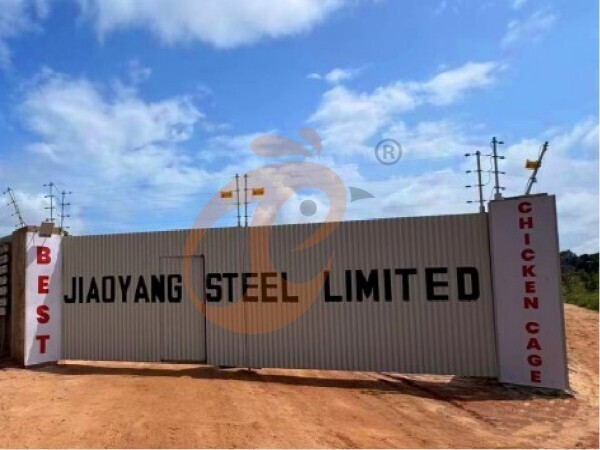
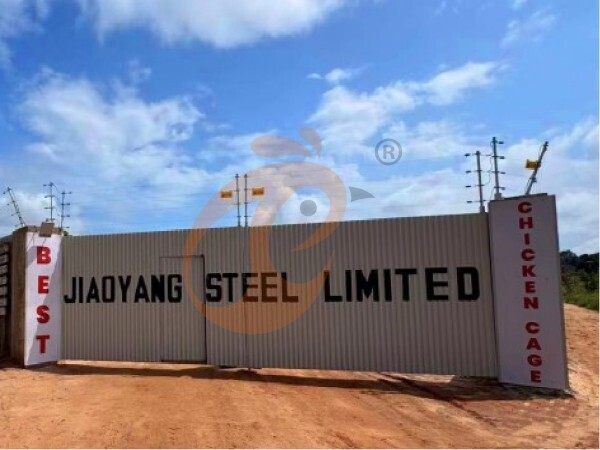
Tanzania Best Machinery And Equipment CO., LTD
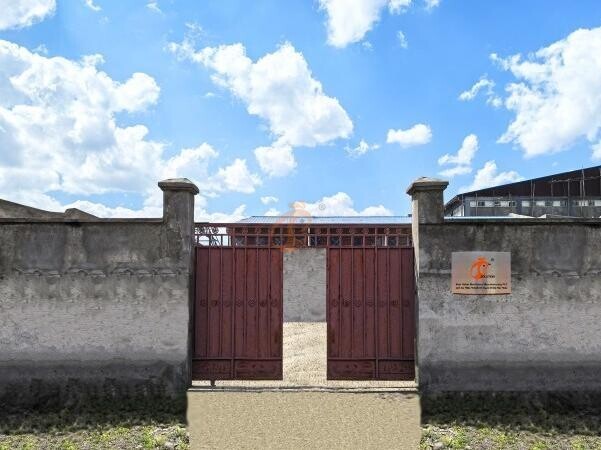
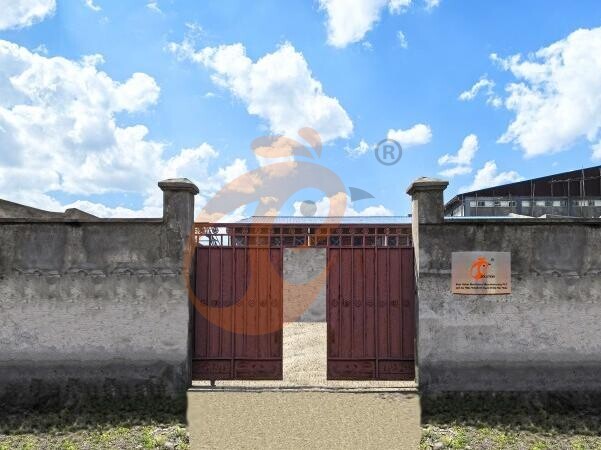
Ethiopia Best Hebei Machinery Manufacturing PLC
Reception /24 WhatsApp NO. : +8618830120193
FAQ
How Does Free Range System Affect Feed Consumption?
Energy expenditure increases daily intake variation by 15%–22% across seasons.
Feed conversion efficiency ranges from 1.9–2.3 depending on grazing intensity.
What Are The Housing Transition Management Standards In Free Range Poultry System?
Indoor-outdoor transition time is controlled within 10–15 minutes per flock movement cycle.
Lighting guidance systems operate at 5–8 lux to direct flock movement behavior.
What Are The Seasonal Adaptation Strategies In Free Range Poultry System?
Summer shade coverage is increased to 60%–80% of grazing area for heat stress reduction.
Rainfall drainage capacity handles 25–40 mm per hour precipitation levels for land usability.
Message
Products recommended
 HK Headquarter Offers EU-standard Poultry Farm Solutions, Manufacture Poultry Farm Equipment1. Continuous communication with the EU and the US
2. China, Nigeria, Ethiopia, Tanzania branch companies and factories
3. The products’ quality is customized for local poultry farms
4. Poultry cage and poultry farm equipment stock for sale
5. 24 online reception Whatsapp NO. : +8618830120193,contact us to get full informationRead More China Branch Offer Poultry Farm Business Plan, Manufacture Poultry Farm Equipment1. Address: Flat/RM 2416, 24/F, Runxing Building, Youyi Nan Street, Shijiazhuang City, Hebei Province, China
2. Poultry cage and poultry farm equipment factory and stock for sale
3. Customized for local poultry farms
4. Quality and design are based on Euro
5. 24 online reception Whatsapp NO. : +8618830120193Read More Nigeria Branch Offer Poultry Farm Business Plan, Manufacture Poultry Farm Equipment1. Address: After Sinoma Office, 200 Meters Near Danco Filling Station, Lagos/Ibadan Expressway, Lagos State, Nigeria
2. Poultry cage and poultry farm equipment factory and stock for sale
3. Customized for Nigerian poultry farms
4. Quality and design are based on Euro
5. 24 online reception Whatsapp NO. : +8618830120193Read More Ethiopia Branch Offer Poultry Farm Business Plan, Manufacture Poultry Farm Equipment1. Address: Gelan Gura, Akaki-kaliti Sub City, Addis Ababa, Ethiopia
2. Poultry cage and poultry farm equipment stock for sale
3. Customized for Ethiopian poultry farms
4. Quality and design are based on Euro
5. 24 online reception Whatsapp NO. : +8618830120193, contact us to get price listRead More Tanzania Branch Offer Poultry Farm Business Plan, Manufacture Poultry Farm Equipment1. Address: No.8, Sova Road, Msufini, Mlandizi, Kibaha, Pwani, Tanzania
2. Poultry cage and poultry farm equipment factory and stock for sale
3. Customized for Tanzanian poultry farms
4. Quality and design are based on Euro
5. 24 online reception Whatsapp NO. : +8618830120193Read More Fully Automatic H Type Layer Chicken Cage1. 30,000-100,000+ layers/house chooses it, Poultry farmers can achieve an egg production rate of 96-98%
2. A significant improvement over the 85-90% typically seen in manual systems
3. A typical poultry farm can expect a 30-40% reduction in labor costs due to the automation
4. Each feeding line efficiently supplies feed to around 100,000 hens per 30 mins
5. Reception /WhatsApp NO. : +8618830120193Read More Fully Automatic A Type Layer Chicken Cage1. 10,000-50,000 layers/house chooses it
2. Cleaner egg collection reduces breakage by 0.5%
3. Improved hygiene helps reduce mortality rate to <3%
4. 1–2 technicians can handle 15,000–30,000 birds
5. Reception /WhatsApp NO. : +8618830120193Read More Semi Automatic H Type Layer Chicken Cage1. 1,00-20,000 layers/house chooses it
2. Nipple drinkers flow 30–60 ML / min
3. Hot-dip galvanized (typical coating ≥ 275 g/m²)
4. Reduce ammonia by ~ 35–40%
5. Reception /WhatsApp NO. : +8618830120193Read More Semi Automatic A Type Layer Chicken Cage1. 1,00-20,000 layers/house chooses it, no rust for 10 years, no deformation for 15 years
2. Chickens live comfortably, you can raise them with peace of mind
3. Save water, save money—efficiency you can measure
4. Improve environment quality, and increase egg production rate
5. Reception /WhatsApp NO. : +8618830120193Read More
By clicking 'Allow All', you agree to the storage of cookies on your device to enhance site navigation, analyze site usage and assist with our marketing efforts.