






Blog
Free range poultry system combines outdoor management, welfare-focused production, and modern poultry equipment solutions with 2.5 hectares planning models.
Cost comparison covers infrastructure, labor, energy, feed management, and commercial investment factors with practical farm indicators.
Welfare evaluation examines movement space, behavior expression, health monitoring, and production balance using 18 operational parameters.
Automatic poultry equipment integration supports efficient feeding, watering, egg collection, and environmental control across commercial farms.
Layer cage system analysis compares engineering design, productivity organization, and future poultry industry development opportunities.
Get professional poultry farm construction guidance, equipment selection solutions, and the latest price lists, whatsApp to +8618830120193, +2348111199996, or click to learn more.
Poultry Housing System Overview
Poultry production structures influence investment planning, operational procedures, animal management, and commercial output strategies.
Free range poultry operations combine indoor shelters with outdoor access areas, allowing hens to perform activities such as walking, searching, and environmental interaction.
Modern free range poultry system projects often include automated poultry equipment, climate monitoring devices, and digital management platforms to improve farm organization.
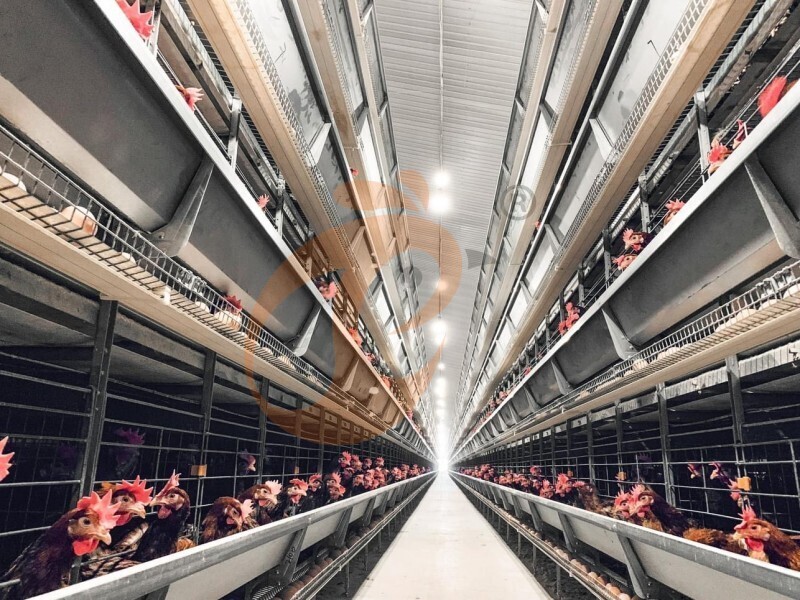
Cage-based production focuses on controlled housing environments, precise resource delivery, and standardized production workflows.
Scientific evaluations show that housing systems create different relationships between welfare indicators, production efficiency, and economic performance.
Infrastructure Investment Comparison
Data is for reference only.Swipe horizontally to view full table.
Free range farms require additional land preparation, perimeter protection, and outdoor management structures.
Commercial projects using automatic poultry equipment normally integrate feeding conveyors, water systems, and environmental monitoring modules.
Cage projects usually allocate more capital toward internal steel structures and automated production equipment.
Welfare Characteristics And Behavioral Expression
Animal welfare assessment considers behavioral freedom, physical condition, environmental interaction, and daily management procedures.
Free range systems provide additional activity opportunities through outdoor movement and natural exploration.
Cage environments provide stable resource delivery and simplified observation procedures.
Research comparing housing systems has identified differences in production traits, behavior scores, and physical characteristics among laying hens.
Professional farm planning increasingly combines welfare requirements with engineering solutions rather than evaluating only one operational factor.
Production Performance Metrics
Data is for reference only.Swipe horizontally to view full table.
Production management requires different technical arrangements between outdoor and indoor systems.
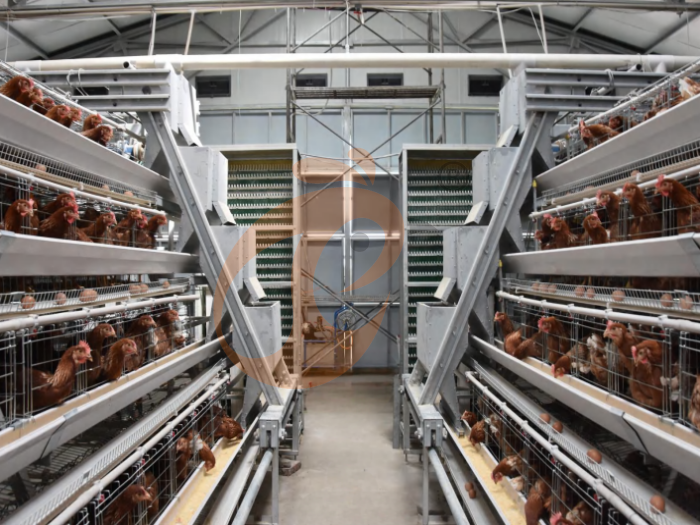
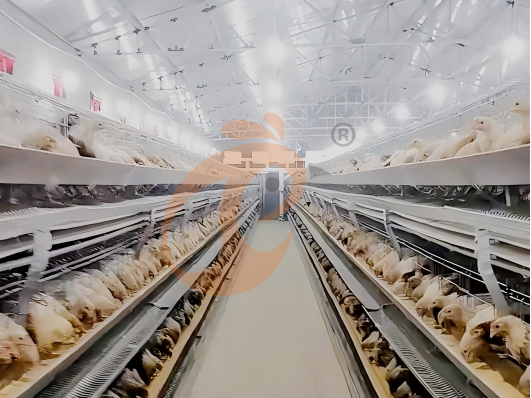
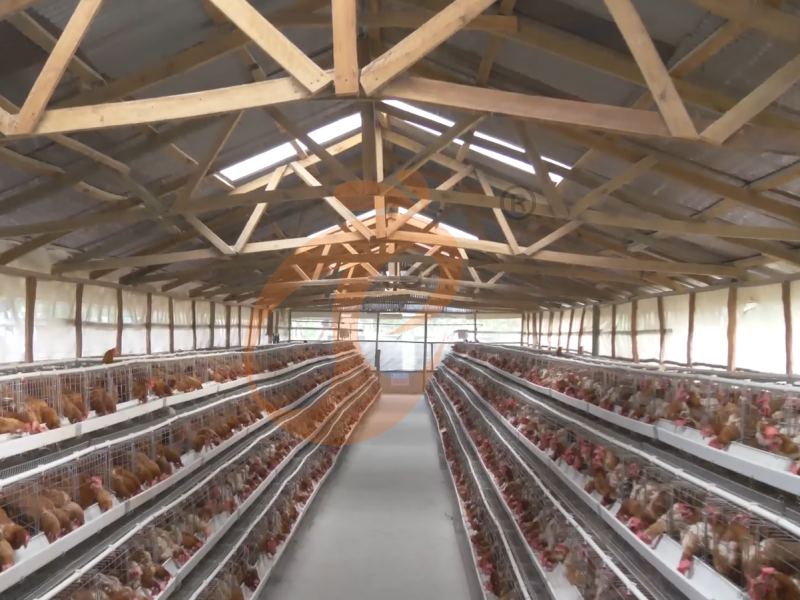
Layer cage system solutions provide structured layouts for automated collection, feeding control, and production recording.
Free range operations normally require additional inspection procedures because environmental conditions change throughout the production cycle.
Outdoor Space And Environmental Parameters
Data is for reference only.Swipe horizontally to view full table.
Outdoor management requires monitoring systems for vegetation, weather, soil conditions, and bird movement.
Engineering suppliers increasingly combine environmental sensors with poultry equipment packages for better farm data collection.
Free range systems need detailed land management planning because outdoor resources influence operational performance.
Labor Requirement And Daily Management
Data is for reference only.Swipe horizontally to view full table.
Labor requirements depend on automation level, farm size, and management procedures.
Free range farms usually require more outdoor observation activities.
Cage farms often use automatic poultry equipment to reduce manual operation during feeding and egg collection stages.
Research has measured differences in human labor commitment between range, cage-free, and cage environments.
Economic Cost Structure Comparison
Data is for reference only.Swipe horizontally to view full table.
Cost structures depend on farm scale, regional resources, certification requirements, and equipment selection.
Commercial projects using layer cage system solutions usually focus on optimized space utilization, automated production management, and controlled operational expenses.
Free range projects require additional investment in land management, outdoor protection, and environmental supervision.
Research comparing housing costs shows that production systems involve different economic balances between infrastructure, feed, labor, and management requirements.
Egg Quality And Consumer Market Factors
Egg quality evaluation includes shell characteristics, internal quality, cleanliness, nutritional composition, and market positioning.
Free range production systems are frequently selected for premium market channels because consumers associate outdoor access with welfare-oriented production.
Cage systems provide standardized collection procedures and stable production organization through automated poultry equipment.
Modern poultry farms increasingly adopt intelligent monitoring, automated feeding, and digital production records to meet changing market requirements.
Consumer acceptance depends on certification standards, labeling accuracy, production transparency, and regional purchasing preferences.
Environmental Impact Indicators
Data is for reference only.Swipe horizontally to view full table.
Environmental assessment requires consideration of land usage, resource circulation, waste handling, and production efficiency.
Free range farms create additional ecological management requirements because outdoor areas become part of the production environment.
Cage systems generally concentrate waste collection and environmental control inside designed facilities.
Recent research indicates that welfare-oriented systems and environmental performance involve multiple trade-offs rather than a single evaluation direction.
Final Comparison And Future Development
Data is for reference only.Swipe horizontally to view full table.
Free range poultry system and cage system represent two different engineering approaches for commercial poultry production.
Free range projects emphasize outdoor access, behavioral opportunities, and differentiated market positioning.
Cage systems emphasize automation, controlled management, and production consistency.
Future poultry facilities are expected to combine welfare requirements with precision technologies.
Automatic poultry equipment, intelligent sensors, and digital farm management platforms can support improved decision-making across different housing models.
Frequently Asked Questions
Q1: What factors determine the choice between free range poultry system and cage system?
A1: Farm size, land availability, production goals, labor structure, and market requirements determine suitable housing selection.
Commercial planning may evaluate 10,000-bird production units, equipment investment, and welfare requirements before project implementation.
Q2: How does automatic poultry equipment improve poultry farm management?
A2: Automatic poultry equipment supports feeding, drinking, environmental monitoring, and production recording through integrated mechanical and digital systems.
A complete installation may include 24-hour monitoring functions and scheduled operation controls.
Q3: Can layer cage system solutions support large commercial farms?
A3: Layer cage system solutions are designed for industrial production environments requiring organized layouts, automated collection, and efficient resource management.
Large projects commonly integrate climate systems, feeding lines, and centralized control panels.
Taiyu (HK) Group - One Of China Largest Automatic Poultry Equipment Manufacturer
Automatic poultry equipment provides integrated feeding, watering, ventilation, egg collection, and environmental control solutions designed for commercial poultry production facilities.
Global factory direct supply delivers poultry equipment manufacturing services with engineering support, customized production lines, and international project coordination.
Turn-key engineering projects include farm planning, equipment installation, technical commissioning, and operational guidance for worldwide poultry production customers.
Poultry equipment solutions cover layer farms, broiler facilities, breeder houses, and modern agricultural infrastructure with professional manufacturing standards.
International export services support complete poultry farm development through technical consultation, production management, and project implementation systems.
Contact Us To Received Your Customized Poultry Farm Plan
Headquarters And Branchs
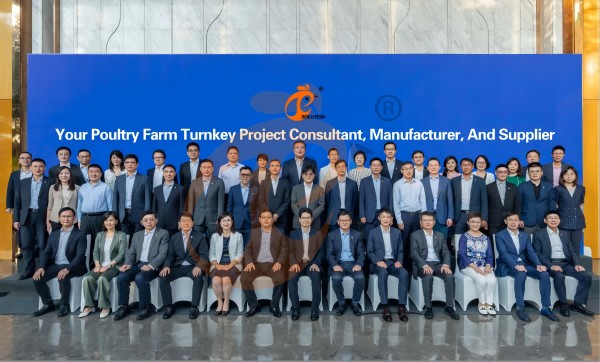
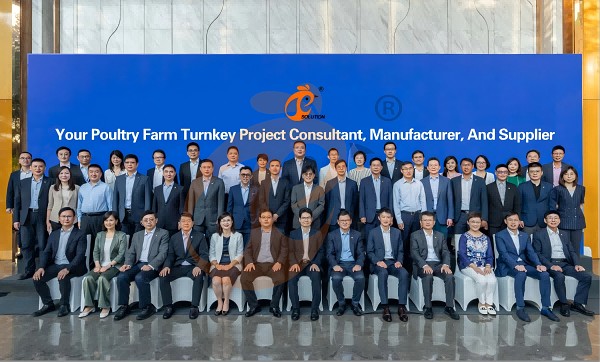
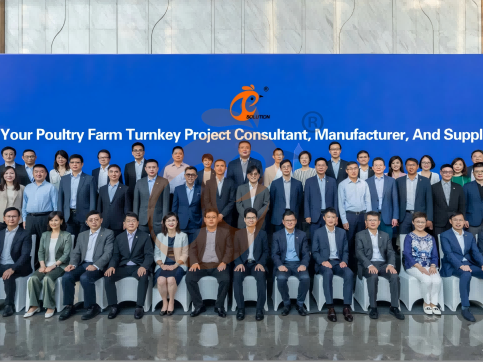
Hong Kong Headquarter Management Team
Hong Kong Headquarter Taiyu Industrial Group CO., LTD
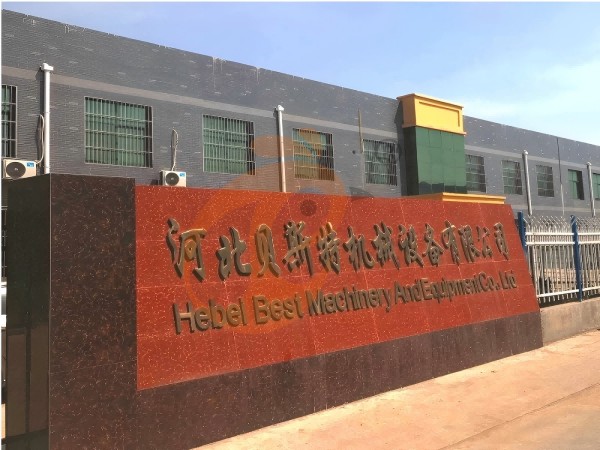
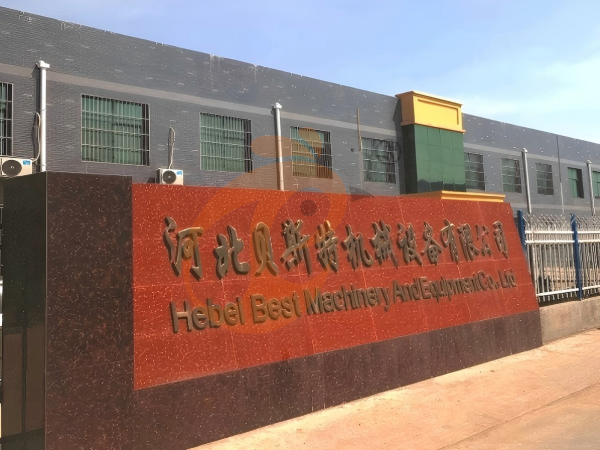
China Hebei Best Machinery And Equipment CO., LTD
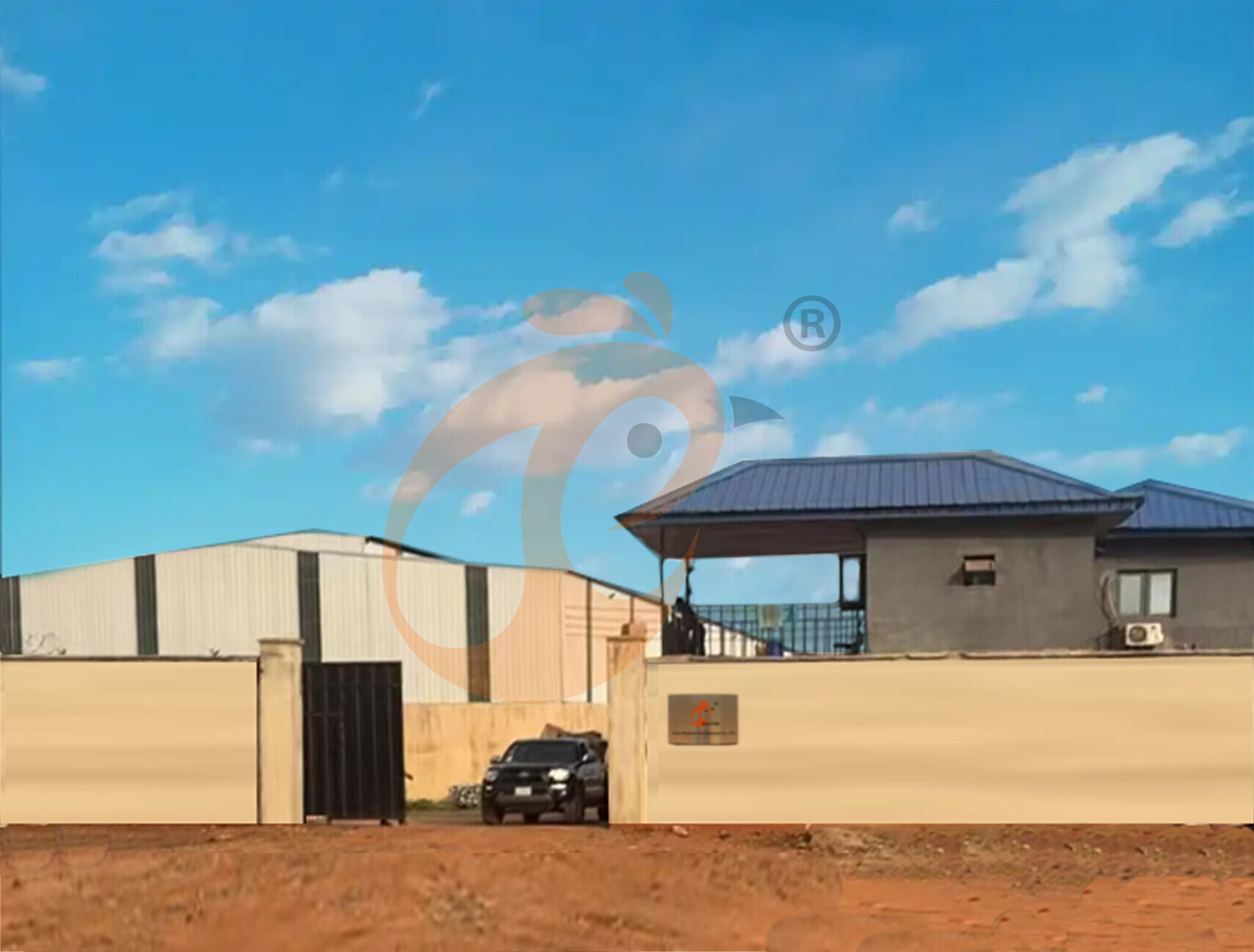
Nigeria Vanke Machinery And Equipment CO., LTD
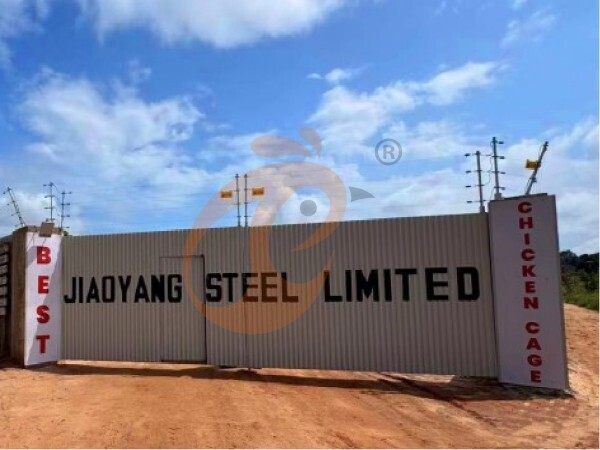
Tanzania Best Machinery And Equipment CO., LTD
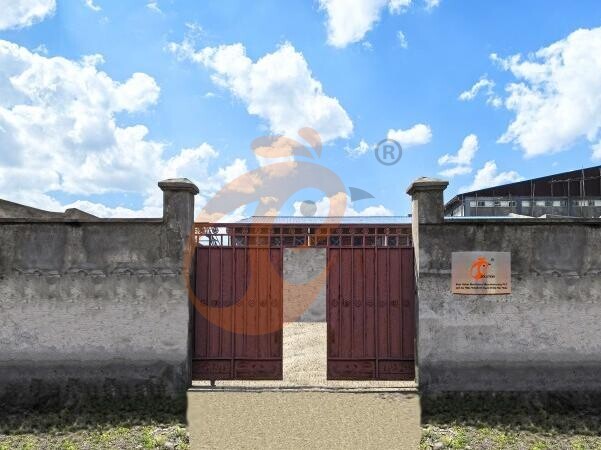
Ethiopia Best Hebei Machinery Manufacturing PLC
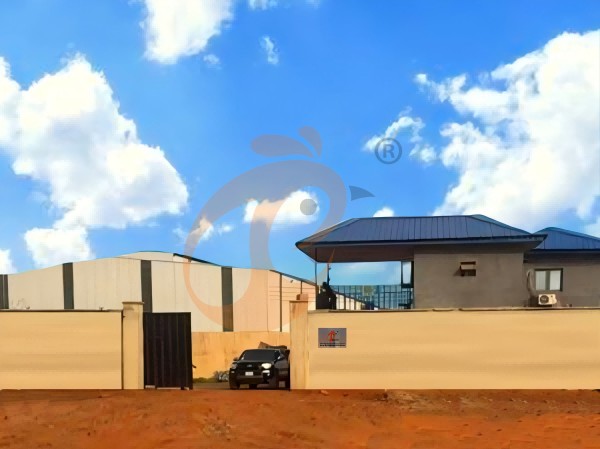
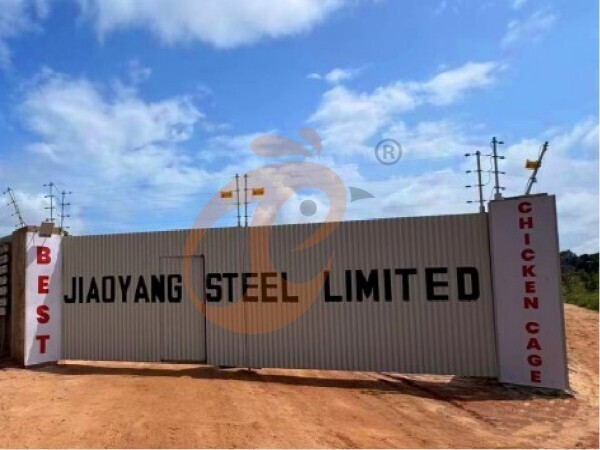
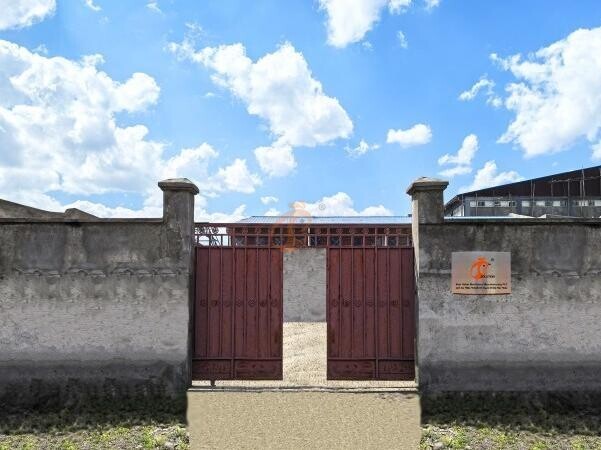
Reception /24 WhatsApp NO. : +8618830120193
FAQ
How Does Free Range System Affect Feed Consumption?
Energy expenditure increases daily intake variation by 15%–22% across seasons.
Feed conversion efficiency ranges from 1.9–2.3 depending on grazing intensity.
What Are The Housing Transition Management Standards In Free Range Poultry System?
Indoor-outdoor transition time is controlled within 10–15 minutes per flock movement cycle.
Lighting guidance systems operate at 5–8 lux to direct flock movement behavior.
What Are The Seasonal Adaptation Strategies In Free Range Poultry System?
Summer shade coverage is increased to 60%–80% of grazing area for heat stress reduction.
Rainfall drainage capacity handles 25–40 mm per hour precipitation levels for land usability.
- poultry equipment
- layer cage
- poultry farm
- poultry farm
- poultry farm construction
- poultry farm management
- layer cage system
- poultry equipment manufacturer
- automatic poultry equipment
- layer farm
- modern poultry equipment
- automatic poultry equipment manufacturer
- poultry equipment manufacturers
- Ethiopia
- Nigeria
Message
Products recommended
 HK Headquarter Offers EU-standard Poultry Farm Solutions, Manufacture Poultry Farm Equipment1. Continuous communication with the EU and the US
2. China, Nigeria, Ethiopia, Tanzania branch companies and factories
3. The products’ quality is customized for local poultry farms
4. Poultry cage and poultry farm equipment stock for sale
5. 24 online reception Whatsapp NO. : +8618830120193,contact us to get full informationRead More China Branch Offer Poultry Farm Business Plan, Manufacture Poultry Farm Equipment1. Address: Flat/RM 2416, 24/F, Runxing Building, Youyi Nan Street, Shijiazhuang City, Hebei Province, China
2. Poultry cage and poultry farm equipment factory and stock for sale
3. Customized for local poultry farms
4. Quality and design are based on Euro
5. 24 online reception Whatsapp NO. : +8618830120193Read More Nigeria Branch Offer Poultry Farm Business Plan, Manufacture Poultry Farm Equipment1. Address: After Sinoma Office, 200 Meters Near Danco Filling Station, Lagos/Ibadan Expressway, Lagos State, Nigeria
2. Poultry cage and poultry farm equipment factory and stock for sale
3. Customized for Nigerian poultry farms
4. Quality and design are based on Euro
5. 24 online reception Whatsapp NO. : +8618830120193Read More Ethiopia Branch Offer Poultry Farm Business Plan, Manufacture Poultry Farm Equipment1. Address: Gelan Gura, Akaki-kaliti Sub City, Addis Ababa, Ethiopia
2. Poultry cage and poultry farm equipment stock for sale
3. Customized for Ethiopian poultry farms
4. Quality and design are based on Euro
5. 24 online reception Whatsapp NO. : +8618830120193, contact us to get price listRead More Tanzania Branch Offer Poultry Farm Business Plan, Manufacture Poultry Farm Equipment1. Address: No.8, Sova Road, Msufini, Mlandizi, Kibaha, Pwani, Tanzania
2. Poultry cage and poultry farm equipment factory and stock for sale
3. Customized for Tanzanian poultry farms
4. Quality and design are based on Euro
5. 24 online reception Whatsapp NO. : +8618830120193Read More Fully Automatic H Type Layer Chicken Cage1. 30,000-100,000+ layers/house chooses it, Poultry farmers can achieve an egg production rate of 96-98%
2. A significant improvement over the 85-90% typically seen in manual systems
3. A typical poultry farm can expect a 30-40% reduction in labor costs due to the automation
4. Each feeding line efficiently supplies feed to around 100,000 hens per 30 mins
5. Reception /WhatsApp NO. : +8618830120193Read More Fully Automatic A Type Layer Chicken Cage1. 10,000-50,000 layers/house chooses it
2. Cleaner egg collection reduces breakage by 0.5%
3. Improved hygiene helps reduce mortality rate to <3%
4. 1–2 technicians can handle 15,000–30,000 birds
5. Reception /WhatsApp NO. : +8618830120193Read More Semi Automatic H Type Layer Chicken Cage1. 1,00-20,000 layers/house chooses it
2. Nipple drinkers flow 30–60 ML / min
3. Hot-dip galvanized (typical coating ≥ 275 g/m²)
4. Reduce ammonia by ~ 35–40%
5. Reception /WhatsApp NO. : +8618830120193Read More Semi Automatic A Type Layer Chicken Cage1. 1,00-20,000 layers/house chooses it, no rust for 10 years, no deformation for 15 years
2. Chickens live comfortably, you can raise them with peace of mind
3. Save water, save money—efficiency you can measure
4. Improve environment quality, and increase egg production rate
5. Reception /WhatsApp NO. : +8618830120193Read More
By clicking 'Allow All', you agree to the storage of cookies on your device to enhance site navigation, analyze site usage and assist with our marketing efforts.