






Blog
Why Your Chicken Cage Always Gets Sick? Scientific Chicken Cage Design And Ventilation Control
Why Ventilation And Environmental Control Are Key To Disease Reduction
The biggest concern for poultry farmers is disease, which directly impacts survival rates, production performance, and profit margins. Traditional poultry house and cage designs often lead to ammonia accumulation, uneven temperatures, and excessive humidity. These are the primary "culprits" that trigger high-incidence diseases such as respiratory illnesses and E. coli infections.
Our Core Thesis: Modern cage equipment and scientific ventilation environmental control are the fundamental solutions to these problems. We provide more than just "cages"; we offer a "micro-environment system" designed to ensure flock health.
Part 1: How Scientific Cage Design Optimizes The "Micro-Environment"
The cage equipment itself plays a crucial role in supporting environmental control.
1. Cage Material And Structure For Optimal Sanitation:
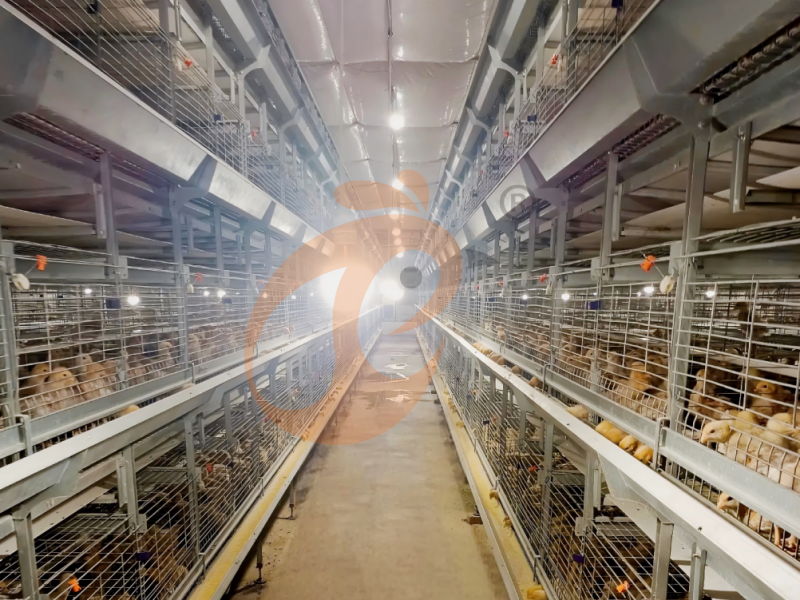
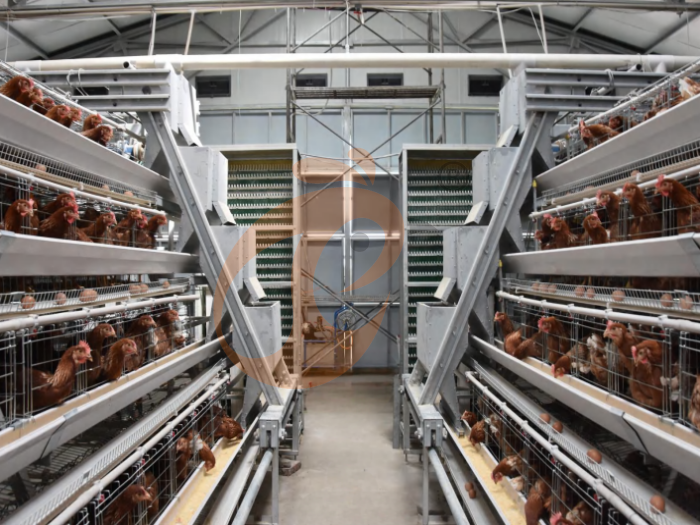
Waste Removal Capability: We emphasize the use of high-strength, low-adhesion galvanized or plastic-coated steel materials, which work seamlessly with automatic manure removal systems to achieve daily waste clearing. This minimizes the build-up of ammonia and bacteria within the cage—the first line of defense against harmful gases.
Space Design: Adopting reasonable stocking density (adjusted for different breeds/ages) ensures birds have sufficient space for activity, feeding, and watering, thus reducing stress reactions.
2. Layering And Passage Design (For Layer Cages):
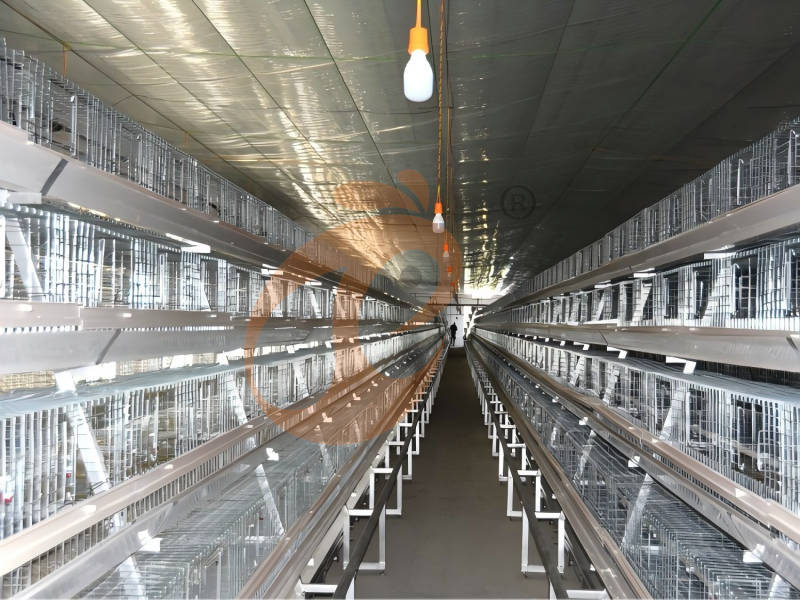
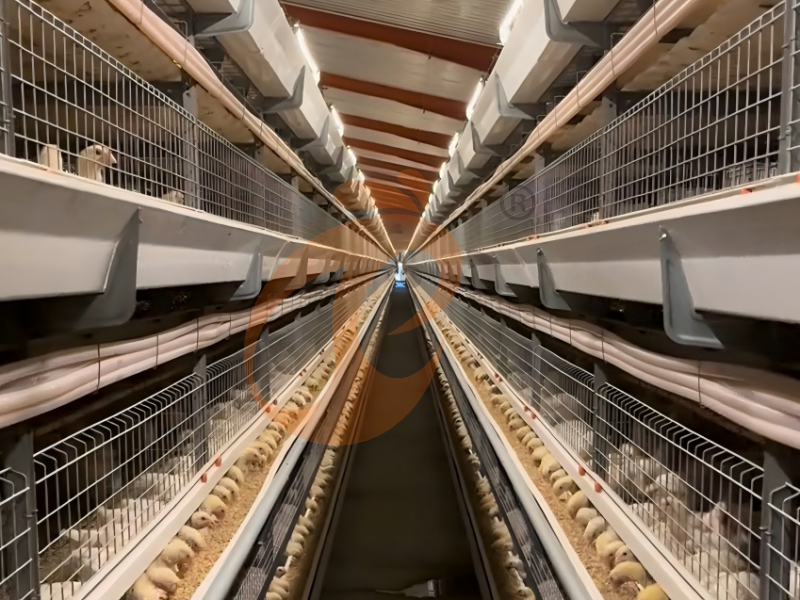
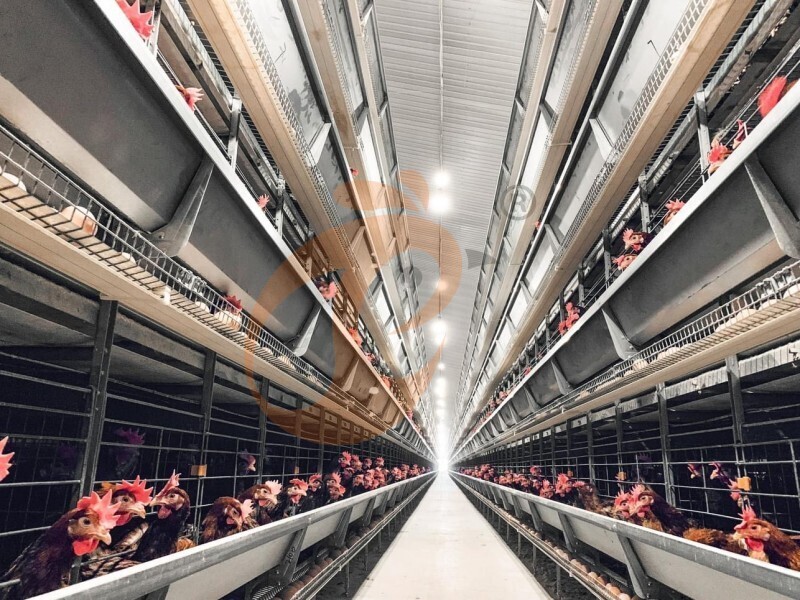
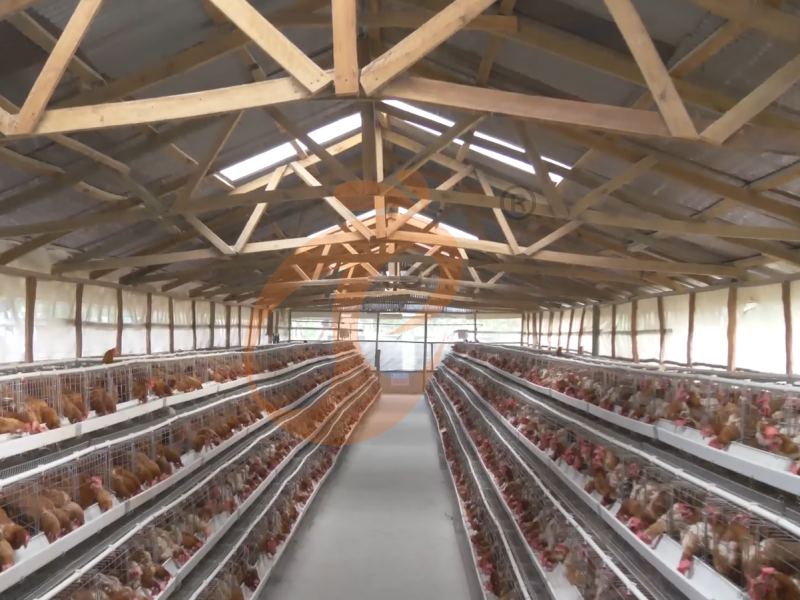
Ventilation Passages: Sufficient ventilation channels (e.g., 0.35–0.5 meters) are reserved between each cage layer. This ensures that airflow can reach every tier of birds uniformly, a critical advantage over conventional cages.
Air Deflector Application: We introduce how to install top nets or air deflectors near air inlets/above the cages to guide the fresh air for proper mixing. This prevents cold drafts from blowing directly onto the flock, which can cause cold stress (a major cause of winter respiratory diseases).
Part 2: Core Technology And Parameters Of The Ventilation System
This section highlights the scientific configuration of negative pressure ventilation, fans, and wet pads.
1. Negative Pressure Ventilation Technology (Core)
Principle: Explain how the negative pressure system works through high-efficiency fans and a sealed poultry house to force the expulsion of polluted air while uniformly drawing in fresh air through side inlets or wet pads.
Technical Advantage: Ensures a consistent and uniform air flow pattern throughout the house, effectively removing heat, humidity, and harmful gases (e.g., ammonia, carbon dioxide, hydrogen sulfide).
2. Key Equipment Configuration:
High-Efficiency Fans: We recommend high-efficiency models, such as cone fans, emphasizing their characteristics of high ventilation efficiency and low energy consumption.
Evaporative Cooling (Summer): We stress the importance of staged control for the wet pads to avoid a sudden temperature drop upon activation, which could cause flock stress.
3. Scientific Calculation Of Ventilation Rates:
The principles for calculating the minimum, transition, and maximum ventilation rates required for different ages and seasons, demonstrating our professional technical service capabilities.
Part 3: Intelligence And Precision In Environmental Control Systems
Focus on how automated equipment achieves "constant temperature and humidity, fresh air."
1. Smart Environmental Controllers:
Functionality: Introduce programmable controllers capable of real-time monitoring and automatic regulation of temperature, humidity, and ammonia concentration.
Effectiveness: Achieves precise temperature control, minimizing temperature fluctuations, which reduces flock stress and the resultant diseases triggered by environmental changes.
2. Harmful Gas And Humidity Control:
Ammonia: By combining the manure removal and ventilation systems, we emphasize how ammonia concentration is controlled below safety standards (e.g., below 20ppm)—a critical factor in preventing respiratory illnesses.
Humidity: Explain how ventilation keeps humidity within the optimal healthy range of 55%–65%, suppressing the growth of pathogens and mold.
Conclusion: Equipment Investment = Disease Prevention
Summary: Our cage design and integrated environmental control systems fundamentally improve the poultry house environment.
Profitability Outlook: By using our equipment, poultry farmers can achieve:
Reduced Disease Incidence (the most direct cost saving).
Lower Medication and Labor Costs.
Improved Feed Conversion Ratio (FCR) (healthier birds perform better).
Call to Action : Contact us today to receive our white paper on “Climate-Specific Poultry House Ventilation Design” or to discuss a free environmental assessment with our experts.
Tag
 Fully Automatic H Type Day Old Chicken Cage Design1. 30,000-100,000 chicks/house, average weight gain 55–60g/day
2. Feed waste 0.01%, fully automatic feeding system
3. H-Type fully automated cage mortality rate 1%–2%
4. Tier levels 3 to 12 tiers, biggest ccapacity: 185000 chickens/house
5. Reception /WhatsApp NO. : +8618830120193More Fully Automatic A Type Day Old Chicken Cage Design1. 10,000-50,000 chicks/house chooses it
2. Feeding at a speed of 18 m/min
3. Dispensing water at 30–60 ml/min
4. Ventilation system featuring 36″ axial fans (36,000 m³/h)
5. Reception /WhatsApp NO. : +8618830120193More Semi Automatic H Type Day Old Chicken Cage Design1. 1,00-20,000 chicks/house chooses it
2. 360° nipple drinkers ensure every chick has access to water
3. Labor reduced 20–30%
4. 25-year durability
5. Reception /WhatsApp NO. : +8618830120193More
Message
Products recommended
 HK Headquarter Offers EU-standard Poultry Farm Solutions, Manufacture Poultry Farm Equipment1. Continuous communication with the EU and the US
2. China, Nigeria, Ethiopia, Tanzania branch companies and factories
3. The products’ quality is customized for local poultry farms
4. Poultry cage and poultry farm equipment stock for sale
5. 24 online reception Whatsapp NO. : +8618830120193,contact us to get full informationRead More China Branch Offer Poultry Farm Business Plan, Manufacture Poultry Farm Equipment1. Address: Flat/RM 2416, 24/F, Runxing Building, Youyi Nan Street, Shijiazhuang City, Hebei Province, China
2. Poultry cage and poultry farm equipment factory and stock for sale
3. Customized for local poultry farms
4. Quality and design are based on Euro
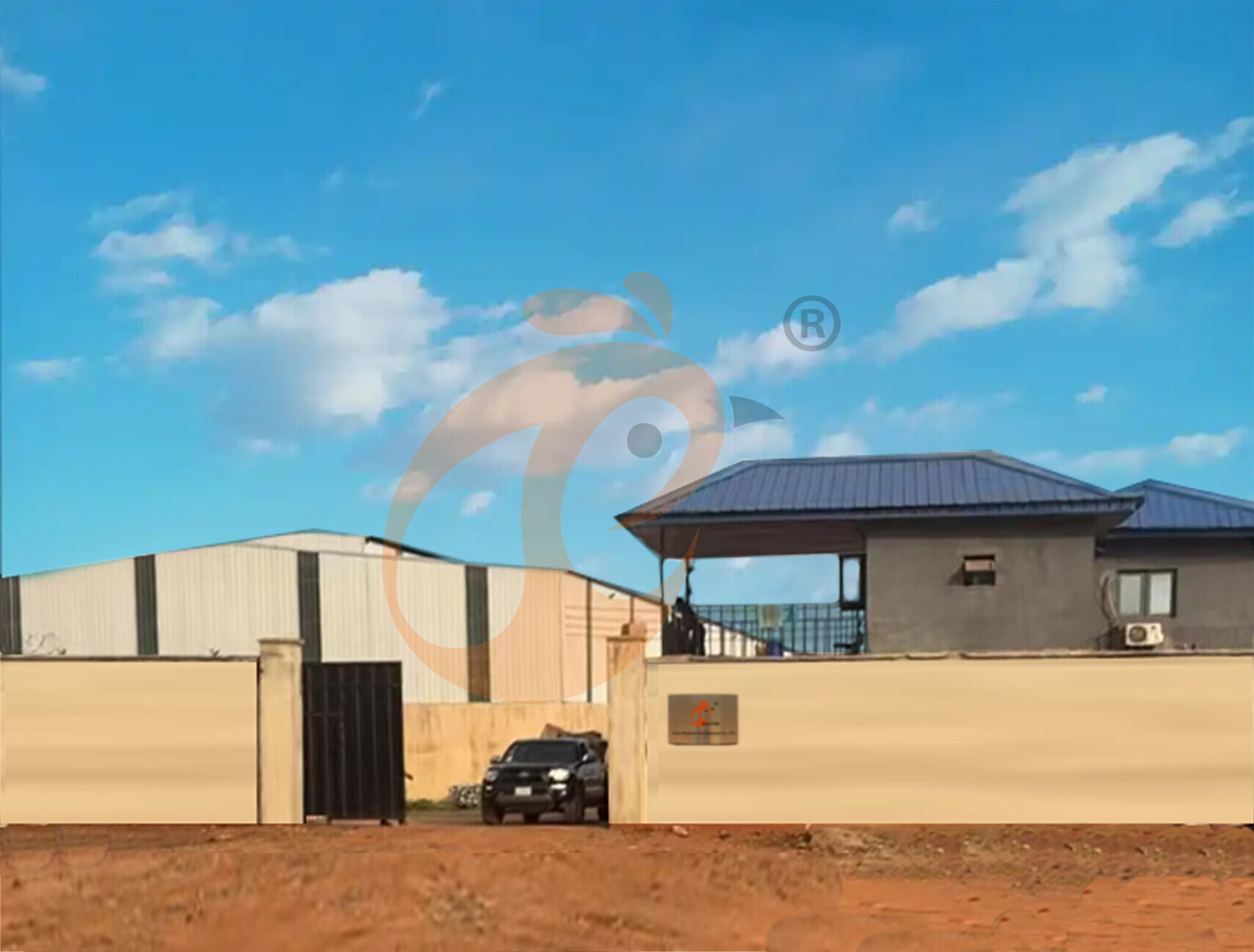
5. 24 online reception Whatsapp NO. : +8618830120193Read More Nigeria Branch Offer Poultry Farm Business Plan, Manufacture Poultry Farm Equipment1. Address: After Sinoma Office, 200 Meters Near Danco Filling Station, Lagos/Ibadan Expressway, Lagos State, Nigeria
2. Poultry cage and poultry farm equipment factory and stock for sale
3. Customized for Nigerian poultry farms
4. Quality and design are based on Euro
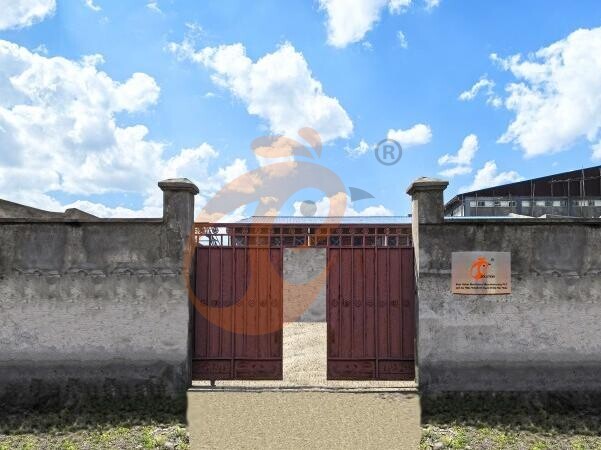
5. 24 online reception Whatsapp NO. : +8618830120193Read More Ethiopia Branch Offer Poultry Farm Business Plan, Manufacture Poultry Farm Equipment1. Address: Gelan Gura, Akaki-kaliti Sub City, Addis Ababa, Ethiopia
2. Poultry cage and poultry farm equipment stock for sale
3. Customized for Ethiopian poultry farms
4. Quality and design are based on Euro
5. 24 online reception Whatsapp NO. : +8618830120193, contact us to get price listRead More Tanzania Branch Offer Poultry Farm Business Plan, Manufacture Poultry Farm Equipment1. Address: No.8, Sova Road, Msufini, Mlandizi, Kibaha, Pwani, Tanzania
2. Poultry cage and poultry farm equipment factory and stock for sale
3. Customized for Tanzanian poultry farms
4. Quality and design are based on Euro
5. 24 online reception Whatsapp NO. : +8618830120193Read More Fully Automatic H Type Layer Chicken Cage1. 30,000-100,000+ layers/house chooses it, Poultry farmers can achieve an egg production rate of 96-98%
2. A significant improvement over the 85-90% typically seen in manual systems
3. A typical poultry farm can expect a 30-40% reduction in labor costs due to the automation
4. Each feeding line efficiently supplies feed to around 100,000 hens per 30 mins
5. Reception /WhatsApp NO. : +8618830120193Read More Fully Automatic A Type Layer Chicken Cage1. 10,000-50,000 layers/house chooses it
2. Cleaner egg collection reduces breakage by 0.5%
3. Improved hygiene helps reduce mortality rate to <3%
4. 1–2 technicians can handle 15,000–30,000 birds
5. Reception /WhatsApp NO. : +8618830120193Read More Semi Automatic H Type Layer Chicken Cage1. 1,00-20,000 layers/house chooses it
2. Nipple drinkers flow 30–60 ML / min
3. Hot-dip galvanized (typical coating ≥ 275 g/m²)
4. Reduce ammonia by ~ 35–40%
5. Reception /WhatsApp NO. : +8618830120193Read More Semi Automatic A Type Layer Chicken Cage1. 1,00-20,000 layers/house chooses it, no rust for 10 years, no deformation for 15 years
2. Chickens live comfortably, you can raise them with peace of mind
3. Save water, save money—efficiency you can measure
4. Improve environment quality, and increase egg production rate
5. Reception /WhatsApp NO. : +8618830120193Read More
By clicking 'Allow All', you agree to the storage of cookies on your device to enhance site navigation, analyze site usage and assist with our marketing efforts.