


Blog
Layer Cage Deep Dive: Automated Collection Systems And Density Management
Welcome to the future of high-efficiency poultry farm operation. At Taiyu Hongkong Group, we don't just supply Chicken cage systems; we engineer integrated solutions designed for maximum profitability and animal welfare. The transition to fully automated Layer cage and specialized broiler cage systems, particularly our robust Cage System, is no longer optional—it is essential for long-term success. This deep dive focuses on the engineering brilliance behind our automated collection systems and the scientific rules governing density management, using precise data to demonstrate our competitive advantage in the global market.As a leading global manufacturer, Taiyu Hongkong Group provides not just the equipment, but the comprehensive financial blueprint you need to succeed..For details, please read - The 2025 Ultimate Poultry Farming Guide: How To Start, Cost Analysis, And Profit Potential.
Precision Engineering Of Automated Egg Collection
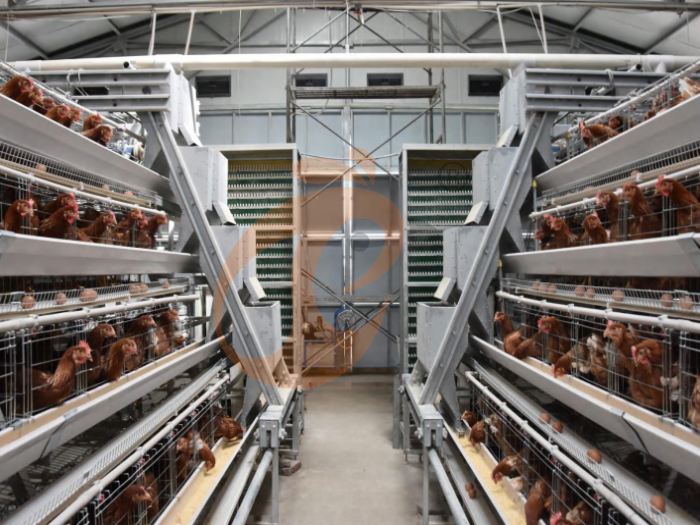
The single greatest leap in reducing operating costs and maintaining egg quality comes from automated collection. Our system is meticulously designed to handle eggs gently from the moment they are laid until they reach the packing station, minimizing manual interference and breakage.
The critical component is the cage bottom, engineered with an optimum 8° slope. This angle ensures the egg rolls out immediately after laying, preventing hen access and contamination, while the movement is gentle enough to prevent cracking. The collection belt, made of high-quality material with a typical thickness of 0.8–1.2 mm, runs at a precisely calibrated speed of 4.5 meters per minute. This controlled transport ensures low impact, distinguishing our system from less precise alternatives. Manual collection, by contrast, is highly variable, often yielding only 300–600 eggs per person per hour and suffering from higher breakage.
Automated Egg Collection System Performance
Scientific Density Management In Layer Cage Systems
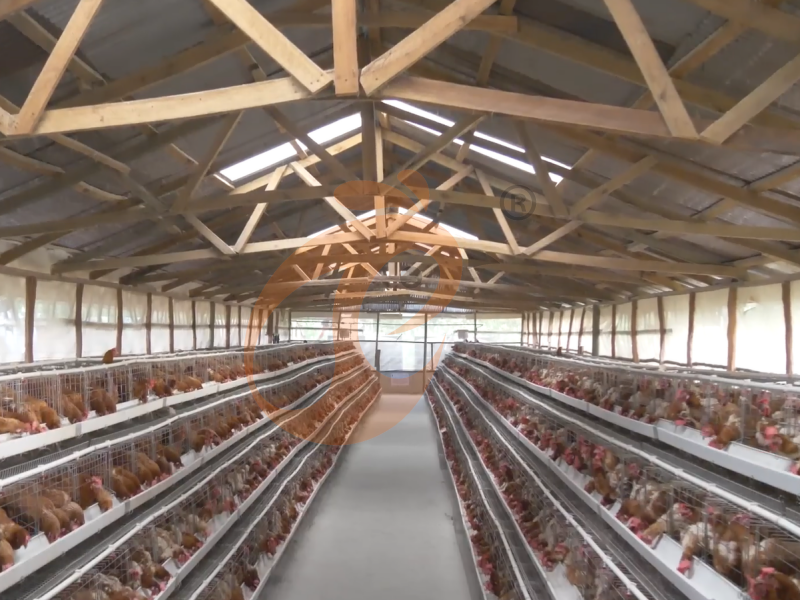
Density management is the core pillar of profitable Layer cage farming. The goal is to maximize the number of birds per house footprint while strictly adhering to welfare standards to maintain a low mortality rate (typically < 3%). Our commitment is to ensure each laying hen receives the mandated minimum space to thrive.
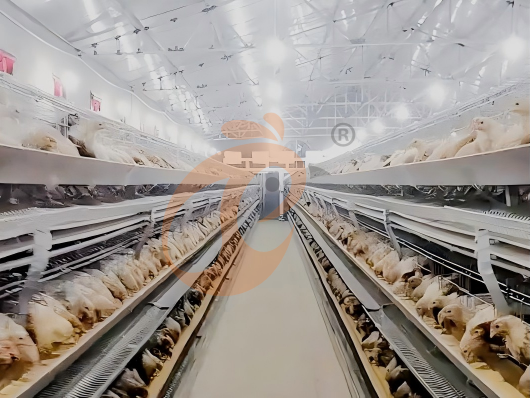
In our fully automated Chicken cage systems, each bird is allocated approximately 0.04m² of space. For example, a standard A-type cell of 43x38cm houses four hens. Comparing our A-Type and H-Type (vertical) solutions reveals clear operational trade-offs, which is why clients frequently search for: Which Cage System Is Best: A-Type Or H-Type?
While the A-Type system offers a lower initial cost per bird, the H-Type system, with its vertical stacking and advanced Cage System design, provides superior space utilization, reaching up to 80% compared to the A-Type's 65–75%. This enhanced density is critical for large-scale operations.
Layer Cage Density And Capacity Comparison
The Specialized A-Type Broiler Cage For Meat Production
Broiler cage systems are fundamentally different from layer systems because they prioritize rapid growth to market weight (2.5KG–3KG) within a short 45–60 day cycle. Our specialized A-Type Broiler Cage is designed to support the unique requirements of this rapid growth period.
A key difference frequently searched by Google users is: What Is The Ideal Density For Broiler Chickens In Cages?Broilers require more space due to their fast-growing mass. Our A-Type Broiler Cage allocates a minimum of 0.061m² per bird (e.g., a standard cell size of 70x70x40cm houses eight birds). This extra space prevents health issues like heat stress and footpad dermatitis, which are common in overcrowded facilities. Our broiler cage systems are equipped with specialized features like plastic flat mesh flooring for comfort and automatic feeding systems to ensure uniform, high-efficiency feed conversion.
Broiler Cage Design And Performance Data
The Power Of Full Automation: Component Specifications
True efficiency in a poultry farm stems from the reliability of every automated component. Our full automation systems for both Layer cage and broiler cage systems rely on industrial-grade motors and durable materials, all selected to minimize downtime and maintenance costs. The labor reduction of 30–40% achieved by moving from semi-automatic to fully automatic systems is directly attributable to these high-quality components.
The synchronized operation of feeding, egg collection, and manure removal ensures a consistently clean and optimal environment, reducing the incidence of disease and improving overall flock health—a major concern for farmers. A commonly searched question is: How Do Automated Cage Systems Improve Flock Health?By removing manure frequently via the PP manure belt (1.1mm thickness), the system significantly reduces ammonia and hydrogen sulfide gas concentrations, directly lowering the bird's exposure to respiratory irritants. Consistent, measured feeding (taking only 5–8 minutes to feed a 70M house) also minimizes stress and feed wastage.
Key Motor And Component Specifications
Long-Term Investment And Farm Scale Economics
The choice between a semi-automatic and fully automatic Cage System dictates your long-term economic model. While semi-automatic systems have a very low initial capital outlay (as low as $0.55/bird), the operational cost, primarily labor, and the higher mortality rate (up to 6% in semi-auto vs. < 3% in full-auto) quickly erode profitability.
For commercial-scale farms (20,000 to 50,000 birds) and industrial operations (up to 1,000,000+ birds), the fully automated Layer cage or A-Type Broiler Cage is the only viable solution. The 30–40% reduction in labor cost alone provides a significant return on investment (ROI) within the first few years.
Economic Factors And Suitable Farm Scale
FAQ
How Does Automated Egg Collection Prevent Cracks?The system uses an optimized 8° cage floor slope and a low-speed (4.5m/min) collection belt. This engineered combination minimizes impact and friction, resulting in a verified breakage rate below 1%, far superior to rough manual handling.
Which Cage System Is Best: A-Type Or H-Type?The A-Type Layer cage offers lower initial capital cost and simplicity, making it ideal for new or smaller poultry farm operations (up to 50,000 birds). The H-Type provides superior density and space utilization (up to 80%) for large-scale, industrial operations where land footprint is a premium. Both offer full automation benefits.
What Is The Ideal Density For Broiler Chickens In Cages?For our specialized A-Type Broiler Cage system, the ideal space is 0.061m² per bird. This density supports rapid growth to market weight (2.5–3.0KG) by ensuring adequate air circulation and reducing heat stress, which is critical during their short 45–60 day cycle.
Contact Us To Received Your Customized Poultry Farm Plan
Headquarters And Distribution Centers
Hong Kong Headquarter Taiyu Industrial Group CO., LTD
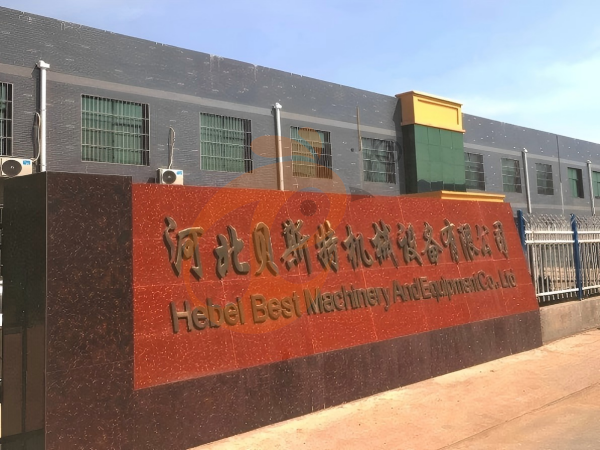
China Hebei Best Machinery And Equipment CO., LTD
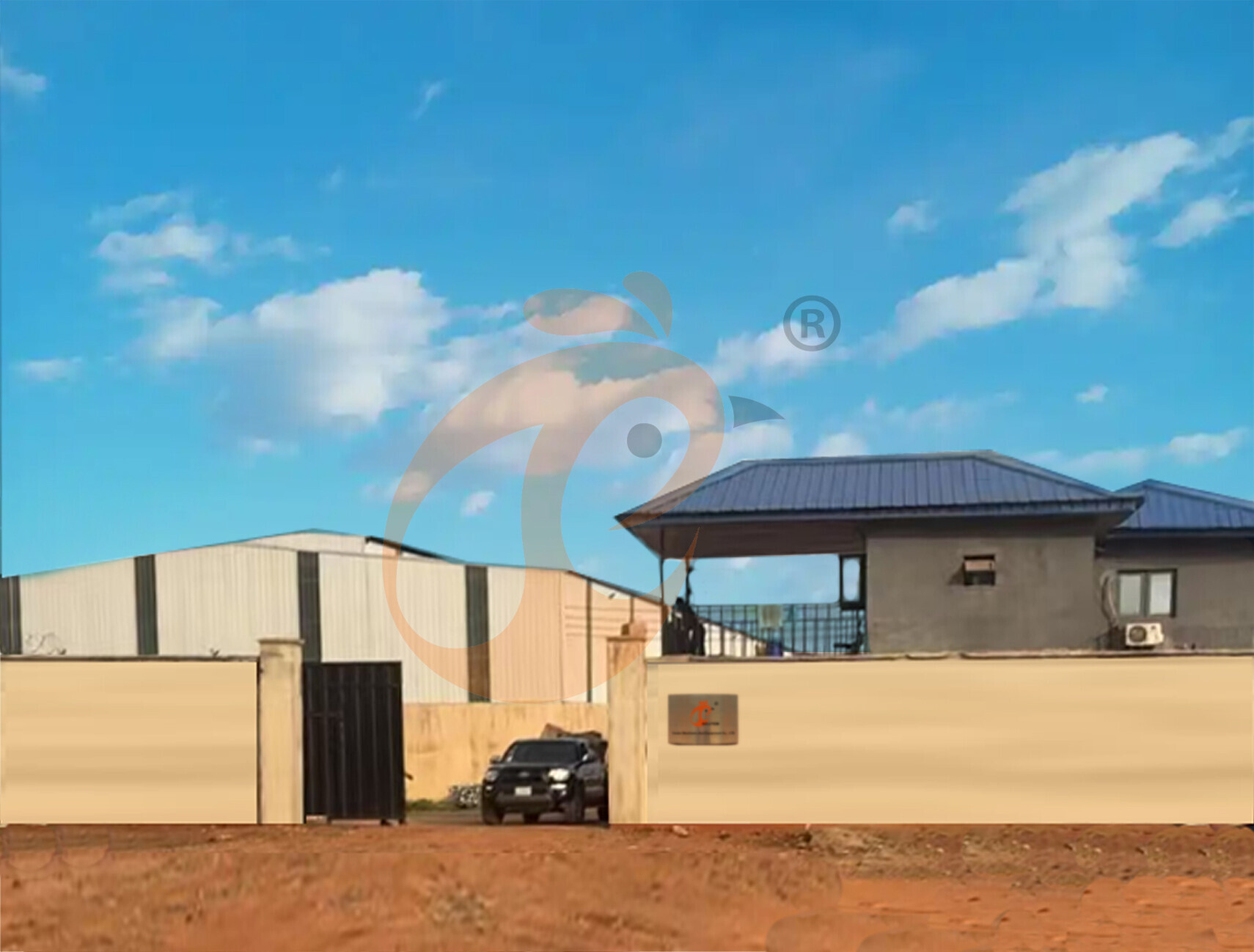
Nigeria Vanke Machinery And Equipment CO., LTD
Tanzania Best Machinery And Equipment CO., LTD
Ethiopia Best Hebei Machinery Manufacturing PLC
Tag
Message
Products recommended
 HK Headquarter Offers EU-standard Poultry Farm Solutions, Manufacture Poultry Farm Equipment1. Continuous communication with the EU and the US
2. China, Nigeria, Ethiopia, Tanzania branch companies and factories
3. The products’ quality is customized for local poultry farms
4. Poultry cage and poultry farm equipment stock for sale
5. 24 online reception Whatsapp NO. : +8618830120193,contact us to get full informationRead More China Branch Offer Poultry Farm Business Plan, Manufacture Poultry Farm Equipment1. Address: Flat/RM 2416, 24/F, Runxing Building, Youyi Nan Street, Shijiazhuang City, Hebei Province, China
2. Poultry cage and poultry farm equipment factory and stock for sale
3. Customized for local poultry farms
4. Quality and design are based on Euro
5. 24 online reception Whatsapp NO. : +8618830120193Read More Nigeria Branch Offer Poultry Farm Business Plan, Manufacture Poultry Farm Equipment1. Address: After Sinoma Office, 200 Meters Near Danco Filling Station, Lagos/Ibadan Expressway, Lagos State, Nigeria
2. Poultry cage and poultry farm equipment factory and stock for sale
3. Customized for Nigerian poultry farms
4. Quality and design are based on Euro
5. 24 online reception Whatsapp NO. : +8618830120193Read More Ethiopia Branch Offer Poultry Farm Business Plan, Manufacture Poultry Farm Equipment1. Address: Gelan Gura, Akaki-kaliti Sub City, Addis Ababa, Ethiopia
2. Poultry cage and poultry farm equipment stock for sale
3. Customized for Ethiopian poultry farms
4. Quality and design are based on Euro
5. 24 online reception Whatsapp NO. : +8618830120193, contact us to get price listRead More Tanzania Branch Offer Poultry Farm Business Plan, Manufacture Poultry Farm Equipment1. Address: No.8, Sova Road, Msufini, Mlandizi, Kibaha, Pwani, Tanzania
2. Poultry cage and poultry farm equipment factory and stock for sale
3. Customized for Tanzanian poultry farms
4. Quality and design are based on Euro
5. 24 online reception Whatsapp NO. : +8618830120193Read More Fully Automatic H Type Layer Chicken Cage1. 30,000-100,000+ layers/house chooses it, Poultry farmers can achieve an egg production rate of 96-98%
2. A significant improvement over the 85-90% typically seen in manual systems
3. A typical poultry farm can expect a 30-40% reduction in labor costs due to the automation
4. Each feeding line efficiently supplies feed to around 100,000 hens per 30 mins
5. Reception /WhatsApp NO. : +8618830120193Read More Fully Automatic A Type Layer Chicken Cage1. 10,000-50,000 layers/house chooses it
2. Cleaner egg collection reduces breakage by 0.5%
3. Improved hygiene helps reduce mortality rate to <3%
4. 1–2 technicians can handle 15,000–30,000 birds
5. Reception /WhatsApp NO. : +8618830120193Read More Semi Automatic H Type Layer Chicken Cage1. 1,00-20,000 layers/house chooses it
2. Nipple drinkers flow 30–60 ML / min
3. Hot-dip galvanized (typical coating ≥ 275 g/m²)
4. Reduce ammonia by ~ 35–40%
5. Reception /WhatsApp NO. : +8618830120193Read More Semi Automatic A Type Layer Chicken Cage1. 1,00-20,000 layers/house chooses it, no rust for 10 years, no deformation for 15 years
2. Chickens live comfortably, you can raise them with peace of mind
3. Save water, save money—efficiency you can measure
4. Improve environment quality, and increase egg production rate
5. Reception /WhatsApp NO. : +8618830120193Read More
By clicking 'Allow All', you agree to the storage of cookies on your device to enhance site navigation, analyze site usage and assist with our marketing efforts.