


Blog
The 2026 Ultimate Poultry Farming Guide: How To Start, Cost Analysis, And Profit Potential
Laying The Foundation For Profit
The poultry industry represents one of the fastest-growing and most reliable sectors of modern agriculture. As global demand for protein continues to rise, a well-executed poultry farm business plan offers a significant opportunity for sustainable returns. This guide serves as your comprehensive pillar of knowledge, navigating you through the complexities of launching and managing a successful commercial poultry operation, from initial market analysis to advanced farm management techniques.
This page provides the strategic overview, while our specialized cluster articles, linked throughout this guide, will dive into the tactical details necessary for implementation.
1.Business Foundation And Planning
A successful farm begins not with chickens, but with a solid business plan. Understanding your market and financial constraints is paramount before any physical investment is made.
1.1 Market Analysis And Choosing Your Flock
Before selecting any equipment or land, you must define your niche. The poultry market is broad, primarily split between egg production (layers) and meat production (broilers), with other specialized categories offering unique opportunities. Your decision must be driven by local demand, competitive landscape, and your long-term operational capabilities. Understanding the economic forces at play will determine your investment in specialized housing and feed programs.
To make an informed choice based on market realities, we recommend studying the specific dynamics of each sector. You can find a detailed breakdown of the pros, cons, and financial potential here: [Egg Layers vs. Broiler Chickens vs. Specialty Poultry: Market Demand and Risk Assessment]. This analysis is crucial for minimizing market risk and maximizing profitability.
1.2 Drafting Your Poultry Farm Business Plan
The business plan is the blueprint for your entire operation—essential for securing financing, setting benchmarks, and guiding daily decisions. It should detail your executive summary, company description, products (meat/eggs), market analysis, marketing and sales strategy, operational plan, and, most importantly, your financial projections. For investors and banks, the financial section is the most scrutinized. It must clearly outline expected revenue, operational expenses, and the return on investment (ROI) timeframe.
Specifically, the financial segment must account for all setup costs, which are often underestimated. For an itemized list of necessary investments, [Poultry Farm Start-up Capital Budget Checklist (Detailed Template)]. Using this tool will ensure you accurately project fixed costs (land, equipment) and variable costs (feed, labor, utilities) from day one.
1.3 Legal Requirements And Permitting
Regulatory compliance is a non-negotiable step that protects your investment and ensures operation longevity. This involves securing zoning permits for agricultural use, environmental clearances (especially related to waste disposal), and health certifications. Every region has specific rules concerning animal welfare, antibiotic usage, and biosecurity protocols.
Site selection often hinges on these requirements. Farms must be adequately distanced from residential areas to mitigate odor and noise complaints, and they must have accessible infrastructure for transport and utilities. Understanding safety and sanitation standards is key, as is registering your business to comply with tax and labor laws. Do not skip this initial research, as non-compliance can lead to expensive operational shutdowns.
2.Facilities and Equipment Focus: Cages
The structure of your farm directly impacts animal welfare, labor efficiency, and ultimately, your profit margins. Modern poultry farming heavily relies on specialized housing systems.
2.1 Site Selection And Housing Design
Choosing the correct site involves assessing accessibility to feed suppliers and markets, reliable water and electricity sources, and natural protection from predators and extreme weather. Housing design must prioritize ventilation, temperature control, and disease prevention. The goal is to create a controlled environment that minimizes stress on the birds and maximizes their productivity. While open-sided housing is cheaper, fully controlled environments generally yield better results, especially in areas with significant temperature fluctuations.
When planning your layout, consider the flow of labor and waste management systems. Efficient design reduces the time spent on feeding, watering, and cleaning, which directly reduces operating costs.
2.2 Core Equipment: Poultry Cage Selection Guide
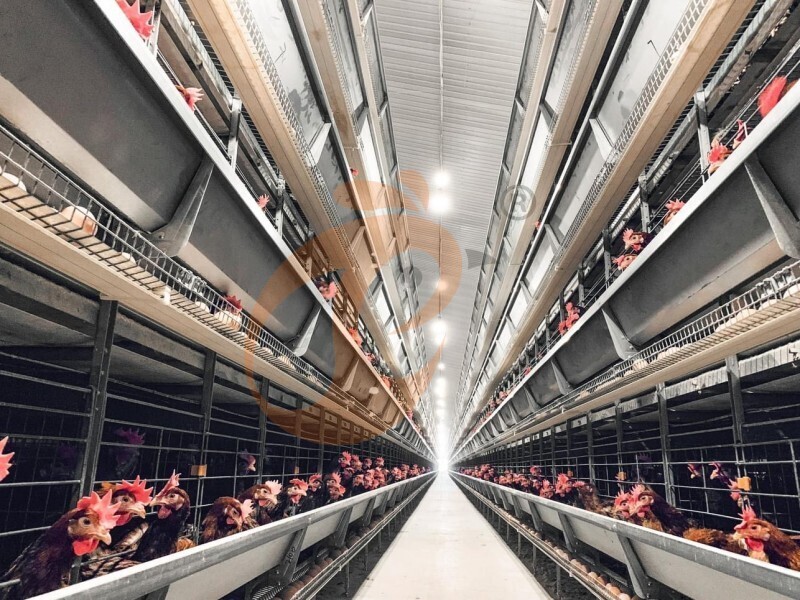
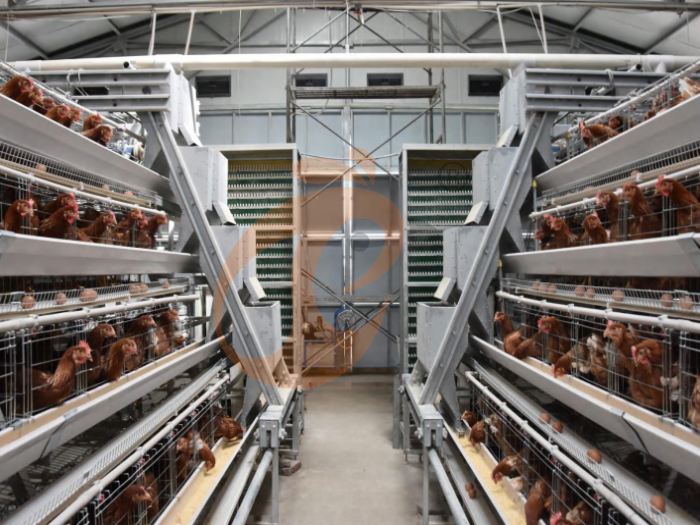
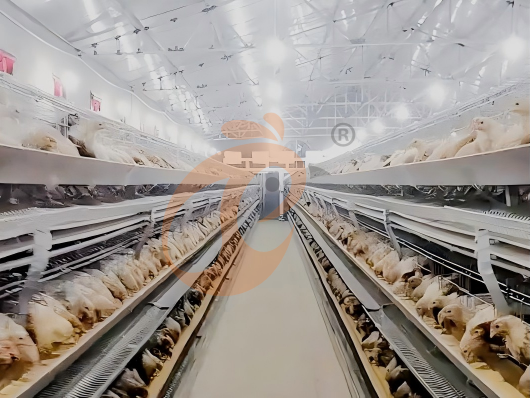
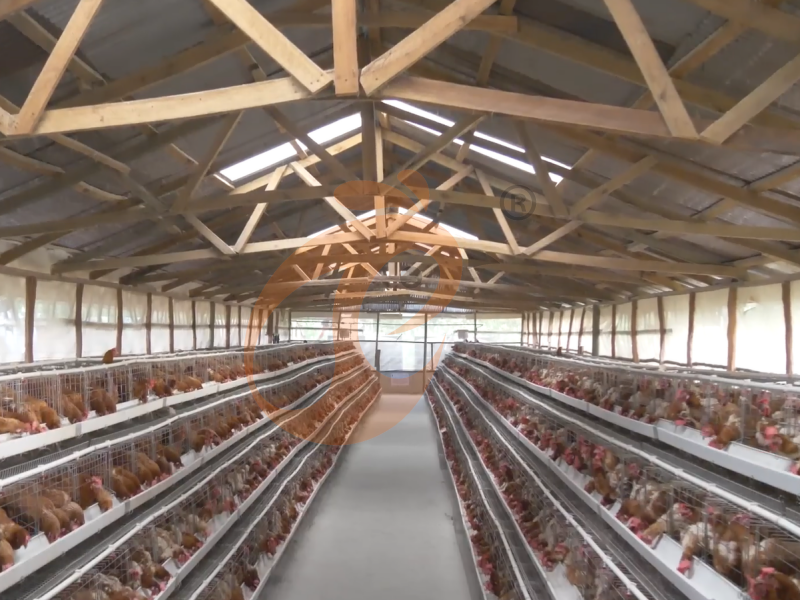
Cages are the foundational equipment for concentrated poultry farming. Choosing the right system is a critical investment decision that dictates bird density, feed efficiency, and hygiene. Decisions range from deep litter systems to fully automated caged systems. Caged systems, when managed properly, offer superior control over hygiene, egg collection, and feed consumption.
For a complete review and comparison of various housing solutions, including the economic justification for each, consult our detailed resource: [The Ultimate Poultry Cage Buying Guide: Classification, Advantages, and Pricing]. This guide breaks down the structural differences and maintenance requirements essential for your long-term plan.
2.2.1 Specialized Cages: Layers and Broilers
Specific production goals require specialized cages. Layer Cages are designed with sloping floors to automatically roll eggs to a collection point, minimizing breakage and contamination. Proper density management within these cages is crucial for bird comfort and sustained egg production; for in-depth information on automated collection and density rules, see: [Layer Cage Deep Dive: Automated Collection Systems and Density Management].
Conversely, Broiler Cages are engineered for efficient growth and easy harvest, focusing on robust feeding and watering troughs to ensure rapid weight gain. Optimized ventilation within these systems is paramount to preventing respiratory issues common in meat birds. Learn how to optimize your system for rapid, healthy growth here: [ Broiler Cage Deep Dive: Feeding, Watering Systems, and Ventilation Requirements].
2.2.2 The Battery Cage Discussion
While traditional Battery Cages are highly efficient in terms of space and labor, they face increasing scrutiny regarding animal welfare. Many markets are moving toward enriched or cage-free systems. Understanding the trade-off between efficiency and public perception is vital for long-term market acceptance. If you are operating in a market with strict animal welfare standards, you must explore modern alternatives. Explore the specific mechanical details, benefits, and the emerging regulatory landscape surrounding this system: [Battery Cage Deep Dive: Pros, Cons, and Alternative Systems Analysis].
2.3 Ancillary Equipment And Environmental Control
Beyond the cages, successful operation requires sophisticated ancillary equipment. Temperature and humidity control, achieved through fans, cooling pads, and heating elements, must be managed precisely to prevent heat stress, which severely impacts bird performance. Automatic feed and water delivery systems are essential for large-scale operations, ensuring consistent nutrition and minimizing feed wastage.
Investing in reliable environmental controls pays dividends through better feed conversion rates and reduced mortality. Proper manure management systems (conveyors or flushing systems) are also key to maintaining hygiene and controlling odors, which ties back to regulatory compliance.
3.Operational Management And Health
Excellent production relies on excellent daily management and a proactive approach to health.
3.1 Daily Husbandry And Management
Consistency is the bedrock of poultry management. Daily tasks include monitoring feed and water consumption, observing bird behavior for signs of distress, and collecting eggs or preparing birds for market. Feed is the largest recurring cost, making nutritional management critical. Different life stages (starter, grower, finisher) require different protein and energy ratios.
A core metric of efficiency is the Feed Conversion Ratio (FCR). Improving FCR directly translates to lower operational costs and higher profits. Discover advanced feeding strategies and operational tips to maximize the efficiency of converting feed into product: [Daily Poultry Husbandry: Optimization Techniques for Feed Conversion Ratio (FCR)].
3.2 Disease Prevention And Biosecurity
Disease outbreaks can devastate a farm overnight. Your biosecurity plan is your first line of defense. This involves rigorous control over who and what enters the farm (personnel, vehicles, external equipment), comprehensive vaccination schedules, and immediate quarantine protocols for sick birds. Cleanliness of facilities, especially water lines and feeding troughs, is paramount.
Biosecurity is a systemic approach that requires continuous vigilance. We have compiled a comprehensive checklist to help you secure your facility against pathogens. Review our step-by-step guide to best practices: [Poultry Farming Biosecurity: Six Steps to Building a Pathogen-Free Environment].
4.Finance And Risk Control
Financial viability is the ultimate test of your business plan.
4.1 Cost Accounting And Profit Forecasting
Profit forecasting requires meticulous tracking of both fixed (rent, mortgage, depreciation) and variable costs (feed, labor, veterinary care, utilities). You must determine the break-even point—the volume of eggs or meat needed to cover all costs. Accurate cost accounting allows you to price your products competitively while maintaining adequate profit margins.
Understanding the difference between cash flow and profit is vital. A detailed monthly projection will highlight seasonal challenges and help you manage working capital effectively.
4.2 Risk Management And Insurance
The poultry industry faces significant risks: market price volatility, disease outbreaks, and unforeseen weather events. Mitigating these risks involves diversification (if possible), strict adherence to biosecurity, and most importantly, comprehensive insurance coverage. Insurance should cover property damage, business interruption due to disease, and potential liability issues. A robust risk management plan should be an active part of your operations manual, detailing emergency protocols for all major threats.
Conclusion: Activating Your Poultry Farm Strategy
You have reviewed the complete landscape of commercial poultry farming, from strategic planning to daily operational needs. The next step is execution. Use this pillar page as your constant reference point, and dive into the specific details provided by the linked cluster articles to build out your actionable plan.
Your success also depends heavily on the quality of your external partners. Finding reliable, high-quality suppliers for feed, equipment, and veterinary services will ensure operational stability. Start vetting your supply chain today by reviewing our guide: [How to Select the Best Suppliers for Your Poultry Farm].
Contact Us To Received Your Customized Poultry Farm Plan
Headquarters And Distribution Centers
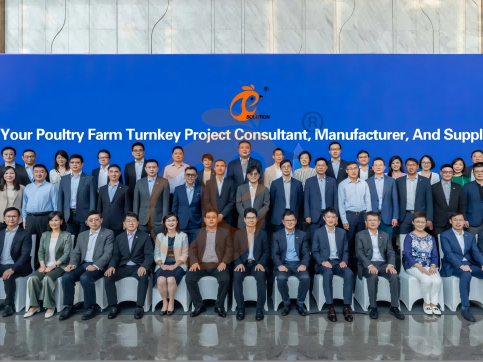
Hong Kong Headquarter Taiyu Industrial Group CO., LTD
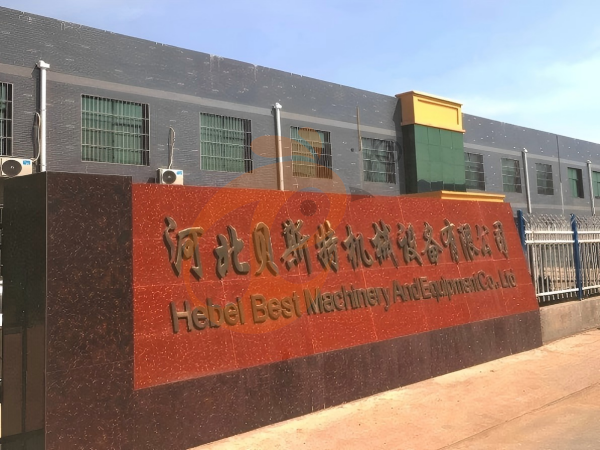
China Hebei Best Machinery And Equipment CO., LTD
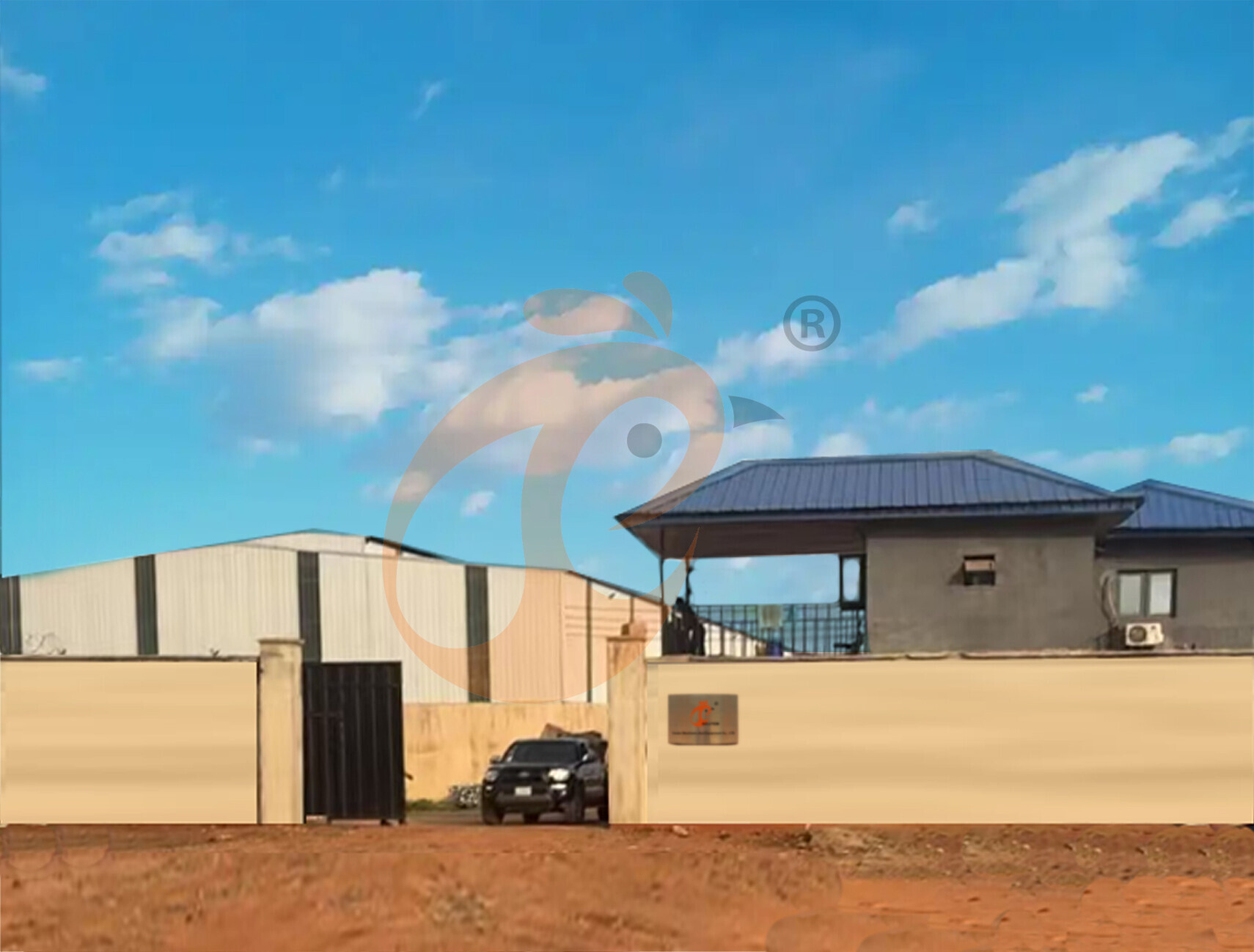
Nigeria Vanke Machinery And Equipment CO., LTD
Tanzania Best Machinery And Equipment CO., LTD
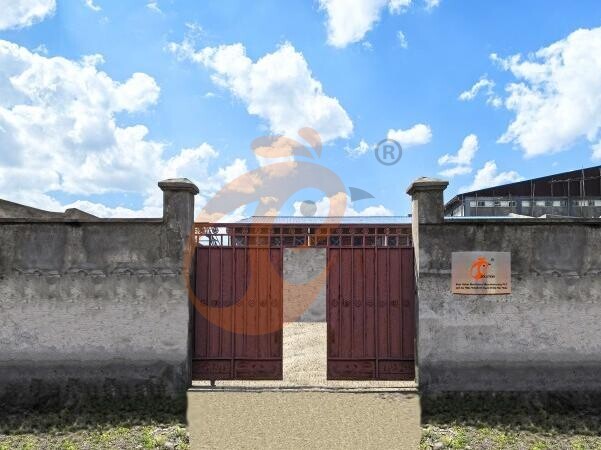
Ethiopia Best Hebei Machinery Manufacturing PLC
Tag
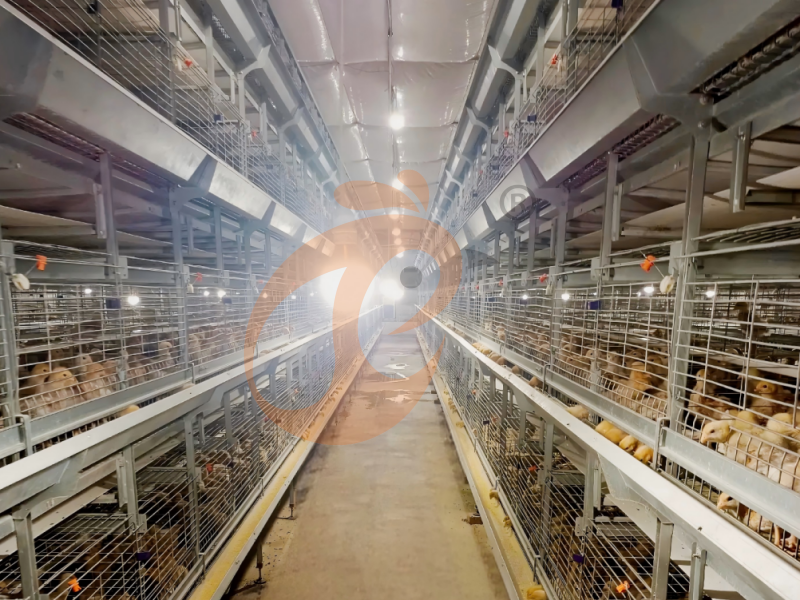
 Fully Automatic H Type Day Old Chicken Cage Design1. 30,000-100,000 chicks/house, average weight gain 55–60g/day
2. Feed waste 0.01%, fully automatic feeding system
3. H-Type fully automated cage mortality rate 1%–2%
4. Tier levels 3 to 12 tiers, biggest ccapacity: 185000 chickens/house
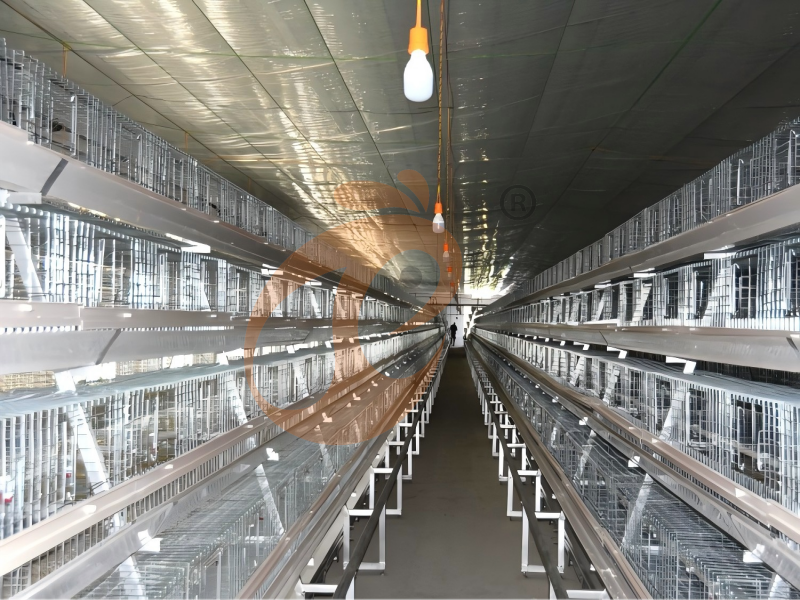
5. Reception /WhatsApp NO. : +8618830120193More Fully Automatic A Type Day Old Chicken Cage Design1. 10,000-50,000 chicks/house chooses it
2. Feeding at a speed of 18 m/min
3. Dispensing water at 30–60 ml/min
4. Ventilation system featuring 36″ axial fans (36,000 m³/h)
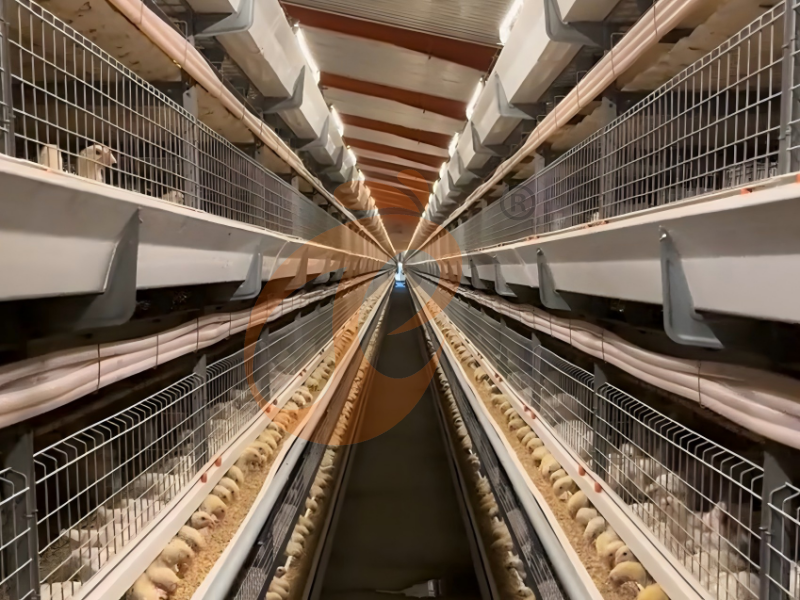
5. Reception /WhatsApp NO. : +8618830120193More Semi Automatic H Type Day Old Chicken Cage Design1. 1,00-20,000 chicks/house chooses it
2. 360° nipple drinkers ensure every chick has access to water
3. Labor reduced 20–30%
4. 25-year durability
5. Reception /WhatsApp NO. : +8618830120193More
Message
Products recommended
 HK Headquarter Offers EU-standard Poultry Farm Solutions, Manufacture Poultry Farm Equipment1. Continuous communication with the EU and the US
2. China, Nigeria, Ethiopia, Tanzania branch companies and factories
3. The products’ quality is customized for local poultry farms
4. Poultry cage and poultry farm equipment stock for sale
5. 24 online reception Whatsapp NO. : +8618830120193,contact us to get full informationRead More China Branch Offer Poultry Farm Business Plan, Manufacture Poultry Farm Equipment1. Address: Flat/RM 2416, 24/F, Runxing Building, Youyi Nan Street, Shijiazhuang City, Hebei Province, China
2. Poultry cage and poultry farm equipment factory and stock for sale
3. Customized for local poultry farms
4. Quality and design are based on Euro
5. 24 online reception Whatsapp NO. : +8618830120193Read More Nigeria Branch Offer Poultry Farm Business Plan, Manufacture Poultry Farm Equipment1. Address: After Sinoma Office, 200 Meters Near Danco Filling Station, Lagos/Ibadan Expressway, Lagos State, Nigeria
2. Poultry cage and poultry farm equipment factory and stock for sale
3. Customized for Nigerian poultry farms
4. Quality and design are based on Euro
5. 24 online reception Whatsapp NO. : +8618830120193Read More Ethiopia Branch Offer Poultry Farm Business Plan, Manufacture Poultry Farm Equipment1. Address: Gelan Gura, Akaki-kaliti Sub City, Addis Ababa, Ethiopia
2. Poultry cage and poultry farm equipment stock for sale
3. Customized for Ethiopian poultry farms
4. Quality and design are based on Euro
5. 24 online reception Whatsapp NO. : +8618830120193, contact us to get price listRead More Tanzania Branch Offer Poultry Farm Business Plan, Manufacture Poultry Farm Equipment1. Address: No.8, Sova Road, Msufini, Mlandizi, Kibaha, Pwani, Tanzania
2. Poultry cage and poultry farm equipment factory and stock for sale
3. Customized for Tanzanian poultry farms
4. Quality and design are based on Euro
5. 24 online reception Whatsapp NO. : +8618830120193Read More Fully Automatic H Type Layer Chicken Cage1. 30,000-100,000+ layers/house chooses it, Poultry farmers can achieve an egg production rate of 96-98%
2. A significant improvement over the 85-90% typically seen in manual systems
3. A typical poultry farm can expect a 30-40% reduction in labor costs due to the automation
4. Each feeding line efficiently supplies feed to around 100,000 hens per 30 mins
5. Reception /WhatsApp NO. : +8618830120193Read More Fully Automatic A Type Layer Chicken Cage1. 10,000-50,000 layers/house chooses it
2. Cleaner egg collection reduces breakage by 0.5%
3. Improved hygiene helps reduce mortality rate to <3%
4. 1–2 technicians can handle 15,000–30,000 birds
5. Reception /WhatsApp NO. : +8618830120193Read More Semi Automatic H Type Layer Chicken Cage1. 1,00-20,000 layers/house chooses it
2. Nipple drinkers flow 30–60 ML / min
3. Hot-dip galvanized (typical coating ≥ 275 g/m²)
4. Reduce ammonia by ~ 35–40%
5. Reception /WhatsApp NO. : +8618830120193Read More Semi Automatic A Type Layer Chicken Cage1. 1,00-20,000 layers/house chooses it, no rust for 10 years, no deformation for 15 years
2. Chickens live comfortably, you can raise them with peace of mind
3. Save water, save money—efficiency you can measure
4. Improve environment quality, and increase egg production rate
5. Reception /WhatsApp NO. : +8618830120193Read More
By clicking 'Allow All', you agree to the storage of cookies on your device to enhance site navigation, analyze site usage and assist with our marketing efforts.