


Blog
Battery cages
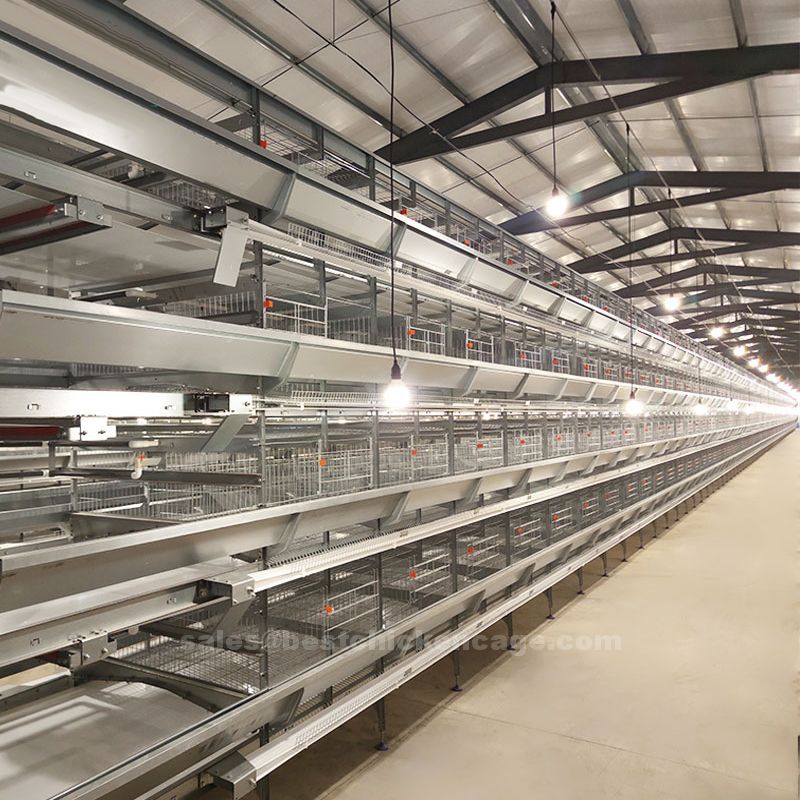
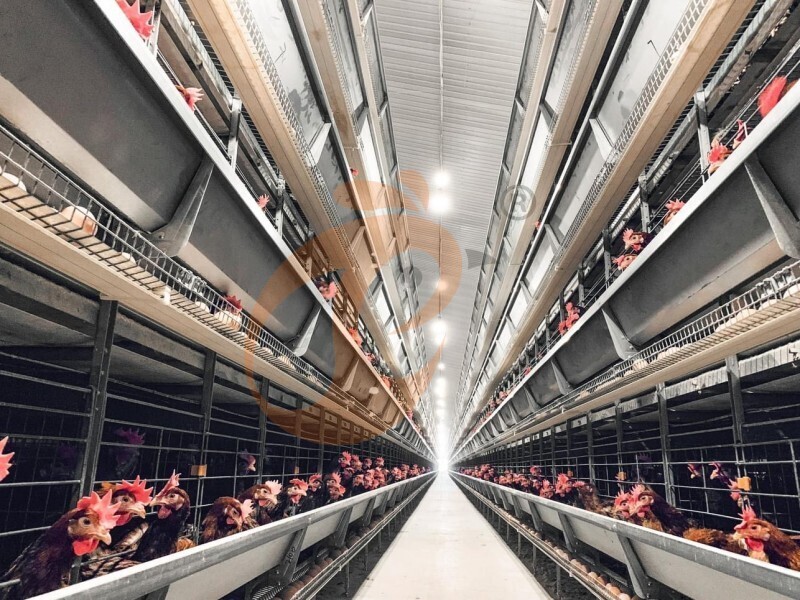
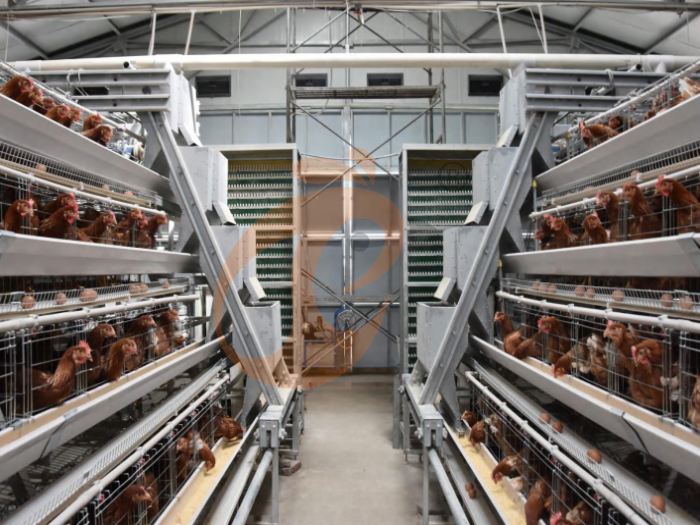
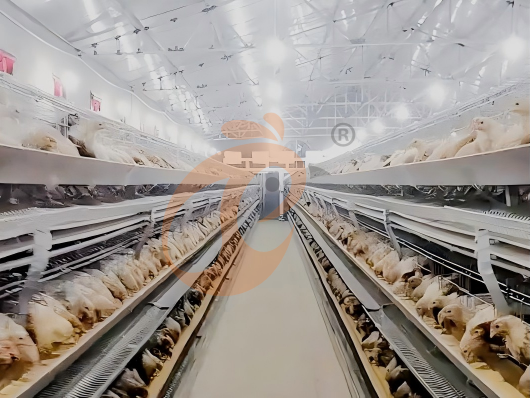
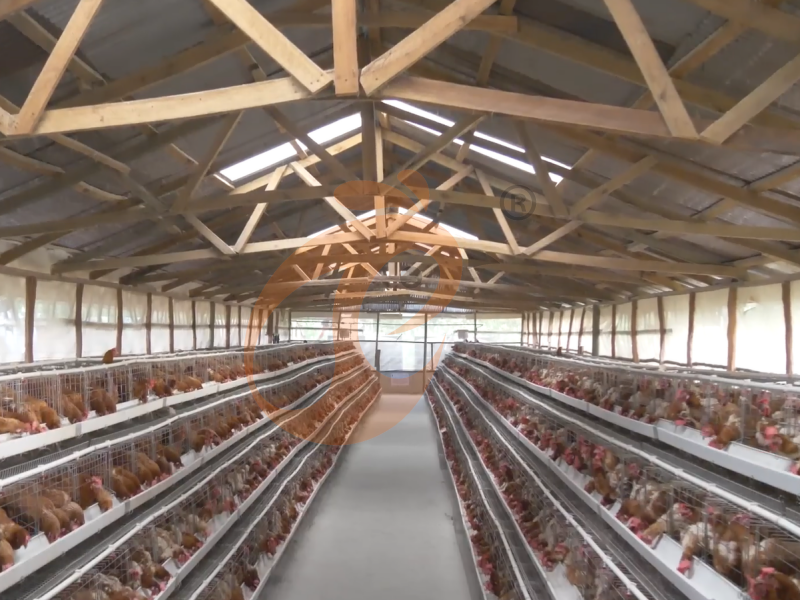
Battery cages are small metal enclosures designed to house multiple hens, primarily for egg production. These cages are typically made of metal and are arranged in rows, often stacked on top of each other in commercial poultry facilities. Each cage confines several chickens in very close proximity with one another. The floors of the cages are sloped so that when eggs are laid they roll out of the cage into a trough. Hens housed in battery cages spend almost all of their lives in the cage, which prevents them from taking part in natural behaviors such as dust bathing, foraging, or even walking. In battery cages, hens also demonstrate fewer pleasure behaviors such as wing flapping and tail wagging. Some types of battery cages may cause injury to hens that can get stuck in the wiring
In the recent years, there has been a large amount of pressure on factory farms raising laying hens from both animal rights and welfare organizations to move away from battery cages and toward cage-free or pasture raised housing systems. These efforts have resulted in many farms phasing out their battery cages
Battery cages are typically constructed using materials like galvanized steel. The cages are designed with precision, providing limited space for each bird to stand, move, or stretch their wings. They often lack amenities like perches or nesting areas found in alternative systems automated systems for feeding, watering, and egg collection are commonly integrated into battery cage setups
What does a battery cage do
There are a few different reasons why battery cages have been used for housing laying hens Industry leaders claim that the cages prevent the spread of harmful behaviors such as aggressive feather pecking and cannibalism though battery cages ensure that certain birds will suffer the pecking their entire lives. Other stated reasons include slowing the spread of pathogens and minimally improved air quality due to an absence of litter. At the root of any industry rationale their use, however, is that battery cages allow companies to make more money
Series of products to serve the poultry farm fully, click the name to learn more
1. Steel structure poultry house, opening type for hot countries and close type for cool countries
2. Poultry hatching equipment’s capacity of eggs up to 120,000+ to be hatching house
4. Chicken feed processing equipment from feed crushing and mixing to stock to feeding chicken
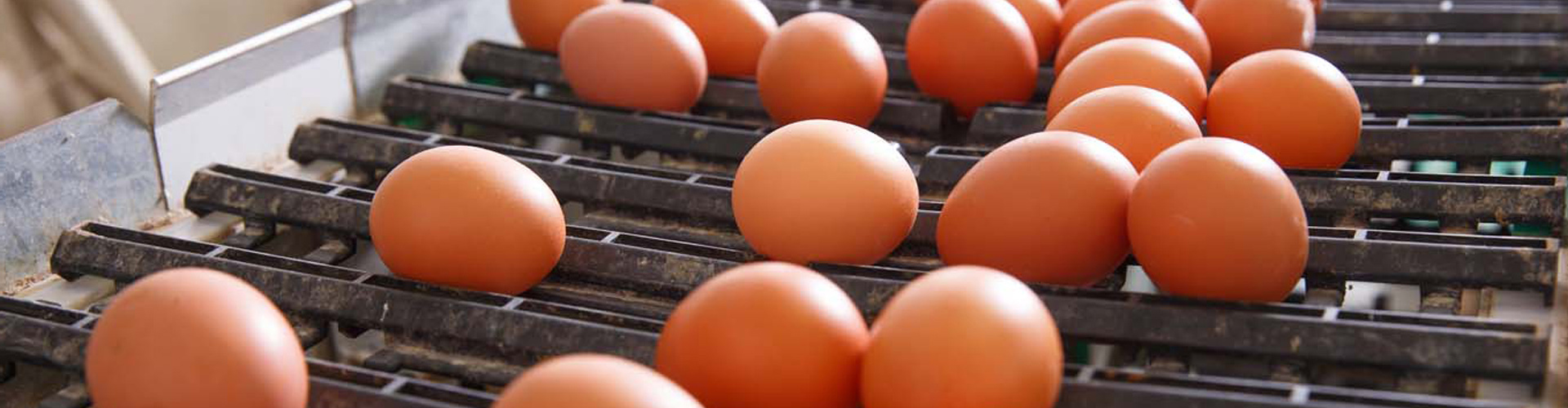
6. Egg processing equipment from automatic egg collection to packing egg to trays
7. Chicken slaughtering equipment from slaughter to vacuum package
9. Other poultry farm equipment are coming soon...
Bookmark our website and contact us now to discuss your modern poultry farm plan and quotation
Why are battery cages bad
There are numerous reasons that battery cages and the factory farms that use them are destructive, beyond the limited amount of living space that they provide for hens. The industry as a whole causes a huge amount of suffering simply by breeding the hybrid bird that provide meat and eggs, but battery cages take that physical and mental suffering to another level. The factory farms on which the birds are raised also create huge damage to the environment and the major people keeping the industry running in this harmful way face little accountability for their actions
1. Physical trauma
Physically, battery cages are extremely restrictive and prevent hens from engaging in most of their natural behaviors. Because feather pecking, which can lead to cannibalism, commonly develops in caged hens, beak trimming is standard practice at many farms. The procedure can lead to chronic and acute pain due to nerve injury and tissue damage
2. Psychological problems
The lifelong confinement and lack of ability to exercise or express their natural behaviors can lead to abnormal behaviors in hens in battery cages. Examples of such abnormal behaviors include feather pecking and cannibalism
3. Forced molting
Laying hens would be considered useless after only a single year of production because the number of eggs they lay drops significantly. In an effort to maintain their profits, the industry has instead begun forced molting after the first year. Forced molting is achieved by withholding food and water, causing the hens to stop laying eggs and lose their feathers for a short period of time. Once the birds are being fed again the eggs are larger and better qualities However, the process of forcing a molt is extremely stressful for the birds and can lead to increased pecking of cagemates and increased mortality during the molting
4. Light manipulation
Manipulating laying hens to produce more eggs using light is a longstanding norm within the egg industry. Producers employ lights of specific colors, exposures of different durations, and differing types of light in order to maximize the number of eggs that a hen produces. One egg farmer makes these efforts to increase production despite the health issues that are caused by the hens high rate of egg laying, such as osteoporosis
5. Osteoporosis
Laying hens are prone to develop osteoporosis because of the strain that producing a large number of eggs places on their body, using a large amount of calcium that would otherwise strengthen the birds skeletons. Hens kept in battery cages face additional bone fragility simply from a lack of exercise. This leads to broken bones and is responsible for a third of all deaths in hens housed in battery cages
6. Damage to the environment
Factory farms housing chickens in battery cages often raise thousands of individual chickens at any given time. As the chickens age and are no longer considered profitable, they are replaced by new layers with higher production rates that can make a greater profit for the industry
Advantages of battery cages
1. Battery cages are designed to collect eggs promptly and efficiently, reducing the chances of damage or contamination. This consistency in egg quality can be seen as an advantage for consumers who prioritize uniformity
2. The controlled environment of battery cages can help limit contact between hens and their waste, which may contribute to better disease control compared to some alternative systems where hens have more access to their droppings
3. The automation of feeding, watering, and egg collection in battery cage systems can lead to labor cost savings, making egg production more economically viable for some farmers
4. Battery cages are designed for high egg production rates, contributing to a consistent supply of affordable eggs
5. These systems maximize space efficiency, enabling farms to produce a large quantity of eggs in a relatively small area
6. Battery cage eggs are often less expensive due to the efficient use of resources and automation
Our services
1. We offer expert guidance on starting and managing your poultry farm
2. Tailored housing and infrastructure design for optimal bird health
3. Our team makes customized feeding plans to maximize production efficiency
4. We offer veterinary services and disease prevention strategies
5. Insights into market trends and strategies for product placement
6. We provide educational workshops on poultry farming practices
Frequently ask questions
Q: Are battery cages cruel to the birds?
A: Battery cages are often criticized for restricting the natural behaviors of hens, leading to concerns about animal welfare and cruelty. Critics argue that the limited space and lack of amenities in these cages cause stress and discomfort to the birds
Q: Are battery cage eggs safe to eat?
A: Battery cage eggs can be safe to eat if proper hygiene and food safety practices are followed during production and handling. However, some consumers choose to avoid them due to ethical or animal welfare reasons
Q: Are battery cages being phased out?
A: In many countries, there is a growing trend toward phasing out battery cages in favor of alternative housing systems that provide more space and better living conditions for hens
Message
Products recommended
 HK Headquarter Offers EU-standard Poultry Farm Solutions, Manufacture Poultry Farm Equipment1. Continuous communication with the EU and the US
2. China, Nigeria, Ethiopia, Tanzania branch companies and factories
3. The products’ quality is customized for local poultry farms
4. Poultry cage and poultry farm equipment stock for sale
5. 24 online reception Whatsapp NO. : +8618830120193,contact us to get full informationRead More China Branch Offer Poultry Farm Business Plan, Manufacture Poultry Farm Equipment1. Address: Flat/RM 2416, 24/F, Runxing Building, Youyi Nan Street, Shijiazhuang City, Hebei Province, China
2. Poultry cage and poultry farm equipment factory and stock for sale
3. Customized for local poultry farms
4. Quality and design are based on Euro
5. 24 online reception Whatsapp NO. : +8618830120193Read More Nigeria Branch Offer Poultry Farm Business Plan, Manufacture Poultry Farm Equipment1. Address: After Sinoma Office, 200 Meters Near Danco Filling Station, Lagos/Ibadan Expressway, Lagos State, Nigeria
2. Poultry cage and poultry farm equipment factory and stock for sale
3. Customized for Nigerian poultry farms
4. Quality and design are based on Euro
5. 24 online reception Whatsapp NO. : +8618830120193Read More Ethiopia Branch Offer Poultry Farm Business Plan, Manufacture Poultry Farm Equipment1. Address: WR93+FQ2, Addis Ababa, Ethiopia
2. Poultry cage and poultry farm equipment stock for sale
3. Customized for Ethiopian poultry farms
4. Quality and design are based on Euro
5. 24 online reception Whatsapp NO. : +8618830120193, contact us to get price listRead More Tanzania Branch Offer Poultry Farm Business Plan, Manufacture Poultry Farm Equipment1. Address: No.8, Sova Road, Msufini, Mlandizi, Kibaha, Pwani, Tanzania
2. Poultry cage and poultry farm equipment factory and stock for sale
3. Customized for Tanzanian poultry farms
4. Quality and design are based on Euro
5. 24 online reception Whatsapp NO. : +8618830120193Read More Fully Automatic H Type Layer Chicken Cage1. 30,000-100,000+ layers/house chooses it, Poultry farmers can achieve an egg production rate of 96-98%
2. A significant improvement over the 85-90% typically seen in manual systems
3. A typical poultry farm can expect a 30-40% reduction in labor costs due to the automation
4. Each feeding line efficiently supplies feed to around 100,000 hens per 30 mins
5. Reception /WhatsApp NO. : +8618830120193Read More Fully Automatic A Type Layer Chicken Cage1. 10,000-50,000 layers/house chooses it
2. Cleaner egg collection reduces breakage by 0.5%
3. Improved hygiene helps reduce mortality rate to <3%
4. 1–2 technicians can handle 15,000–30,000 birds
5. Reception /WhatsApp NO. : +8618830120193Read More Semi Automatic H Type Layer Chicken Cage1. 1,00-20,000 layers/house chooses it
2. Nipple drinkers flow 30–60 ML / min
3. Hot-dip galvanized (typical coating ≥ 275 g/m²)
4. Reduce ammonia by ~ 35–40%
5. Reception /WhatsApp NO. : +8618830120193Read More Semi Automatic A Type Layer Chicken Cage1. 1,00-20,000 layers/house chooses it, no rust for 10 years, no deformation for 15 years
2. Chickens live comfortably, you can raise them with peace of mind
3. Save water, save money—efficiency you can measure
4. Improve environment quality, and increase egg production rate
5. Reception /WhatsApp NO. : +8618830120193Read More
By clicking 'Allow All', you agree to the storage of cookies on your device to enhance site navigation, analyze site usage and assist with our marketing efforts.