






Blog
A type battery cage for layers defines an industrial poultry production subsystem engineered for high density egg output under controlled environmental regulation architecture.
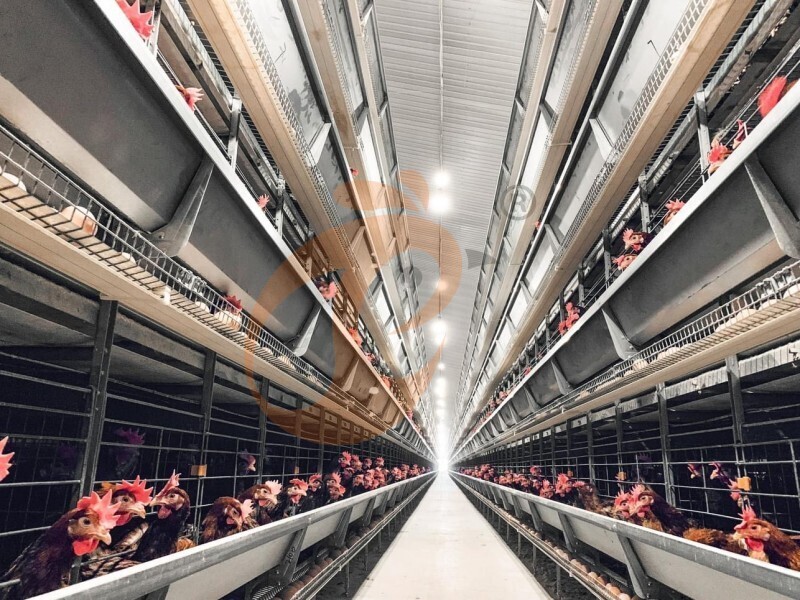
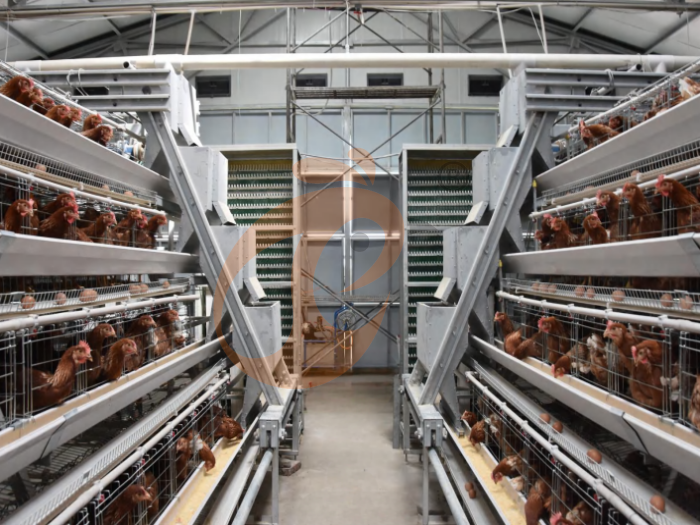
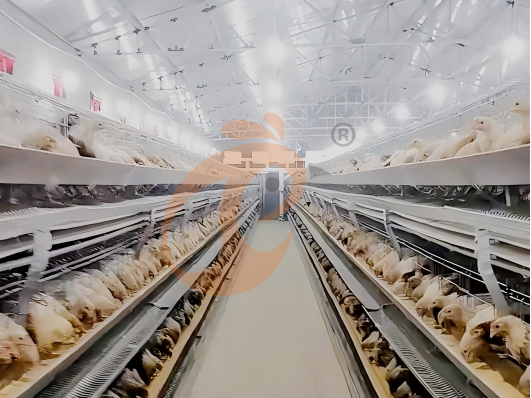
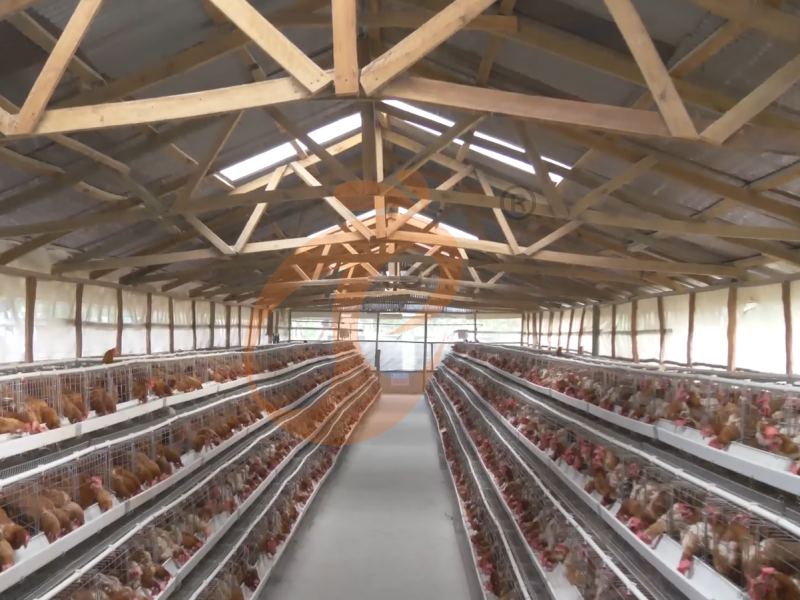
Structural configuration implements vertical spatial stacking to maximize volumetric utilization efficiency per unit floor surface.
Mechanical feed transport networks execute synchronized nutrient delivery across multi-tier cage arrays.
Nipple hydration modules maintain continuous fluid supply under contamination suppression design.
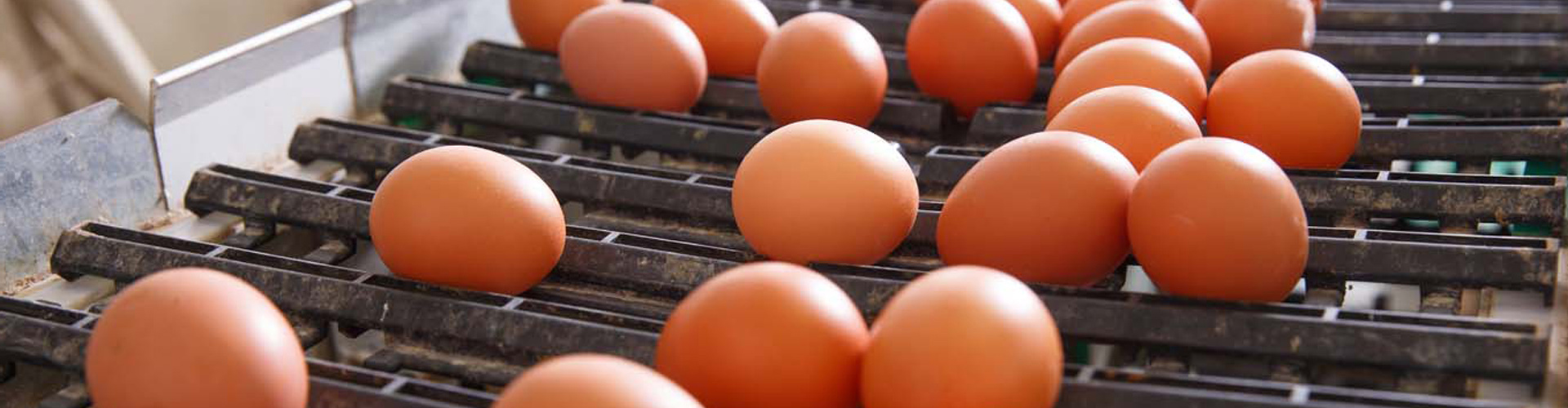
Gravity driven egg displacement channels enable uninterrupted collection flow without manual intervention interfaces.
Get professional poultry farm construction guidance, equipment selection solutions, and the latest price lists, whatsApp to +8618830120193, +2348111199996, or click to learn more.
Battery Cage Structural Engineering Overview
A type battery cage for layers operates as a core subsystem in battery cage system engineering and poultry farming equipment infrastructure.
The A-frame load distribution geometry provides multi-point structural stress balancing across vertical stacking modules.
Data is for reference only.Swipe horizontally to view full table.
Operational Mechanism
A type battery cage for layers executes integrated mechanized control architecture widely deployed in commercial egg production system engineering and poultry cage system automation platforms.
Feed transport is executed through centralized auger distribution pipelines under timed control logic.
Egg displacement occurs via gravitational vector movement across inclined mesh flooring surfaces.
Solid waste separation occurs through vertical drop through mesh apertures into lower accumulation zones.
Environmental airflow is regulated through forced ventilation modules.
Data is for reference only.Swipe horizontally to view full table.
Stocking Density And Layer Hen Cage Utilization
A type battery cage for layers is engineered for volumetric optimization in layer hen cage system architecture and industrial poultry spatial utilization engineering.
Data is for reference only.Swipe horizontally to view full table.
Feeding And Hydration Engineering System
A type battery cage for layers integrates automated feed distribution architecture widely implemented in poultry farming equipment engineering systems for nutritional delivery standardization.
Data is for reference only.Swipe horizontally to view full table.
Hydration subsystem operates at 0.10 liter per bird per cycle under continuous pressure regulation.
Egg Collection Automation Performance System
A type battery cage for layers integrates automated egg transfer architecture widely deployed in commercial egg production mechanization systems.
Egg displacement occurs via controlled slope gradient between 7–8 degrees enabling gravitational vector roll out dynamics.
Conveyor belt modules transfer eggs to centralized packaging nodes under non-contact handling protocol.
Data is for reference only.Swipe horizontally to view full table.
Waste Removal And Environmental Control Engineering
A type battery cage for layers implements engineered manure handling systems integrated into battery cage system environmental control architecture.
Gravity-assisted vertical waste displacement enables separation between biological units and accumulation zones.
Mechanical scraper conveyor systems execute horizontal waste transport to external processing modules.
Ventilation systems regulate ammonia concentration through forced air exchange.
Data is for reference only.Swipe horizontally to view full table.
Biological Engineering And Layer Productivity Control
A type battery cage for layers regulates avian biological cycles through environmental parameter control systems embedded in layer hen cage system engineering design.
Photoperiod control modules maintain 14–16 hour light exposure cycles.
Nutritional feed composition regulates calcium metabolic pathways required for shell formation processes.
Thermal regulation modules maintain metabolic efficiency stability.
Data is for reference only.Swipe horizontally to view full table.
Environmental Regulation And System Stability
A type battery cage for layers integrates environmental stabilization modules widely applied in poultry farming equipment control systems.
Thermal exchange modules stabilize internal microclimate fluctuations.
Insulation layers reduce external environmental interference effects.
Data is for reference only.Swipe horizontally to view full table.
Production Efficiency And Industrial Output Metrics
A type battery cage for layers demonstrates high output stability in commercial egg production engineering systems.
Data is for reference only.Swipe horizontally to view full table.
Engineering Constraints And System Limitations
A type battery cage for layers requires scheduled mechanical maintenance cycles within poultry cage system operational frameworks.
Structural fatigue accumulation occurs after 10–15 year lifecycle exposure under continuous load conditions.
Feed transport calibration is required every 30–45 operational days.
Ventilation subsystems require uninterrupted electrical energy input for stable performance.
Frequently Asked Questions
Q1: What is the egg production efficiency of A type battery cage for layers?
A1: A type battery cage for layers maintains 90% average laying efficiency under controlled photoperiod and feed stability parameters.
A 5000-bird configuration produces approximately 4350 eggs per 24-hour operational cycle under optimized environmental control.
Q2: What is the structural space requirement per bird?
A2: Engineering density allocation is 0.09 m² per bird, enabling high-capacity deployment within 500 m² facility footprint for 5000-bird systems.
Q3: What is the operational lifecycle of the system?
A3: Galvanized structural modules maintain 12–15 year operational lifespan under standardized corrosion control maintenance and mechanical subsystem servicing cycles.
Taiyu (HK) Group - One Of China Biggest Battery Cage Supplier
A type battery cage for layers delivers industrial layer hen production system with high density spatial engineering design and automated egg output control architecture.
Global factory direct manufacturing structure supports standardized poultry equipment production with modular scalable cage system fabrication and export logistics integration network.
Poultry equipment supply includes layer cage system, broiler cage system, manure removal system, and automated feeding line engineering solutions for industrial farms.
Poultry cage product line supports A type cage system, H type cage system, and high density poultry housing engineering configurations for commercial production.
Turn key engineering project service provides farm design planning, equipment installation, system commissioning, and full operational optimization for poultry production facilities.
Contact Us To Received Your Customized Poultry Farm Plan
Headquarters And Branchs
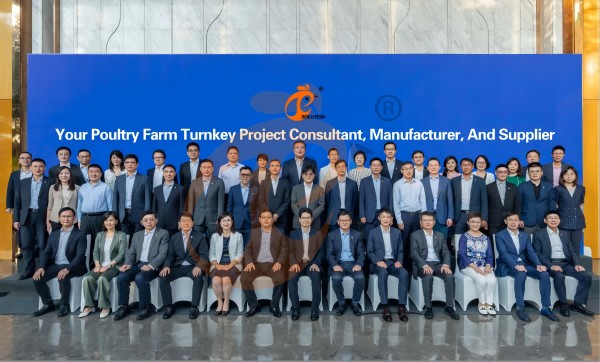
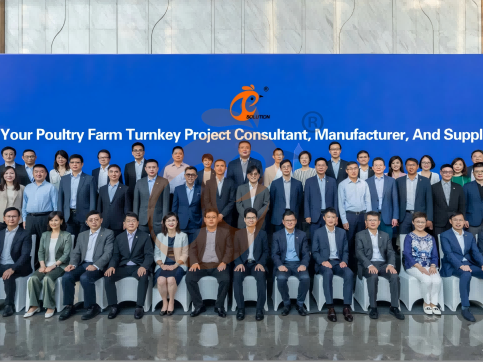
Hong Kong Headquarter Management Team
Hong Kong Headquarter Taiyu Industrial Group CO., LTD
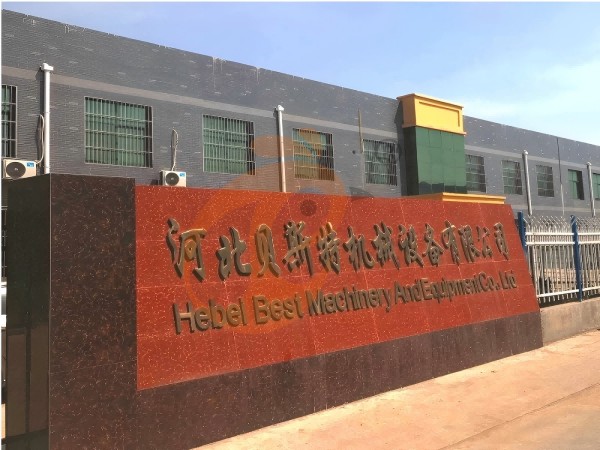
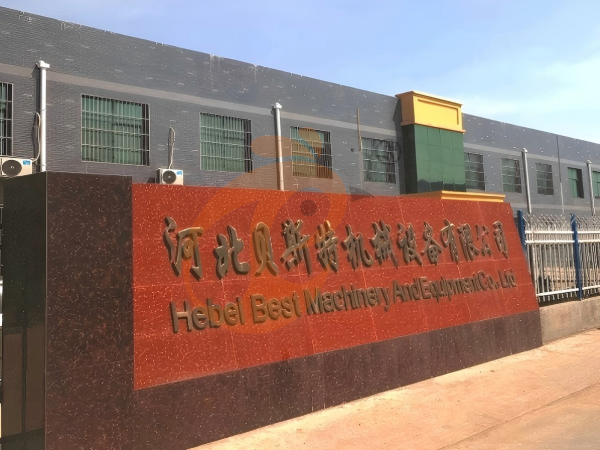
China Hebei Best Machinery And Equipment CO., LTD
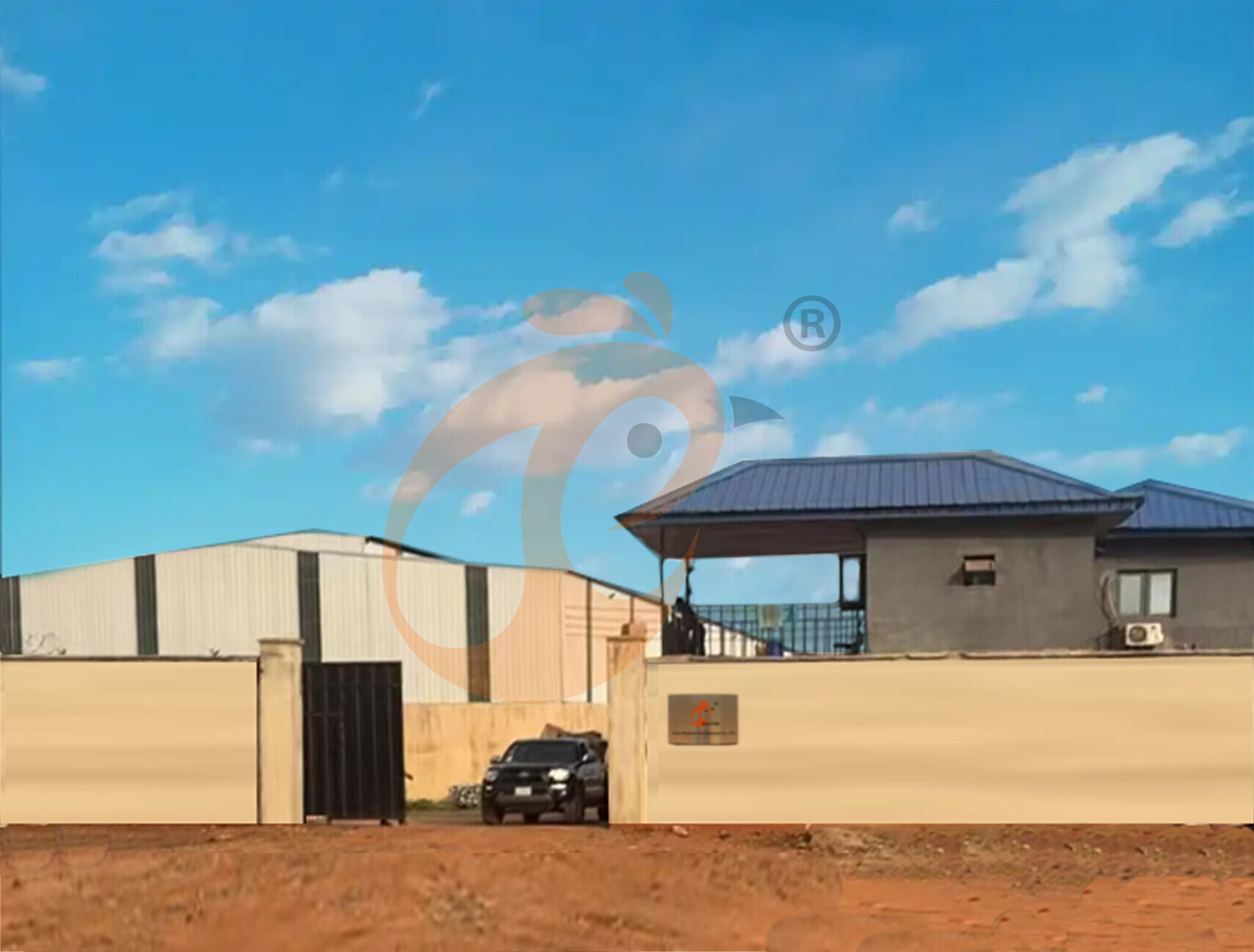
Nigeria Vanke Machinery And Equipment CO., LTD
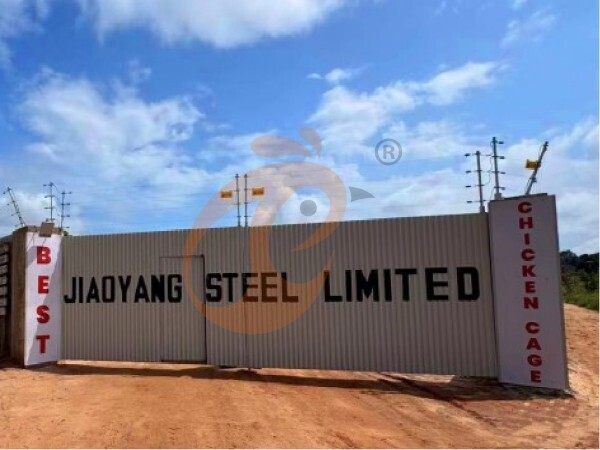
Tanzania Best Machinery And Equipment CO., LTD
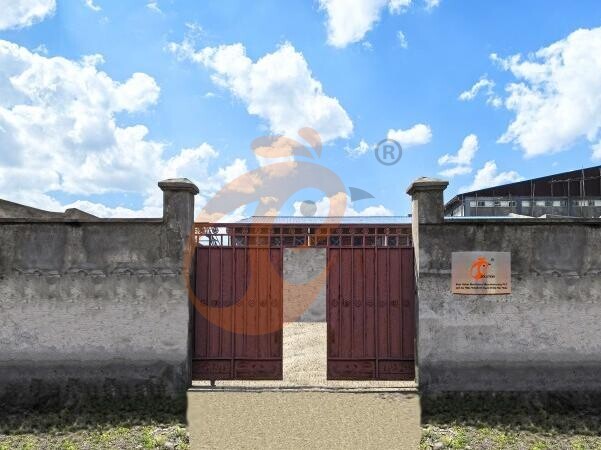
Ethiopia Best Hebei Machinery Manufacturing PLC
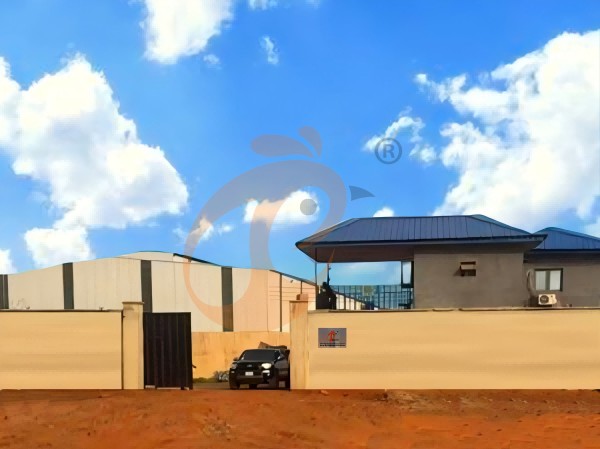
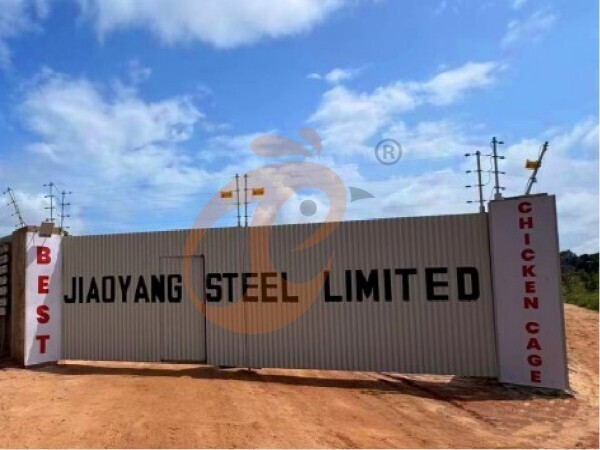
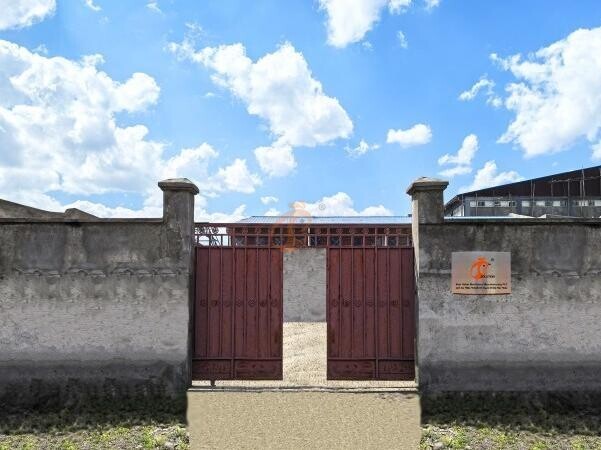
Reception /24 WhatsApp NO. : +8618830120193
FAQ
How To Reduce Pecking And Aggression In A-Type Chicken Cage Layers?
Even lighting and good ventilation
Provide supplemental feed and water
Mortality rate: 2–3%
Egg production rate: 90–96%
What Are The Recommended Aisle Widths In A-Type Chicken Cage Houses?
Facilitates manual operation and equipment access
Farm capacity per house: 10,000–50,000 birds
Egg production rate: 90–96%
How To Ensure Proper Airflow In A-Type Layer Cage Farm?
Roof vents and air ducts designed properly
Reduce heat stress and humidity
Egg production rate: 90–96%
FCR: 1.9–2.2
- poultry equipment
- layer cage
- broiler cage
- poultry farm
- poultry cage
- battery cage
- poultry farm
- poultry farm construction
- battery cage for layers
- battery cage system
- layer cage system
- battery cage
- deep litter system
- hen cage
- battery cage supplier
- broiler cage system
- hen cage system
- poultry cage system
- poultry farming equipment
- Ethiopia
- Nigeria
Message
Products recommended
 HK Headquarter Offers EU-standard Poultry Farm Solutions, Manufacture Poultry Farm Equipment1. Continuous communication with the EU and the US
2. China, Nigeria, Ethiopia, Tanzania branch companies and factories
3. The products’ quality is customized for local poultry farms
4. Poultry cage and poultry farm equipment stock for sale
5. 24 online reception Whatsapp NO. : +8618830120193,contact us to get full informationRead More China Branch Offer Poultry Farm Business Plan, Manufacture Poultry Farm Equipment1. Address: Flat/RM 2416, 24/F, Runxing Building, Youyi Nan Street, Shijiazhuang City, Hebei Province, China
2. Poultry cage and poultry farm equipment factory and stock for sale
3. Customized for local poultry farms
4. Quality and design are based on Euro
5. 24 online reception Whatsapp NO. : +8618830120193Read More Nigeria Branch Offer Poultry Farm Business Plan, Manufacture Poultry Farm Equipment1. Address: After Sinoma Office, 200 Meters Near Danco Filling Station, Lagos/Ibadan Expressway, Lagos State, Nigeria
2. Poultry cage and poultry farm equipment factory and stock for sale
3. Customized for Nigerian poultry farms
4. Quality and design are based on Euro
5. 24 online reception Whatsapp NO. : +8618830120193Read More Ethiopia Branch Offer Poultry Farm Business Plan, Manufacture Poultry Farm Equipment1. Address: Gelan Gura, Akaki-kaliti Sub City, Addis Ababa, Ethiopia
2. Poultry cage and poultry farm equipment stock for sale
3. Customized for Ethiopian poultry farms
4. Quality and design are based on Euro
5. 24 online reception Whatsapp NO. : +8618830120193, contact us to get price listRead More Tanzania Branch Offer Poultry Farm Business Plan, Manufacture Poultry Farm Equipment1. Address: No.8, Sova Road, Msufini, Mlandizi, Kibaha, Pwani, Tanzania
2. Poultry cage and poultry farm equipment factory and stock for sale
3. Customized for Tanzanian poultry farms
4. Quality and design are based on Euro
5. 24 online reception Whatsapp NO. : +8618830120193Read More Fully Automatic H Type Layer Chicken Cage1. 30,000-100,000+ layers/house chooses it, Poultry farmers can achieve an egg production rate of 96-98%
2. A significant improvement over the 85-90% typically seen in manual systems
3. A typical poultry farm can expect a 30-40% reduction in labor costs due to the automation
4. Each feeding line efficiently supplies feed to around 100,000 hens per 30 mins
5. Reception /WhatsApp NO. : +8618830120193Read More Fully Automatic A Type Layer Chicken Cage1. 10,000-50,000 layers/house chooses it
2. Cleaner egg collection reduces breakage by 0.5%
3. Improved hygiene helps reduce mortality rate to <3%
4. 1–2 technicians can handle 15,000–30,000 birds
5. Reception /WhatsApp NO. : +8618830120193Read More Semi Automatic H Type Layer Chicken Cage1. 1,00-20,000 layers/house chooses it
2. Nipple drinkers flow 30–60 ML / min
3. Hot-dip galvanized (typical coating ≥ 275 g/m²)
4. Reduce ammonia by ~ 35–40%
5. Reception /WhatsApp NO. : +8618830120193Read More Semi Automatic A Type Layer Chicken Cage1. 1,00-20,000 layers/house chooses it, no rust for 10 years, no deformation for 15 years
2. Chickens live comfortably, you can raise them with peace of mind
3. Save water, save money—efficiency you can measure
4. Improve environment quality, and increase egg production rate
5. Reception /WhatsApp NO. : +8618830120193Read More
By clicking 'Allow All', you agree to the storage of cookies on your device to enhance site navigation, analyze site usage and assist with our marketing efforts.