






Blog
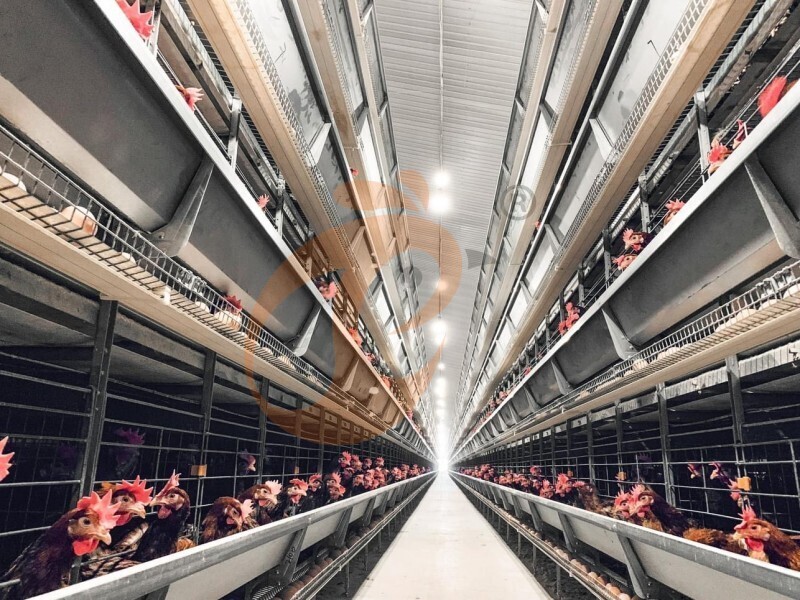
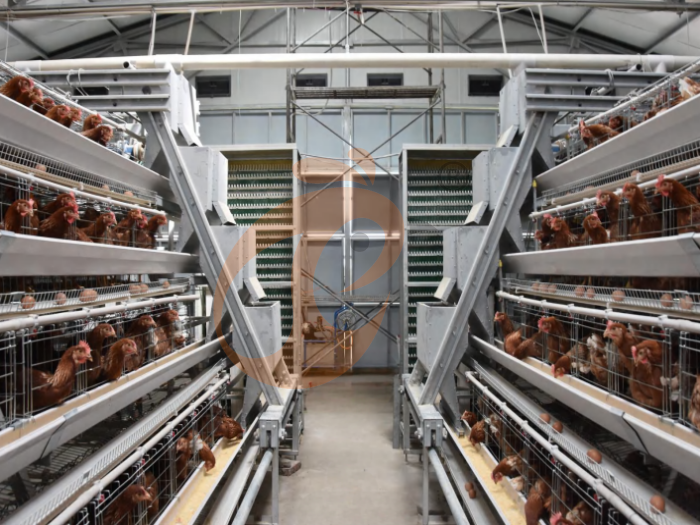
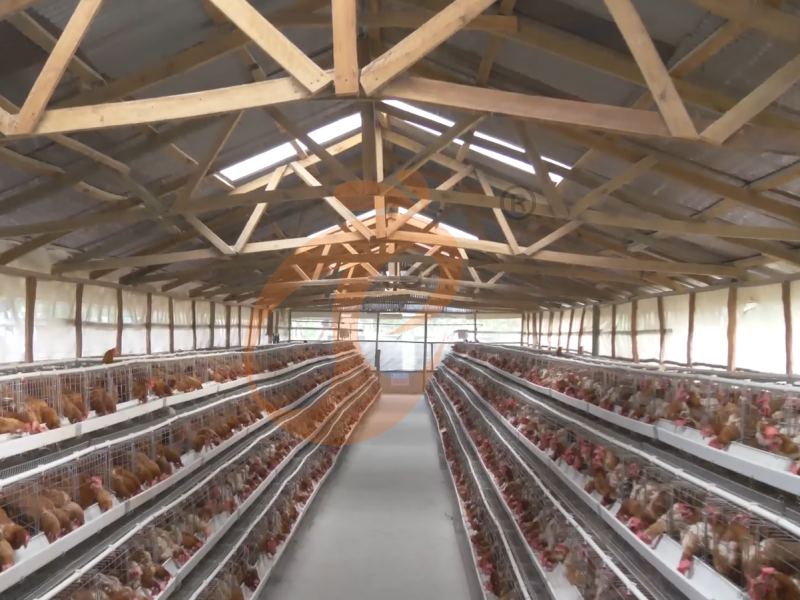
Commercial layer chicken cages cleaning guide defines systematic sanitation engineering for industrial poultry production environments under intensive housing conditions.
Mechanical removal processes reduce organic accumulation through structured dry cleaning, air injection, and vibration separation technologies.
High pressure hydraulic systems ensure surface decontamination efficiency across galvanized steel cage structures and feeding equipment modules.
Chemical treatment stages apply alkaline, enzymatic, and oxidizing formulations to eliminate biofilm layers and microbial residues.
Environmental control engineering integrates drying ventilation, thermal airflow, and monitoring systems to stabilize post disinfection cage conditions.
Get professional poultry farm construction guidance, equipment selection solutions, and the latest price lists, whatsApp to +8618830120193, +2348111199996, or click to learn more.
Step One: Pre Cleaning Preparation And Flock Removal
Data is for reference only.Swipe horizontally to view full table.
Pre cleaning preparation is a required stage in commercial layer chicken cages cleaning guide execution.
This step ensures biological contamination is removed before chemical treatment begins.
It also supports industrial poultry hygiene cycle standardization in cage production systems.
Step Two: Dry Cleaning And Organic Matter Removal
Data is for reference only.Swipe horizontally to view full table.
Dry cleaning is a core phase in industrial chicken coop disinfection process workflows.
It removes solid residues before water-based sanitation begins.
This stage improves efficiency of poultry cage sanitation best practices in large farms.
Step Three: High Pressure Washing Of Cage Structures
Data is for reference only.Swipe horizontally to view full table.
High pressure washing supports commercial layer chicken cages cleaning guide requirements by removing bonded residues.
Controlled hydraulic output reduces mechanical stress on galvanized cage structures.
It also ensures preparation for chemical detergent application in poultry systems.
Step Four: Detergent Application And Chemical Cleaning
Data is for reference only.Swipe horizontally to view full table.
Chemical cleaning strengthens poultry cage sanitation best practices by breaking down molecular residue layers.
It enhances penetration efficiency during industrial cleaning operations.
Proper dilution control prevents corrosion in cage manufacturing materials.
Step Five: Disinfection And Pathogen Control
Data is for reference only.Swipe horizontally to view full table.
Disinfection is the central phase of industrial chicken coop disinfection process implementation.
It ensures microbial elimination across all cage surfaces.
Uniform application is required in automated poultry production environments.
Data is for reference only.Swipe horizontally to view full table.
Water system sanitation is critical in poultry cage sanitation best practices.
Pipeline contamination control directly affects flock health performance.
Dose control ensures chemical stability during cleaning cycles.
Step Six: Drying Inspection And Biosecurity Reset
Data is for reference only.Swipe horizontally to view full table.
Drying stage ensures stability of commercial layer chicken cages cleaning guide completion.
Moisture elimination prevents bacterial regrowth after chemical treatment.
Biosecurity reset prepares facility for next production cycle.
Supporting Systems In Cage Manufacturing And Hygiene Design
Data is for reference only.Swipe horizontally to view full table.
Cage manufacturing design strongly influences poultry cage sanitation best practices.
Precision engineering reduces contamination retention zones.
It also improves compatibility with industrial cleaning systems.
Operational Hygiene Performance Metrics
Data is for reference only.Swipe horizontally to view full table.
Performance tracking ensures stability in commercial layer chicken cages cleaning guide systems.
Data driven control improves operational consistency in poultry farms.
It supports long term efficiency in automated poultry production lines.
Common Cleaning Failures And Correction Measures
Data is for reference only.Swipe horizontally to view full table.
Failure correction improves industrial chicken coop disinfection process stability.
Operational control reduces sanitation inconsistencies.
Training and maintenance systems ensure long term hygiene reliability.
Frequently Asked Questions
Q1: What is the recommended cleaning cycle for commercial layer chicken cages?
A1: Cleaning is normally completed after each production cycle, including dry removal, washing, chemical detergent treatment, disinfection, and full drying to ensure stable biosecurity and prevent pathogen accumulation.
Q2: How does cage design affect cleaning efficiency?
A2: Cage structure directly influences residue retention and water penetration.
Modular frames, smooth welding, and optimized wire spacing reduce contamination zones and shorten total cleaning duration.
Q3: What happens if drying is not properly completed?
A3: Incomplete drying leads to moisture retention, which accelerates microbial regrowth, reduces disinfectant effectiveness, and increases disease risk during the next flock placement cycle.
Taiyu (HK) Group - One Of China Largest Poultry Cage System Manufacturer
Commercial layer chicken cage system is engineered for high density egg production with automated manure and feeding integration.
Global factory direct supply supports poultry farm equipment including poultry cage and ventilation systems for industrial farms.
Turn-key engineering solutions include full installation parameters such as 120000 bird capacity and 8 tier cage design.
Equipment supports 0.275 mm galvanized steel thickness with 6.5 degree manure belt inclination.
Worldwide delivery ensures stable performance for poultry production projects and large scale farming systems.
Contact Us To Received Your Customized Poultry Farm Plan
Headquarters And Branchs
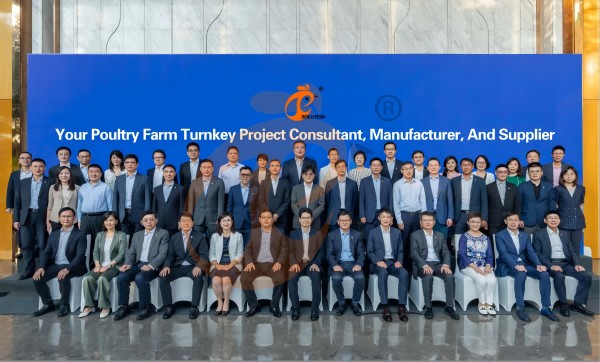
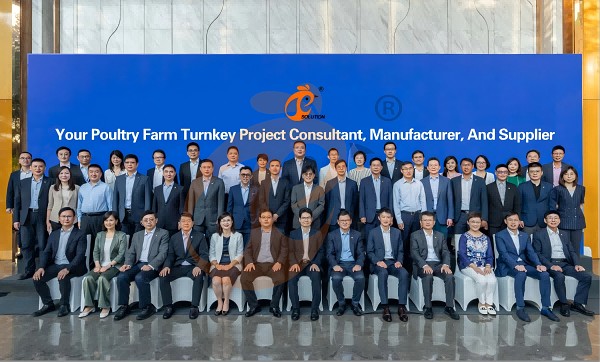
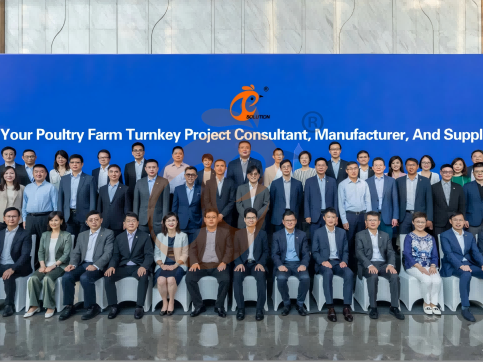
Hong Kong Headquarter Management Team
Hong Kong Headquarter Taiyu Industrial Group CO., LTD
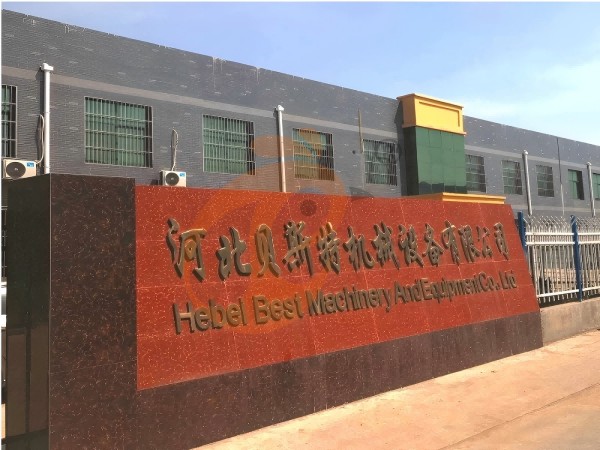
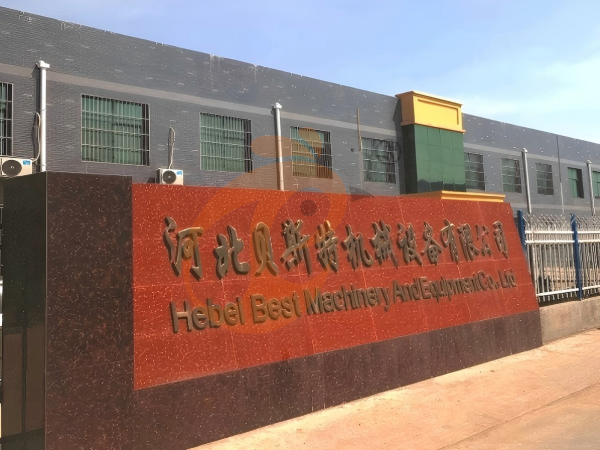
China Hebei Best Machinery And Equipment CO., LTD
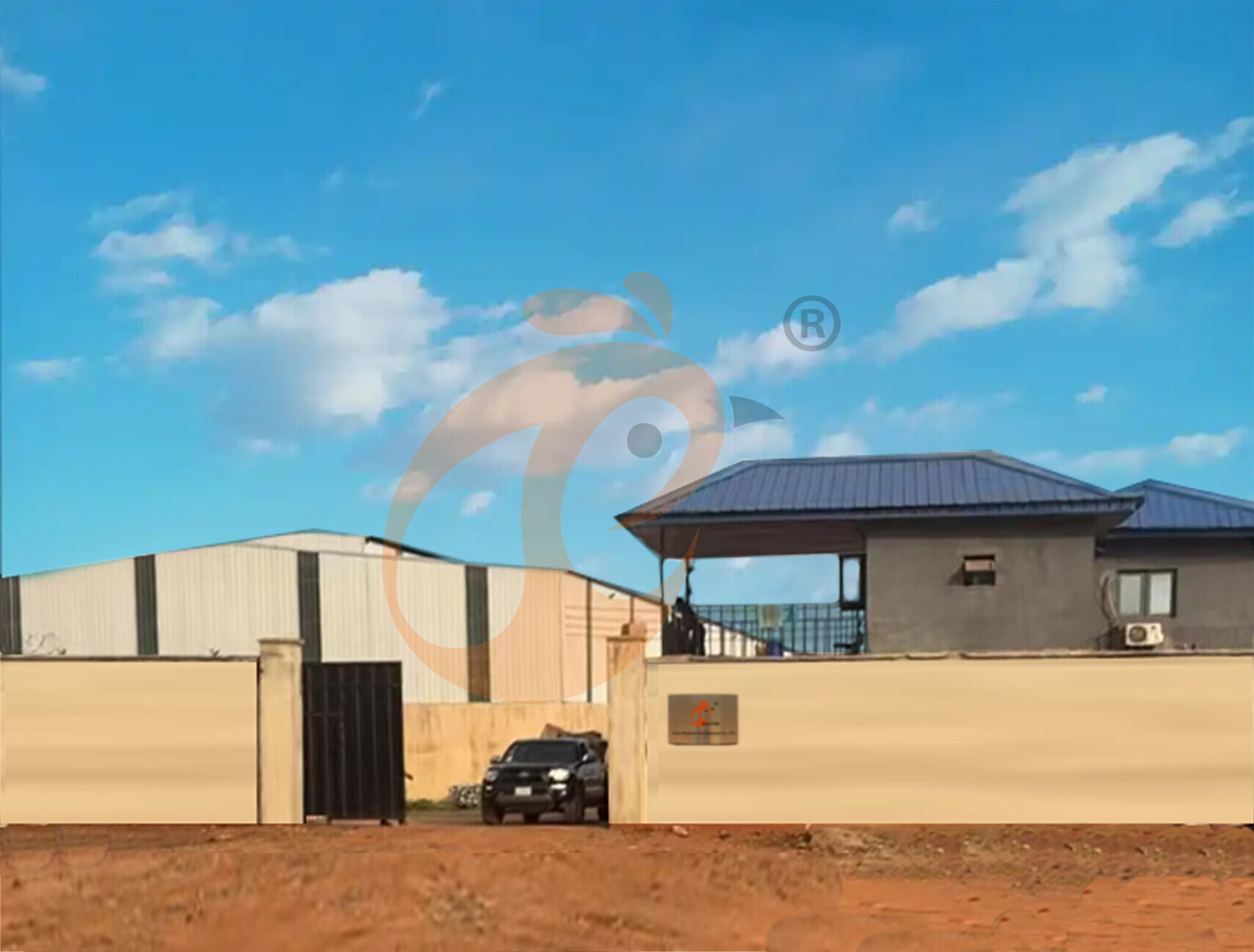
Nigeria Vanke Machinery And Equipment CO., LTD
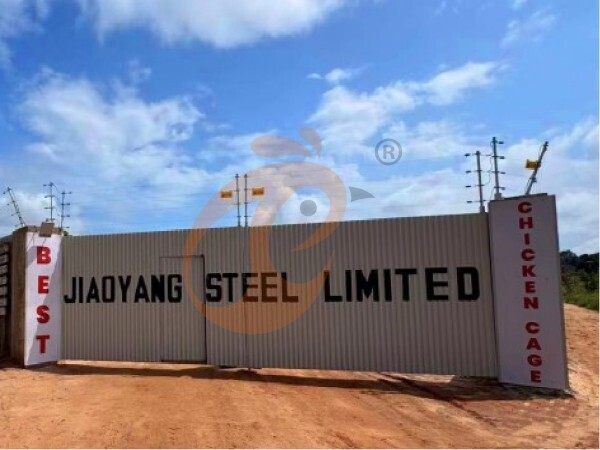
Tanzania Best Machinery And Equipment CO., LTD
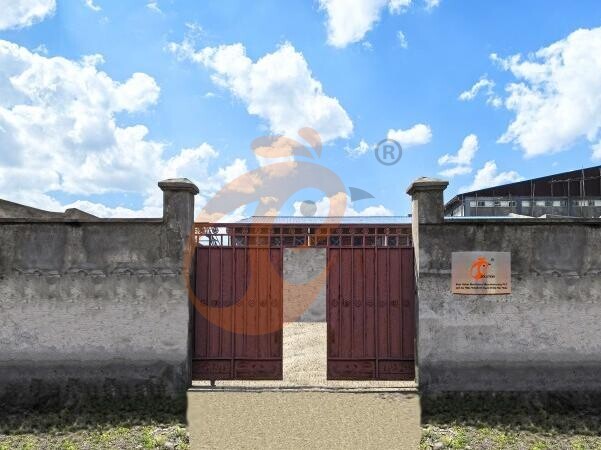
Ethiopia Best Hebei Machinery Manufacturing PLC
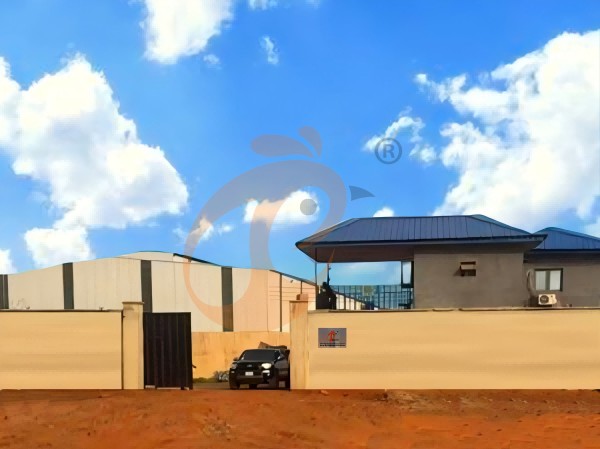
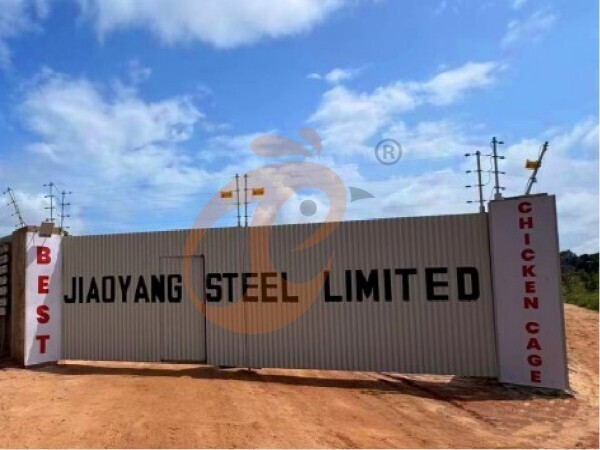
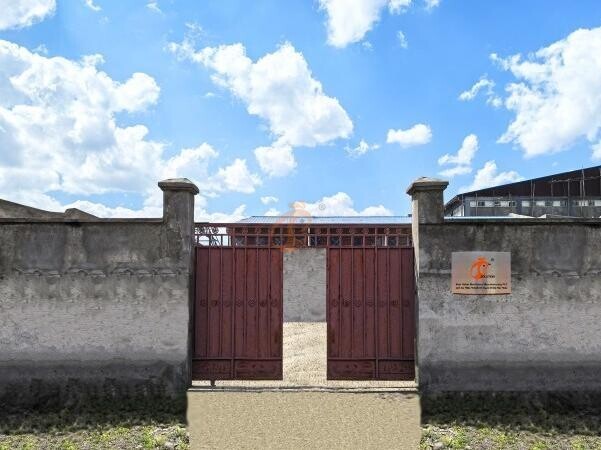
Reception /24 WhatsApp NO. : +8618830120193
FAQ
How To Reduce Stress And Improve Egg Production In Battery Cage Farms?
Good ventilation, temperature 18–25℃, lighting 16h/day.
Automatic feeding and drinking systems ensure sufficient nutrition and water; egg production 90–98%.
What Are The Advanced Tips For Egg Hygiene And Quality Control In Layer Cage Systems?
Monitor feed nutrition and water quality to ensure strong eggshells.
How To Implement Advanced Light Management Systems In Poultry Cage Farms?
Combined with automatic feeding, egg production increases 2–3%, breakage <3%.
Message
Products recommended
 HK Headquarter Offers EU-standard Poultry Farm Solutions, Manufacture Poultry Farm Equipment1. Continuous communication with the EU and the US
2. China, Nigeria, Ethiopia, Tanzania branch companies and factories
3. The products’ quality is customized for local poultry farms
4. Poultry cage and poultry farm equipment stock for sale
5. 24 online reception Whatsapp NO. : +8618830120193,contact us to get full informationRead More China Branch Offer Poultry Farm Business Plan, Manufacture Poultry Farm Equipment1. Address: Flat/RM 2416, 24/F, Runxing Building, Youyi Nan Street, Shijiazhuang City, Hebei Province, China
2. Poultry cage and poultry farm equipment factory and stock for sale
3. Customized for local poultry farms
4. Quality and design are based on Euro
5. 24 online reception Whatsapp NO. : +8618830120193Read More Nigeria Branch Offer Poultry Farm Business Plan, Manufacture Poultry Farm Equipment1. Address: After Sinoma Office, 200 Meters Near Danco Filling Station, Lagos/Ibadan Expressway, Lagos State, Nigeria
2. Poultry cage and poultry farm equipment factory and stock for sale
3. Customized for Nigerian poultry farms
4. Quality and design are based on Euro
5. 24 online reception Whatsapp NO. : +8618830120193Read More Ethiopia Branch Offer Poultry Farm Business Plan, Manufacture Poultry Farm Equipment1. Address: Gelan Gura, Akaki-kaliti Sub City, Addis Ababa, Ethiopia
2. Poultry cage and poultry farm equipment stock for sale
3. Customized for Ethiopian poultry farms
4. Quality and design are based on Euro
5. 24 online reception Whatsapp NO. : +8618830120193, contact us to get price listRead More Tanzania Branch Offer Poultry Farm Business Plan, Manufacture Poultry Farm Equipment1. Address: No.8, Sova Road, Msufini, Mlandizi, Kibaha, Pwani, Tanzania
2. Poultry cage and poultry farm equipment factory and stock for sale
3. Customized for Tanzanian poultry farms
4. Quality and design are based on Euro
5. 24 online reception Whatsapp NO. : +8618830120193Read More Fully Automatic H Type Layer Chicken Cage1. 30,000-100,000+ layers/house chooses it, Poultry farmers can achieve an egg production rate of 96-98%
2. A significant improvement over the 85-90% typically seen in manual systems
3. A typical poultry farm can expect a 30-40% reduction in labor costs due to the automation
4. Each feeding line efficiently supplies feed to around 100,000 hens per 30 mins
5. Reception /WhatsApp NO. : +8618830120193Read More Fully Automatic A Type Layer Chicken Cage1. 10,000-50,000 layers/house chooses it
2. Cleaner egg collection reduces breakage by 0.5%
3. Improved hygiene helps reduce mortality rate to <3%
4. 1–2 technicians can handle 15,000–30,000 birds
5. Reception /WhatsApp NO. : +8618830120193Read More Semi Automatic H Type Layer Chicken Cage1. 1,00-20,000 layers/house chooses it
2. Nipple drinkers flow 30–60 ML / min
3. Hot-dip galvanized (typical coating ≥ 275 g/m²)
4. Reduce ammonia by ~ 35–40%
5. Reception /WhatsApp NO. : +8618830120193Read More Semi Automatic A Type Layer Chicken Cage1. 1,00-20,000 layers/house chooses it, no rust for 10 years, no deformation for 15 years
2. Chickens live comfortably, you can raise them with peace of mind
3. Save water, save money—efficiency you can measure
4. Improve environment quality, and increase egg production rate
5. Reception /WhatsApp NO. : +8618830120193Read More
By clicking 'Allow All', you agree to the storage of cookies on your device to enhance site navigation, analyze site usage and assist with our marketing efforts.