






Blog
Water flow stability in nipple drinkers determines poultry hydration efficiency and production consistency.
Hydraulic pressure regulation influences uniform distribution across long poultry house pipelines.
Filtration systems remove sediment, minerals, and microbial particles from drinking water supply lines.
Pipeline design geometry affects flow balance, installation performance, and long-term operational reliability.
Maintenance strategies ensure continuous system functionality and reduce water delivery interruptions in farms.
Get professional poultry farm construction guidance, equipment selection solutions, and the latest price lists, whatsApp to +8618830120193, +2348111199996, or click to learn more.
System Pressure Engineering And Flow Calibration
Water flow in nipple drinkers is controlled by hydraulic pressure distributed across the pipeline network.
Pressure inconsistency often occurs due to elevation differences, regulator mismatch, or long-distance piping layouts.
In commercial houses, pressure is usually measured at multiple points to ensure uniform distribution across all lines.
Proper calibration ensures every nipple delivers consistent activation response.
High demand systems for poultry drinking line stability improves hydraulic balancing efficiency across large scale poultry installations.
Data is for reference only.Swipe horizontally to view full table.
Pressure calibration must be adjusted according to house length, water demand, and bird density distribution.
Longer poultry houses require additional regulators to avoid end-line pressure drop.
Multi Stage Water Filtration Architecture
Water filtration is not a single process but a layered purification system designed to protect nipple mechanisms from obstruction.
Suspended solids, dissolved minerals, and microbial aggregates are the primary causes of internal clogging.
A properly designed filtration chain improves equipment lifespan and reduces maintenance frequency.
Automatic poultry drinking system optimization enhances filtration accuracy and improves long term pipeline cleanliness performance.
Data is for reference only.Swipe horizontally to view full table.
Each stage performs a specific mechanical or chemical function in maintaining water clarity and biological safety.
Skipping any stage increases downstream contamination risk inside nipple valves.
Hydraulic Flushing And Internal Pipeline Renewal
Flushing is a controlled hydraulic cleaning process used to remove biofilm accumulation and sediment deposition inside pipelines.
Biofilm formation increases friction resistance and reduces effective water flow volume.
Flushing frequency depends on environmental temperature, water composition, and flock production stage.
Commercial poultry nipple drinker system design supports stable hydraulic flushing performance in intensive poultry farming environments.
Data is for reference only.Swipe horizontally to view full table.
Hydraulic flushing must be synchronized with pressure regulation systems to avoid pipe stress or connector leakage.
Improper flushing speed can dislodge fittings or create pressure shock waves.
Nipple Valve Engineering And Flow Response Matching
Nipple drinkers operate through mechanical pin displacement triggered by bird interaction.
Different poultry categories require different activation force thresholds and flow coefficients.
Incorrect nipple selection leads to either underhydration or excessive spillage.
Data is for reference only.Swipe horizontally to view full table.
Mechanical calibration ensures synchronization between bird drinking behavior and water release response time.
Incorrect force calibration increases energy expenditure for birds and reduces drinking frequency.
Structural Pipeline Layout Optimization And Installation Geometry
Pipeline layout determines gravitational influence, hydraulic resistance, and flow distribution stability.
Even high quality components cannot compensate for poor structural installation.
Proper geometry ensures equal water accessibility across all drinking zones.
Data is for reference only.Swipe horizontally to view full table.
Correct geometric configuration reduces hydraulic imbalance and prevents stagnant water zones within pipelines.
Water Quality Chemistry And Mineral Control System
Water chemistry directly influences nipple durability and internal scaling formation.
Mineral imbalance leads to calcium precipitation, which gradually restricts internal flow channels.
Chemical monitoring ensures long term system stability.
Data is for reference only.Swipe horizontally to view full table.
Maintaining controlled mineral composition reduces internal deposition and stabilizes long term flow performance.
Preventive Maintenance Scheduling And Operational Control
Preventive maintenance ensures early detection of system degradation before functional failure occurs.
Maintenance includes mechanical inspection, hydraulic testing, and microbial assessment.
Structured scheduling reduces emergency downtime and improves system lifespan.
Data is for reference only.Swipe horizontally to view full table.
A structured maintenance system improves operational predictability and reduces production variability.
Advanced Water Line Performance Monitoring System
Real-time monitoring of nipple drinker systems improves operational stability and reduces hidden flow failures.
Flow sensors installed in main pipelines typically measure 0.8–3.5 liters per minute per line in commercial poultry houses.
Digital pressure transmitters with 4–20 ma output signals are commonly integrated into automated drinking systems.
Water temperature control between 18–24°c improves drinking consistency and reduces nipple response delay.
Continuous monitoring ensures early detection of abnormal hydraulic behavior before flock performance is affected.
Frequently Asked Questions
Q1: Why does water flow become unstable in nipple drinker systems?
A1: Water flow instability often comes from pressure imbalance or sediment blockage.
In systems operating around 20–35 kPa, even small deviations can affect nipple response efficiency.
Regular calibration reduces this risk significantly.
Q2: How often should pipeline flushing be performed?
A2: Flushing frequency depends on production stage and water quality conditions.
Most farms perform flushing every 8–12 minutes cycle during routine operations or every 7 days for deep cleaning.
This helps reduce biofilm accumulation inside pipelines.
Q3: What is the most important factor in maintaining stable nipple flow?
A3: Pressure regulation combined with filtration efficiency is the most critical factor.
Without stable pressure around 20–33 kpa range, even high quality nipples cannot function properly.
Balanced system design ensures consistent water delivery.
Taiyu (HK) Group - One Of China Largest Nipple Drinkers Manufacturer
Nipple drinker water flow control system ensures stable poultry hydration performance in commercial farms.
Global factory direct supply supports competitive pricing and consistent production capacity for poultry equipment.
Turn-key poultry engineering solutions include house design, installation, and full system integration services.
Advanced manufacturing standards ensure durable nipple drinkers with high precision hydraulic performance stability.
Worldwide exporter network provides fast delivery, technical support, and long-term cooperation for large projects.
Contact Us To Received Your Customized Poultry Farm Plan
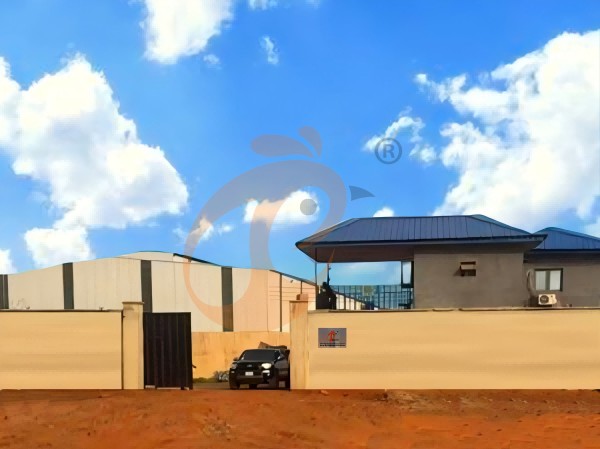
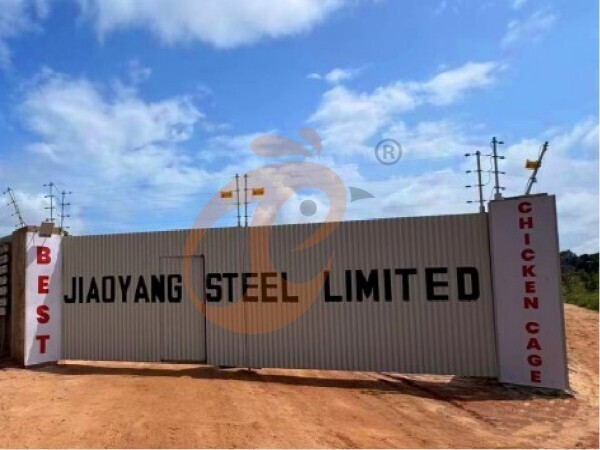
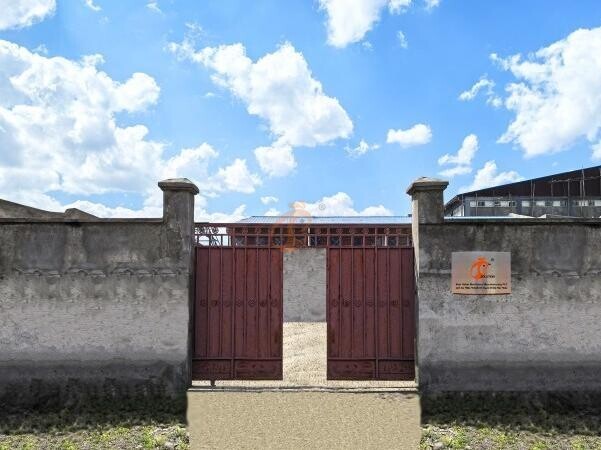
Headquarters And Branchs
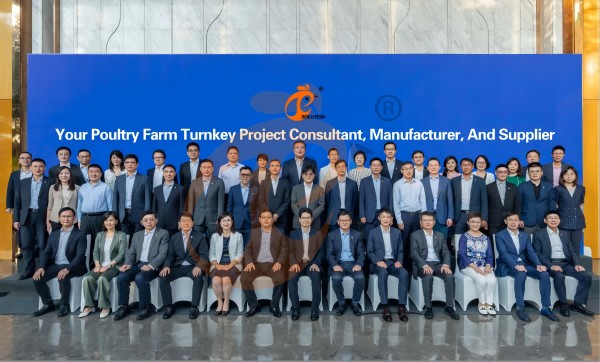
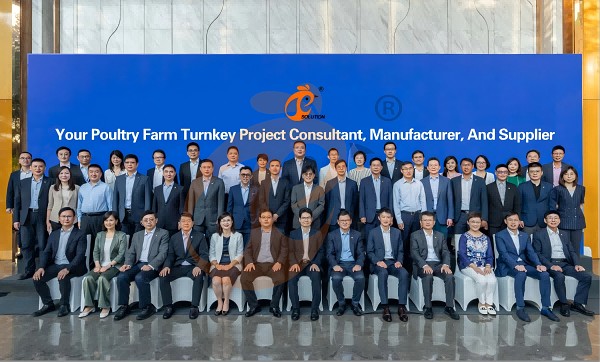
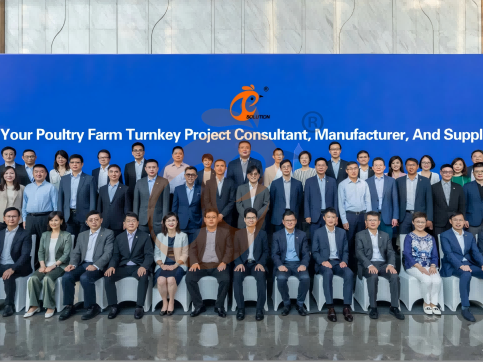
Hong Kong Headquarter Management Team
Hong Kong Headquarter Taiyu Industrial Group CO., LTD
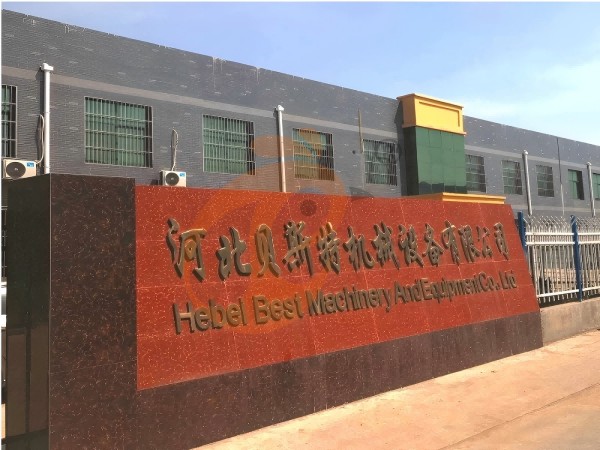
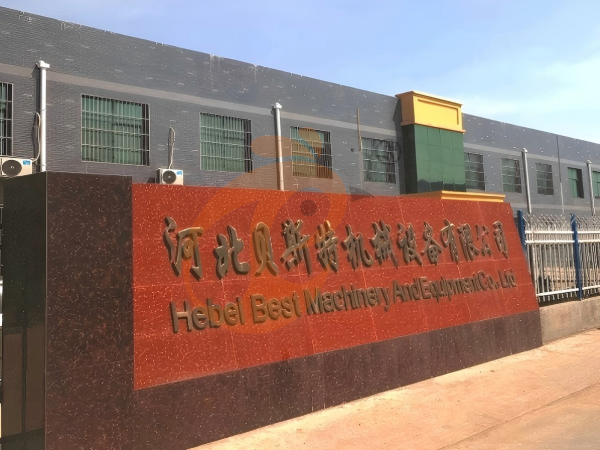
China Hebei Best Machinery And Equipment CO., LTD
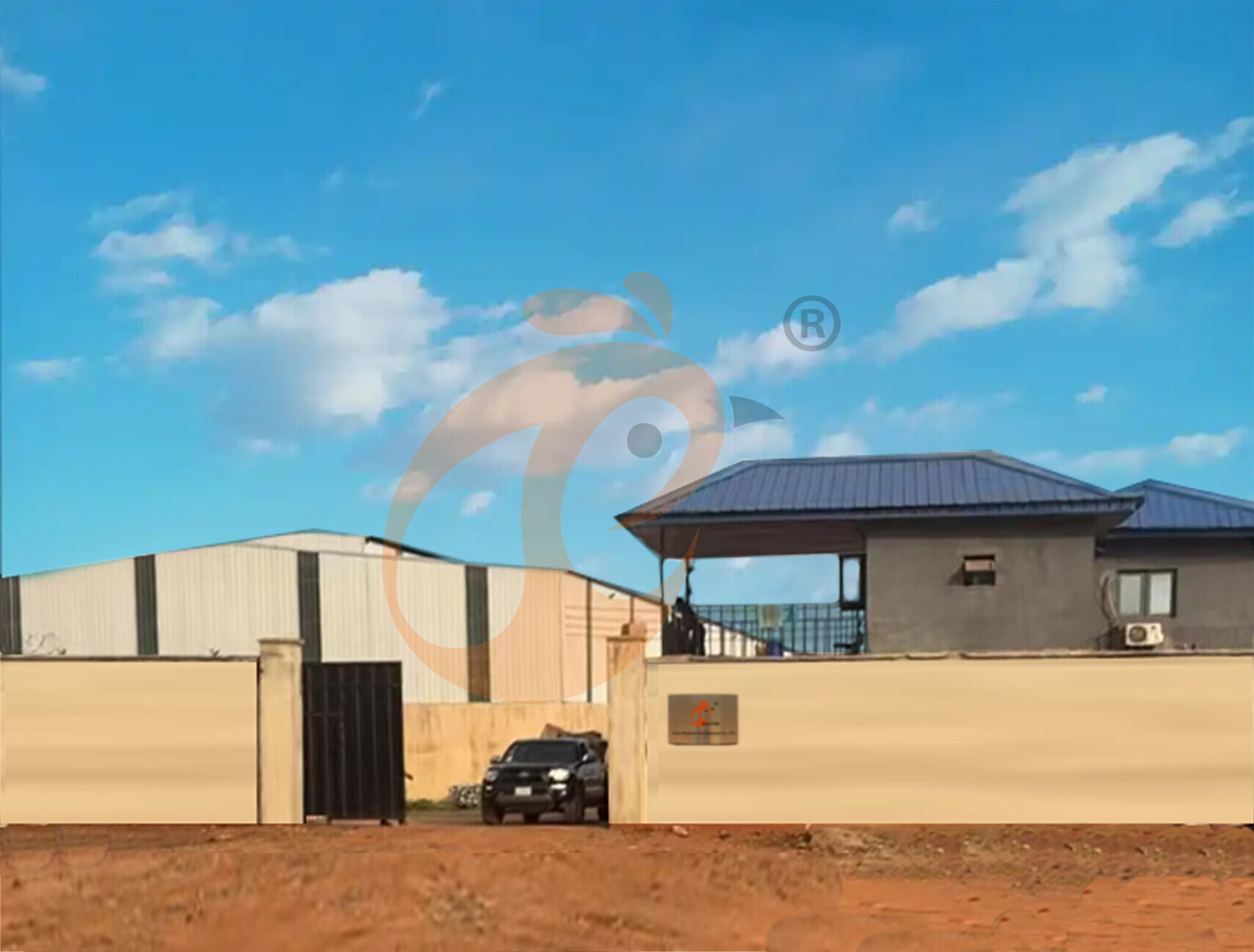
Nigeria Vanke Machinery And Equipment CO., LTD
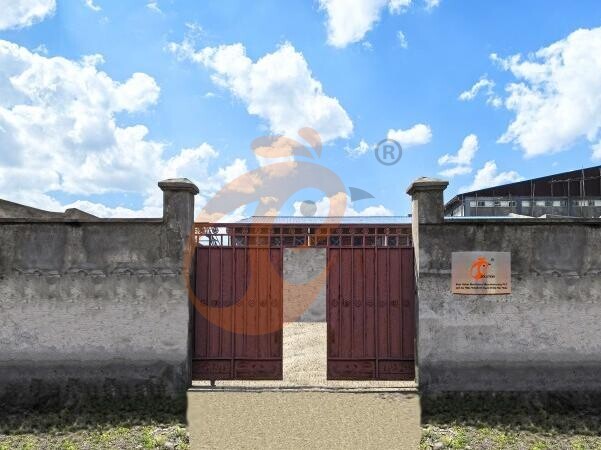
Tanzania Best Machinery And Equipment CO., LTD
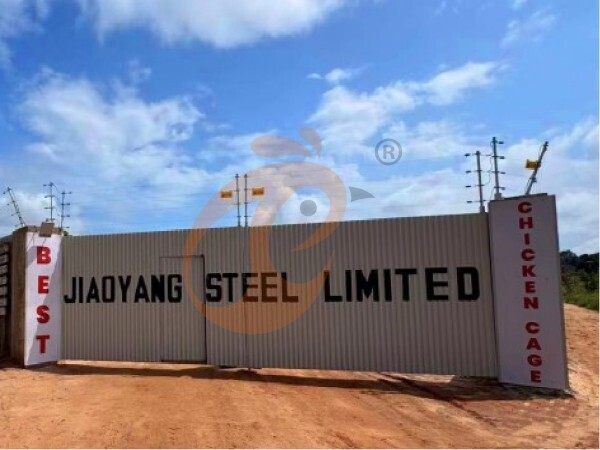
Ethiopia Best Hebei Machinery Manufacturing PLC
Reception /24 WhatsApp NO. : +8618830120193
FAQ
What Water Quality Requirements Are Necessary For Nipple Drinkers In Poultry Chicken Cage Systems?
Water hardness is maintained within 100–150 mg/L CaCO₃ equivalent for valve protection.
Microbial load is controlled under 100 CFU/mL for safe poultry consumption standards.
What Is The Recommended Stocking Ratio For Nipple Drinkers In Poultry Chicken Cage Systems?
Drinker spacing is typically set at 25–30 cm to reduce competition stress.
Water demand allocation is calculated at 180–220 ml per bird daily in intensive production.
How Is Water Flow Regulated In Nipple Drinkers For Poultry Chicken Cage Farming Systems?
Pressure stability is maintained within 0.18–0.22 MPa across drinking lines.
Drop formation interval is adjusted at 1–2 seconds per activation for efficient intake.
Message
Products recommended
 HK Headquarter Offers EU-standard Poultry Farm Solutions, Manufacture Poultry Farm Equipment1. Continuous communication with the EU and the US
2. China, Nigeria, Ethiopia, Tanzania branch companies and factories
3. The products’ quality is customized for local poultry farms
4. Poultry cage and poultry farm equipment stock for sale
5. 24 online reception Whatsapp NO. : +8618830120193,contact us to get full informationRead More China Branch Offer Poultry Farm Business Plan, Manufacture Poultry Farm Equipment1. Address: Flat/RM 2416, 24/F, Runxing Building, Youyi Nan Street, Shijiazhuang City, Hebei Province, China
2. Poultry cage and poultry farm equipment factory and stock for sale
3. Customized for local poultry farms
4. Quality and design are based on Euro
5. 24 online reception Whatsapp NO. : +8618830120193Read More Nigeria Branch Offer Poultry Farm Business Plan, Manufacture Poultry Farm Equipment1. Address: After Sinoma Office, 200 Meters Near Danco Filling Station, Lagos/Ibadan Expressway, Lagos State, Nigeria
2. Poultry cage and poultry farm equipment factory and stock for sale
3. Customized for Nigerian poultry farms
4. Quality and design are based on Euro
5. 24 online reception Whatsapp NO. : +8618830120193Read More Ethiopia Branch Offer Poultry Farm Business Plan, Manufacture Poultry Farm Equipment1. Address: Gelan Gura, Akaki-kaliti Sub City, Addis Ababa, Ethiopia
2. Poultry cage and poultry farm equipment stock for sale
3. Customized for Ethiopian poultry farms
4. Quality and design are based on Euro
5. 24 online reception Whatsapp NO. : +8618830120193, contact us to get price listRead More Tanzania Branch Offer Poultry Farm Business Plan, Manufacture Poultry Farm Equipment1. Address: No.8, Sova Road, Msufini, Mlandizi, Kibaha, Pwani, Tanzania
2. Poultry cage and poultry farm equipment factory and stock for sale
3. Customized for Tanzanian poultry farms
4. Quality and design are based on Euro
5. 24 online reception Whatsapp NO. : +8618830120193Read More Fully Automatic H Type Layer Chicken Cage1. 30,000-100,000+ layers/house chooses it, Poultry farmers can achieve an egg production rate of 96-98%
2. A significant improvement over the 85-90% typically seen in manual systems
3. A typical poultry farm can expect a 30-40% reduction in labor costs due to the automation
4. Each feeding line efficiently supplies feed to around 100,000 hens per 30 mins
5. Reception /WhatsApp NO. : +8618830120193Read More Fully Automatic A Type Layer Chicken Cage1. 10,000-50,000 layers/house chooses it
2. Cleaner egg collection reduces breakage by 0.5%
3. Improved hygiene helps reduce mortality rate to <3%
4. 1–2 technicians can handle 15,000–30,000 birds
5. Reception /WhatsApp NO. : +8618830120193Read More Semi Automatic H Type Layer Chicken Cage1. 1,00-20,000 layers/house chooses it
2. Nipple drinkers flow 30–60 ML / min
3. Hot-dip galvanized (typical coating ≥ 275 g/m²)
4. Reduce ammonia by ~ 35–40%
5. Reception /WhatsApp NO. : +8618830120193Read More Semi Automatic A Type Layer Chicken Cage1. 1,00-20,000 layers/house chooses it, no rust for 10 years, no deformation for 15 years
2. Chickens live comfortably, you can raise them with peace of mind
3. Save water, save money—efficiency you can measure
4. Improve environment quality, and increase egg production rate
5. Reception /WhatsApp NO. : +8618830120193Read More
By clicking 'Allow All', you agree to the storage of cookies on your device to enhance site navigation, analyze site usage and assist with our marketing efforts.