






Blog
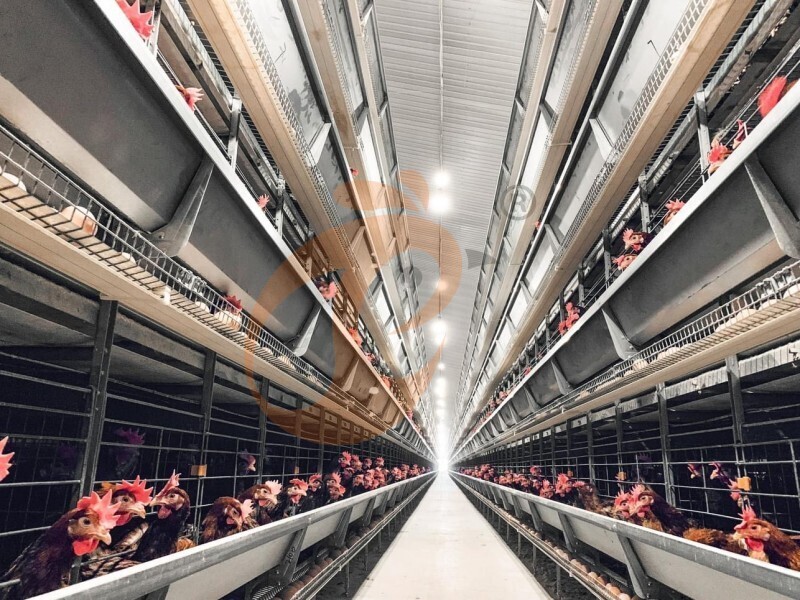
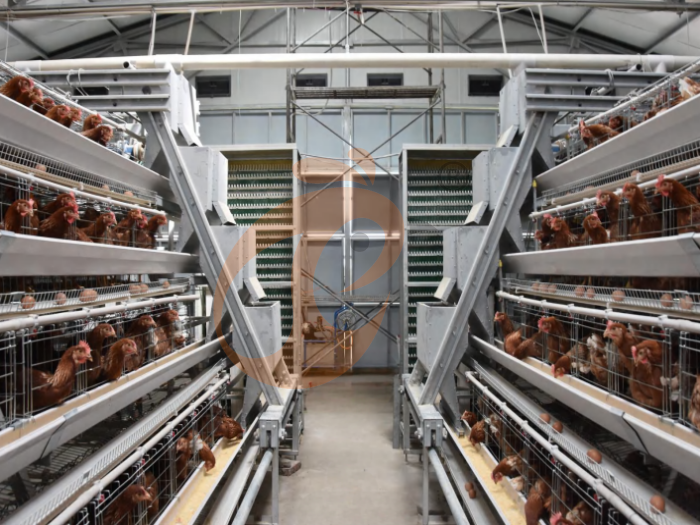
Layer chicken cage installation integrates structural steel engineering, automated feeding systems, hydraulic drinking networks, manure removal mechanisms, and environmental control units into one coordinated production framework.
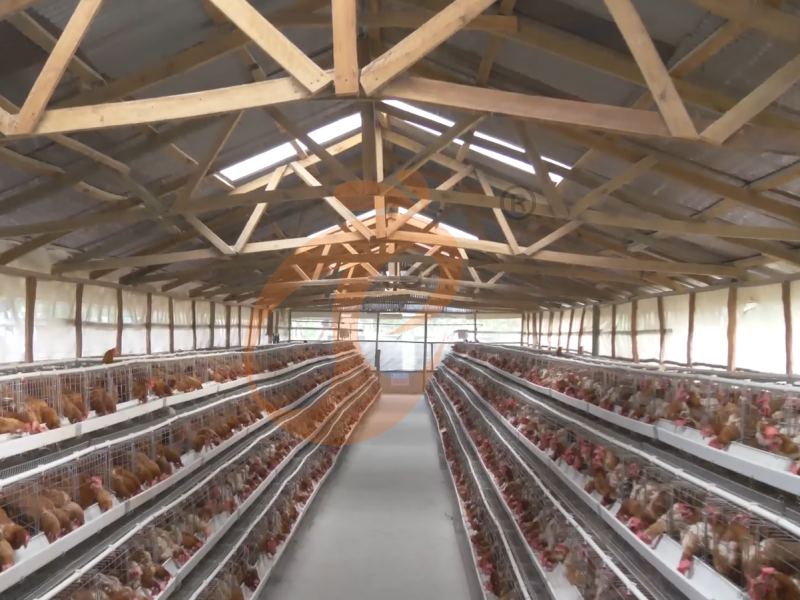
Installation engineering ensures load distribution accuracy, ventilation efficiency, and spatial utilization across multi-tier poultry housing systems for commercial egg production.
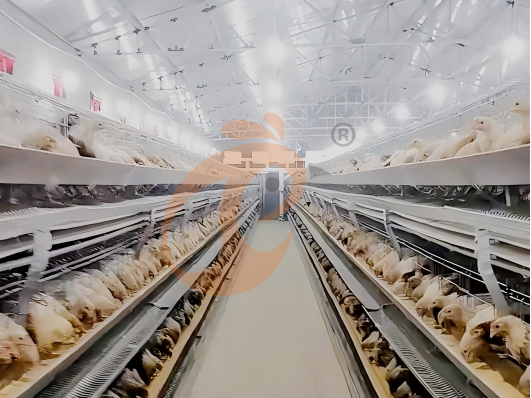
System configuration supports controlled stocking density, mechanical egg collection, and stable microclimate regulation for intensive laying operations in industrial farms.
Precision assembly reduces structural deviation, improves operational stability, and maintains consistent production performance under continuous livestock load conditions.
Proper integration of electrical automation, mechanical alignment, and biosecure infrastructure establishes long-term durability and optimized egg output efficiency in large scale poultry facilities.
Get professional poultry farm construction guidance, equipment selection solutions, and the latest price lists, whatsApp to +8618830120193, +2348111199996, or click to learn more.
Site Engineering Assessment And Pre Construction Baseline
A layer chicken cage system begins with geotechnical validation of installation terrain.
Load distribution performance depends on soil compaction values, drainage behavior, and wind exposure characteristics.
Structural safety margins must align with industrial poultry housing standards.
This phase determines long term stability and operational efficiency of poultry equipment installation.
Additional engineering constraint groundwater level must remain below 1.8 m to prevent corrosion risk in steel anchoring zones.
Soil settlement tolerance should remain under 12 mm/year in high density poultry infrastructure.
Data is for reference only.Swipe horizontally to view full table.
Industrial egg farming cage system design requires precision foundation validation before steel installation begins.
Steel Frame Structural Calibration And Layout
Steel frame construction determines geometric stability of multilayer poultry cage systems.
Column spacing accuracy directly affects load resistance and cage alignment across long production houses.
Structural deviation control ensures uniform force distribution across feeding and manure systems.
Data is for reference only.Swipe horizontally to view full table.
Proper alignment supports long term durability of automatic chicken cage system installation and reduces structural fatigue risk.
Cage Unit Assembly And Spatial Configuration
Cage system assembly defines bird density control and egg collection efficiency.
Multi-tier poultry housing requires accurate spacing for ventilation circulation and manure belt movement.
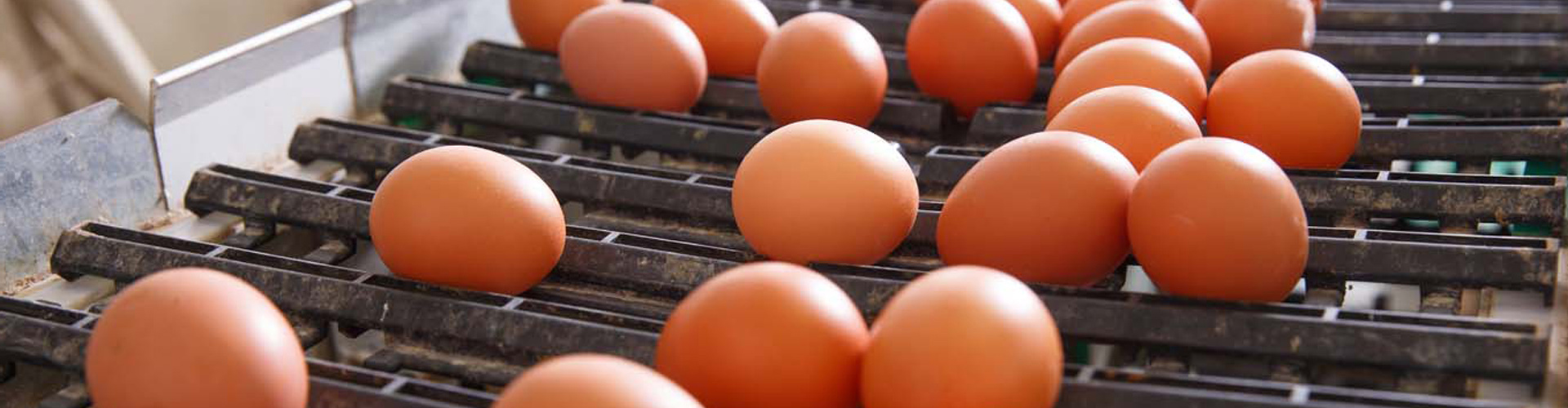
Egg roll angle calibration ensures mechanical transfer efficiency without breakage.
Operational note: egg rolling friction coefficient must remain below 0.25 to prevent micro-crack formation during transfer cycles.
Data is for reference only.Swipe horizontally to view full table.
Feeding Line Engineering And Feed Flow Calibration
Feed delivery systems regulate nutrient intake consistency across poultry flocks.
Chain feeding and pan feeding systems maintain uniform distribution in high density environments.
Feed speed calibration ensures equal access across all cage tiers.
Data is for reference only.Swipe horizontally to view full table.
Feed system imbalance above 12 percent affects production uniformity in commercial automatic egg laying chicken cage system installations.
Nipple Drinking System Hydraulic Configuration
Water supply systems maintain hydration stability and biosecurity in cage environments.
Nipple drinkers reduce contamination compared to open water systems.
Pressure control ensures consistent water availability across long pipeline networks.
Data is for reference only.Swipe horizontally to view full table.
European union standard reference only currency values in related projects use USD.
Manure Belt Removal System Configuration
Manure removal systems control ammonia accumulation and environmental hygiene in poultry houses.
Belt speed synchronization ensures continuous waste discharge from multi-tier cages.
Controlled removal cycles reduce microbial load in closed housing environments.
Additional environmental control metric hydrogen sulfide concentration should remain below 5 ppm to avoid respiratory stress in laying hens.
Data is for reference only.Swipe horizontally to view full table.
Manure control efficiency directly impacts long term poultry farming equipment installation cost optimization.
Environmental Control Integration Ventilation Lighting Cooling
Environmental control systems regulate airflow temperature and photoperiod conditions in poultry production houses.
Fan capacity and cooling pad dimensions stabilize internal microclimate.
Lighting cycles regulate reproductive hormone activity in laying hens.
Additional microclimate constraint CO₂ concentration must remain under 3000 ppm to maintain feed intake stability.
Data is for reference only.Swipe horizontally to view full table.
Stable environmental regulation is essential for layer cage system for 10000 chickens scale production systems.
Installation Workflow Summary Step By Step Sequence
Layer chicken cage installation follows sequential mechanical integration across structural, feeding, watering, and environmental systems.
Each phase requires calibrated execution to maintain production standards in industrial poultry farming.
Additional installation metric alignment tolerance accumulation must not exceed 6 mm over 30 meters structural length.
Data is for reference only.Swipe horizontally to view full table.
Total installation cycle supports scalable automatic chicken cage system installation across commercial farms.
Scientific Insight Poultry Physiology And Production Stability
Layer hens operate under endocrine regulation controlled by photoperiod sensitivity.
Ovulation cycles follow approximately 24 to 26 hour biological rhythm.
Calcium metabolism directly affects eggshell formation strength and structural integrity.
Feed conversion ratio ranges from 1.9 to 2.3 kg feed per kg eggs.
Peak production typically occurs between 26 and 32 weeks.
Temperature deviation above 30°C reduces laying rate due to metabolic stress response.
Controlled cage environments stabilize physiological output and improve egg quality consistency.
Common Engineering Errors In Cage Installation
Installation errors affect mechanical stability and biological output performance.
Structural misalignment and hydraulic imbalance create measurable production inefficiencies across cage systems.
Additional engineering insight cumulative vibration resonance above 3.5 mm/s increases long-term fastener loosening probability by 18–22%.
Data is for reference only.Swipe horizontally to view full table.
Correct installation of poultry cage equipment installation guide systems reduces long term operational loss.
Post Installation Mechanical Verification Protocol
Mechanical verification ensures system compliance before bird placement.
Testing includes vibration analysis, airflow calibration, and hydraulic leakage inspection.
Electrical load balancing ensures stable automation control across all equipment systems.
Additional commissioning requirement 72-hour continuous dry run testing is required before flock placement in commercial operations.
Data is for reference only.Swipe horizontally to view full table.
System verification supports operational readiness of automatic egg laying chicken cage system infrastructure.
Economic Performance Indicators Of Installed Cage Systems
Commercial layer cage systems are evaluated using production efficiency and operational cost metrics.
Economic performance depends on feed conversion ratio mortality rate and labor efficiency in industrial farming environments.
Additional financial benchmark: payback period variability typically ranges ±6 months depending on feed price volatility.
Data is for reference only.Swipe horizontally to view full table.
Frequently Asked Questions
Q1: What is the ideal installation sequence for layer chicken cage system?
A1: Installation sequence begins with site preparation followed by steel frame construction cage assembly feed system installation water system integration manure belt setup and final electrical commissioning.
Structural tolerance must be controlled within 3 mm per 10 m span to maintain system integrity.
Q2: How does cage installation affect egg production efficiency?
A2: Accurate installation ensures uniform feed distribution stable water supply and controlled environmental conditions which collectively improve egg production rate and reduce mortality.
Production stability increases when ventilation deviation remains under 8 percent across all tiers.
Q3: What is the standard space requirement for layer chicken cage systems?
A3: H type cage system supports large scale farms 100000 – 300000 birds A type cage system supports 10000 – 30000 birds ensuring appropriate density planning.
Density control directly influences egg output consistency and ammonia accumulation rate.
Taiyu (HK) Group - One Of China Biggest Layer Chicken Cage Manufacturer
Precision engineered layer chicken cage installation systems designed for commercial egg production facilities above 10000 birds capacity worldwide deployment standards.
Factory direct poultry equipment supply chain supporting steel frame cage system feeding lines water systems and manure removal integration for global farms.
Turn key engineering poultry farming solutions covering planning manufacturing installation commissioning and after-sales technical support for industrial scale operations.
Automated poultry cage systems exported with standardized quality control ensuring consistent performance across layer house environmental conditions.
Global poultry equipment manufacturer delivering industrial layer cage systems with scalable configurations for intensive egg production projects.
Contact Us To Received Your Customized Poultry Farm Plan
Headquarters And Branchs
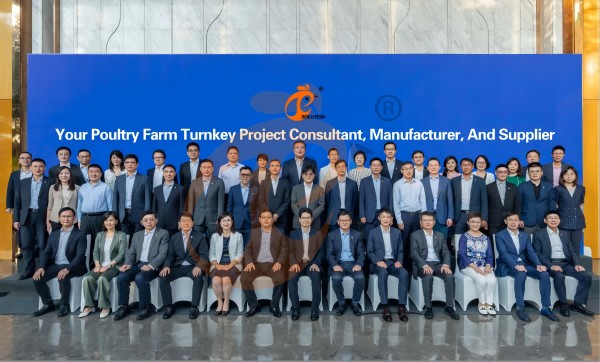
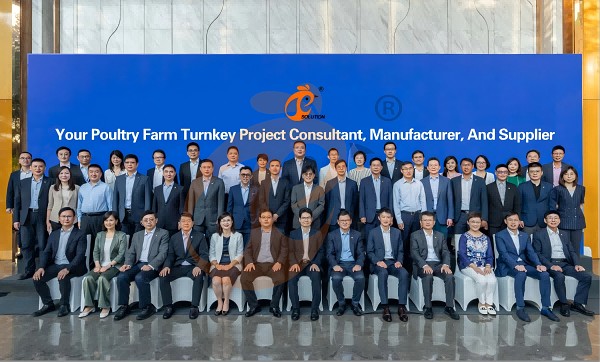
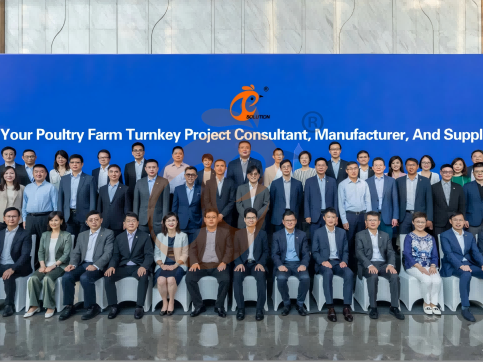
Hong Kong Headquarter Management Team
Hong Kong Headquarter Taiyu Industrial Group CO., LTD
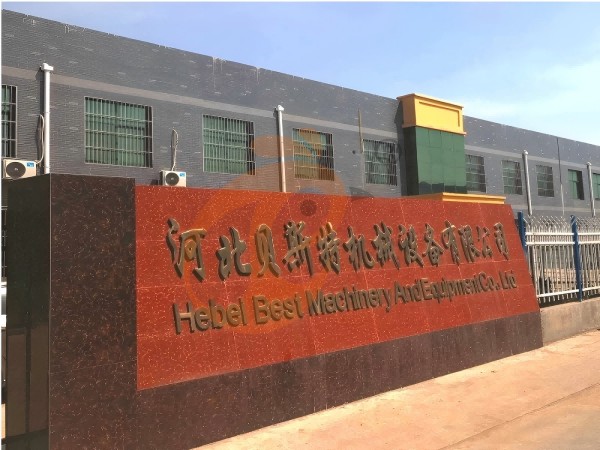
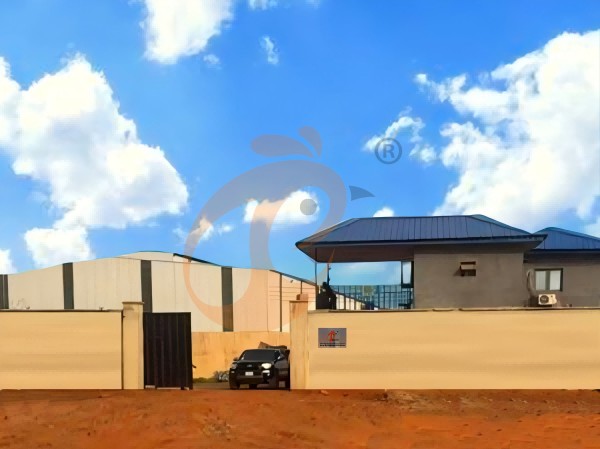
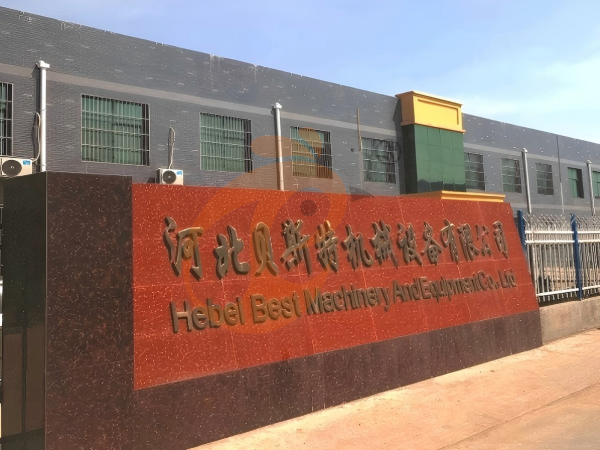
China Hebei Best Machinery And Equipment CO., LTD
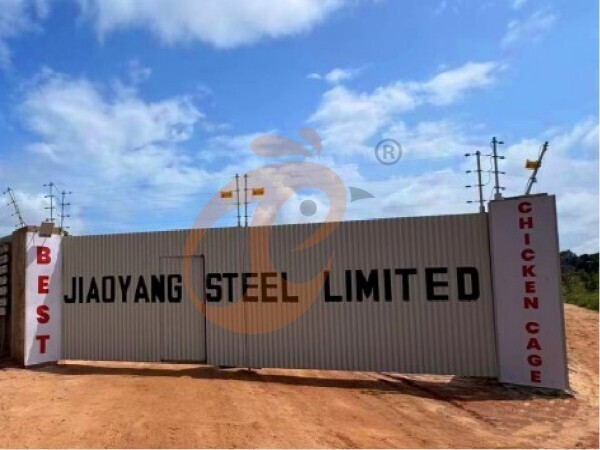
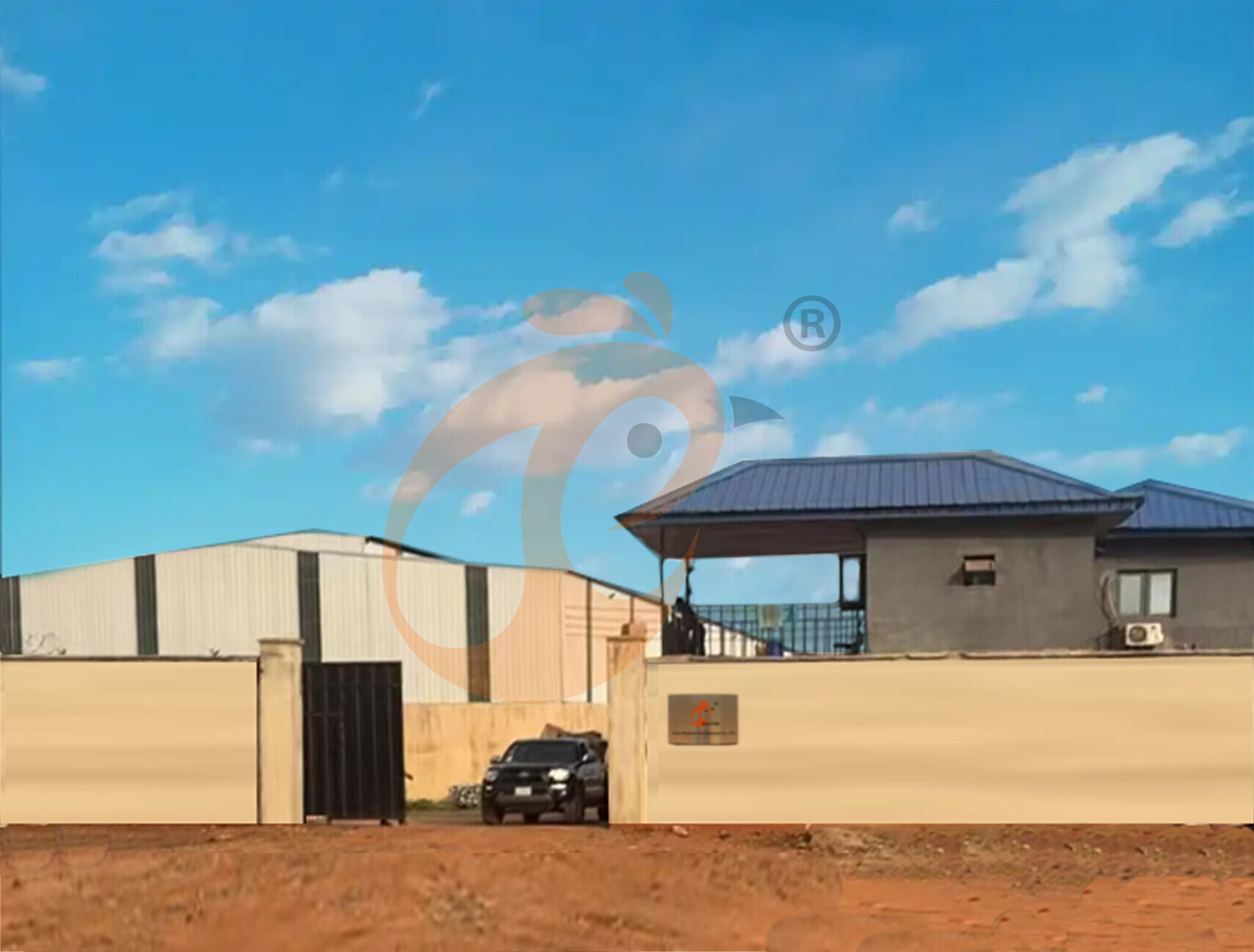
Nigeria Vanke Machinery And Equipment CO., LTD
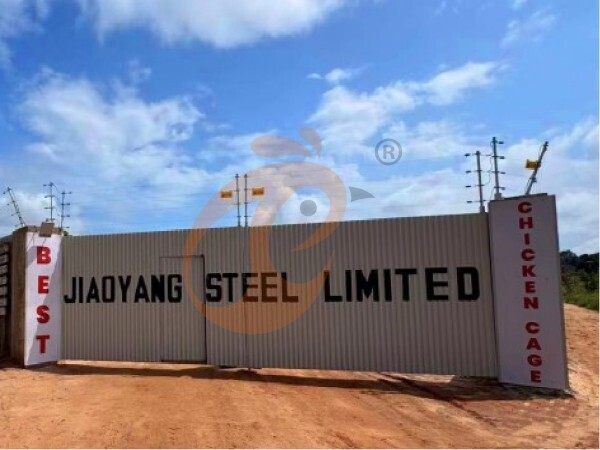
Tanzania Best Machinery And Equipment CO., LTD
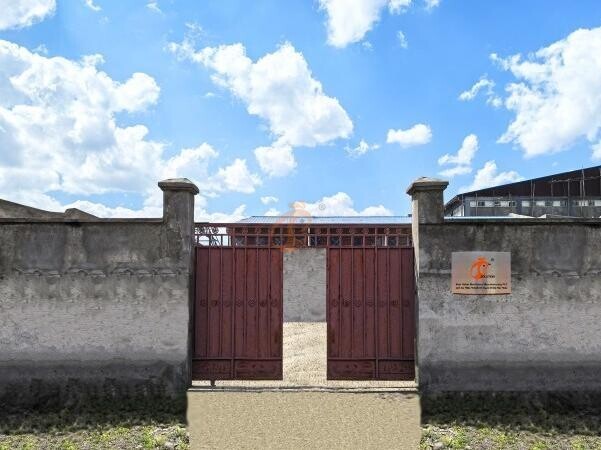
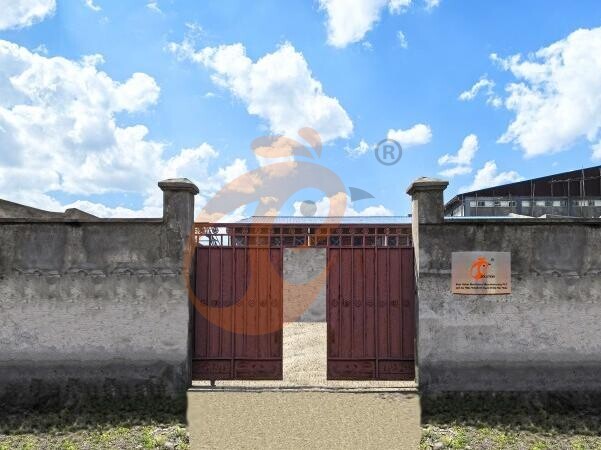
Ethiopia Best Hebei Machinery Manufacturing PLC
Reception /24 WhatsApp NO. : +8618830120193
FAQ
What Are The Top Professional Tips For Egg Collection Efficiency In Poultry Cage Farms?
Each belt can transport 4,000–6,000 eggs per hour, reducing manual handling.
Regularly clean conveyors; breakage rate can be maintained at 2–3%.
How To Reduce Labor Costs In Chicken Cage Farms With Automation?
Save ~70-90% labor per house while maintaining egg production at 90–98%.
Use monitoring systems to track flock health and production in real-time.
What Are The Ultimate Guidelines For Layer Cage Farm Hygiene And Biosecurity?
Regularly clean drinkers, egg belts, and cage surfaces.
Egg production: 90–98%, mortality: 2–3%.
- poultry equipment
- chicken cage
- layer cage
- poultry farm
- poultry cage
- poultry farm
- poultry farm construction
- layer cage system
- automatic chicken cage
- automatic chicken cage system
- poultry equipment manufacturer
- poultry cage equipment
- poultry house
- chicken cage system
- chicken cage installation
- poultry cage system
- layer chicken cage
- poultry farming equipment
- poultry farming solutions
- Ethiopia
- Nigeria
Message
Products recommended
 HK Headquarter Offers EU-standard Poultry Farm Solutions, Manufacture Poultry Farm Equipment1. Continuous communication with the EU and the US
2. China, Nigeria, Ethiopia, Tanzania branch companies and factories
3. The products’ quality is customized for local poultry farms
4. Poultry cage and poultry farm equipment stock for sale
5. 24 online reception Whatsapp NO. : +8618830120193,contact us to get full informationRead More China Branch Offer Poultry Farm Business Plan, Manufacture Poultry Farm Equipment1. Address: Flat/RM 2416, 24/F, Runxing Building, Youyi Nan Street, Shijiazhuang City, Hebei Province, China
2. Poultry cage and poultry farm equipment factory and stock for sale
3. Customized for local poultry farms
4. Quality and design are based on Euro
5. 24 online reception Whatsapp NO. : +8618830120193Read More Nigeria Branch Offer Poultry Farm Business Plan, Manufacture Poultry Farm Equipment1. Address: After Sinoma Office, 200 Meters Near Danco Filling Station, Lagos/Ibadan Expressway, Lagos State, Nigeria
2. Poultry cage and poultry farm equipment factory and stock for sale
3. Customized for Nigerian poultry farms
4. Quality and design are based on Euro
5. 24 online reception Whatsapp NO. : +8618830120193Read More Ethiopia Branch Offer Poultry Farm Business Plan, Manufacture Poultry Farm Equipment1. Address: Gelan Gura, Akaki-kaliti Sub City, Addis Ababa, Ethiopia
2. Poultry cage and poultry farm equipment stock for sale
3. Customized for Ethiopian poultry farms
4. Quality and design are based on Euro
5. 24 online reception Whatsapp NO. : +8618830120193, contact us to get price listRead More Tanzania Branch Offer Poultry Farm Business Plan, Manufacture Poultry Farm Equipment1. Address: No.8, Sova Road, Msufini, Mlandizi, Kibaha, Pwani, Tanzania
2. Poultry cage and poultry farm equipment factory and stock for sale
3. Customized for Tanzanian poultry farms
4. Quality and design are based on Euro
5. 24 online reception Whatsapp NO. : +8618830120193Read More Fully Automatic H Type Layer Chicken Cage1. 30,000-100,000+ layers/house chooses it, Poultry farmers can achieve an egg production rate of 96-98%
2. A significant improvement over the 85-90% typically seen in manual systems
3. A typical poultry farm can expect a 30-40% reduction in labor costs due to the automation
4. Each feeding line efficiently supplies feed to around 100,000 hens per 30 mins
5. Reception /WhatsApp NO. : +8618830120193Read More Fully Automatic A Type Layer Chicken Cage1. 10,000-50,000 layers/house chooses it
2. Cleaner egg collection reduces breakage by 0.5%
3. Improved hygiene helps reduce mortality rate to <3%
4. 1–2 technicians can handle 15,000–30,000 birds
5. Reception /WhatsApp NO. : +8618830120193Read More Semi Automatic H Type Layer Chicken Cage1. 1,00-20,000 layers/house chooses it
2. Nipple drinkers flow 30–60 ML / min
3. Hot-dip galvanized (typical coating ≥ 275 g/m²)
4. Reduce ammonia by ~ 35–40%
5. Reception /WhatsApp NO. : +8618830120193Read More Semi Automatic A Type Layer Chicken Cage1. 1,00-20,000 layers/house chooses it, no rust for 10 years, no deformation for 15 years
2. Chickens live comfortably, you can raise them with peace of mind
3. Save water, save money—efficiency you can measure
4. Improve environment quality, and increase egg production rate
5. Reception /WhatsApp NO. : +8618830120193Read More
By clicking 'Allow All', you agree to the storage of cookies on your device to enhance site navigation, analyze site usage and assist with our marketing efforts.